

Olympus 'Stomach Care Month' Chengdu Event Concludes Successfully, Promoting Early Screening, Diagnosis, and Treatment of Gastrointestinal Cancers

Olympus
Precision Machinery and Instrumentation R&D, Production, and Sales
Cancer has long ranked at the top of the “mortality list,” with many patients diagnosed at intermediate or advanced stages, posing a serious threat to life and health. Early detection, early diagnosis, and early treatment are key to improving cancer survival rates. For gastrointestinal cancers, which progress slowly, 90% of patients can achieve a five-year survival rate if lesions are detected and treated promptly in the early stages.
In early 2023, Olympus’ “Love Stomach Month” public welfare campaign for gastrointestinal health launched in Chengdu.Olympus, in collaboration with Sichuan Provincial People’s Hospital and West China Fourth Hospital of Sichuan University, launched a two-day public welfare science popularization campaign under the theme “Starting with Gastric Care, Journeying Toward Intestinal Health.”

“Love for the Stomach, Healthy Journey for the Intestines” 2022 Olympus Gastrointestinal Health Public Welfare Campaign
This event features online expert lectures, interactive Q&A sessions, and educational videos, invitingLi Liangping, Director of the Department of Internal Medicine and Chief Physician of Gastroenterology at Sichuan Provincial People’s Hospital; Liu Xiaogang, Director of the Digestive Endoscopy Center and Chief Physician of Gastroenterology at Sichuan Provincial People’s Hospital; Liao Juan, Chief Physician of Gastroenterology at West China Fourth Hospital, Sichuan University; and Ou Yan, Level-4 Expert in Gastroenterology at West China Fourth Hospital, Sichuan University.to educate the public on gastrointestinal cancers and endoscopic examination, promoting the "three early" health concept of "early detection, early diagnosis, and early treatment."
VCBeat interviewed the aforementioned gastroenterology experts on key topics such as the prevention, diagnosis, and treatment of gastrointestinal cancers, as well as the demand for digestive endoscopy.Li Peng, Director of the Public Relations and Brand Strategy Promotion Department, Olympus (Beijing) Sales & Service Co., Ltd., with the aim of integrating practical insights from clinical practice and industry to clarify the value connotation of “early detection, early diagnosis, and early treatment.”
Among the rankings of cancer incidence and mortality rates in China, colorectal cancer, gastric cancer, and liver cancer—all gastrointestinal cancers—follow closely behind lung cancer. According to the “2016 Chinese Cancer Incidence and Mortality Rates” report released by the National Cancer Center of China in 2022 (cancer statistics are typically delayed by 3–5 years), gastrointestinal cancers accounted for five of the top ten most common newly diagnosed cancer cases, imposing a substantial burden on patients, their families, and society. As a country with a high prevalence of gastrointestinal tumors, China faces an urgent need for the prevention and control of gastrointestinal cancers.
Director Li Liangping stated, “Gastrointestinal cancers are trending toward affecting younger populations, with an increasing number of young patients being seen in recent years. Early-stage gastrointestinal cancers lack specific symptoms and are easily overlooked; many patients are diagnosed only at intermediate or advanced stages, when treatment options are limited and outcomes are poor. For instance, the five-year survival rate for gastric cancer patients is less than 50%. Clinically, it is recommended that patients adopt the concept of ‘early detection, early diagnosis, and early treatment.’ Individuals aged 40 and above who are at high risk for gastrointestinal diseases, as well as those with a family history of gastrointestinal cancers, are encouraged to undergo regular gastroscopy and colonoscopy.”
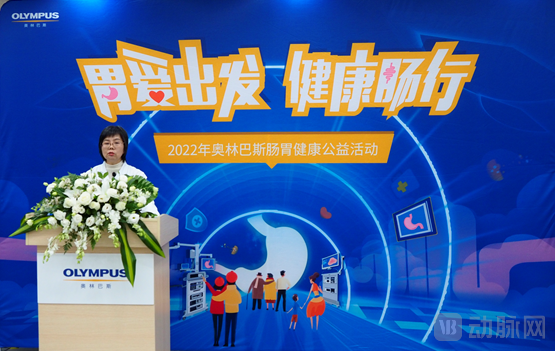 Li Liangping, Director of the Department of Internal Medicine and Chief Physician of Gastroenterology at Sichuan Provincial People's Hospital
Addressing the high-risk patient population, Director Liu Xiaogang added, “Follow-up for high-risk patients is crucial, as they have a very high probability of developing gastric cancer. Nevertheless, some patients still do not take this matter seriously, leading to disease progression. Therefore, we hope that through these activities, more members of the general public will come to understand the importance of this issue.”
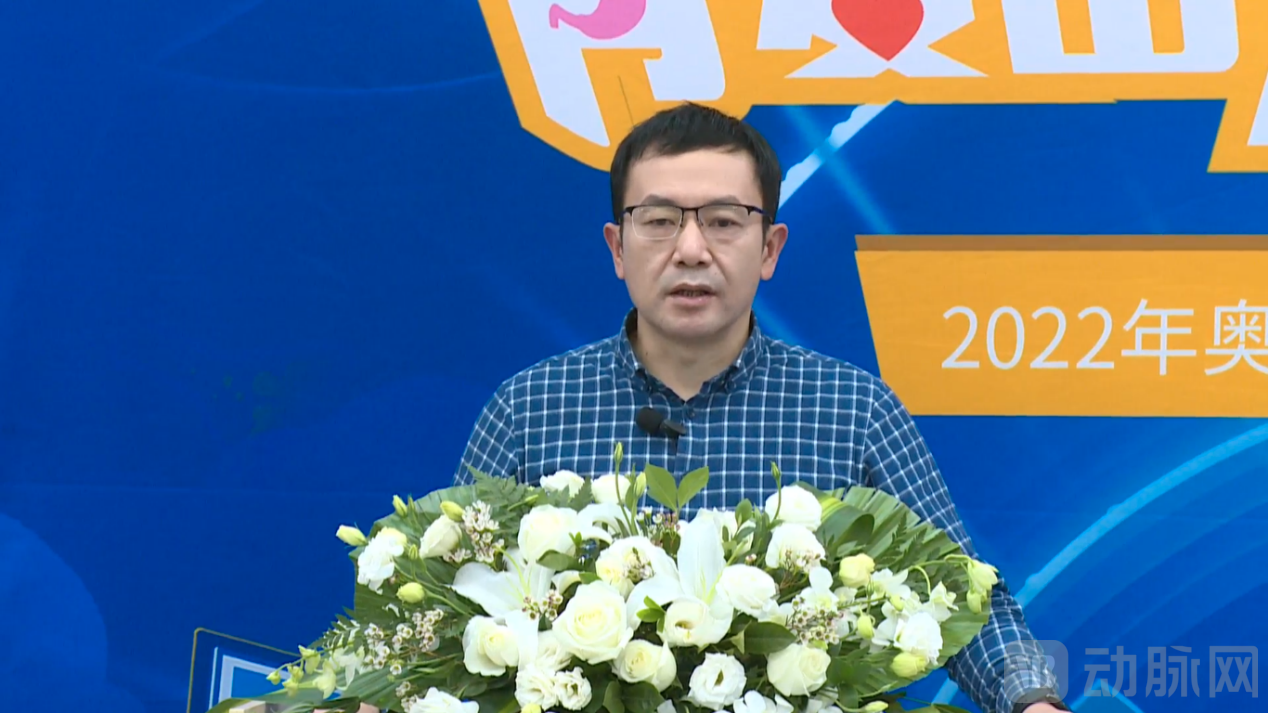 Liu Xiaogang, Director of the Digestive Endoscopy Center and Chief Physician of the Department of Gastroenterology at Sichuan Provincial People's Hospital
Early detection, early diagnosis, and early treatment can significantly improve the survival rates and quality of life for patients with gastrointestinal cancers, while reducing the economic burden on individuals, families, and society. At the national level, it has been proposed that cancer control should shift from a treatment-focused approach to one prioritizing prevention and integrating prevention with treatment. Key populations should receive focused attention, particularly individuals aged 40 and above, as well as those with any high-risk factors such as a family history of gastrointestinal cancers, a history of chronic gastritis, or Helicobacter pylori infection. Regular endoscopic screening is recommended for these groups.
Director Liao Juan also stated, “Previously, we focused our efforts on research into surgery and targeted therapies. However, clinical data have confirmed that the five-year survival rate for patients with intermediate- to advanced-stage gastrointestinal cancers is low, while the high cost of treatment imposes significant financial and psychological burdens on individuals and their families. Currently, we prioritize prevention by shifting the focus of gastrointestinal cancer screening, diagnosis, and treatment to an earlier stage. This approach enables patients to achieve the greatest health benefits at the lowest cost.”
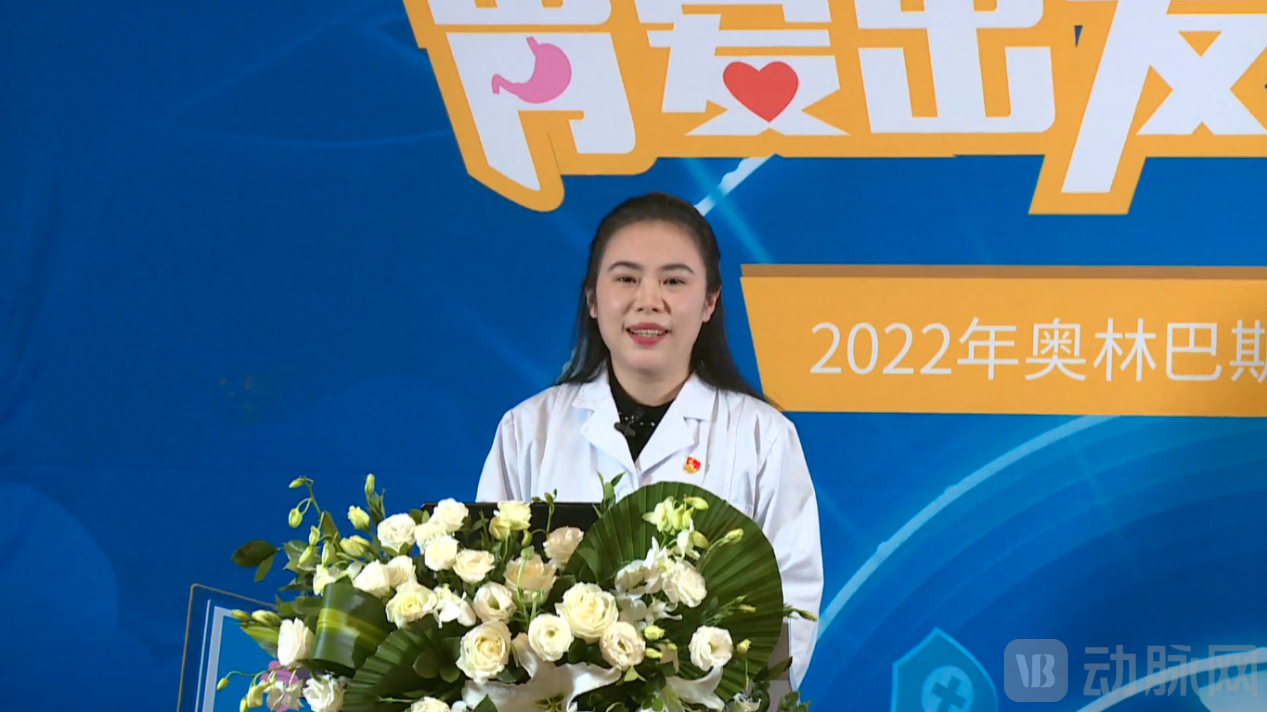 West China Fourth Hospital, Sichuan University: Liao Juan, Chief Physician, Department of Gastroenterology
Digestive endoscopy is a crucial clinical tool for the diagnosis and treatment of gastrointestinal diseases. As an extension of the physician’s eyes and hands, it provides direct visualization of lesions, allows for simultaneous biopsy, and enables endoscopic resection when necessary. Director Liu Xiaogang stated, “Compared with indirect imaging modalities such as barium swallow studies, ultrasound, and CT scans, digestive endoscopy allows direct observation of gastrointestinal lesions while also facilitating biopsy and therapeutic interventions, thereby achieving precise diagnosis.” He likened the difference between these indirect methods and endoscopy to that between a photograph and the actual person.
Some members of the public have limited understanding of endoscopy and harbor psychological resistance to it. However, gastrointestinal endoscopy is performed via natural body orifices, and painless examination techniques are becoming increasingly mature. Through collaboration between gastroenterology and anesthesiology departments, patients need only close their eyes and rest briefly while the procedure is completed. Director Liu Xiaogang also emphasized, “Gastrointestinal endoscopy requires cooperation from both physicians and patients. Adequate preoperative preparation by the patient is essential; otherwise, mucus, food residues, and other substances may compromise diagnostic accuracy.”
To provide the audience with a more intuitive understanding of endoscopy, experts conducted live demonstrations using Olympus electronic endoscopes. Leveraging high image clarity and superior flexibility, the endoscope navigated through various regions of the digestive tract, successfully identifying polyps.
Expert Ou Yan stated, “Olympus endoscopes utilize Narrow Band Imaging (NBI) technology to help physicians promptly detect early-stage minute lesions. The scope is soft and slender, featuring intelligent bending and variable stiffness, which minimizes friction between the device and the inner walls of tissues. Additionally, the integrated distal cold light source ensures image clarity without causing thermal injury to the human body. This enables precise and flexible manipulation by physicians, reduces patient discomfort, and provides a positive diagnostic and treatment experience for both doctors and patients, thereby further promoting the widespread adoption of gastrointestinal cancer screening and diagnosis.”
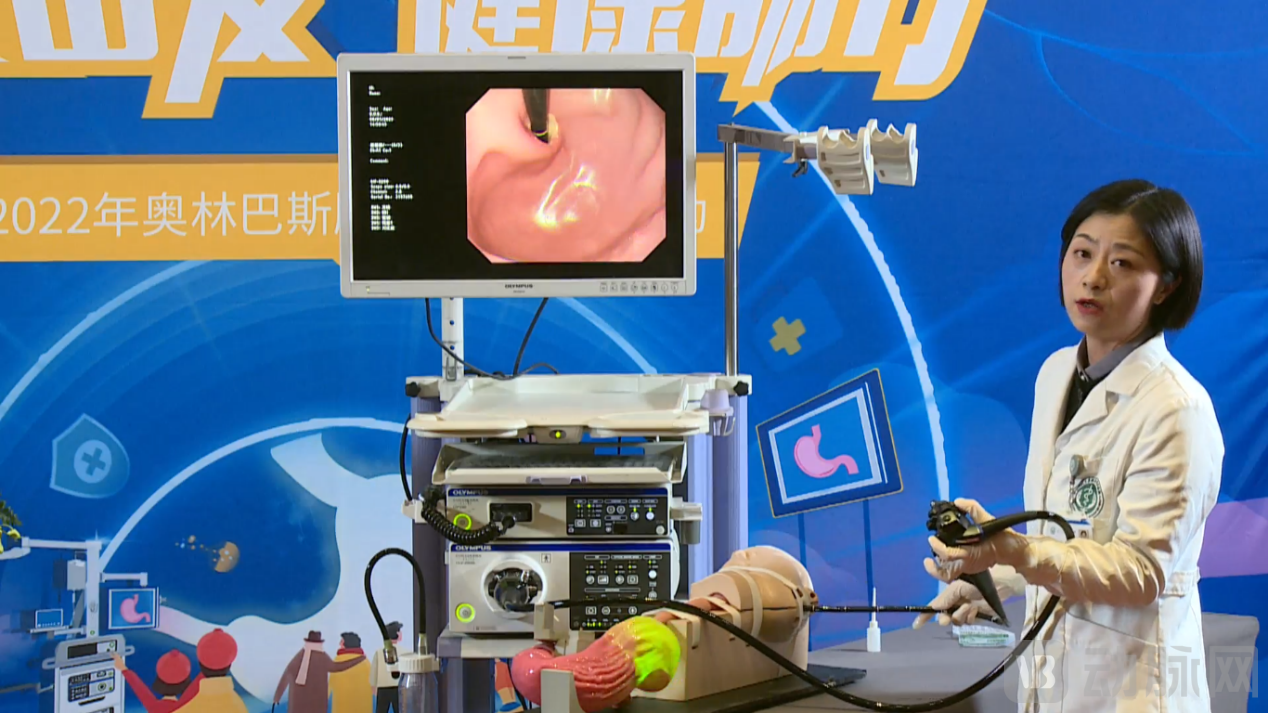 Ou Yan, Level-4 Specialist, Department of Gastroenterology, West China Fourth Hospital, Sichuan University
According to data from the "2020 National Census of Digestive Endoscopy Technology in China," digestive endoscopy has developed rapidly in China, with 5.29 medical institutions and 28.12 physicians performing digestive endoscopy per million people; however, there remains a significant gap compared to the United States and Japan. The low penetration rate of endoscopic examination involves multiple stakeholders, including hospitals, patients, and enterprises, and presentsSuch issues include patients’ lack of awareness regarding screening and follow-up, as well as insufficient understanding of endoscopic examinations; the prolonged training period for physicians, the need to improve endoscopic operational skills, and a shortage of endoscopists; and the difficulty in identifying early-stage gastrointestinal lesions.
Olympus has adopted a targeted approach, providing support across multiple dimensions including patient education, technological innovation, physician training, and primary healthcare development. The “Stomach Care Month” campaign is designed to address the challenges in patient education. Since 2010, Olympus has designated October each year as “Stomach Care Month,” launching a series of public welfare science popularization activities. To date,Its activities have reached approximately 40 cities across China, including Beijing, Shanghai, Tianjin, Shenzhen, and Chengdu, impacting over 120 million people.. During the pandemic, the company did not halt its progress, continuing its traditions through online live streaming.
Li Peng, Director of the Public Relations and Brand Strategy Promotion Department at Olympus (Beijing) Sales & Service Co., Ltd., stated, “Based on the findings of our ‘National Gastrointestinal Health Survey Report,’ which we release to the public every two years,”The proportion of individuals willing to proactively undergo gastrointestinal endoscopy also rose from 2% in 2008 to 24% in 2020., which reflects the positive impact of Olympus’s “Stomach Care Month” campaign in helping people in China establish health awareness and increase the rate of early cancer screening.”
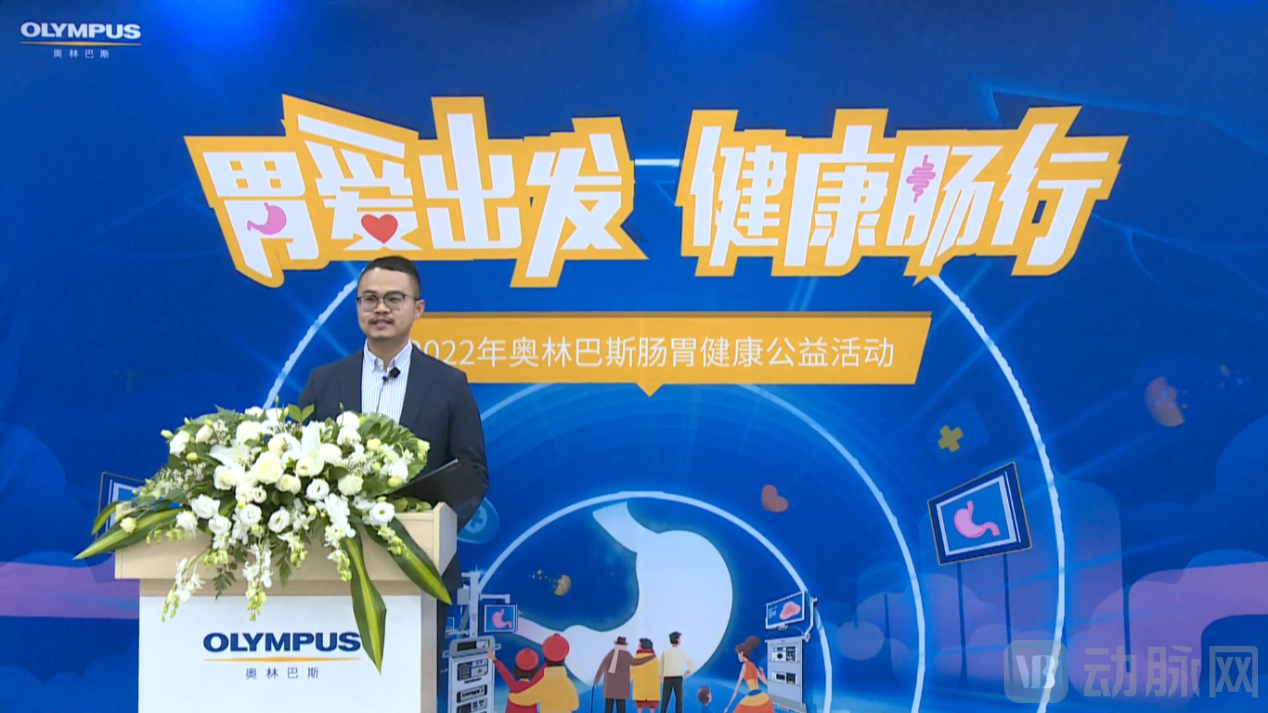 Li Peng, Director of the Public Relations and Brand Strategy Promotion Department, Olympus (Beijing) Sales & Service Co., Ltd.
At the product technology level,Olympus remains committed to innovative R&D, spanning from flexible to rigid endoscopes, and has pioneered proprietary technologies such as Narrow Band Imaging (NBI).Currently, Olympus’s gastrointestinal endoscopy products have been adopted by numerous hospitals across China. Meanwhile, to ensure the proper operation and maintenance of medical institutions’ equipment, Olympus has established a service center in Chengdu, with its service coverage extending throughout Southwest China. This enables rapid response to customer needs and technical support, thereby safeguarding the quality and after-sales service of its endoscope products.
Furthermore, according to Director Li Peng, Olympus has established Clinical Technology and Education Centers (C-TEC) in Shanghai, Beijing, and Guangzhou since 2009. By providing Chinese healthcare professionals with advanced medical equipment and a training platform, these centers aim to enhance their professional competencies and standardize procedural techniques.Over the past five years, the Olympus Medical Technology Training Center has conducted training programs through both online and offline channels, providing learning and exchange opportunities for approximately 62,000 endoscopy healthcare professionals.
Furthermore, early screening, diagnosis, and treatment of gastrointestinal cancers focus on primary care settings. To promote the development of primary healthcare, Olympus has long participated in and supported the China Cancer Foundation’s “Technical Training for Early Diagnosis and Treatment of Cancer and Poverty Alleviation Project.” It has also participated in the “Plan for Popularizing and Improving Endoscopic Diagnosis and Treatment Techniques and Pathological Diagnosis Techniques in the Tibet Autonomous Region,” helping to disseminate endoscopic and pathological diagnostic capabilities throughout the Tibet region.
As a global leader in the endoscopy field, Olympus has been committed to improving the diagnosis and treatment rates of gastrointestinal cancers. In the future, Olympus’s “Love Your Stomach” month series of activities will expand to more cities across China, continuously promoting the popularization of the “three early” concept (early detection, early diagnosis, and early treatment) for gastrointestinal cancers, thereby contributing to the Healthy China 2030 initiative.