

2022 Annual Innovation White Paper on Life Sciences: After Raising Over RMB 10 Billion, Which Will Dominate 2023—Smart Trials, Regenerative Medicine, or Brain Science?
Looking back at 2022, we find that nearly all investment firms have made strategic investments in the life sciences sector.
Life science is an age-old concept that dates back to antiquity, spanning the long course of human civilization. In the West, early approaches blended observation with philosophy and description with speculation; in ancient China, Shennong’s tasting of hundreds of herbs constituted life science. Today, the array of instruments and reagents in laboratories, along with the complex data and code in computers, also represent life science. By tracing the developmental trajectory of life science worldwide, we find that regardless of how abstruse life science was in antiquity or how intricate it has become in modern times, its essence has always been the observation of life phenomena, and its mission has consistently been to seek better solutions for sustainable interactions between humans and nature, among people, and within oneself.
Core Viewpoints
In the 21st century, research and applications in life sciences have exhibited characteristics of standardization and systematization. Specifically, these activities remain predominantly centered on professionally designed experiments, requiring trained personnel to conduct them using specialized instruments and reagents in controlled settings. However, unlike the life science explorations of the 1.0 and 2.0 eras, modern researchers now have access to a more diverse array of life science tools that better address the unique demands of vertical application scenarios.
In 2022, the life sciences industry continued to attract significant investment. Innovative projects in fields such as regenerative medicine, brain science, and precision medicine completed nearly 100 financing rounds, with cumulative funding exceeding RMB 10 billion throughout the year. Among the 94 life sciences innovation projects that secured financing, 39 were in early stages prior to Series B, accounting for 41.4% of all financed projects for the year. Of these, 14 projects were at the seed or angel stage.
Driven by substantial investments from institutional investors, innovative enterprises have also intensified their efforts in product development and industrial layout. Automation technology addresses the issue of data generation, while digitalization handles the collection, quantitative description, recording, and analysis of data. The widespread adoption of the internet has provided a platform for researchers to expand their scope of communication and learning. Meanwhile, the iterative application of technologies in brain science, regenerative medicine, organoids, and organ-on-a-chip systems has offered new solutions for previously unaddressed areas in clinical practice.
In terms of sub-sectors, 2022 saw the full-process implementation of smart clinical trials achieve cost reduction and efficiency gains through digitalization and internet integration. Domestic innovations in invasive brain science technologies advanced nearly in sync with global developments, while non-invasive brain science technologies broke through application boundaries. Key areas of regenerative medicine, such as bio-regenerative materials and stem cell repair, witnessed continuous innovation. Organoid and organ-on-a-chip technologies experienced a pivotal year, progressing from the establishment of material standards to breakthroughs in application boundaries. Precision medication, the earliest to be implemented, demonstrated diverse application scenarios and continued to consolidate within hospitals and pharmaceutical companies.

(Note: To obtain the full report, please scan the QR code to add our assistant. If you have already added us, please proactively reach out.)
Life science, also known as biology, is the scientific study of various life phenomena and their underlying laws in nature, representing a major branch of natural sciences. Throughout history, humans have survived and thrived amid ongoing interactions with the natural world, leveraging wisdom and creativity to continually create miracles of life. From the use of fire in ancient times to the modern utilization of solar and nuclear energy, and from early hunting and pastoralism to the contemporary Human Genome Project, all these advancements exemplify human ingenuity and innovative spirit.
Nowadays, life sciences have become one of the hottest frontier sciences. Among the one Breakthrough of the Year and nine runners-up selected by the editorial team of Science magazine, more than half of the scientific breakthroughs belong to the field of life sciences, in addition to new space telescopes, the U.S. climate law, planetary defense experiments, and creative AI tools.
Certainly, the iterative advancement of modern science and technology has significantly driven life sciences research to greater depths, while also achieving substantial progress fueled by developments in the life sciences. In fact, the pace of development in the field of life sciences over the past few decades has surpassed that of any previous period in history.
Overall, the mission of life sciences is to effectively observe the rich and diverse biological phenomena surrounding humanity, explore the structure and function of organisms, investigate the essence and characteristics of life processes, analyze the molecular biological mechanisms underlying reproduction and metabolism, elucidate the principles governing ontogeny and phylogeny, and grasp the dialectical relationship between organisms and their environment. This enables humanity to fundamentally understand biological phenomena, clarify the dynamic laws of the living world, and apply these insights to better transform the objective world, thereby providing improved solutions for human survival and development.
Modern life sciences have gradually evolved through prolonged historical stages. Based on the complexity and completeness of the primary tools employed, as well as the pace at which mainstream academic branches emerged, the development of life sciences can generally be summarized into three major phases.
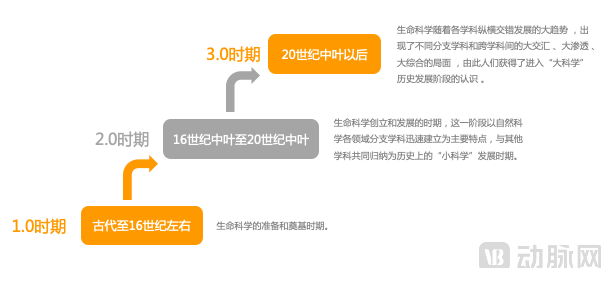
Three Major Stages of Global Life Sciences Development
Since the mid-20th century, life sciences have entered a new era of development. The establishment of molecular biology represents the greatest achievement in life sciences during the 20th century. Genetic studies predicted the existence of molecular carriers of biological heredity, while the discovery of the DNA double helix structure directly facilitated the elucidation of the central dogma of biology (DNA→RNA→protein). Consequently, researchers have uncovered the fundamental framework governing life processes and the mechanisms underlying biological generational succession.
Since then, the concepts and research methodologies of molecular biology, centered on genetic composition, gene expression, and genetic control, have rapidly permeated all fields of life sciences, significantly driving their development. Molecular biology represents the advancement of biology toward the microscopic level, whereas ecology signifies its expansion toward the macroscopic level. Under the new scientific and technological conditions, other traditional branches of biology have also undergone profound transformations. Life sciences are experiencing rapid growth in both theoretical and applied domains.
It is worth noting that in biological research, direct experimentation on the subjects of interest, such as the human body, is often not feasible for various reasons; therefore, models or substitutes are required. For instance, animals are frequently used as surrogates when investigating human biological issues. When studying physiological processes—such as vision, hearing, and cognition—or exploring the origins of life, where direct investigation proves challenging, model organisms are employed for simulation. This necessity has given rise to the prominent role of model animals in contemporary life sciences research, and has further spurred the development of emerging technologies such as organoids and organ-on-a-chip systems.
Nowadays, an increasing number of researchers have become accustomed to employing computational methods to directly simulate and explore the patterns of cognitive processes. For instance, biological information can be input into computers to analyze the patterns of higher-order neural activities. Functionalized mathematical models can simulate the dynamic processes underlying changes in many ecological structures, thereby indicating the possibilities of ecological shifts and providing predictions thereof.
“Experiments” using computer simulations to model biological growth and development have also been reported. In these studies, researchers used the concentration distribution of specific components during biological development, such as calcium ions, as indicators. Given initial conditions, interaction rules, and growth constraints, iterative computational operations visually revealed a vivid depiction of apical growth and development in Acetabularia, elucidating the dynamic mechanisms underlying this process. By simulating the physical and chemical environments potentially present on the surface of the early Earth, researchers observed in reaction vessels that simple chemical constituents could give rise to various important biological macromolecules. Furthermore, evolutionary fitness models have been employed to investigate the ordered origin of life’s blueprint; these models examine the intrinsic overall factors (including genes, proteins, and other elements) that drive ordered biological changes during environmental adaptation, as well as the mutual constraints among these factors.
Enter21In this century, research and applications in life sciences have exhibited characteristics of standardization and systematization. Specifically, these research efforts and applications remain predominantly centered on professionally designed experiments, which require trained professionals to conduct using specialized instruments and reagents in controlled settings. However, unlike1.0The Era,2.0In this era of life sciences exploration, modern researchers have access to a more diverse array of life science tools that better meet the unique demands of vertical application scenarios.
Generally, modern life science researchers can be categorized into those working at universities, research institutions, biopharmaceutical companies, biotechnology firms, contract research organizations (CROs), and relevant government agencies. They utilize continuously upgraded instruments, equipment, reagents, and consumables to conduct cutting-edge experiments in the field of life sciences.
Depending on the nature of their affiliated institutions, researchers conduct life science experiments that can be categorized into basic scientific research and applied development. These experiments involve procedures such as chemical reactions, separation and purification, sample pretreatment, analytical testing, animal studies, cell culture transfection, cell analysis, biochemical analysis, molecular and nucleic acid analysis, centrifugation, filtration, and chromatography.
Where Are the Hottest Life Sciences Sectors Attracting Over RMB 10 Billion in Investment? In 2022, the life sciences industry maintained its strong investment momentum, with innovative projects in regenerative medicine, brain science, and precision medicine completing nearly 100 financing rounds. Cumulative funding inflows into this sector exceeded RMB 10 billion for the year.
Nearly 40% of Financing Directed to Early- and Mid-Stage Rounds, Valuations of Hot Projects Surge
According to statistics from VCBeat, in 2022, among the 94 life sciences innovation projects that secured financing, 39 were in the early stages prior to Series B funding, accounting for 41.4% of all financed projects throughout the year. Of these, 14 projects were at the seed or angel investment stage.
In terms of financing valuations, the average funding amount for 39 early-stage projects in 2022 was approximately RMB 36 million, representing a significant increase compared to previous years. Notably, bolstered by star projects such as NeuroXess and Yanwei Technology, the average single-round financing amount for seed and angel rounds in the life sciences industry reached nearly RMB 30 million in 2022, setting a new historical record and attracting participation from leading investors in the medical innovation sector, including Sequoia China and Fengrui Capital.
Regenerative Medicine, Brain Science, and Upstream Raw Materials Emerge as the Hottest Sectors in 2022. According to statistics from VCBeat, among the top three sub-sectors with the most intensive financing activities in 2022, the regenerative medicine industry recorded 28 financing events, ranking first; the brain science industry saw 16 financing events, ranking second; and both the precision medication and core raw materials sectors each witnessed 9 financing events, jointly ranking third.
Interestingly, in 2022, the number of financing events revealed an inverse relationship between capital attraction capability and the maturity of products and markets. Specifically, among the top three sectors by number of financing deals, the ranking was Regenerative Medicine > Brain Science > Core Raw Materials; however, in terms of technological application maturity, the order was reversed: Regenerative Medicine < Brain Science < Core Raw Materials. Over the past two years, valuations of high-quality projects have continued to rise, yet the initial public offering (IPO) performance of innovative companies has been lackluster. This has compelled capital to flow toward earlier-stage projects. As a sector densely populated with frontier technological innovations, the life sciences industry has seen its early-stage projects increasingly serve as safe havens for investment.
2022In [year], there were a total of in China22A Chinese regenerative medicine innovator has completed its financing round. Among them, Xueji Biotech, Shize Biotech, and Huawei Hengyuan have all1Rapid Completion Within the Year2round of financing. During this process, top-tier investment firms in the field of medical innovation, including Sequoia Capital, Lilly Asia Ventures, Beijing Guangchuang Investment, CDH Investments, and Qiming Venture Partners, were all squeezed out. Amidst the frenzy of institutional bidding, the valuations of two newly established regenerative medicine companies, Xueji Biotech and Shize Biotech, rose rapidly, making them the star enterprises in the field of regenerative medicine for the year.
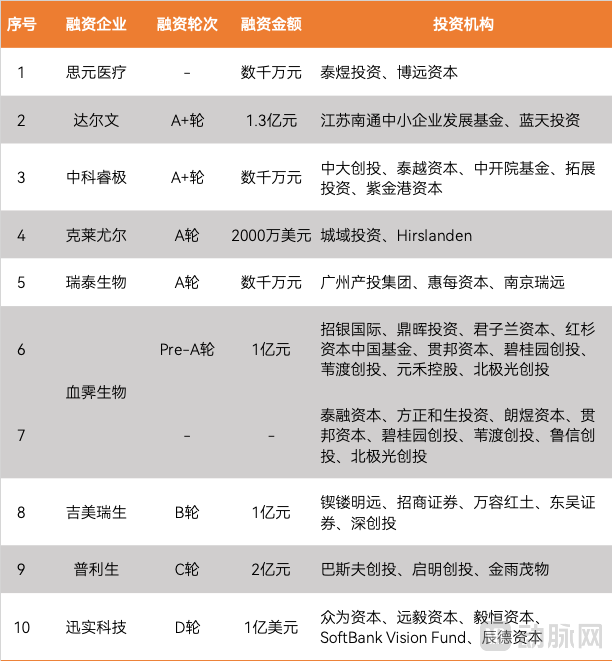
2022 Regenerative Medicine Project Financing List (1/2)
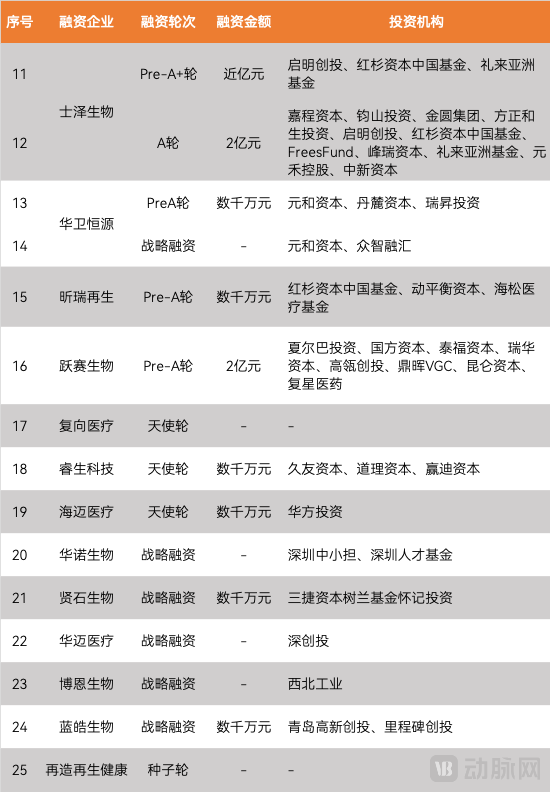
2022 Regenerative Medicine Project Financing List (2/2)
In 2022, another major investment hotspot in the life sciences sector was brain science. Unlike the regenerative medicine field, which is predominantly composed of early- and mid-early-stage projects, China’s brain science industry exhibits a slightly higher level of overall maturity. Notably, NeuroXess and Jingyu Medical, two brain science companies established somewhat earlier, completed their Series C and Series D+ financing rounds, respectively, in 2022, positioning them to potentially make a push toward the capital markets in 2023.
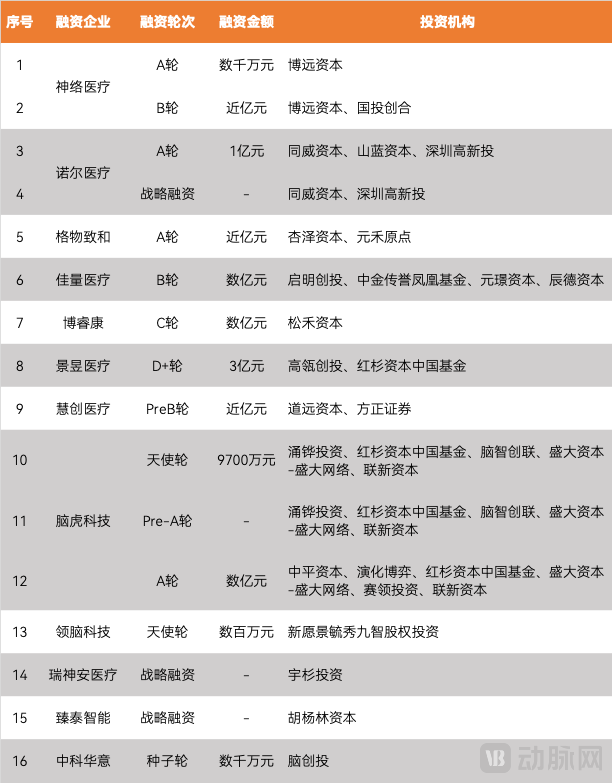
2022 Brain Science Project Financing List
2022the core raw materials of the third largest revenue-generating hotspot sector of the year are more mature. Since2021Since [year], the core raw materials sector has been on an upward trajectory. Despite2022Annual Medical Innovation ProjectsIPOAmid a backdrop of overall underperformance, this trend has slowed, but Kangwei Century and General Bio have still reachedIPOandPreIPOstage. However, compared to regenerative medicine and brain science, early-stage projects in the core raw materials sector demonstrate significantly weaker capital-raising capabilities.
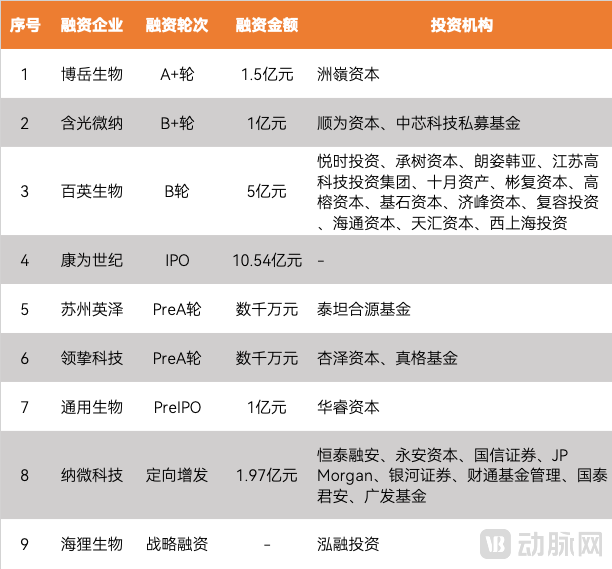
2022 Core Raw Materials Project Financing List
Sustained policy support has driven consecutive annual increases in research funding. In addition to venture capital flowing directly into early-stage life science innovation projects, domestic funding for basic and scientific research in the life sciences sector has also risen year by year. As China’s comprehensive national strength continues to grow and its technological innovation system becomes increasingly robust, investment in technological innovation and R&D has steadily expanded. According to data from the National Bureau of Statistics, China’s expenditure on research and experimental development (R&D) grew from RMB 706.3 billion in 2010 to RMB 2.1737 trillion in 2019, representing a compound annual growth rate (CAGR) of 13.30%. Currently, China ranks second globally in total R&D spending, trailing only the United States.
Meanwhile, as biotechnology’s strategic role in leading future economic and social development has become increasingly prominent, the state has successively introduced a series of supportive policies and measures to actively encourage research across society in the life sciences. Consequently, research funding in China’s life sciences sector has surged. Statistics show that such expenditure grew from RMB 43.4 billion in 2015 to RMB 86.6 billion in 2019, representing a compound annual growth rate (CAGR) of 18.8%. Previously, research institutions had projected that, under the strategy of building a strong science and technology nation, domestic research and development spending would maintain a CAGR of approximately 10%.
In 2022, the life sciences sector received substantial policy support. The National Development and Reform Commission issued the “14th Five-Year Plan for Bioeconomy Development” (hereinafter referred to as the “Plan”), which explicitly calls for promoting integrated innovation in biotechnology and information technology, accelerating the development of industries such as biopharmaceuticals, biological breeding, biomaterials, and bioenergy, and strengthening and expanding the bioeconomy.
The Plan states that the bioeconomy is driven by advances in life sciences and biotechnology, grounded in the protection, development, and utilization of biological resources, and characterized by extensive and deep integration with industries such as pharmaceuticals, health, agriculture, forestry, energy, environmental protection, and materials. In terms of action planning, the Plan proposes five development principles, four key priority areas for development, phased objectives, and five major key tasks.
Smart Laboratories: Digitalization and Internet Integration for Cost Reduction and Efficiency Enhancement Across the Entire Process
In China, the digitalization and automation of laboratories started relatively late but have been advancing rapidly. In the early stages, domestic laboratories primarily expanded their research capabilities by heavily investing in instrumentation and recruiting teams. With the surge of innovative pharmaceutical companies and testing and inspection institutions, laboratory infrastructure has become increasingly robust. Chinese laboratories are now undergoing iterative upgrades toward digitalization and intelligence, gradually evolving from extensive, unregulated growth to refined, meticulous operations, and shifting from labor-intensive to knowledge-intensive models.
In 2022, the intelligent transformation of laboratories emerged as a major industry trend. Driven by significant investments from venture capital firms, innovative companies have intensified their efforts in product development and industrial layout. To better advance innovation in laboratory automation, Qingsoft Qingzhi established its wholly-owned subsidiary, Qingsoft Intelligent Control, in March 2022. This move aims to accelerate the digital and intelligent development of users in sectors such as environmental monitoring, disease control, new drug R&D, gene sequencing, and clinical diagnostics, while focusing on compliance, instrument integration, laboratory automation, and product internationalization.
To liberate laboratory personnel from extensive, repetitive, and tedious experimental tasks, enabling them to focus on more valuable design and analytical work, Kingsoft Intelligent Control has launched the King's AUTO Smart Laboratory Central Control System. This system empowers users to easily define experiments, while intelligent scheduling algorithms drive robotic arms and automated laboratory equipment to efficiently execute experimental procedures in compliance with operational requirements. Currently, King's AUTO has been applied in areas such as NGS-related workflows, nucleic acid testing, drug screening, biobanking, ELISA, and automated plate loading.
Meanwhile, internet, digitalization, and automation technologies have been successfully validated in other fields. Digital technologies, represented by the internet, the Internet of Things (IoT), big data, cloud computing, and artificial intelligence, have laid the foundation for the transformation of life science experiments toward smart and intelligent paradigms. For instance, Pharmadigm has applied digital technologies to clinical research, assisting the Linping Campus of the Second Affiliated Hospital of Zhejiang University School of Medicine in piloting a digital intelligent clinical research accelerator system based on an End-to-End (E2E) model. This initiative has not only improved the efficiency of patient screening and enrollment but also enhanced data security and accuracy.
Automation technology addresses the generation of data, digital technology handles the collection, quantitative description, recording, and analysis of data, while the widespread adoption of the internet provides a platform for researchers to expand their scope of communication and learning. These emerging technologies are typically applied in the healthcare sector only after they have been successfully implemented in industrial, military, and consumer fields.
To meet the continuous learning needs of research-oriented users, DXY officially launched its “Experimental Content Search Tool”—“DXY Lab”—in September 2021. By the end of 2022, it had accumulated 520,000 scientific researchers as users. “DXY Lab” provides life science researchers with a wide range of experimental protocols and popular classic topics encountered during laboratory work. Meanwhile, its “Q&A Square” offers a specialized online communication platform for researchers across different regions and disciplines, while also providing senior researchers with a stage to share and showcase their expertise, thereby enhancing the efficiency of life science experiments.
In the era of precision medicine, a comprehensive pathological diagnosis model that highly integrates morphology, molecular diagnostics, AI, and other technologies has emerged. The volume of work in pathology departments has multiplied, and requirements for full-process digital management and quality control necessitate a transformation of traditional pathology information systems. In this regard, Kangrui Digital Intelligence, drawing on extensive clinical practices from the National Cancer Institute (NCI) and renowned Grade A tertiary hospitals in China, proposes the “Digital Quality Pathology” panoramic solution. This solution integrates pathology workflows, equipment, and data to achieve integrated pathological diagnosis and intelligent services, facilitating the development of “Next-Generation Diagnostic Pathology” and high-quality hospital development. At present, the development of the smart laboratory industry in China exhibits two significant characteristics.
On the one hand, domestic smart laboratory startups often feature interdisciplinary, composite backgrounds. The laboratory setting is a highly cross-disciplinary domain, where talent requirements extend beyond professional expertise in life sciences, biotechnology, and medicine to include skills in data science, AI, and software/hardware engineering. Meanwhile, these professionals must also possess a genuine understanding of scientists’ workflows and be research-oriented talents familiar with laboratory scenarios.
On the other hand, integrated hardware-software solutions are increasingly favored by end users. The life sciences industry is vast, and customer requirements are highly customized. To serve each client effectively, companies must gain a deep understanding of their specific research scenarios and needs, anticipate their concerns, and address them proactively. Only through this approach can companies earn customer trust and secure repeat business. Different life science laboratory settings entail distinct operational requirements. The greatest challenge lies in planning and designing modular equipment capable of meeting non-standard demands. For instance, different sample types—such as powders, liquids, gels, and solids—require unique handling mechanisms and, consequently, tailored product solutions.
Brain Science: Invasive Technologies Achieve Global Synchronization, While Non-Invasive Technologies Break Through Application Boundaries
In global life science applications, brain science has consistently been a hotbed for research and development. In 2022, another focal point in China’s life sciences industry was the surge of brain science innovations providing new solutions for clinical treatment.
In 2022, the status of brain science within China’s healthcare sector was further elevated. In July, China officially launched the “Brain Health Initiative.” The initiative has clear objectives: by 2025, to systematically advance brain health screening, examinations, and monitoring for key populations; to vigorously promote the development of foundational knowledge in the discipline of brain health; and to research and validate brain health screening methods, biomarkers, digital therapeutics, and preventive and therapeutic drugs. Just one year prior, the “China Brain Project” was formally initiated, accelerating brain science research oriented toward uncovering the secrets of the brain and conquering brain diseases, as well as brain-inspired research aimed at establishing and developing artificial intelligence technologies.
Driven by strong macro-policy support, domestic innovations in brain science took a critical step toward clinical application in 2022. In March 2022, Jieliang Medical’s Epilcure™ completed China’s first Phase III clinical implantation of a “brain-computer interface” responsive closed-loop neuromodulation system at Xuanwu Hospital. Prior to this, Epilcure, a responsive neurostimulator for refractory epilepsy jointly developed and manufactured by Jieliang Medical’s subsidiary Nuowei Medical and Zhejiang University, had already achieved significant therapeutic efficacy after completing Asia’s first clinical implantation in March 2021. In August 2021, an investigator meeting for the prospective, multicenter, controlled clinical trial of the implantable closed-loop self-responsive neuromodulation system Epilcure was successfully held, marking the official launch of the Epilcure Chinese registration clinical trial co-led by Professor Mao Ying, Dean of Huashan Hospital Affiliated to Fudan University, and Professor Zhao Guoguang, Dean of Xuanwu Hospital of Capital Medical University.
Invasive brain-computer interfaces (BCIs) are generally regarded as a key direction for the future development of neuroscience. These BCIs require neurosurgical procedures to implant recording electrodes into the cerebral cortex, epidural space, or subdural space. Based on whether the electrodes are implanted within the cortex or the degree of invasiveness, they can be classified into fully implanted BCIs and minimally invasive BCIs. The recording electrodes used in invasive BCIs can be further categorized into rigid and flexible electrodes. Rigid electrodes, representing the conventional type of invasive electrodes, feature mature technology, high stability, high electrode density, and resistance to corrosion by bodily fluids. However, their stiffness is significantly higher than that of brain tissue, making them unable to move in sync with the brain. This mismatch often leads to the formation of glial scar tissue, which attenuates signal quality. Consequently, flexible electrodes are emerging as the future trend in this field.
The elastic modulus and shear modulus of flexible electrodes are similar to those of brain tissue, allowing them to conform to the curved topological structure of the brain. Flexible materials should exhibit good biocompatibility, flexibility, and compatibility with microfabrication processes. Commonly used materials include polydimethylsiloxane (PDMS), polyimide (PI), and parylene.
In this regard, NeuroXess focuses on flexible electrodes and has achieved core technological breakthroughs and key component manufacturing in the field of invasive brain-computer interfaces. Its products have surpassed Neuralink in several performance metrics—including single-device channel count (2,640), in vivo duration (8 months), electrode thickness (1.5 μm), implantation method (craniotomy-free), and implantation wound size (<0.7 mm)—thereby securing a leading advantage.
According to statistics from VCBeat, among the 43 national key laboratories in China, four are dedicated to brain science, with research areas spanning from brain cognition to neuromorphic technologies. Specifically, approximately 70% of relevant researchers in China are engaged in brain cognition (exploring the functions, structures, and principles of the brain). Research on brain protection (investigating pathogenic mechanisms for the treatment of brain diseases) ranks second in popularity, accounting for 27% of brain science researchers, while research related to brain creation (such as neuromorphic research and brain-computer interfaces) accounts for only 3%. The translation of these fundamental brain science studies into clinical applications has driven innovative applications in China’s brain science field beyond brain-computer interfaces.
Regenerative Medicine: Bio-regenerative Materials and Stem Cell Repair Innovations Emerge Continuously
In 2022, the fervor in the field of regenerative medicine was self-evident.
According to FDA statistics, approximately 20% of human tissues currently have commercially available regenerative medicine products. Additionally, 70% of regenerative medicine products involving human organ cells and scaffolds have entered Phase II or later stages of clinical trials. It is projected that over the next decade, commercially viable products will successively emerge for more than half of human tissues and single organs, such as the kidneys, blood vessels, and pancreas.
Bioregenerative materials differ from traditional biomedical materials. They are novel high-tech materials manufactured using tissue engineering techniques through mild processing steps—such as fixation, sterilization, and antigen removal while preserving the native tissue architecture—as well as specialized processes that dismantle the original structure and reconstruct new physical forms. These materials exhibit excellent tissue-inductive properties and are primarily applied in orthopedics, neurosurgery, cardiovascular medicine, ophthalmology, dentistry, and medical aesthetics, including applications such as skin defect repair, soft tissue repair, articular cartilage repair, vascular and catheter coatings, and aesthetic medicine.
In regenerative medicine applications, bio-regenerative materials represent a relatively mature development direction, with stringent and explicit regulatory requirements established by countries worldwide. In 2022, multiple domestic innovative enterprises in the bio-regenerative materials sector made significant progress in product development and registration.
In October, Lexin Science’s HercuRegenTM absorbable interference screw received approval from the National Medical Products Administration (NMPA) for market launch. With complete independent intellectual property rights, this product marks another breakthrough by Chinese innovative enterprises in the field of medical-grade composite raw materials. As Lexin Science’s first flagship product based on next-generation high-performance biodegradable composite materials, it is designed to fix bone-tendon-bone or soft tissue grafts into bone during surgical procedures involving the knee, shoulder, elbow, foot/ankle, and wrist joints.
Since bio-regenerative materials rely on the body’s inherent regenerative capacity, tissues and organs that lack such capacity—such as the cornea, nerve cells, and the heart—cannot be regenerated through this approach and instead require stem cell technology for repair. Currently, regenerative medicine products based on stem cell therapy are being applied in the treatment of conditions including spinal cord injury, type 1 diabetes, Parkinson’s disease, Alzheimer’s disease, heart disease, stroke, burns, cancer, and osteoarthritis.
In August 2022, the team led by Fu Wei at Shanghai Children’s Medical Center published a paper online in *Molecular Therapy*, the official journal of the American Society of Gene & Cell Therapy. The study introduced two novel concepts: “mRNA technology” and “cell therapy.” On one hand, cardiomyocytes derived from human induced pluripotent stem cells (hiPSCs) provided a new source of myocardial cells for post-myocardial infarction cardiac repair, while simultaneously serving as vehicles for mRNA delivery and expression, thereby eliminating the need for lipid nanoparticle encapsulation. On the other hand, mRNA was used to achieve efficient, transient, and specific expression of angiogenic factors, promoting rapid formation of new blood vessels. This process supplied nutrients and optimized the local microenvironment, thereby enhancing the survival of transplanted cardiomyocytes and significantly improving the efficacy of cell therapy.
Regenerative organs, considered the ultimate solution in regenerative medicine, are cell-based bioactive artificial organs. They require no external power sources such as batteries, offer a prolonged service life, and do not trigger rejection responses in patients as seen with traditional organ transplantation, representing the “pinnacle” of artificial organs.
Currently, most regenerative medicine companies are focused on tissue and organ repair, with only a handful of enterprises dedicated to the development of regenerated organs. According to statistics from VCBeat, there are currently only six domestic companies in China working on regenerated organs, primarily engaged in the development of single regenerated organs such as artificial blood vessels, artificial pancreases, artificial kidneys, and artificial livers.
In March 2022, Professor Kong Deling and Associate Professor Wang Kai from Nankai University published a research paper on artificial blood vessels in *Science Advances*. Their conclusion was that polymer fiber scaffold-reinforced in vivo engineered artificial blood vessels demonstrated excellent patency and regenerative capacity in large-animal vascular transplantation experiments. This provides new possibilities for regenerative organs, the ultimate solution to addressing the longstanding challenges of traditional organ transplantation.
Organoids: A Pivotal Year from Establishing Material Standards to Breaking Through Application Boundaries
In 2022, the organoid industry witnessed several milestone events.
In August, the FDA approved the first new drug to enter clinical trials with preclinical data derived from organ-on-a-chip studies, thereby clearing regulatory hurdles for the application of organoids in new drug development. Subsequently, at the end of September, the U.S. Senate passed the FDA Modernization Act, which advocates for reducing the use of animals in preclinical testing by adopting modern scientific alternatives such as organ-on-a-chip technology, further propelling the organoid sector into the spotlight. At that time, organoids and organ-on-a-chip systems were even regarded as ideal alternatives to laboratory animals, whose prices had been soaring, in new drug development.
However, substantial foundational work remains necessary for organoids and organ-on-a-chip technologies to achieve true large-scale industrialization, whether in the context of precision medicine or in new drug development, which is subject to more stringent regulatory requirements. In 2022, Chinese companies specializing in organoids and organ-on-a-chip technologies made remarkable progress in areas such as database construction, standardization, and industrial ecosystem development.
Furthermore, as one of the early entrants into the organoid field in China, Ketu Medicine has developed nearly 30 types of organoid models, assisted multiple hospitals in establishing live organoid biobanks, and supported more than 10 clinical studies. Meanwhile, by building an innovative R&D service platform for new anti-cancer drugs, Ketu Medicine supports pharmaceutical companies and research institutions in their development of novel anti-cancer therapeutics.
Secondly, in 2022, China’s first standards for the clinical application of organoids were officially released. In September, the team led by Academician Chen Yeguang and the Danwang Medical team, in collaboration with multiple institutions, formulated the group standards “Human Colorectal Cancer Organoids” and “Human Intestinal Organoids.” These documents specify the definitions, ethical requirements, technical requirements, and testing methods for human colorectal cancer organoids and human intestinal organoids, thereby providing technical support for the preparation and testing of patient-derived human colorectal cancer organoids.
VBInsight has previously assessed that the current development stage of organoids is comparable to that of next-generation sequencing (NGS) in 2014 or 2015. In the early phase of rapid technological advancement, standardization and policy incentives serve as key drivers: promoting the establishment of industry standards can enhance customer acceptance of the technology, while regulatory liberalization will further open windows for commercialization.
In terms of matrix materials, Chinese enterprises have also achieved significant innovative breakthroughs. Currently, customers for organoid products are primarily laboratories or individuals at universities, hospitals, and research institutions, as well as pharmaceutical companies. The key to these products lies in scalability and industrialization; stability levels and production costs are core competitive advantages for organoid companies. However, a current constraint on the organoid industry is “resource scarcity.” Limited by technology and materials, it is difficult for organoid companies to establish sustainable, systematic platforms independent of clinical samples.
In terms of indication selection, Chinese organoid and organ-on-a-chip companies are attempting to push boundaries. For instance, Puheng Technology has developed NAC-Organ technology, a novel in vitro 3D culture technique based on nucleic acid materials and AI, to achieve high-throughput, standardized production of complex disease models. It is reported that NAC-Organ can utilize programmable methods for secondary and tertiary assembly, repeatedly stimulating cells to elicit biochemical and physiological responses.
In selecting clinical indications, Puheng Technology targets the research and development of chronic, complex multifactorial diseases, represented by non-alcoholic steatohepatitis (NASH). Currently, transplantation remains the only therapeutic option for advanced-stage NASH; thus, organoid technology serves as a promising alternative for repair. Leveraging the advantages of its NAC-Organ technology in structural regulation, Puheng Technology is also working to address the issue of immune rejection.
In 2022, researchers from CrownBio, Merus, and the Barcelona Institute of Science and Technology collaborated to identify clinical candidate drugs in solid tumor organoids for the first time, demonstrating the efficacy of organoids as a novel tool for drug development.
Precision Medication: Diverse Application Scenarios Continue to Converge Toward Hospitals and Pharmaceutical Companies
In 2022, precision medicine technologies, represented by companion diagnostics, are rapidly expanding into application markets closer to clinical practice, such as hospitals and pharmaceutical companies, driven by the accelerated refinement and implementation of relevant policies.
On one hand, the model of co-establishing laboratories with hospitals has become a key approach for introducing next-generation sequencing (NGS)-based companion diagnostics into hospital settings. Previously, in March 2021, the National Medical Products Administration (NMPA) issued regulations on the application of laboratory-developed tests (LDTs), thereby initiating the standardization of this transitional form from technological innovation to widespread clinical adoption. At that time, the revised Regulations on the Supervision and Administration of Medical Devices explicitly stipulated in Article 53 that LDTs should pertain to categories of in vitro diagnostic reagents for which no equivalent products are commercially available in China, and they must be developed and used exclusively within medical institutions under the supervision of licensed physicians.
In 2022, Shanghai took the lead in piloting the in-hospital application of Laboratory Developed Tests (LDTs). In October, the Office of the Leading Group for Deepening Medical and Healthcare System Reform in Shanghai issued the "Notice on Carrying Out Pilot Work for High-Quality Development of Public Hospitals in Shanghai," selecting 40 public medical institutions as pilot units and designating 20 public hospitals as guided pilot units for reference implementation. Specifically regarding the integration of industry, academia, and research, the document explicitly encourages eligible hospitals to conduct pilots on the in-house development of in vitro diagnostic reagents.
Constrained by factors such as technical capabilities and sample volume, hospitals tend to adopt a co-construction model when implementing advanced companion diagnostic tests like next-generation sequencing (NGS). In an in-hospital co-constructed laboratory, while the hospital retains ownership of personnel, funding, and assets, it enters into a cooperation agreement with a technology company. This partner provides technical and managerial consulting advice, delivers comprehensive management recommendations, and assists with implementation. Services include outsourced testing, management consulting, and the sale or centralized procurement of reagents and equipment. Overall, in-hospital co-constructed laboratories primarily focus on the clinical application of innovative technologies, aiming to facilitate their refinement and adoption, thereby complementing third-party medical laboratories.
VCBeat’s analysis reveals that, at present, leading domestic tumor NGS companies are actively establishing joint laboratories with medical institutions across various regions. For these enterprises, the joint laboratory model offers higher efficiency and lower labor costs compared to the earlier approach of outsourcing samples, while also strengthening ties with hospitals, thereby laying a more solid foundation for future increases in sample volume. Currently, corporate participants in the joint laboratory model are predominantly top-tier players, which is undoubtedly driving further industry consolidation.
On the other hand, in 2022, companion diagnostic companies represented by tumor NGS further deepened their collaborative relationships with pharmaceutical companies. This was driven by policy support and closely related to the continuous emergence of innovative biomarker-targeted therapies.
In June 2022, the "Guiding Principles for Clinical Trial Registration and Review of Original Companion Diagnostic Reagents Developed Concurrently with Antineoplastic Drugs" (hereinafter referred to as the "Guiding Principles") was officially released. This document aims to promote the concurrent development of pharmaceuticals and companion diagnostic products, encouraging collaboration between pharmaceutical companies and companion diagnostic developers from earlier clinical stages. The "Guiding Principles" clarify the scope of application, requirements for companion diagnostic reagents/CTA, clinical performance studies of companion diagnostic reagents, design of concurrent development clinical trials, requirements for clinical trial data, labeling requirements for companion diagnostic reagents and drug products, and requirements for accepting overseas clinical trial data.
More innovative targets are the focus of collaboration between pharmaceutical companies and companion diagnostic firms. There are numerous potential drug targets, each with a correspondingly complex array of companion diagnostic kits. Each drug targeting a specific biomarker must be used in conjunction with its own dedicated companion diagnostic kit to truly achieve precision therapy. For certain clinically mature biomarkers, such as EGFR, ALK, and PD-L1, multiple companion diagnostic products have already been launched on the market.
For example, the collaboration between Genetron Health and CStone Pharmaceuticals centers on the innovative targeted therapy Tajgita (generic name: avapritinib). Avapritinib was approved by the National Medical Products Administration (NMPA) in March 2021 for the treatment of adult patients with unresectable or metastatic gastrointestinal stromal tumors (GIST) harboring PDGFRA exon 18 mutations, including the PDGFRA D842V mutation.
“2022 Annual Innovation White Paper on Life Sciences” Table of Contents
Chapter 1 Learning from History: A Reinterpretation of the Connotations of Life Sciences
1.1 Life Sciences as an Important Branch of Natural Sciences
1.2 Life Sciences Enter a New Era After Three Generations of Development
1.3 Life Science Research Methods Enter a New Era of Intelligence
Chapter 2: 2022 Insights into Innovation in the Life Sciences Industry
2.1 The Life Sciences Industry Features a Complex and Intricate Structure
2.2 Attracting Over RMB 10 Billion in Investment: Where Lies the Hottest Life Sciences Sector?
2.3 Continuous Policy Support and Year-on-Year Increase in Research Funding
Chapter 3: Five Hot Sectors Reveal New Trends in Life Sciences
3.1 Smart Laboratories: Digitalization and Internet Integration for Cost Reduction and Efficiency Improvement Across the Entire Process
3.2 Brain Science: Invasive Technologies Keep Pace with Global Advances, While Non-Invasive Technologies Break Through Application Boundaries
3.3 Regenerative Medicine: A Surge of Innovations in Bio-regenerative Materials and Stem Cell Repair
3.4 Organoids: A Pivotal Year from Establishing Material Standards to Breaking Application Boundaries
3.5 Precision Medication: Diverse Application Scenarios Continue to Converge Toward Hospitals and Pharmaceutical Companies
Chapter 4 Case Studies of Innovative Life Sciences Enterprises in 2022
4.1 Qingruan Qingzhi: Intelligent Simulation and Automated Scheduling Drive the Implementation of Smart Laboratories
4.2 Kangrui Digital Intelligence – “Digital-Quality Pathology” Panoramic Solution Empowers Precision Medicine
4.3 DXY: Building the Industry’s First and Largest Scientific Research Community Platform