

Harvard University's Innovation Trends: Focus on Brain Science in H1 and Cell Therapy in H2
Recently,《Nature》Countries and regions were ranked by the number of biomedical research papers they published, and the latest list of the top 25 in biomedical sciences worldwide was released in the supplement *Nature Index 2022 – Biomedical Sciences*.Harvard University Tops the List。
Biomedical development has always converged the cutting-edge technologies of the era, and medical schools serve as the cradle for the birth of frontier medicine. By examining Harvard University’s research directions, one may gain insights into the trends shaping medical development in 2023. To broaden public understanding of advanced medicine, Harvard University publishes a magazine on a semiannual basis.《hrvard medicine》, summarize and organize Harvard University's latest and most valuable medical research achievements.
“Harvard Medicine” was launched in the spring of 2011, butIts historical background can be traced back to 1927.Since its establishment, Harvard Medical School has placed great emphasis on the sharing and exchange of scientific research achievements, with many researchers voicing their perspectives in alumni magazines. To preserve this tradition, Harvard University specifically launched *Harvard Medicine*, a publication dedicated to showcasing the contributions made by Harvard Medical School to the world.And this journal, recognized for its high quality and caliber, is regarded by many researchers as a “prophetic guide” in the field of medical research.
As we stand at the turn of the year, a time of renewal, let us join Orange Bureau in looking back at which research studies from 2022 were featured in Harvard Medicine.
“Harvard Medicine” Spring 2022: Brain Science Is the Research Focus
Brain ScienceSuch research not only helps us understand the principles of brain functions such as cognition, thinking, consciousness, and language, holding significant scientific value for humanity’s self-understanding; it also elucidates the neural basis of various brain functions, carrying important clinical implications for the effective diagnosis and treatment of brain disorders. So, what brain science-related studies did Harvard Medical School publish in 2022?
■ 1. Genetics may be a major factor contributing to cerebral palsy
Authors: Chopra M et al.
Published in: Annals of Clinical and Translational Neurology, January 2022
In previous medical understanding, cerebral palsy was widely believed to be caused by perinatal hypoxia, prematurity, and improper handling during birth. However, a study by Chopra, a researcher at Boston Children’s Hospital and Harvard Medical School, indicated that 25% of patients with cerebral palsy have relatives who also suffer from the condition. Therefore,Genetics may also be a major cause of cerebral palsy.。
This study can help physicians make more precise diagnoses and develop more targeted treatment plans for certain patients.
▲Image source: 123rf
■ 2. Psychological Stress May Trigger Brain Inflammation
Author: Brusaferri L et al
Published in: Brain, Behavior, and Immunity, February 2022
Brusaferri, a scientist at Massachusetts General Hospital and Harvard Medical School, inSARS-CoV-2(Severe Acute Respiratory Syndrome Coronavirus 2) Brain studies were conducted during the pandemic. The study results showed that individuals not infected with SARS-CoV-2,Forced cessation of social activities may induce neuroinflammation.
Researchers compared 57 samples collected before home confinement with 15 samples collected after confinement and found that post-confinement samples exhibited higher levels of various inflammatory markers in the brain and blood. This study provides preliminary evidence that emotional and psychological instability, as well as physical fatigue, may contribute to neuroinflammation, and that inflammatory marker levels are correlated with the expression of immune-related genes.

▲ Image source: 123rf
■ 3. Adult neurological and psychiatric disorders may be associated with early-life trauma
Author: Roberts AL et al
Published in: JAMA Network Open, March 2022
Researchers from Harvard Medical School and the Harvard T.H. Chan School of Public Health surveyed 1,755 former NFL (National Football League) players aged 28 to 92 and found that, individuals who experienced abuse or bullying during childhood have a higher likelihood of developing dementia in adulthood, as well as an increased risk of depression and pain in later life.
Furthermore, the report states that NFL players who experienced four or more adverse childhood experiences are 60% more likely to sustain concussions during their football careers and 48% more likely to develop dementia, with an elevated risk of cognitive issues in later life.
Based on this study, researchers recommend that individuals with adverse childhood experiences should also pay close attention to mental and brain disorders in adulthood.

▲ Image source: 123rf
■ 4. New Device for Assessing Delirium Severity
Authors: Vasunilashorn SM et al
Published in: JAMA Network Open, April 2022
Delirium (Acute Brain Syndrome) is not a disease but a clinical syndrome caused by various factors, primarily resulting from significant changes in brain function. Surveys indicate that 64% of elderly patients and 50% of elderly surgical patients have exhibited symptoms of delirium. It may manifest as impaired consciousness, disorganized and purposeless behavior, and inability to concentrate attention. The medical community currently generally attributes this condition in elderly patients to prolonged hospital stays, advanced age, and Alzheimer’s disease.
Currently, there are more than 30 instruments available in clinical practice to diagnose whether a patient has delirium, but none of them can assess the severity of the patient's delirium. In 2022, Vasunilashorn, a scientist at Beth Israel Deaconess Medical Center, the Hebrew SeniorLife Institute for Aging Research, and Harvard Medical School, developedDEL-Delirium Severity Rating Scale, used to assess the severity of delirium and improve patient-centered delirium care practices.
《Harvard Medicine》 Fall 2022: Focus on Cell Therapy
As a frontier platform technology in biomedicine, cell therapy has long been regarded as the direction for next-generation drug development. In recent years, with the rapid advancement and convergence of technologies such as cell engineering and genetic engineering, cell therapy holds promise for addressing diseases that currently remain incurable. Harvard Medical School is also seeking new breakthroughs in this field.
■ 1. Training Ground
Authors: Michelson DA et al.
Published in: Cell, July 2022
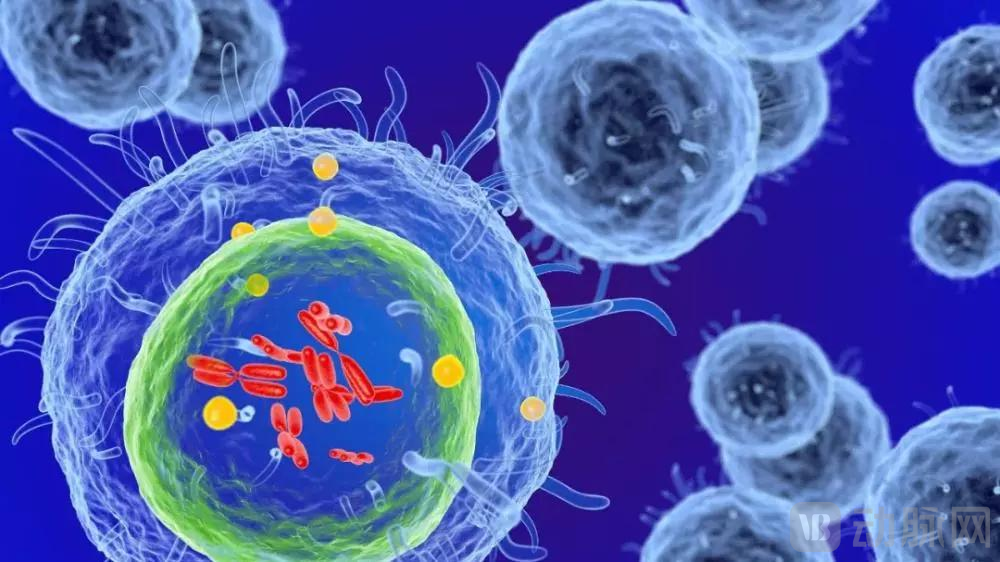
Immunologist Michelson of Harvard Medical School and the Blavatnik Institute has discovered the mechanism by which T cells in the thymus distinguish between self and non-self.
Studies have shown that T cells, which are generated in the thymus and possess potent immune capabilities, are frequently exposed to a variety of proteins produced by the thymus. These proteins can mimic those found in various tissues throughout the human body. Consequently, T cells can “learn” to recognize self-proteins through these mimetic proteins within the thymus, thereby enabling them to identify foreign proteins. Researchers stated thatThese research findings can provide a theoretical foundation for the study of autoimmune diseases.
■ 2. “Off-the-shelf” CAR-T Therapy
Authors: Jing R et al.
Published in: *Cell Stem Cell*, August 2022
Jing, a researcher at Boston Children's Hospital and Harvard Medical School, developed a new technique in mouse model experiments that may enable“Off-the-Shelf” CAR T Therapy, providing treatment options for more patients.
The core of this technology lies primarily in generating universal T cells from induced pluripotent stem cells. These pluripotent stem cell-derived T cells are engineered to express chimeric antigen receptors (CARs), thereby enhancing their ability to target and kill tumor cells and significantly improving the success rate of CAR-T therapy.
Currently, this therapy has successfully treated certain types of leukemia and lymphoma, but further exploration is needed to expand its application to a broader range of diseases.
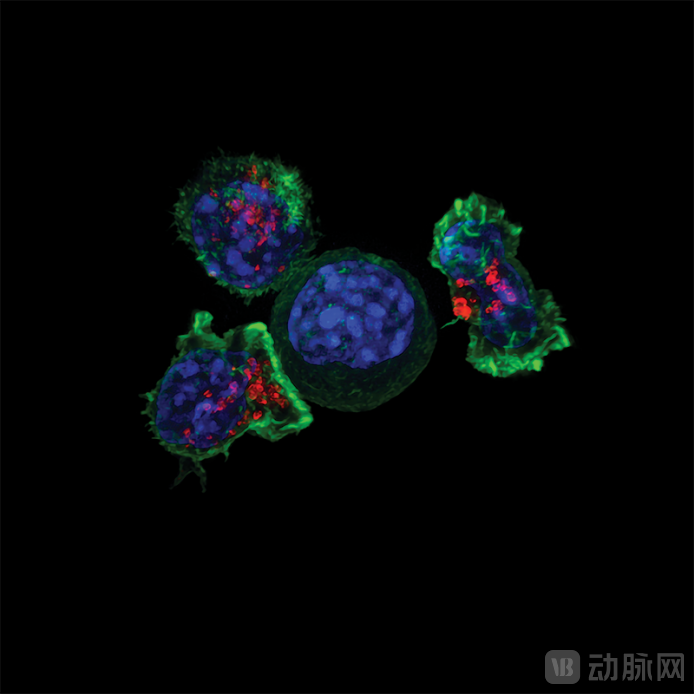
▲ Microscopic image showing cytotoxic T cells (red and green) surrounding cancer cells
■ 3. Mechanisms of Action of the Specific Gut Bacterium Akkermansia muciniphila
Author: Bae M et al
Published in: Nature, July 2022
Researchers from Harvard Medical School and the Broad Institute of MIT and Harvard have identified the application mechanism by which the specific gut bacterium Akkermansia muciniphila regulates inflammation.
Researchers, employing techniques such as cell-based assays, genomic analysis, spectroscopic analysis, and chemical synthesis, have discovered that Akkermansia muciniphila canCell Membrane PhospholipidsInduces the secretion of specific cytokines by human immune cells and resets the activation threshold of dendritic cells, thereby regulating subsequent immune stimulation.Elucidating the Immunomodulatory Effects of Akkermansia muciniphila from the Perspectives of Molecular Basis, Mechanisms of Action, and Biological Effects. Through metabolic analysis, phylogenetic positioning of the gut microbiota, culture experiments, and other multidimensional approaches, researchers concluded that Akkermansia muciniphila can synthesize unique biofilm phospholipids, thereby exerting anti-inflammatory effects.
Researchers stated, “If we are to manipulate gut bacteria for the treatment or prevention of diseases, it is essential to understand the complete characterization of bacterial activities.”
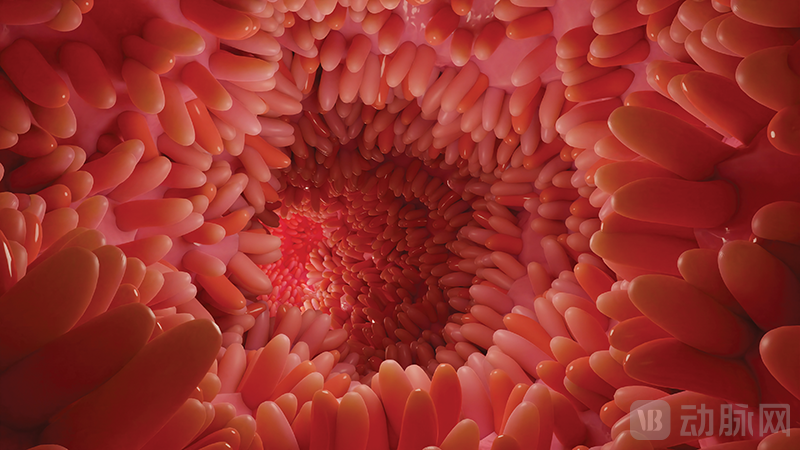
▲ Computer-rendered intestinal villi
Conclusion
As the oldest university in the United States, Harvard University has become a global center of education, nurturing many epoch-making innovators. Summarizing the research findings published in *Harvard Medicine*, we can see that Harvard University focused on key areas in 2022Brain ScienceandCell TherapyDirection—This may also be the innovation trend that Harvard University is conveying to us.
Certainly, Harvard University’s innovative capacity is not confined to the laboratory; it has also demonstrated remarkable boldness in translating research into practical applications. Since 2005, Harvard has undertaken sweeping reforms in the translation of biomedical technologies, primarily includingEstablish the Office of Technology Development (OTD), improve regulations on the distribution of proceeds from achievements, and establish the Center for Clinical and Translational Science Research(Harvard Catalyst) and other landmark initiatives. In just ten years, Harvard University rose from its initial status as a “laggard” to become a global “leader” in technology transfer. This has also set an example for numerous research institutions seeking to develop their technology transfer capabilities.
2023 has just begun, and the new year brings new opportunities. Researchers who keep abreast of scientific trends and seize development opportunities will surely pave the way forward in new fields.