

Innovation Forum Showcases Cutting-Edge Medical Technologies and Highlights Clinical Translation Challenges
On January 13, 2023, under the joint guidance of the Beijing Municipal Science & Technology Commission, the Administrative Committee of Zhongguancun Science Park, and the Beijing Tsinghua Industrial R&D Institute, and hosted by the Global Health Industry Innovation Center“New Spring Scientist Innovation Forum”"Successfully concluded."
In recent years, the healthcare sector has garnered increasing attention, with universities, research institutes, medical institutions, and industry placing greater emphasis on the translation of scientific achievements. However, alongside breakthrough progress in innovative translation, numerous challenges persist. Against this backdrop, the current “Spring Festival Scientists’ Innovation Forum” invites experts from academia, clinical practice, and industry to jointly explore the right course for ensuring steady and long-term success in the translation of medical research outcomes.
What Are Outstanding Young Scientists Researching?
Young scientists are exploring uncharted territories. It is a fundamental law of technological development that ever more cutting-edge technologies are continuously discovered. From the perspective of industrial development, China has transitioned from imitation to independent innovation. For technology enterprises to grow larger and stronger, they must possess original technologies. The research directions pursued by young scientists reflect an inevitable trend as China enters the era of "hard tech."
At the forum, seven young scientists from major universities in Beijing shared their latest research progress, providing detailed insights into their projects, technological innovations and advantages, as well as development plans.
1Digital Transformation of Clinical Diagnosis and Treatment
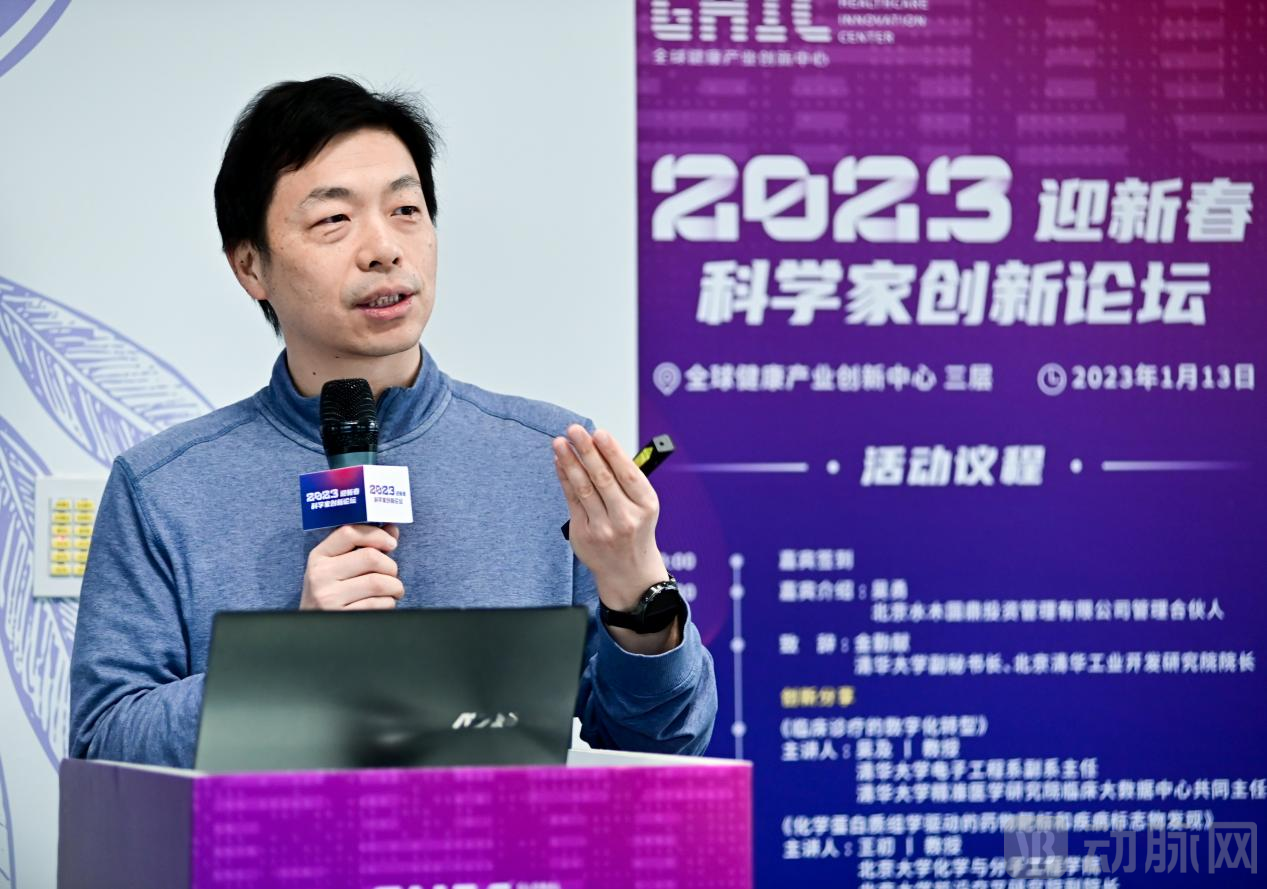
Professor and Deputy Chair of the Department of Electronic Engineering, Tsinghua University
Wu Ji, Co-Director of the Clinical Big Data Center, Institute for Precision Medicine, Tsinghua University
“Digital transformation has been initiated. Compared with the characteristics of informatization—such as the digitization, storage, and transmission of documents, as well as process standardization—digitalization offers advantages including finer granularity, multi-dimensionality, and greater precision. In the digital transformation of clinical diagnosis, it is not merely about recording, data acquisition, control, and traceability; rather, it involves integrating technology to interact with physicians, providing feedback and recommendations.”
2Chemical Proteomics-Driven Drug Targeting and Disease Biomarker Discovery
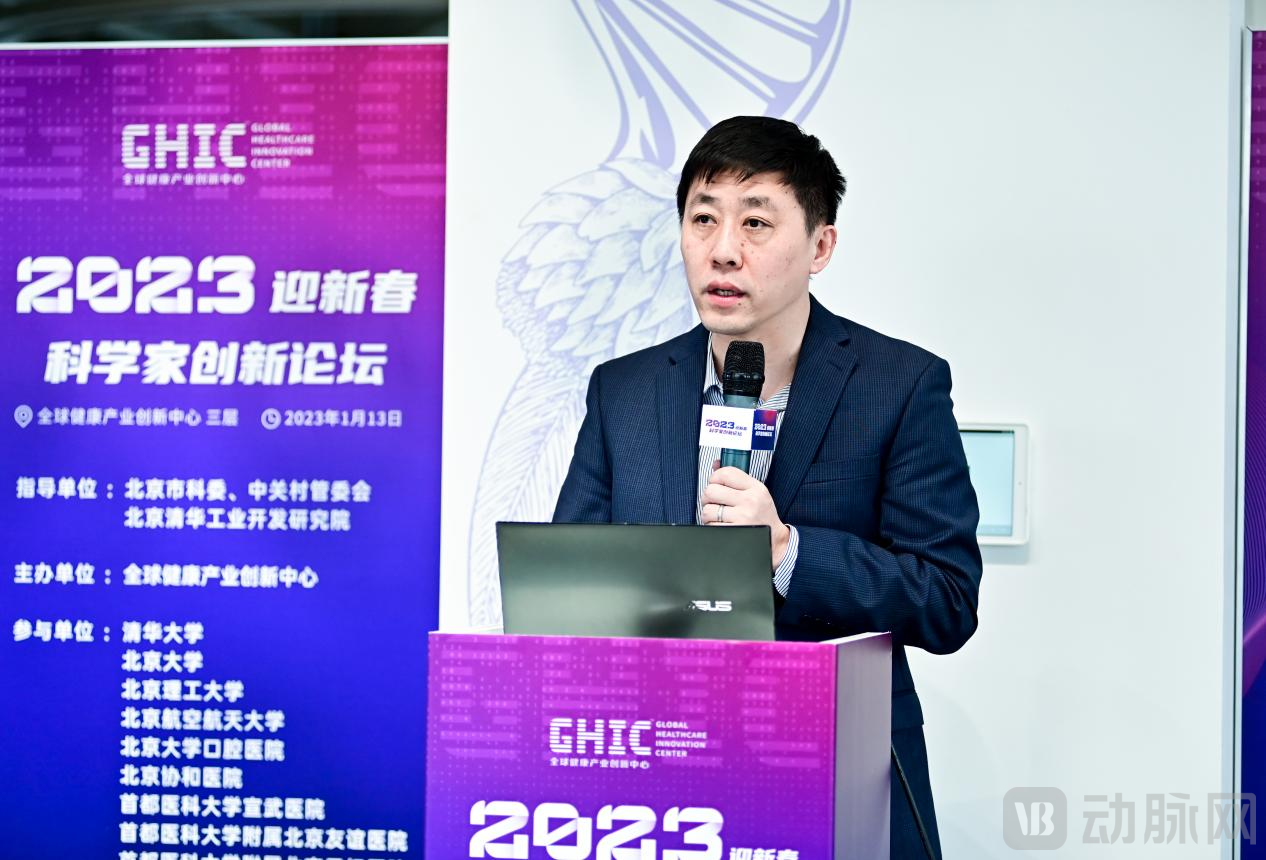
Vice Dean, Institute for Advanced Interdisciplinary Studies, Peking University
Wang Chu, Professor at the College of Chemistry and Molecular Engineering, Peking University
“Our research group’s primary objective is to elucidate protein functions across diverse samples. By integrating chemical proteomics and computational proteomics, we aim to identify catalytic sites and molecular binding targets within biological systems. Specifically, we employ small-molecule probes, mass spectrometry of biomacromolecules, and data analysis and computational approaches for the discovery, characterization, and modulation of proteins.”
3All-Optical Quantum Source Medical Diagnosis and Treatment
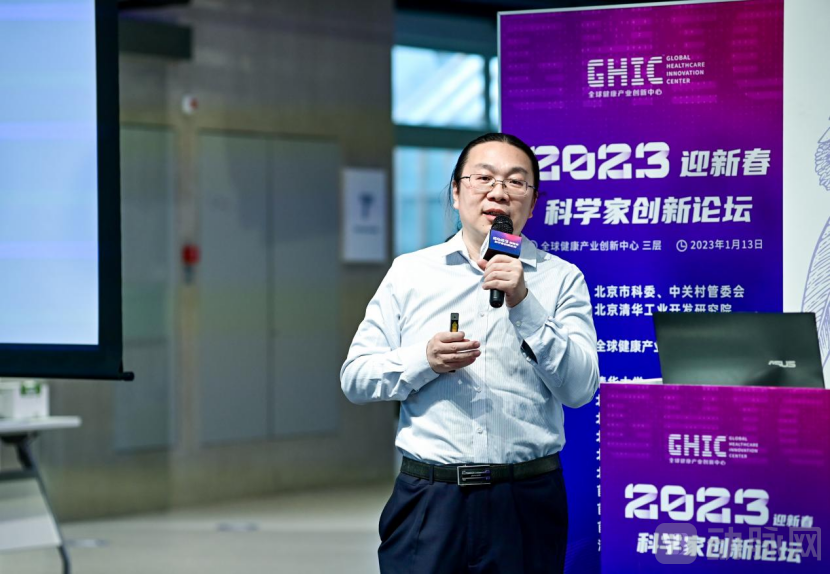
Professor, Department of Engineering Physics, Tsinghua University; Changjiang Scholar Chair Professor, Tsinghua University
Lu Wei, Recipient of the National Science Fund for Distinguished Young Scholars
“All-optical quantum source medical diagnosis and treatment involves converting ultra-intense lasers via a ‘quantum magic box’ to generate various types of radiation, and then exploring the applications of these rays in medical diagnosis and therapy. In 2021, we unveiled the world’s first prototype of a ‘desktop synchrotron radiation light source’ at the Zhongguancun Forum; this prototype maintains a five-year lead in terms of craftsmanship and quality.”
4Multimodal Image-Guided Surgical Navigation
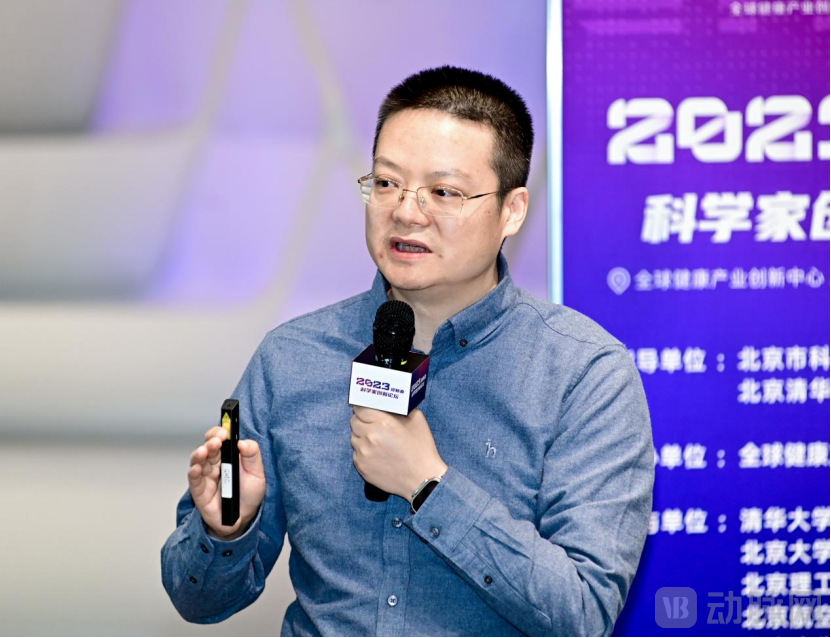
Yang Jian, Distinguished Professor at Beijing Institute of Technology, Selected for the National Talent Program
“To address challenges in endoscope-guided surgery, such as unclear vascular structures and limited visual fields, the team conducted in-depth research on spatial landmarking, non-contact spatial calibration, correction of rotational distortion in endoscope shafts, endoscopic pose compensation, and enhanced rendering through multi-source data fusion. In May 2019, the system passed electromagnetic compatibility and safety compliance testing certified by the Beijing Testing Institute. In June and September of the same year, it respectively obtained biocompatibility testing certification from the Jinan Medical Device Testing Institute and received clinical ethics approvals from Beijing Tongren Hospital, Beijing Tiantan Hospital, and Anhui Provincial Hospital.”
5Technologies and Development in Neurorehabilitation and Rehabilitation Robotics
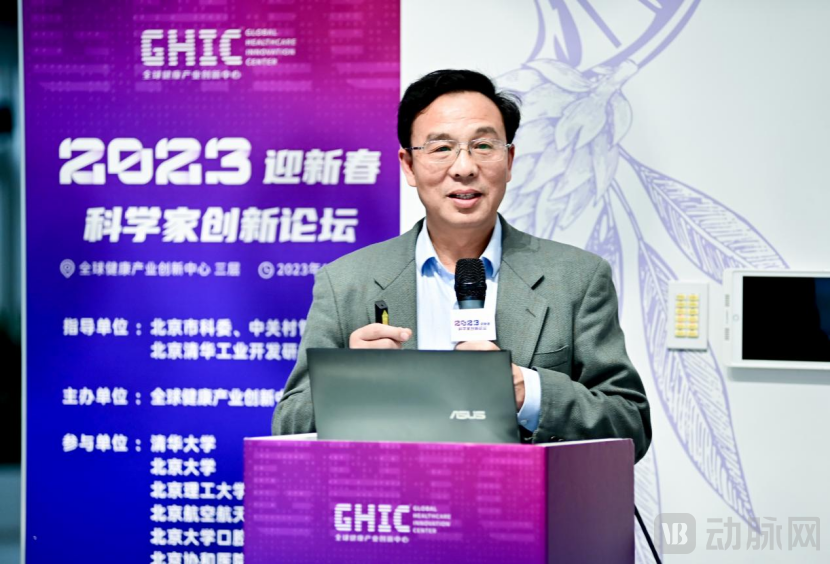
Director, Intelligent Biomechanics Laboratory, Tsinghua University
Ji Linhong, Director of the Rehabilitation Medical Engineering Research Laboratory, Tsinghua University
“Tsinghua University has developed China’s first upper-limb neurorehabilitation robotic system and its associated training technology. This upper-limb rehabilitation-assistive robot, designed for hemiplegic patients, comprises an intelligent robot-assisted neurorehabilitation system, a rehabilitation evaluation framework, and intelligent training prescriptions. It provides personalized rehabilitation plans featuring parameter monitoring and clinical assessment, thereby achieving favorable training outcomes.”
6Miniature Wireless Pressure Sensors for In Vivo Monitoring in Humans and Animals
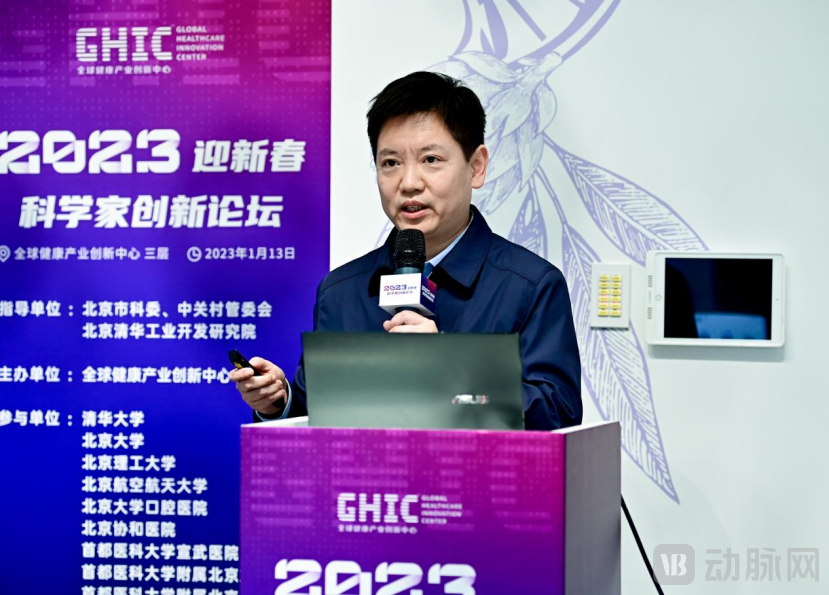 Yang Xing, Associate Research Fellow, Department of Precision Instruments, Tsinghua University
“The miniature wireless pressure sensor developed by the team for monitoring within the human or animal body can perform sensing and monitoring. After adjusting and amplifying the signal through circuits, it wirelessly transmits data to user terminals outside the body. Upon receiving the sensor information on user devices such as smartphones and laptops, physiological data including pressure and temperature are displayed in real-time with corresponding curves. This sensor features an ultra-small size, high precision, wireless data transmission, excellent biocompatibility, strong versatility, and a wide range of applications.”
7Applications of Ultrasound-Driven Technology in the Medical Field
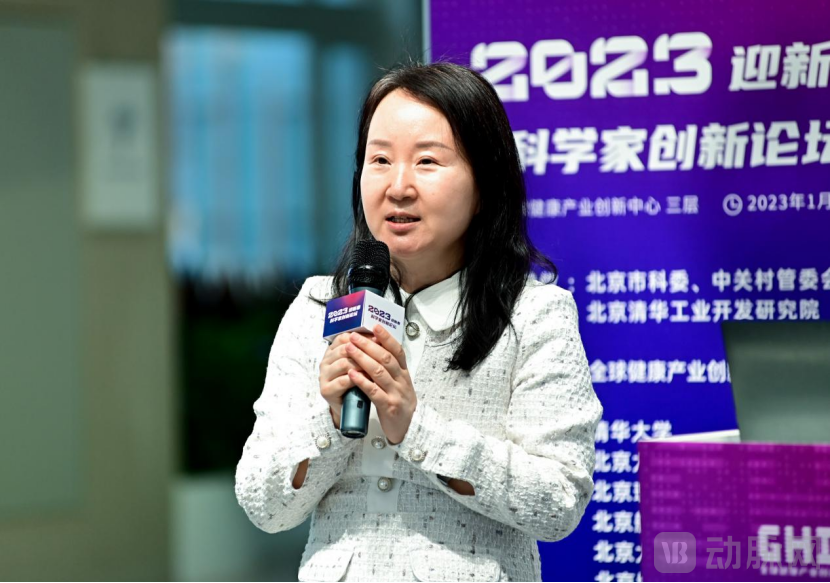
Professor Yuan Songmei, School of Mechanical Engineering and Automation, Beihang University
“Building on existing protocols, the team has pioneered a compact, plug-and-play antimicrobial device that employs an active preventive and control-based physical therapy regimen. As it remains extracorporeal, it avoids the harms associated with other therapeutic interventions, enabling convenient deployment across hospitals at all levels, other healthcare institutions, and home care settings.”
Identifying Pain Points in Clinical Translation
Although significant efforts and attempts have been made in translation in recent years, China currently remains in a rather “awkward” position regarding data.
It is reported that the conversion rate of scientific research achievements in the United States had already climbed to 80% by the early 1990s. Even today, the conversion rate of scientific research in high-tech fields in the U.S. remains above 50%, while China’s actual conversion rate is still below 10%, indicating a significant gap compared with European and American countries.
Subsequently, Chen Zan, Chief Physician of the Department of Neurosurgery at Xuanwu Hospital of Capital Medical University; Guo Wei, Chief Physician of the Department of Hepatobiliary Surgery at Beijing Friendship Hospital, Capital Medical University; Zhao Chan, Associate Chief Physician of the Department of Ophthalmology at Peking Union Medical College Hospital; and Zhao Zhe, Associate Chief Physician of the Department of Orthopedics at Beijing Tsinghua Changgung Hospital, Affiliated to Tsinghua University; andJiang Jiuhui, Chief Physician, Department of Orthodontics, Peking University School and Hospital of Stomatology(Moderator) Together, we conducted a special discussion on “What are the difficulties in clinical translation?”
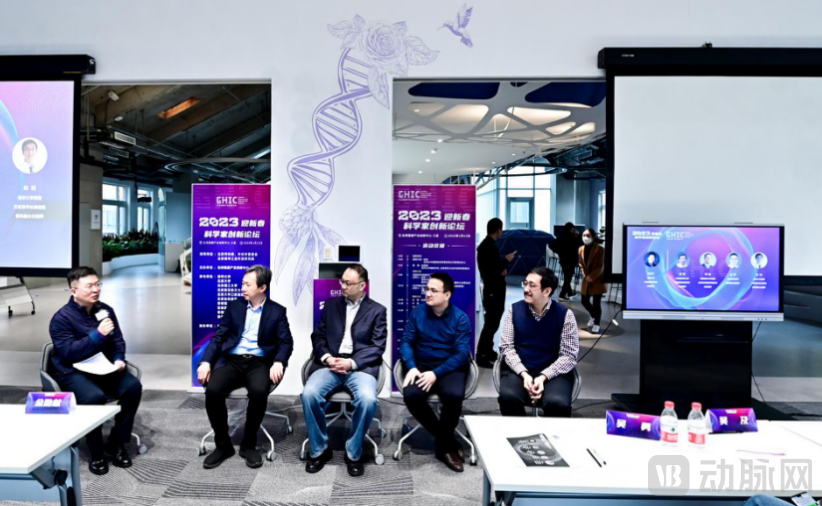
Chen Zan, Chief Physician, Department of Neurosurgery, Xuanwu Hospital, Capital Medical UniversityIt is believed that spinal surgery is an interdisciplinary field, and the application of neuro-microsurgical techniques by clinicians to the treatment of spinal disorders can provide patients with more precise and safer therapeutic options. However, from a clinical perspective, surgical robots are still in their infancy and struggle to meet clinical requirements. Improvements need to be made from a clinical standpoint, and during this improvement process, the most significant pain point identified isLack of Communication Between Clinicians and Experts in Related Specialties, primarily because clinicians are burdened with heavy clinical workloads and focus on patient surgeries every day.
Guo Wei, Chief Physician, Department of Hepatobiliary Surgery, Beijing Friendship Hospital, Capital Medical UniversityBelieving that medical innovation cannot be accomplished by a single individual, a small group, or even a large collective alone, itA platform needs to be established., bringing together clinicians, engineers, investors, and marketing departments. Furthermore, due to regional factors, innovation models, marketing environments, investment climates, and areas of focus vary across different locations. The establishment of innovation platforms facilitates efficient communication among all stakeholders.
Zhao Chan, Associate Chief Physician, Department of Ophthalmology, Peking Union Medical College HospitalTaking his own experience as an example, it took more than a decade to go from the initial concept of a precision targeted therapy model based on intraocular fluid monitoring to finally obtaining the medical device registration certificate. He deeply feels that, in the process of clinical translation, physicians needIdentify suitable business partners and establish a company, accelerate this lengthy process.
Zhao Zhe, Associate Chief Physician of the Department of Orthopedics at Beijing Tsinghua Changgung Hospital, Affiliated to Tsinghua UniversityIt is believed that in trauma orthopedics, the primary pain point for physicians is how toEnhancing the Certainty of the Entire Healthcare ProcessIn this regard, Tsinghua University can leverage the strong support of its engineering departments to help clinicians enhance certainty. Secondly, there is the issue of talent development. Students come from diverse academic backgrounds and often lack foundational knowledge in engineering and electrical disciplines, making it difficult for them to directly engage in-depth in interdisciplinary research. Therefore, in 2020, Tsinghua University launched a Clinical Interdisciplinary Talent Development Program, enrolling students from both engineering and medical backgrounds for joint training, with the goal of cultivating professionals engaged in engineering within medicine-related fields.
CEO Dialogue: The Bittersweet Journey of Entrepreneurship
In this era of entrepreneurship, a cohort of highly innovative CEOs with strong business management acumen has emerged in the life sciences sector, successfully transitioning from scientists to entrepreneurs. During the roundtable discussion at the “Welcome Spring Scientist Innovation Forum,”Moderator: Wang Jingjing, Executive Director of the Global Health Industry Innovation CenterWith“The Bittersweet Journey of Entrepreneurship”As the topic, Wang Dong, CEO of Beijing Qingyuan Kaiwu Technology Co., Ltd.; Wang Daqian, CEO of Beijing Puyi Biotechnology Co., Ltd.; Xiao Pengfei, CEO of Beijing Yijingxing Technology Co., Ltd.; and Wei Yaoguang, CEO of Xinyong (Beijing) Technology Co., Ltd., shared their respective thoughts and perspectives.
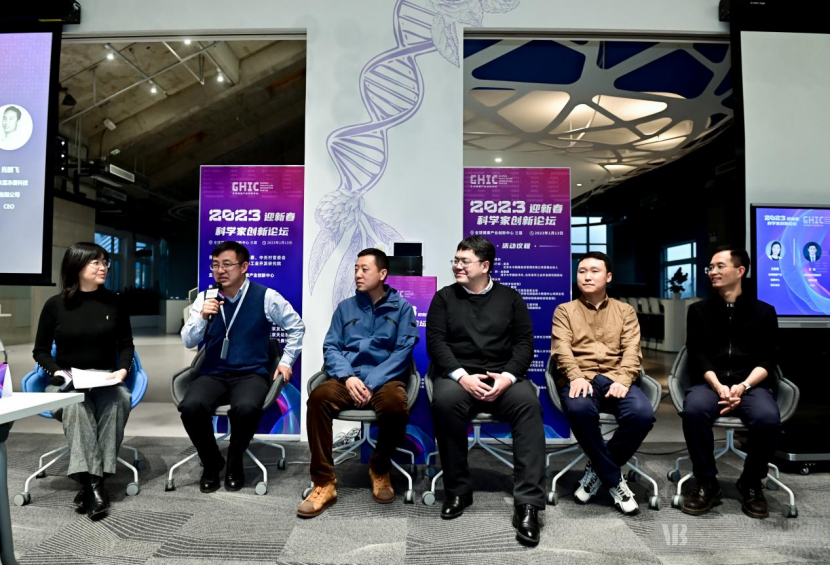
Wang Dong, CEO of Beijing Qingyuan Kaiwu Technology Co., Ltd.: For startups, the most valuable asset is actually their ability to serve industrial clients.Marketing Talent, but for now, my team is still primarily technology-focused. Moving forward, we will seek to bring in marketing specialists to complement our R&D staff, who come from technical backgrounds.
Wang Daqian, CEO of Beijing Puyi Biotechnology Co., Ltd.: We are currently facing two difficulties: one isCommunication Issues Arising from the Team's Interdisciplinary Background, members hold differing views, making it difficult to reach a consensus; another is how to address issues during the engineering processProduct Yield and Production CapacityWhen device manufacturing involves nucleic acids and surface chemistry, batch-to-batch variations are more likely to occur.
Lin Youjia, CEO of Beijing Turing Minimally Invasive Medical Technology Co., Ltd.: The first difficulty is stillTalentMedical devices constitute a complex system engineering endeavor, encompassing multiple stages including quality control, management systems, regulatory registration, market access, and sales with after-sales services. Startups in this field require a substantial number of specialized professionals to delve into every detail. Furthermore, given that talent in this sector is often highly specialized, small companies face challenges in reaching and investing in such human resources—namely, the difficulty of sourcing suitable candidates and the dilemma of whether to offer premium compensation to poach top talent.
The second question isCan it align with market demands?, because the medical device industry is a market with extremely stringent regulations and high entry barriers. It typically takes approximately 8–12 years to take a medical device from research and development through manufacturing, product registration, and market education. During this period, companies must navigate the hospital market and government procurement cycles, which requires entrepreneurs to have a thorough understanding of the market from day one—when defining R&D directions, initiating projects, conducting reviews, and finalizing project closure.
Xiao Pengfei, CEO of Beijing Yijingxing Technology Co., Ltd.: Startups needEmphasizing Cash Flow, taking Yi Jingxing as an example, the company always maintains at least 2–3 years of cash flow on its balance sheet. Moreover, its overall management structure is relatively streamlined, with a core focus on production, R&D, and market development. Furthermore, transitioning from the materials sector to the medical industry requires recruiting relevant talent and identifying strategic partners, leveraging prior entrepreneurial experience to drive progress.
Wei Yaoguang, CEO of Xinyong (Beijing) Technology Co., Ltd.:Technology, capital, and talent are particularly important.On one hand, the team relies heavily on sensor technology. Initially, they sought a flexible, ultra-thin pressure sensor capable of capturing arterial pulse wave signals, but encountered repeated setbacks in their search. It was only this year, with the emergence of new sensor technologies, that the team found inspiration. On the other hand, funding posed a significant challenge: as a startup without revenue, survival depended on investment. However, the investment market has been sluggish over the past two years, placing immense pressure on the team. Anxiety was alleviated only after securing a recent round of financing. Lastly, recruitment remains difficult, as professionals specializing in blood pressure monitoring are scarce and hard to find.
Wang Dong, CEO of Beijing Qingyuan Kaiwu Technology Co., Ltd.: I feel that there are two scenarios in which I am happiest. One is when we use our own technologyResolved issues that the client could not address with other suppliers, another isTechnological Upgrade, develop new features, with strong differentiating characteristics in the market, thereby securing orders.
Wei Yaoguang, CEO of Xinyong (Beijing) Technology Co., Ltd.: The most exhilarating part was watching the team grow from just five people starting from scratch in a single room, driven by the need to develop the technologyTruly Translated into Products“There was a significant gap. From writing the first line of code to producing the prototype, we felt particularly excited and delighted when we saw the device display blood pressure readings.”
Wang Daqian, CEO of Beijing Puyi Biotechnology Co., Ltd.: Our greatest joy also stems from product-related achievements. Just recently, our biological nanopore sequencer successfully decoded nucleic acid test results using in-house developed reagents and proteins.The accuracy rate exceeded 90%., which is a critical threshold for fourth-generation sequencing.
Lin Youjia, CEO of Beijing Turing Minimally Invasive Medical Technology Co., Ltd.: The happiest thing is to become a partner of doctors, togetherHelping Patients Resolve Health Issues, regaining the joy of life. When our products truly solve problems in clinical surgeries, I feel like a partner to the doctors, delivering life-saving care through our products.
Xiao Pengfei, CEO of Beijing Yijingxing Technology Co., Ltd.: The thing that has made me happiest recently is discovering that Hainan Airlines flight attendants are using our products, which shows that weGained market recognition, in addition, our products are also used by Tsinghua University, making the Second Gate of Tsinghua even whiter.