

TsingRay Leverages Millimeter-Wave Radar for Breakthrough Medical-Grade Sleep and Vital Signs Monitoring

Tsingray
Digital Perception System Provider
In December 2022, medical devices for monitoring vital signs such as respiration, heart rate, and blood oxygen saturation suddenly surged in popularity, entering ordinary households—a development that may have come as a surprise to many. Behind this trend lies the public’s heightened attention to personal health and an increased awareness of health management driven by medical science popularization.
This has also brought into our spotlight a company that employs millimeter-wave radar technology to provide low-cost, highly reliable, and highly accessible vital signs monitoring for patient populations, including those with COVID-19.
It is Tsingray.
The company, founded in 2019, has secured tens of millions of yuan in funding across three rounds to date.Tsingray’s ability to secure financing is attributable to its robust core technological capabilities. The vital signs monitoring technology employed by Tsingray stems from nearly two decades of millimeter-wave radar research conducted at Tsinghua University. Products developed by Tsingray based on this technology have gained significant favor due to their ability to provide contactless, unobtrusive experiences for sleep and vital signs monitoring.
The founding of this company would not have been possible without two core key figures, who areDing Yuguo, Founder and CEO of Tsingray, and Professor Li Gang, Co-founder from the Department of Electronic Engineering at Tsinghua University。
“Scientists + Entrepreneurs” Startup Team Applies Millimeter-Wave Radar Technology to Medical Monitoring
2019 marked a new starting point for Ding Yuguo.
As the lock-up period for the first round of startup acquisitions came to an end, he embarked on his second entrepreneurial journey—leading to the establishment of Tsingray.
The 15-year experience of his first entrepreneurial venture has left a deep mark on him. “There were many achievements as well as setbacks during the first round of entrepreneurship, which have provided valuable lessons for my second venture,” said Ding Yuguo.
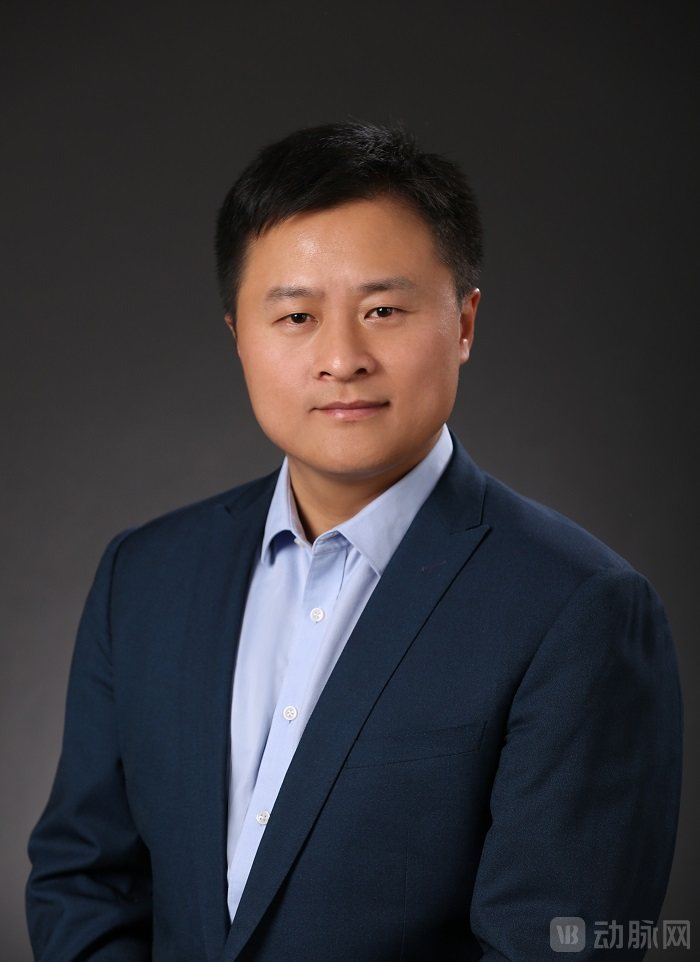
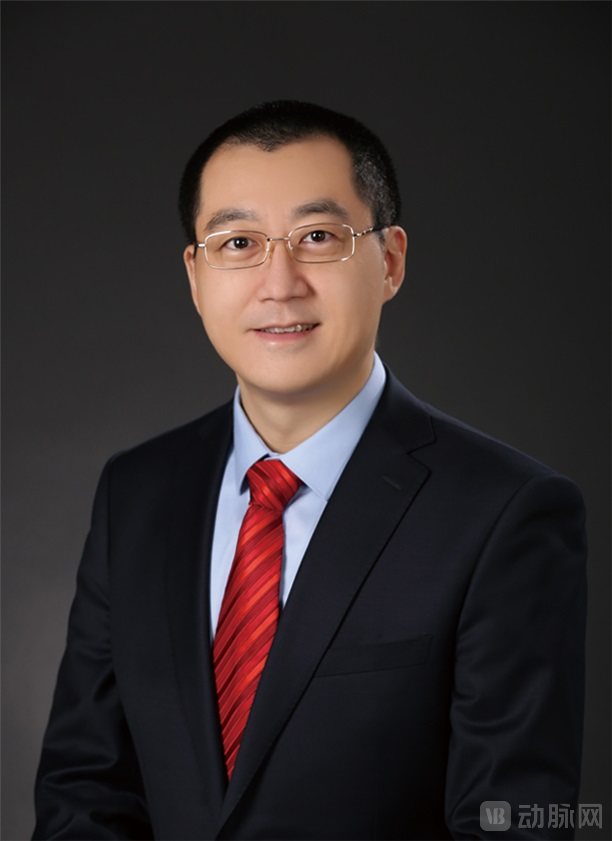
For this entrepreneurial venture, he partnered with Professor Li Gang, a tenured professor and doctoral supervisor in the Department of Electronic Engineering at Tsinghua University, who also serves as Co-founder and Chief Scientist of Tsingray. Professor Li has over 20 years of experience in fundamental research and practical applications of intelligent radar systems, and has received numerous prestigious awards, including the First Prize for Natural Sciences from the Ministry of Education, the National Science Fund for Distinguished Young Scholars, and the China Youth Science and Technology Award. As undergraduate classmates at Tsinghua University, Professor Li and Ding Yuguo jointly decided to establish Tsingray, leveraging their years of accumulated radar technology expertise to enter the healthcare sector.
In the field of vital signs monitoring, the advantages of millimeter-wave radar technology are evident.On the one hand, compared with contact-based vital signs monitoring devices, millimeter-wave radar technology enables non-contact sensing, which does not disrupt users’ daily lives and is suitable for various scenarios such as hospitals and home care. On the other hand, unlike monitoring devices such as smart cameras, millimeter-wave radar does not infringe on user privacy.
Compared with other companies engaged in millimeter-wave radar R&D, Tsingray's technological advantages are also evident,It achieves detection, parameter estimation, and mode recognition of extremely weak signals such as respiration and heartbeat, attaining the data accuracy required to provide a reliable basis for medical diagnosis.
To further advance the application of millimeter-wave radar technology in healthcare, Tsingray has assembled a highly efficient collaborative team of over 50 members. The core algorithm and data processing teams are predominantly composed of Ph.D. graduates and postdoctoral researchers from Tsinghua University, while the medical-focused teams consist largely of professionals with expertise in clinical practice, medical quality management systems, and medical device registration. Furthermore, Tsingray has strengthened its deep collaboration with medical expert teams, encompassing discipline leaders and industry experts across various fields such as sleep medicine, respiratory medicine, and oncology nutrition.
Enhancing Vital Signs Monitoring Capabilities for Applications in Medical Diagnosis, Elderly Care, and Other Fields
In the interview, Ding Yuguo highlighted the core key points of Tsingray's business development—
“Vital sign signals collected by millimeter-wave radar devices undergo data fusion and AI analysis in the cloud, enabling the resulting data to be applied to vital sign monitoring, disease diagnosis, and risk prediction. The solution achieves best-in-class performance within its niche in terms of accuracy, effectiveness, and accessibility, thereby filling a gap in the healthcare industry.”
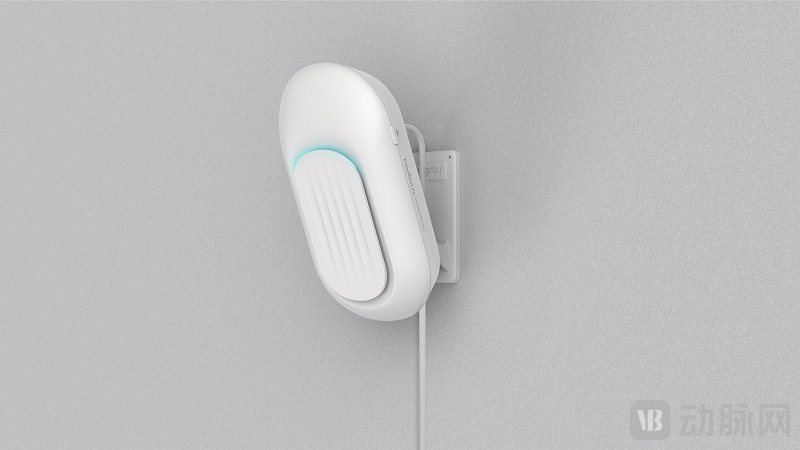
In October 2021, Tsingray’s “Sleep Apnea Recorder” obtained the Class II Medical Device Registration Certificate.According to Ding Yuguo, this is also the first product in China to apply millimeter-wave radar technology for medical-grade vital signs monitoring. The clinical evaluation concluded that “the correlation coefficient r between the measurement results of the control product and the experimental product was 0.9586, indicating good agreement between the two.”
Empowering Medical Diagnosis
Currently, Tsingray’s products have been adopted by numerous tertiary hospitals, including Peking University Third Hospital, Beijing Tsinghua Changgung Hospital, Fuwai Hospital, and Beijing Shijitan Hospital. The collaborating departments span respiratory medicine, sleep centers, otolaryngology, cardiovascular medicine, and oncology nutrition, among others.
Professor Shi Hanping, Vice President of the China Anti-Cancer Association, Director of the Department of Gastrointestinal Surgery, and Director of the Department of Clinical Nutrition at Beijing Shijitan Hospital, Capital Medical University, is collaborating with Tsingray to launch a clinical research project that uses millimeter-wave radar to monitor sleep and vital signs in cancer patients. Professor Shi pointed out, “The greatest value lies in the predictive capability derived from big data generated by long-term monitoring with millimeter-wave radar devices and subsequent artificial intelligence analysis.“Traditional methods, such as routine blood tests, cannot be performed continuously and uninterruptedly. In contrast, radar-based sleep monitoring enables the analysis of metabolic fluctuations, physical condition changes, and variations in sleep quality during treatment. It also provides early warnings for infections, complications, and bleeding risks, predicts clinical outcomes, and facilitates the optimization of treatment plans.”
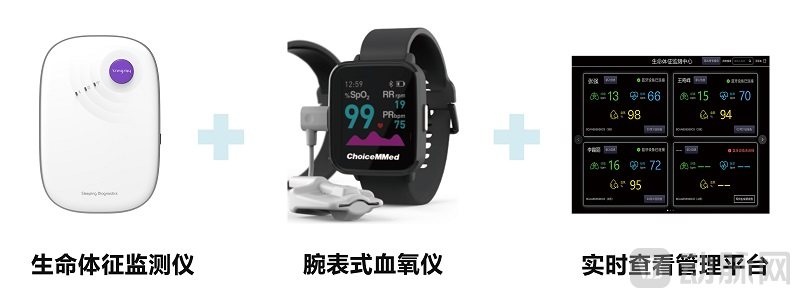
Currently, Tsingray is conducting the second clinical trial and registration process for its medical device.It is reported that Tsingray has collaborated with medical institutions such as Peking University Third Hospital, Beijing Tsinghua Changgung Hospital, and China-Japan Friendship Hospital to collect patients’ polysomnography (PSG) data and millimeter-wave radar data, thereby developing an AI-based diagnostic system for sleep apnea through machine learning. Targeting core metrics including the Apnea-Hypopnea Index (AHI), classification of respiratory events, comparison of sleep duration, and sleep staging, Tsingray’s millimeter-wave radar system has demonstrated non-inferior performance compared to PSG devices in clinical data.
Supporting the Elderly Care Sector
In the elderly care sector, Tsingray’s partners include health and wellness institutions and community-based elderly care service providers such as Taikang, Country Garden, Fushoukang, Fosun Health, and Tianyu Elderly Care.Applying millimeter-wave radar technology and products to the elderly care sector enables continuous monitoring of seniors’ vital signs, facilitating real-time emergency alerts and early prediction of potential risks. This approach not only enhances operational efficiency but also provides a safer living experience for the elderly.
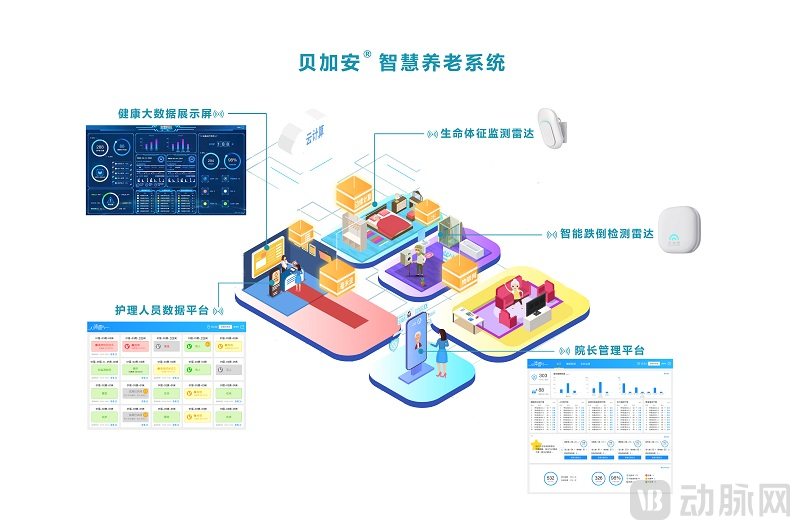
In its collaboration with Foshan Shanqi Home, Tsingray assisted in the installation of millimeter-wave radar devices for sleep monitoring and fall detection. At the caregiver service station, the data management platform provides real-time feedback on the vital signs of elderly residents, significantly reducing the frequency of room checks and effectively avoiding disturbances to their nighttime sleep. In the event of abnormal vital signs or falls, the platform automatically triggers an alarm. This has effectively improved the work efficiency of the management and service team while reducing operational risks.
A community-based elderly care institution in Shaanxi Province deployed Tsingray’s millimeter-wave radar smart elderly care system. The radar devices detected abnormal rapid breathing and tachycardia in an elderly resident during the night. These readings significantly deviated from the user’s vital sign profile established by multi-day monitoring. The system analyzed the data, identified potential health risks, and promptly alerted the caregiver via an automated 400 hotline call. Subsequent examination revealed that the nighttime symptoms were related to an underlying medical condition. Early detection helped prevent a medical emergency.
Continuously expand scenario-based applications such as COVID-19 monitoring to further enhance device accessibility.
Recently, there has been a surge in the number of critically ill patients with COVID-19. In the near future, shortages of medical resources may persist. To address the insufficient monitoring resources for primary care hospitals and community-based patients, Tsingray has deployed millimeter-wave radar monitoring systems for continuous tracking of respiration, heart rate, and blood oxygen saturation in COVID-19 patients, in accordance with the “Diagnosis and Treatment Protocol for Novel Coronavirus Infection (Trial Version 10)” issued by the National Health Commission of China. This approach facilitates clinical classification of moderate and severe cases and provides early warning of patient risks.
Currently, China is entering a stage of moderate aging. Among the 260 million elderly individuals, 120 million are empty-nesters. The number of people with chronic diseases in China has exceeded 300 million, with chronic diseases accounting for 88.5% of all deaths. There are 270 million patients with hypertension, 170 million with diabetes, and 100 million with kidney disease who lack nighttime vital signs monitoring; long-term monitoring and predictive analytics for these chronic conditions remain largely unaddressed. Long-term home-based monitoring for individuals with chronic diseases and empty-nest elderly can better leverage the accessibility and ease of use of millimeter-wave radar devices. By utilizing millimeter-wave radar IoT monitoring equipment, caregivers can access real-time vital signs data of the monitored individuals via mobile apps, enabling timely response to high-risk events such as cerebral infarction, stroke, and sudden cardiac death.
For Tsingray, the relentless pursuit is to address current industry pain points through its proprietary technologies and establish greater professional momentum. Its future roadmap is clear: first, to strengthen interdisciplinary research collaboration between medicine and engineering, further enhancing the clinical value of its products to serve a broader range of diseases and patients; second, to expand into the consumer market, bringing its products to more households and achieving wider coverage of populations with health concerns, thereby building the largest IoT platform for sleep and vital signs monitoring both domestically and internationally; and third, to further open up its platform capabilities by providing optimized cloud-based disease models to third parties, enabling more partners to participate and better meet the needs of diverse scenarios.
After completing three cumulative rounds of financing totaling tens of millions of yuan,Tsingray also plans to launch a new round of financing in 2023, the financing will be primarily used for the research and development of refined algorithms, the expansion of interdisciplinary teams combining medicine and engineering, and the expansion of the consumer market.
Ding Yuguo confidently stated, “By integrating technologies such as sensors, big data, cloud computing, and artificial intelligence, and by innovating products and services to transform sleep monitoring and vital signs monitoring, we can improve the efficiency of medical diagnosis and leverage digitalization to help people better manage their health. We are confident that Tsingray will create a brand-new future in the broad healthcare sector.”