

Shurui Medical Ventures into the Auditory and Balance Medicine Niche, Pioneering a Digital Therapeutics Platform for Vestibular Rehabilitation
A Consensus: Digital therapeutics have gained tremendous momentum in recent years. A follow-up question: Beyond psychiatric disorders such as schizophrenia and attention-deficit disorder, endocrine conditions like diabetes and obesity, and circulatory system diseases including hypertension and heart failure, which indications for prevention, management, and treatment are poised to become the next major growth area for digital therapeutics?
Indeed, since digital therapeutics originated in the United States in the 2010s and sparked intense industry interest in 2017, their development has blossomed worldwide. Not only has the market size reached $3.5 billion (according to VCBeat’s “Global Digital Therapeutics Industry Report (2022),” the global digital therapeutics market was valued at $3.5 billion in 2020 and is projected to reach $19.1 billion by 2028), but a number of prominent digital therapeutics companies have also emerged, such as Welldoc, Voluntis, and Propeller Health.
Moreover, as the global digital therapeutics industry accelerates into a fast lane, the indications currently targeted by digital therapeutics have also shown a certain degree of clustering.
According to the "White Paper on China's Digital Therapeutics Industry (2021 Edition)" by VCBeat Research Institute, existing digital therapeutics products cover twelve major categories and more than 30 specific indications. Among these, indications for mental disorders are the most prevalent, totaling 10, followed by nervous system diseases with 7 indications. Respiratory diseases, endocrine system diseases, and circulatory system diseases each account for 3 indications. Thus, the indications for current digital therapeutics products are relatively concentrated.
Nevertheless, it is undeniable that a cohort of companies with considerable market influence has already emerged within these relatively concentrated digital therapeutic indications. This inevitably raises the question: Where will the next wave of high-growth opportunities for digital therapeutics lie?
It may not be considered a major trend, but relevant companies are indeed employing divergent thinking to explore the potential applications of digital therapeutics in other indications. For instance, Duobaoshi’s visual function training software targets strabismus and amblyopia, whileShuSafeway Medical has developed rehabilitation training software for vestibular function rehabilitation, creating a DTx platform for audiology and balance medicine.
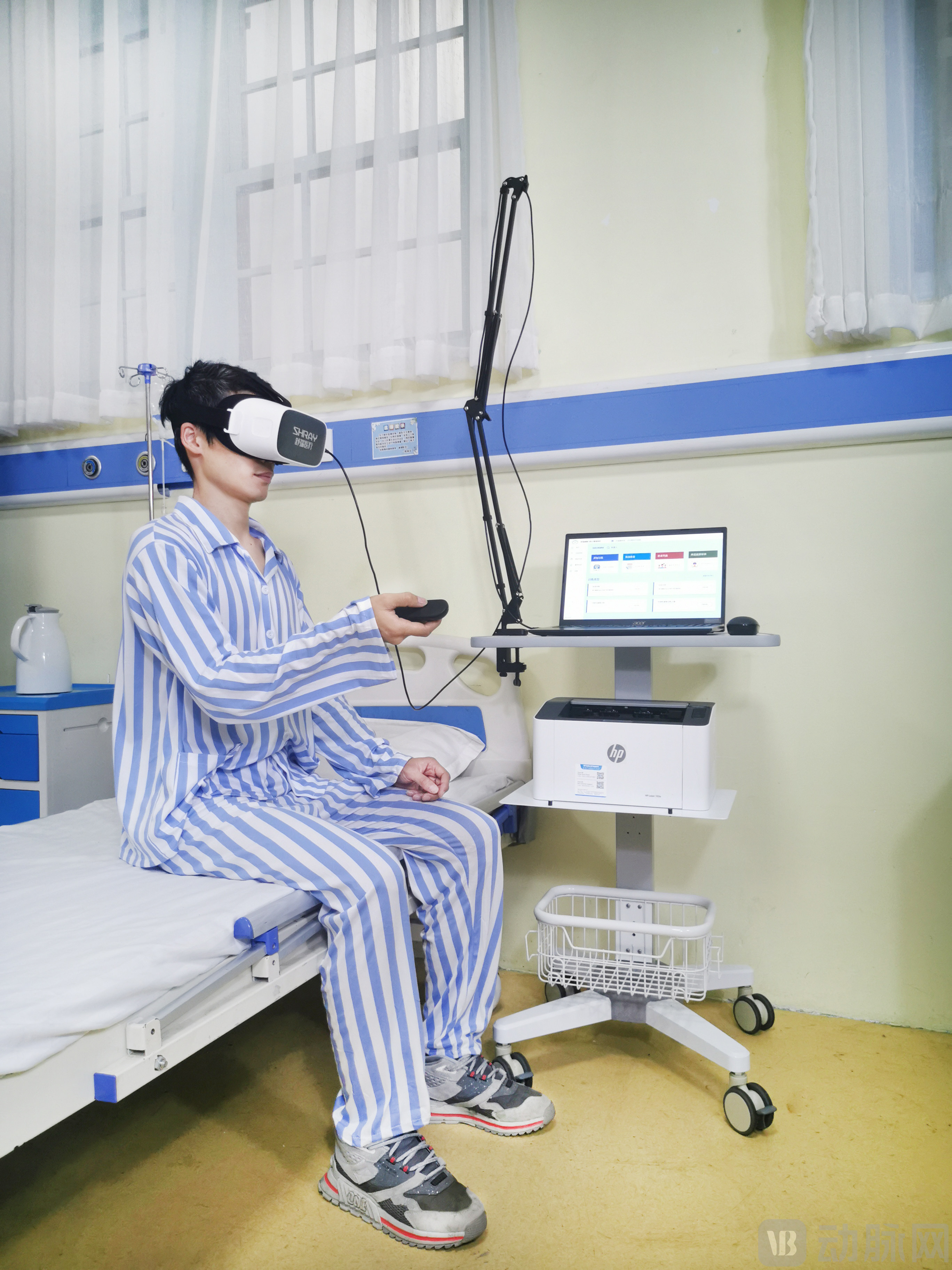
Auditory and Balance Medicine may sound unfamiliar at first glance. How far can one go by choosing this sector for entrepreneurship? And how much momentum can the booming “digital therapeutics” bring to this field? In an interview between VCBeat and Huang Caixiang, CEO of Guangzhou Safeway Medical Science Technology Co., Ltd., he did not directly address these questions, but instead presented a set of data to VCBeat.
Having entered more than 100 Grade-A tertiary hospitals, facilitated the rehabilitation of over 20,000 patients, initiated research projects and published more than 10 academic papers, and achieved annual sales exceeding RMB 10 million in 2022... This is the track record Shurui Medical has delivered to date.We may not have the authority to evaluate the results, but it is worth affirming that,Shurui Medical is currently the first digital therapeutics platform in China to focus on auditory and balance medicine, or more accurately, the first digital therapeutics platform in China to focus on vestibular function rehabilitation.
Vertigo is a kinetic or positional illusion resulting from the body's impairment in spatial orientation. During episodes, patients often experience a spinning sensation, accompanied by autonomic nervous system dysfunction symptoms such as nausea, vomiting, and cold sweats. After the acute phase of vertigo subsides, residual vestibular dysfunction can evolve into chronic dizziness and balance disorders, severely impacting the patient's quality of life.
Vestibular rehabilitation therapy refers to a series of targeted, individualized rehabilitation training programs designed to enhance the coordinated control of balance by the vestibular, visual, and proprioceptive systems, while mobilizing the compensatory mechanisms of the central nervous system, thereby alleviating or eliminating patients’ symptoms of vertigo.
Vestibular rehabilitation training can be used to treat vertigo, dizziness, and postural imbalance symptoms associated with benign paroxysmal positional vertigo (BPPV), unilateral or bilateral vestibular hypofunction, Ménière's disease, age-related vestibular dysfunction, and central vestibular disorders. Thus, the indications for vestibular rehabilitation therapy are extensive.
Furthermore, according to Huang Caixiang, the patient population with vertigo is substantial, with approximately 40 million people seeking hospital care for vertigo annually. Among individuals aged over 60, the prevalence of vertigo is approximately 25%–30%.
According to survey data from the U.S. Centers for Disease Control and Prevention (CDC), the annual incidence of falls among adults aged 65 and older is approximately 33%, with more than half of these individuals experiencing recurrent falls; among those aged 80 and older, the fall incidence rate has reached 50%. As China has officially entered an aging society, the population base of patients with dizziness and balance disorders is likely to further increase as population aging deepens in the future.
ButAmidst the vast market demand, diagnostic, therapeutic, and rehabilitation resources for vertigo appear somewhat “inadequate.”
First, clinical resources for the diagnosis and treatment of vertigo are currently extremely inadequate. The etiology of vertigo is highly complex, involving multiple specialties such as otolaryngology, neurology, orthopedics, and psychiatry. Currently, few hospitals have established dedicated vertigo clinics. The lack of clarity regarding which department to consult leads to patients being dispersed across various departments. Moreover, these disparate departments often lack physicians who have received systematic training in vertigo management, as well as comprehensive diagnostic and therapeutic equipment for vertigo. Consequently, many patients fail to receive standardized care, resulting in missed diagnoses and misdiagnoses.
Secondly, there is a severe mismatch between the supply and demand for vertigo rehabilitation.。“Primary and secondary hospitals see patients with dizziness, yet few physicians have received systematic training in the diagnosis, treatment, and vestibular rehabilitation of dizziness; consequently, vestibular rehabilitation services are rarely offered. Tertiary hospitals have specialists, but limited bed availability for dizzy patients and a shortage of vestibular rehabilitation therapists make it difficult to implement vestibular rehabilitation training.“Huang Caixiang stated, andMedications are typically used for symptomatic treatment during the acute phase of vertigo episodes; currently, there are no specific drugs approved for vertigo in clinical practice. Vestibular rehabilitation training is internationally recognized as one of the primary treatments for vertigo, particularly for chronic and recurrent cases.
However, as previously mentioned, due to the scarcity of specialized medical resources, vestibular rehabilitation training has historically relied on patients performing self-directed exercises based on written and pictorial instructions (later distributed via CDs). This approach was not only monotonous, leading to poor patient compliance, but also made it impossible to evaluate training outcomes. For physicians, the inability to assess rehabilitation progress precluded effective follow-up care and timely adjustment of training protocols.
In other words,Ideal vestibular rehabilitation training requires engaging content to enhance patient adherence, as well as the capability to collect training data for evaluating therapeutic efficacy, thereby assisting physicians in managing the vestibular rehabilitation process.
“Improving patient adherence,” “evaluating efficacy,” and “managing disease progression”—these concepts may sound familiar, as they are precisely the functions that digital therapeutics (DTx) aim to achieve. Consequently, vestibular rehabilitation training is also a suitable application scenario for digital therapeutics.
So, how exactly does Guangzhou Safeway Medical Science Technology Co., Ltd. apply digital therapeutics to vestibular rehabilitation training and even the broader field of hearing and balance?
ShuRui Medical’s vestibular function rehabilitation training products were launched in 2018, a time when the concept of digital therapeutics had not yet fully emerged in China and regulatory approval policies remained unclear. Prior to this, ShuRui Medical was a company focused on the development of innovative medical devices, consistently maintaining its acumen and capabilities in this area.
It should be particularly pointed out that,The development of Safeway Medical’s vestibular function rehabilitation training software strictly adheres to domestic and international treatment guidelines and expert consensus. Notably, the VR-based vestibular rehabilitation technology adopted by Safeway Medical has been incorporated into the Chinese Expert Consensus on Vestibular Rehabilitation.
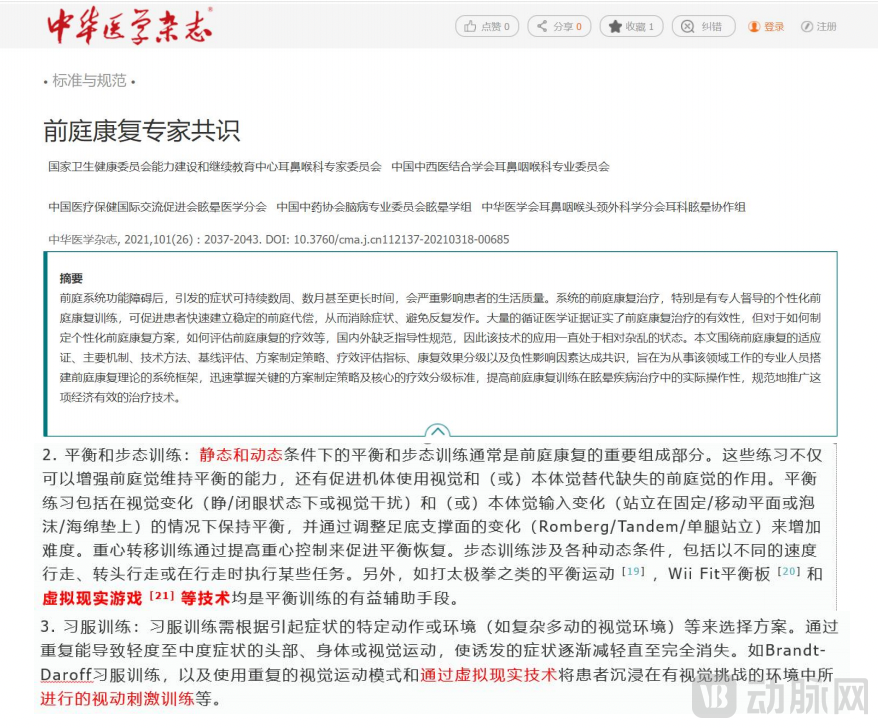
Moreover, the research and development of Safeway Medical’s vestibular rehabilitation products has been conducted in collaboration with and under the guidance of several renowned Chinese experts in vertigo, including Professor Ou Yongkang, Director of the Vertigo Specialty at Sun Yat-sen Memorial Hospital, Sun Yat-sen University; Director Jin Zhanguo of the Aerospace Vertigo Diagnosis and Treatment Research Center at the Air Force Medical Center; Director Dan Xizheng, Chairman of the Vertigo Medicine Branch of the Chinese Research Hospital Association; and Professor Zhao Xingquan, Director of the Neurology Center at Beijing Tiantan Hospital, Capital Medical University. The clinical efficacy has also been validated by several academic papers.
Currently, Safeway Medical is conducting relevant multi-center clinical trials with Wuhan Union Hospital, Wuhan Tongji Hospital, the First Hospital of Shanxi Medical University, Peking University People's Hospital, and Shanghai Changzheng Hospital.
The primary reason attracting numerous physicians to form alliances with the company is undoubtedly the product strength of Guangzhou Safeway Medical Science Technology Co., Ltd.’s vestibular rehabilitation training solutions. Specifically, by leveraging VR technology, engaging content, and sensor technology, Guangzhou Safeway Medical enables patients to undergo immersive training within VR scenarios, thereby enhancing patient adherence while providing real-time feedback on training outcomes.
As a result, for patients, engaging and enjoyable content helps them adhere to their training regimen, while real-time feedback assists in self-monitoring the correctness of rehabilitation exercises, thereby facilitating vestibular function recovery. Leveraging device portability and the successful deployment of Guangzhou Safeway Medical’s vestibular rehabilitation DTx platform, patients can complete their training at home, eliminating the need for frequent hospital visits and saving both financial and time costs.
For physicians, the emergence of digital therapeutic products for vestibular rehabilitation training signifies a reduced reliance on direct medical supervision, as clinicians are no longer required to provide on-site monitoring and guidance during patient exercises, thereby enhancing workflow efficiency. Furthermore, leveraging data acquisition technologies enables physicians to monitor patients’ training progress in real time and provide timely interventions when necessary.
What is even more valuable is,Shurui Medical’s digital therapeutic product for vestibular rehabilitation training incorporates dozens of training modules to meet the personalized needs of different patients. After clearly diagnosing the type of vertigo, physicians can combine various training modules to create a personalized rehabilitation plan for each patient.Therefore, it is very user-friendly for physicians who are not sufficiently familiar with vestibular rehabilitation therapy for vertigo.
However, the era when “good wine needs no bush” has long passed; even the best products require market strategies to achieve commercial success. In this regard, thanks toShuRui MedicalYears of dedication in the field of medical devices, itsA mature medical sales channel has been established, with a distributor network covering China; by 2022, the number of city- and county-level distributors exceeded 100.
At this juncture, it is essential to emphasize that in the field of digital therapeutics for vestibular rehabilitation, Guangzhou Safeway Medical Science Technology Co., Ltd. aims to launch an integrated hardware-software product and, based on this, build a digital therapeutic platform for vestibular rehabilitation, thereby achieving a closed-loop layout covering the entire process from diagnosis and treatment to rehabilitation. Currently, the strategic deployment for the diagnosis and treatment phase, as well as the application for the registration certificate of the vestibular rehabilitation digital therapeutic product, have been initiated.
andIn the following,Committed to Becoming a Leader in Digital Therapeutics for Auditory and Vestibular MedicineShuRui Medical will also engage in the research and development of digital therapeutic products for tinnitus and hearing loss, thereby enhancing its portfolio of digital therapeutics in the field of auditory and balance medicine.