

How to Earn Dollars Overseas? Decoding the Localization Strategy for Chinese Enterprises Going Global
In the domestic business context, people often use a straightforward metric to assess a company’s strength: Can it earn U.S. dollars? Put another way, can its products be sold overseas and gain recognition in the global market?
The logic behind this is that “Made in China” is accelerating its global expansion.
For medical enterprises, the surge in exports during the pandemic has prompted a reevaluation of overseas markets. Some companies have progressed from initial overseas distribution to establishing foreign subsidiaries and representative offices, and further to gradually building local teams abroad, advancing through continuous exploration. Looking back, talent has been a critical force for companies engaging in high-level international competition and a key support for their establishment in foreign markets. Companies are increasingly recognizing that going global is not merely about globalization, but rather glocalization, with talent being an indispensable factor in this process.
For enterprises, going global is not merely about selling products; more importantly, it entails a comprehensive enhancement of their own capabilities.
In recent years, despite the impact of external factors such as the pandemic, China’s medical device companies have actively expanded overseas and laid out their presence in international markets to accelerate their global development, driven by the implementation of the “dual circulation” strategy that integrates domestic and international markets. The overseas revenue disclosed by domestically listed medical device companies has shown a steady upward trend in recent years.
Looking back at the past 20 years, Chinese medical enterprises' expansion into overseas markets has gone through three stages of development—Global Expansion of Products、Capital OutflowsandGlobal Expansion of Capabilities。
For most enterprises, the original intention of engaging in international business was quite simple: to increase revenue. Therefore, aligned with the national “Going Global” strategy continuously promoted after China’s accession to the WTO, companies leveraged their labor cost advantages and economies of scale to achieve product exports. Although this was a period of rapid growth, in essence, products entered overseas markets primarily by competing on low prices.
Subsequently, after achieving revenue growth, some companies, dissatisfied with the status quo, actively acquired high-quality overseas projects. In particular, the financial crisis that began in 2008 led to undervalued overseas assets, which, combined with China’s “Belt and Road” initiative encouraging domestic enterprises to engage in overseas investment, created favorable conditions. For medical enterprises, overseas investment offers advantages such as access to new technologies, expansion of the industrial chain, and reduced barriers to entering foreign markets.
In the medical device sector, there is a saying that “no M&A, no giant.” For instance, in 2017, Weigao Group acquired Argon Medical Devices for RMB 5.6 billion. This acquisition not only helped Weigao Group expand its existing product portfolio and accelerate the import substitution of vascular interventional devices in China, but also provided access to Argon’s mature international marketing channels, laying the groundwork for Weigao’s global expansion. Additionally, Vobi Medical completed the €500 million acquisition of Germany-based phenox, instantly becoming a leading player in neurointervention worldwide and significantly enhancing its recognition in the global market.
In recent years, changes in the external environment have slowed the pace of overseas mergers and acquisitions. Meanwhile, external challenges have also prompted companies to prioritize enhancing their own internationalization capabilities.Shifting from a past model of rapid expansion to refined operations, with a focus on building teams capable of deeply localized marketing.。
Furthermore, for enterprises, it has become imperative to examine whether previously acquired overseas assets have been maximized in value and what capabilities are required to leverage their potential. The complexity of overseas markets is compelling companies to advance into a stage of in-depth development, by strengthening internal competencies and enhancing overall capabilities.
The core of a company’s overseas strategy lies in enhancing capabilities across product R&D, supply chain integration, marketing, and services, all of which require support from local talent in overseas markets.
As previously mentioned, corporate overseas strategies have shifted from an extensive growth model to a localized, refined operational model. Deep localization entails not only the export of a company’s own sales, production, and service capabilities but also, at appropriate junctures, collaboration with local partners to build an industrial ecosystem. Consequently, the talent profile required by enterprises has expanded beyond mere sales personnel to encompass a broader spectrum of fields, including R&D, supply chain, marketing, and services.
Under such demands, enterprises have clear requirements for talent in the process of their global expansion.
First, a global perspective is essential. The healthcare industry is evolving rapidly; only with profound insights into the global development of the sector can enterprises effectively support the growth of their international businesses. Second, embracing innovation is crucial. As companies enhance their international capabilities, new challenges and emerging issues inevitably arise, requiring talent with an innovative mindset to address them. Finally, an inclusive mindset is vital. Cross-border collaboration inevitably involves cultural differences, necessitating an open and inclusive attitude from all parties involved.
Such talent requires companies to have a strong enough brand to match.
Previously, Chinese enterprises adopted a relatively monolithic approach to global expansion, primarily relying on centralized domestic production followed by export sales. Upon entering new markets, their primary objective was lead generation, with minimal emphasis on precise user targeting. As globalization efforts have deepened, companies have increasingly recognized that establishing a comprehensive brand image significantly enhances marketing effectiveness, facilitates genuine penetration of local markets, enables precise user engagement, and supports product customization.
To truly penetrate the local market, companies need local talent with deep insights and analytical capabilities regarding the local landscape. Attracting such talent requires more than just competitive salaries; it also demands a strong employer brand.
Taking WuXi Biologics as an example, the company has put forward a vision to build the highest, broadest, and deepest capability and technology platform in the global biopharmaceutical industry, empowering global customers and accelerating and transforming the discovery, development, and manufacturing of biologics worldwide. This ambitious goal serves to attract top talent to co-create value. Meanwhile, by distilling the essence of global cultures, the company has cultivated its “PROUD” corporate culture, closely connecting employees around the world. PROUD stands for Passion, Reward, Ownership, Unity, and Determination.
Leveraging these models, WuXi Biologics has become the first biopharmaceutical company in China to simultaneously obtain GMP certifications from the U.S. FDA, the European EMA, and Brazil’s ANVISA, while establishing production facilities in the United States, Germany, Singapore, and Ireland to achieve localized manufacturing. According to annual report data, overseas markets accounted for 75.6% of WuXi Biologics’ revenue in 2021, cementing its status as a truly global enterprise.
For most companies, measures such as enhancing product or service quality, strengthening corporate social responsibility, improving employees’ professional experience, and promoting brand awareness can effectively boost employer brand image.
According to a report released by LinkedIn, the main challenges in overseas talent recruitment include difficulties in assessing candidate competencies, lack of recruitment channels, insufficient compensation competitiveness, low identification of Chinese enterprises among overseas employees, political and economic instability, issues with talent data insights, and low corporate visibility. Meanwhile, visa issues, cultural differences, and tax policies also affect the risks associated with employing overseas staff.
Taking Southeast Asia, a neighboring region, as an example, it is a market with significant potential yet considerable complexity. Spanning approximately 4.57 million square kilometers, it comprises 11 countries with a combined population exceeding 600 million and diverse religious beliefs. Companies establishing localized teams in this market typically encounter challenges such as talent shortages, local integration, and adaptability to market and role changes. To address these issues, enterprises should enhance their cross-cultural integration capabilities, establish comprehensive training systems, and design robust compensation structures, thereby reducing employee turnover rates.
To effectively manage overseas talent and leverage their role in achieving corporate internationalization strategies, Chinese enterprises must first break free from the mindset and behavioral patterns formed domestically. It is essential to clearly recognize the institutional and cultural differences between China and other countries. Companies should make concerted efforts to understand these differences and their impact on overseas operations and talent management, rather than remaining unaware of them or acknowledging them only to neglect them by directly transplanting domestic practices to host countries. Achieving this requires an effective mechanism.
In the course of expanding overseas business, enterprises cannot achieve deep insights into foreign markets—ranging from localized product adaptation and upgrades to the cultivation of industrial ecosystems—without the in-depth involvement of local talent. To fully leverage the value of such talent, robust organizational structures are essential.
The support of organizational structure for talent is mainly reflected in three aspects:Tissue Design、Management ModelandTalent System。
In the early stages of international expansion, with business development as the primary objective, companies prioritize building capabilities in sales, production, and R&D, specifically by structuring their teams around business development goals. Functional teams are gradually added only as operations deepen. During this phase, decision-making is conducted jointly by the group headquarters and overseas branches, with the latter providing local market intelligence and the former making final decisions. As development proceeds on a steady track, overseas branches are granted greater delegation and a higher degree of autonomy.
During the process of global expansion, lower value-added segments of the supply chain will gradually be localized, while simultaneously posing challenges to companies’ local operational capabilities.
As business operations expand overseas and become increasingly geographically dispersed, multinational corporations develop multi-tiered regional organizational structures encompassing diverse business units and functional departments. The division of labor and collaborative dynamics among overseas branches, as well as between overseas entities and corporate headquarters, grow progressively more complex. A critical challenge for companies expanding globally is how to coordinate these relationships: leveraging the headquarters’ robust organizational capabilities and strategic consistency while empowering overseas subsidiaries to gain deep insights into local markets and respond promptly to market changes.
For enterprises,Recognize the differences between the political and business environments in overseas countries and those in China; avoid mechanically applying domestic management models. Gain an in-depth understanding of local laws and regulations, religious and cultural contexts, and labor systems, and make corresponding localized adjustments.are the primary challenges.
A company’s technology and expertise can be rapidly exported, but the capability for compliant local operations—cultivated through deep engagement—requires an extended period to build, involving gradual alignment with local governments, industry partners, labor unions, and other stakeholders.
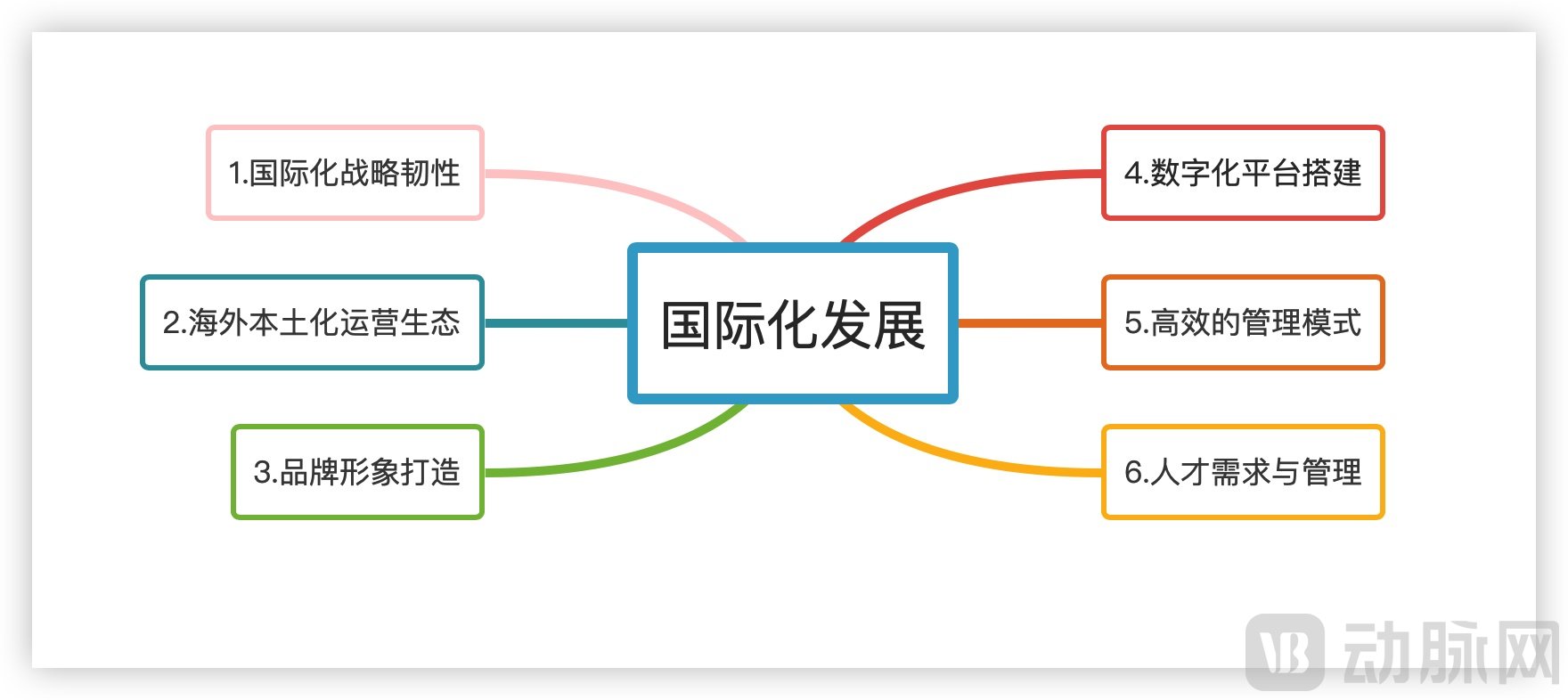
The Internationalization Process of Enterprises
In regions where upstream and downstream supporting industries are not yet fully developed, industrial development is typically in its early stages. Enterprises can engage in deep collaboration with local governments, industry associations, and supply chain partners to improve the overall industrial ecosystem, positioning themselves as partners that grow alongside the local ecosystem.
Talent management can be examined from two perspectives: recruitment and integration. Enterprises need to clearly define their requirements, avoiding ambiguity in the profile of candidates for core positions caused by strategic indecision, which could hinder the acquisition of high-quality talent. Talent integration is an ongoing challenge; cultural differences objectively exist. By acknowledging these differences and designing targeted incentive programs around them, companies can foster team cohesion. If a sense of belonging cannot be cultivated among local employees, talent attrition will be inevitable.
Benefiting from the country's ultra-large domestic market and its position among the world’s leaders in data generation, Chinese enterprises have made significant strides in their digital capabilities, which have become a major competitive advantage.
During global expansion, large enterprises tend to establish their own subsidiaries for market coverage. For many startups, collaborating with overseas distributors may be a more cost-controllable and prudent approach. However, companies still face certain pain points when seeking such partners.
For instance, after obtaining certifications such as FDA approval and CE marking, which markets beyond Europe and the United States can be targeted? How should distributors be identified? Are the distributors’ qualifications compliant? Do the distributors also represent products from domestic competitors? What is the competitive landscape for these distributors in their local markets?
In the past, addressing these challenges required companies expanding overseas to maintain large teams and reach distributors through offline trade shows, corporate directories, search engines, and cross-border e-commerce platforms. Thanks to increasingly specialized division of labor, Contract Research Organizations (CROs) are now facilitating the global expansion of products.
As a novel digital cross-border medical device CRO enterprise operating on a “SaaS + Data” model, PureReg has developed the GRIP platform. It has compiled market access data for over 100 countries, big data on more than 600,000 global distributors, over 1 million global clinical trial records, and more than 3 million global medical device registration datasets. This enables PureReg to support Chinese medical device companies from multiple dimensions, helping them navigate challenges and achieve comprehensive, compliant expansion into global markets.
Taking distributor information as an example, GRIP’s overseas distributor data not only includes its own proprietary data but also integrates extensive cross-referenced data on registered product associations. This enables the organization of isolated, linear data points into a comprehensive information network, thereby providing enterprises with a more robust basis for decision-making when selecting relevant service providers.
For large enterprises, digital capabilities are an indispensable tool.
As a leading Chinese medical device manufacturer deeply entrenched in overseas markets, Mindray has developed a comprehensive solution for information management in international operations through years of exploration. For general functional areas such as sales, customer service, finance, and human resources, the company employs SaaS cloud-based software to streamline processes and facilitate management. For customized requirements, Mindray leverages PaaS cloud platforms to create tailored, localized solutions that address the diverse needs of different regions.
For example, the Italian government mandated that all domestic enterprises adopt electronic invoicing for B2B transactions and submit them to the government system for record-keeping starting in 2019. In response, Mindray leveraged the SAP Cloud Platform to rapidly develop and deploy a solution, which was successfully launched.
In this process, Mindray not only completed the integration with the Italian tax system to meet the compliance requirements for government filing of local electronic invoices, but also further reduced costs. This experience has been applied by Mindray to its overseas operations in other countries; for instance, the channel management system in Russia is also built on the SAP Cloud Platform, ensuring enterprise management efficiency.
The case of Mindray Medical illustrates that in this era of profound transformation and disruption, the wave of digital transformation will sweep across the globe indiscriminately. Even industry leaders like Mindray face challenges in product offerings, services, and market positioning. The level of digital capability will largely determine the ceiling for corporate growth.
Based on the varying positioning of enterprises in overseas markets, the internationalization process of Chinese companies can be broadly divided into four stages: domestic focus, capability importation, business expansion abroad, and global enterprise.
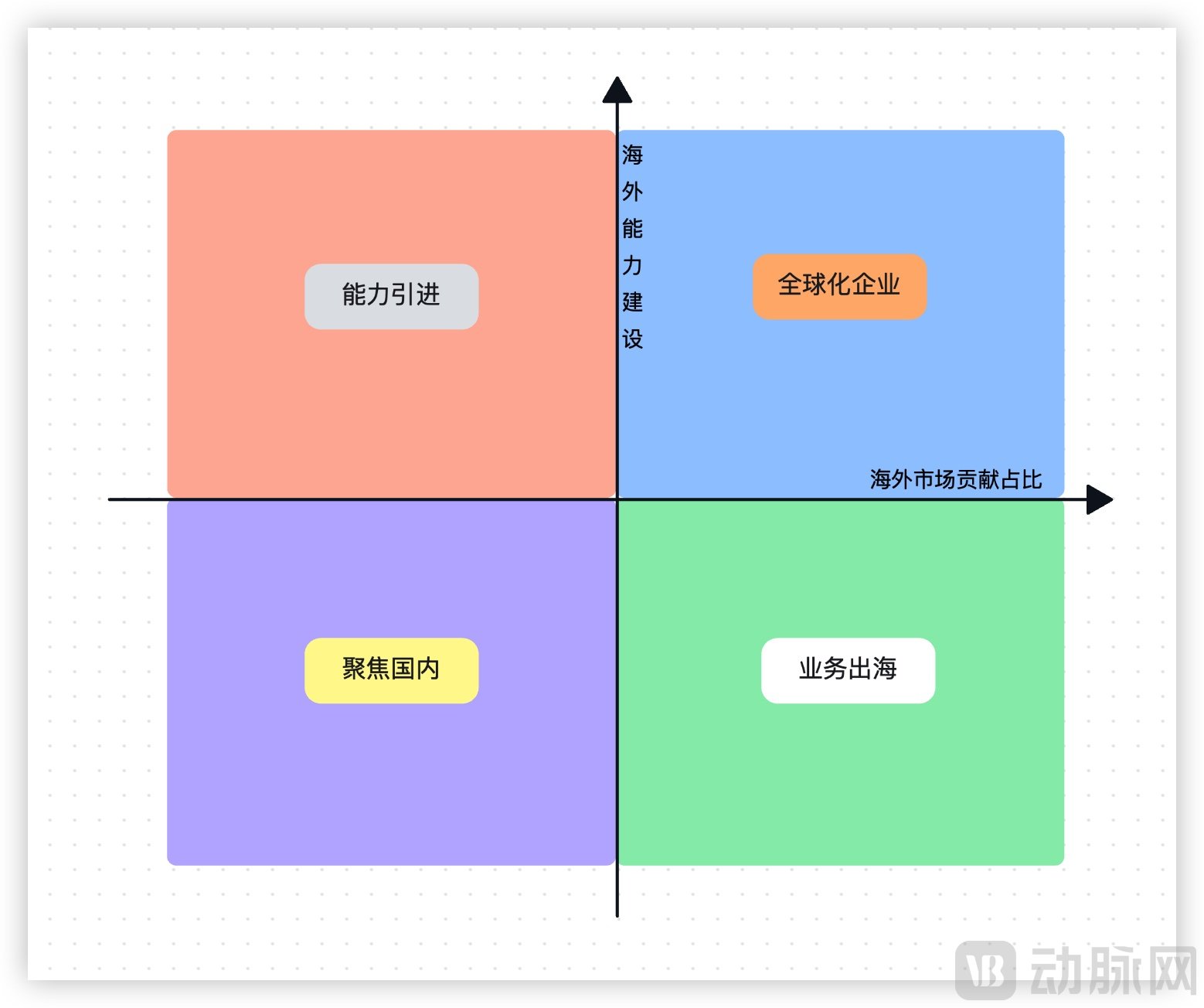
Four Stages of Chinese Enterprises’ Global Expansion
For companies currently focusing on the domestic market, it is necessary to evaluate overseas markets, enhance management capabilities, and build a reserve of international talent. For enterprises in the phase of introducing external capabilities, overseas investments must have clear acquisition objectives that align with corporate strategic planning, while simultaneously establishing suitable management models and internationalized teams. For businesses expanding overseas, in addition to maintaining the efficiency and quality advantages of their domestic supply chains, they must leverage localized teams to achieve differentiated competition in product marketing and business models.
Going global is not merely about exporting products, but also about exporting capabilities, with talent serving as the concrete manifestation of these capabilities. It is evident that before a company can truly mature into a global enterprise, it must continuously focus on building its talent infrastructure. The era when hiring a few sales representatives to generate overseas revenue was sufficient has passed. To compete in the global arena, companies must prioritize the development of local talent, build their brand image, attract high-quality professionals, and support their growth. This is the essential path to establishing a firm foothold in local markets.