

Four-Year, 50-Deal Overseas Funding Review: The Nutrition Sector Is Fully Booming
“Cola with Goji Berries” and “Ejiao Milk Tea”: Punk-style wellness trends have frequently sparked heated online discussions. Who would have thought that wellness and nutrition would become buzzwords constantly on the lips of contemporary young people? In the wake of the pandemic,Health Consumption Becomes a Necessity, an increasing number of people are prioritizing nutrition and investing in their health.
Although China’s nutrition sector is still in its early stages, startups and investment firms in Europe and the United States had already seized opportunities and established their reputations in this field as early as 2010. Currently, per capita nutrition consumption in China remains lower than that in the United States.50%, but the rise in health awareness also signals that China's broader healthcare industry is poised to unleash a vast blue-ocean market.
To this end, Orange Bureau has compiled statistics onFrom January 2020 to February 2023Since50 Overseas Financing Rounds, and conducted a comprehensive review of enterprises based on project names, founding dates, geographic locations, and financing histories. To capture market share before the storm hits, let us examine what overseas companies are doing.
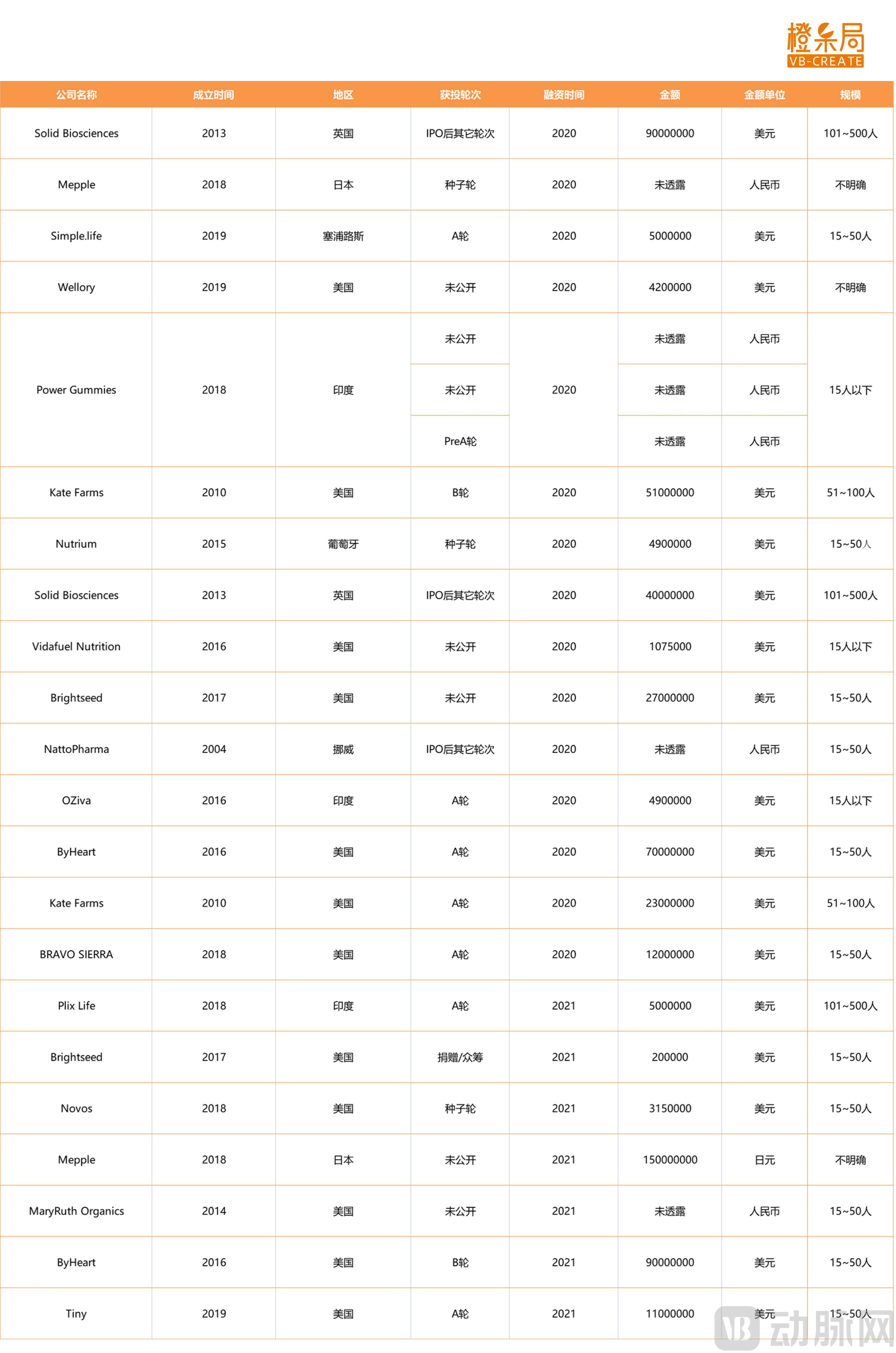
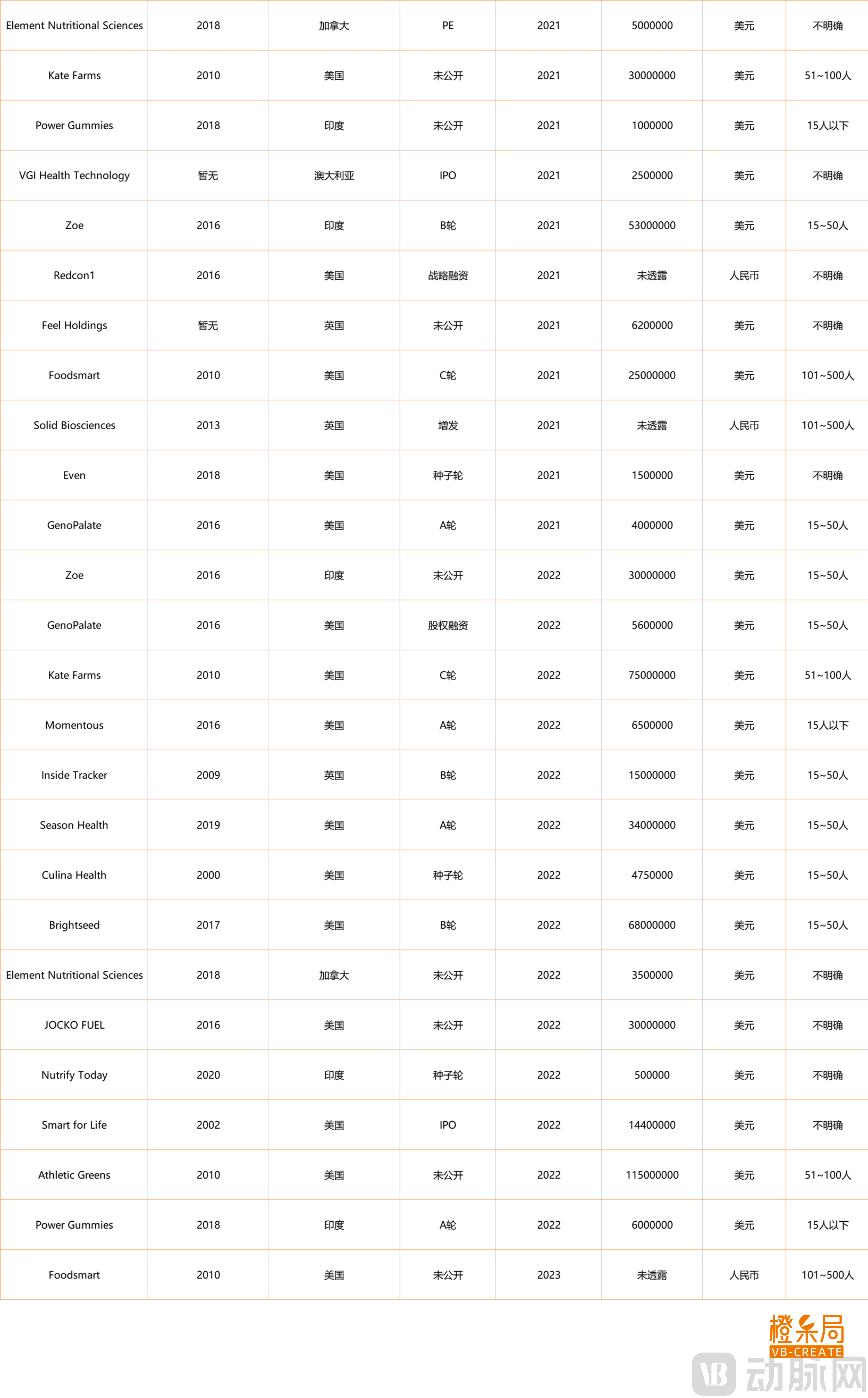
Figure 1. Financing Status of Overseas Companies in the Past Three Years
The overseas nutrition sector has fully exploded, with the United States remaining the primary hub.
1. Special-needs patients draw market attention; the industry sees full-scale expansion starting in 2015
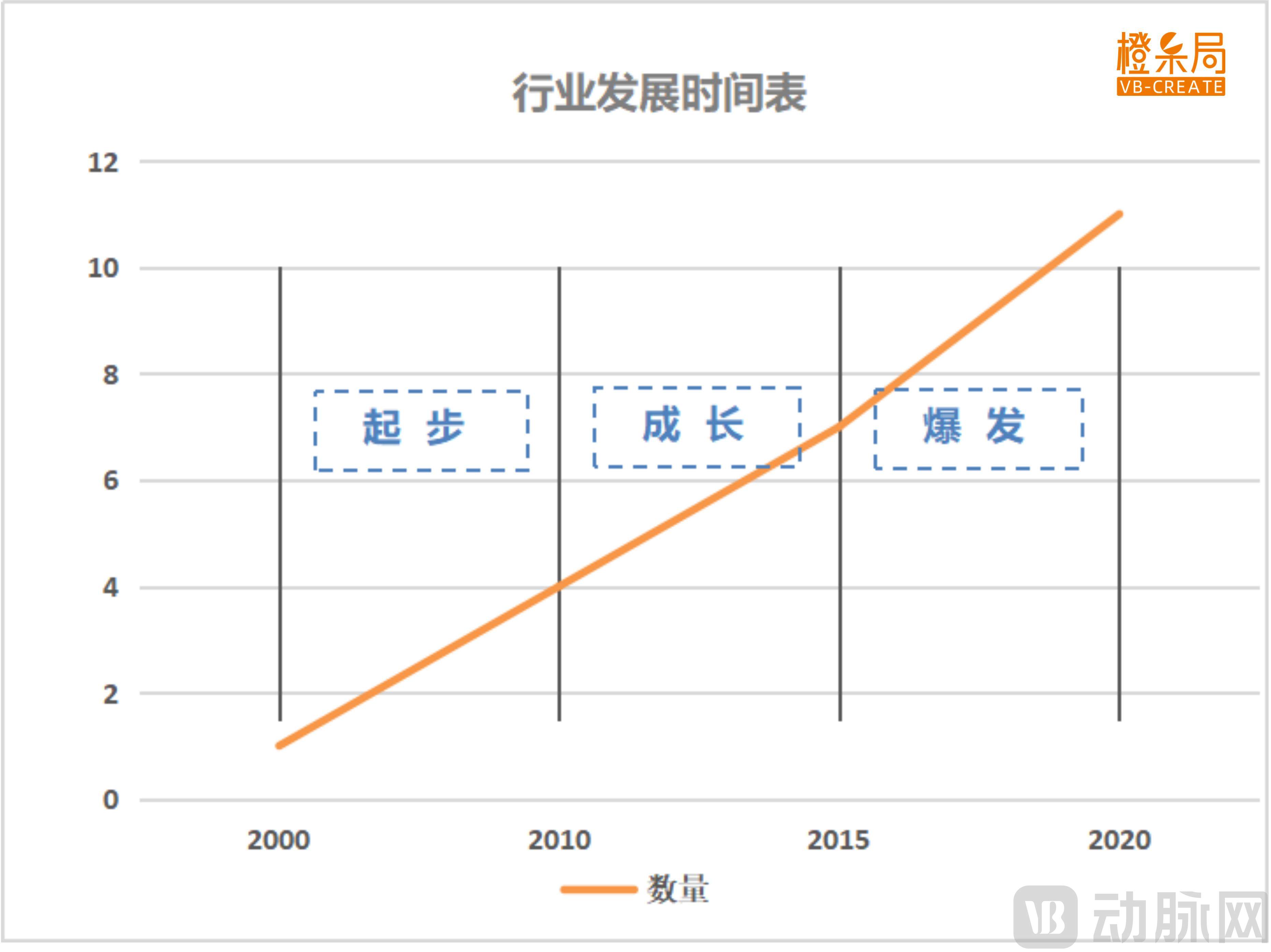
Figure 2. Statistics on the Founding Years of Overseas Companies
Based on the company's founding date, it can be categorized intoStartup Stage, Growth StageandOutbreak Phase. The changes in this phase are reflected not only in the increase in the number of enterprises, but also in the upgrading of market requirements and the technological innovation of enterprises.
Prior to 2010, it belonged to the nutrition sector.Initial Stage. During this phase, there were a total of4The company was established, includingTwo Companies Focus on the Production and Sales of Nutritional Supplements, additionally2 provide information technology services. Nutritional supplement manufacturers share similar areas of focus, with their primary R&D product categories involving vitamins, weight loss, and protein supplements, aligning with the nutritional needs of modern individuals. In contrast, the two information technology service providers have distinct areas of focus, with one offering personalizedNutritional Guidance Services; another is where the user provides relevant physiological indicators,The company monitors users for conditions such as nutritional deficiencies.. Overall, before 2010, the internet was still in its early stages of development; the informatization services offered by nutrition companies were relatively simple, with a greater overall focus on the production and sales of nutritional supplements.
2010 to 2015: The Nutrition SectorRapid Growthof the stages, totaling7 companiesThe company was established. During this phase, the business remained primarily focused on the retail of nutritional supplements, with a total of5 Companies Focus on Nutritional Supplements, but compared to the previous stage, companies have demonstrated greater specialization and focus. Many enterprises no longer attempt to cover every sector as they did before; instead, they are making strategic choices to deepen their expertise in specific areas, with gut health and children’s protein powders emerging as popular options. Additionally, some companies have begun to address diseases caused by malnutrition by developing therapeutic supplements, such as innovative drugs for Duchenne muscular dystrophy.
At this stage, the types of services offered by the information technology platform have become more diverse. In addition to recording health habits, enterprises have also developedOnline consultations, nutritional plan formulation, and sales of nutritional supplementsfunctionality. Building on the layout and marketing efforts of the previous phase, consumer acceptance has increased, raising higher demands on the market. Consequently, companies in this phase have demonstrated a significant improvement in professionalism, whether in retail or informatization services.
2015 to Present: The Overseas Nutrition MarketOutbreakstage, a total of11 companiesThe company was established. At this stage, the market’s demand for professionalism in nutritional supplements rose once again, and new product categories gradually emerged—Special Dietary Foods, to meet the needs of special populations such as those with chronic diseases and the elderly. Meanwhile,Wearable DevicesThey have also gradually entered the nutritional information services market. The methods by which companies obtain users’ physiological data are no longer limited to online Q&A sessions and questionnaires; instead, they employ more objective and scientific approaches to gather user information, thereby providing nutritional plans that better align with individual needs.
Overall, the market is evolving toward greater professionalism and intelligence, whether in the research and development of nutritional supplements or in information-based services. Meanwhile, as market requirements gradually become more stringent, major enterprises have all begun to focus on “niche entry points.”
2. The United States Remains the Hub of Innovation
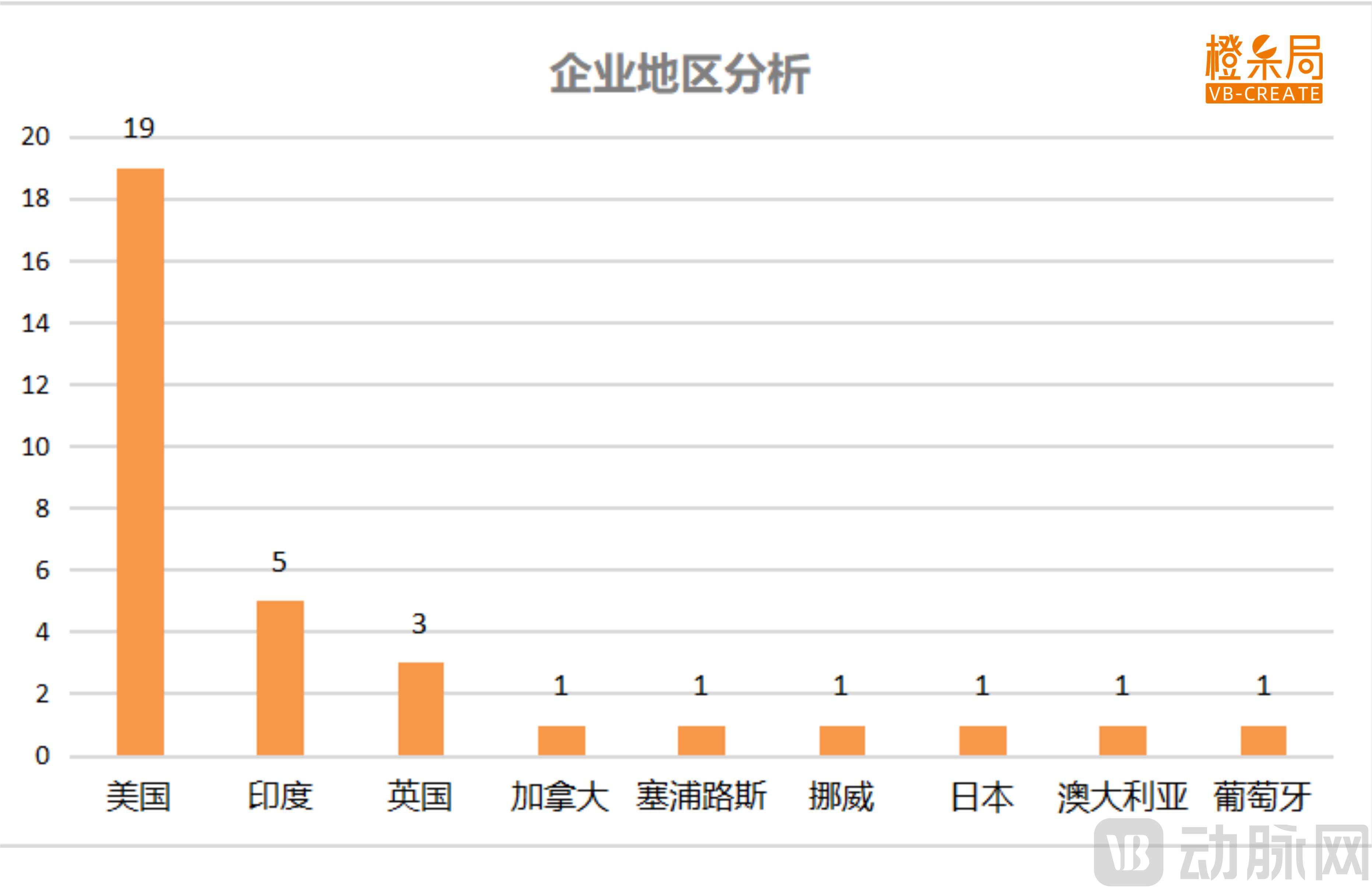
Figure 3. Statistics on the Regions Where Overseas Enterprises Were Established
A statistical analysis of overseas nutrition companies established between 2000 and 2023 reveals that U.S. firms constitute the majority. This phenomenon can be attributed to three primary factors.
First,The United States Has a Strong Foundation in Nutritional Science Research. In 1934, nutrition was recognized as an academic discipline in the United States, leading prestigious universities such as Harvard University, the Massachusetts Institute of Technology (MIT), and Columbia University to establish nutrition programs. These institutions subdivided nutrition into four specialized tracks: Clinical Nutrition, Community Nutrition, Food Nutrition, and Biochemistry and Molecular Nutrition, thereby cultivating professionals oriented toward scientific research and societal needs through specialized training. With strong emphasis placed by major universities, the United States boasts a robust pool of nutrition professionals; the Academy of Nutrition and Dietetics alone has over 72,000 members, whereas China had fewer than 4,000 nutrition professionals as of 2020.
In addition to their large numbers, the quality of nutritional science talent in the United States is also exceptionally high. As of January 2023, U.S. scholars continued to rank first in the number of recently published papers in the field of nutrition, accounting for more than 20% of the global total. Both the emphasis placed on nutritional science by U.S. universities and the attention devoted to it by American scholars have injected fresh vitality into the field, supporting its continued development.
Secondly,The United States has a thriving startup culture, with early entry and positioning in the nutrition sector.In the United States, propelled by policies such as the Bayh-Dole Act, many young entrepreneurs with startup ideas have been closely monitoring market trends, awaiting optimal windows for market entry. Consequently, as the nutrition sector began to emerge, a large number of U.S. companies swiftly moved in to secure their positions. By the time other enterprises recognized the rise of the nutrition market, American firms such as Tomson By-Health, Nestlé, and Abbott had already established strong brand recognition and achieved extensive market coverage, thereby raising the barriers to entry for latecomers.
Finally,The United States established industry standards early on in the field of nutrition, promoting standardized development.. In 1917, the United States established the largest professional organization in food and nutrition—the Academy of Nutrition and Dietetics. The Academy brings together tens of thousands of outstanding registered dietitians and nutrition technicians from around the world, as well as many researchers, educators, clinicians, and other professionals. Holding significant influence in the global nutrition community, the Academy ensures that any nutrition program accredited by it is considered legitimate. Consequently, the Academy was among the first to establish industry standards, exerting considerable impact worldwide.
Furthermore, to regulate the complex nutritional supplement sector, the United States has established the Office of Dietary Supplements (ODS) within the National Institutes of Health (NIH) and the National Center for Complementary and Integrative Health (NCCIH) to conduct clinical nutrition research and evaluate product mechanisms, efficacy, and safety. At the policy level, the U.S. has also enacted the Dietary Supplement Health and Education Act (DSHEA) to standardize the review processes and advertising regulations for nutritional products.
Overall, the U.S. nutrition community has cultivated “fertile ground” for enterprises in terms of both research reserves and market environment, enabling companies to thrive without concerns.
3. Companies are generally small in scale, and contract manufacturing is the industry norm

Figure 4. Statistics on the Scale of Overseas Enterprises
From the perspective of company size,There is a predominance of small businesses with 15–50 employees.. For companies focusing on nutritional supplements, the core task is to develop product formulations. Since processes such as food processing and manufacturing can be outsourced to specialized food production companies, these firms do not require a large workforce.
Furthermore, this also applies to companies providing information technology services. Basic tasks such as software development and website operations can be outsourced to specialized web development firms, allowing the company to realize its vision simply by defining the website’s structure and operational direction. Similarly, monitoring via wearable devices can be achieved through partnerships. As a result, nutrition companies typically maintain lean workforces, which facilitates management, reduces costs, and safeguards core corporate assets such as proprietary formulas.
4. Market competition enters its later stages, with leading companies beginning to emerge
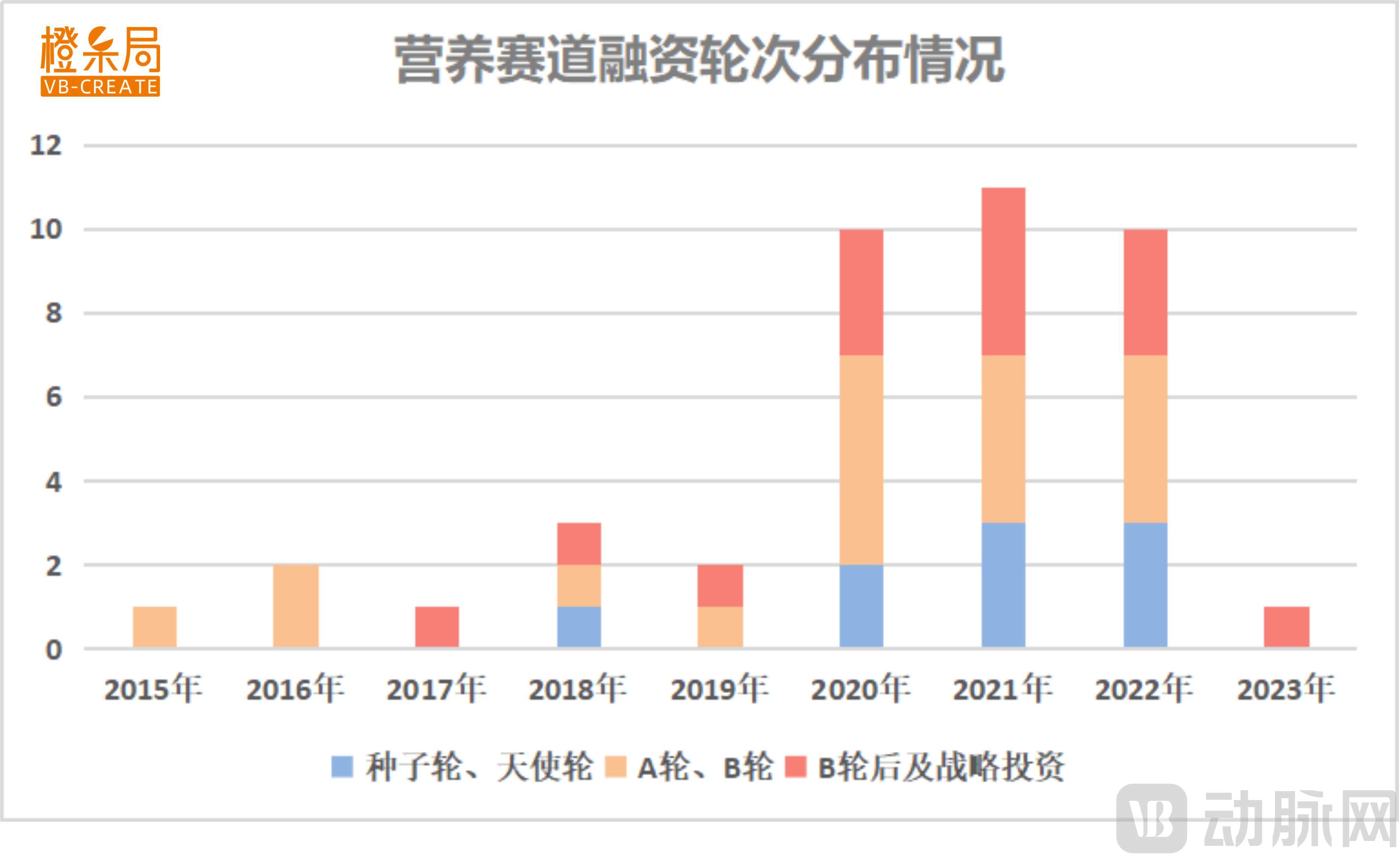
Figure 5. Statistics on Financing Rounds of Overseas Enterprises
Based on the number of financing rounds and transactions, the overseas nutrition market has enteredMature Stage.In terms of data, the number of financing events in the nutrition sector has shown an explosive growth trend since 2020, with levels remaining relatively stable in 2021 and 2022. Furthermore, regarding the distribution of financing rounds, although there are signs of increased activity in early-stage projects, the overall trend indicates a shift toward later stages. This suggests that as leading companies in the sector progress to later development phases, the nutrition industry is becoming increasingly mature.
II. Online-Offline Collaboration May Be the Latest Business Model

Figure 6. Key Focus Areas of Overseas Nutrition Companies
Based on the current focus of overseas companies in the nutrition sector, their services primarily fall into two categories.On the one hand, it involves the R&D and sales of nutritional supplements., such as Momentous, which completed its Series A financing in 2022. The classification of nutritional supplements is quite detailed; Momentous collaborates with experts from the four major U.S. sports leagues on formula research, and its products are primarily targeted at athletes. In addition, there are supplements specifically designed for infants and young children, pregnant women, the elderly, and other specific populations.
As market demands continue to rise, corporate professionalism has also improved, leading many companies to begin research and development.Nutritional Pharmaceuticals for Disease Treatment. Take VGI Health Technology, which completed its IPO financing in 2021, as an example. Initially, the company focused on developing vitamin E nutritional supplements. As it matured, its strategic focus shifted toward tocotrienols, a class of natural derivatives of vitamin E, elevating its development standards to those required for prescription drugs. This aims to improve health outcomes for patients with high cholesterol and individuals with anti-cancer needs.
These companies primarily generate profits through basic R&D and sales, with a relatively simple business model.
On the other hand, some enterprises are based onInternet PlatformThese companies exist and, depending on their target populations, can be categorized into two types: nutritional testing and health services.
The target population for nutrition monitoring primarily consists of individuals in need of nutritional services.The nutrition monitoring platform records users’ health habits, such as water intake, physical activity levels, and dietary patterns, and leverages big data analytics to provide personalized, evidence-based health recommendations. For instance, Simple.life, which completed its Series A financing in 2020, offers tailored advice by tracking users’ physiological metrics—including step count, body weight, and water consumption—to help them cultivate healthy lifestyle habits. Its revenue model primarily relies on offering more personalized recommendations or precise tracking features, as well as through the sale of wearable devices to users.
The target audience for health services includes not only individuals in need of nutritional support but also nutrition professionals.The health service platform not only provides services akin to a nutritional testing platform but also offers support for dietitians. Dietitians can register on the platform, which then recommends them to users seeking one-on-one nutritional guidance, thereby facilitating direct engagement between both parties. This model not only meets the health needs of the general public but also creates job opportunities for dietitians, while ensuring the professionalism and personalization of the services. Its revenue streams include charging users, similar to a nutritional testing platform, as well as collecting registration fees from dietitians.
Of course, the two major sub-sectors within the nutrition track are not entirely isolated from each other."In recent years, we have seen increasing collaboration among enterprises, whereby after information service providers offer recommendations to users, the users can directly purchase the corresponding nutritional supplements on the platform."
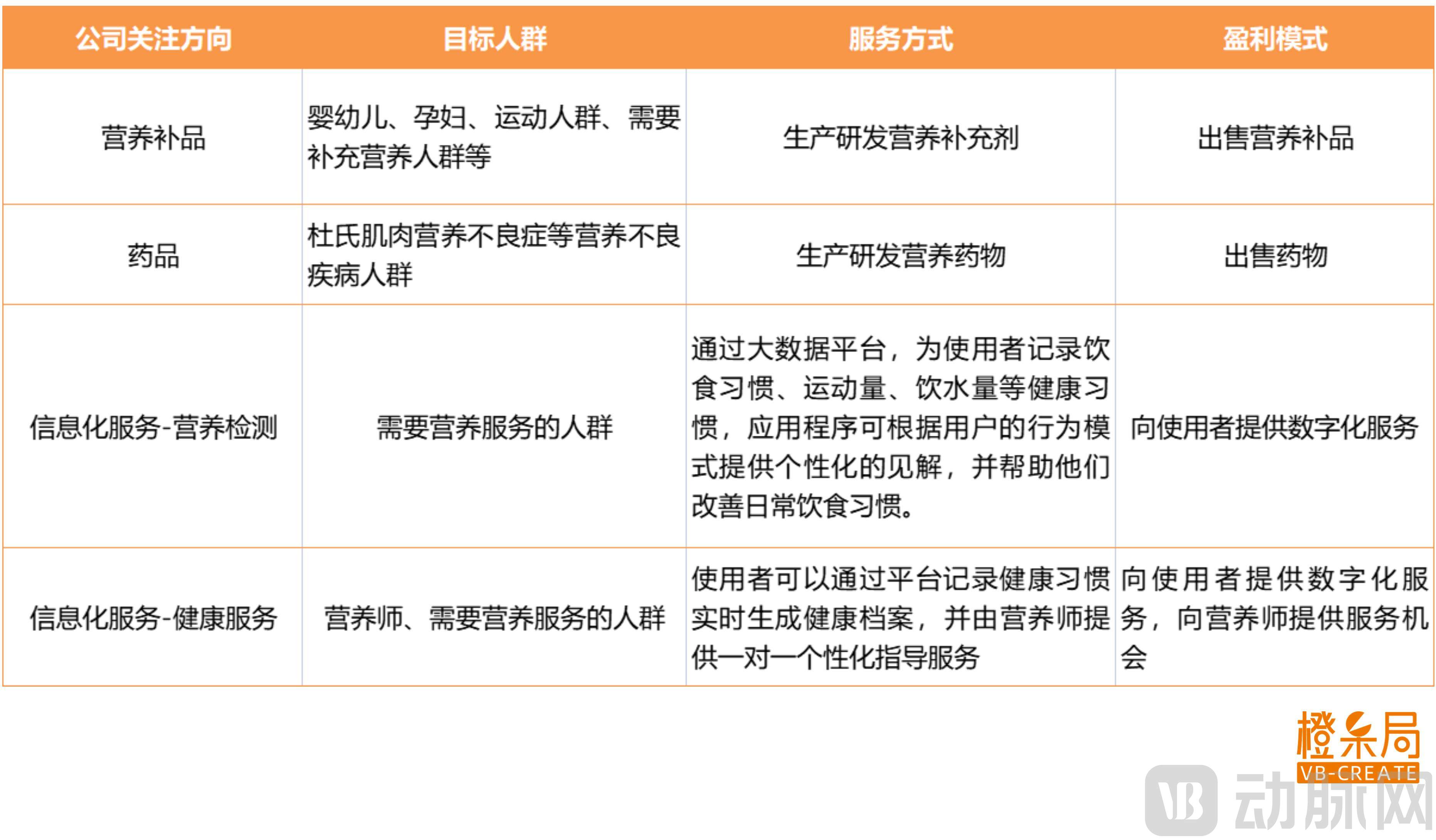
Figure 7. Business Models of Overseas Nutrition Companies
III. Digitalization, Snackification, and Personalization Are New Directions in the Nutrition Sector
In regions with well-developed health industries, such as the United States and the United Kingdom, habits like supplementing dietary fiber for health benefits have a long history. In recent years, even a trend of "personalized nutrition" has begun to emerge. Now that China's nutrition sector is on the rise, can Chinese companies seize future development trends and achieve a turnaround in their market positioning?
1. Online Sales of Nutritional Supplements Are an Irreversible Trend
During the pandemic, online consultations for purchasing nutritional products became the optimal choice for consumers who were unable to go out but still had demands for such products. Due to this “contingency,” the practice of buying nutritional products online has become familiar and widely accepted by the public. According to Euromonitor statistics, the share of direct sales channels in China’s health supplement market decreased from 39% in 2015 to 25% in 2020, while the share of e-commerce channels increased from 18% to 40%, with a continuing trend of expansion.
Furthermore, drawing on the experience of overseas enterprises, the collaboration between nutrition brands and platforms to provide online sales services for nutritional products represents a future trend in the nutrition sector. For consumers, nutritional advice provided by dietitians based on their individual lifestyle habits is professional and targeted, leading to better outcomes when using recommended nutritional products. For nutrition brand companies, this approach not only achieves precise targeting of consumer groups but also provides the most direct market insights to guide subsequent product development. For nutrition platform companies, it both increases platform usage and diversifies revenue models.
Therefore, whether viewed from the perspective of consumers’ diverse and personalized demands or from the downstream market landscape, online sales models represent the prevailing trend for the future.
2. Younger Consumer Demographics: Weight Loss, Vision Protection, and Hair Loss Prevention Emerge as Hot Topics
According to Euromonitor statistics, at least 80% of the population aged 20–45 in China are aware of and have been exposed to health supplements, with over 60% having consumed such products. The trend toward a younger consumer base implies that companies must continuously develop products tailored to meet the needs of this demographic.
From the perspective of young people, nutritional products are not directly associated with “health preservation,” but are rather viewed as everyday essentials capable of improving physical well-being. According to the Report on Health Preservation Consumption Trends Among Young People released by CBNData, over 50% of individuals born in the 1990s experience health issues such as hair loss/thinning and declining vision, while approximately 40% struggle with obesity and reduced athletic performance. In the future, hair loss prevention, weight management, and vision protection may emerge as key focus areas for nutritional products.
3. Diversification of Nutritional Product Forms and the Rise of Functional Snacks
As the consumer base for nutritional products skews younger, product formats must better align with the needs of young people. According to the "Report on Health Practices Among Post-90s Generations" released by Sutuu Research Institute, 21.9% of post-90s consumers in China have been using health supplements for an extended period, and the form of these products is increasingly becoming "snack-like."
Simply put, the categorical boundary between nutritional products and snacks is gradually blurring in terms of form. To meet the demands of a younger market, nutritional companies are increasingly prioritizing features such as portability and palatability. Consequently, many enterprises are processing their nutritional products into snack-like forms, such as gummies and jellies. This has given rise to a new classification of nutritional products—Functional Snacks。
Functional snacks refer to leisure foods fortified with health-promoting functional ingredients, offering the dual advantages of convenient nutritional supplementation during leisure time and ease of consumption. According to PR Newswire data, the global functional food market was valued at $233.62018 billion in 2021 and is projected to reach $418.43942 billion by 2028, representing a compound annual growth rate (CAGR) of 8.7% from 2021 to 2028. This sector is highly likely to emerge as a rising star in the nutrition industry in the coming years.
Summary
With the continuous advancement of modern science and technology, public attention to and enthusiasm for nutrition have only grown. From the traditional preparation of nutritional supplements to later information-based nutrition platforms, and further to the integration of online and offline services, the nutrition sector has been innovating in both form and product technology to keep pace with market demands.
Looking at the overseas market,Intelligence and specialization are the most prominent hallmarks of development in the nutrition sector.Whether through collaborations between information platforms and nutritional products, or the entry of intelligent devices, it is evident that nutrition is a diverse and inclusive sector. While major companies are tracking user needs, they also look forward to the integration of more innovative technologies in the future.
Looking at the domestic market, everything is in the ascendant. This requires Chinese enterprises not only to keep their eyes on the stars, anticipate the direction of future development from the overall trend, and seize the opportunities in the track. More importantly, they need to bow down and cultivate, improve their R&D technology and professional capabilities, and develop products that better suit the physical conditions and consumption needs of the Chinese people. It is believed that in the near future, those companies with a forward-looking vision will surely set sail in China's nutritional blue ocean.
Note: Image data sourced from the VCBeat Orange Database, compiled by VCBeat Research Institute (as of February 3, 2023)