

22 Years of GAOTE JIA: A Triumph of Specialization in Healthcare Investment

GTJA Investment Group
Healthcare Investment Institution
On January 26, Akeso, Inc. announced that its collaboration and license agreement with Summit Therapeutics (“Summit”) for ivonescimab (a PD-1/VEGF bispecific antibody) had achieved new progress, with Akeso having received the first tranche of the initial payment totaling $300 million.
It is reported that Akeso previously entered into a collaboration and license agreement with Summit, granting Summit exclusive rights to develop and commercialize ivonescimab in the United States, Canada, Europe, and Japan. Under the agreement, Akeso is eligible to receive up to $5 billion in total transaction value, setting a new record for the highest license-out deal amount for a Chinese innovative drug.
Leveraging a $5 billion overseas mega-deal, Akeso has proven its value amid the capital winter.
In 2017, as the lead investor in Akeso’s Series B financing round, GTJA Investment Group supported Akeso in advancing clinical research and promoting its pipeline of multiple innovative antibody products. At that time, PD-1 inhibitors had just been launched overseas, while there was still a gap in the domestic market; it can be said that,GTJA Investment Group Has Firmly Seized the Starting Point of the Golden Age of Cancer Immunotherapy。
GTJA Investment Group has publicly stated that the core rationale for investing in Akeso lies in the excellence of its founding team, the richness of its pipeline portfolio, and the efficiency of its product development. When Akeso initiated its Series B financing round in 2016, none of its products had yet entered clinical stages; however, within one year following the investment, eight products successively commenced clinical trials, further substantiating this point.
Reviewing GTJA Investment Group’s investment history, in addition to Akeso Inc., this established firm with assets under management exceeding RMB 20 billion has also invested inUnited Imaging Healthcare, Mindray Medical, Boya Biotherapeutics, Hotgen Biotech, Sansure Biotechand many other star projects. GTJA Investment Group, which is about to celebrate its 22nd anniversary, has invested in more than 160 companies, among whichNearly 100 healthcare companies, with 91 projects successfully exited and 36 projects successfully listed.investment performance.
We can’t help but wonder: How exactly has GTJA Investment Group attracted so many star projects? What are its insights into the broader healthcare ecosystem? VCBeat, through interviewsSun Jialin, General Manager of GTJA Investment Group, and multiple executive partners including Wang Haijiao, Yu Jianlin, and Teng Yuhang, aiming to reconstruct how GTJA Investment Group, with its unique perspective and logic, has consistently played a winning hand throughout its 22-year investment journey amidst an ever-changing macro environment.
Changing Course: Specialized Upgrades Sail into the Deep Waters of Healthcare
Looking back on the nearly 22 years of development of GTJA Investment Group, it can be roughly divided into two stages.
Since its founding in 2001, GTJA Investment Group pursued a diversified investment theme for nearly a decade. During this period, the firm successfully backed star projects such as Lianchuang Electronic, Chuanda Zhisheng, Ausnutria Dairy, Zhengzhou Coal Mining Machinery, Shandong Mining Machinery, and Fangzhi Technology.
However, around 2010, GTJA Investment Group changed course and began to comprehensively position itself in the healthcare sector. Steering such a large vessel in a significantly new direction required long-term vision and foresight.
Regarding the reasons for transitioning to the broader health and wellness sector,Sun Jialin, General Manager of GTJA Investment Group, stated that while equity investment is a high-risk industry, the broader health sector can withstand economic cycles.
In 2008, the Chinese government sounded the horn for new healthcare reforms, ushering China’s health industry into a new phase of development. Despite the global financial crisis that swept through during this period, the sector’s resilience enabled it to achieve steady growth. In 2009, with the launch of the ChiNext board, the full investment cycle of fundraising, investing, managing, and exiting for RMB-denominated funds was fully established, marking a new era for domestic private equity (PE) firms in China.
At this juncture, GTJA Investment Group determined that the optimal timing for investing in the healthcare sector had arrived, and thus decided to completely abandon its original investment tracks to fully allocate resources to the healthcare sector.
Healthcare is a highly innovative sector, making it no easy feat to pivot to this track. In fact, GTJA Investment Group took nearly four years to complete the transition, from the decision to transform in 2008 to the actual completion of the shift.
Prior to the transformation, the majority of GTJA Investment Group’s team had backgrounds in finance. To successfully pivot to a new sector, it was imperative to first undergo a transition of its core leadership team. Between 2008 and 2012, as GTJA began to focus heavily on the big health sector, some employees departed during this period.
2012 was a pivotal year,Boyaa Bio, controlled by GTJA Investment Group, successfully listed on the ChiNext board, becoming the first company in China to be controlled by a private equity fund and successfully go public.Following its IPO, Boya Bio-pharmaceutical maintained rapid growth, bringing to GTJA Investment GroupOver 60x book return on investment.
Following this milestone, GTJA Investment Group has emerged as a prominent player in the broader health sector, firmly establishing its reputation as a specialized institution in healthcare and medical services.
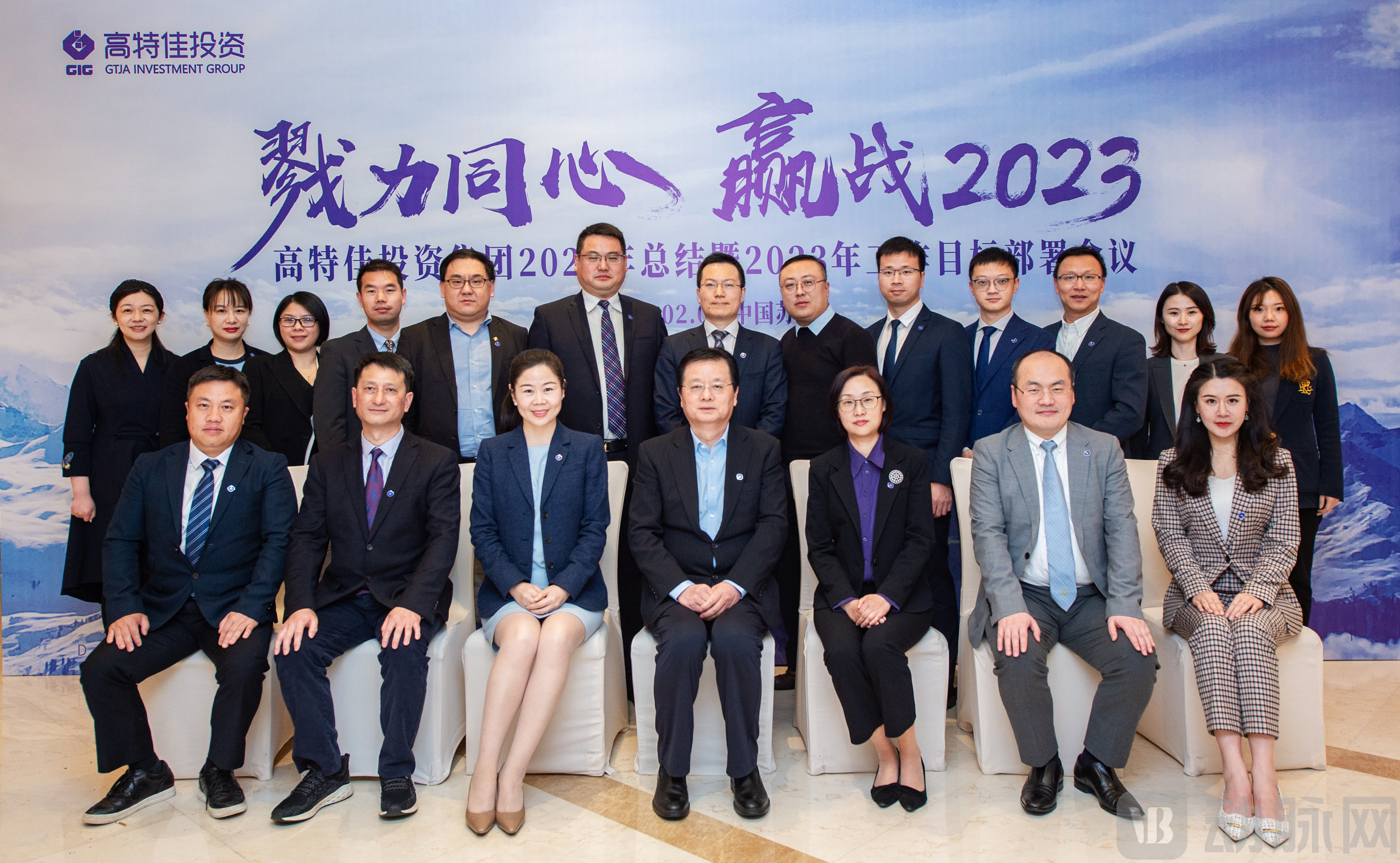
Subsequently, more talents from the broader health industry joined GTJA Investment Group. The core management team, including Sun Jialin and several executive partners, has an average tenure of over nine years. This professional and steady team style not only laid the foundation for the subsequent establishment of the Investment Research Department but also played a key role in project decision-making, which demands higher levels of professionalism.
Research-Driven Investment: A Top-Down Industry View, A Bottom-Up Stock Selection
During the interview, both Sun Jialin and Wang Haijiao mentioned more than once, “GTJA Investment Group is more like a farmer, cultivating one track after another.。”
This claim can be verified through data. According to reports, GTJA Investment Group receives and reviews business financing plans from over 4,000 companies annually, conducts interviews on more than 1,200 projects, and ultimately selects only 10+ companies for investment, resulting in an investment-to-interview ratio of merely 0.83%.
GTJA Investment Group’s research-driven investment strategy involves engaging with a large volume of financing projects annually, conducting integrated research across primary and secondary markets to select the best opportunities, and mapping out industry landscapes for each sub-sector. Meanwhile, it continuously enhances its understanding of the industrialization maturity within these sub-sectors and updates its track-specific research findings. Furthermore, the project development team carries out targeted outreach by region and industry to identify leading companies and entrepreneurs, proactively engage with them, and uncover investment opportunities.
Sun Jialin introduced,GTJA Investment Group has a mature research framework tailored to different types of projects.For mature enterprises, corresponding valuation models are applied, with a focus on orders and customer base. For startups, the emphasis is on demonstrating technical feasibility, the competitive advantage of technological innovation in domestic and international markets, and the market launch prospects of the company’s products.
In simple terms, the research framework enables multi-dimensional analysis of target projects, supported by diverse data sets, and its final conclusions serve as a valuable aid in the overall investment decision-making process.
According to Wang Haijiao, this is an investment system that operates both top-down and bottom-up, never confined to the domestic market nor limited by current trends.
Top-down approach involves searching across the entire industryThe industry scale is sufficiently large, with a high enough ceiling.field. When opportunities arise in the field, a bottom-up approach focuses on the project itself,Innovation Capability or Cost Control CapabilityIs it ranked among the top globally?
In a sense, this research-driven investment approach can serve as a guide to the latest industry trends; with sufficient long-term dedication and in-depth research, one can seize the right opportunity with precision when it arises.
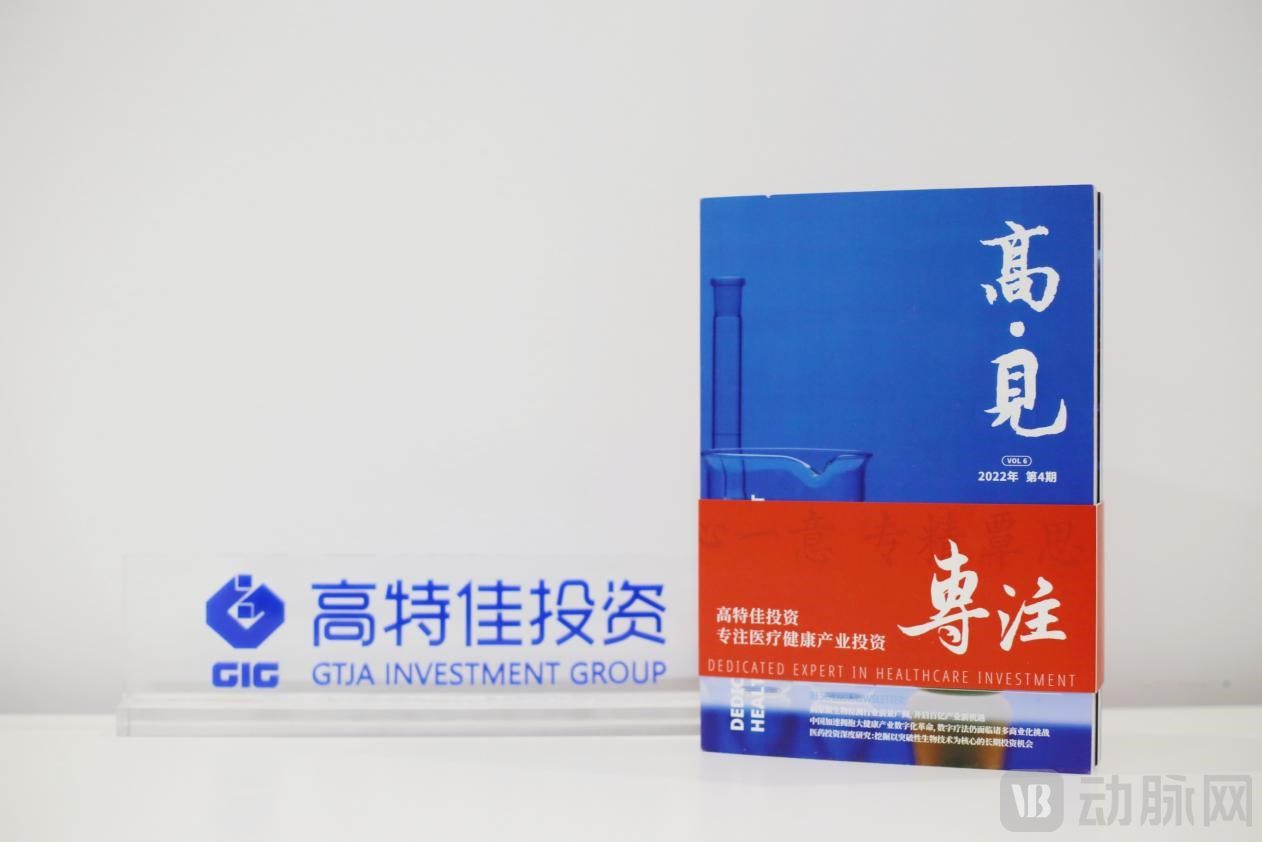
Since then, the Investment Research Department has expanded its functions further. For instance, it conducts global research on the latest targets and therapies to maintain a cutting-edge industry perspective. Committed to keeping pace with technological frontiers and adhering to a research-driven investment decision-making framework, the department launched the industry research journal “Gao·Jian” to regularly share the latest investment research findings and industrial innovation insights with the sector.
"Build a Forest, Let All Things Thrive"
On August 22, 2022, United Imaging Healthcare officially listed on the STAR Market, becoming the first publicly traded company specializing in domestically produced high-end medical imaging equipment, with a market capitalization of RMB 150 billion.
GTJA Investment Group is a key participant in the investment of United Imaging Healthcare.Whether in the initial round of investment in 2017 or the follow-on investment in 2020, United Imaging Healthcare has always been an excellent choice according to GTJA Investment Group’s investment criteria.
Back in 2014, China began implementing a review and approval system for innovative medical devices to accelerate the market launch of domestically produced innovative medical device products. At that time, Wang Haijiao was conducting research in the field of medical imaging and held a highly favorable view of United Imaging Healthcare. Therefore, when an investment opportunity in United Imaging Healthcare emerged in 2017, his team completed the project’s evaluation and analysis at the fastest possible pace.
Faced with a valuation of RMB 33.3 billion in the initial roadshow, most people’s immediate reaction was that it was too expensive, given that the company was still loss-making and had limited revenue at the time. However, Wang Haijiao held a different view.
First, following a top-down logic, the total size of China’s medical device market at that time was approximately RMB 300–400 billion. The domestic market for medical imaging equipment was around RMB 40 billion, with a growth rate between 10% and 20%. Within this niche segment, no dominant domestic players had emerged, indicating significant opportunities in the industry.
Second, United Imaging Healthcare boasts high barriers to entry, fortified by substantial capital and talent advantages, as well as an extensive product portfolio. With the exception of ultrasound, all its imaging products have either obtained regulatory approval or are currently in the approval process. Notably, United Imaging Healthcare ranks first in domestic market share for newly installed MR, CT, PET-CT, and PET-MR systems, making it the only Chinese high-end medical device company capable of competing with foreign giants such as Siemens, GE, and Medtronic.
Finally, in terms of execution efficiency, United Imaging Healthcare took only six years, from 2011 to 2017, to establish a highly comprehensive product portfolio, demonstrating the team’s exceptional execution capability and operational efficiency.
At the investment committee meeting, GTJA Investment Group made a decisive commitment to invest, and to do so with a significant stake. Later, as United Imaging Healthcare experienced rapid growth leading up to 2020, GTJA further increased its investment.
From today’s perspective, United Imaging Healthcare has completed its IPO, and the market value of GTJA Investment Group’s stake is approximately RMB 2 billion, yielding a very high total return.
In addition to United Imaging Healthcare, GTJA Investment Group has also completed investments in many innovative startup projects, following the logic of research-first leading investment.
Founded in 2017, Zizhan Biology is dedicated to providing pharmaceutical R&D institutions with complex 3D disease models and drug testing solutions based on organ-on-a-chip technology. Its current clientele includes several renowned domestic and international pharmaceutical companies, such as AstraZeneca, Takeda, and Hengrui Medicine.
In 2021, GTJA Investment Group completed its angel investment in Zizhan Biology and, in November of that year, jointly released a research report titled “Building Human Organs on Chips: A Technological Revolution Disrupting New Drug Development” in the *Gao·Jian* series. The report reviews the technological advancements in organ-on-a-chip both domestically and internationally, systematically introduces the technology and commercialization progress of organ-on-a-chip, and illustrates its typical applications in drug evaluation through case studies.
In January 2023, the FDA no longer required animal testing for preclinical drug studies, a significant shift that has ushered in new development opportunities for the organ-on-a-chip sector.Undoubtedly,GTJA Investment Group, which chose to enter this sector as early as 2021, is once again at the forefront of innovation.
For GTJA Investment Group, in the face of such a highly innovative field, the significance of its investment and research system lies in building professional expertise, aligning with clinical needs, and leading industry development. Yu Jianlin stated that emerging sectors such as synthetic biology, cell and gene therapy, and brain science are still in the early stages of industry development, with basic research currently transitioning toward applied research.
Teng Yuhang, who focuses on investing in the field of innovative drugs, has successively invested in industry-leading enterprises such as Akeso, Tianshuai Biopharma, and Taolue Biopharma, believing thatEmerging sectors represent new opportunities that both enterprises and investment institutions must seize, requiring a balance between risk and return.
In 2021, GTJA Investment Group led the Series A financing round for ScanRidge, a domestic original innovative drug company, based on its cutting-edge R&D progress integrating computation and AI, which represents a new model for pharmaceutical research in China. Teng Yuhang stated that early-stage research and investment in biomedicine align with GTJA’s philosophy of prioritizing innovation and technological advancement. The firm also aims to leverage its professional expertise to empower more startups, helping them meet the challenges of the next phase of innovative drug development.
Moreover, the ability to provide specialized post-investment value-added services is a decisive factor in whether a project can deliver sustainable returns. GTJA Investment Group has established a professional post-investment empowerment platform characterized by “in-depth industry research, extensive ecosystem resources, and mature capital operations.” This platform encompasses multiple modules, including strategic consulting, industrial matchmaking, talent acquisition, brand and public relations, and financing services, thereby helping companies within its ecosystem enhance their value.
But more importantly,The ecosystem formed by the nearly 100 healthcare and medical companies invested in by GTJA Investment Group.These enterprises span the entire healthcare industry chain, including pharmaceuticals, medical devices, and healthcare services, and cover all investment stages from angel and venture capital (VC) to private equity (PE) mergers and acquisitions. The portfolio includes not only large corporations such as Mindray Medical, Henlius Biologics, and United Imaging Healthcare, but also numerous small and medium-sized innovative enterprises.
“For health and wellness investment firms, it is essential to possess strong capabilities in industrial layout,” stated Yu Jianlin. “By leveraging their own ecosystem resources, they will gain greater advantages in investment, incubation, and industry introduction, thereby rapidly achieving their investment objectives and strategies and helping more enterprises accelerate their growth.”
“An ecosystem has taken shape.” On the GTJA Investment Group platform, interactions among enterprises not only spark intellectual exchanges in terms of cognition, strategy, and various aspects of management and operations, but also facilitate engagement across markets, resources, capital, and technology.
As Wang Haijiao stated,“The forest does nothing, yet it allows all things to grow.”
Amid the Restoration of Market Confidence, Innovation and Efficiency Represent Future Opportunities
The ultimate goal of post-investment management and empowerment is to facilitate project exit, enabling investors to achieve expected, or even superior, returns. In this regard, GTJA Investment Group has engaged in deep reflection and taken concrete actions to ensure efficient and high-quality exits.
To achieve robust returns for LPs, GTJA Investment Group has establishedDiversified Exit Channels: Adopting Flexible Exit Strategies Based on the Principles of “Time Priority and Price Priority”, including exits via initial public offerings (IPOs) in domestic and overseas markets, mergers and acquisitions, and equity transfers, effectively safeguarding investors' interests and creating long-term value returns for them.
The comprehensive risk control system established by the company for the entire investment lifecycle—fundraising, investing, managing, and exiting—is underpinned by scientific, systematic, standardized, and clear institutional frameworks. These frameworks cover daily monitoring and management of post-investment projects, the formulation and decision-making processes for exit strategies, as well as the specific execution of exits.
Furthermore, leveraging the healthcare resource ecosystem built by GTJA Investment Group, the Company maintains strong cooperative relationships with mainstream and renowned financial institutions, including banks, securities firms, trust companies, and financial advisors (FAs). In accordance with specific exit strategies, the Company can efficiently interface with partner platforms to promptly identify viable exit opportunities, thereby ensuring timely and effective protection of investors’ returns.
In 2023, economic recovery and policy adjustments will further boost investment confidence in the industry. Sun Jialin stated that at the beginning of the new year,GTJA Investment Group has completed the fundraising of a RMB 500 million industrial fund, with LPs including government guidance funds, financial institutions, and industrial investors.This year, we also plan to complete the fundraising for one angel fund, one VC fund, and one PE fund, targeting different stages to make strategic investments and precise allocations in the big health sector.
Regarding exits, we strictly adhere to the relevant fund agreements to ensure timely exits in line with project cycles, thereby returning capital to investors and establishing a robust positive feedback loop. Simultaneously, we are extending our reach into the secondary market by deploying specialized private placement funds. In 2023, we anticipate that two to five portfolio companies will complete their IPOs, while several major projects will achieve exit, enabling sustained, rolling development.
In the big health industry,Over the next two to three years, GTJA Investment Group will intensify its investment in product companies, with a strong focus on opportunities in internationalization and digitalization.
Wang Haijiao believes that, on the one hand, against the backdrop of an increasingly aging population, the healthcare industry boasts strong social demand and significant room for development. However, as the trend of controlling medical insurance expenditures remains unchanged, the market will see a combination of rising overall scale and declining unit prices. In this scenario, companies focusing on the Chinese market must prioritize cost control, or expand overseas to seek high-value markets, such as competing in Europe and the United States through cost-effectiveness or innovative capabilities.
When focusing on costs, digitalization serves as a highly effective tool for enhancing efficiency and reducing expenses, a benefit already validated in other industries. Therefore, GTJA Investment Group will place significant emphasis on technological innovation, global business development (BD) capabilities, and the role of digital tools in driving cost reduction and efficiency improvement.Innovation and efficiency are the core competencies that will be prioritized in the coming years.
“When it comes to the application of a new technology, greater attention should be paid to when the critical tipping point for mature industrial translation will arrive,” said Teng Yuhang. This includes not only the refinement of technology platforms and product pipelines, but also communication and alignment with regulatory authorities, as well as progressive commercialization and global market expansion.