

DPM Advances Tumor Surgery with Molecular Imaging: Files for IPO
Surgical resection is one of the most critical approaches for the clinical management of malignant diseases such as cancer. Recent statistics and projections indicate that the global volume of cancer surgeries will reach approximately 14 million cases by 2040, representing a 52% increase compared with 2018; China is also projected to be among the countries with the highest number of cancer surgeries and the most substantial growth over the next two decades (Lancet Oncology 2021; 22: 182-89).
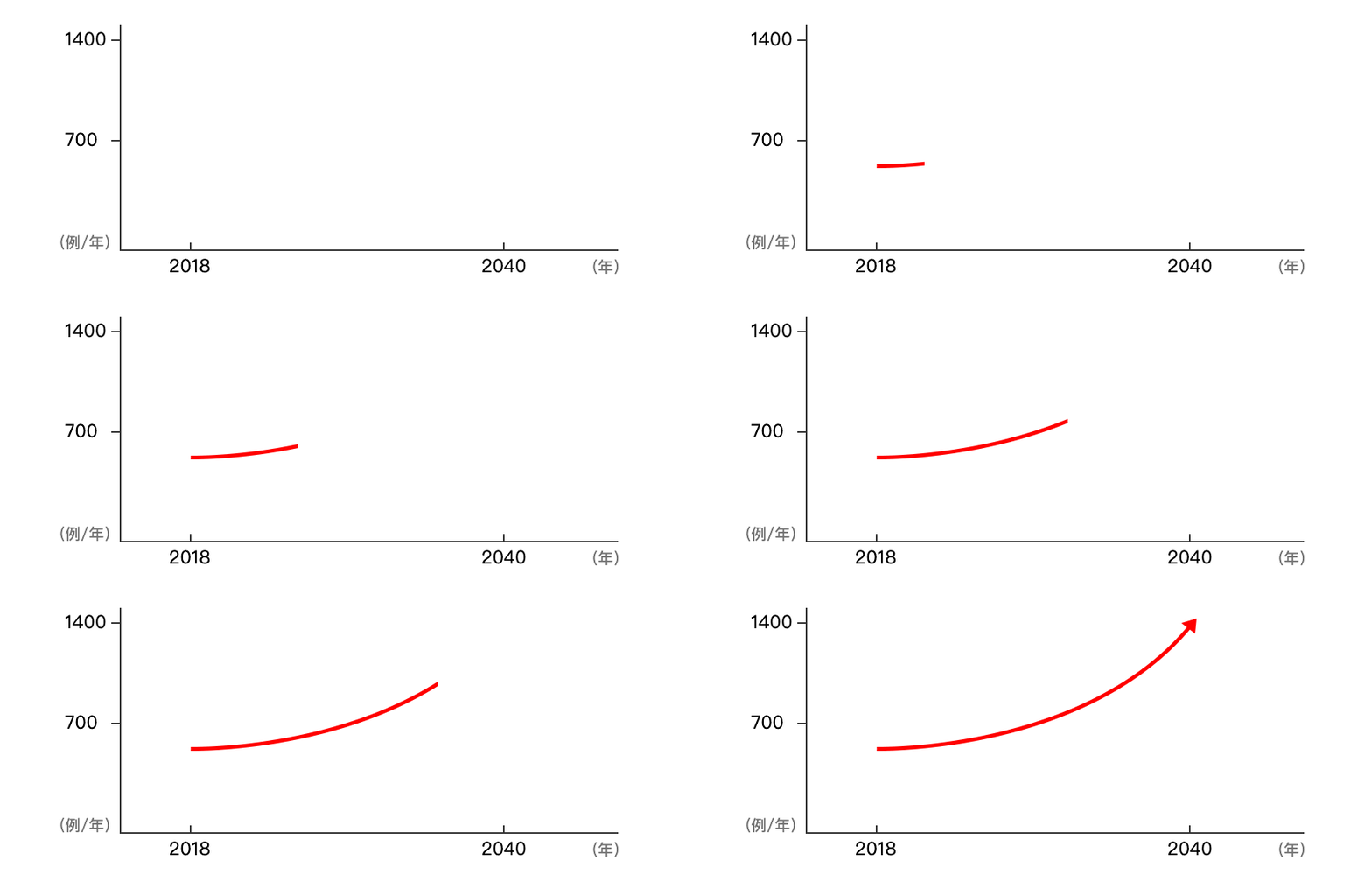
Therefore, continuously improving the quality and efficiency of oncologic surgery, reducing postoperative recurrence and related complications, prolonging postoperative survival, and achieving better quality of life for cancer patients hold immense practical significance for both China and the world.

The fundamental goal of tumor surgery is to completely resect tumor tissue to prevent recurrence, while maximizing the preservation of healthy tissue to avoid unnecessary iatrogenic injury. To achieve this, it is necessary to accurately identify the tumor (including primary and metastatic lesions) and adjacent healthy tissues (such as nerves, blood vessels, and lymph nodes) during the surgical procedure. However, the distinction between tumor and healthy tissue often cannot be precisely identified through visual inspection and manual palpation alone. To address this clinical challenge, molecular imaging technology provides a feasible solution for real-time, precise intraoperative visualization of tumors and surrounding healthy tissues.

In the era of clinical medicine advancing toward “precision,”DPM’s Rapidly Rising Molecular Imaging Products Have Become a “Powerful Tool” for Precision Diagnosis and TreatmentLeveraging technical advantages such as high sensitivity, high accuracy, strong specificity, and real-time imaging, molecular imaging products can accurately detect minute lesions, residual disease, nerves, lymph nodes, and other tissues. This capability efficiently assists clinicians in making intraoperative decisions and helps improve patient prognosis. Currently, DPM’s molecular imaging technology has been applied in numerous areas, including novel drug development, cerebrovascular imaging, tumor detection, lymphatic system imaging, multimodal imaging, pharmacokinetic/pharmacodynamic (PK/PD) studies, and clinical surgical navigation, demonstrating significant potential for growth.
DPM was incubated by the Key Laboratory of Molecular Imaging of the Chinese Academy of Sciences. Since 1996, its team has been engaged in the research and development of medical image processing technologies, molecular imaging technologies, and multimodal molecular imaging technology platforms. Focusing on molecular imaging-guided surgical navigation, the team has successively conducted research on theoretical methodologies, imaging techniques, system platforms, and equipment prototypes, achieving a series of innovative results and accumulating substantial technical expertise.

Over the past decade, the CAS Key Laboratory of Molecular Imaging has maintained long-term collaborations with dozens of domestic and international research and clinical teams in the field of molecular imaging. Through interdisciplinary integration and persistent efforts in cutting-edge exploration, the laboratory has accelerated the development and clinical translation of related imaging probes, imaging technologies, and equipment. Molecular imaging-guided surgical navigation technology has entered a critical period of rapid growth, transitioning from basic and preclinical exploratory research to high-level, large-scale clinical trials and applied clinical studies. Emerging high-end medical devices and novel fluorescent molecular probes incubated from these efforts are gradually creating unprecedented new markets and fostering upstream and downstream industrial chains.
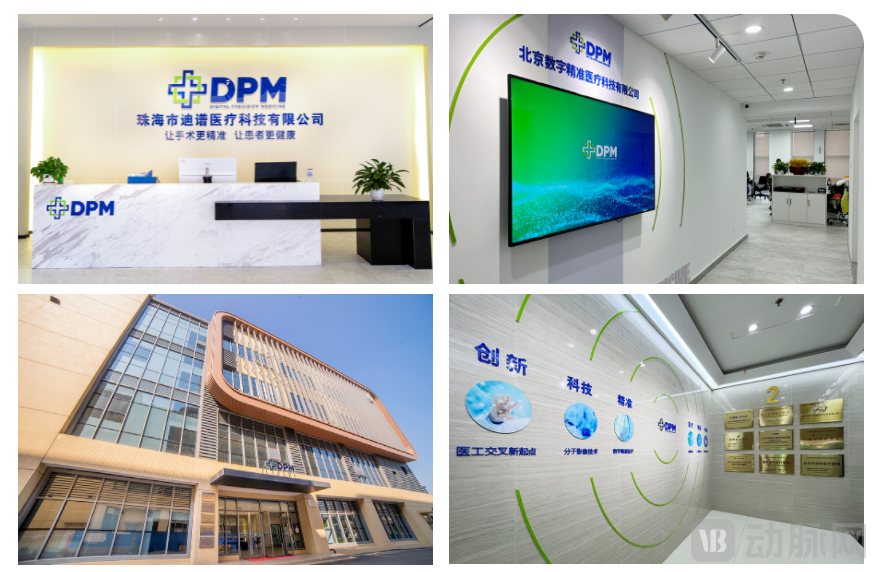
In 2016, the CAS Key Laboratory of Molecular Imaging responded to the national call for the commercialization of scientific and technological achievements by establishing DPM, a technology transfer company based on numerous proprietary research outcomes, to oversee the industrialization of molecular imaging surgical navigation products and molecular imaging contrast agents. Specifically, Beijing Digital Precision Medicine Technology Co., Ltd. (DPM) serves as the R&D center, while Zhuhai Dipu Medical Technology Co., Ltd. acts as the production base. In this highly promising emerging technical field,DPM possesses comprehensive strengths spanning imaging methodologies, imaging systems, basic research, and clinical translation.。

In recent years, DPM has achieved remarkable progress in both product development and clinical applications. At this critical juncture in the evolution of molecular imaging-guided surgical navigation,Tian Jie, Chairman and Chief Scientist of DPMInvited as the corresponding author to publish a review article titled “Fluorescence image-guided tumour surgery” in Nature Reviews Bioengineering.Chi Chongwei, CEO of DPM; Dr. He Kunshan, General Manager of DPM’s R&D DivisionCo-authored by more than ten researchers from multiple institutions across China in collaboration with our laboratory team, this article systematically summarizes landmark advances in the field over the past decade and highlights key challenges and future directions. It serves as a valuable reference to foster comprehensive understanding and broad recognition of molecular imaging navigation among researchers, engineers, and clinicians in oncology-related fields. (To browse or download the full paper, please click:https://www.nature.com/articles/s44222-022-00017-1)
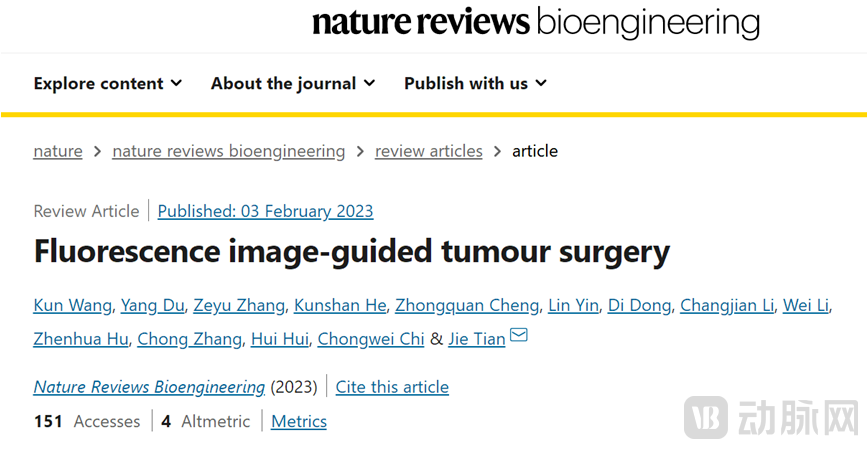
Publication Page
At a critical juncture in the development of molecular imaging technology, the DPM team has leveraged technological innovation to achieve systematic progress in equipment R&D, breakthroughs in core technologies, standard setting, and clinical promotion.
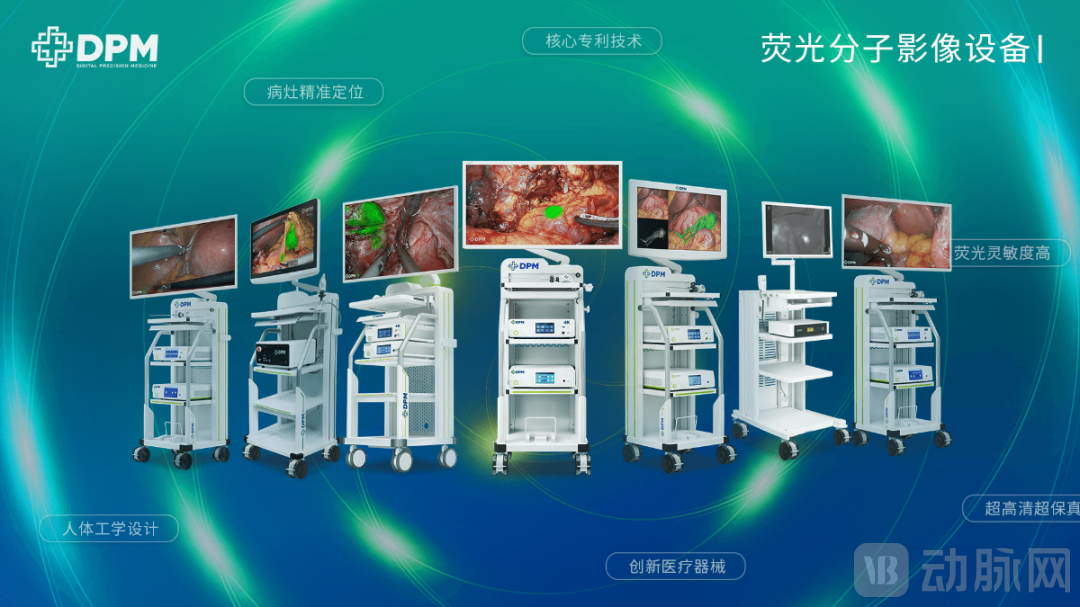
In terms of equipment R&D, DPM has successively launched the Chao Yan, Zhi Yan, Hui Yan, and Rui Yan product series. To date, DPM has obtained medical device registration certificates for 19 products, as well as two CE certificates. The company has not only received special approval for innovative medical devices from the National Medical Products Administration (NMPA) and the Beijing Medical Products Administration but has also been successfully selected as one of the enterprises with outstanding domestically produced medical equipment in the eighth batch evaluated by the China Association of Medical Equipment. Additionally, DPM won the Second Prize in the HICOOL Global Entrepreneurship Competition and the First Prize in the finals of the China Medical Device Innovation and Entrepreneurship Competition. DPM’s latest R&D achievement, the world’s first Rui Yan series 3D 4K fluorescence endoscopic camera system featuring intelligent true 8 CMOS technology, was approved for market launch by the Guangdong Provincial Medical Products Administration in December 2022. This milestone represents the most advanced technological achievements in the field of endoscopic products and opens a new chapter for DPM’s high-end endoscopic medical equipment product line and the exploration of new clinical applications.
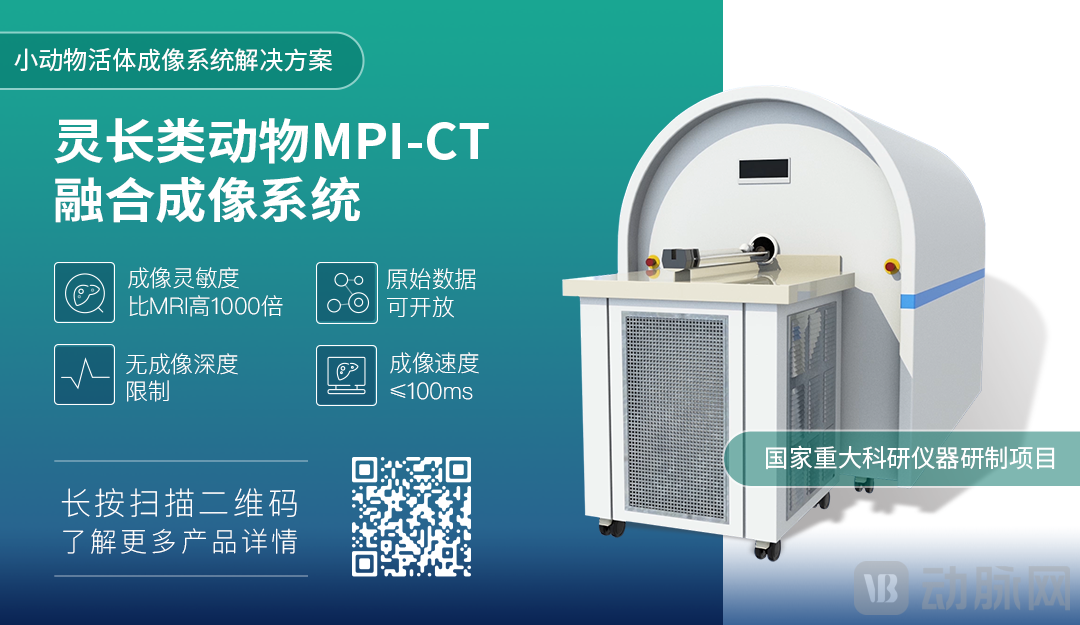
Furthermore, DPM has developed novel research products such as the NIR-II small animal in vivo imaging system, multimodal small animal in vivo imaging system, and MPI magnetic particle imaging system.
DPM Fluorescence Imaging Products
In tackling core technology projects, DPM has successively led initiatives that secured support from key national programs, including the Ministry of Science and Technology’s “Key Special Project on Research and Development of Digital Diagnostic and Therapeutic Equipment,” the Ministry of Industry and Information Technology’s “National List for Unveiling Leadership in Artificial Intelligence Medical Device Innovation Tasks,” and the Beijing Science and Technology New Star Program. Furthermore, DPM has been honored with the WIPO Award for Best Invention, the Gold Medal at the 43rd International Exhibition of Inventions Geneva, the Gold Medal at the 8th International Invention Exhibition, the Excellence Award at the 21st China Patent Awards, the Gold Medal at the 21st National Invention Exhibition, the Gold Medal at the 23rd National Invention Exhibition, the Red Star Award of China Design, and the Second Prize of the 4th Beijing Municipal Invention Patent Award. These accolades fully demonstrate DPM’s innovation capabilities and core competitiveness!

In terms of standard development, DPM, in collaboration with the Guangdong Medical Device Quality Supervision and Inspection Institute, formulated two group standards in accordance with the procedures outlined in the Administrative Provisions on Group Standards: “Medical Endoscopes – Endoscope Function Supply Devices – Cold Light Source Containing Near-Infrared Excitation Light” (hereinafter referred to as “Cold Light Source”) and “Medical Endoscopes – Endoscope Function Supply Devices – Near-Infrared Fluorescence Imaging System” (hereinafter referred to as “Imaging System”). These standards have been prominently published on the National Group Standard Information Platform. In the future, DPM will make even greater contributions to the development of industry and international standards!

Click the image above to learn more
In terms of promoting clinical applications, the DPM team, in collaboration with numerous research partners, has addressed pressing clinical challenges and published original clinical studies in Nature and Science subsidiary journals, as well as in journals such as the Journal of Clinical Oncology (JCO). Recently, the DPM team, together with Academician Wang Jun’s team at Peking University People’s Hospital, launched a multicenter clinical trial on aerosol inhalation therapy for lung cancer. In partnership with Secretary Liu Lianxin’s team at the First Affiliated Hospital of the University of Science and Technology of China, they initiated a multicenter clinical study on liver metastases from colorectal cancer. Additionally, in collaboration with Director Wang Xishan at the National Cancer Center/Cancer Hospital, Chinese Academy of Medical Sciences, they established the Chinese Fluorescence Laparoscopic Colorectal Collaboration Group. In the near future, the team is poised to achieve internationally leading breakthroughs in these specialized fields!

In summary,While continuously innovating molecular imaging theories and methodologies, the DPM team has vigorously advanced the clinical translation of next-generation molecular imaging technologies for the diagnosis and treatment of various malignant diseases, actively promoting their large-scale clinical application.Guided by the philosophy of “identifying problems from clinical practice, developing solutions beyond current clinical standards, and evaluating outcomes through clinical application,” the DPM team focuses on the clinical needs for precise diagnosis and treatment of major malignant diseases such as cancer. The team collaboratively advances the research and development of novel molecular imaging technologies along two key directions: First, to achieve real-time in vivo pathological visualization by “clearly visualizing” tumor margins and micrometastases at the molecular and cellular levels, thereby constructing new devices for tumor information acquisition to assist surgeons in improving surgical outcomes. Second, to quantitatively analyze radiological features of tumors at the molecular and cellular levels, enabling AI-based imaging cognition to approximate pathology-based clinical understanding, thus innovating new methods for quantitative tumor information analysis to support physicians in making precise diagnoses and prognostic predictions. Ultimately, this approach aims to realize personalized precision diagnosis and treatment for patients, providing robust technical support for the rapid advancement of precision medicine in the new era.