

14 Research-Originated Startups Signal Innovation Trends in the Nutrition Industry: Chronic Disease Management, Precision Nutrition, and AI Integration
As the world’s largest market for nutritional and health supplements, the U.S. nutrition industry has developed a relatively mature and stable ecosystem, giving rise to a number of internationally renowned brands with long histories and significant influence, such as GNC and Nature’s Bounty.
The success of the U.S. nutritional supplement market is attributed to policy support, as well as the establishment of academic disciplines and industry standards by research institutions in this field.
As early as 1994, the United States passed"Dietary Supplement Health and Education Act"》to standardize the review process and advertising regulations for nutritional foods. As early as 1934,NutritionRecognized as a discipline in the United States, it subsequently led to the establishment of nutrition majors at prestigious universities such as Harvard University, the Massachusetts Institute of Technology (MIT), and Columbia University. Moreover, the United States establishedAcademy of Nutrition and Dietetics, as the largest professional organization in food and nutrition, the Academy holds significant influence in the global nutrition community; any nutrition program accredited by this institution is considered a legitimate program.
Just as in other fields, U.S. research institutions have spared no effort in supporting innovation in the field of nutritional health. Between 2000 and 2023, numerous nutrition-focused startups were incubated by universities and hospitals. In this article, we review14 companiesStartups incubated by renowned U.S. universities and hospitals and founded by scientific researchers offer a window into the evolution of the American nutrition industry over the past two decades, while also helping to identify the innovative signals currently emerging within the sector.
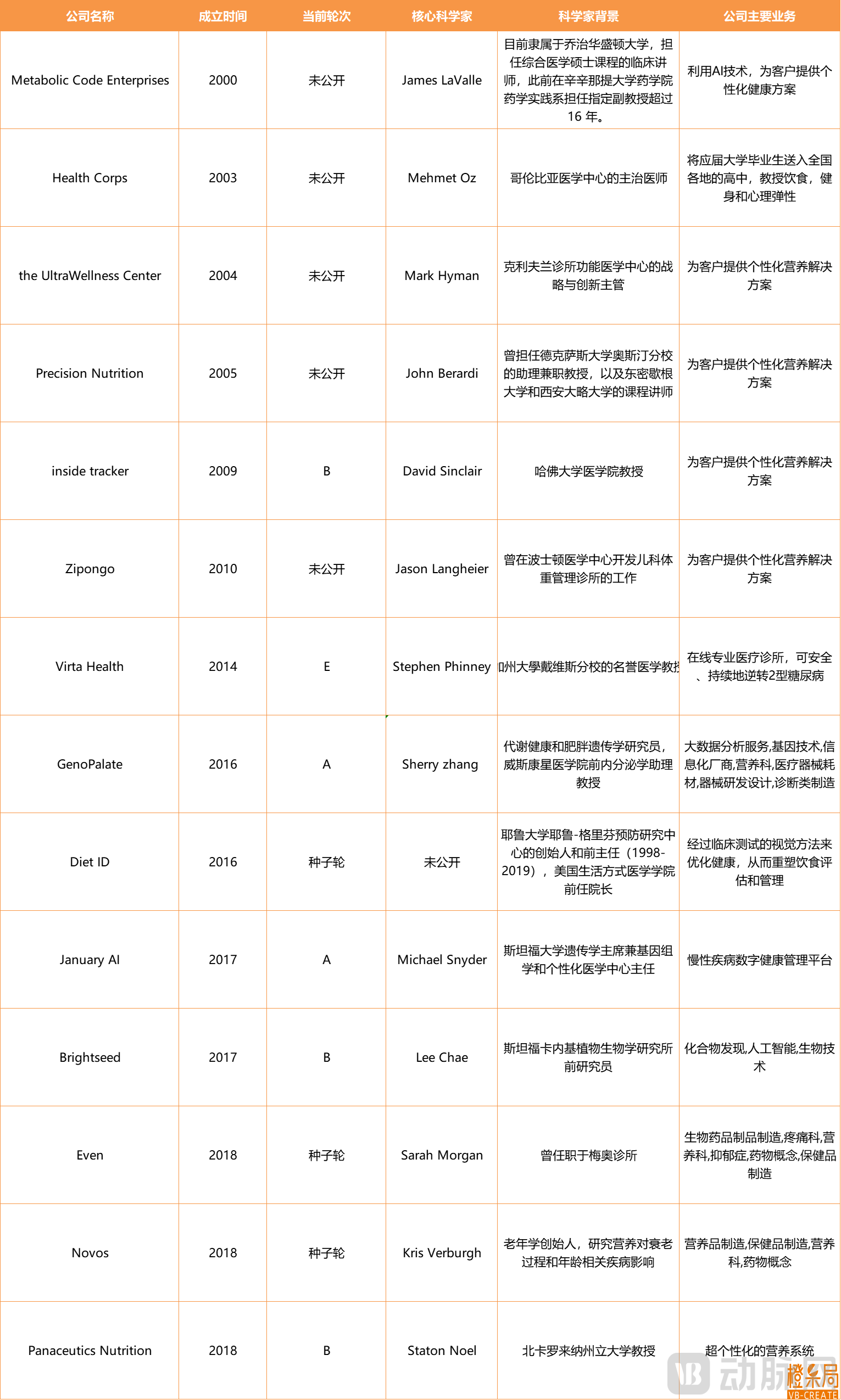
14 Nutrition Innovation Companies Incubated by Renowned U.S. Universities and Hospitals, Founded by Scientific Researchers
Targeting Chronic Diseases: Focused on Prevention and Reversal
Due to the “qualitative” changes in people’s living conditions, overly refined foods and chemical contamination in air and food have led to chronic non-communicable diseases (hereinafter referred to as“Chronic Diseases”) emerge. Infectious diseases, which once posed the primary threat to public health, are gradually declining, while non-communicable diseases are increasingly jeopardizing people’s health.
According to World Health Organization statistics, the proportion of global deaths attributable to chronic diseases increased from 60.8% in 2000 to 73.6% in 2019. Among the leading causes of death worldwide, several chronic conditions—including cardiovascular disease, cerebrovascular disease, malignant tumors, diabetes, obesity, and osteoporosis—are associated with nutritional factors.
Therefore, in the nutrition industry, chronic diseases have become the focal point. This is also reflected in the aforementioned 14 companies, among which those related to chronic diseases include6 companies, and strategically positioned around both the prevention and treatment of chronic diseases.
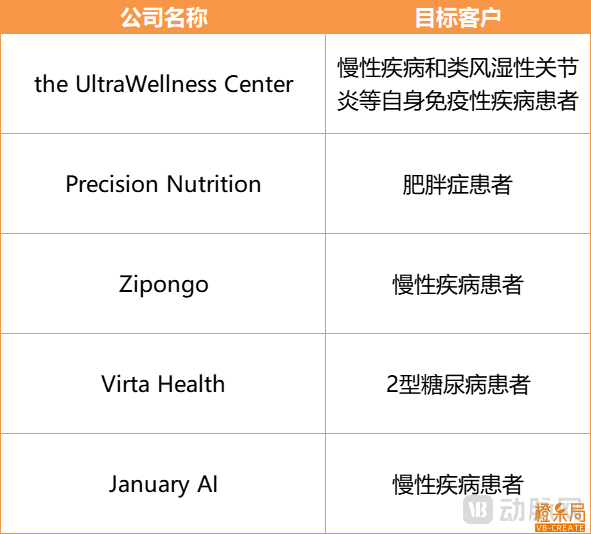
Six Companies Associated with Chronic Diseases
First, inPrevention, changes in disease patterns have prompted a renewed understanding of the relationship between diet and modern diseases, thereby triggering a dietary revolution. Nutrition companies have also begun to transition from their initial focus on dietary nutrition to chronic disease prevention. Taking the digital nutrition platform Zipongo as an example, since securing $5 million in Series A funding in December 2014,ZipongoConsistently helping people manage chronic diseases through customized dietary plans.
In fact, the development and advancement of Zipongo can be divided into two phases. The first phase involved building a comprehensive nutrition platform. Zipongo initially attracted diverse user groups to converge on the platform, and then, through its matrix-style application MealRx, provided consumers with recipes, shopping lists, or restaurant recommendations based on their individual preferences. After accumulating substantial traffic, Zipongo initiated its transformation in the second phase, shifting its focus to the prevention of chronic diseases such as obesity and diabetes, and formulating reasonable “"Medicinal Food"plan to achieve the effect of chronic disease prevention.
Not Only for Preventing Chronic Diseases: A Startup Founded in 2014Virta HealthIt was the first to propose “developing a therapy that can reverse type 2 diabetes without medication or surgery”—Ketogenic Diet, by strictly limiting patients' carbohydrate intake to increase the proportion of fat in their diet, ultimately reversing type 2 diabetes.
According to reports, in a two-year trial conducted by Virta Health and Indiana University School of Medicine in 2016 involving 262 patients with type 2 diabetes, encouraging therapeutic outcomes were observed within the first ten weeks. Specifically, 87% of patients reduced their insulin dosage, 56% achieved healthy levels of glycated hemoglobin (HbA1c), and 75% lost at least 5% of their body weight. These findings have been published on the website of the Journal of Medical Internet Research, a renowned publisher of medical research reports.
Regardless of the country or region,Chronic Diseases Are a Major Growth Opportunity for the Nutrition Industry。
On one hand, the aging of society is continuously increasing. According to a United Nations report, the global population aged 65 and above was 761 million in 2021, and this figure is projected to rise to 1.6 billion by 2050. This substantial growth in the elderly population is bound to ignite the market for chronic diseases. On the other hand, under the impact of the COVID-19 pandemic, global health awareness has been continuously strengthening over the past two years, and the global big health industry has attracted increasing attention from capital. Data from iiMedia Research shows that global investment and financing in the medical and health industry were most concentrated in 2021, reaching a total of RMB 684.603 billion for the year.
Advancing Toward Deeper and More Accurate Precision Nutrition
As public awareness of nutritional consumption shifts from “mass-market” to “personalized,” consumer expectations for “tailor-made” solutions are rising rapidly, propelling the growth of precision nutrition. According to a research report by MarketsandMarkets, the global market size for precision nutrition is projected to grow from USD 8.2 billion in 2020 to USD 16.4 billion in 2025, representing a compound annual growth rate (CAGR) of 15% during the forecast period, indicating strong momentum.
so-calledPrecision Nutrition, which involves integrating health-related factors such as consumers’ genetic test results, gut microbiota profiles, biochemical markers, dietary habits, sleep patterns, physical activity levels, lifestyle habits, and disease status to provide personalized dietary plans.
The implementation of precision nutrition involves three fundamental steps: precise measurement and data collection, data analysis and nutritional assessment, and personalized nutrition customization and intervention. The key to achieving precision nutrition lies inPrecision Testing of "Individual Characteristics"。
Currently, precision measurement involves three dimensions: first, the analysis of physiological characteristics and lifestyle factors, including dietary nutrition, physical activity, and lifestyle habits; second, the analysis of clinical phenotypes, encompassing physical examinations, blood tests, urine tests, traditional biomarkers, metabolomics, and proteomics; and third, genomic analysis, which includes data analysis of genetic testing, gut microbiota testing, and epigenetics.
In fact, progressing from phenotypic questionnaire surveys to clinical point-of-care testing, and further to the genetic level, the scientific rigor and precision of personalized nutrition continue to increase.
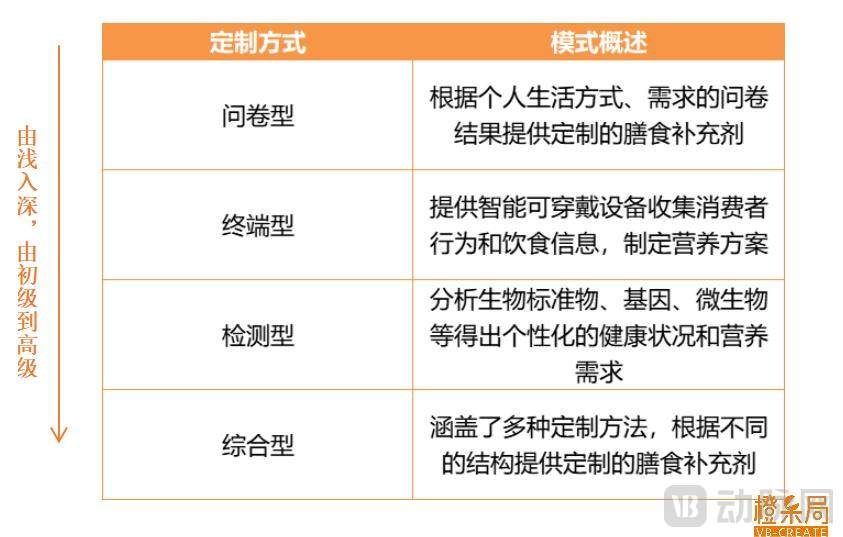
Three Methods for Individual Characteristic Testing
Through an analysis of the aforementioned 14 companies, we found that these companies alsoMore inclined to sink downward.
Let’s first discuss the terminal type, by enabling consumers to useContinuous Glucose Monitor(CGM) and activity trackers,January AIThe “Seasons of Me” metabolic program integrates food logs, physical activity, heart rate variability (HRV), continuous glucose monitoring (CGM), and other data sources to establish a consumer’s health baseline and model their physiology, thereby delivering personalized nutrition plans.
Next, let’s examine the more advanced detection-based models. In 2013,Inside TrackerLaunch of the Home Kit for testing and analysis, consumers use the kit to collect a few dropsBlood Sample, the company can assess consumers’ energy and metabolism, hormone levels, inflammation, and musculoskeletal health by detecting biomarkers, and provide corresponding personalized nutrition plans based on consumers’ varying goals.
Furthermore, with the continuous advancement of technology, based on questionnaire surveys, smart wearable devices, image recognition, biomarkers, clinical rapid testing, gene sequencing, andCombined ApproachesCustomized approaches will continue to emerge, and nutritional plans developed through such methods will be the most targeted.
Established in 2018,Panaceutics NutritionThe testing method is comprehensive, integrating dietary assessment, genetics, microbiome analysis, and blood-based diagnostics, while also taking into account personal preferences or religious beliefs. It is understood that nutrition plans customized using this approach can be delivered directly to consumers.
Unlocking More Possibilities in the Nutrition Industry with AI
Currently, “AI+” has gradually permeated various industries. In the field of nutritional health, university professors and physicians are also leveraging AI to explore greater possibilities.
Unlike ordinary food, nutritional foods have distinct functions in promoting or maintaining health and are suitable only for specific populations. Therefore, from an industry chain perspective, the upstream sector of the nutritional food industry primarily includes producers and traders of various raw materials, such as manufacturers of plant and animal extracts and chemical raw materials. The midstream sector mainly comprises nutritional service providers and nutritional food manufacturers. The downstream sector consists primarily of brand operators, distributors, offline channels such as pharmacies and supermarkets, and online platforms, ultimately selling to end consumers.
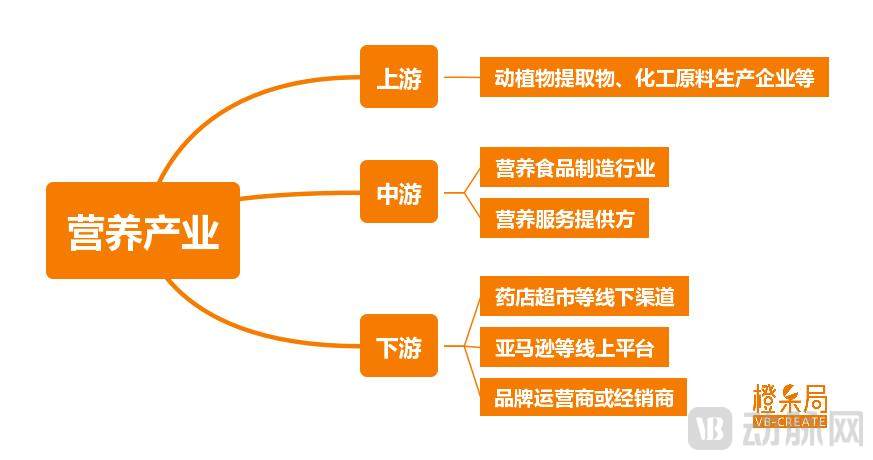
Upstream, Midstream, and Downstream of the Nutrition Industry
InUpstream, artificial intelligence technologies are applied to compound discovery.By integrating and extracting data from existing compound databases and applying machine learning, key information related to compound toxicity and efficacy is extracted, thereby significantly improving screening success rates while reducing R&D costs and workload.
U.S. AI Nutrient CompanyBrightseedThe AI platform Forager identifies commercially viable sources of natural bioactive compounds from plant compound libraries.
It is reported that Forager has mapped over 2 million plant-derived compounds, with dozens of these compounds in various stages of validation across multiple health domains, including metabolic health, digestive health, cognitive health, blood glucose management, maternal health, and immunity.
In exploring the potency and purity of plant compounds, as the purity and quality of extracts improve, the associated costs for enterprises also rise. The Forager platform can rapidly discover phytonutrients and predict their efficacy, achieving superior outcomes in terms of cost, time, and effectiveness.
InMidstream Segment, the core services of online private nutritionists are typically delivered through mobile applications, providing remote nutritional counseling services, orProviding nutritional management plans and dietary recommendations through AI-powered algorithms。
Diet IDis a typical example of the latter. The company’s core technology is a data package that optimizes health through vision-based methods validated in clinical trials, thereby reshaping dietary assessment and management. This technology, capable of generating personalized health roadmaps within minutes, effectively saves time, effort, and costs for both enterprises and consumers.
Meanwhile, Diet ID integrates personal health data with social and gamified elements to promote consumer self-management, replacing burdensome food logging with enjoyable social challenges. This approach makes the experience both effortless and engaging, thereby boosting participation rates.
InDownstream End, on the one hand, artificial intelligence leverages computer vision and machine learning to gauge consumer emotions on online platforms, thereby obtaining more diverse information; on the other hand, by integrating data from multiple sources and analyzing hidden patterns within them, inGain valuable resources for enterprise product and service development and innovation through consumer insights.
In summary, the application of artificial intelligence in the nutrition industry presents numerous opportunities, not only driving product manufacturing but also bringing private dietitians into ordinary households, enabling real-time analysis of physical health conditions and providing personalized dietary recommendations anytime and anywhere.
Final Remarks
In summary,Chronic Disease Management, Precision Nutrition, and “AI+”The U.S. nutrition industry is targeting three directions. Among these, chronic disease management is the most likely to attract attention in China.----------------------------------------
According to data from the U.S. Centers for Disease Control and Prevention, 14% of American adults have diabetes, with 10% aware of their condition and over 4% undiagnosed. In China, the number of patients reported in the 2022 China Diabetes Report was 140.9 million.
Similarly, advancements in nutrition science and individual health awareness are expected to drive demand for precision nutrition solutions among certain populations, such as customized nutritional supplements tailored to gut microbiota profiles and individual absorption and metabolic characteristics. The emergence of “AI+” signals an extension of disease management beyond hospital settings; in addition to chronic disease management, lightweight solutions for weight management and dietary planning have already begun to appear.
In China, with its vast population, it is evident that nutritional health innovation represents an extremely nascent blue-ocean market. Compared to pharmaceutical and medical device R&D, this sector offers significantly greater room for growth, yet many standards and regulatory frameworks remain to be established. For innovative enterprises, the nutritional health field presents numerous avenues to explore, including clinical nutrition, wellness, functional foods, disease management, and health management. However, there are no standardized pathways or methodologies for selecting a focus area or determining market entry strategies. The landscape is akin to a shifting wind; we cannot predict where it should blow or where it is headed.But when it blows past, we will know the answer.