

Rise of Self-Pleasing Demand Drives Rapid Growth in China's Aesthetic Medicine Industry, with Minimally Invasive Procedures as the Key Catalyst

Fumeilei Medical
R&D Developer of Medical Aesthetic Devices
The pursuit of youth and beauty is endless.
In an era where “looks are justice,” beauty seekers’ pursuit of aesthetics no longer stops at cosmetics; they are also actively trying various medical aesthetic products and procedures to enhance their appearance.In a short span of time, “self-pleasing consumption” has become a widespread trend.
The substantial demand has naturally driven the rapid growth of China’s medical aesthetics market. According to Frost & Sullivan, measured by service revenue, the size of China’s medical aesthetics market grew from RMB 99.3 billion in 2017 to RMB 189.1 billion in 2021, representing a compound annual growth rate (CAGR) of 17.5%. It is projected to reach RMB 638.2 billion by 2030, with a CAGR of 14.5% from 2021 to 2030. China’s medical aesthetics market is poised for high-speed growth, with its expected growth magnitude accounting for one-third of the global market’s growth over the same period, thereby leading the world.
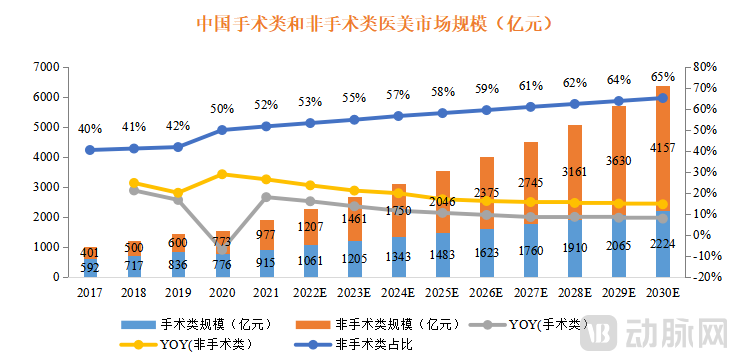
Source: Frost & Sullivan, compiled by VCBeat
During this process, non-surgical procedures have gained greater popularity than surgical ones, with minimally invasive aesthetic medicine becoming the primary driver of the medical aesthetics market.According to Frost & Sullivan data, the market size of non-surgical procedures in China increased by 28.8% year-on-year in 2020, while the market size of surgical procedures decreased by 7.2% during the same period. Additionally, from a market share perspective, non-surgical procedures accounted for 52% of the total market in China in 2021. With the expansion and iterative upgrading of minimally invasive aesthetic products, the non-surgical market in China is expected to further expand, with its market share projected to reach 65% by 2030.
In the face of such rapid growth, what possibilities lie ahead for the medical aesthetics industry? How high is the ceiling for non-surgical medical aesthetics? Which niche segments offer better opportunities? Let us examine VCBeat’s analysis.
This article is an excerpt from the “White Paper on Energy-Based Devices in Medical Aesthetics.” To gain insights into the industry landscape, development logic, and potential opportunities of energy-based devices in medical aesthetics, please scan the QR code to contact our assistant for the full report.

In the pursuit of aesthetic enhancement, addressing skin care needs is particularly crucial.
This is because the skin covers the surface of the human body and serves as the first line of defense against external harmful factors. According to a popular science article published on the official WeChat account of the Center for Drug Evaluation, National Medical Products Administration, the total skin area of an adult is approximately 1.5–2.0 m², accounting for about 16% of body weight, making it the largest organ in the human body.
Specifically, the histological structure of the skin can be divided into three layers from outside to inside: the epidermis, dermis, and subcutaneous tissue.Meanwhile, the skin also contains appendages such as hair follicles, sweat glands, sebaceous glands, and fingernails (toenails), as well as abundant nerves, blood vessels, lymphatic vessels, and muscle tissue.
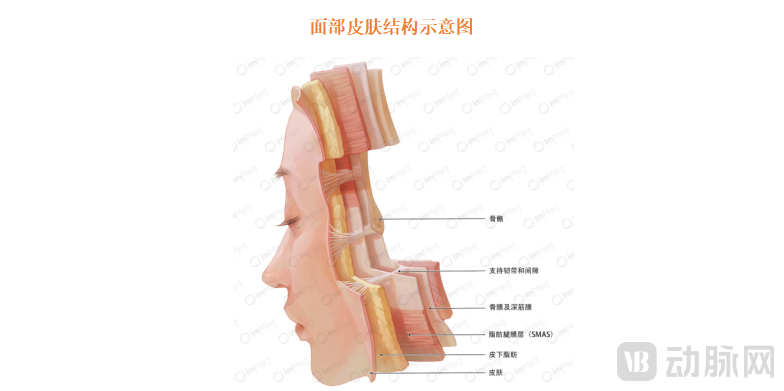
Graphic Design: Yimu Visual
The epidermis, the outermost layer of the skin, determines its baseline appearance, such as whether it is dry or supple, tanned or fair. The dermis directly influences the skin’s elasticity, radiance, and firmness. The subcutaneous tissue, also known as the subcutaneous fat layer, lies beneath the dermis and serves to insulate against cold and cushion external forces. It also affects skin fullness; even distribution contributes to a curvaceous and graceful figure in women, whereas excessive or uneven distribution can create a bloated appearance, while insufficient volume leads to a gaunt and wrinkled look.Skin aging manifests as a gradual process characterized by reduced levels of collagen and hyaluronic acid, pigment deposition, and loss of subcutaneous fat.
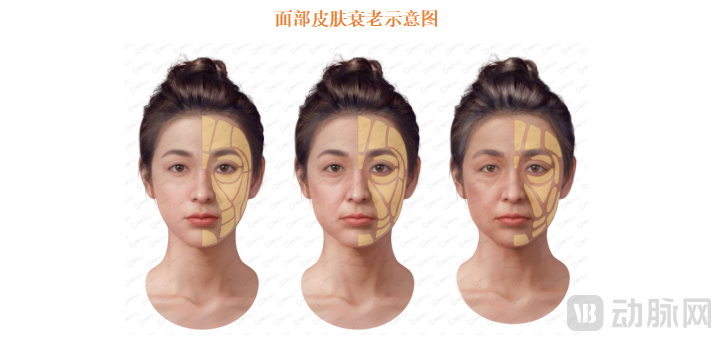
Graphics: Yimu Visual
Different treatment needs for various skin layers correspond to different products; minimally invasive aesthetic procedures can address a wide range of facial skin concerns, progressing from superficial to deep layers.
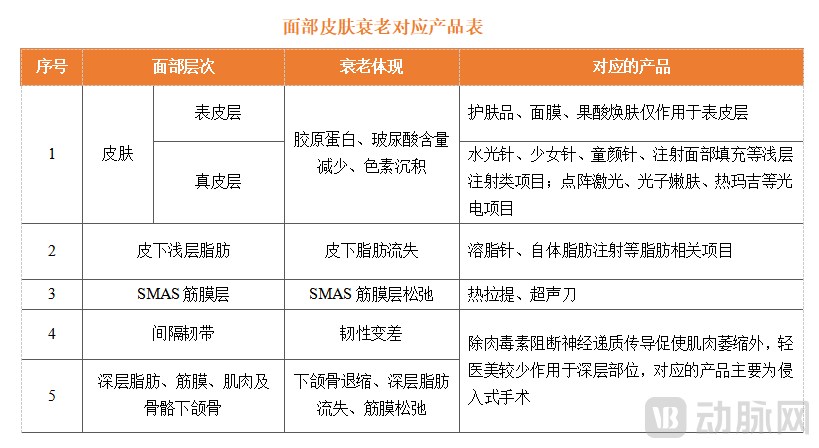
Source: “2020 White Paper on Insights into China’s Medical Aesthetics Industry”
Based on differing mechanisms of action, minimally invasive aesthetic medicine is generally categorized into two major classes: injectables and energy-based devices.Benefiting from minimal trauma, immediate results, and low costs, non-invasive "light medical aesthetic" procedures have rapidly risen in recent years to dominate the medical aesthetics market. Traditional beauty methods, such as skincare products and facial masks, act only on the epidermis, whereas light medical aesthetic treatments primarily target layers beneath the epidermis, penetrating progressively deeper from the dermis to the SMAS (Superficial Musculoaponeurotic System) layer.
The core ingredients of injectable products primarily offer four key benefits: filling, inhibition, care, and lipolysis.The research and development of core ingredients in medical aesthetics products is of great significance for companies to build competitive barriers. Currently, the core ingredients of facial injection products on the market mainly include hyaluronic acid (hyaluronate), botulinum toxin, collagen, and regenerative components.
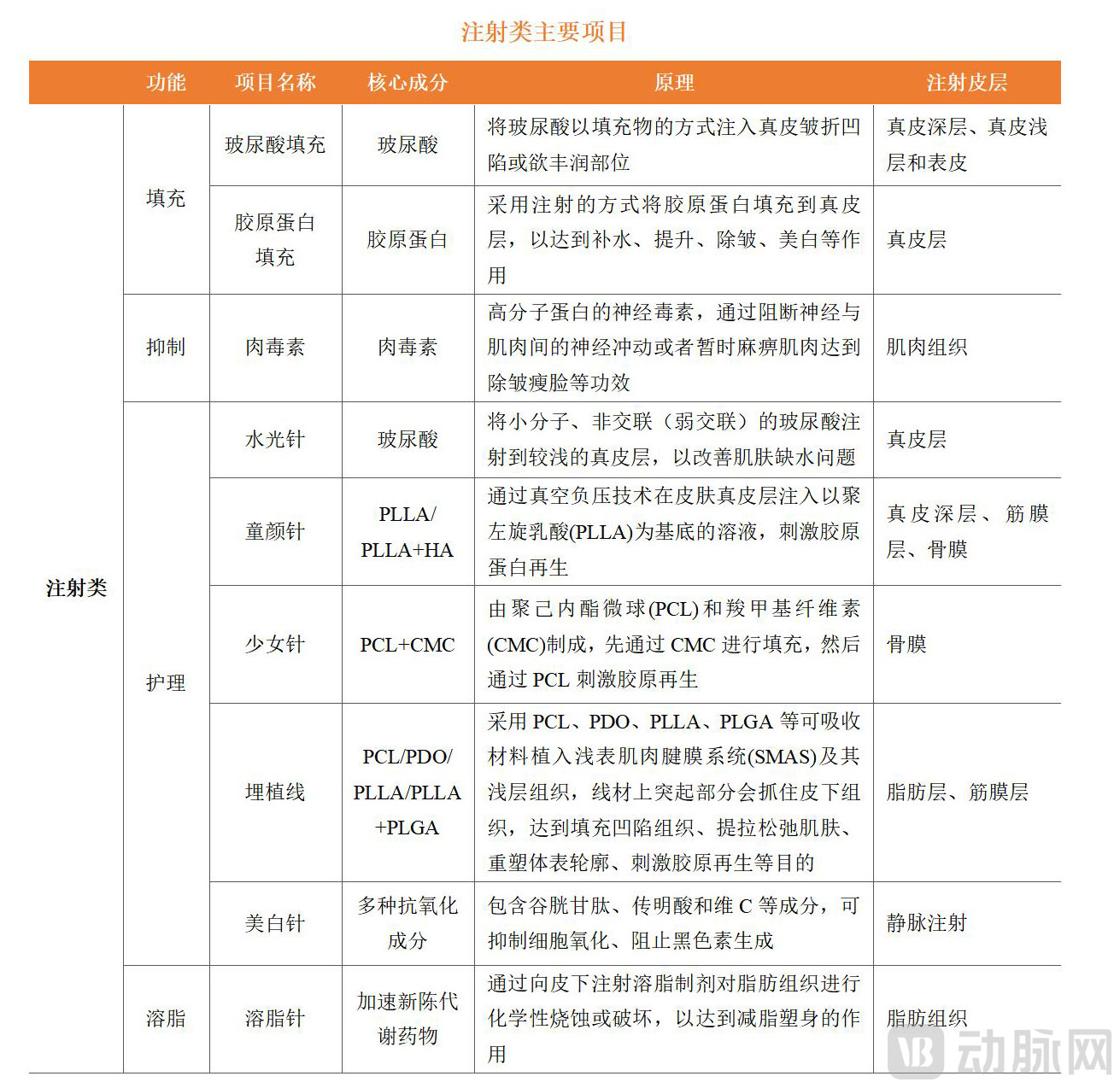
Source: SoYoung, compiled by VCBeat
Energy-based aesthetic medical devices target different skin layers depending on their underlying technical principles.Energy-Based Aesthetic Medicine refers to the application of energy forms such as lasers, radiofrequency, and ultrasound in medical aesthetics, where targeting different skin layers addresses specific concerns.
Most light-based devices penetrate to the dermis. With technological advancements, radiofrequency and ultrasound devices can reach deeper fascial layers, thereby achieving superior body contouring and skin-tightening effects. Energy-based medical aesthetic devices deliver various benefits depending on the target tissue layer: acting on the epidermis provides anti-inflammatory, antibacterial, acne-clearing, pigmentation-reducing, and skin-brightening effects; acting on the dermis achieves skin tightening, wrinkle reduction, and regeneration stimulation; acting on the subcutaneous fat layer facilitates fat reduction and body slimming; and acting on the SMAS (Superficial Musculoaponeurotic System) fascial layer stimulates collagen regeneration for anti-aging purposes.Meanwhile, energy-based medical aesthetic devices offer advantages such as short recovery times, low cost per session, and high frequency of use, making them suitable as adjunctive treatments for daily skincare. Consequently, they have garnered significant attention across various therapeutic applications.
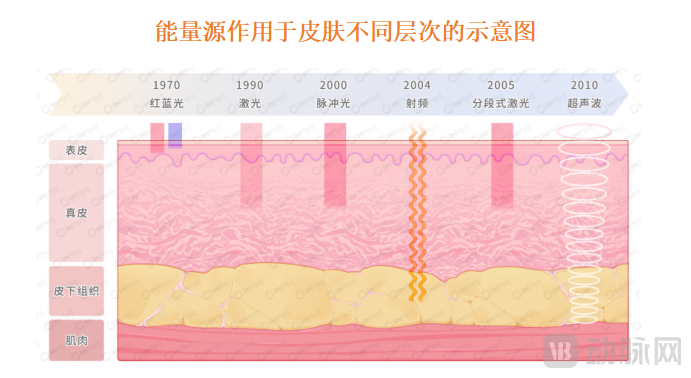
Graphics: Yimu Visual
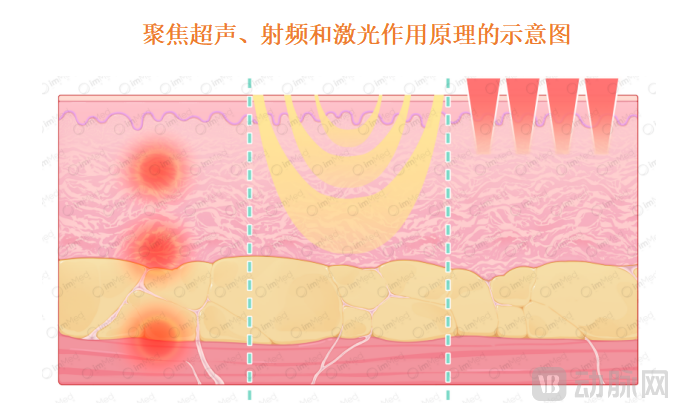
Source: Public information, compiled by VCBeat
Graphics: Yimu Visual
Photoelectric procedures carry lower risks than injectable treatments and are increasingly favored by consumers.Compared with injectable procedures, energy-based device treatments carry lower risks and offer higher safety profiles. Furthermore, as technology advances and equipment undergoes iterative upgrades, the efficacy of these treatments continues to improve, making consumers more inclined to choose energy-based options.
According to survey data from the "2022 China Medical Aesthetics Industry Research Report," among non-surgical procedures, energy-based device treatments—primarily focused on pigmentation removal and skin tightening for anti-aging—are mostly non-invasive or minimally invasive. Their ability to achieve pigmentation reduction and anti-aging effects through "lighter" interventions has attracted a larger consumer base, resulting in a market share slightly higher than that of injectable treatments.
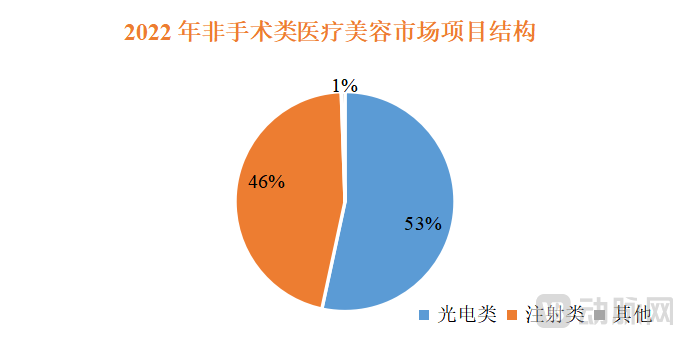
Source: iResearch, compiled by VCBeat
As can be seen, with the rise of minimally invasive aesthetic medicine, photoelectric-based procedures have also emerged as a key growth area.
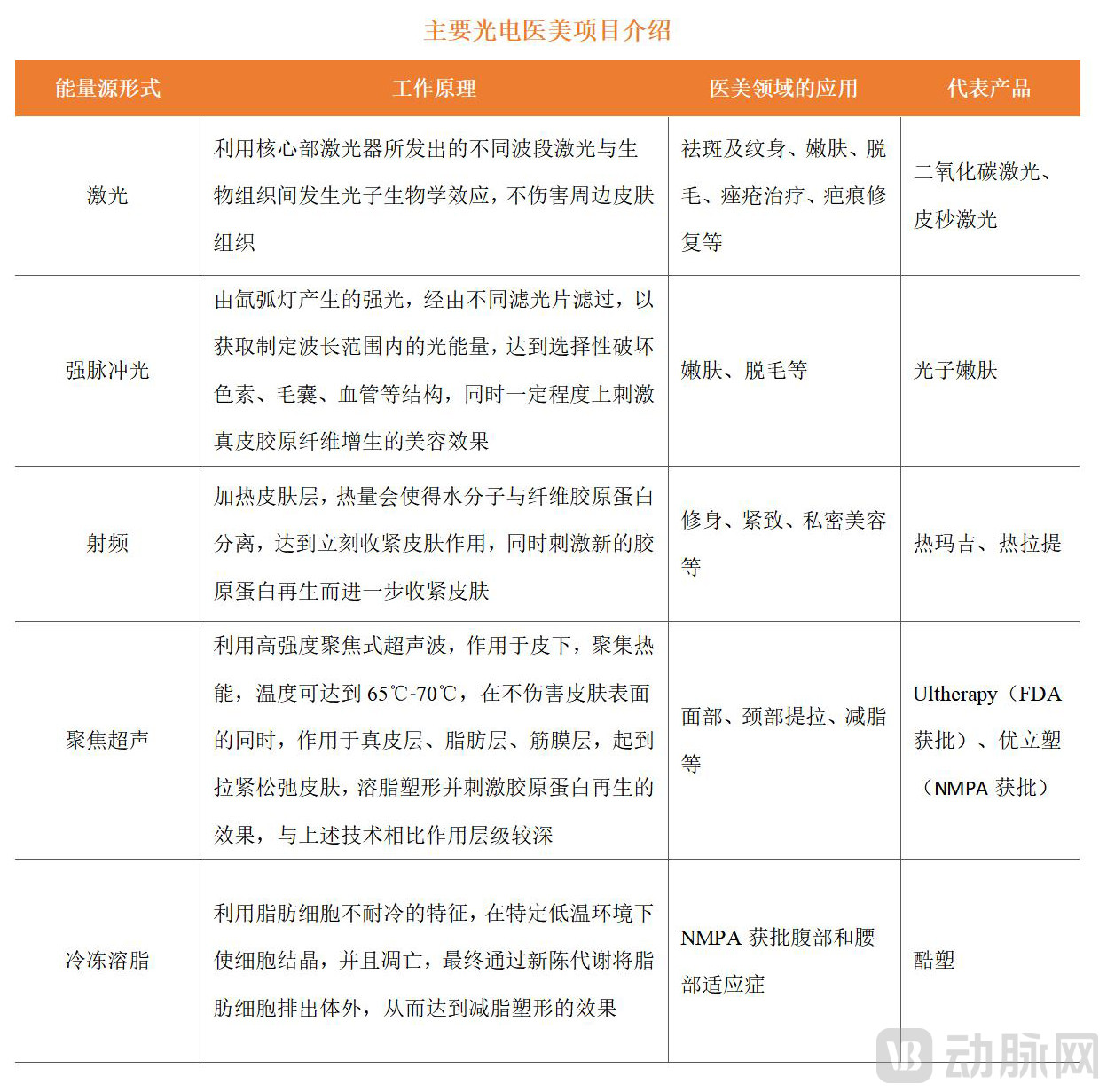
Looking at today’s aesthetic seekers, their primary demands fall into four categories: skin whitening, skin rejuvenation, anti-aging, and body contouring—all of which can be addressed by energy-based medical aesthetic devices.
Taking skin texture issues as an example, these include acne, enlarged pores, and fine atrophic scars left behind by various inflammatory dermatoses. Although skin texture problems do not directly affect physical health, they can exacerbate appearance-related anxiety, thereby impacting both mental and physical well-being. Alterations in skin texture are sequelae of aging or cutaneous diseases, manifesting as dryness and roughness, loss of radiance, atrophy and thinning, fine lines, enlarged pores, and atrophic scars.
In this regard, photoelectric therapies stimulate the contraction of dermal collagen fibers through photothermal effects, activate fibroblasts to secrete relevant cytokines that promote collagen synthesis, or initiate the wound healing cascade by causing controlled damage to the epidermis and dermis, thereby achieving tissue remodeling and improving skin texture.
Source: Public information, compiled by VCBeat.
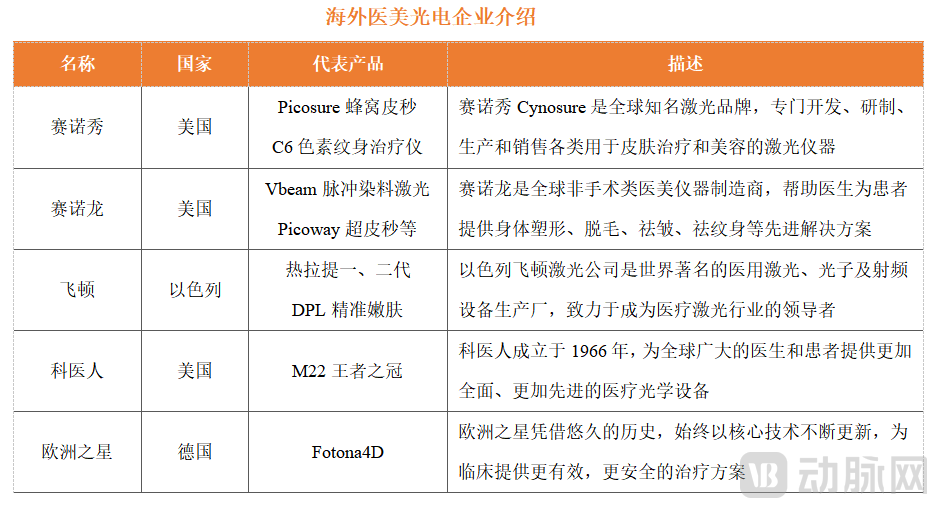
China’s medical aesthetics device industry started relatively late, and the current competitive landscape of the photoelectric medical aesthetics market is dominated by foreign companies. In the global medical aesthetics photoelectric device industry, the United States and Israel hold absolute advantages in terms of influence and technology. Currently, the mainstream laser equipment manufacturers in China include Cynosure (US), Candela (US), Alma Lasers (Israel), Lumenis (US), and Fotona.
In China, overseas enterprises entered the market earlier and possess significant technological advantages and industry experience; consequently, the majority of the market share remains dominated by foreign brands. Data indicates that foreign brands account for more than 60% of the mid-to-high-end market, including public hospitals and large medical aesthetics chain institutions.
Source: Public information, compiled by VCBeat.
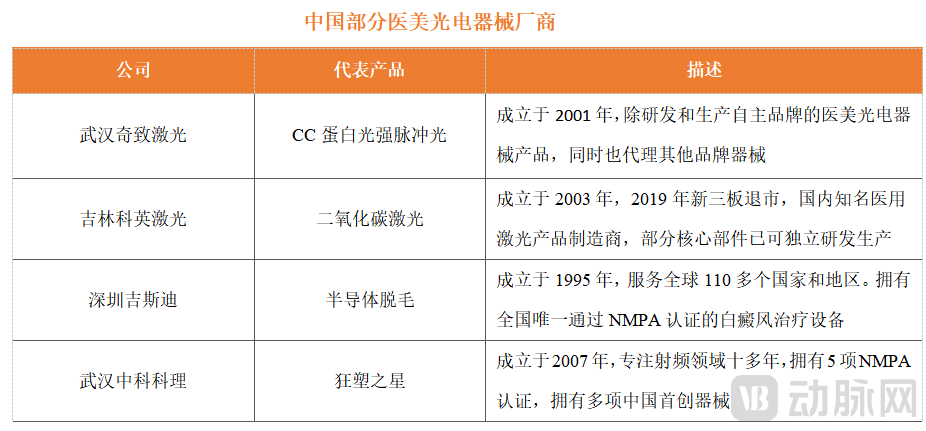
Moreover, the domestic medical aesthetics optoelectronic device industry in China is characterized by low market concentration, with a large number of small-scale manufacturers producing low-tech, low-priced products of inconsistent quality. Domestic companies in this sector hold only approximately 15% of the market share, primarily serving small and medium-sized private clinics, private practices, and lifestyle beauty salons. Furthermore, due to the high entry barriers imposed by NMPA certification, the majority of uncertified medical aesthetics optoelectronic devices operate in the gray area of beauty salons.
Source: Public information, compiled by VCBeat.
In summary, China’s energy-based medical aesthetics device industry offers vast growth potential, yet urgently requires greater participation from domestic enterprises. According to VCBeat, Chinese innovators in mid-to-high-end photoelectric medical aesthetic devices, represented by Fumeilei Medical, are continuously strengthening their efforts, bringing new possibilities to the non-surgical medical aesthetics market.
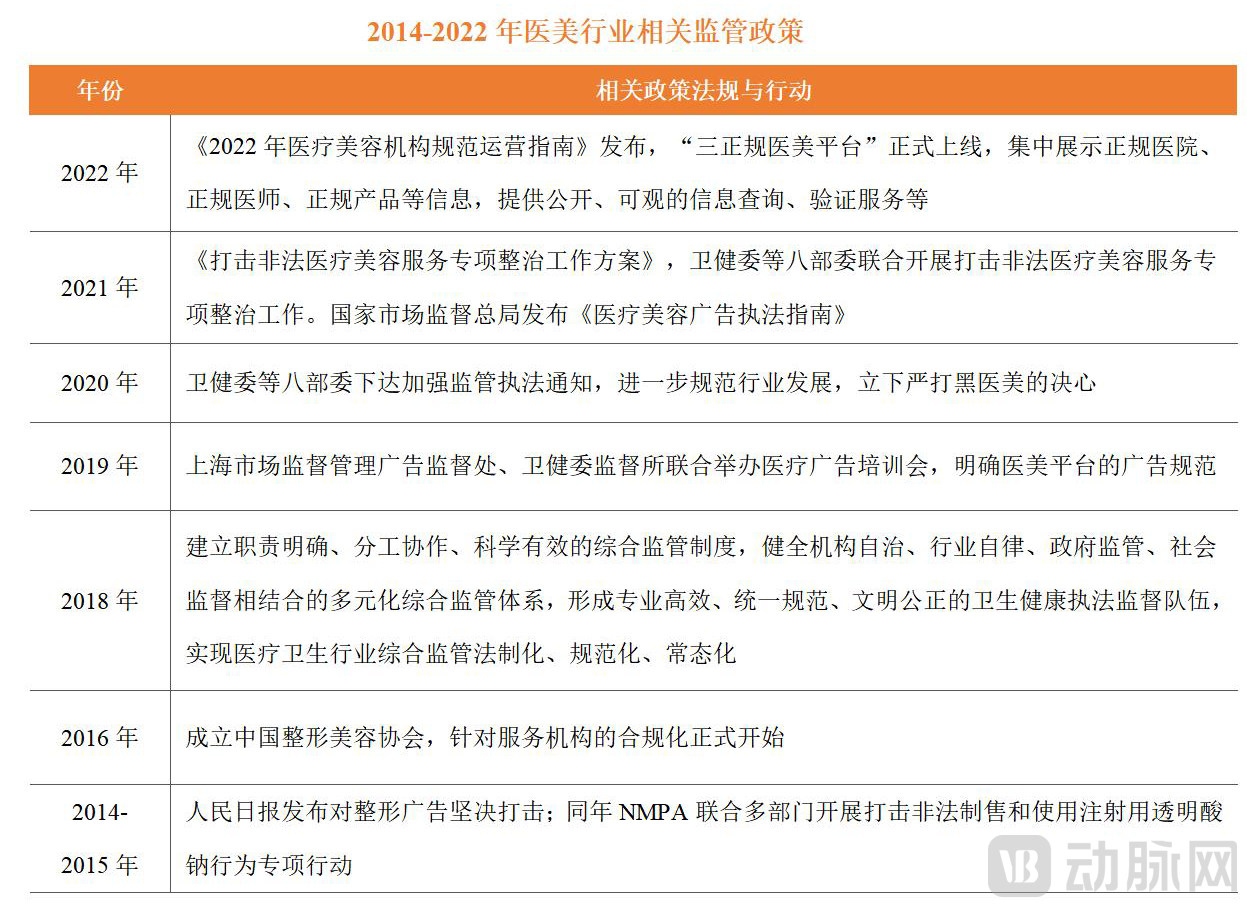
Driven by profit, the current medical aesthetics industry is plagued by irregularities across multiple segments, with numerous non-compliant issues prevalent in medical aesthetics institutions, product distribution, and marketing promotions. Therefore, compliant operations are imperative for the future development of the medical aesthetics industry.
Source: Public resources, compiled by VCBeat.
This will benefit compliant domestic enterprises.In the current medical aesthetics industry, the use of gray-market products, counterfeit goods, and devices for off-label indications is widespread. Product shortages and significant price differentials have fostered a substantial market for counterfeit and gray-market photoelectric medical aesthetic devices. The sales of imported photoelectric medical aesthetic devices in China generally adopt an agency model, whereby overseas companies rely on authorized distributors to secure necessary prerequisites for commercialization, such as National Medical Products Administration (NMPA) certification and the establishment of marketing networks. Off-label promotion of medical aesthetic devices is prevalent; specifically, some Class I and II devices are utilized as Class III devices. Furthermore, Class II devices manufactured by certain domestic companies are frequently promoted by medical aesthetic institutions for off-label uses, resulting in widespread irregularities within the industry.
As the era of stringent regulation arrives, enhancing compliance has become the core focus of medium- to long-term policy oversight in China’s medical aesthetics industry. The overarching theme is “increasingly strict and standardized regulation.” Legislative and law enforcement authorities have gradually shifted from passive governance to proactive intervention, targeting upstream manufacturers, downstream medical aesthetics institutions, and promotional platforms alike. This transition marks a move from merely rectifying chaotic practices to purify the industry environment, toward establishing sound standards and systems, and improving the overall regulatory framework.
Data shows that since the medical aesthetics industry entered an era of stringent regulation, the number of administrative penalties imposed on the sector increased by 247% year-on-year from 2017 to 2020. During the same period, the number of judicial rulings related to the medical aesthetics industry rose by 104% year-on-year.
The era of unchecked growth in China’s medical aesthetics industry has passed. Going forward, companies must place greater emphasis on brand reputation. Meanwhile, the industry’s management, technology, education, and infrastructure will accelerate toward standardized, efficient, and high-quality development. With increasingly stringent regulations, the market for compliant medical aesthetic devices holds substantial potential.
According to iResearch, there were 93,000 institutions offering medical aesthetic services in the market in 2019, of which only 13,000 were legally compliant. The equipment used by illegal medical aesthetic institutions largely consists of counterfeit and gray-market products, eroding a portion of the market share for legitimate medical aesthetic devices. Furthermore, due to the high procurement and operational costs of imported equipment, most compliant institutions currently rely on leased devices. With the anticipated approval of domestically produced equipment, it is expected to replace the downstream leasing market at lower prices in the future.
Therefore, it is foreseeable that with the increasing popularity of non-surgical medical aesthetic treatments, represented by photoelectric procedures, and the continuous standardization of regulatory policies, compliant domestic enterprises will usher in a favorable environment for industry development.