

CytoSorbents Corporation: Powering Global Critical Care with Blood Purification Technology Across 75 Countries

CytoSorbents
Therapeutic Device Developer
The immune system serves as a barrier that helps the human body defend against diseases, resisting both internal mutated substances and external invading pathogens. Healthy individuals can maintain homeostatic balance within their bodies with the support of the immune system. However, everything has two sides. In cases where severe diseases invade the body and the immune system fails to mount an effective defense, an immune response known as a cytokine storm or cytokine release syndrome may occur. This exacerbates the inflammatory response in the diseased body, causing fatal harm to the human organism.
CytoSorbents (NASDAQ: CTSO) is a U.S.-based medical device manufacturer founded in 1997. It completed its initial public offering (IPO) in August 2006 and focuses on treating life-threatening conditions in intensive care units by developing products such as blood filters that reduce inflammatory responses.In the more than ten years following its IPO, CytoSorbents secured a total of $29.6 million in funding, including non-dilutive debt financing from Bridge Bank and grants from the U.S. Department of Defense and the U.S. Army Medical Research and Materiel Command.
CytoSorb®It is CytoSorbents’ most important technological product, known as an extracorporeal cytokine adsorber. This blood filtration cartridge can be integrated with existing hospital blood pump systems. Cylindrical in shape and comparable in size to a drinking glass, it contains millions of polymer microbeads, each approximately the size of a grain of sand. The cartridge’s internal pumping mechanism filters the patient’s blood in a funnel-like manner, effectively removing toxins from the circulatory system.
CytoSorb®The polymer microbeads contained within feature millions of pores and channels, enabling the beads to capture and adsorb various inflammatory and toxic substances from whole plasma through the pores, much like a sponge.Its fundamental mechanism of action is that as blood flows through, blood cells, antibodies, and other critical substances flow around the beads, whereas toxins and inflammatory proteins—particularly hydrophobic proteins—are retained within the beads, thereby achieving the goal of blood filtration.
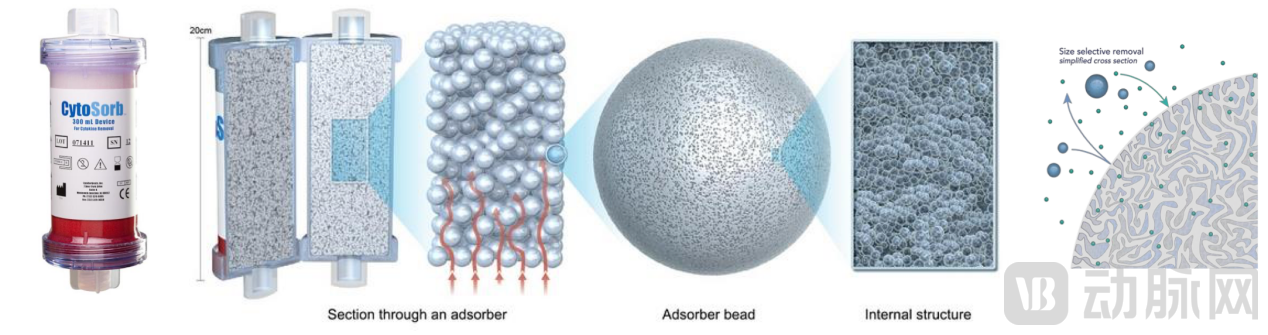
Figure 1: CytoSorb®Morphology
Image source: CytoSorbents official website
CytoSorb®Used to control life-threatening inflammatory conditions in intensive care units and during cardiac surgery, including sepsis, respiratory failure, and more.CytoSorb® has received EU approval and is distributed in 75 countries worldwide, having been used to treat more than 190,000 patients.
Facing the COVID-19 Pandemic,CytoSorb®has also made its own contributions。
In April 2020, CytoSorbents announced the results of a prospective study demonstrating that, in the treatment of patients with severe pulmonary sepsis, CytoSorb combined with extracorporeal membrane oxygenation (ECMO) significantly improved clinical outcomes compared with ECMO alone. These findings were published in the medical journal The Thoracic and Cardiovascular Surgeon.
Dr. Phillip Chan, CEO of CytoSorbents, stated that these study findings coincided with the COVID-19 pandemic, during which approximately half of critically ill COVID-19 patients died in the ICU. The primary causes of death were respiratory failure and acute respiratory distress syndrome (ARDS), with about two-thirds of these patients requiring advanced respiratory support, including mechanical ventilation and extracorporeal membrane oxygenation (ECMO). Furthermore, up to 30% of COVID-19 patients also developed septic shock.
In patients with COVID-19, the immune response to the virus may lead some individuals to develop a pathophysiological state resembling a “cytokine storm,” namely severe cytokine release syndrome (CRS) followed by organ dysfunction, which is precisely the condition that CytoSorb is designed to treat.
In April 2020, the U.S. FDA issued an Emergency Use Authorization (EUA) for the emergency use of CytoSorb to treat patients aged 18 years and older with confirmed COVID-19 who were admitted to the intensive care unit (ICU) and had confirmed or impending respiratory failure, so as to reduce pro-inflammatory cytokine levels. This may mitigate cytokine storm caused by excessive pro-inflammatory cytokines, thereby providing clinical benefits to these patients.
Furthermore, healthcare providers in countries such as China, Italy, Germany, and France also use CytoSorb.®Treatment of critically ill COVID-19 patients with cytokine storm, acute respiratory distress syndrome (ARDS), and shock.CytoSorb®Used to treat more than 6,000 COVID-19 patients in over 30 countries.
In November 2022, the CytoSorbents official website reported that, following clinical trials, 100 critically ill COVID-19 patients with refractory respiratory failure from five major U.S. hospitals achieved high survival rates after treatment with CytoSorb and ECMO.
ExceptCytoSorb®In addition to this flagship product,,CytoSorbents"Leveraging highly specialized technologies, we have developed a class of products capable of addressing diverse diseases."。
VetResQ®It is a blood purification therapy for animals that has been launched in the U.S. veterinary market. It can mitigate toxic inflammation caused by sepsis, trauma, pancreatitis, leptospirosis, and other common diseases in critically ill cats, dogs, and other animals. It is also indicated for the treatment of accidental poisoning with hydrophobic drugs.
Organ preservation and repair are the primary means of increasing organ availability. Insufficient oxygen, lack of nutrients, and the presence of inflammatory mediators may lead to organ injury and result in post-transplant complications. Improving the quality of donor organs can enhance the success rate of organ transplantation.ECOS-300CY®It is an EU-approved adsorption cartridge for use in ex vivo organ perfusion systems. It can be applied to donor organs to remove cytokines and other inflammatory mediators from the organ perfusate, thereby mitigating complications associated with transplanted organs.
HemoDefendTMIt is a series of products under development by CytoSorbents, aiming to enhance the safety and quality of transfusion products.HemoDefend-RBC™It is a blood purification technology platform still in the development stage, which can ensure the quality and safety of blood products and reduce adverse reactions during blood transfusion.HemoDefendThe technology utilizes polymer microbead technology to remove impurities, such as antibodies, free hemoglobin, potassium, cytokines, bioactive lipids, and inflammatory mediators, ensuring blood purity.HemoDefend-BGA™is another purification technology that can remove anti-A and anti-B antibodies from plasma and whole blood, enabling "universal plasma" and safer whole blood transfusion.
DrugSorb-ATRTMThe Antithrombotic Removal System’s ability to remove ticagrelor and reduce the risk of perioperative bleeding in cardiothoracic surgery, as demonstrated in the pivotal, U.S.-based, double-blind, randomized, controlled STAR-T (Safe and Timely Antithrombotic Removal of Ticagrelor) trial.
Ticagrelor is an effective antiplatelet agent that offers clinical benefits in the management of acute coronary syndrome (ACS); however, it increases the risk of intraoperative bleeding in patients undergoing emergency surgery.DrugSorb-ATRIt is an antithrombotic system developed based on the same polymer technology as CytoSorb®. Relevant trials are currently underway to evaluate whether DrugSorb-ATR can effectively attenuate the effects of Ticagrelor during surgery, thereby improving clinical outcomes by reducing bleeding.
The late Joseph Rubin was a co-founder and board member of CytoSorbents. Rubin helped the company secure most of its early-stage investment, enabling it to successfully navigate the technology maturation phase and achieve initial commercialization.
Rubin, a graduate of Harvard Law School, is a senior partner at Rubin & Bailin LLP, specializing in international and domestic corporate and commercial law, providing a unique business and legal perspective for corporate development.Laid a solid commercial and legal foundation for the company's development.
 Figure 2: Co-founder Joseph Rubin
Phillip Chan is the current Chief Executive Officer and President of CytoSorbents Corporation. Prior to joining CytoSorbents, Dr. Chan led healthcare and life sciences investments as a partner at NJTC Venture Fund, one of the best-performing and largest early-stage investors in the greater New York area. He was responsible for numerous investments in therapeutics, medical devices, and diagnostics. He also founded Andrew Technologies, a venture capital-backed medical device company.
Phillip Chan has extensive experience in the commercialization of medical devices and investment decision-making, positioning him to better lead CytoSorbents forward.
Meanwhile, Phillip Chan is also a medical expert. He earned a Bachelor’s degree in Cell and Molecular Biology from Cornell University and a Doctor of Medicine (M.D.) degree from Yale School of Medicine. He completed his internship at Beth Israel Deaconess Medical Center and obtained board certification in Internal Medicine.
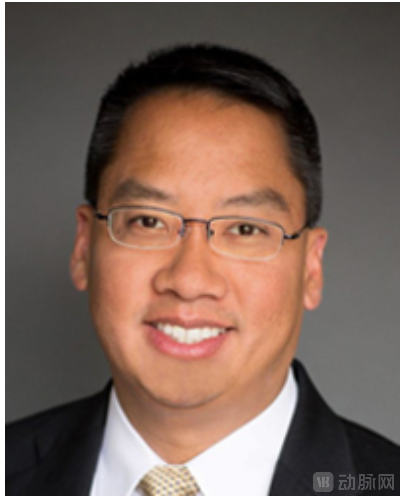
Figure 3: CEO Phillip Chan
Efthymios N. Deliargyris, Chief Medical Officer of CytoSorbents, brings extensive industry experience and holds triple board certification in internal medicine, cardiology, and interventional cardiology. Prior to joining the industry, Dr. Deliargyris served as Director of Cardiology and Interventional Cardiology at the Athens Medical Center in Greece, as well as Assistant Professor of Cardiology and Director of the Intravascular Ultrasound Laboratory at Wake Forest University School of Medicine in Winston-Salem, North Carolina. He has published more than 100 research papers in top-tier journals on the impact of inflammation on cardiovascular disease and antithrombotic therapy.
Dr. Deliargyris earned his medical degree from the Medical School of the National and Kapodistrian University of Athens in Greece and completed his internal medicine residency at Tufts University School of Medicine in Boston. Dr. Deliargyris is a Fellow of the American College of Cardiology (FACC), the European Society of Cardiology (FESC), and the Society for Cardiovascular Angiography and Interventions (FSCAI).
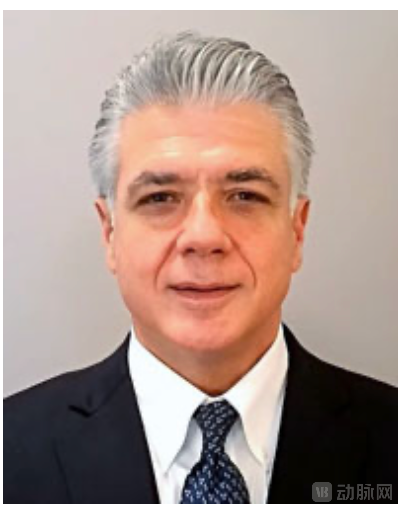
Figure 4: Chief Medical Officer Efthymios N. Deliargyris
Other administrative executives and commercial marketing managers at CytoSorbents all hold master’s degrees from higher education institutions; meanwhile, numerous medical doctors and top-tier healthcare professionals serve as technical advisors to CytoSorbents.Under the leadership of these professionals, CytoSorbents’ technological development and commercialization efforts have gained increasing momentum.
2022Year for Many Industries、A Slightly Difficult and Bleak Year for Both Companies and Individuals,CytoSorbentsAlso underwent some tests。
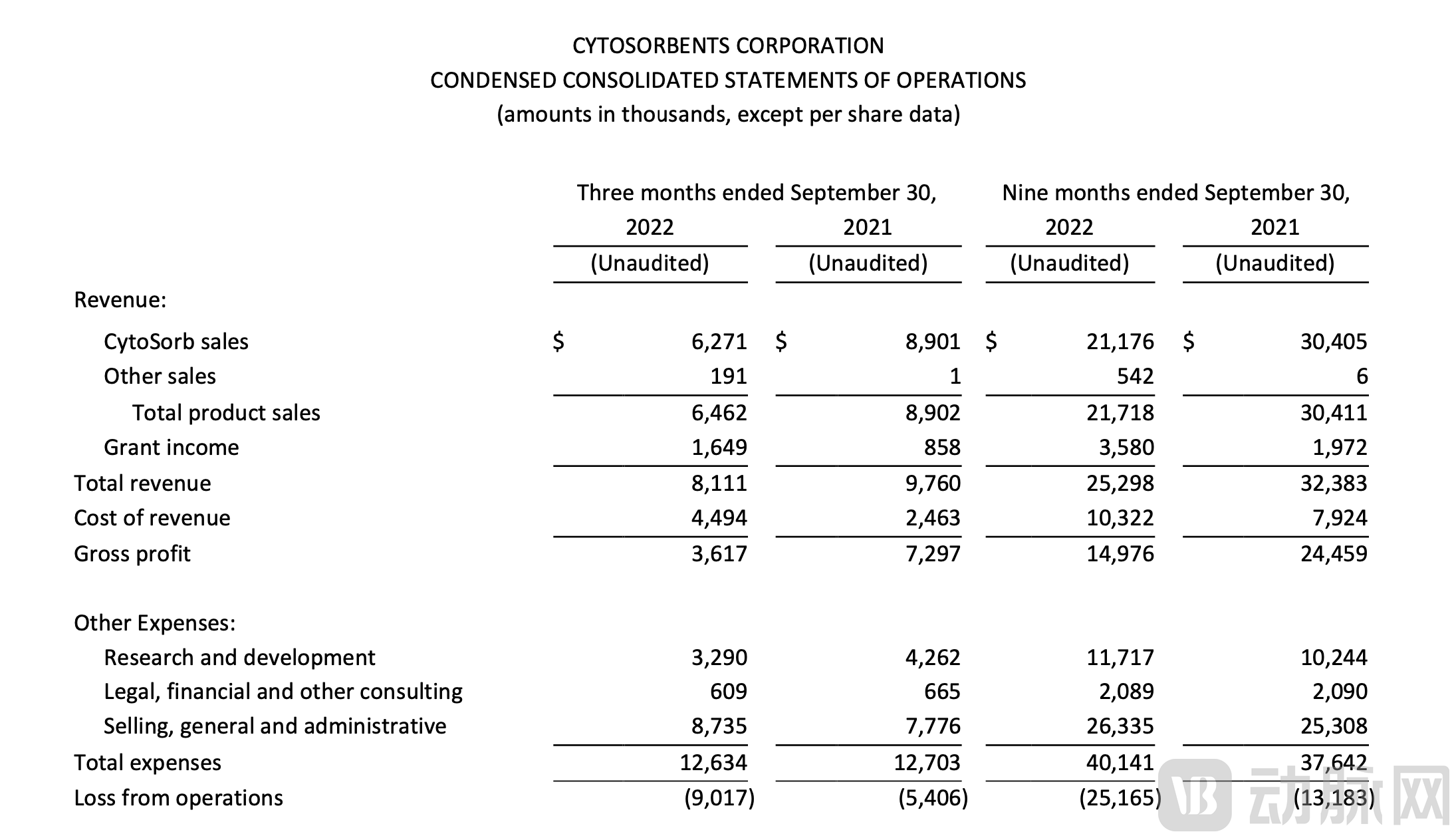
Figure 5: CytoSorbents Quarterly Financial Report
2022Year,CytoSorbents's primary revenue still comes from salesCytoSorbIncome。
As of September 30, 2022, CytoSorbents reported total revenue of $25.3 million, a decrease of $7.1 million, or 22%, from $32.4 million in the same period of 2021. Product sales revenue for the first nine months of 2022 was approximately $21.1 million, representing a decrease of $8.7 million, or 29%, compared with $30.4 million in the same period of 2021.
CytoSorbents’ sales are typically denominated in euros and converted into U.S. dollars for reporting purposes. An 11% decline in the euro-to-U.S. dollar exchange rate created significant foreign currency translation headwinds, adversely impacting the calculation of CytoSorbents’ sales figures.
As of September 30, 2022, revenue from CytoSorb sales for the treatment of COVID-19 patients was approximately $300,000, down by $4.3 million from $4.6 million in the same period of 2021.
CytoSorb'sOverall sales decreased by $6.8 million due to the ongoing COVID-19 pandemic, which triggered a global exodus of hospital staff and a reduction in the number of doctors and nurses. Concurrently, hospitals experienced declines in bed occupancy, patient volumes, and surgical procedures, leading to revenue shortfalls. Inflation and rising energy costs imposed additional financial pressures on hospitals, resulting in fiscal deficits. Consequently, demand for many medical devices diminished, the hospital market contracted, and CytoSorbents was adversely affected.
As of September 30, 2022, CytoSorbents’ operating expenses were $40.1 million, compared with $37.6 million for the same period in 2021, representing an increase of $2.5 million, or a growth rate of 7%.
Research and development expenses were approximately $11.7 million, representing an increase of about $1.5 million compared to $10.2 million in the same period of 2021. This increase was primarily due to CytoSorbents initiating two pivotal trials, STAR-T and STAR-D, simultaneously in 2022, which led to higher R&D costs.
Meanwhile, influenced by the market, CytoSorbents' marketing costs also increased in 2022.
On January 31, 2023, Phillip Chan, CEO of CytoSorbents, issued a letter to shareholders. The letter disclosed the company’s unaudited annual revenue for 2022, which totaled approximately $34.7 million, comprising product sales and grant income. This compares with $43.2 million in 2021 and $24.9 million in 2019, prior to the COVID-19 pandemic.
CytoSorbents’ total product sales in 2022 were approximately $29.4 million, down from $40.1 million in 2021, representing a year-over-year decrease of approximately 26.7%. Core product sales (excluding COVID-19-related use) amounted to approximately $29.1 million in 2022, compared with $33.8 million in 2021. On a constant currency basis, CytoSorbents’ core product sales in 2022 were approximately $32.2 million, reflecting a 4.6% decline compared with 2021.
Although CytoSorbents’ 2022 annual financial report has not yet been audited or released, an analysis of the third-quarter and available full-year data indicates that the company’s sales in 2022 declined compared to the same period in prior years. Increased R&D expenditures, higher selling expenses, construction costs for new production lines exceeding expectations, and rising labor costs collectively led to a decline in the input-output ratio of its products, resulting in unsatisfactory full-year financial performance.
Despite Facing Numerous Challenges, butCytoSorbentsHaving Strived Through2022Year,and has a clear strategic roadmap for future development,and a foundational groundwork has been laid。
In addition to relying on CytoSorb®In addition to product sales, CytoSorbents is also making every effort to commercialize other products, aiming to build a more comprehensive and robust business and sales model.
CytoSorbents conducted the STAR-T trial for DrugSorb-ATR, completed the relevant data analysis, and submitted documentation to the regulatory authorities in the United States and Canada to obtain approval from the U.S. Food and Drug Administration (FDA) and Health Canada; meanwhile, it formulated a detailed commercialization strategy and roadmap, striving to advance both clinical trials and commercialization in parallel.
For medical professionals, researchers, and other groups, the study of major diseases is in fact a profound exploration of life. Since its inception, modern medicine has created countless miracles.
Miracles are not the result of sudden inspiration or instant gains, but rather require the sustained efforts and steady progress of many individuals. If more medical miracles could be replicated through commercialization, would that not constitute a profound commitment to the preservation of life?