

Guangrui Medical Files for IPO: A Leading Primary Care Chain with 17 Years of Industry Experience
Since establishing its first offline outpatient clinic in 2006, Guangrui Medical has completed 17 years of development.
Zhang Junbo still vividly recalls the arduous journey of establishing his first clinic. At that “Community Health Service Station,” he, far from his hometown, served patients in a foreign land.
After 17 years, Guangrui Medical has evolved from a single offline clinic into a chain institution operating nearly 30 clinics.
Throughout 2022, Guangrui Medical served over 1 million patients annually, marking a year-on-year growth of 115.7%; its cumulative membership base reached 400,000. While many offline clinics were forced to close due to the pandemic, Guangrui Medical stood out as an exception—its number of offline clinics increased rather than decreased during this period.
What has sustained Guangrui Medical to where it is today? How does Guangrui Medical differ from traditional brick-and-mortar clinics? We interviewed Zhang Junbo, Founder and Chairman of Guangrui Medical.
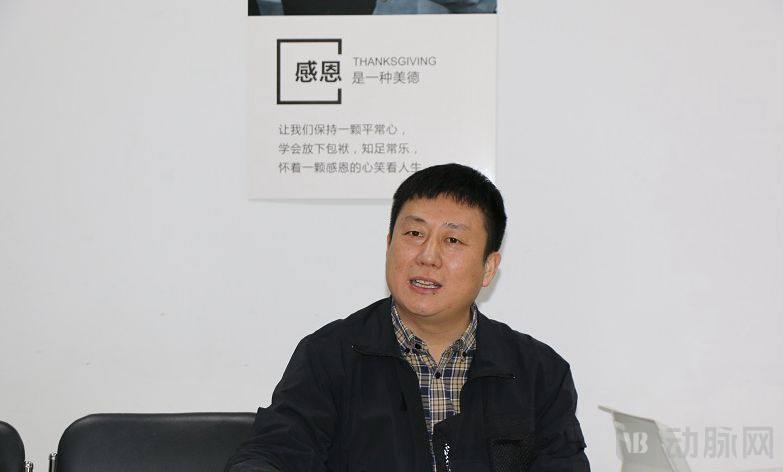
Zhang Junbo, Founder and Chairman of Guangrui Medical
Building Small Yet “Meiquanjie” Offline Clinics to Address Healthcare Needs of “New Urbanites”
“Medical professionals have only two choices: either join a healthcare institution or start their own business,” Zhang Junbo, founder of Guangrui Medical, once remarked with a smile during an interview.
In fact, Zhang Junbo has taken both paths.
Initially, after completing his medical studies, Zhang Junbo returned to his hometown to practice at the People’s Hospital of Fuyang County in Anhui Province. However, he harbored greater ambitions; the small county town could not contain his dreams. In 2004, he left the county and moved to Shanghai. His time in Shanghai rapidly broadened Zhang Junbo’s horizons—he joined a private hospital led by an academician of the Chinese Academy of Sciences. While gaining access to top-tier medical resources, he also recognized the pain points and opportunities within the healthcare market:When seeking medical consultation for an illness, patients face two unavoidable challenges. First, it is difficult to access appropriate physician services at the primary care level. Second, visiting large hospitals often entails high healthcare costs and prolonged waiting times.
Harboring his dreams, Zhang Junbo contemplated his future. In 2006, having left his hometown, he chose to establish his first clinic in Hefei—a “Community Health Service Station.” At that time, the entire team consisted of merely six members. Today, Guangrui Medical boasts a team of more than 600 employees.
When discussing the past development of Guangrui Medical, Zhang Junbo roughly divided it into two stages—
“Prior to 2016, we operated only four offline outpatient clinics. The establishment of the latter two clinics, in particular, required substantial capital investment in purchasing properties for operational purposes.” This situation was largely attributable to the insufficient policy support for privately-run medical institutions at the time. Since 2016, with the continuous introduction of favorable policies for the private healthcare sector, previous policy barriers have been further reduced, and the costs of opening physical clinics have decreased significantly, enabling Guangrui Medical to achieve rapid development. In 2021, despite having previously weathered various adverse factors including the pandemic, Guangrui Medical successfully expanded its offline outpatient services beyond Anhui Province. Currently, it is steadily entering neighboring markets, including Hangzhou and Nanjing. Moreover, Guangrui Medical has even established an offline outpatient clinic in Haikou.
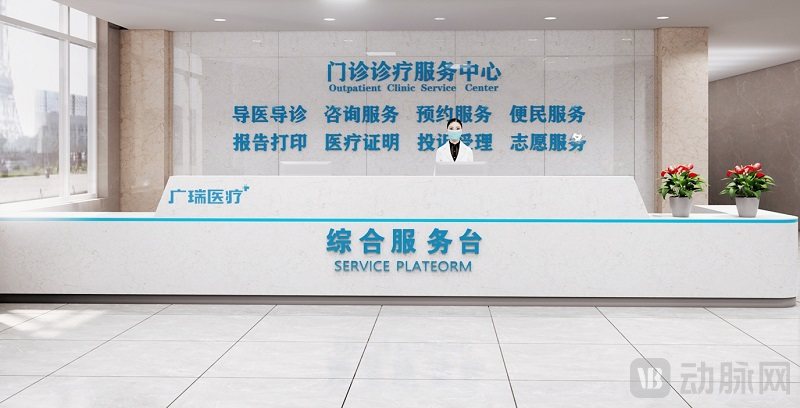
Guangrui Medical Offline Outpatient Clinic
“During the pandemic, we managed to increase rather than reduce our offline stores,” which Zhang Junbo attributes to Guangrui Medical’s highly professional outpatient clinics and their ability to achieve efficient business operations.
When Guangrui Medical established its first outpatient clinic, the core issue it sought to address was the difficulty patients faced in finding suitable physicians at primary care offline clinics. This challenge also shaped Guangrui Medical’s own positioning. The company positions itself as an institution providing inclusive healthcare services for common diseases, chronic conditions, and frequently occurring illnesses. Accordingly, its clinical departments are primarily organized around general practice.
In fact, Guangrui Medical’s offline outpatient clinics embody the characteristics of being “small yet elegant,” comprehensive, and convenient. To meet the diverse primary healthcare needs at the grassroots level, Guangrui Medical has established general practice outpatient clinics that provide comprehensive services to address families’ daily health needs. Patients’ expectations extend beyond disease diagnosis and treatment to include comfort in the clinical environment. Addressing this, Guangrui Medical has transformed the traditionally dilapidated and rudimentary conditions of conventional offline clinics by creating a comfortable medical environment. Furthermore, in selecting clinic locations, Guangrui Medical prioritizes patients’ need for convenient access, typically situating its facilities near residential communities.
If these characteristics seem too superficial, what may be more significant is how Guangrui Medical constructs its distinctive medical services.
Constructing Clinical Diagnosis and Treatment Pathways Based on Evidence-Based Medicine, and Establishing Regional Healthcare Platforms to Serve Patients
To better serve patients, Guangrui Medical has implemented several key initiatives that are indispensable—
First, align with tertiary hospitals by establishing diagnostic and laboratory departments, and standardize clinical care pathways in primary care outpatient settings based on evidence-based medicine.
Unlike the traditional mom-and-pop shops or small, single-location clinics of the past,Guangrui Medical’s offline outpatient clinics include departments for examinations and laboratory tests.“One of the key distinctions between tertiary hospitals and primary care clinics lies in whether treatment is based on evidence-based medicine, with diagnostic testing using medical equipment being an indispensable component. We are targeting the ‘new urban residents’ demographic, who have grown weary of the traditional outpatient model centered on injections and intravenous infusions. They seek more precise diagnosis and treatment, for which diagnostic testing is essential,” said Zhang Junbo. He noted that although incorporating diagnostic equipment increases the initial capital investment required to establish offline clinics, it has become a significant revenue stream due to relatively lower operational costs in the later stages and its ability to meet safety and reliability standards in healthcare. Currently, Guangrui Medical’s individual clinics serve over 300 patients per day, a performance level that is leading within the industry.
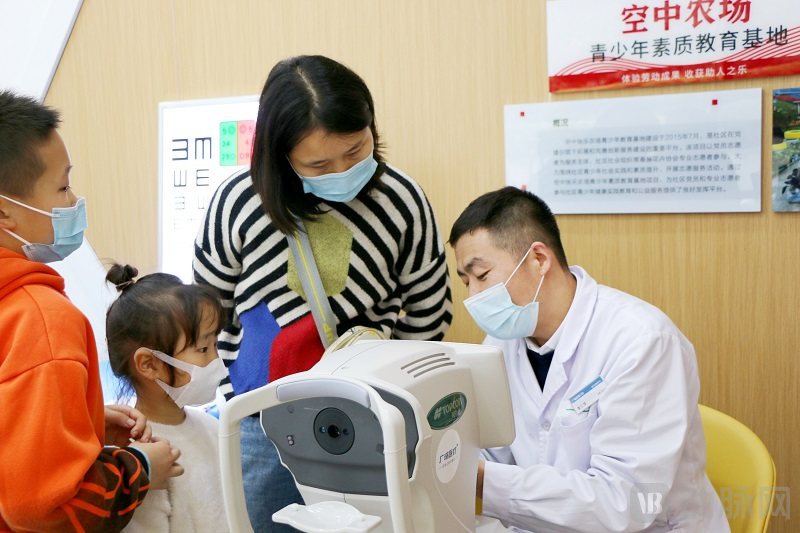
It is worth mentioning that,Beyond the development of its general practice departments, Guangrui Medical also gradually established specialized departments with consumer healthcare attributes during the pandemic, such as optometry and vision care, dentistry, and health check-ups.On the one hand, the outbreak of the pandemic hindered the operation of certain departments that previously held competitive advantages. On the other hand, Guangrui Medical has leveraged its long-established base of patients with general practice conditions, who inherently have the aforementioned needs. By providing them with one-stop, health-steward-style services, Guangrui Medical meets 90% of the healthcare needs of grassroots families and achieves full-lifecycle health management.
In the process of providing medical services, issues such as the competence and capabilities of the physicians delivering care are often involved. Guangrui Medical has its own distinctive approach to selecting physicians. “When we select physicians, we typically consider three factors: first, whether they hold a valid practicing license for the relevant specialty; second, whether they present a professional physician image; and third, whether they possess effective professional communication skills.” Although physician competency is also assessed, Guangrui Medical does not have excessive concerns in this regard.This is attributable to Guangrui Medical’s establishment of standardized clinical care pathways for 47 common diseases.By establishing clinical care pathways, reliance on individual physicians’ expertise has been reduced to a certain extent. Upon commencing practice at Guangrui Medical’s offline outpatient clinics, physicians receive clinical care training from Guangrui Medical to enhance their clinical competencies, while the clinical care pathways help standardize their offline consultations.
To illustrate, consider the patient journey within a hospital setting. Upon entering Guangrui Medical’s offline outpatient clinic, patients are typically guided by dedicated staff to the appropriate department. Physicians conduct face-to-face consultations based on the patient’s chief complaints and utilizing information software integrated with standardized clinical pathways. Following physical examinations and the ordering of diagnostic tests, physicians establish a diagnosis based on clinical symptoms and test results, and subsequently prescribe targeted treatment plans.
This has, to some extent, truly addressed the issue of patients being unable to access appropriate physicians and receive medical services at the primary care level.
Secondly, regional health centers should be established to enhance the quality of medical services while facilitating two-way patient referrals.
“If Guangrui Medical establishes 10 offline chain clinics within a 10-kilometer radius, we will also build a secondary regional medical center. We benchmark against the U.S. Mayo Clinic model, where ‘a bright, full moon needs to be surrounded by several stars.’”After establishing grassroots offline outpatient clinics, Guangrui Medical is also gradually building a regional medical headquarters to form a tiered diagnosis and treatment model.
It is reported that this model has already been established in the southern region of Hefei. The regional medical center is now operational. As a secondary hospital integrating traditional Chinese and Western medicine, the facility originally specialized in hemodialysis and rehabilitation services. It has since expanded its offerings to include departments where Guangrui Medical holds competitive advantages, such as gastroenterology, pain management, and chronic respiratory diseases. In addition to facilitating two-way patient referrals, the regional medical center also provides outpatient clinical and technical support to Guangrui Medical’s surrounding offline clinics.
Zhang Junbo stated that Guangrui Medical will establish three to five regional medical centers in the future. Beyond Hefei, Anhui Province, the Hangzhou area is poised to take the lead in implementing its tiered diagnosis and treatment model, which integrates a regional headquarters hospital with offline outpatient clinics.
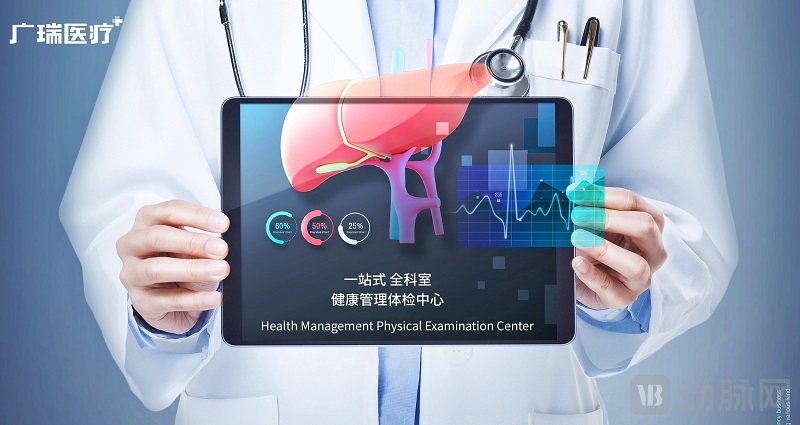
In fact, to better meet the needs of offline outpatient diagnosis,Guangrui Medical’s offline outpatient clinics are also collaborating with renowned Grade A tertiary hospitals in the province.The primary areas of collaboration include remote diagnosis based on dynamic electrocardiogram (ECG) and other medical imaging data. By connecting tertiary hospitals with primary care clinics, Guangrui Medical Outpatient Clinics are responsible for offline procedures such as patient imaging, while tertiary hospitals are tasked with issuing remote diagnostic reports, including those for CT scans, magnetic resonance imaging (MRI), and other modalities.
Furthermore, it is essential to further refine Guangrui Medical’s “offline + online” and “medical + pharmaceutical” ecosystem to ensure the efficient operation of the system.
Following the successive successful expansion of its offline clinics, Guangrui Medical has also begun exploring online digitalization. Zhang Junbo emphasized, “We have achieved growth through self-sustaining revenue generation, and we must allocate every penny to areas that deliver genuine value.” Driven by practical considerations, Guangrui Medical only initiated its online digital exploration after its offline outpatient operations had reached a certain scale and standard. Furthermore, the ultimate purpose of its online initiatives is to support and enhance its offline business operations.
Today, Guangrui Medical has achieved independent development of all its information technology software, with coverage spanning from SaaS to supply chain management, office automation (OA), e-commerce platforms, and WeChat official accounts. Taking in-hospital diagnosis and treatment as an example, Guangrui Medical’s Hospital Information System (HIS), Laboratory Information System (LIS), and Picture Archiving and Communication System (PACS) are fully integrated. Results from medical technology examinations—including those from clinical laboratories and radiology departments—can be directly transmitted back to the SaaS platform, enabling physicians to prescribe targeted treatments based on these results.
To perfect the “medical care + pharmaceuticals” ecosystem loop, in 2023, it also achieved self-sufficiency in common medications by integrating a pharmaceutical supply chain company. While further enhancing its own drug supply chain, it has also brought additional benefits to offline clinics—through the aforementioned information systems, clinics can achieve real-time, efficient management of drug inventory, alleviating pressure on drug procurement and sales.
Planned fundraising to expand the scale of offline outpatient services, enabling "new urban residents" to enjoy convenient healthcare services
Currently, Guangrui Medical continues to expand its offline outpatient clinics,Its outpatient clinics are primarily self-built, with the current number of directly operated clinics reaching nearly 30. To accelerate the expansion of its offline clinic network, Guangrui Medical has also established the Kuaimin franchise chain, which now comprises over 100 offline clinics.According to Zhang Junbo, it is a case of “dating first, then getting married.” “Currently, there is a lack of high-quality offline outpatient clinics available for acquisition. We are adopting a franchising model to enhance service quality through empowerment. Once the franchised clinics reach a service level comparable to that of Guangrui Medical’s directly operated stores, we will consider acquiring and integrating them into Guangrui Medical.”
Currently, Guangrui Medical is planning to initiate a financing round. The proceeds are intended to further expand its store network and scale, while also enhancing its level of digitalization. For Guangrui Medical, the expansion of its offline chain of outpatient clinics will further extend its brand influence and drive revenue growth. By ensuring that its chain clinics provide standardized services and meet the daily healthcare needs of urban residents, the company can achieve rapid profitability. It is reported that Guangrui Medical is currently experiencing rapid revenue growth across both its established clinics, some of which have been operating for over a decade, and its newly opened facilities.
Indeed, this growth was effectively demonstrated even during the pandemic. Despite facing various challenges amid the outbreak, Guangrui Medical developed multiple proprietary products that achieved robust sales. By promptly launching online consultation and community-based services, the company earned significant user trust and sustained customer stickiness. Furthermore, it enhanced operational efficiency by optimizing its organizational structure and streamlining workflows for staff across all departments, particularly frontline outpatient personnel. Additionally, the establishment of a new supply chain system effectively addressed procurement issues related to pharmaceuticals and medical consumables.
It is worth noting that Guangrui Medical also fulfills its social responsibilities. As of October 12, 2022, to bolster pandemic testing efforts, the company had dispatched a cumulative total of 6,000 medical personnel and conducted nearly one million sample collections. After the relaxation of pandemic prevention and control policies, its daily patient visits even exceeded 10,000. Guangrui Medical further distributed 300,000 antipyretic tablets and over 5,000 doses of traditional Chinese medicine decoctions to citizens free of charge, while its outpatient medical staff steadfastly remained at their posts during the peak of the epidemic.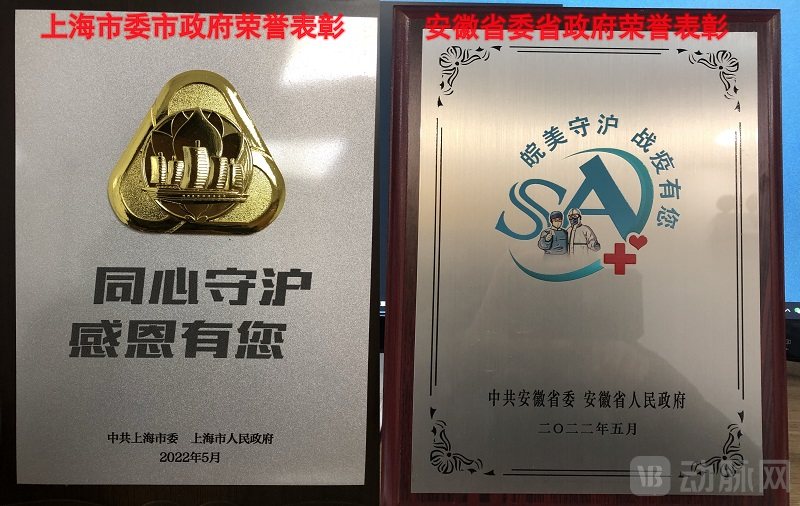
Looking ahead, Guangrui Medical also plans to further develop its own medical products with independent intellectual property rights, deepen and optimize a more comprehensive supply chain system, create intelligent terminals for logistics technology, achieve a closed-loop management system, persist in upgrading a series of functions such as smart consultations, automated medication dispensing, and internet hospitals, and establish a robust operational framework for digital solutions.
For Zhang Junbo, private healthcare will further achieve resource integration and enhancement, enabling rapid expansion, against the current backdrop of policies encouraging social participation in healthcare and capital investment. He also pointed out that significant challenges remain: factors such as the intensity of regional policy support, a shortage of general practitioners, and an unfavorable public opinion environment toward private healthcare are all impeding its further development.
“For a market with such immense growth potential, there is an even greater need for individuals who are not only professionally competent and management-savvy but also driven by a genuine sense of mission.” Perhaps it was this realization that led Zhang Junbo to return to academia in 2021 to pursue an EMBA at Cheung Kong Graduate School of Business. Or perhaps there is another layer of meaning: opportunity always favors the prepared mind.