

Shanghai Shuchuang Medical Technologies: Pioneering Wearable Home ECG Monitoring with Two Decades of Expertise
As a company that has been dedicated to the field of ECG diagnosis for 20 years, Shanghai Shuchuang Medical Technology Co., Ltd. (hereinafter referred to as “Shuchuang Medical”) has achieved many accomplishments in the past—
One of these is an AI-based ECG analysis and diagnostic system that achieves high accuracy, with a diagnostic accuracy rate for conditions such as atrial fibrillation reaching as high as 98.5%.
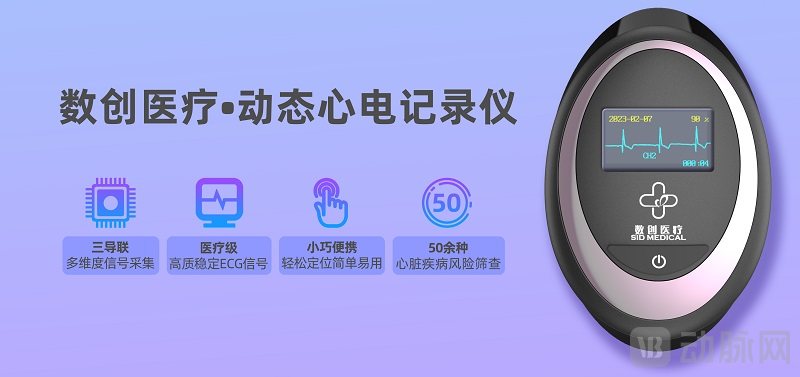
Recognizing the trend toward home-use ECG monitoring devices, Shuchuang Medical has conducted extensive exploration in the field of wearable ECG monitoring equipment. Its home-use three-lead wearable ECG device pioneers an AI algorithm embedding mode, enabling real-time acquisition and diagnosis of ECG signals within a single unit. Currently, the first product in its “Ambulatory ECG Recorder” series has obtained registration certification as a Class II medical device.
Founded in 2003, the company has witnessed much of the developmental history of the ECG diagnostics field. How did it grow, and how is it seizing future opportunities? To address these questions, we interviewed Mr. Dong Jianhua, Chairman of Shuchuang Medical.
Shifting Doctor-Patient Mindsets and the Pandemic Drive Continuous Growth in the ECG Monitoring Market
A set of data may help us recognize the severity of the current situation.
According to the "2022 China Health Statistics Yearbook," among urban residents alone, the mortality rate from heart disease reached 165.37 per 100,000 in 2021, surpassing the mortality rate from malignant tumors (158.70 per 100,000) and ranking first. Furthermore, whether among urban or rural residents in China, the mortality rate due to heart disease has shown a year-on-year upward trend.
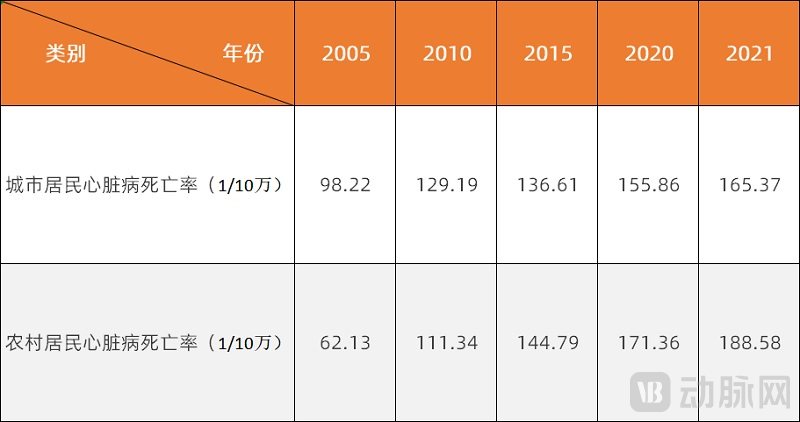
Data source: "China Health and Health Statistical Yearbook 2022"
Heart disease is undoubtedly becoming a major “killer” of residents’ health. Currently, China has hundreds of millions of patients with cardiovascular diseases, many of whom may face the risk of concurrent heart conditions. The lack of early intervention and treatment has led to frequent occurrences of sudden cardiac death. How to better achieve early diagnosis and timely treatment of the disease has undoubtedly become a topic of public concern.
Currently, electrocardiography (ECG) is the primary diagnostic modality for cardiac diseases. ECG is arguably the most mature, safest, fastest, and most widely accessible test for diagnosing heart conditions. In clinical practice, patients suspected of having cardiac issues typically undergo an ECG as the initial assessment before other diagnostic examinations are considered.
Rational and effective utilization of diagnostic methods is undoubtedly one of the approaches to solving this problem, which has driven the development of the ECG diagnostics market—
On one hand, hospitals and physicians are placing greater emphasis on whole-course disease management, which has spurred the rise of out-of-hospital cardiac rehabilitation patient monitoring devices.Having recognized that disease screening, treatment, and rehabilitation constitute a continuous process, hospitals are increasingly eager to integrate data across in-hospital and out-of-hospital settings to enhance patient management. This necessitates the availability of accessible cardiac health monitoring tools for patients returning to community and primary care settings.
On the other hand, the rise of the “preventive treatment of disease” and disease prevention concepts has driven the adoption of ECG diagnostic devices among high-risk populations.Empowered by internet technology, the convenience of remote diagnosis and treatment has made people more receptive to out-of-hospital ECG monitoring services. Coupled with the impact of the pandemic, patients have sought to avoid hospital visits whenever possible to reduce the risk of cross-infection. These factors have further driven the growth of the home ECG monitoring device market.
In fact, there is substantial inherent demand in the traditional market for in-hospital ECG diagnostic services. According to the annual number of patient visits at the Chongming District ECG Diagnostic Center in Shanghai, the center recorded 57,000 visits in 2017, which nearly doubled to 109,000 visits in 2018 (Chongming District Statistical Bulletin on National Economic and Social Development). Patient demand continues to grow. Furthermore, with the emergence of the out-of-hospital (home-use) ECG monitoring market, the overall size of the ECG diagnostics market is undoubtedly poised for further expansion.
Intelligent Algorithms Enhance Diagnostic Efficiency for Physicians; ECG Cloud Diagnosis Platform Extends High-Quality Medical Resources to the Grassroots Level
Back in 2003, the vast majority of electrocardiogram (ECG) tests were conducted within hospitals. In this in-hospital setting, several pain points emerged:
A major pain point stems from the scarcity of professional electrocardiogram (ECG) diagnostic physicians. ECG diagnostics generate vast amounts of data, requiring physicians to make judgments based on accumulated clinical experience, which results in a prolonged training cycle for specialists in this field. This shortage is particularly acute at the primary care level, where the insufficient number of professional ECG physicians often fails to meet patients’ diagnostic needs.
Shuchuang Medical was established in 2003, enhancing physicians’ diagnostic efficiency through digital electrocardiography (ECG) technology. This achievement stems from the commercialization of research findings by Professor Li Gaoping, Director of the ECG Laboratory at Zhongshan Hospital and a member of the International Society on Electrocardiology. His pioneering work, “Computer-Aided Diagnosis of 12-Lead Synchronous Electrocardiograms,” was awarded the Second Prize for Scientific and Technological Progress by the State Education Commission of China and was certified as a High-Tech Achievement Transformation Project in Shanghai.
As one of the earliest companies to enter the field of digital electrocardiography (ECG), Shuchuang Medical initiated the digitization of ECG data in China at an early stage. By leveraging computer-based data processing and intelligent algorithms to assist physicians in diagnosis, Shuchuang Medical has helped eliminate the traditional, highly inefficient paper-based report interpretation model, thereby enhancing the efficiency of ECG data processing within hospitals. Thanks to its advanced technologies, a large number of high-quality medical institutions have partnered with Shuchuang Medical. Since obtaining its medical device registration certificate in 2005, the company’s products have been adopted by most Grade A tertiary hospitals in Shanghai, including clinical centers with cardiovascular disease as their specialty, such as Zhongshan Hospital Affiliated to Fudan University and Shanghai Tenth People’s Hospital.
At the end of 2015, Dong Jianhua, a serial entrepreneur with many years of experience in the healthcare industry, took over Shuchuang Medical. Prior to this, he had successfully founded and managed Changchun Boshun Biotechnology, the first company in China to develop blood typing cards using microcolumn gel immunotechnology, whose products have consistently ranked among the top in market share within their category in the Chinese market. In 2010, he spearheaded the founding and management of Suzhou Changguang Huayi Biotechnology, successfully developing fully automated chemiluminescence immunoassay systems. These products are distributed across mainland China and exported to overseas markets, currently generating annual sales revenue as high as RMB 300 million.
With years of hands-on and operational management experience in the medical device industry, Dong Jianhua has realized that merely improving the diagnostic efficiency of electrocardiogram (ECG) physicians is insufficient.There remains a substantial amount of unmet demand in more remote grassroots areas.To address this issue, Shanghai Shuchuang Medical Technology Co., Ltd. took two actions—
First, we are intensifying our efforts in digital electrocardiogram (ECG) education to cultivate outstanding medical professionals for the industry.Electrocardiography is a fundamental medical examination and constitutes a basic skill for physicians. To facilitate advanced learning for doctors,Shanghai Shuchuang Medical Technology Co., Ltd. and Zhongshan Hospital, Fudan University, jointly established the "Standard ECG Database for Chinese People" using digital mapping technology.By organizing various electrocardiogram (ECG) atlases, it facilitates physicians' subsequent learning and skill enhancement. Through its digital learning image library, Shanghai Shuchuang Medical Technology Co., Ltd. not only helps the industry cultivate and improve physicians' ECG interpretation capabilities but also further builds a reserve of high-quality ECG interpreters.
Second, high-quality medical resources should be allocated to areas in need.Starting from 2016,Shuchuang Medical has begun building an internet-based image interpretation and diagnostic platform—the ECG Cloud Diagnostic Platform—creating a data distribution platform similar to the Didi Chuxing model.However, constrained by the limitations of the internet-based medical consultation environment at that time, the Shuchuang Medical ECG Cloud Diagnostic Platform was initially deployed primarily in select clinics in Hong Kong, providing remote ECG diagnostic services to address the shortage of cardiologists in private practices in the region.
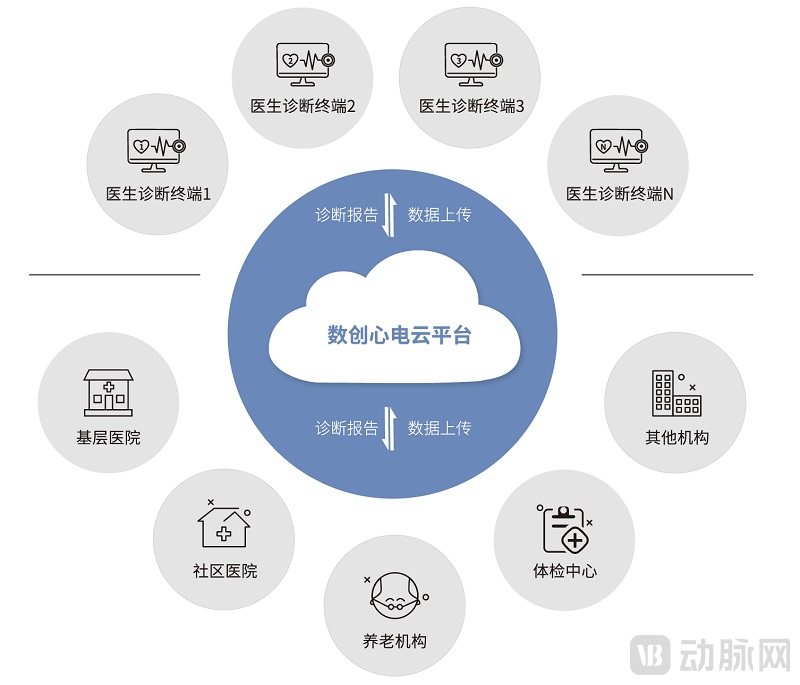
ECG Cloud Diagnostic Platform
Since 2017, Shuchuang Medical has leveraged its experience accumulated in Hong Kong to expand and replicate its model in remote areas of mainland China. One such initiative was the construction of a “Unified ECG Network” for the Nanning Municipal Health Commission in Guangxi. By installing remote ECG diagnostic systems and related hardware in 212 primary healthcare institutions to ensure timely data collection, designating 27 secondary and tertiary hospitals as remote ECG diagnostic centers, and establishing four Grade A tertiary hospitals as specialized centers for complex ECG cases with immediate access to expert panel consultations, Shuchuang Medical built a tiered diagnosis and treatment network for ECG services in Nanning. This ultimately facilitated the downward distribution of high-quality medical resources to the grassroots level, addressing the shortage of ECG diagnostic capabilities at primary care facilities.
Strategically Deploying Home ECG Monitoring Products: Hardware + AI Algorithm Cloud Platform Builds a Moat
Shuchuang Medical recognized early on that the scenario for ECG monitoring and diagnosis is gradually shifting from in-hospital settings to out-of-hospital and home-based environments.
This is partly related to another major pain point in hospital settings: the lack of timeliness in electrocardiogram (ECG) monitoring.On the one hand, patients typically seek medical attention only after physical abnormalities manifest, which may cause hospital-based electrocardiogram (ECG) examinations to miss the onset of symptoms and thus fail to detect underlying issues. On the other hand, while Holter monitors can be used for continuous monitoring, their availability is constrained by the hospital’s service capacity, often requiring patients to schedule appointments and wait in queues, thereby preventing immediate access to the devices for monitoring. Even when a Holter monitor is obtained, if no arrhythmias or other abnormalities occur during the 1–3 days of wear, the condition is likely to remain undetected.
Shuchuang Medical recognized patient needs at an early stage. When it initiated its corporate transformation in 2016, the company attempted to extend electrocardiogram (ECG) testing beyond hospital settings. However, under the circumstances at that time, transferring 12-lead ECG machines—typically used in hospitals—to home care scenarios proved challenging, as patients often struggled with complex operation procedures. Although this initial exploration ended in failure, it paved the way for Shuchuang Medical’s new endeavors in out-of-hospital settings. The company began planning the development of a wearable ECG monitoring product designed for home use.
Dong Jianhua pointed out that there are two core challenges in the research and development of home ECG monitoring products:First, how can hardware acquisition devices achieve medical-grade data collection while remaining user-friendly and easy to use? Second, regarding image-based diagnosis, how can massive amounts of data collected from terminal devices be processed efficiently?
In response to the aforementioned issues, Shuchuang Medical promptly provided its own solution—
First, regarding the issue of "image-based diagnosis"With a strong foundation in software algorithms, Shuchuang Medical embarked on research into AI algorithm-based data processing at an early stage. In 2017, the company recognized that ECG data from the personal and home-use markets would experience exponential growth in the future, necessitating more efficient data processing methods. Consequently, it initiated research projects on AI-driven ECG algorithms and assembled a multidisciplinary development team comprising AI algorithm experts, clinical medicine specialists, electrocardiogram experts, and software developers. Meanwhile, Shuchuang Medical established collaborative R&D partnerships with leading domestic research institutions, such as the Advanced Institute of Data Science at East China Normal University and the Suzhou Institute of Biomedical Engineering and Technology, Chinese Academy of Sciences.
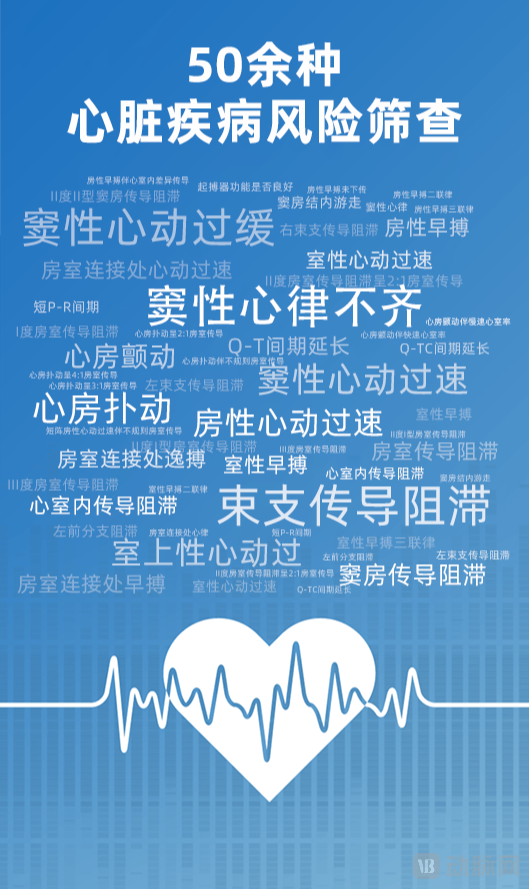
Dong Jianhua pointed out that there are more than 50 different diagnostic classifications for heart disease in electrocardiogram (ECG) diagnosis, such as sinus arrhythmia, premature ventricular contractions, premature atrial contractions, atrial fibrillation, and atrial flutter. Shanghai Shuchuang Medical Technology Co., Ltd. is achieving breakthroughs in AI algorithm capabilities through two approaches—On one hand, Shanghai Shuchuang Medical Technology Co., Ltd. is enhancing its algorithmic capabilities for the diagnostic classification of individual cardiac conditions.Currently, Shuchuang Medical has conducted research on more than 30 of the most common disease categories. Among these, over 20 categories have achieved a diagnostic accuracy of up to 90%, and more than 10 categories have reached a diagnostic accuracy of up to 95%. A diagnostic accuracy exceeding 90% actually surpasses the average performance level of electrocardiogram (ECG) physicians in China.On the other hand, Shuchuang Medical is conducting AI algorithm research on ECG data for all categories of cardiac diseases.Currently, it has achieved the Phase I algorithmic diagnostic accuracy target. Moving forward, it plans to further enhance algorithmic accuracy through training on massive datasets.
It is reported that, in terms of AI algorithms, Shuchuang Medical has cumulatively filed 57 invention patent applications for algorithms, of which 23 have been granted by the China National Intellectual Property Administration, and one has been granted by the European Patent Office.By leveraging AI-based data processing in conjunction with the ECG Cloud Diagnostic Platform, Shanghai Shuchuang Medical Technology Co., Ltd. addresses the challenge of “ECG interpretation and diagnosis.” This is achieved by establishing individual patient ECG data profiles and utilizing physicians’ fragmented time to review and interpret patient monitoring data.
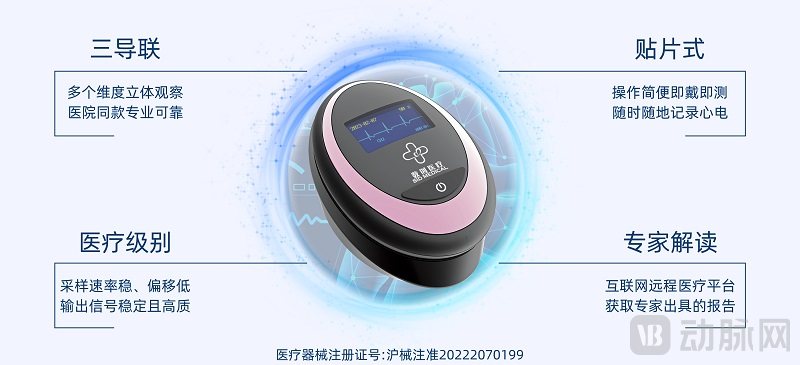
Secondly, regarding the issue of "hardware devices"In contrast to the traditionally complex 12-lead product design, Shuchuang Medical has adopted a three-lead product design. Compared with conventional single-lead devices, the three-lead design provides richer cardiac data information, meets clinical diagnostic requirements, enables detection of more potential risks in a shorter time, and is easy to operate.
In 2022, Shuchuang Medical’s wearable “Dynamic ECG Monitor” received Class II medical device registration certification. Even individuals without a medical background can use this product at home by following the instructions. Powered by a rechargeable lithium battery and weighing only 35 grams, the device is suitable for monitoring various cardiac conditions, including sinus arrhythmia, premature ventricular contractions, premature atrial contractions, atrial fibrillation, atrial flutter, atrial tachycardia, bundle branch block, atrioventricular block, intraventricular conduction block, and prolonged Q-T interval. It is reported that related serialized products are undergoing continuous iterative development. In clinical validation involving thousands of cases, the product received high praise from participants. Currently, several well-known tertiary hospitals in China are negotiating cooperation with Shuchuang Medical, with expectations to deploy the device for ECG monitoring in community and home-care settings for patients.
Iteratively promote home-use ECG monitoring products to secure a foothold in the consumer market.
Currently, Shuchuang Medical is actively promoting its wearable home ECG monitoring products. According to Dong Jianhua, Shuchuang Medical will adopt diversified measures to promote these products. For instance, it will prioritize collaborations with healthcare institutions to deploy the devices at the grassroots community level, serving as screening tools for family doctors to detect heart disease. Additionally, the company will sell directly to consumer-end (C-end) users, allowing eligible households and individuals to purchase the devices and access Shuchuang Medical’s services through online channels.
To achieve product coverage more rapidly,Shuchuang Medical, which completed a RMB 30 million Pre-A round of financing in 2021, is currently planning its Series A funding round., with the raised funds expected to be used for establishing a marketing system and expanding market reach for consumer-facing products, iterative research and development of new products, and corporate operations.
“Leveraging its technical expertise in the healthcare industry, Shuchuang Medical will adopt a continuous iterative development approach for its consumer-facing products, constantly innovating much like Apple does with the iPhone. On one hand, as various technologies advance, we will continuously integrate new innovations into our products to enhance their performance. On the other hand, we will strive to reduce production costs, making our devices more affordable for ordinary households. We believe that by steadfastly focusing on developing high-quality products, we will secure a significant place in the competitive market of home medical devices,” said Dong Jianhua, Chairman of Shuchuang Medical, with great confidence.