

How Nuomexinchuang Pioneered Breakthrough in an ENT Device Market Crowded by Medtronic and Stryker
“Sorry, sorry. I’ve been extremely busy lately.” These were the first words spoken by Cui Teng, CEO of Leno Medical Technology, after the call was connected.
From the initial contact to the completion of the interview, this founder was either on his way to meet with experts or traveling for business. Even during the interview, the CEO had to disconnect several times due to incoming phone calls. However, after each brief interruption, Mr. Cui Teng would promptly return to the interview and immediately apologize, saying, “Sorry, I’m truly too busy.”
Even with his daily schedule packed to the brim with various commitments, VCBeat detected not a hint of fatigue in Cui Teng’s tone. Instead, within just one hour, we gained a clear sense of this entrepreneur’s style—rational, wise, and crisp—evidenced by the fact that he did not utter a single superfluous word throughout the entire interview, much like his life journey.
At the age of 26, after completing his first equity exit from a startup, Cui Teng chose to pursue advanced studies at the pinnacle of global business education—the Wharton School. Upon graduation, he served as a Senior Consultant at the Boston Consulting Group in the United States and later became Vice President of CITIC Capital, overseeing investments in healthcare, agriculture, and biotechnology projects across Greater China.
However, Cui Teng, who has made a high-profile “comeback,” has chosen a low-key path by founding Leno Medical Technology (Shanghai) Co., Ltd. (hereinafter referred to as “Leno Medical”).
While the name “Nuomei Xinchuang” may not yet be widely recognized among industry professionals, those familiar with China’s ENT medical device sector have most likely heard of “Leno,” the predecessor of Nuomei Xinchuang.
To date, this seven-year-old company has become one of the few domestic enterprises in China with annual sales of ENT medical devices exceeding RMB 100 million; the other major players are primarily overseas companies, namely Medtronic, Smith & Nephew, Karl Storz, Olympus, and Stryker.
However, to be frank, external awareness of the development landscape in ENT medical devices remains limited. Public perception of Leno Medical is largely confined to the knowledge that it has secured multiple rounds of substantial financing. Even among those who recognize that Leno Medical’s strong fundraising capability stems from its formidable team and ingenious business model, understanding tends to remain superficial, lacking deeper insight into the underlying significance.
Thus, on a certain afternoon, driven by curiosity about this leading domestic enterprise in ENT instruments, VCBeat began an interview with its founder. As the conversation deepened, a comprehensive picture of Leno Medical’s development gradually unfolded.
“Leno Medical’s decision to enter the ENT medical device sector was entirely the result of rational business logic,” Cui Teng said in an interview.
Whether it was seven years ago when Leno Medical Technology(Shanghai)Co., Ltd. was just founded, or seven years later as it advanced to its Series D financing round, the ENT sector has yet to claim the spotlight in the medical device industry. The label of “small but beautiful” has consistently accompanied the industry’s ups and downs.
However, is this really the case?
A research report by Tianfeng Securities in August 2021 said NO to this assumed “fact.”From 2011 to 2019, the compound annual growth rate (CAGR) of otolaryngology medical service revenue was 17.74%, making it the fifth-largest “golden track” among all specialty sectors in China, trailing only medical aesthetics, dentistry, ophthalmology, and rehabilitation.
According to Frost & Sullivan data, the annual volume of seven major ENT surgical procedures, including interventional surgery for pituitary adenomas and functional endoscopic sinus surgery, is expected to reach 7.457 million cases in 2025 and further increase to 12.117 million cases by 2030.
andTwo wheels are driving the rapid growth of otolaryngology: procedural innovations spurred by technological advances, and consumption upgrades driven by rising economic levels.
According to Cui Teng, prior to the 1980s, the medical instruments used for otolaryngological surgeries related to conditions such as sinusitis and adenoid hypertrophy were limited to scalpels, scissors, and forceps. The surgical approaches were exclusively open procedures, which caused significant trauma to the patient’s face. For instance, traditional sinus surgery required degloving of the entire facial soft tissue, followed by suturing after the procedure, resulting in substantial surgical trauma.
However, as time progressed into the 1980s, and especially after the 1990s, otolaryngologic surgery underwent technological innovations. The widespread application of innovative technologies such as plasma systems and endoscopes in otolaryngologic procedures has also driven a trend toward minimally invasive surgical techniques in this specialty.
As minimally invasive techniques meet the wave of consumption upgrading, the volume of consultations and surgeries in otorhinolaryngology has seen a visible surge. This trend is, naturally, inseparable from the consumer-driven nature of otorhinolaryngology services.
Similar to dentistry and medical aesthetics, although most ear, nose, and throat (ENT) conditions are not life-threatening, they significantly impact quality of life.
For example, adenoid hypertrophy, a common pediatric condition, can not only cause symptoms such as nasal congestion, snoring, and coughing, but also lead to aesthetic issues like protruding teeth and prominent lips. With the rise in national economic standards and the trend of consumption upgrading, an increasing number of parents and adult patients are willing to bear the cost, even when the out-of-pocket proportion is high.
“This is quite similar to dentistry and medical aesthetics. When people lack disposable income, they are reluctant to spend on these services; once their financial situation improves, they become willing to invest in them.” Cui Teng told the media during a meet-and-greet event in 2021.
However, the emergence of innovative technologies, coupled with the trend of consumption upgrading, has brought to otorhinolaryngology far more than just an increase in surgical volume.
If innovative technologies have made minimally invasive procedures more accessible to beauty seekers, what does this mean for companies? It means the time to act has arrived.
Compared with the reliance on devices, traditional ENT surgical procedures rely more heavily on surgeons’ operative skills. ButWith the introduction of new technologies and the launch of new products, otorhinolaryngological surgery is becoming increasingly reliant on medical devices, while dependence on surgeons’ manual dexterity is gradually declining.
Thus, as the product’s status rose, a promising market emerged accordingly. Hence,“Global medical device giants are beginning to strategize around otolaryngology, with several major investment and M&A activities emerging.”
For example, in November 2017, Stryker acquired Scopis, a company specializing in surgical navigation systems that apply augmented reality technology to otolaryngology, at a premium. In February 2019, Stryker made another move by acquiring Arrinex Inc., a startup focused on cryotherapy devices for chronic rhinitis. Meanwhile, other international medical device giants, such as Johnson & Johnson and Medtronic, have also actively pursued multiple mergers and acquisitions of companies related to otolaryngology.
However, despite the presence of numerous industry giants, the sector remains in its early stages—in terms of market penetration,According to Cui Teng, “The top five ENT device manufacturers—Medtronic, Leno, Stryker, Smith & Nephew, and Storz—currently hold a combined global market share of only 32%, indicating that this sector remains relatively nascent.”
Another factor drawing major multinational corporations and domestic enterprises into China’s ENT market is its strong consumer-driven nature.
In otolaryngology, the consumer-driven nature of care results in a high out-of-pocket payment ratio; according to relevant statistics, over 70% of diagnosis and treatment for otolaryngological conditions are paid out-of-pocket. This indicates that medical insurance cost-containment measures are less stringent in this specialty, thereby granting companies a certain degree of pricing power.
However, it is important to note that a strong consumer-oriented nature does not imply a weak medical attribute.
“Although otolaryngology, like aesthetic dentistry, has consumer-driven characteristics, otolaryngological surgeries are relatively complex, strictly regulated, highly challenging, and require a high degree of precision,” said Cui Teng. “To put it in layman’s terms, it is like performing elaborate rituals inside a snail shell. Furthermore, since the majority of otolaryngological surgical treatments are currently conducted in public hospitals, this implies that the standardization of care in otolaryngology is significantly better.”
“Good treatment standardization” not only ensures medical quality and leads to fewer medical disputes, but also means that trust between doctors and patients does not need to be built from scratch, thereby relatively reducing the cost of product promotion and education.
At this point, all signs seem to indicate that this market holds immense opportunities and even offers a favorable competitive landscape. However, when companies eager to enter the field are poised to make their mark in this sector, they may still feel apprehensive in the face of international giants such as Medtronic and Stryker—how can they compete effectively against these “predatory” industry titans?
In response to this question from VCBeat, Cui Teng appeared remarkably composed and unhurried, going on to gently recount the sources of Leno Medical’s “confidence.”
From the very first day of its establishment, Leno Medical’s goal has been clear: to become a provider of comprehensive diagnostic and therapeutic solutions for otorhinolaryngology.In Cui Teng’s own words, it is “to provide ENT specialists with a comprehensive solution encompassing ‘diagnostics + devices + consumables.’”
However, Leno Medical Technology (Shanghai) Co., Ltd., which adheres to this philosophy, was regarded as an outlier by a market that, at the time of its founding, fervently pursued blockbuster products. One reason for this may be that although otolaryngology is a relatively niche specialty compared to orthopedics and cardiology, it requires a wide variety of medical devices.
Taking traditional ENT surgical instruments as an example, according to the official website of the NMPA, they can be classified into six categories: knives and chisels, scissors, forceps, tweezers and clamps, hooks and probes, and other instruments. These include tympanic membrane knives, nasal mucosa knives, nasal bone chisels, rosacea cutting knives, maxillary sinus fenestration chisels, tonsil scissors, tonsil hemostatic forceps, ear forceps, nasopharyngeal biopsy forceps, ear bayonet forceps, nasal bayonet forceps, ear probes, double-headed drum probes, as well as anesthesia laryngoscopes, suspension laryngoscopes, and nasal specula.
However, according to Cui Teng,In line with industry conventions, ENT instruments can be categorized into a “4+2” framework, comprising six major product lines. The “4” refers to the four core product lines: energy platforms, powered surgical systems, imaging systems, and navigation systems. The “2” denotes high-value consumables (including stents, balloons, etc.) and traditional surgical instruments (such as scalpels, scissors, and forceps). Together, these four core product lines and two ancillary categories essentially cover all instruments required for ENT surgeries.
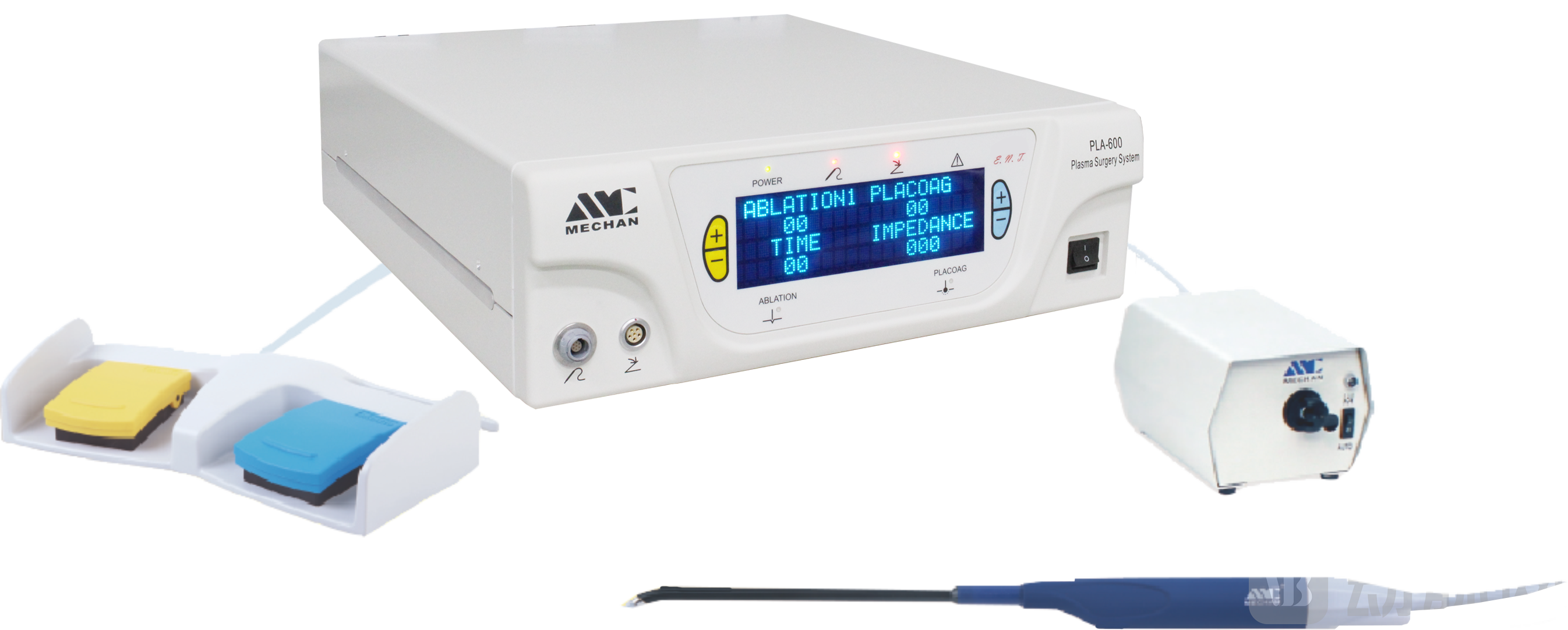
Leno Medical Low-Temperature Plasma Surgical System
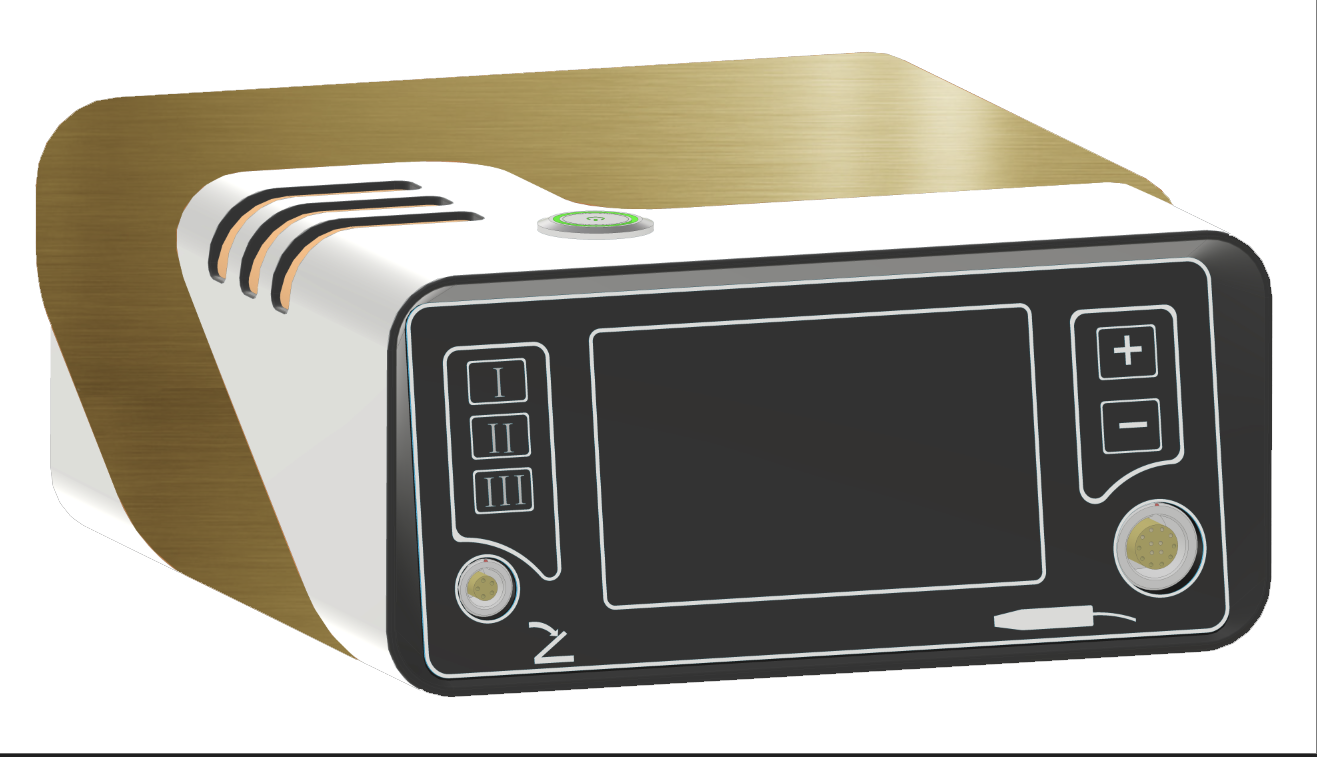
Leno Medical Technology Power System Host
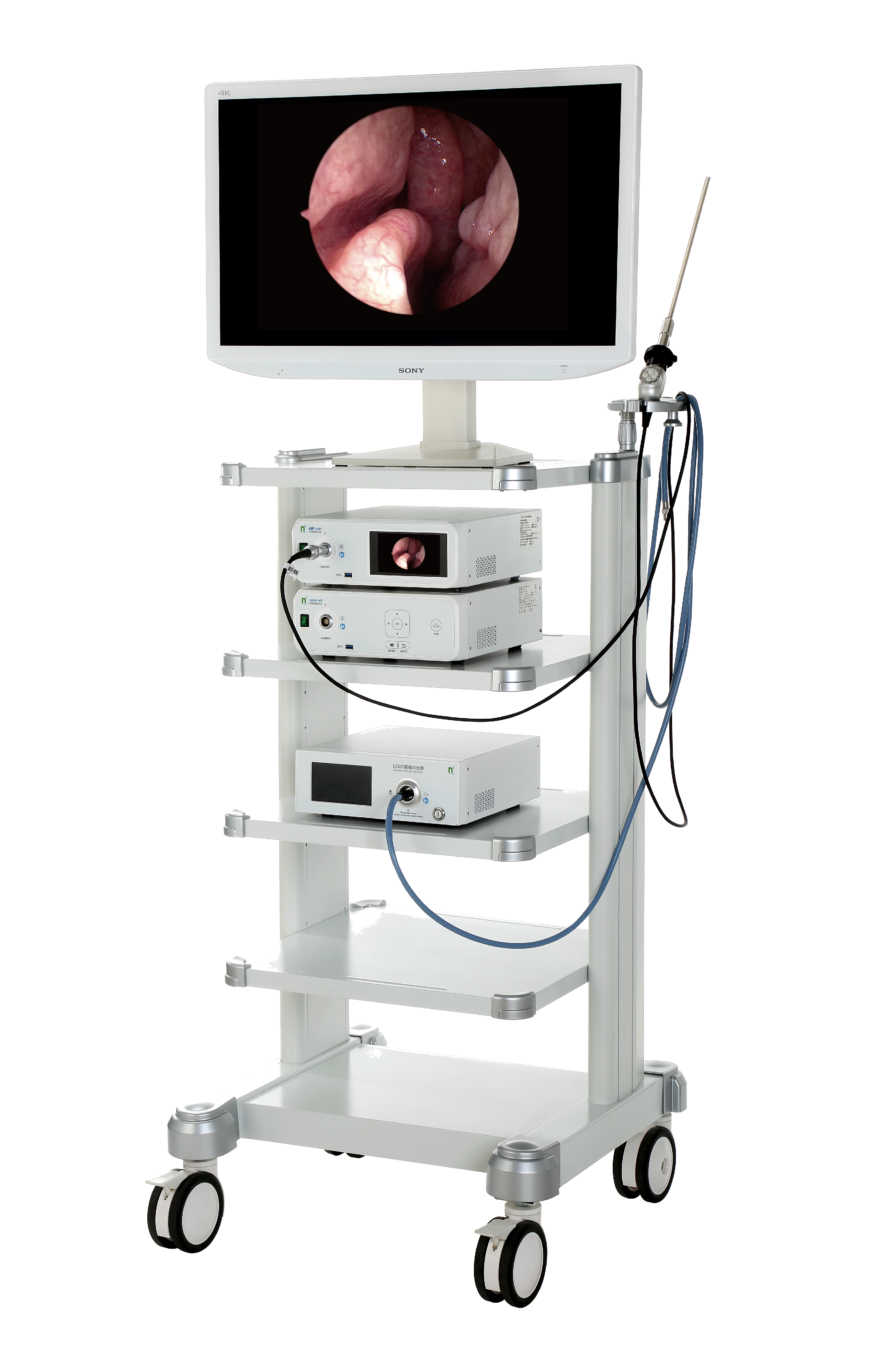
Leno Medical's 4K Ultra-High-Definition Endoscopic Imaging System
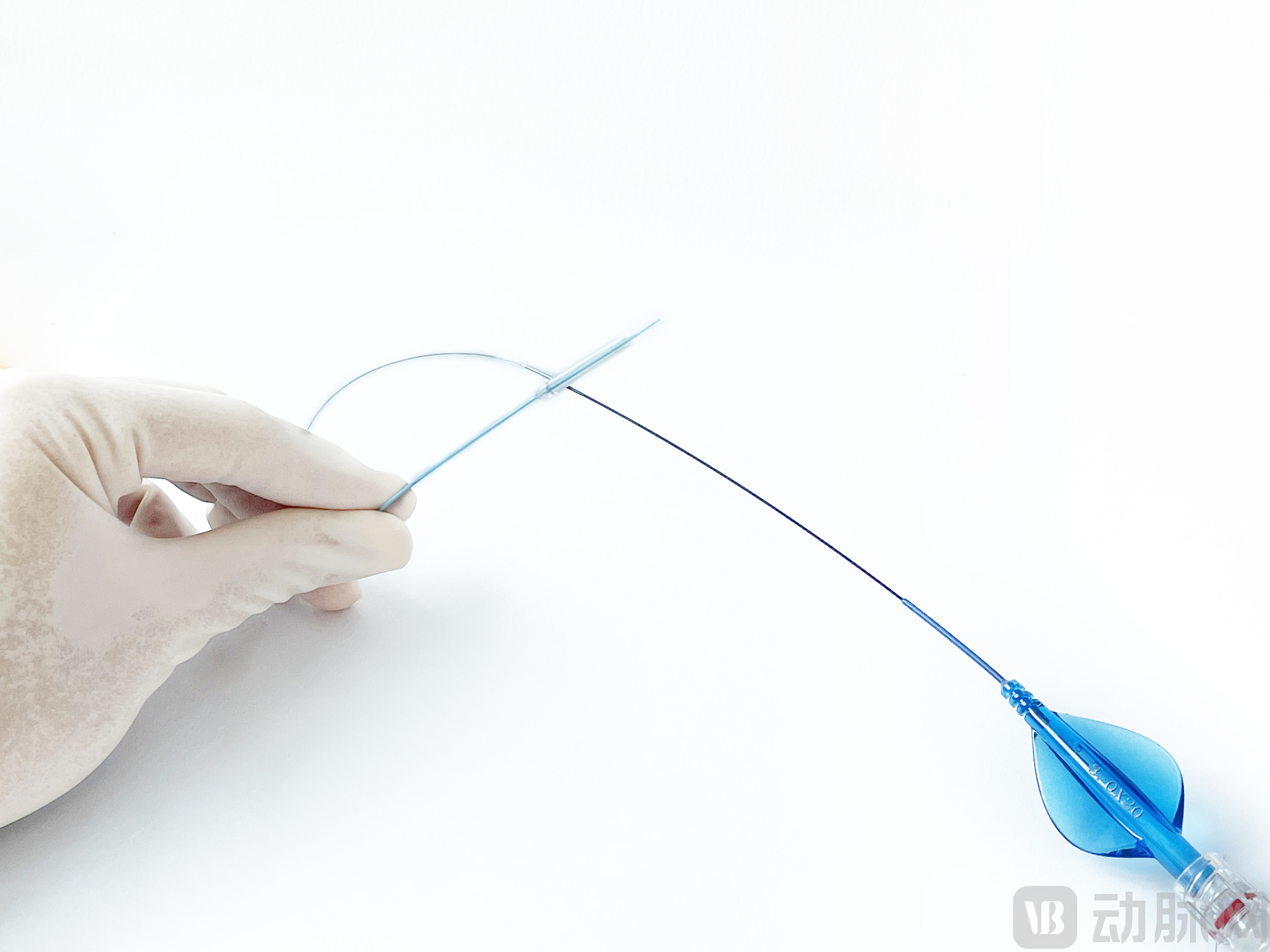
Leno Medical Eustachian Tube Balloon Dilation Catheter
Amid an industry landscape characterized by a wide array of product categories and the market dominance of foreign brands, Cui Teng chose to position Leno Medical as an integrated total solutions provider for ENT surgical products, stating in an interview thatIt has been repeatedly emphasized that, “regardless of the strategy employed, Leno Medical’s current and future ENT products will be closely aligned with the aforementioned ‘4+2’ product pipeline.”
"This is clearly not an easy task, and the founder who chose to take on the challenge from the very beginning shared the reasons behind it with VCBeat in an interview."
“The logic behind developing medical devices differs from that of pharmaceuticals. A single drug can achieve a substantial market size, whereas for a single medical device, a market size of RMB 100 million is already considered significant. Furthermore, compared with pharmaceuticals, medical devices have a shorter ‘lifecycle,’ typically lasting only about 8 to 10 years. Therefore,”“In the medical device sector, companies must maintain a sufficiently robust product pipeline to support a substantial market scale. This strategy prevents the predicament of having no products to sell or insufficient revenue from other offerings after a single product passes its sales peak and declines, thereby enhancing the company’s risk resilience.”Cui Teng said.
And when economies of scale are aggregated, such a product portfolio strategy can also generate strong synergistic effects.The synergies referred to here mainly include two aspects: one is market investment. After the market channels for the ENT department are established, multiple products can share a single market channel. This means that with the same level of market investment, a larger product pipeline may lead to higher returns, resulting in greater cost-effectiveness of the market investment;
Second, as a company builds a sufficiently robust product pipeline, its bargaining power over distributors will increase. As Cui Teng described, “If a company has only a single product, it is inevitably in a position of having to ‘court’ distributors. However, if the company offers a comprehensive suite of solutions and holds a relatively strong market position, distributors of any significant scale will proactively seek engagement.”
Not only that, but it is also worth mentioning thatLeno Medical’s product portfolio strategy does not rely on a piecemeal coverage of individual devices; rather, a key element of its approach is “integration,” which consolidates the single functions of originally separate devices into a single unit or instrument.
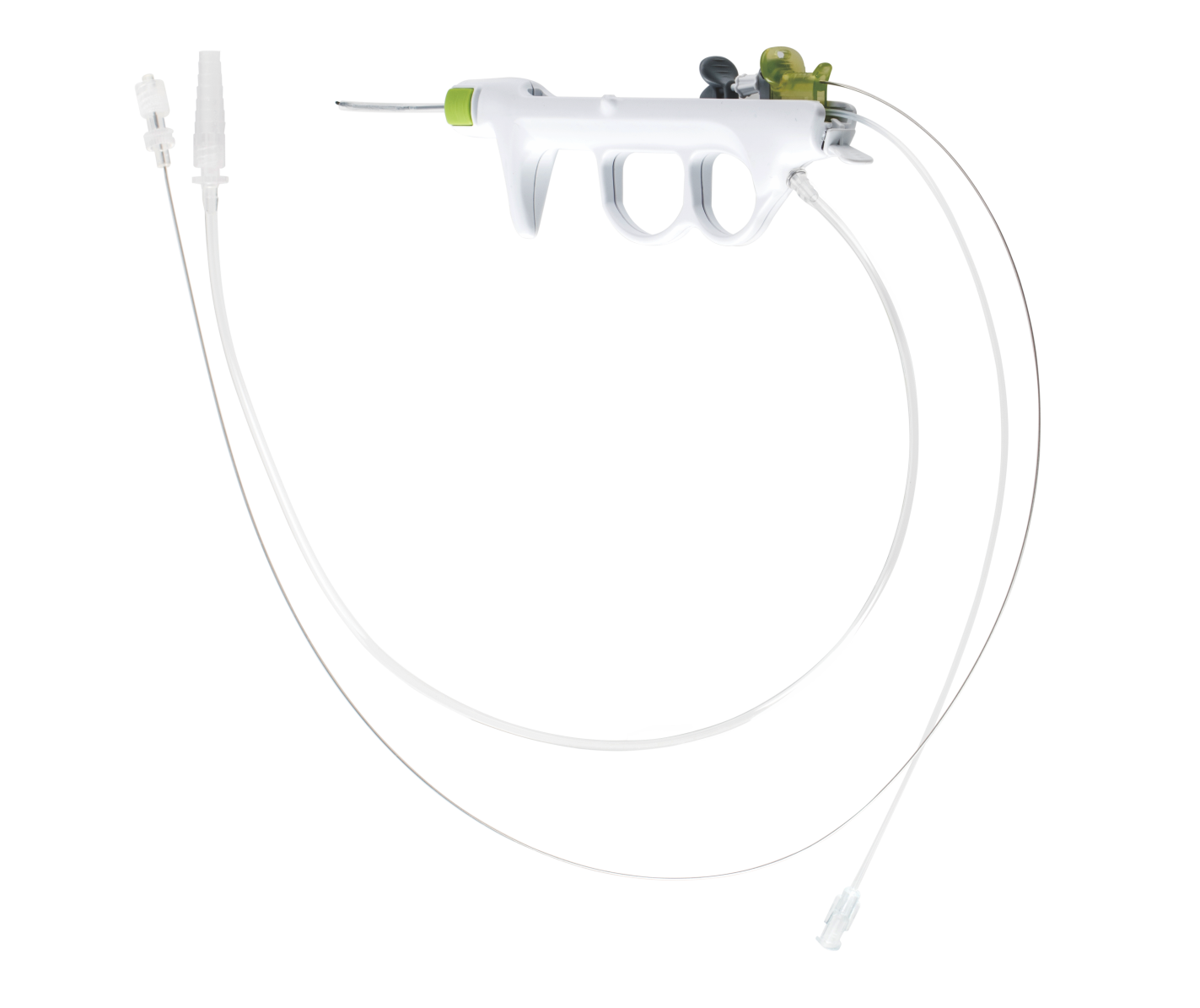
Leno Medical Sinus Dilation System
For example, Leno Medical’s latest generation of bioresorbable drug-eluting stents for the paranasal sinuses integrates a drug delivery system with an expansion balloon. This high level of product integration naturally raises the technical barriers to entry, thereby strengthening Leno Medical’s competitive edge in technology.
Furthermore, while raising the technical barrier to entry, it also reduces the complexity of the corresponding surgical procedures, lessens the reliance on surgeons’ expertise, and lowers the learning curve for physicians. This will undoubtedly benefit Leno Medical’s market promotion efforts and directly facilitate its expansion into lower-tier markets.
“In China, the development bottleneck in many medical sectors, including otolaryngology, lies not on the demand side but on the supply side. The scarcity of high-quality medical resources, such as physicians and products, leaves the healthcare needs of many people at the grassroots level unmet. This is precisely why Leno Medical Technology aims to provide comprehensive solutions: to reduce surgical complexity, help more physicians learn and implement innovative procedures more rapidly, and thereby benefit a larger patient population,” said Cui Teng.
“In the ENT sector, the complexity of the six major product pipelines is unprecedented; therefore, not even a single large multinational corporation can independently develop all of these products.”Cui Teng spoke these words with particular certainty.
It is precisely for this reason thatLeno Medical has also established a “three-pronged” business strategy since its inception—namely, independent R&D, licensed in-licensing, and mergers and acquisitions.
Those with even a slight familiarity with Leno Medical Technology (Shanghai) Co., Ltd. will likely find this strategy familiar, while those less acquainted can still grasp its meaning from the literal wording. Nevertheless, each of these three strategic pillars warrants further detailed elaboration.
Focus first on independent R&D. Currently, Leno Medical has established R&D centers in Suzhou, Chengdu, Shanghai, and Germany, with a team of 73 R&D personnel. Its R&D projects cover energy platforms, power systems, imaging, and high-value consumables.
It should be emphasized that,Leno Medical’s independent R&D efforts all begin at the foundational level of both software and hardware, encompassing core technologies and key stages such as low-level coding, circuit board design, software architecture, mechanical structure design, and UI design. “If our in-house R&D does not involve core technologies, it cannot be considered truly independent R&D.”
Furthermore, in terms of R&D, Leno Medical places significant emphasis on establishing connections and fostering collaborations with clinical experts.
andRegarding licensed-in products, Cui Teng emphasized that Leno Medical adheres to a key principle for both current product acquisitions and future licensing deals: mastering the core process know-how across the entire value chain, from R&D to manufacturing.
Regarding the rationale behind persisting with know-how-based licensing-in, Cui Teng stated in a media interview, “The transaction logic behind Leno Medical’s licensing-in strategy is clear: it is not aimed at securing commercialization rights for individual products, but rather focuses on acquiring core process technologies that are currently lacking. By localizing these core processes and advanced technologies, Leno Medical can rapidly enhance its in-house R&D capabilities.”
Meanwhile, Leno Medical has never ceased its efforts in investment and mergers and acquisitions.
In 2016, Leno Medical acquired all ENT-related businesses of Japan’s SDL; in 2018, it invested in South Korea’s Mega Medical, becoming its second-largest shareholder; in 2019, Leno Medical acquired Chengdu Meichuang Medical and completed a full acquisition in 2020; in 2021, it acquired the well-known German endoscopy company Endodoctor, and in the same year, it acquired Tonglu Sike, a domestic ENT surgical instrument manufacturer; by the end of 2022, Leno Medical had acquired Guizhou Zirui, a manufacturer of powered surgical systems.
Leno Medical’s track record of successive investments has left the deepest impression on outside observers, leading many to mistakenly regard it as an investment firm—after all, the founder’s investment-oriented DNA is truly remarkable.
But compared to return on investment, Cui Teng seems more concerned with how to integrate the “lifeblood” among companies, enabling portfolio companies to get on track with their operations as soon as possible.
Taking the acquisition of Meichuang Medical, the most renowned case in its “track record,” as an example, the company’s annual sales stood at only RMB 70 million prior to the acquisition. Following the acquisition, Meichuang Medical’s annual sales surpassed RMB 200 million in 2021, nearly triple the pre-acquisition figure. This success was attributable to Cui Teng’s strategic operational insights and substantial dedication.
“At present, Cui Teng has devoted nearly 90% of his time and energy to corporate operations,” one media outlet once remarked.
Corresponding to the successive rounds of investment and M&A are Leno Medical’s repeated financing rounds.
It is reported that between 2016 and 2021, Leno Medical Technology (Shanghai) Co., Ltd. underwent six rounds of financing. Its investors included prominent investment firms such as Shengcheng Capital, Tonghe Yucheng, Fidelity Growth, and Yuanyi Capital, as well as Medtronic, a large multinational medical device company. (Note: Medtronic did not invest directly but completed its investment in Leno Medical through two of its affiliated fund products.)
It is worth noting that the latest round of financing for Leno Medical Technology(Shanghai)Co., Ltd. took place in June 2021, and no further financing-related information has been publicly announced since then. Instead, the company has continued to engage in successive rounds of mergers and acquisitions. This means that,Leno Medical has already achieved autologous hematopoiesis.
This perspective is further corroborated by Cui Teng: “Leno Medical is still engaged in fundraising efforts, but indeed, our funding needs have declined in recent years. As the only domestic enterprise in the ENT medical device sector with annual sales exceeding RMB 100 million, Leno Medical has been profitable since 2021, with its sales surpassing RMB 300 million in 2022. Currently, Leno Medical maintains ample cash flow, but we will undertake a series of initiatives in the capital markets in the future.”
For example, VCBeat has learned that Leno Medical Technology(Shanghai)Co., Ltd. signed a listing advisory agreement with CITIC Securities on February 13 this year, planning to list on the A-share market.
Regarding the future development of Leno Medical, this highly rational founder has expressed great confidence. This is not only due to the promising prospects of the ENT device market and Leno Medical’s product portfolio and business strategies, which have already been validated by the market, but also because of a significant advantage held by domestic enterprises—“As a domestic enterprise, we can not only ride the wave of import substitution but also possess the ability to rapidly capture local demand. These are advantages that foreign-funded enterprises lack.”