

From Genomics to Proteomics: A Multi-Billion-Dollar Opportunity Beckons — Olink and Pioneers Reap Early Rewards, with China Poised for Breakthrough
Market: A $10 Billion Gold Mine?
Each institution holds its own perspective, with industry insiders being the first to sense emerging trends.
At this year’s JPM Healthcare Conference, I happened to see my former employer Olink’s estimate of the TAM (Total Addressable Market).
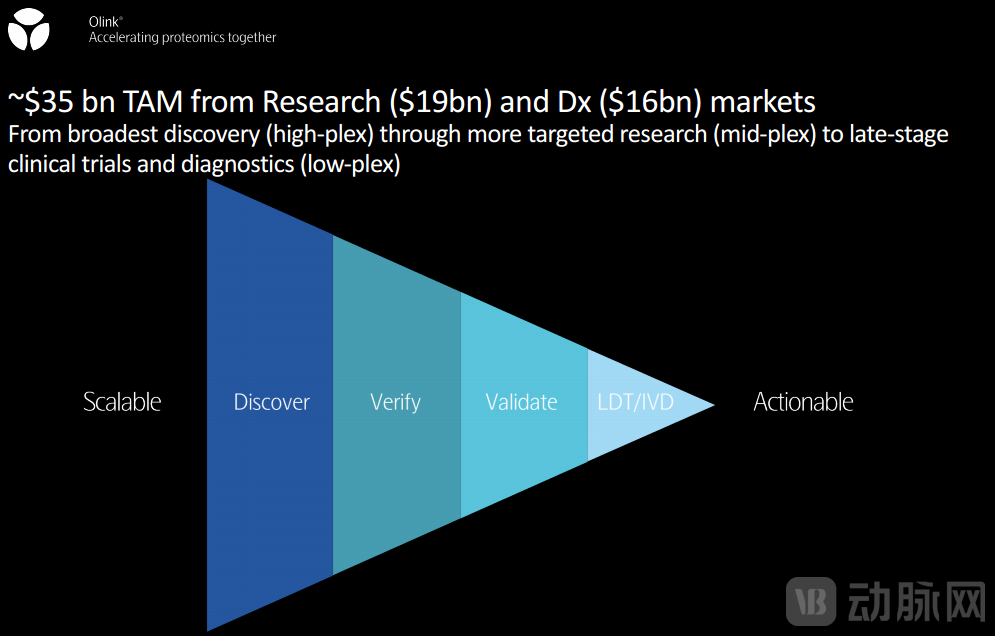
Olink believes this represents a large market totaling $35 billion, comprising a $19 billion research sector and a $16 billion diagnostics sector.
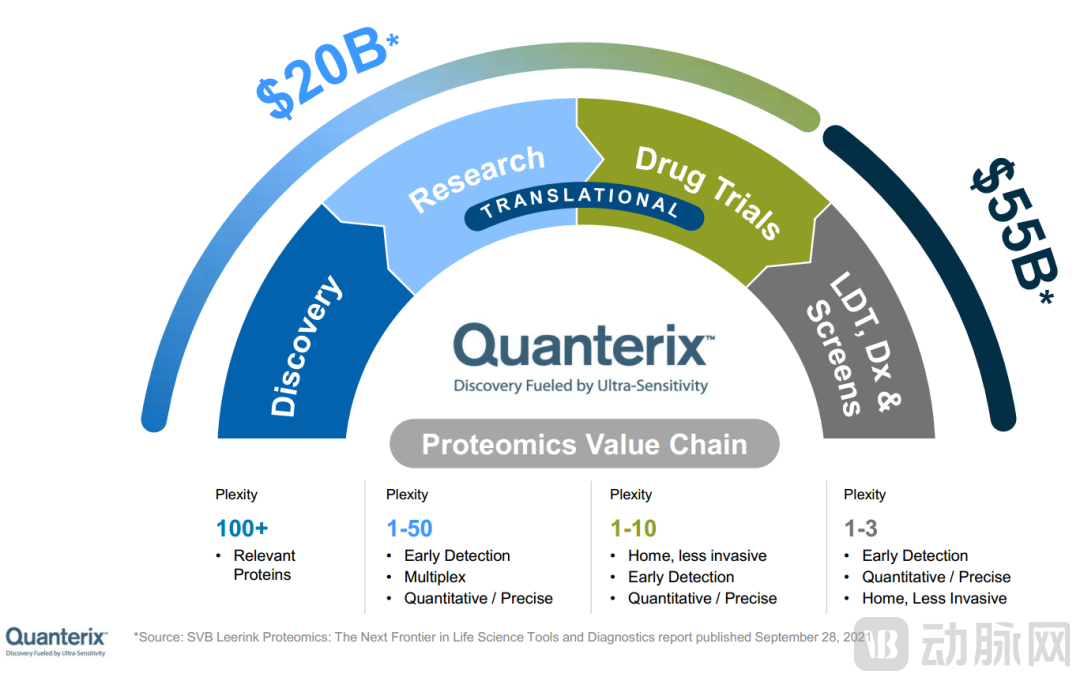
Quanterix is more optimistic, citing data from an SVB Leerink report that estimates the research market at approximately $20 billion and the diagnostics market at $55 billion, for a total addressable market of $75 billion.
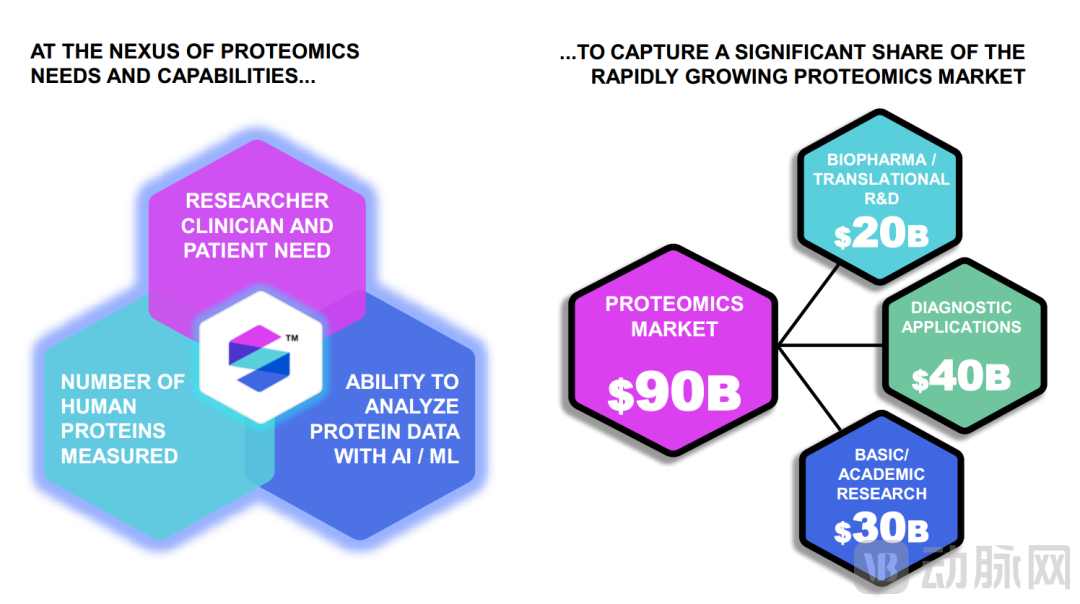
However, SomaLogic stated that both views were incorrect, and the proteomics TAM should be a $90 billion market.
Of course, these cited TAM figures are generally regarded as arbitrary estimates derived by third parties and lack credibility. However, according to previous reports featuring Olink’s CEO, the estimated market penetration rate remains in the low single digits, at 1–3%. Based on Olink’s 2022 financial report, which recorded revenue of USD 150 million, this implies that the current total proteomics market should be approximately USD 150 million / 3% = USD 5 billion. In my view, this figure is relatively reasonable.
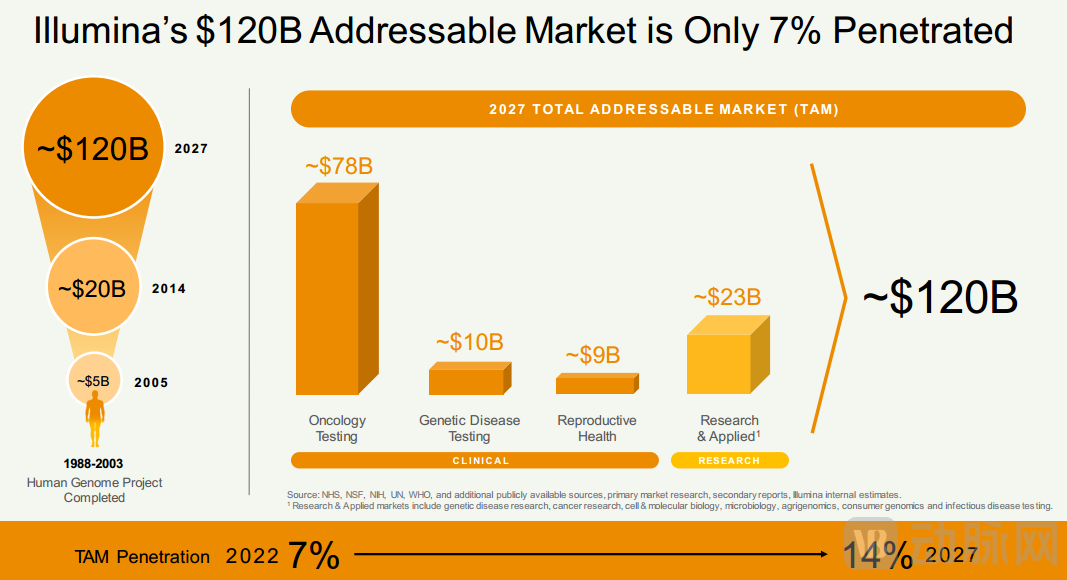
This scale is reminiscent of the NGS market in 2005.
According to Illumina's report, the NGS market will expand dramatically from approximately $5 billion in 2005 to around $120 billion by 2027.
Will the proteomics market replicate this growth model, thereby cultivating the next Illumina?
This is worth looking forward to.
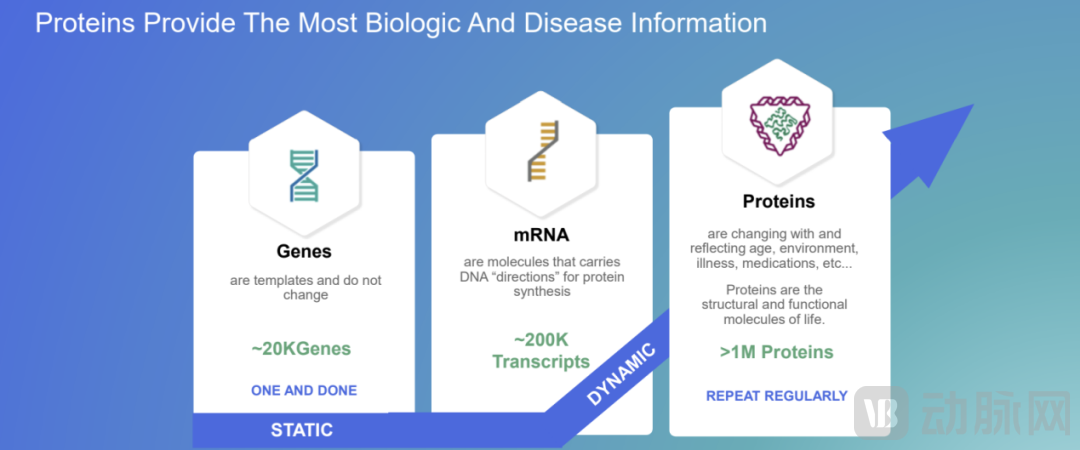
Essentially, it is widely acknowledged that proteins are far more complex than DNA and RNA, yet they are closer to the phenotype and hold greater translational value. For instance, many classic biomarkers and drug targets in clinical practice are proteins.
"From a logical perspective, even if proportional scaling is not feasible, would a roughly similar appearance suffice?"
A $5 billion existing market and a TAM exceeding $10 billion—whether this satisfies industry players remains to be seen.
What Can Proteomics Actually Do?
Diverse Application Scenarios - Scientific Research
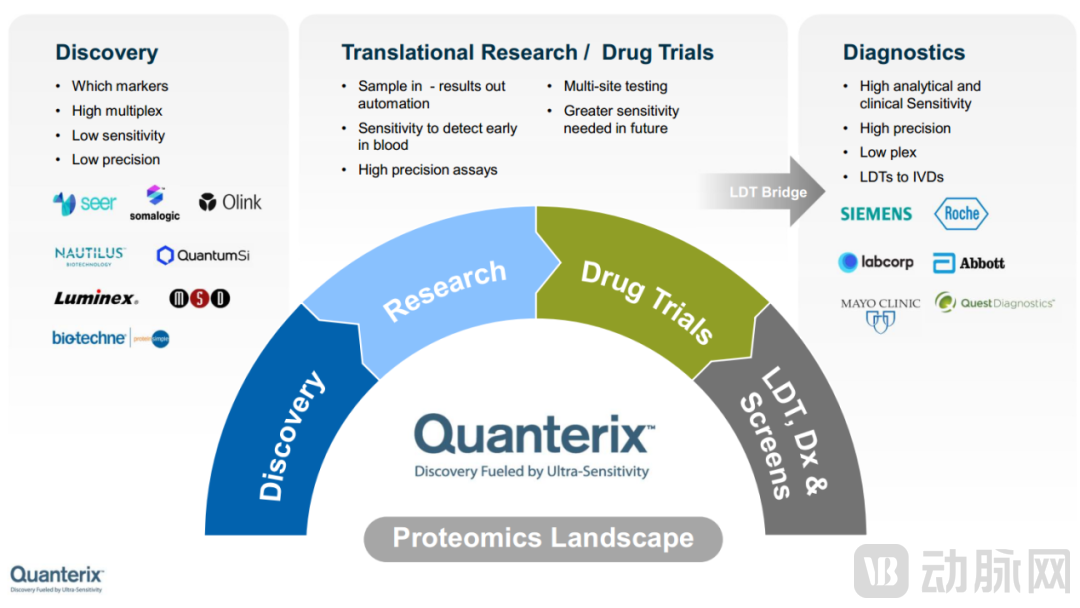
Proteomics spans multiple dimensions, including discovery research, translational research, clinical drug development, and diagnostic applications, thereby organically integrating the pharmaceutical and medical sectors.
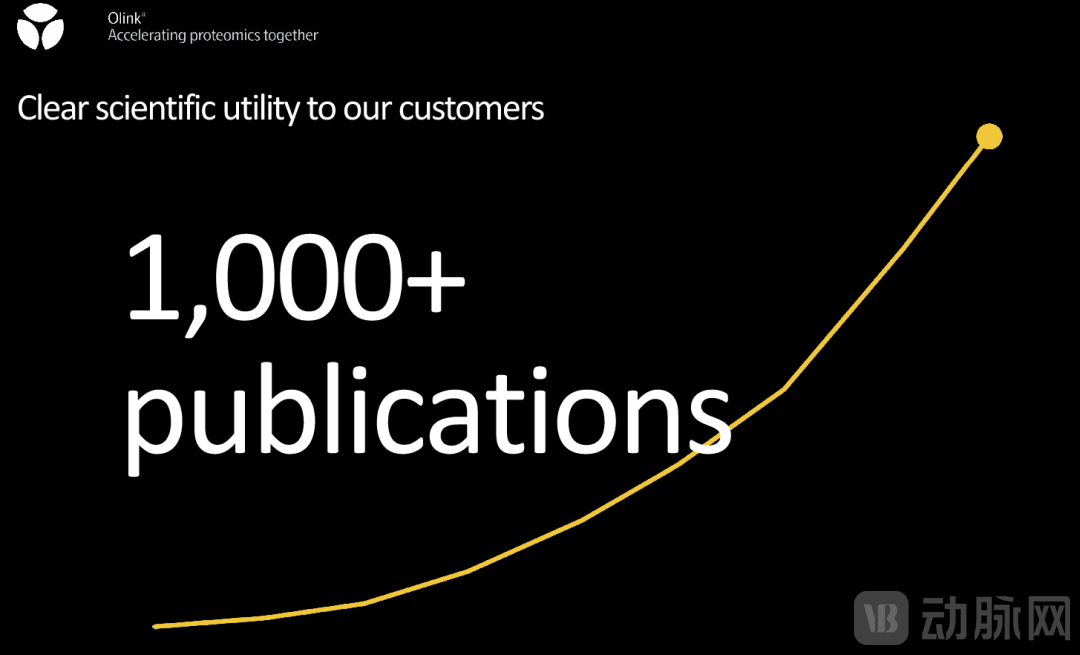
In terms of application value in scientific research, the number of papers published by Olink in recent years also provides a glimpse, while Quanterix reports a figure of over 2,000.
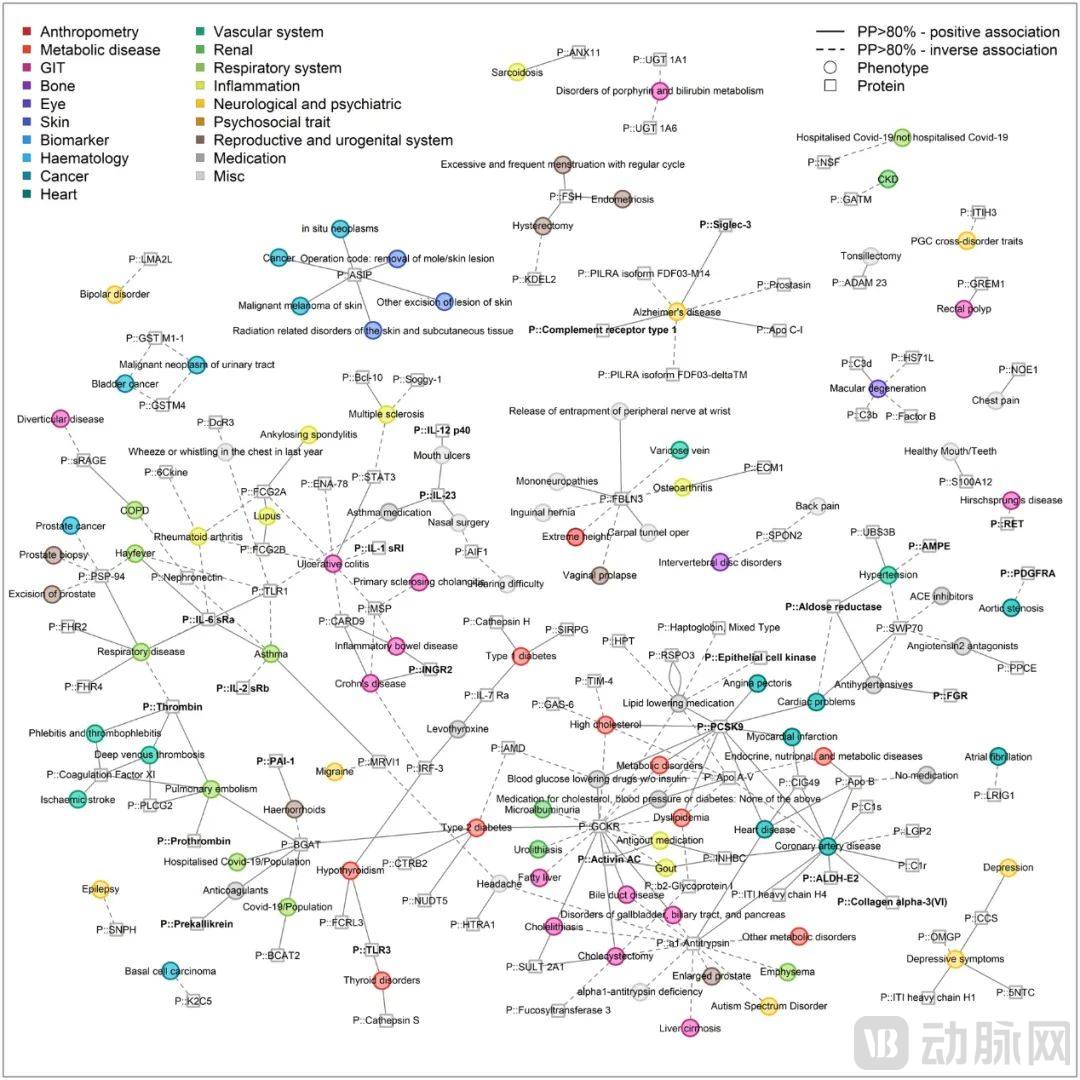
The academic achievements herein are too numerous to list. In 2021, researchers at the University of Cambridge published a paper titled “Mapping the proteo-genomic convergence of human diseases” using Olink PEA technology.
This study identified 10,674 genetic associations for 3,892 plasma proteins to create 1,859 connected cis-anchored gene-protein-disease maps.
The results presented herein establish protein quantitative trait loci (PQTLs) both within and across diseases, thereby removing major obstacles to the experimental validation and clinical translation of genetic discoveries.
Rich Application Scenarios – Diagnosis
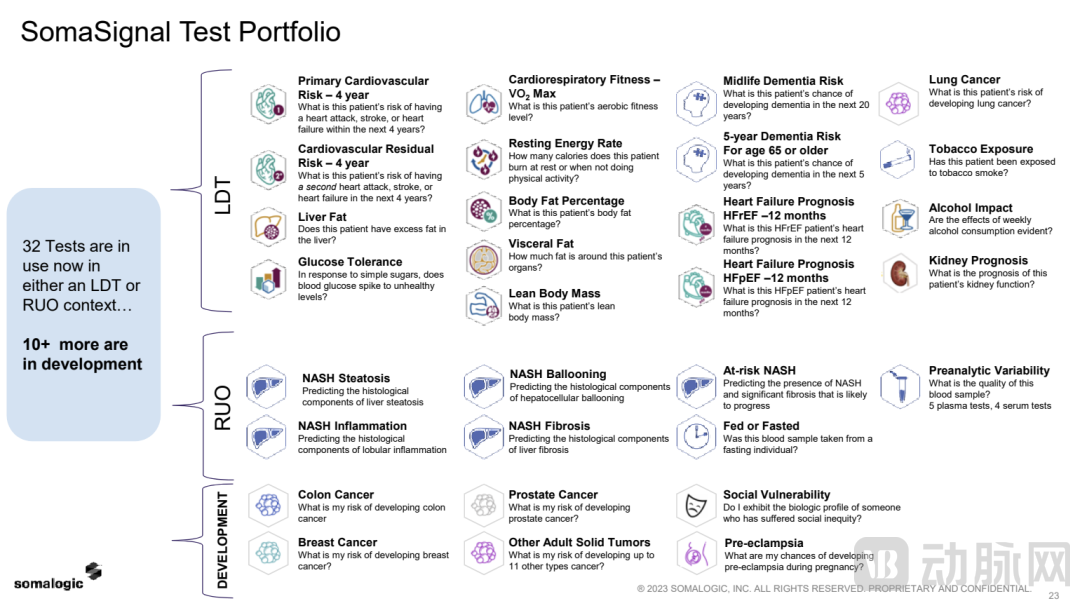
SomaLogic already has 17 laboratory-developed test (LDT) products in this area, with more than 10 additional assays under development. Its product portfolio addresses multiple unmet clinical needs across conditions such as non-alcoholic steatohepatitis (NASH), fatty liver disease, heart failure, and cancer.
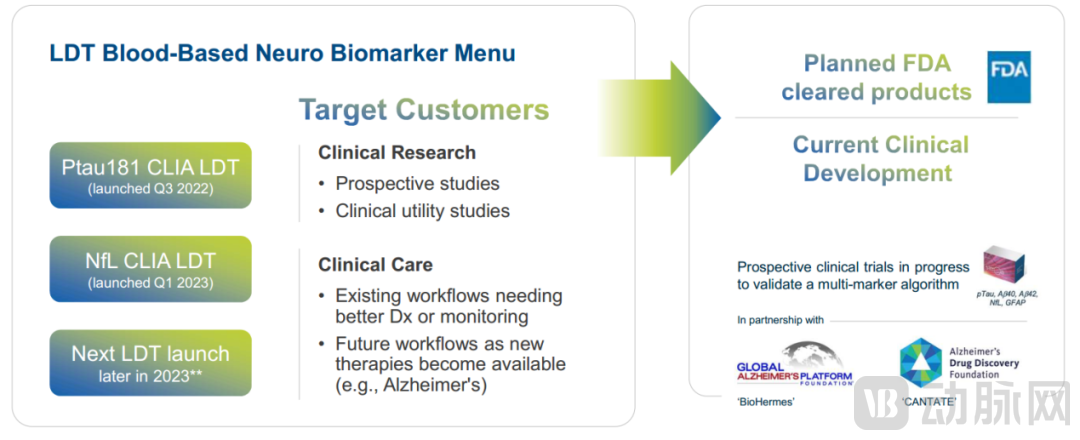
Quanterix also has multiple products that are widely used for the detection of neurological disorders and are poised for FDA approval as in vitro diagnostics (IVD).
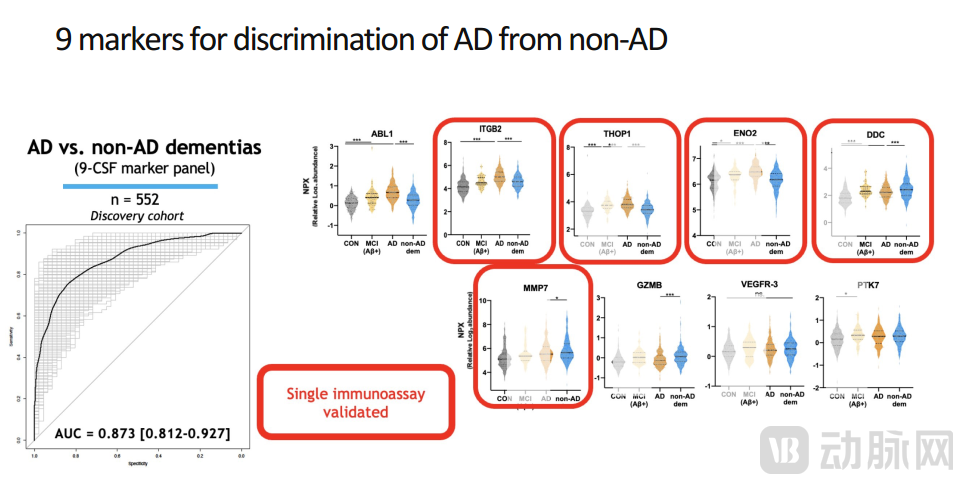
Certainly, Olink has not fallen behind in this regard either, achieving significant breakthroughs in areas such as AD and MS.
Rich Application Scenarios - New Drug R&D
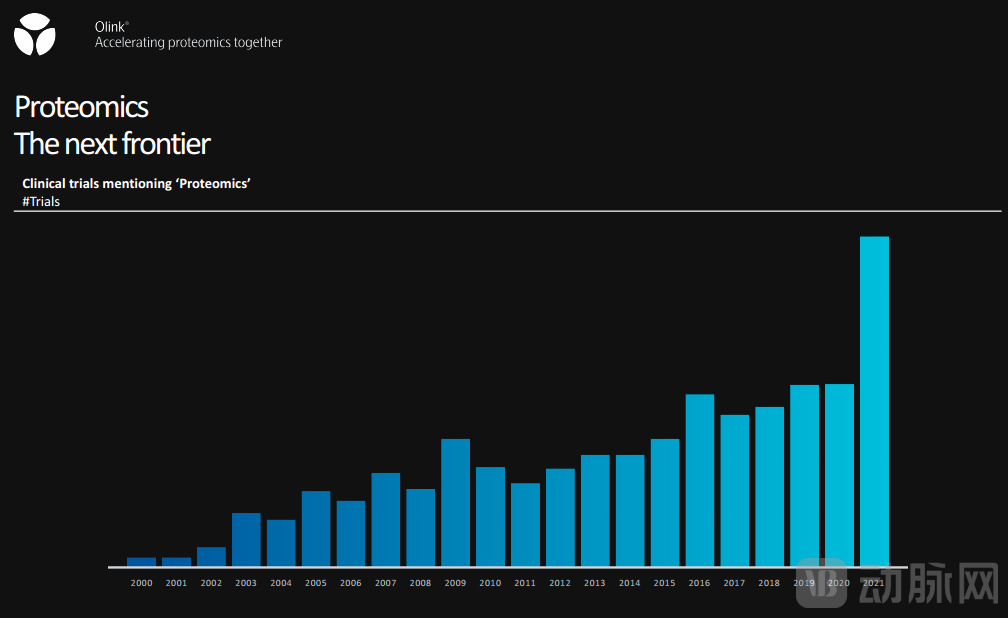
The application of proteomics technologies in clinical trials is no longer novel, and the number of related studies retrievable on ClinicalTrials.gov is showing a significant upward trend.
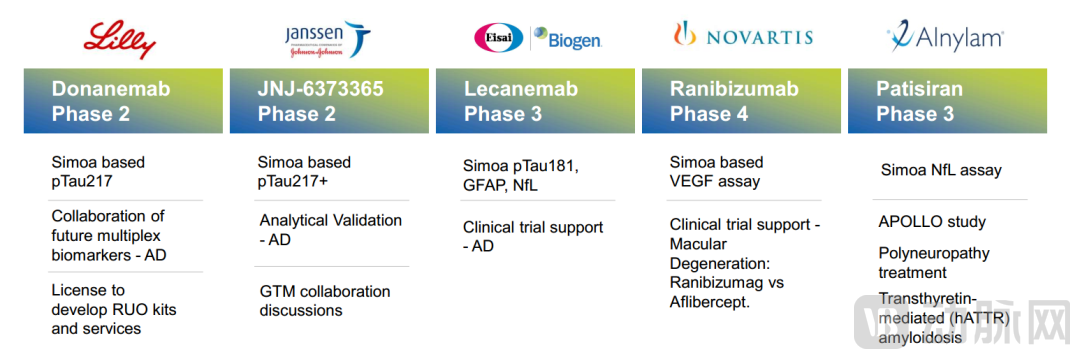
Quanterix’s slides also specifically highlight the application of its Simoa platform in clinical trials.
Applications in this area can be categorized into several aspects.
First, safety monitoring.
Representative clinical trial: NCT00968708.
Takeda Pharmaceutical employed proteomics technology to analyze nearly 100 protein biomarkers in patients with type 2 diabetes (T2D), identifying blood KIM-1 protein as a predictor of renal function decline in clinical settings. This discovery enables the development of personalized preventive strategies for T2D patients at high risk of progressing to renal insufficiency.
Second, Efficacy Monitoring.
Representative Clinical Study: NCT05013008
Bayer utilized proteomics technology to analyze nearly 3,000 proteins in 951 clinical samples, aiming to identify signature biomarkers that could predict the efficacy of its products in patients with type 2 diabetes and comorbid chronic kidney disease.
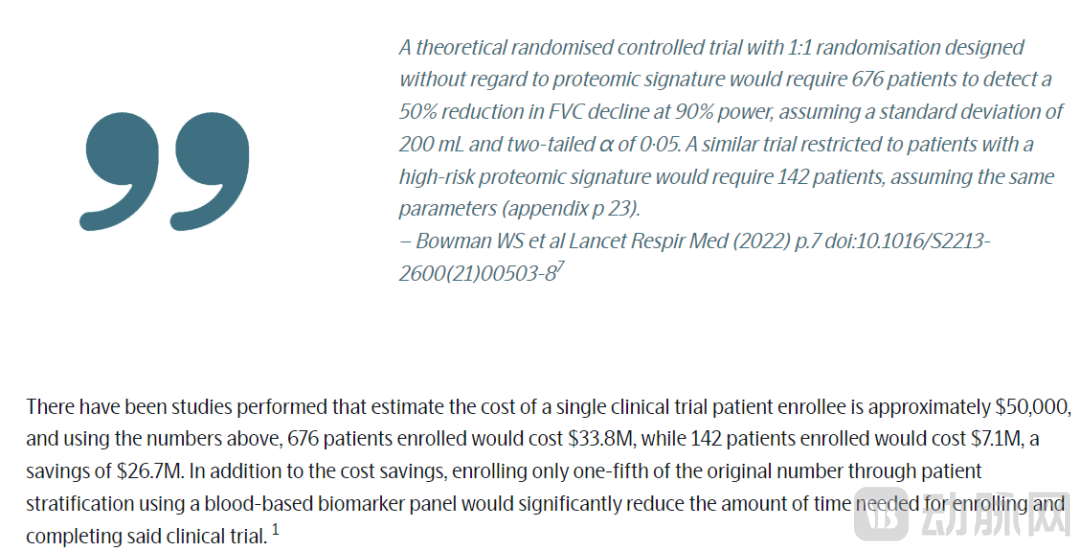
Third, enrollment enrichment.
Representative study: doi:10.1016/S2213-2600(21)00503-8
A study on progressive fibrosing interstitial lung disease (PF-ILD) demonstrated that proteomic technologies can differentiate PF-ILD from common interstitial lung disease (ILD), thereby reducing the required sample size for clinical trials from 676 to 142 participants. Based on an estimated enrollment cost of at least $100,000 per patient, this reduction could save up to $50 million in trial expenses.
The West Wind Has Risen - Strong Development Momentum Abroad
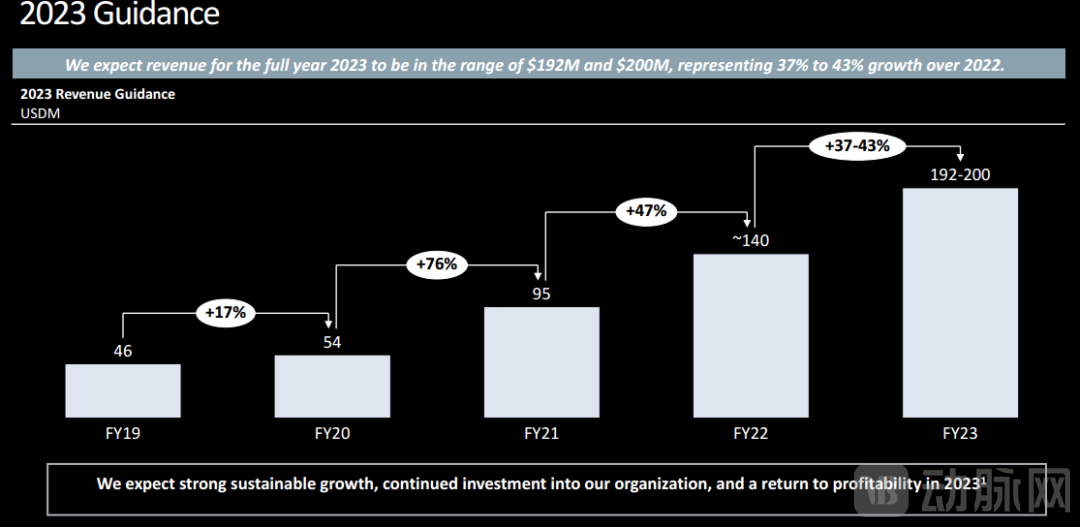
As one of the representative companies in proteomics, Olink’s growth over the past two years has been widely recognized.
Over the past four years, its compound annual growth rate (CAGR) has remained in the double digits. Between 2020 and 2022, the growth rate was basically maintained at 50%, and expectations for the 2023 growth rate are also very optimistic.
Revenue in absolute terms also rose from $46 million in 2019 to $140 million in 2022, a threefold increase.
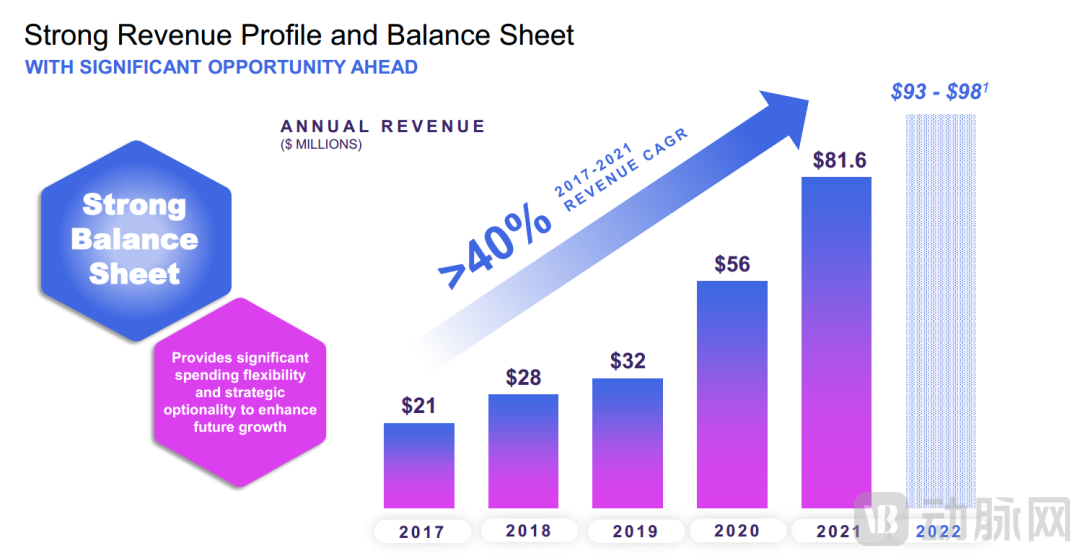
Another representative company, Somalogic, has also delivered impressive performance, with its revenue growing from $21 million in 2017 to nearly $100 million in 2022, a nearly fivefold increase.
Furthermore, since Olink’s technology platform enables detection via next-generation sequencing (NGS), we can also gauge the growing momentum in the proteomics field by observing the stance of sequencing instrument manufacturers.
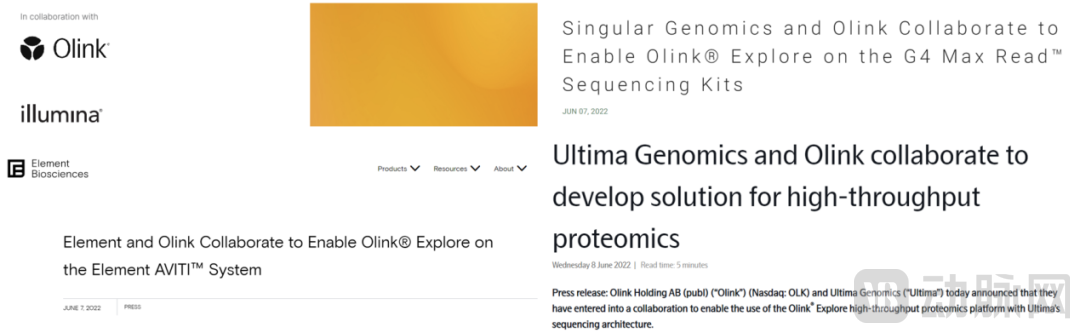
As can be seen, established industry leaders such as Illumina, emerging powerhouses like Element, as well as sequencer manufacturers including Singular and Ultima, have all entered into close collaborations with Olink, highlighting support for Olink sequencing as a key selling point. This underscores the strong optimism surrounding sequencing-based proteomics.
Waiting for the East Wind: The Future Lies in China
The rapid advancement of sequencing technology has given rise to international giants like Illumina, as well as domestic leaders such as MGI.
In the field of proteomics, China has already established a strong foundation.
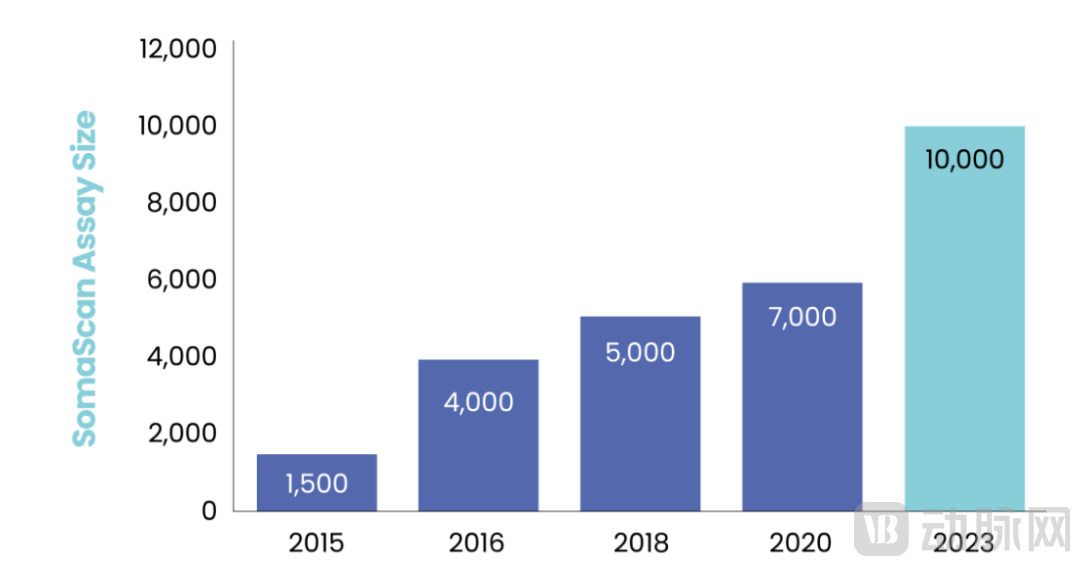
First and foremost, one of the core capabilities is the diversity of detectable protein species; otherwise, how could it be considered Omics?
Olink is already capable of detecting more than 3,000 proteins, while Somalogic has increased this number to 7,000 and plans to upgrade to 10,000 in 2023.
Therefore, this requires access to large quantities of high-quality, low-cost proteins, antibodies, and nucleic acid probes.
Coincidentally, in China’s protein expression sector, there are already listed companies such as Nearshore Protein and Yiqiao Shenzhou, as well as startup companies specializing in upstream raw materials for proteomics, represented by Suzhou Younuozhen.
In the field of nucleic acid synthesis, emerging startups such as Shuxing, Boco, and Diying have rapidly entered the market.
Secondly, in recent years, the booming development of innovative drug R&D has also brought a large amount of demand and opportunities.
Including needs in areas such as Discovery-stage research, translational research, and clinical trials.
Finally, in recent years, NGS and qPCR have made significant inroads into hospital settings; in particular, the market education driven by COVID-19 has largely established the baseline adoption of qPCR testing.
Therefore, Olink-like technologies can effectively leverage the vast number of PCR instruments already installed in hospitals. Once clinical reagent products of this type receive regulatory approval, they will significantly lower the barrier to market entry.
Beyond nucleic acids, protein testing is also feasible—just the thought of it is exhilarating.
However, innovation in foundational proteomics technologies in China remains severely underdeveloped, with current reliance on foreign suppliers such as Olink and Quanterix. Looking ahead, the trend toward domestic substitution is unstoppable, as already demonstrated by the next-generation sequencing (NGS) sector.
Fight? Fight! Do not idle away your youth, only to see your hair turn white in vain.
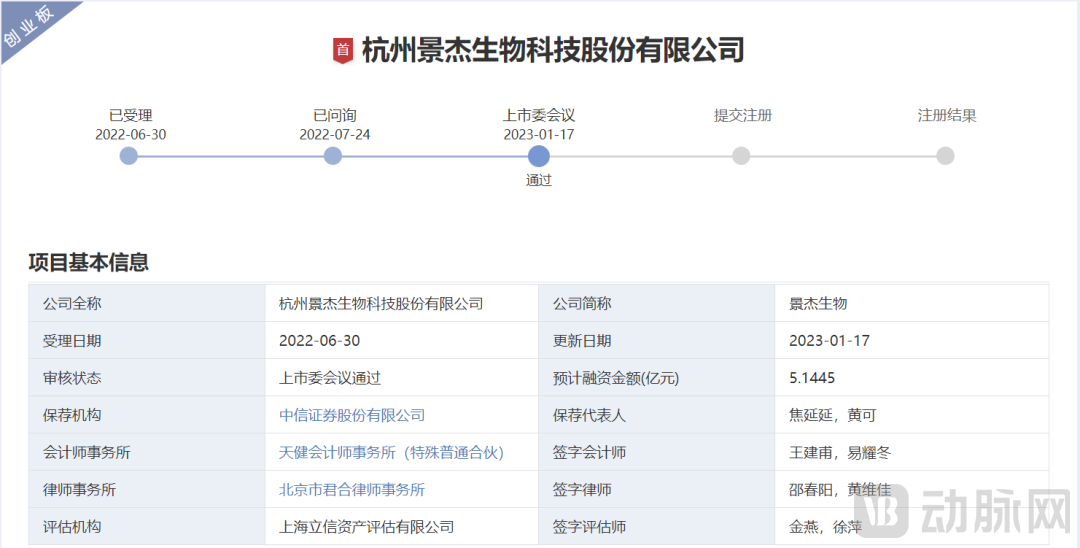
“Do not say you set out early; there are always those who depart even earlier.” Hangzhou Jingjie Biotechnology, a pioneer in China’s proteomics field, has focused on the detection of protein modifications. By deeply cultivating this niche sector, the company has successfully become the first to pass the listing review.
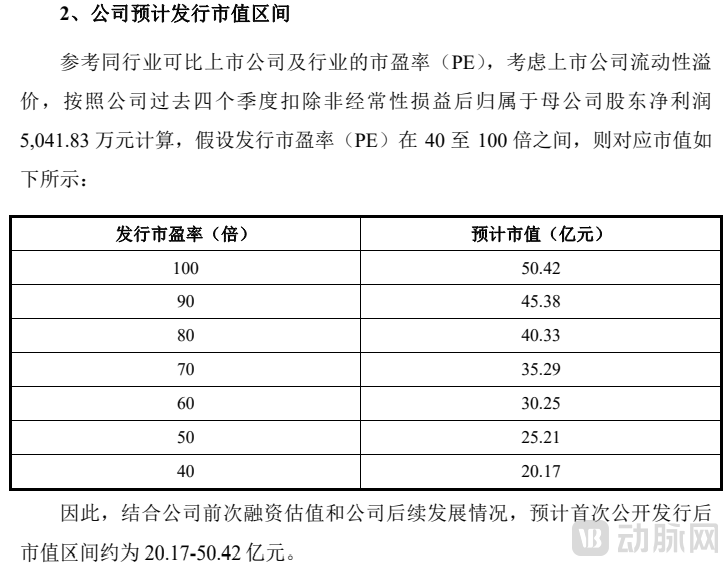
According to the Company’s response to the first round of inquiries, its estimated market capitalization is expected to range from RMB 2 billion to RMB 5 billion.
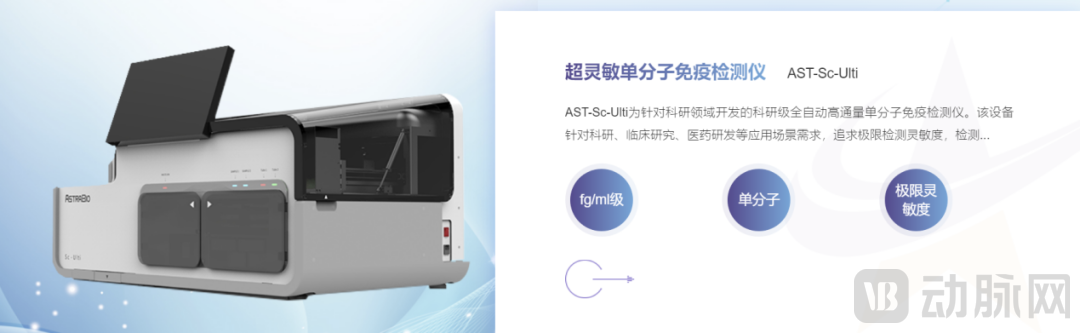
Although China still lacks foundational innovative technologies, the rise of a new generation of entrepreneurs has given birth to an increasing number of emerging players in the market. For instance, Suzhou Yuce, which positions itself as a counterpart to Quanterix, has already developed domestically produced, clinical-grade protein detection products based on single-molecule immunoassays.

On June 29, 2022, the company announced the completion of its Series A financing round, raising nearly RMB 100 million. Roughly estimated, its valuation may have approached the RMB 1 billion level.
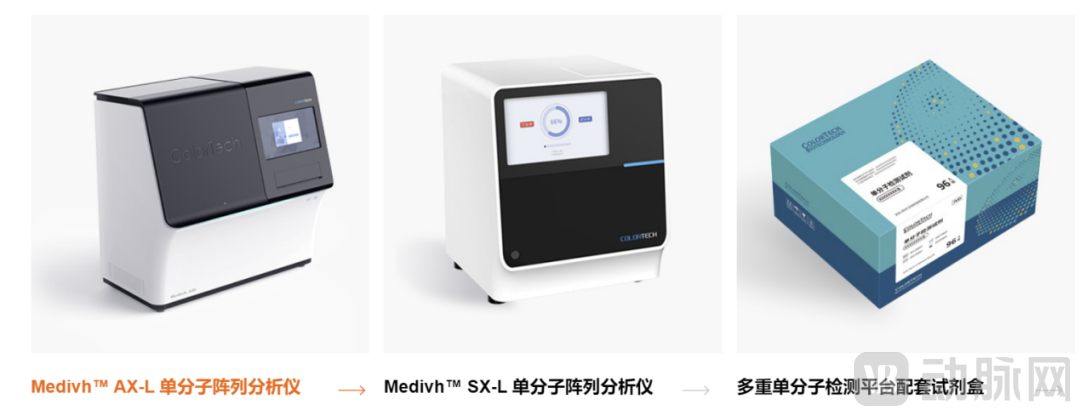
Another similar company is Suzhou Caike, whose single-molecule protein detection array product currently under development has already achieved multi-target detection.
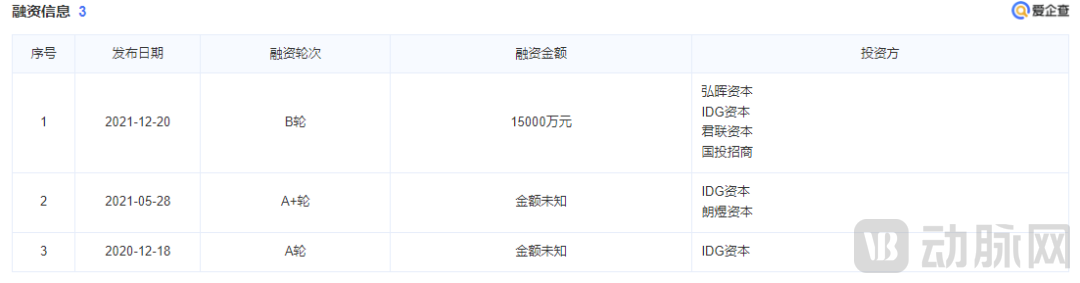
In 2021, the company completed its Series B financing round of RMB 150 million, with its valuation estimated to have exceeded RMB 750 million.
With domestic competitors to Quanterix now emerging, the question arises: when will Chinese counterparts to Olink and Somalogic appear?
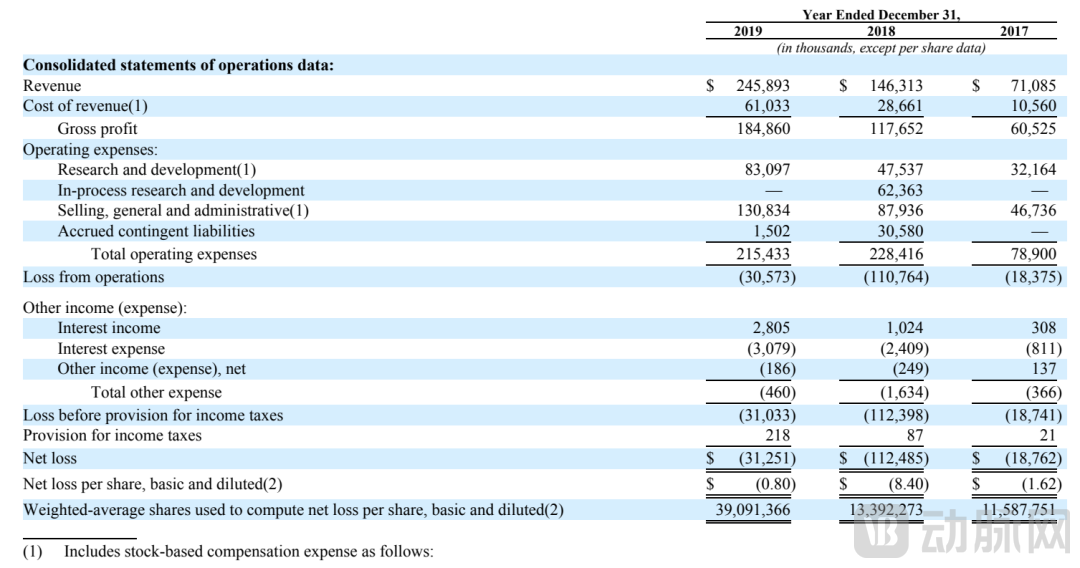
From a temporal perspective, the dark horse in the scientific research tools market, 10x Genomics, recorded revenue just exceeding $100 million in 2018, the same year that Singleron Biotechnologies was founded in China.
In just five years, 10X Genomics has grown into a behemoth with annual revenue exceeding $500 million and a market capitalization nearing $6 billion, while Singleron Biotechnologies has become a company that has raised over RMB 1 billion in financing, with an estimated valuation surpassing RMB 5 billion. Thus, seizing the right market trend is crucial; the adage “first luck, second fate, third feng shui” holds true.
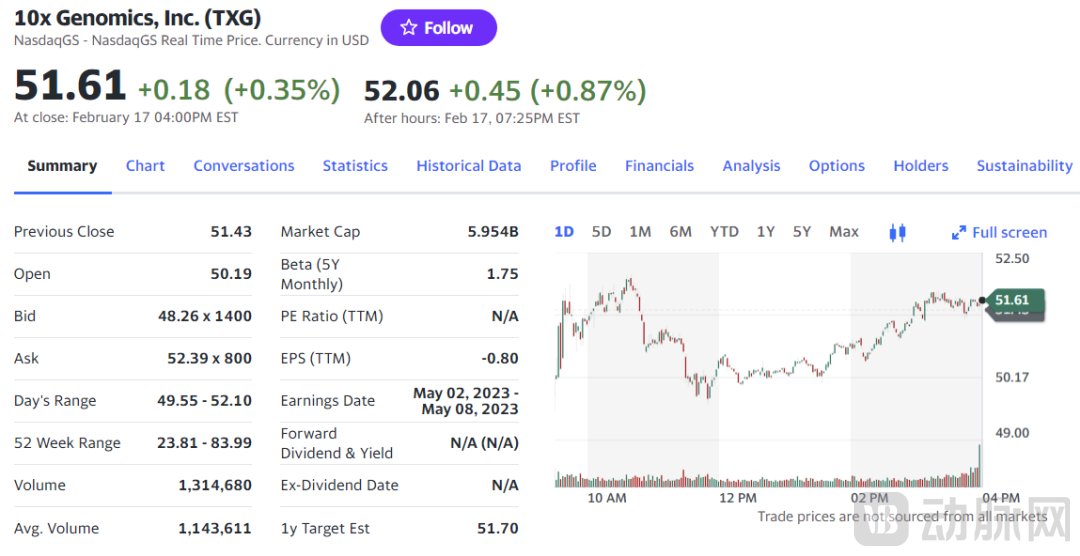
Similarly, Olink’s revenue in 2022 had just surpassed the $100 million mark, reaching $140 million, while SomaLogic’s revenue for the same year was approximately $98 million. The present moment mirrors that of the past.
Finally
Finally, here is a thought-provoking question for everyone.
Both are engaged in proteomics and have similar annual revenues, so why is there such a significant disparity in market capitalization between SomaLogic (market cap of $500 million) and Olink (market cap of nearly $3 billion)?
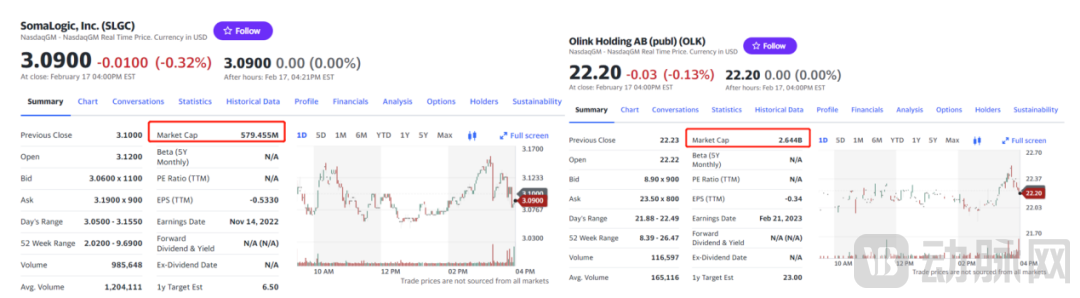
Somalogic can detect 7,000+ targets, far exceeding Olink’s 3,000+.
I wonder if anyone has ever pondered this question.
Everyone is welcome to speak freely.