Q4 2022 Resident Health Consumption Index Released: Proactive Health Consumption Emerges as Key Trend
On February 16, the Q4 2022 Report on the Resident Health Consumption Index, jointly developed and compiled by Healthbound and the Institute of Health Communication at Fudan University with support from Huatai Securities, was officially released.
The Resident Health Consumption Index aims to leverage big consumer data to measure the impact of residents’ consumption habits on health across different regions, thereby providing guidance for promoting healthy consumption concepts and enhancing the national level of health-related consumption. The index was developed under the guidance of the China Association for Rehabilitation Technology Transformation and Development, with anonymized consumer data support provided by the JD.com Consumer and Industry Development Research Institute.
Since its initial release in March 2022, the Resident Health Consumption Index has been updated and published quarterly. The latest index is derived from big data on e-commerce spending by residents in over 300 cities across China during the fourth quarter of 2022, covering categories such as diet, tobacco and alcohol, and tablet computers. Among the 31 provinces (including municipalities directly under the Central Government and autonomous regions), Shanghai, Gansu, Shanxi, Hubei, and Jiangxi ranked among the top in terms of resident health indices.
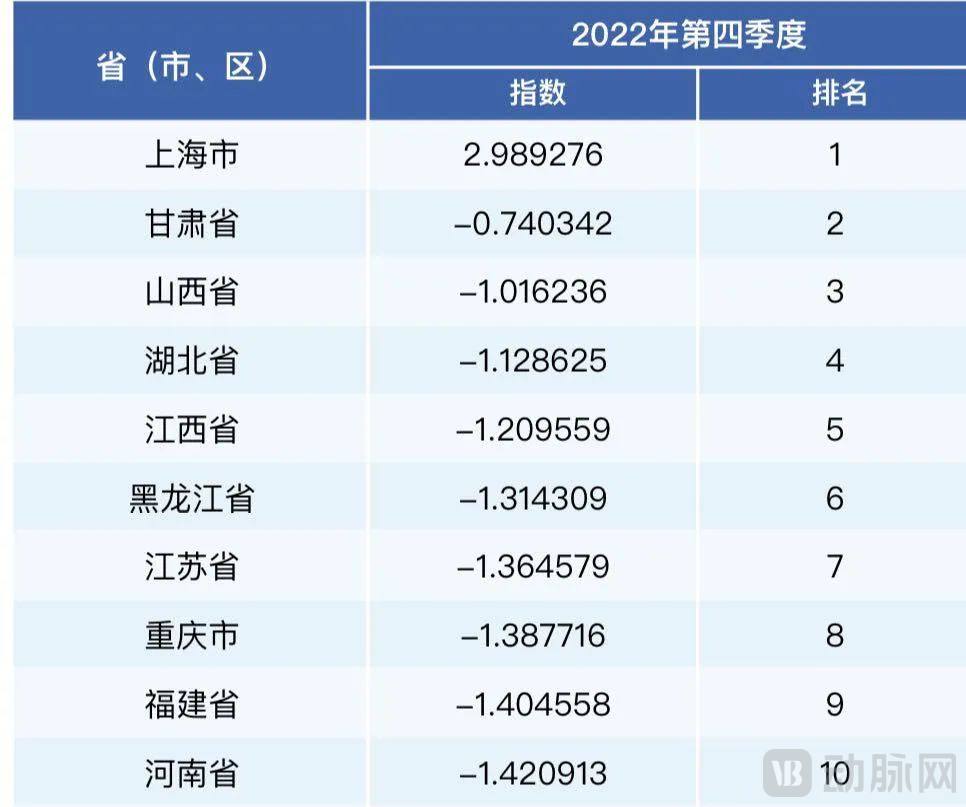
△Top 10 Regions by Household Health Consumption Index in Q4 2022
Chen Qin, Deputy Director and Council Member of the Digital China Research Institute at the State Information Center, who participated in the compilation of the index, and Chief Economist at Maice, revealed at the press conference that the research team will further expand the evaluation system of the Resident Health Consumption Index. For instance, proactive health consumption, which is currently showing a significant growth trend, will be incorporated into the indicators. Proactive health refers to the process by which consumers take effective actions for self-management and self-control to promote and maintain physical and mental well-being, encompassing areas such as nutritional health, mental health, and physical fitness. Consumer product categories related to proactive health include nutritional supplements, health monitoring, sports equipment, and home medical devices. By observing consumption behaviors regarding these products, the index is expected to reflect residents’ health consumption levels more comprehensively and accurately.
Fluctuations in Consumption Levels Drive Changes in Regional Health Consumption Indices
In the fourth quarter of 2022, fluctuations in the consumption volume of specific product categories—including fruits and vegetables, lighters and smoking accessories, baijiu (Chinese white liquor), and tablets—led to varying changes in the rankings of the Resident Health Consumption Index across different regions. Overall, compared with the third quarter, the Resident Health Consumption Index rose in approximately 17 provinces, declined in 12 provinces, and remained unchanged in two provinces.
The report shows that the health consumption index related to smoking and drinking continued to decline in the fourth quarter of last year, with a significant drop. Despite the varying degrees of suppression on the national consumer market due to the pandemic, tobacco and alcohol consumption demonstrated sustained strong momentum. According to data released by the National Bureau of Statistics, the total retail sales of tobacco and alcohol products from January to December 2022 reached RMB 504.6 billion, a year-on-year increase of 2.3%. This indicates that the continuous growth in tobacco and alcohol consumption throughout 2022 still posed a major challenge to improving residents’ level of health-related consumption.
Another factor influencing residents’ health-related consumption stems from dietary spending. Affected by seasonal and other factors, fresh fruit prices rose by 12.6%, 9.6%, and 4.7% in October, November, and December, respectively, which to some extent dampened residents’ online demand for fruits. The Fruit Health Consumption Index declined, while the Health Consumption Indices for other dietary categories did not show significant increases, leading to a drop in the overall diet-related Health Consumption Index in the fourth quarter.
A review of the Resident Health Consumption Index across each quarter of 2022 reveals that the Dietary Health Consumption Index experienced certain fluctuations due to seasonal changes in dietary habits and price volatility of seasonal products. For instance, in the second quarter, as temperatures rose, consumption of dairy products and cold drinks increased rapidly; meanwhile, affected by the continuous rise in fruit wholesale prices, residents’ fruit consumption declined. The combined effect of these two factors led to a decline in the Dietary Health Consumption Index for the second quarter. In the third quarter, abundant fruit market supply and falling prices drove a significant surge in consumption, thereby substantially boosting the diet-related health consumption index. The Physical Activity-Related Health Consumption Index, which is indirectly estimated based on the consumption volume of digital products such as tablets, was primarily influenced in 2022 by the increased demand for “online classes” and remote work. Meanwhile, the Health Consumption Index for tobacco and alcohol continued to decline.
Consumer Demand for Health Products and Services Has Significantly Increased
Consumption is closely linked to health. Taking dietary consumption as an example, with the continuous improvement of economic development levels, the variety of foods consumed daily by residents in China has increased significantly; however, issues such as excessive energy intake, low nutrient density, and unreasonable dietary structures have gradually emerged.
Unhealthy eating, reduced physical activity, and irregular daily routines have become widely recognized health threats. The resulting imbalance between energy intake and expenditure directly leads to overweight and obesity. According to the Report on Nutrition and Chronic Disease Status of Chinese Residents (2020), the prevalence of overweight and obesity among adult residents in China exceeds 50%, approaches 20% among children and adolescents aged 6 to 17 years, and reaches 10% among children under 6 years of age. Accompanying this trend is a rapid increase in the population with hypertension and diabetes. Statistics show that the prevalence of hypertension among individuals aged 18 and above in China has reached 27.5%, with a continued rise in prevalence among children and adolescents. As of 2021, the number of people with diabetes in China reached 140 million.
As the disease burden continues to rise, residents are increasingly taking a proactive approach to monitoring and managing their personal health. Big data from search platforms shows that in 2022, demand for preventive health services increased by 35% year-on-year.
According to data released by the JD Consumer and Industrial Development Research Institute, markets related to nutritional consumption, foods for special medical purposes (FSMP), medical devices, and consumer healthcare are showing a steady upward trend. On the JD platform, consumption of nutritional supplements and traditional tonics has grown significantly. For instance, the gross merchandise volume (GMV) of health teas increased by 250% year-on-year. Products such as probiotics, minerals, calcium, and gastrointestinal care supplements also saw rapid GMV growth, with lutein and vitamin C products registering year-on-year increases of over 140%. Meanwhile, there has been an explosive surge in demand for home-based chronic disease management and health monitoring products.2022,Year-on-Year Growth in Home-Based Disability Care Categories320%;Year-on-Year Growth in Gross Merchandise Value (GMV) of Home Smart Reminder Finger-Prick Blood Glucose Meters678%. In addition,Early Screening for Critical Illnesses, Genetics/Transaction volumes for services such as chronic disease monitoring all saw year-on-year growth exceedingPass80%。
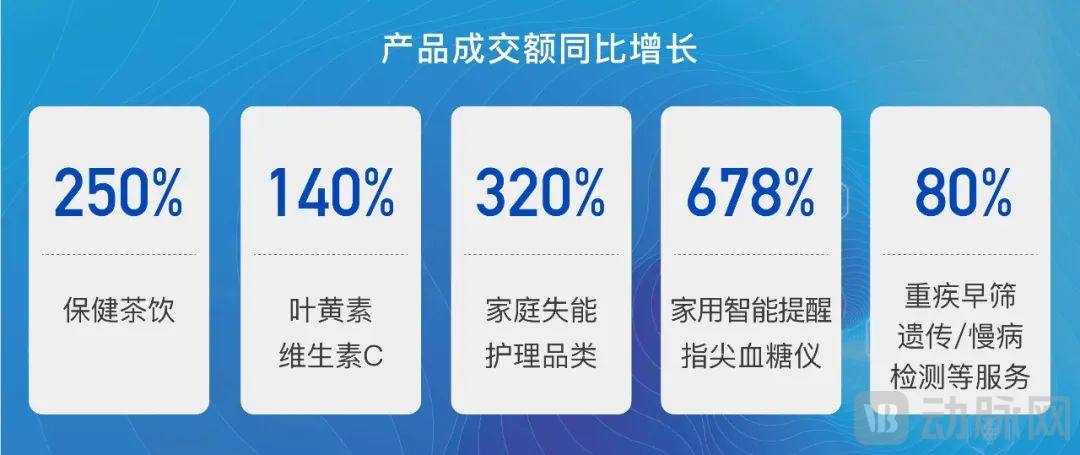
△JD.com’s Representative Health Product and Service Consumption Trends in 2022, Data from JD Consumer and Industrial Development Research Institute
The consumption of health products and services also exhibits certain regional disparities.
Among them, the online health product consumer markets in provinces and municipalities such as Beijing, Shanghai, and Sichuan are more mature, with higher purchase volumes and stronger purchasing preferences. Guangdong records high purchase volumes of health products but relatively lower preference; Chongqing, conversely, exhibits a strong preference for health product consumption but relatively lower purchase volume.
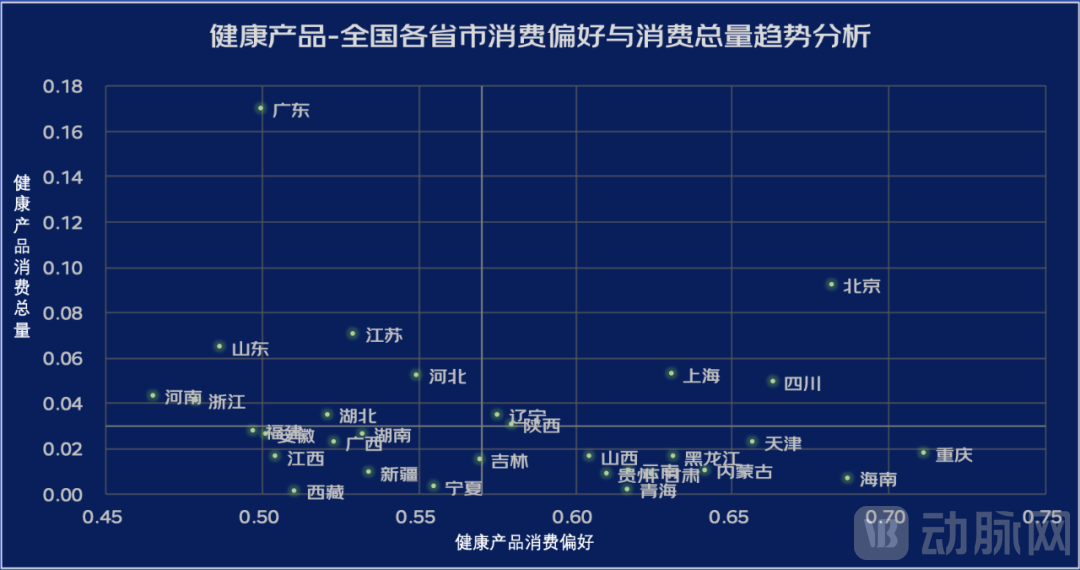
△JD.com’s 2022 Health Product Consumption Trends, image source: JD.com Consumer and Industry Development Research Institute
In the online health services consumer market, provinces and municipalities such as Beijing, Shandong, and Shanghai exhibit both high purchase volumes and strong purchase preferences. Guangdong records a high volume of health service purchases but relatively low preference; conversely, Tianjin shows a high preference for health service consumption but relatively low purchase volume.
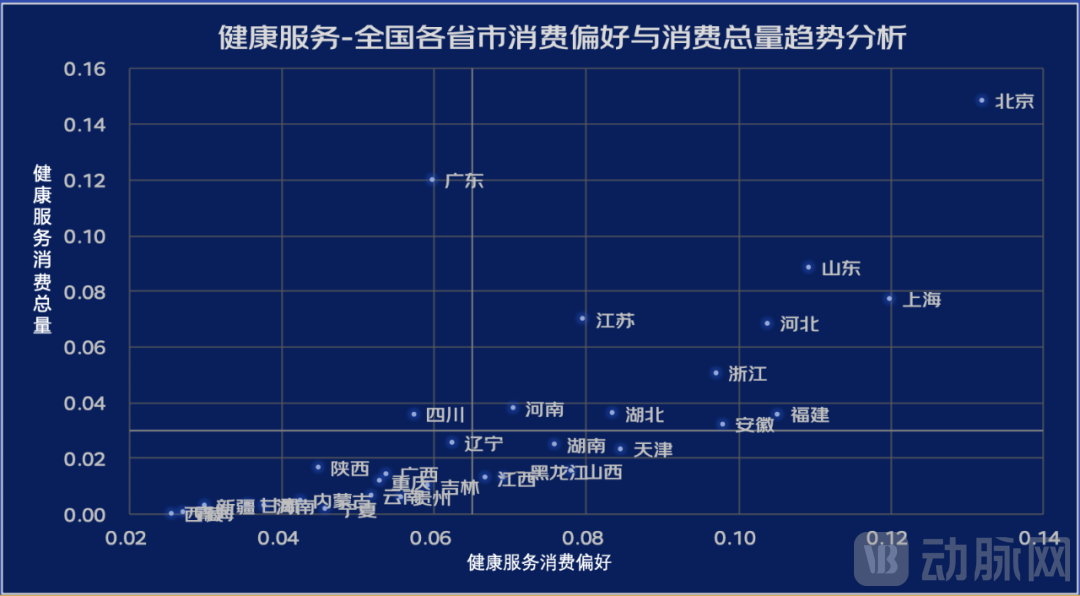
△JD.com’s 2022 Health Services Consumption Trends, image source: JD.com Consumer and Industry Development Research Institute
We also observe a certain degree of alignment between regions with higher consumption of health products and services and those ranking high in GDP. Regions exhibiting both high consumption volume and strong preferences for health products and services show a certain level of consistency with those ranking high in the Resident Health Consumption Index.
The adage “watch your mouth, move your legs” underscores that spending on sports and outdoor products is a major manifestation of consumers’ proactive health interventions. Data from the JD.com Consumer and Industry Development Research Institute show that in 2022, apart from camping, the most popular land-based activities were frisbee, flag football, and cycling. Sports such as badminton and table tennis remained highly popular, with year-on-year growth in transaction values for related equipment exceeding 60%. Moreover, amid the pandemic-induced increase in time spent at home, compact fitness equipment suitable for indoor use also gained significant traction. Given that the overall level of residents’ health consumption index related to physical activity was not optimistic, the rise of these sports undoubtedly holds considerable positive significance for shaping healthy lifestyles and improving population health.
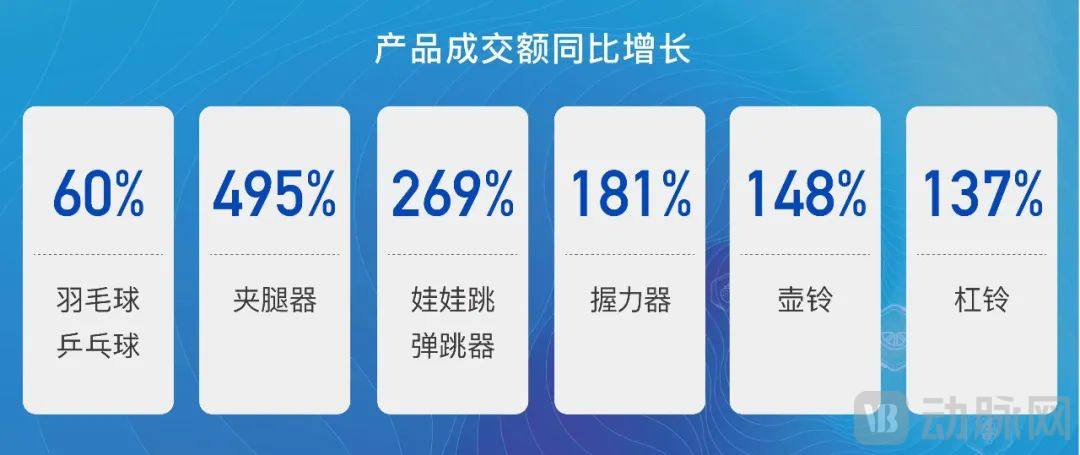
△JD.com Platform: 2022 Representative Consumer Trends in Small Fitness Equipment, Data from the JD.com Consumption and Industry Development Research Institute
The Proactive Health Sector Holds Abundant Industrial Opportunities
Relevant data indicate that proactive health consumption is emerging as a new growth driver in household spending. At the index launch event, multiple experts shared their insights into this emerging trend.
In the view of Liu Hui, Dean of the JD.com Consumer and Industry Development Research Institute, consumption of products related to proactive health reflects a shift in current consumer mindsets from “treating existing diseases” to “preventing potential illnesses.” “Particularly among young consumers, there is a clear demand for exploring and predicting diseases they may develop in the future, and they are actively taking a series of preventive measures to safeguard their future health.” This trend is manifested in consumer behavior through significant growth in spending on health services such as medical check-ups, early disease screening, and HPV vaccination.
Liu Hui stated that due to differing health concerns across age groups, consumer behavior also reflects variations in preferences. The younger demographic aged 16–25 places greater emphasis on preventing future diseases, resulting in higher demand for health services. In contrast, individuals aged 56 and above have a stronger desire to maintain their health, leading them to adopt more proactive health intervention measures. Consequently, their share of consumer demand for tangible health products is significantly higher than that of younger groups.
In the realm of proactive health consumption, another notable trend in recent years has been the rapid growth in the adoption of wearable smart devices with health monitoring capabilities, such as smartwatches, fitness bands, and fingertip blood glucose meters. According to Dr. Wang Bufei, Director of the Department of General Practice at Shenzhen United Family Hospital, an increasing number of patients and individuals seeking health consultations are sharing monitoring data from their smartwatches or fitness bands with physicians to seek professional advice. Dr. Wang believes that proactive patient monitoring of physiological indicators such as blood glucose and blood pressure can provide physicians with valuable reference information. If relevant smart devices could be integrated with hospital systems, it would significantly improve the efficiency of patient data collection and facilitate the management of chronic diseases. Dr. Wang also pointed out that the stability and monitoring accuracy of wearable devices, which directly affect the reliability of health data, are critical issues that the industry needs to address in the future.
Wang Hui, Vice President of Huami Technology and General Manager of Huami Beijing, stated that the development of wearable devices is heading in two directions: first, incorporating more sensors, and second, achieving genuine integration with the healthcare system. Currently, mainstream products on the market remain focused on user activity monitoring, with functionalities leaning more toward entertainment. They have not yet reached the level required for chronic disease management or even evidence-based medicine, and there remains a certain gap between their capabilities and true clinical applications. However, related explorations have already begun. Wang Hui believes that as wearable health monitoring products continue to upgrade and reach a broader population, health big data at the scale of hundreds of millions of users will inevitably bring about profound changes to the entire healthcare industry. “In the future, with the advancement of proactive health technologies—including wearable devices and other peripheral products—a new ecosystem will be constructed. Health services may evolve from disease treatment to a primary focus on maintaining health status, but this transformation will certainly not happen overnight.”