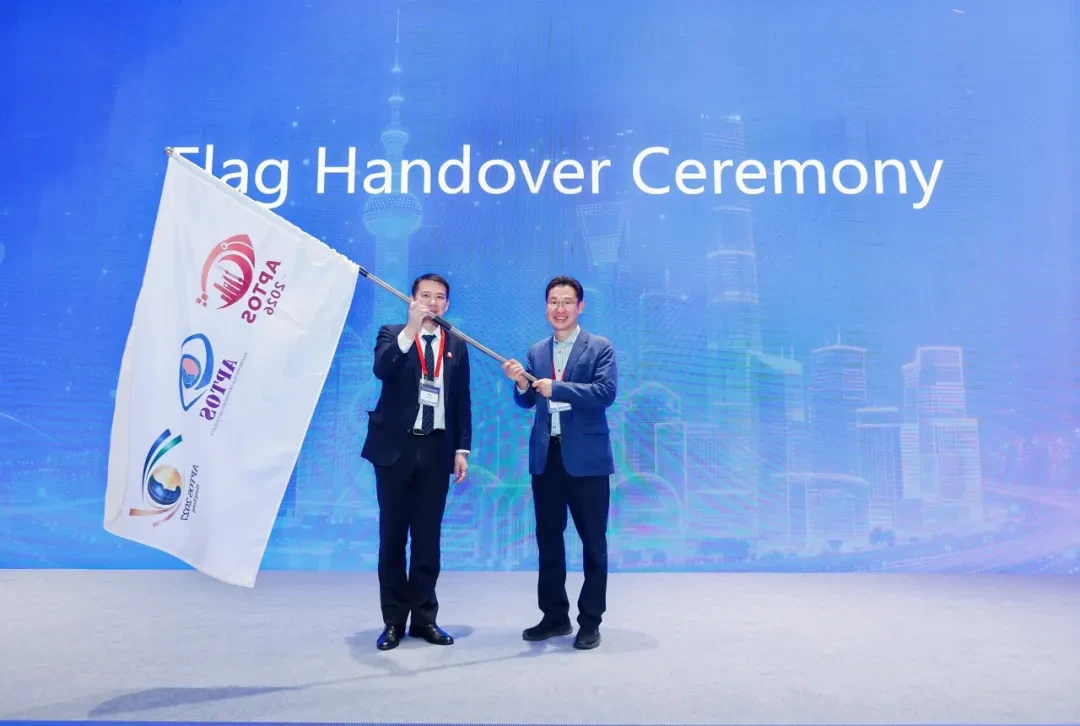
APTOS 2026 Successfully Concludes in Shanghai with Global Focus on AI and Tele-Ophthalmology
Aravind Eye Care System
Eye Care Service Provider
From China to the World | June 5-6, 2026 | Shanghai, China
Editor's Note
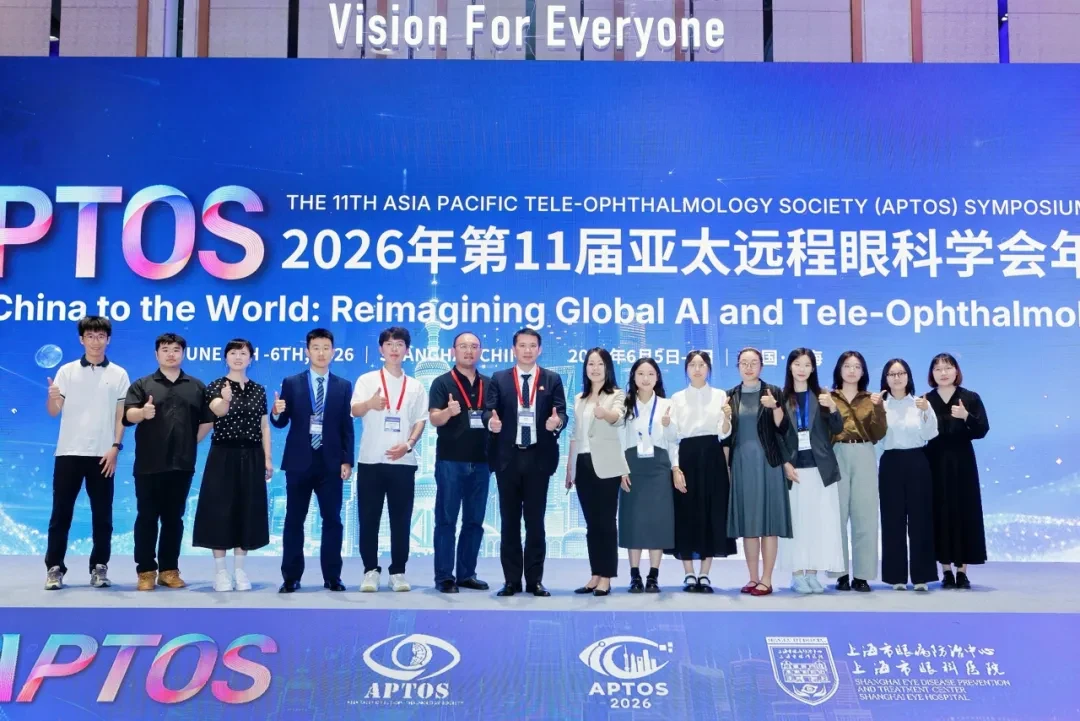
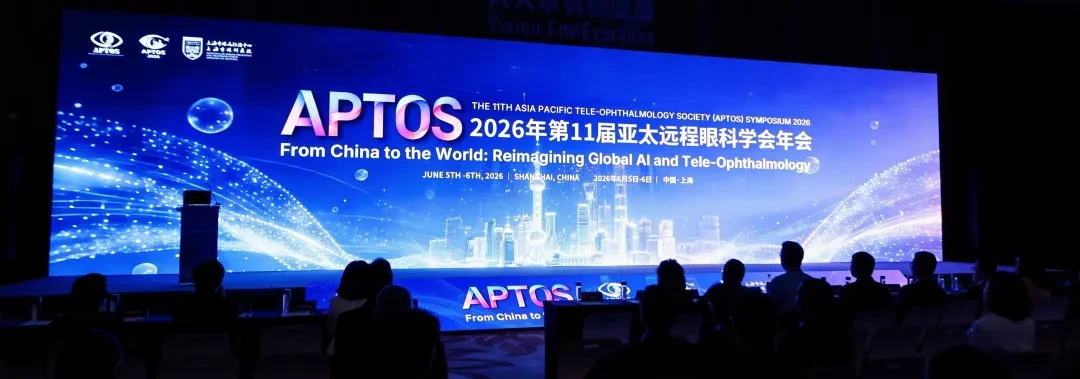
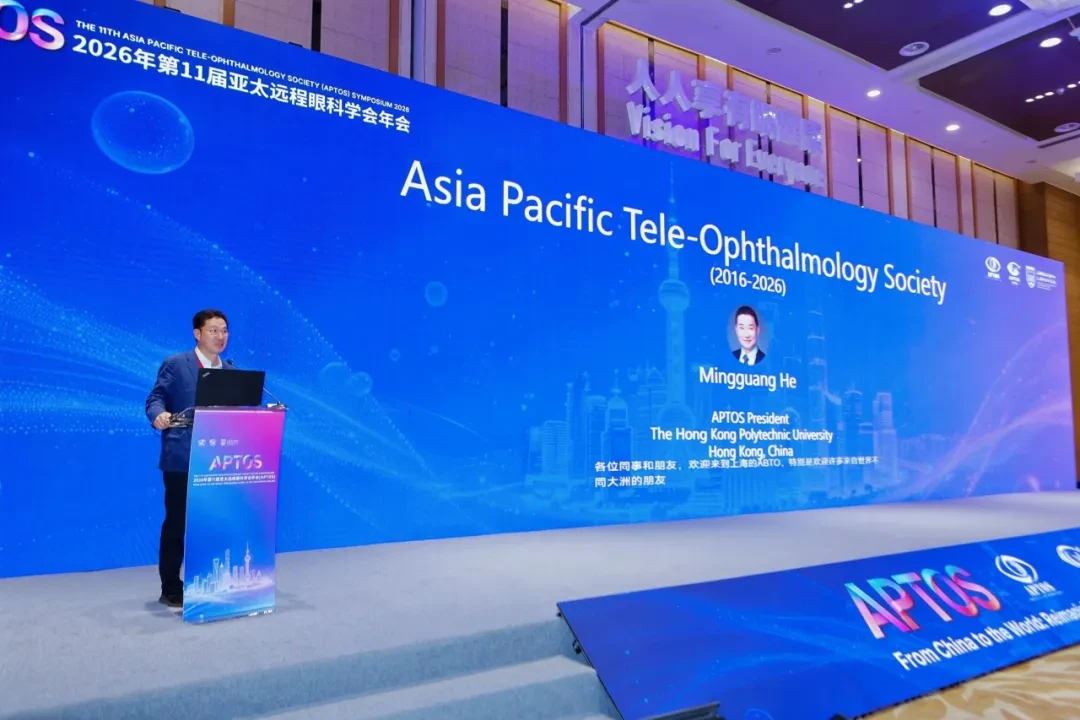
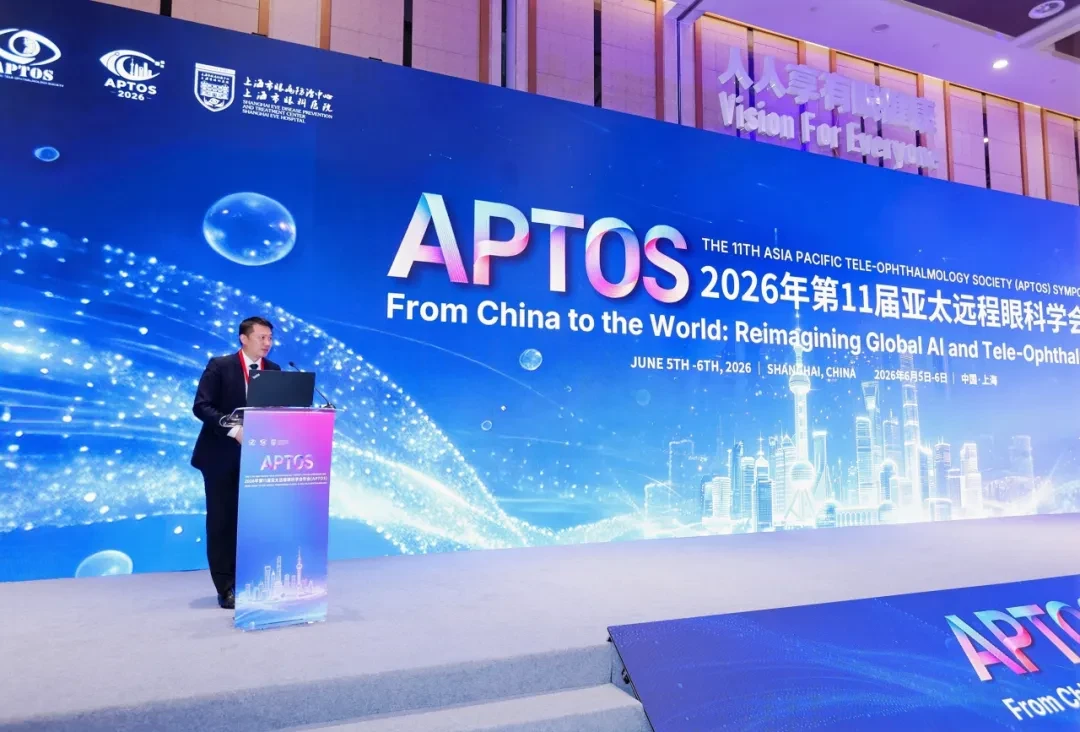
As artificial intelligence accelerates its integration into ophthalmology and telemedicine continues to break down geographical barriers, global eye health services are ushering in new horizons for innovation. From June 5 to 6, 2026, the 11th APTOS Conference was successfully held in Shanghai. The conference was co-chaired by Professor He Mingguang and Professor Zou Haidong. Under the theme “From China to the World: Reshaping Global AI and Tele-Ophthalmology,” the event brought together experts and scholars from fields including clinical ophthalmology, public health, artificial intelligence, digital health, and industrial innovation to jointly discuss frontier advancements, real-world applications, and pathways for global collaboration in AI and tele-ophthalmology.
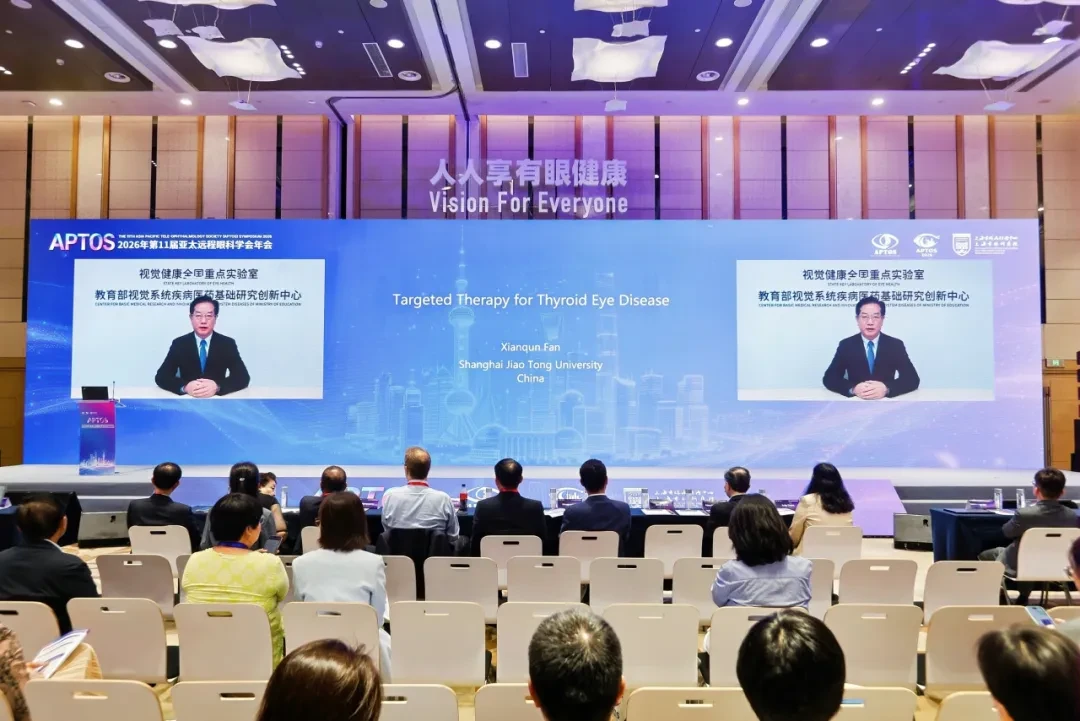
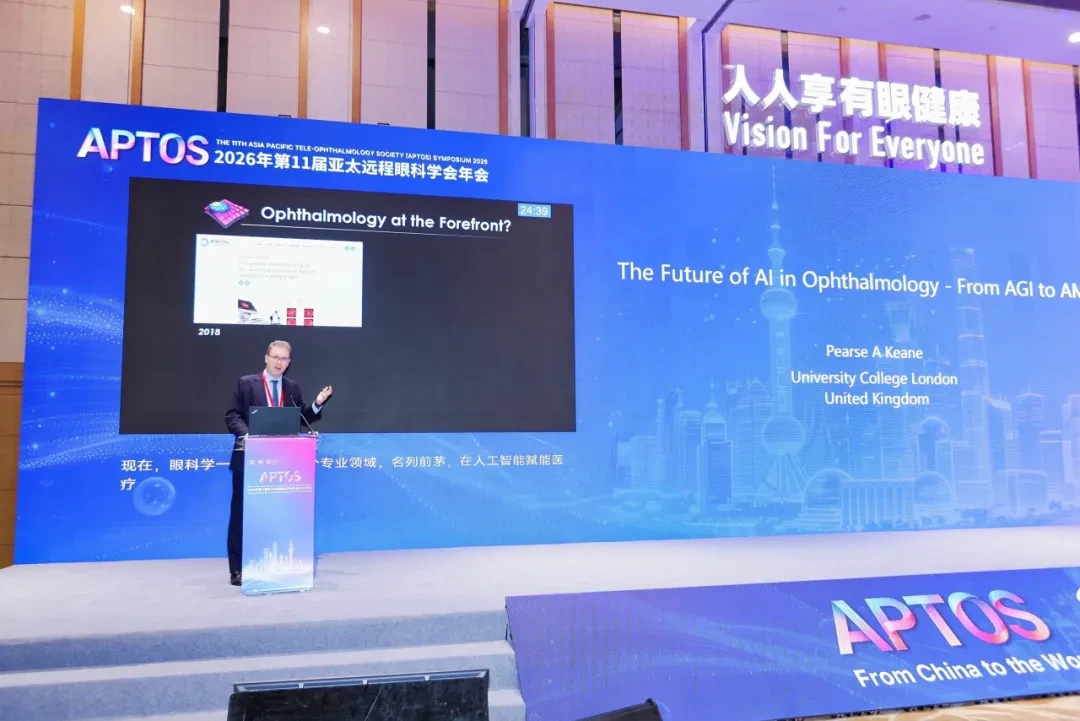
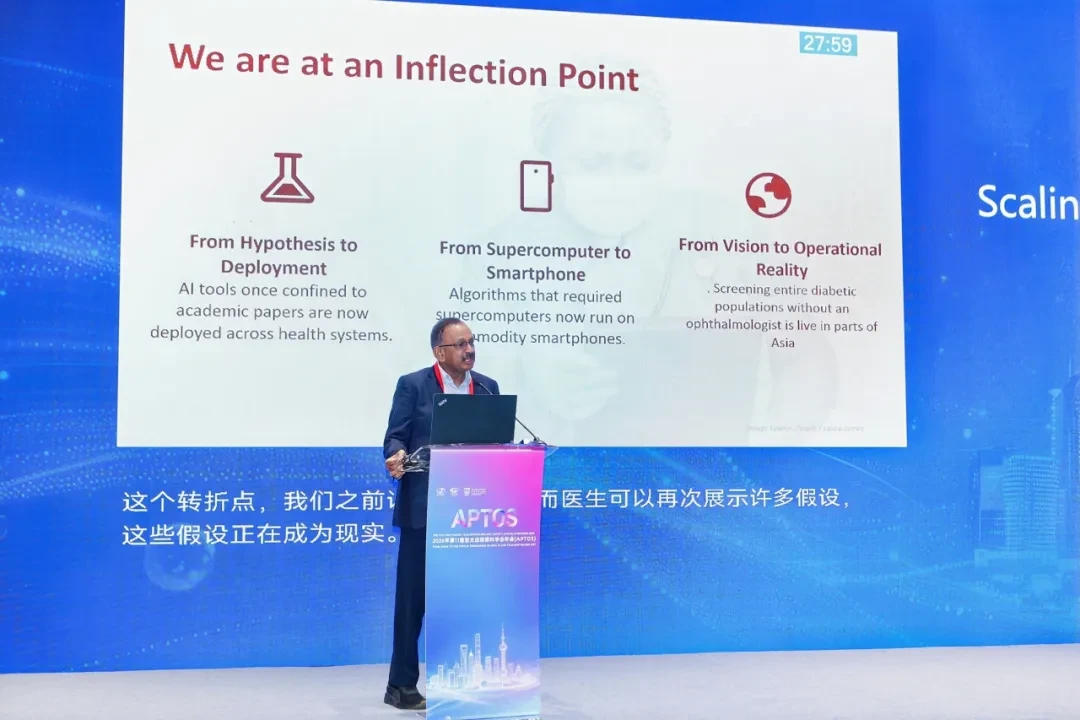
The conference boasted an impressive lineup of distinguished guests. At the opening ceremony, Professor Fan Xianqun, Academician of the Chinese Academy of Engineering, extended warm congratulations to the event and highly affirmed APTOS’s pivotal role as a platform for tele-ophthalmology and smart ophthalmology exchange in the Asia-Pacific region. He pointed out that the theme of this year’s conference accurately responds to the contemporary trend of digital health and artificial intelligence reshaping eye care services, while also reflecting the broad prospects for connecting Chinese practices with global collaboration. Subsequently, Academician Fan delivered the keynote address, kicking off the scientific agenda of the conference. Renowned experts from both China and abroad, including Professor Pearse Keane from University College London (UK) and Professor Kim Ramasamy from Aravind Eye Care System (India), also presented keynote speeches. Professor Pearse Keane shared insights on “The Future of AI in Ophthalmology - From AGI to AMI,” exploring the evolution from artificial general intelligence to artificial medical intelligence, and highlighting the vast potential of AI in ophthalmic diagnosis and treatment, scientific research innovation, and future healthcare models. Professor Kim Ramasamy, under the title “Beyond the Horizon: Scaling Innovation and Navigating the Ocular Frontier,” focused on how innovation can transcend pilot stages to achieve large-scale application and deliver value across broader eye care service scenarios. Additionally, numerous distinguished experts from Hong Kong and Macao Special Administrative Regions of China, as well as from overseas, participated in the conference exchanges. The convergence of diverse perspectives in Shanghai provided profound insights and significant inspiration for the development of artificial intelligence and tele-ophthalmology.
From Chinese experience to global collaboration, from technological innovation to clinical implementation, and from data standards to the power of youth, this symposium was not only a high-level international academic exchange but also a concentrated showcase of future-oriented eye health service models. Over the course of the two-day conference, continuous intellectual exchanges and in-depth cross-disciplinary dialogues fully demonstrated the broad prospects of smart ophthalmology in connecting the world and serving the future.


Global Perspective
From China to the World: Exploring New Pathways in AI-Powered Tele-Ophthalmology
“From China to the World” is the most prominent keyword of this year’s APTOS. The conference examines the development trends of artificial intelligence and tele-ophthalmology from a global perspective, fostering in-depth discussions on how AI can enhance the accessibility, affordability, and quality of eye health services.
Amid the backdrop of growing global demand for eye health services and uneven distribution of high-quality medical resources, tele-ophthalmology is no longer merely an extension of “online consultations,” but has become critical infrastructure connecting screening, diagnosis, follow-up, management, and public health services. Experts from China, the United Kingdom, Singapore, India, and various other Asian countries shared their practical experiences across different regions and nations, making this conference a truly internationally significant academic event with substantial value for global dialogue.
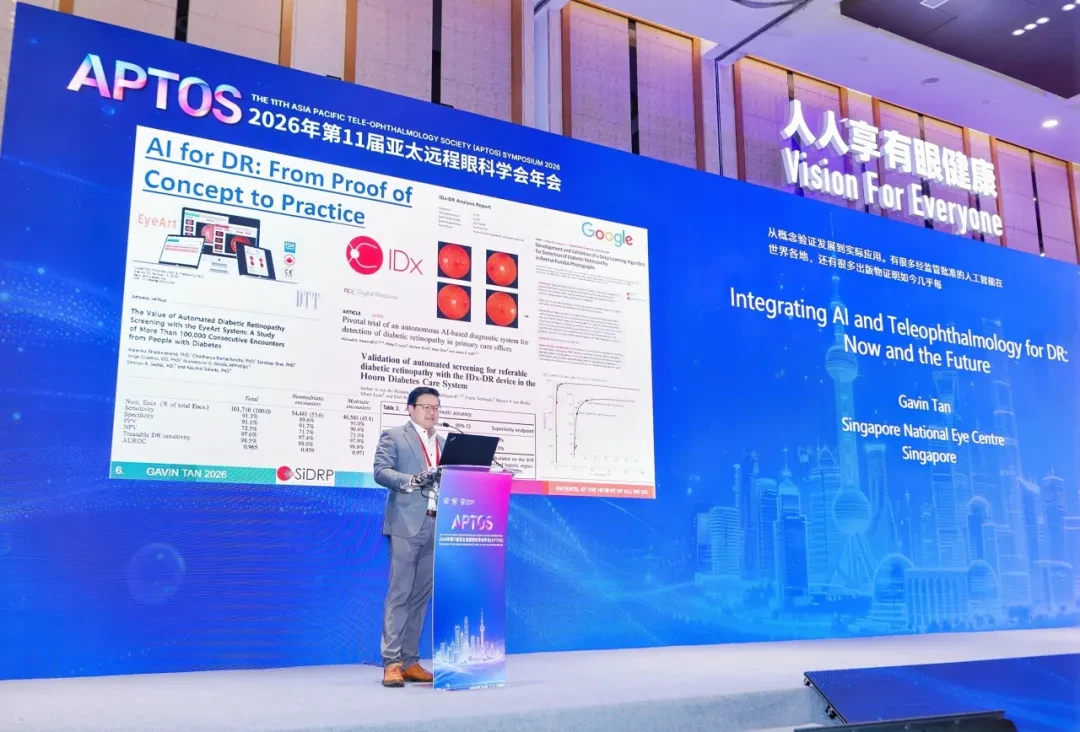
The distinguished participation of Academician Fan Xianqun, Professor Pearse Keane, and Professor Kim Ramasamy injected a higher level of academic leadership and international influence into the conference. Meanwhile, renowned experts from the Asian and global ophthalmology communities, including Paisan Ruamviboonsuk, Carol Cheung, Ching-Yu Cheng, Gavin Tan, and Charumathi Sabanayagam, gathered in Shanghai to engage in extensive exchanges and in-depth dialogues with their Chinese counterparts. The convergence of diverse backgrounds, multi-regional experiences, and multidisciplinary perspectives at the conference not only highlighted the distinct international character of this year’s APTOS but also opened up broader spaces for discussion on “how AI can truly serve patients, primary care settings, and the global community.”

AI Empowerment
From Algorithmic Breakthroughs to Clinical Applications
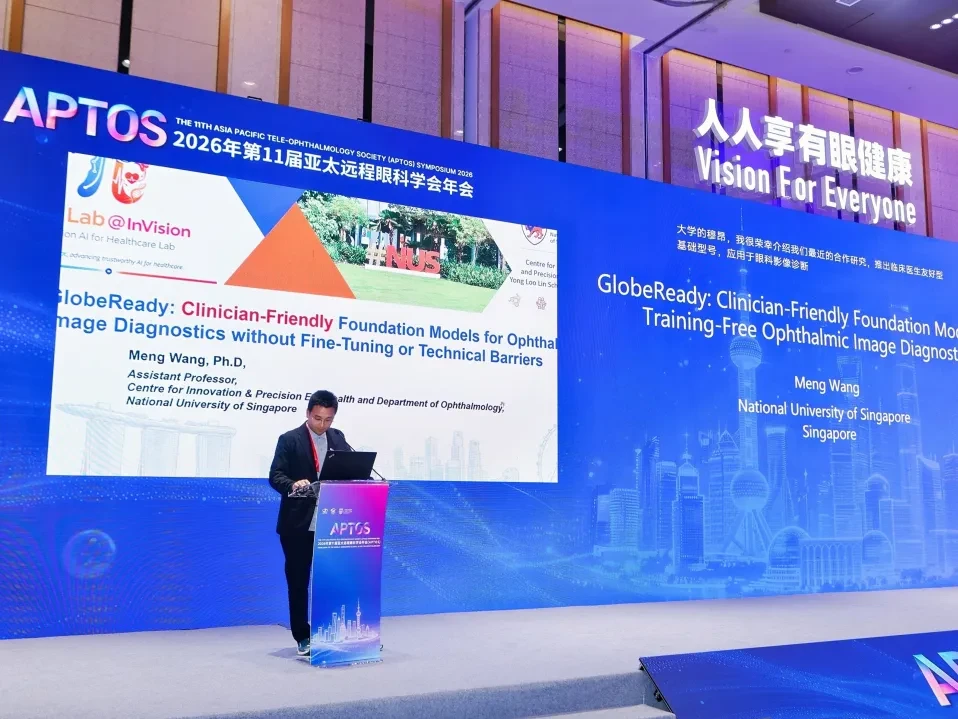
Artificial intelligence is one of the core themes of this year’s APTOS. The conference agenda covers multiple directions, including AI models, fundus image analysis, intelligent screening, predictive tools, multimodal AI, ophthalmic large language models, and clinical workflow optimization. It focuses not only on technological breakthroughs but also on the usability and reliability of these technologies in real-world diagnostic and treatment scenarios.
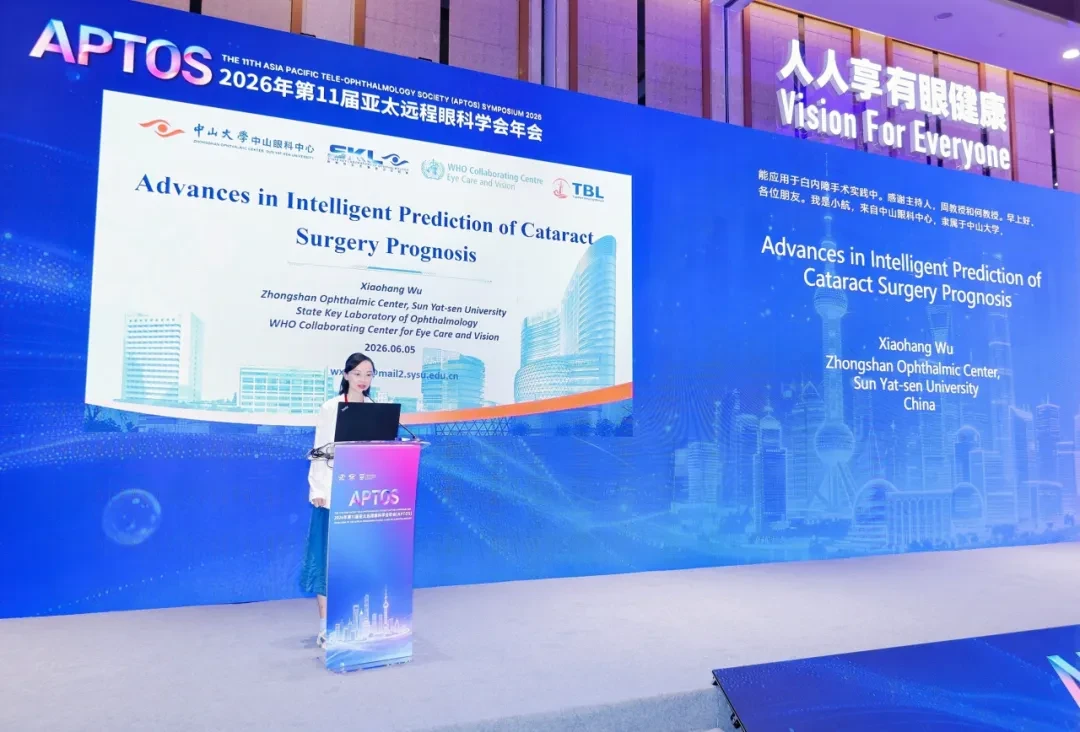
In a series of thematic reports and discussions, experts and scholars from the fields of medical publishing, clinical ophthalmology, artificial intelligence, and medical imaging—including Zhao Jianfei, Zhang Mingzhi, Jin Kai, Wu Xiaohang, Li Zhongwen, Zhou Yukun, Fu Huazhu, and Shi Danli—engaged in exchanges, bringing multiple perspectives to the conference ranging from clinical needs to algorithmic innovation, and from study design to translational applications. The discussion moved beyond the question of “what AI can do” to further explore “how AI can be effectively utilized in clinical practice.”
The conference also fully demonstrated the potential of artificial intelligence in redesigning ophthalmic services: from improving screening efficiency to assisting in precise diagnosis; from optimizing clinical workflows to enhancing patient experience; from serving hospital settings to extending into communities and primary care, AI is becoming a significant force driving the upgrade of eye health service models.


Real-World Implementation
Bringing Intelligent Screening to Communities, Primary Care Settings, and Broader Regions
The value of artificial intelligence ultimately lies in its ability to help more people detect issues earlier and access services in a more timely manner. This symposium places special emphasis on the real-world applications of AI screening across various Asian regions and in cross-border scenarios, covering topics such as fundus disease screening, diabetic retinopathy screening, glaucoma screening, and screening in pediatric and community settings.
These insights lent a practical and human dimension to the conference discussions. How can solutions be adapted to primary healthcare workflows? How can they be integrated with public health systems? How can replicable and sustainable service models be established across different countries and regions? How can technology truly bridge gaps in geography, resources, and population disparities? Addressing these key questions, experts drew on their own practical experiences to share insights and perspectives, offering valuable references for the future digital transformation of eye health. Centered on these critical issues, experts including Padmaja Rani, Raba Thapa, Ryo Kawasaki, Hitoshi Tabuchi, Mayinuer Yusufu, Lisa Zhu, Liu Hanruo, Yu Honghua, Pan Chenwei, Li Wenwen, and Li Feng engaged in exchanges with conference attendees, sharing experiences and reflections based on diverse practices and application scenarios, thereby providing useful guidance for the future digital transformation of eye health.

Standards First
Data, Interoperability, and Global Collaboration Become Key Words
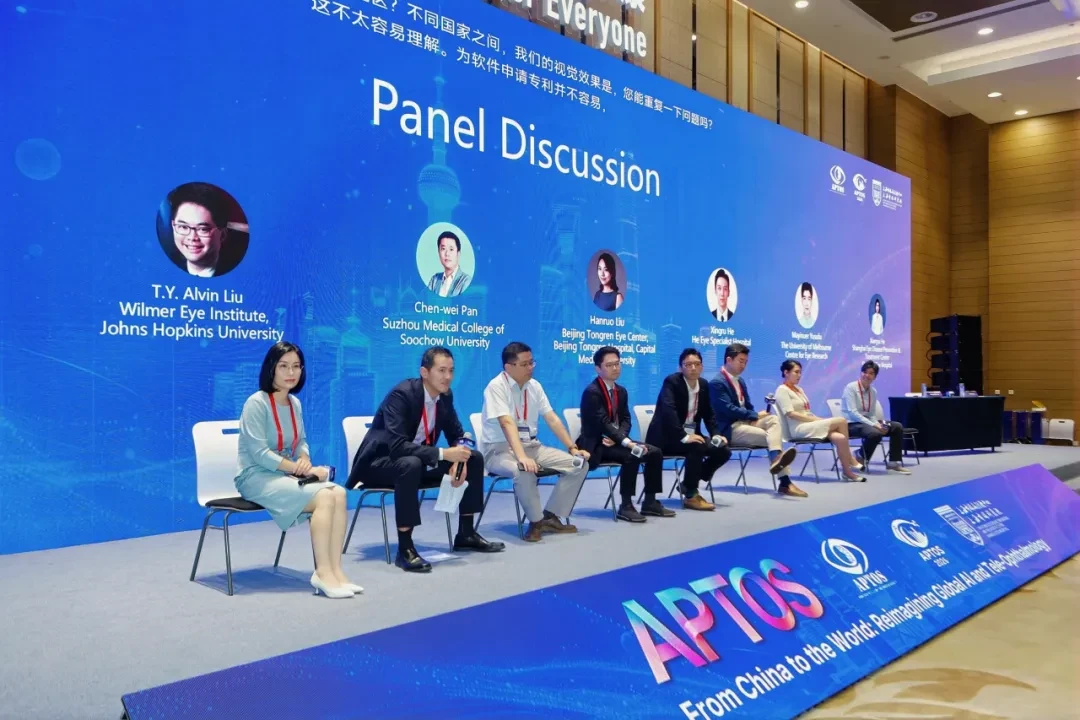
As AI applications in ophthalmology transition from isolated explorations to large-scale adoption, issues such as data quality, interoperability standards, ethical governance, and product regulatory approval have become increasingly critical. This year’s APTOS features a special session titled “Data, Interoperability, and Global Standards in AI & Tele-Ophthalmology,” focusing on technical standards for AI and tele-ophthalmology, challenges associated with real-world data, regulatory approval and application of AI products, and assessments of technological maturity and clinical management capabilities.
This also highlights a key feature of this year’s conference: rather than focusing solely on “how new the new technologies are,” greater emphasis is placed on how these technologies can be safely, standardizedly, and sustainably integrated into the healthcare system. For clinicians, researchers, administrators, and industry partners, standard development, data governance, and international collaboration will determine whether AI in ophthalmology can progress more steadily and further.
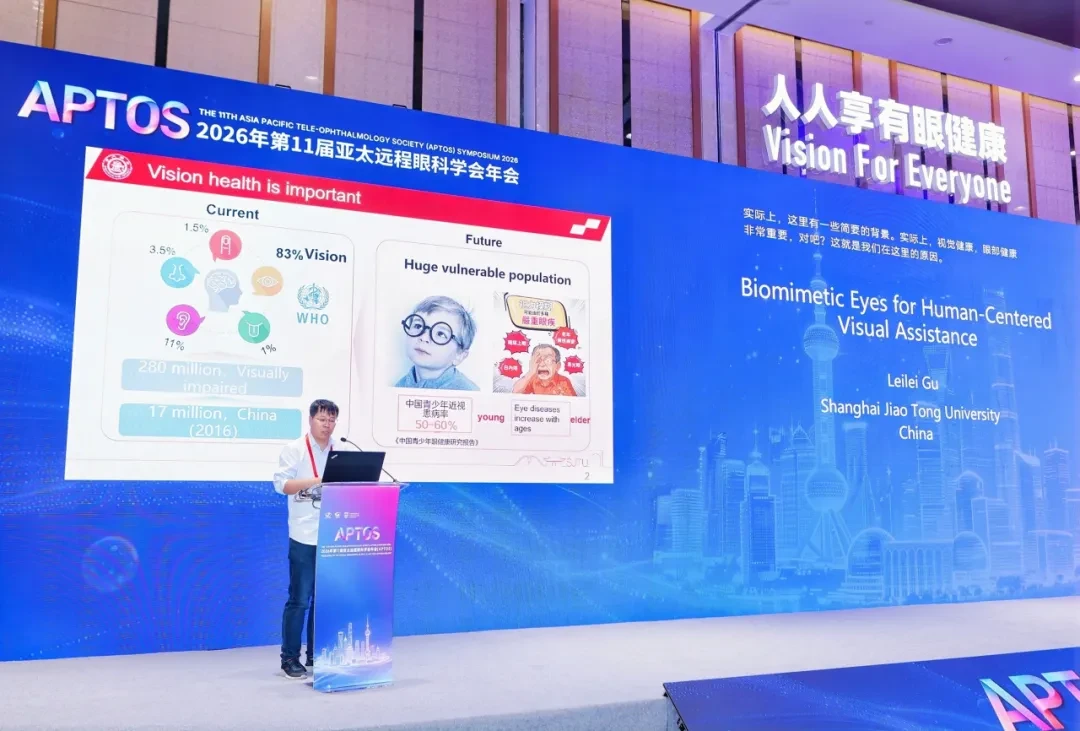
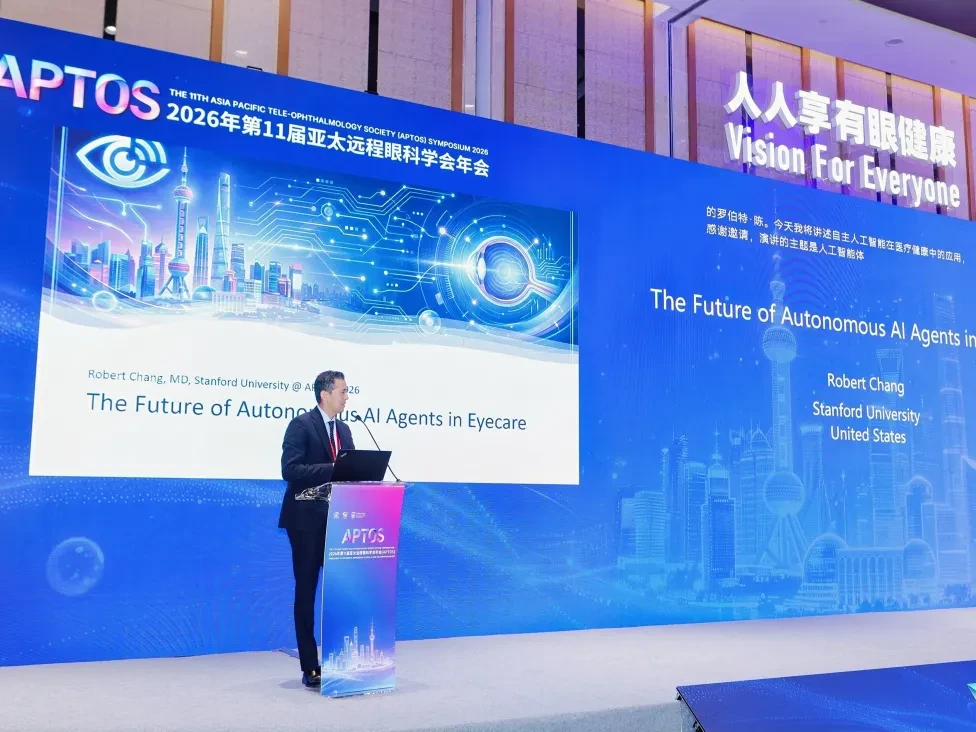
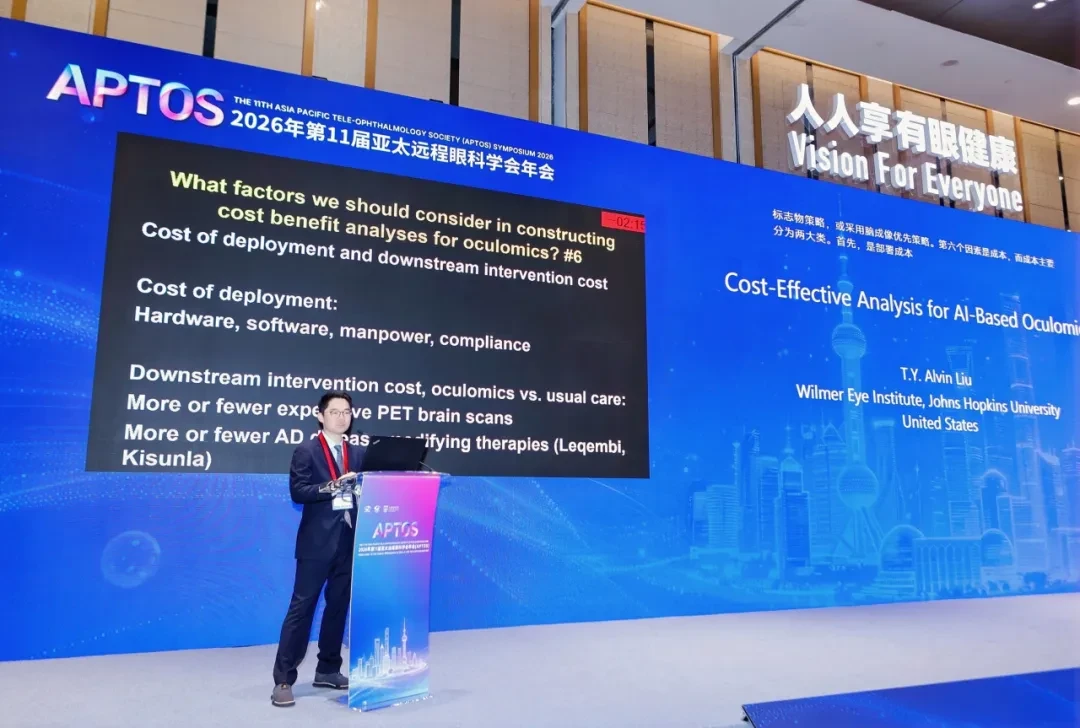
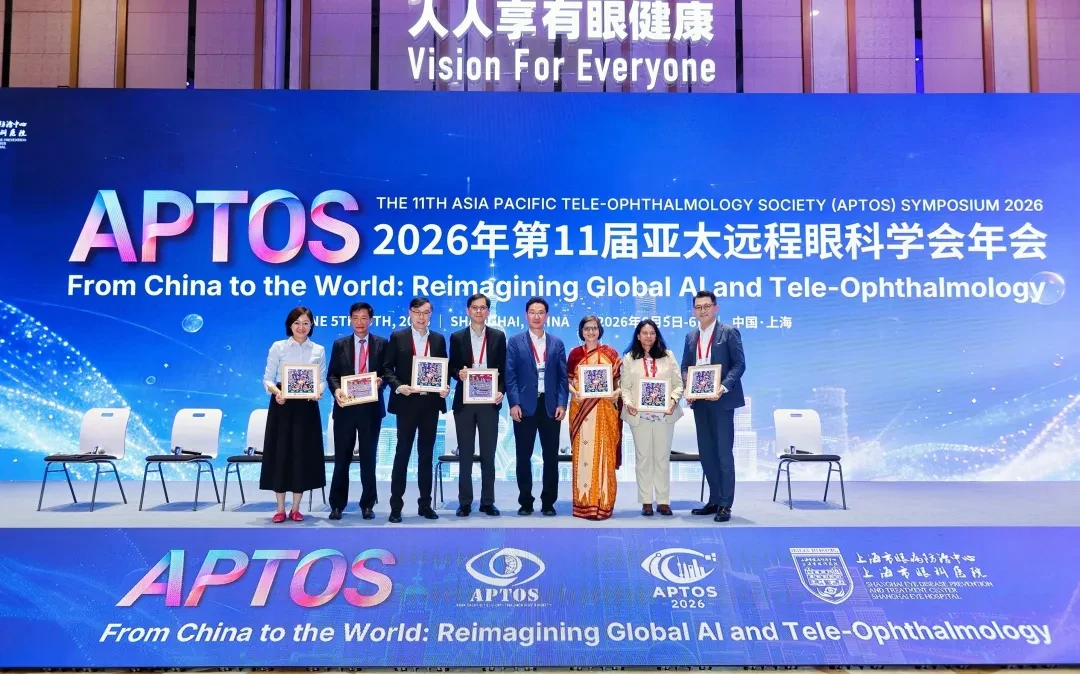
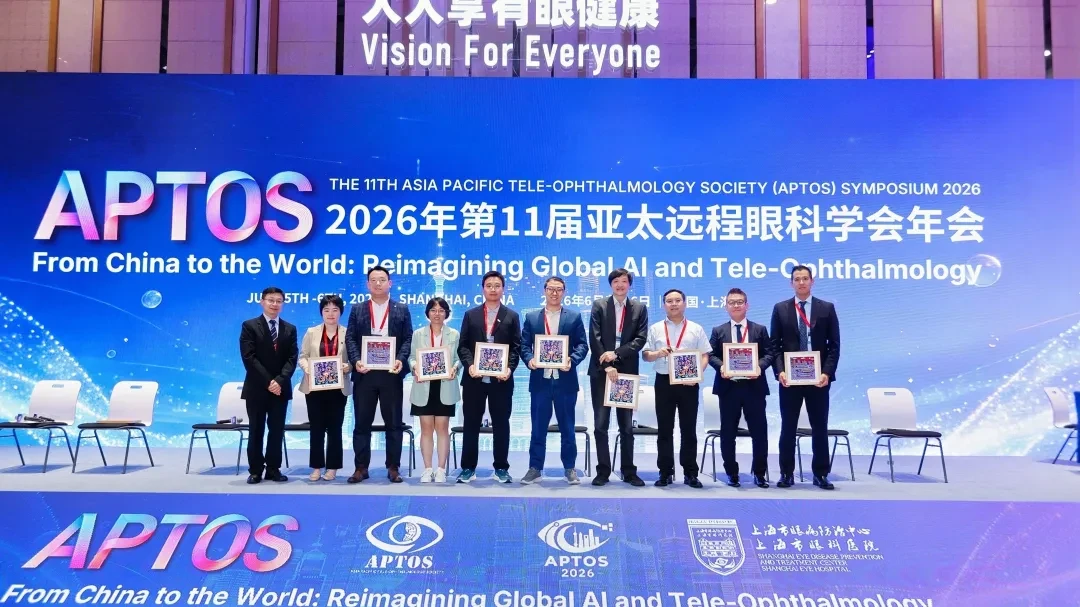
In this session, the participation of experts such as Meng Ngy, Benjamin Xu, T.Y. Alvin Liu, Robert Chang, Xinjian Chen, Leilei Gu, and Chun Zhang further enriched the conference’s discussions on data standards, technology translation, clinical applications, and international collaboration, thereby clarifying the future path for AI and tele-ophthalmology.
Standards First


Youth Power
Let Innovation Begin with the Next Generation
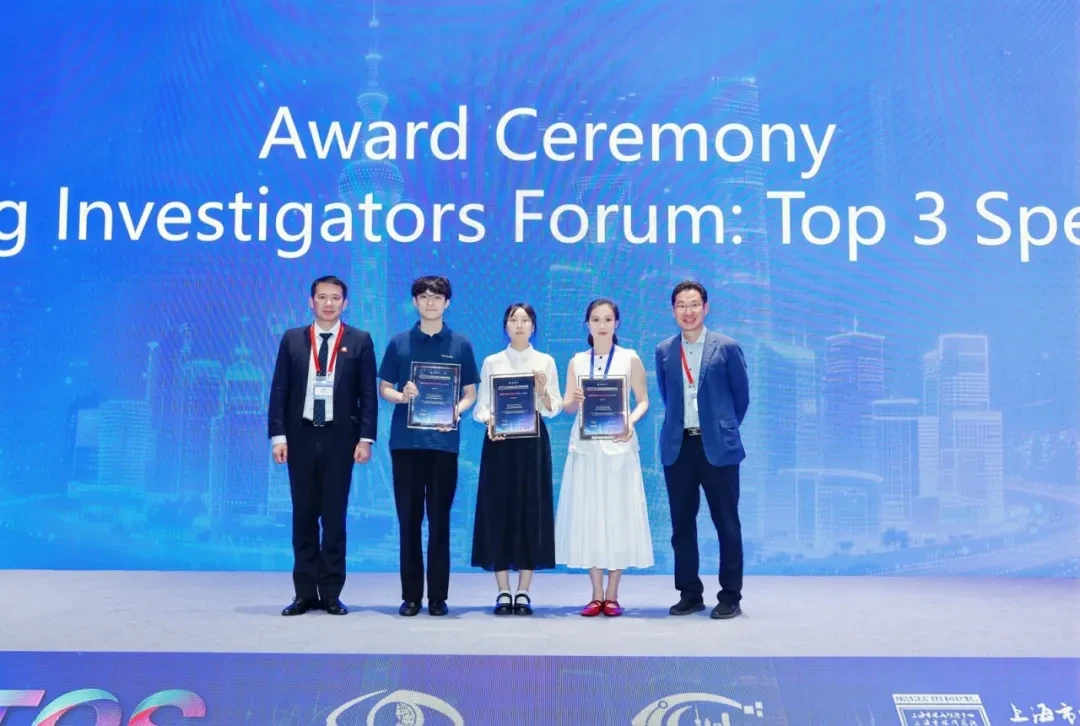
This year’s APTOS also places special emphasis on young researchers and interdisciplinary talent development, featuring a Young Researchers’ Forum and young scholar seminars to encourage early-career scholars to pose questions and propose solutions in the fields of digital health, AI in ophthalmology, and telemedicine.
From young researchers to interdisciplinary teams, from ophthalmologists to engineers and public health practitioners, APTOS is building an open, connected, and future-oriented platform for exchange. Here, you will find cutting-edge insights from international leaders as well as innovative expressions from young scholars; both macro-level trend analysis and concrete practical explorations.