

26 Years of Breakthrough Research: KANTE Achieves Major Advancement in Early Pancreatic Cancer Detection
Humanity’s millennia-long struggle against cancer has witnessed rapid advancements in life sciences driven by scientific and technological progress. With the continuous emergence of diagnostic and therapeutic technologies—including early detection and screening, surgery, interventional procedures, and targeted therapies—the shadow of mortality cast by cancer appears to be gradually receding.
But pancreatic cancer is an exception. Known as the “king of cancers,” it claimed the lives of notable figures such as Nobel Prize laureate in Physiology or Medicine Ralph Steinman, opera singer Luciano Pavarotti, and Alan Rickman, who portrayed Professor Snape.
Pancreatic cancer is highly aggressive and invasive. Due to differences in anatomical structure,Pancreatic cancer presents no obvious symptoms in its early stages; most patients are already at an intermediate or advanced stage upon initial diagnosis.. However, advanced pancreatic cancer spreads extremely rapidly, with a mortality rate as high as 95%. It is for this reason that pancreatic cancer has long been synonymous with death.
According to the latest global cancer burden data report released by the International Agency for Research on Cancer (IARC) of the World Health Organization, the incidence and mortality rates of pancreatic cancer in China have shown a continuous upward trend. In 2020, there were approximately 125,000 new cases of pancreatic cancer in China, ranking eighth among all newly diagnosed cancer cases that year. The number of deaths from pancreatic cancer was approximately 122,000, ranking sixth.
Furthermore, a growing body of research indicates that new-onset diabetes may be an early clinical manifestation of pancreatic cancer, and patients over the age of 50 with new-onset diabetes are considered a high-risk population for this disease. Moreover, with the advent of an aging society and changes in lifestyle factors—such as high-fat diets, smoking, alcohol consumption, and high stress levels—the risk of developing pancreatic cancer has also increased. SuchHigh-risk populations should place greater emphasis on early diagnosis and screening for pancreatic cancer.
In fact, pancreatic cancer has a long latency period. In 2010, Yachida from the Johns Hopkins School of Medicine reported in Nature on the developmental history of pancreatic cancer. On average, normal cells undergo 11.7 years of accumulation of oncogenic mutations to become “tumor progenitor cells” without metastatic potential, followed by another 6.8 years of mutations and replication to evolve into “subclonal tumor cells” capable of dissemination and metastasis. However, once the disease reaches its tipping point, it deteriorates and spreads rapidly; within an average of 2.7 years, the tumor metastasizes to sites such as the liver, lungs, and peritoneum, causing fatal damage to patients.
Therefore,To improve the cure rate of pancreatic cancer, early screening, early diagnosis, and early treatment are crucial and have become a consensus in the industry.
Most Advantageous Biomarker: microRNA Exhibits High Stability and Sensitivity
Among the various organs in the human body, the pancreas is the most overlooked; few people undergo regular check-ups for this small organ.Approximately 80% of pancreatic cancer patients are diagnosed at an intermediate to advanced stage, with only 20% being eligible for surgical resection.
This is primarily because the pancreas is deeply situated in the upper left abdomen, in close proximity to organs such as the liver, gallbladder, intestines, and stomach, with complex vascular and neural structures located posteriorly, making early-stage small pancreatic tumors difficult to detect.
Currently, common pancreatic cancer screening methods in the industry include imaging examinations, blood biochemical tests, and histopathological or cytological diagnoses.
Among imaging modalities, CT and MRI exhibit low sensitivity for tumors with a diameter of <1 cm. Endoscopic ultrasound (EUS) demonstrates favorable sensitivity and specificity in the diagnosis of pancreatic cancer; however, it is invasive, and its accuracy is significantly influenced by the operator’s technical proficiency and experience. PET-CT and PET-MRI are costly and therefore unsuitable for widespread early screening.
Current blood biochemical tests for pancreatic tumor markers used in clinical molecular detection, such as CA19-9 and CA125, exhibit low sensitivity, low specificity, and poor accuracy, leading to a high risk of missed diagnoses in patients with early-stage pancreatic cancer; therefore, they are not yet suitable as indicators for early diagnosis.
Histopathological or cytological diagnosis is the current gold standard for pancreatic cancer diagnosis, but it is often too late to perform a biopsy once symptoms appear, making it unsuitable for early screening.
Despite significant advances in clinical diagnostic techniques and methods for tumors, early diagnosis of pancreatic cancer remains extremely challenging, and existing clinical biomarkers are not suitable for early screening.
In this context, microRNAs, as novel biomarkers, have demonstrated significant potential in the early screening and auxiliary diagnosis of pancreatic cancer.
Xiao Guishan, a Foreign Academician of the Russian Academy of Engineering and Chairman and Chief Scientist of Kangde Biology, discovered in his research that microRNA molecules exhibit high stability and sensitivity, demonstrating significant value in the early diagnosis of pancreatic cancer.

Professor Xiao Guishan, Foreign Member of the Russian Academy of Engineering, Chairman and Chief Scientist of Kangde Biology
Meanwhile, microRNAs exhibit opposite expression trends in the serum of patients with pancreatic cancer and chronic pancreatitis; they are highly expressed in the serum of pancreatic cancer patients, whereas their expression is downregulated in those with chronic pancreatitis. This differential expression enables effective differentiation between pancreatic cancer and chronic pancreatitis, establishing microRNAs as the most advantageous biomarkers currently available.
26 Years of Research Target the “King of Cancers,” Addressing Pain Points in Early Detection and Screening
Academician Xiao Guishan’s research on microRNA dates back 26 years.
In 1995, Dr. Xiao Guishan earned his doctoral degree. As the last doctoral student of Academician Zou Chenglu, a renowned Chinese biochemist, he was recommended by his mentor to pursue advanced studies at the University of Texas and Baylor College of Medicine in the United States. He subsequently served as a member of several major international omics and clinical application research institutions.

At that time, the much-publicized Human Genome Project sparked a major transformation in the medical community in the United States. As one of the first researchers involved in the project, Xiao Guishan was deeply engaged in scientific research on personalized diagnostics and precision medicine.
In 2000, the completion of the Human Genome Project was announced. Scientists discovered that the total number of protein-coding genes in the genome is less than 30,000, far fewer than the initially estimated approximately 100,000, with their DNA sequences accounting for only 2% of the entire genome. The remaining non-protein-coding regions can produce a large amount of non-coding RNA, which plays important roles such as regulating gene expression.
Among themmicroRNAs are a class of non-coding RNAs approximately 19–25 nucleotides in length that regulate cancer cell biological processes through multiple pathways, playing a critical role in disease pathogenesis.
This has sparked great interest in Xiao Guishan’s team. Since 2005, the team has focused on pancreatic cancer, selecting different pathological stages from ultra-early to mid-stage carcinogenesis to screen and study various types of biomarkers, including microRNA, DNA methylation, copy number variations (CNVs), single nucleotide polymorphisms (SNPs), as well as other proteins and metabolites.
Studies have found thatmicroRNAs are stable in serum, exhibit high sensitivity and accuracy, and are closely associated with the development of pancreatic cancer.
In January 2015, upon receiving an invitation to return to China for career development, Academician Xiao Guishan resolutely abandoned his overseas career and signed a contract as a high-level overseas talent introduced by Dalian University of Technology. He currently serves as a Distinguished Professor at the School of Pharmaceutical Science and Technology, Dalian University of Technology.
Upon returning to China, Academician Xiao founded Kangde Bio to translate his groundbreaking original academic achievements into clinically applicable diagnostic and therapeutic tools. The company is focused on developing innovative products for the early diagnosis of pancreatic cancer, known as the “king of cancers,” with the aim of improving early detection rates and enabling patients to receive timely diagnosis and treatment.
Driving Technological Innovation Through R&D to Find Systemic Solutions for Malignant Tumors
For researchers, once a research direction is established, it is essential to develop a robust clinical protocol supported by sound methodology. It was the multi-omics research team led by Academician Xiao that, through years of dedicated effort and accumulation in this field, laid the technical foundation for subsequent biomarker development.
Different biomolecules also require different research approaches. Based onThe most prominent chemical characteristic of microRNA is its length of only 23 nucleotides,Conventional PCR is barely able to detect its signal, thereforeAcademician Xiao’s team, through a series of improvements, independently designedDistinctive primer and probe structures, which have also become one of the technical barriers for subsequent products.
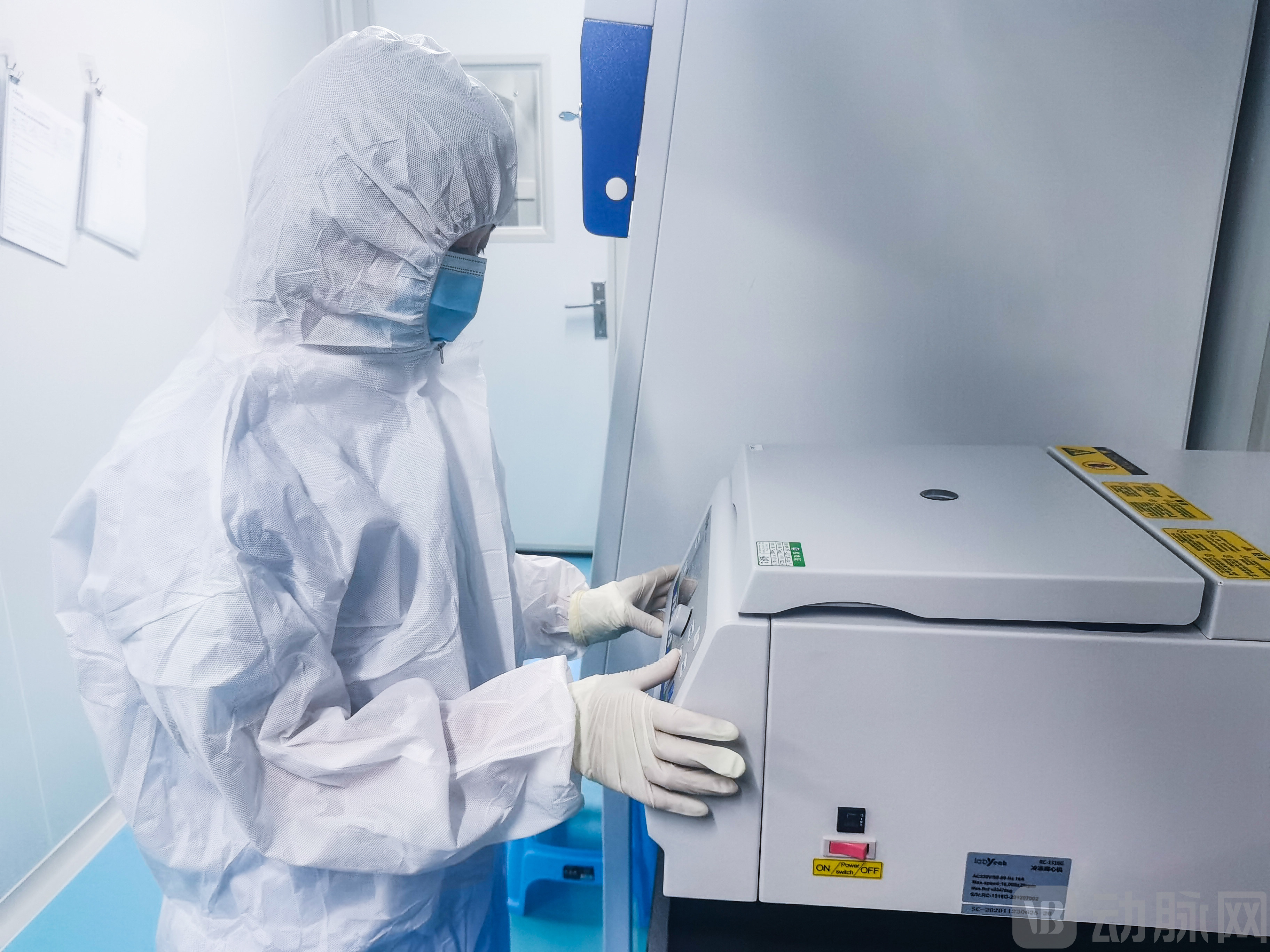
Following years of retrospective studies and clinical trials involving over 1,300 subjects, the IVD screening and follow-up kit for early-stage pancreatic cancer can effectively detect early pancreatic lesions.The detection sensitivity reaches 96%, and the accuracy reaches 95%.
In addition to early diagnosis, Academician Xiao’s team is also developing a full-chain suite of products and services spanning prevention, precision treatment, and prognostic monitoring, to assist clinicians in formulating precise therapeutic regimens for pancreatic cancer patients and improving treatment outcomes.
In the future, following the same logic, Academician Xiao will also complete a full-cycle product portfolio for various malignant tumors that are difficult to diagnose in their early stages, such as ovarian cancer and glioma. Preclinical studies of the related products are currently underway.
Humanity’s war against cancer has spanned millennia. Leveraging the power of scientific and technological advancements and innovative therapies, scientists like Academician Xiao remain at the forefront of the search for novel technologies and approaches, striving to outpace time, curb disease progression, and secure opportunities for human health. It is believed that in the near future, we will gradually transform all cancers into manageable “chronic diseases,” and the deep-seated fear of cancer will become a thing of the past.