

Inscopix Miniature Microscope Platform Adopted by Over 600 Global Research Institutions and Pharma Companies Ahead of IPO Filing

Inscopix
Neurotechnology Researcher
In the recently viral “Rat Literature,” people use “rats” as the first-person perspective, adopting the voice of rats to engage in self-deprecation and vent their feelings.
In fact, long before humans projected themselves onto the “rat literature” trend, they had already been exploring the “self” through mice. In the scientific research community, mice have always served as an excellent model for studying human diseases.
Although the mouse brain is not a miniature replica of the human brain, it has proven to be a powerful model for studying many human brain functions, diseases, and mental disorders. Imaging of mouse brain cells has advanced research into human brain function.
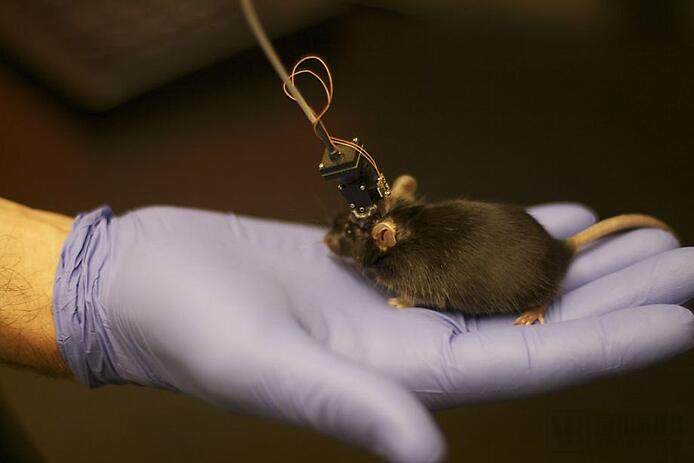
Mice have long been an excellent model for studying human diseases (Source: Inscopix official website)
However, imaging brain cells in freely moving mice is no easy task. Inscopix, a Stanford University spin-off, has developed a head-mounted miniature microscope for live animals that can be mounted on a mouse’s head to monitor its brain activity without interfering with its natural behavior.
Inscopix was founded in 2011 and is headquartered in Mountain View, California. Inscopix’s miniature microscope systems have been deployed in the laboratories of more than 600 research institutions and biopharmaceutical companies worldwide. In 2016, Inscopix ranked 61st on Deloitte’s Technology Fast 500™, which lists the 500 fastest-growing technology and media companies in North America.
Hailed as the “market leader in miniature microscopes,” Inscopix is not fixated on an IPO. After a decade of diligent operations, it has decided to embrace larger companies and platforms.
In November 2022, Bruker Corporation, a world-renowned manufacturer of high-tech analytical instruments, announced the acquisition of Inscopix. Bruker aims to leverage its high-resolution multiphoton microscopy and Inscopix’s freely moving head-mounted imaging technology to provide greater impetus for research into the functional dynamics of animal neural networks.
It can be said that a group of scientists gave birth to Inscopix.
In 2011, the Neuroscience Early Access Program (NEAP), co-founded by Kunal Ghosh, Mark Schnitzer, and Abbas El Gamal, achieved success. Kunal Ghosh served as the lead student on the project and earned his master’s and doctoral degrees in electrical engineering from Stanford University. Mark Schnitzer is an Associate Professor of Biology and Applied Physics at Stanford University, and Abbas El Gamal is a Professor of Electrical Engineering at Stanford University.
This three-year initiative brought together 150 neuroscience research groups, including five Nobel laureates and 23 researchers from the Howard Hughes Medical Institute (HHMI), to trial nVista, a groundbreaking new brain imaging technology from which the Inscopix miniscope was derived.
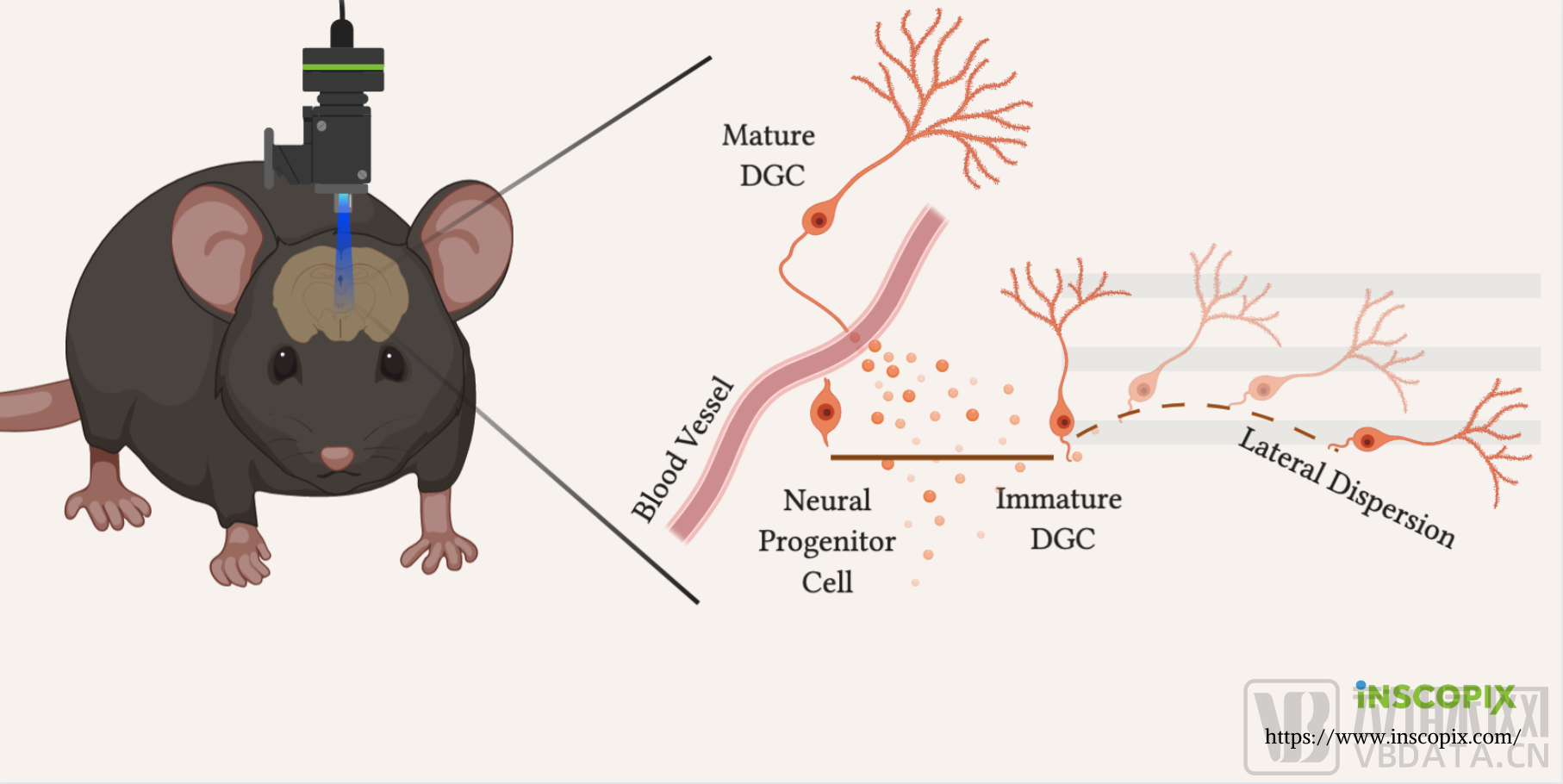
The miniature microscope component of the nVista system (Source: Inscopix official website)
Mark Schnitzer described the new nVista technology as “like a tiny high-tech hat,” allowing mice to behave naturally and freely while wearing it. The nVista platform integrates all optical components into a compact 1.9-gram device with no auxiliary parts, distinguishing it from previously bulky microscopes.
The initiative ultimately led to the publication of more than 20 scientific papers, making nVista such a sought-after technology that researchers beyond Stanford University sought to master it.
Immersed in the project, Kunal Ghosh sensed an entrepreneurial opportunity. That same year, he co-founded Inscopix with Mark Schnitzer and Abbas El Gamal, aiming to commercialize nVista technology and achieve broader scientific impact.
Inscopix has claimed one title after another in less than two years since its founding.
In 2013, The Scientist magazine named the Inscopix miniscope the top innovation in life sciences, hailing it as “a major disruptive event in the history of neuroscience.” In 2014, the White House recognized Inscopix as an industry partner of the President’s BRAIN Initiative. In 2015, the World Economic Forum awarded Inscopix the title of “Technology Pioneer.”
Five years after its founding, Inscopix secured $10 million in its initial round of financing. The round was led by Playground Ventures, with participation from AME Cloud Ventures and Floodgate Fund. To date, Inscopix’s total equity financing amounts to $11.5 million.
The electrical charge in excitable tissues such as the heart or brain is maintained by millions or billions of cells.
These cells continuously exchange ions with the extracellular fluid. The propagating waves of ion movement can generate minute voltage changes throughout the tissue, which are transmitted to the entire body via a process known as volume conduction and can be detected by carefully positioned surface electrodes.
In neuroscience, electrophysiology and electrophysiology-based tools have long been the primary means of recording brain activity; however, these tools cannot simultaneously monitor the individual neural activity of large populations of cells. Taking electroencephalography (EEG) as an example, only averaged recordings can be examined to determine brain states.
To address this limitation, Inscopix has integrated and miniaturized bulky benchtop fluorescence microscopes into a 2-gram device smaller than a fingertip. The device comprises specialized filters, miniature lenses, a camera with a semiconductor sensor, mirrors, an objective lens, and micro-LEDs for illumination, and can be mounted on the skull of live animals to observe their brain activity.
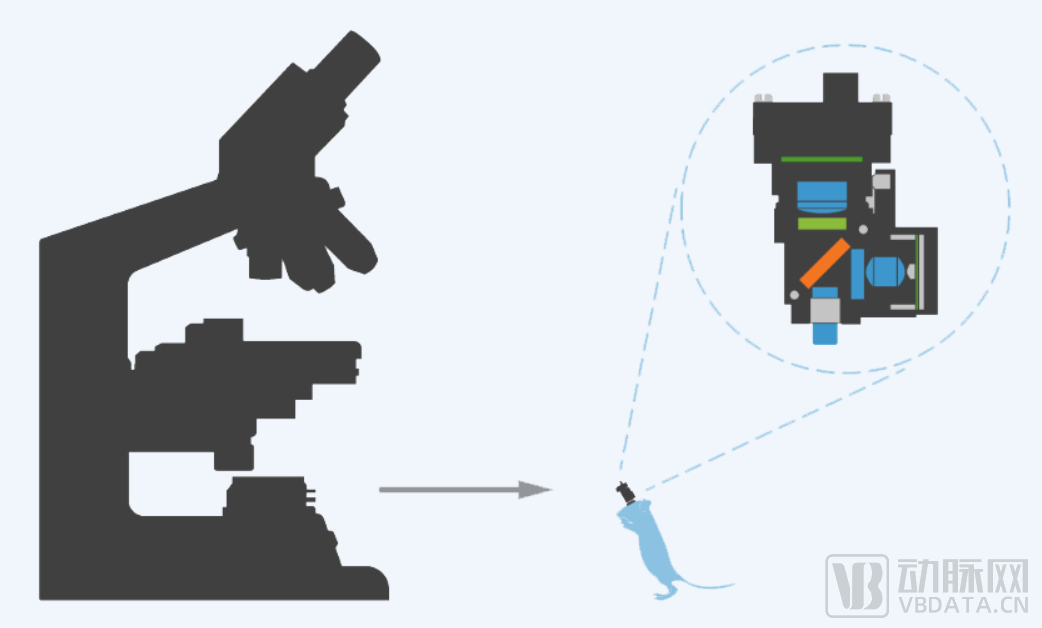
Integrating and miniaturizing bulky benchtop fluorescence microscopes into a 2g device smaller than a fingertip (Source: Inscopix official website)
When brain cells are activated, intracellular calcium levels rise. GCaMP6 is a genetically encoded protein that binds to calcium and emits a transient fluorescent signal. Inscopix microscopes can capture minute changes in fluorescent signals in real time during animal behavior. Imaging, optogenetic, and behavioral data are then transmitted via flexible cables to a data acquisition box, with images ultimately streamed live remotely to a computer or mobile device.
This enables the miniature microscope platform to observe the activity of hundreds of cells at single-cell resolution, and also to target specific cell types using genetically encoded fluorescent indicators.
The miniature microscope platform is also equipped with a GPU-based data acquisition box for transmitting data to the local network.
Furthermore, as these components can be mass-produced at low cost, the price of traditional microscope optoelectronic components ranges from $25,000 to $50,000, whereas mass-produced miniature microscopes cost only between $1 and $10. The compact size of Inscopix miniature microscopes also enables researchers to carry them in their pockets for portability.
From nVue System to nVison System: Enriched Imaging Capabilities
The nVue system, nVista system, and nVoke system are miniature microscope solutions for two-color imaging, monochrome imaging, and optogenetic manipulation of neural circuits.
Among these capabilities, the nVue system can identify cell subpopulations based on genetic or projection-specific characteristics and perform two-color imaging of two distinct cell populations in freely behaving animals, enabling researchers to gain deeper insights into neural circuits in terms of both function and behavior. The system is also capable of longitudinally recording activity from two cell populations over several consecutive months.
The NVoke system combines in vivo cellular-resolution calcium imaging with simultaneous or sequential optogenetic manipulation to causally link neural circuit activity to behavior. This system enables longitudinal visualization of the same field of view, facilitating the study of the effects of discrete manipulations on behavior and their underlying network dynamics.
The NVista system enables large-scale calcium imaging of brain circuits in freely behaving animals, facilitating the study of correlations between large-scale neural activity and behavior.
In June 2022, Inscopix launched nVision, a new multimodal behavioral technology platform. This platform enables one-way synchronization between in vivo neural circuit imaging data from miniature microscopes and video recordings of animal behavior, allowing for the simultaneous capture of high-quality calcium imaging and behavioral data. Researchers can now establish precise temporal correlations between brain activity and behavioral activities, such as exploration, navigation, and choice tasks.
The company has also integrated Noldus’ pioneering EthoVision XT video tracking software into the nVision workflow through a partnership with Noldus, an innovator in behavioral research tools. By importing behavioral video footage into the Noldus software, users of the nVision system can track and analyze the behavior, movement, and activity of the animals under study.

nVue System (Source: Inscopix Official Website)
Cloud-Based IDEAS Platform: Simplifying Data Processing
One month after launching its new microscope system, Inscopix announced the upcoming release of IDEAS, its data exploration, analysis, and sharing platform, to help neuroscience research teams improve how they analyze and organize their neuroscience data.
The IDEAS platform streamlines post-experimental data processing, enabling researchers to integrate and organize multimodal data, design analytical workflows, create data visualizations, and access data management resources in the cloud.
“Using data-intensive technologies also brings challenges, such as closed and cumbersome data storage, a lack of collaborative tools, and the absence of easily shareable analytical methods,” said David Gray, Chief Technology Officer at Inscopix. “The new IDEAS platform is an integrated, user-friendly solution that overcomes these challenges.”
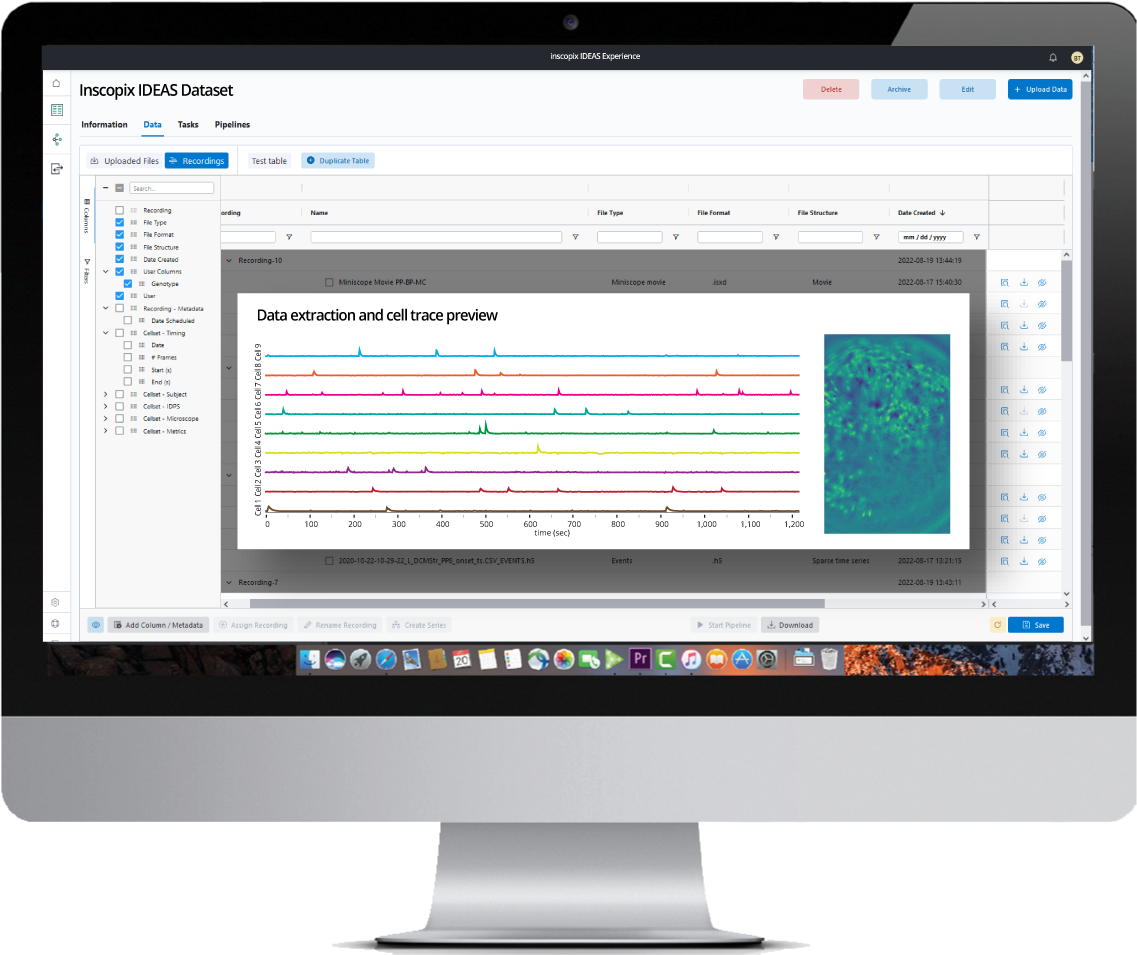
IDEAS: Inscopix Data Exploration, Analysis, and Sharing Platform (Source: Inscopix Official Website)
As early as January 2020, Inscopix achieved a significant milestone—more than 100 scientific research papers cited Inscopix’s miniature microscope platform.
To date, Inscopix’s miniature microscope platform has been cited in 155 publications and adopted by more than 600 research institutions and biopharmaceutical companies.
Inscopix has made significant strides in the scientific research community, enabling neuroscience discoveries related to memory, sleep, and social behavior. Among these, Inscopix's miniature microscope system has been utilized in translational research for many difficult-to-treat conditions, including Parkinson's disease and chronic pain.
# Promising to Advance the Development of Parkinson's Disease Treatment
In May 2018, a new study published in Nature revealed abnormal patterns of brain activity that cause motor impairments in Parkinson’s disease (PD). Although Parkinson’s disease is a brain disorder for which treatments do exist, current therapeutic options are far from optimal, and there is no cure.
This study represents the culmination of years of collaboration between Dr. Mark Schnitzer and Dr. Michael Ehlers at Stanford University. Using Inscopix’s miniature microscope platform, the researchers observed the striatum, a brain region, in a mouse model of Parkinson’s disease. By simultaneously monitoring the activity of hundreds of neurons in the living brain, they identified abnormalities in striatal activity patterns that encode voluntary movement.
This neural circuit-based approach offers great promise for the development of preclinical neuromodulation therapies, as it provides an objective and quantitative measure for evaluating candidate therapies for Parkinson’s disease.
Inscopix plans to build on these research findings to develop a neural circuit-based detection method for the preclinical detection of Parkinson’s disease and the development of therapeutic drugs.
Collaborating with Stanford Professors to Seek New Approaches for Treating Chronic Pain
In July 2019, Inscopix announced a new research collaboration with Biogen to study and develop a novel therapy for chronic pain.
This collaboration builds on research by Dr. Gregory Scherrer, a pain research leader at Stanford University, and his colleagues, which was previously published in Science and identified the neural mechanisms by which the brain encodes the unpleasantness associated with pain. In this study, the Stanford team discovered a group of neurons in the basolateral amygdala (BLA), deep within the brain, that are responsible for generating the emotional or affective unpleasantness of pain.
With support from Inscopix and Biogen, researchers in Dr. Scherrer’s laboratory are using Inscopix’s miniature microscope system to elucidate the fundamental neural circuits underlying the aversive component of pain. This study will investigate whether candidate pain therapies, such as opioid analgesics and sodium channel blockers, may modify the BLA neuronal ensembles that encode this aspect of pain.
Kunal Ghosh, CEO of Inscopix, stated: “We are pioneering a new era in neuroscience through our brain mapping solutions. We are proud to continue supporting this research on chronic pain in collaboration with Biogen.”
The acquisition appears more like a strategic move by Inscopix to expand its market presence.
Prior to its acquisition, Inscopix had already established collaborations with multiple companies, expanded the market size for its products, and achieved high profitability. In 2022, Inscopix’s annual revenue was estimated at approximately $20 million to $25 million. Bruker expects Inscopix’s revenue to continue growing at a double-digit annual rate.
Partnering with Bruker to Catalyze a More Precise Understanding of the Brain
In July 2020, Inscopix initiated its collaboration with Bruker. The two companies planned to jointly develop a new multimodal image registration and analysis platform.
The platform integrates single-photon imaging of neuronal activity using Inscopix’s nVista and nVoke systems, and combines this with high-resolution, multicolor imaging of diverse cell types and pathologies in the brain using Bruker’s Ultima multiphoton microscope. By integrating products from both companies, the platform catalyzes a more precise and comprehensive understanding of the brain.
Inscopix CEO Kunal Ghosh revealed that the partnership with Bruker is a key component of the company’s strategy. The two companies will jointly market Inscopix’s platform and Bruker’s multiphoton microscopes.
Expanding the Global Distribution Network in Eastern Europe
In addition to achieving win-win collaborations with major corporations, Inscopix has also set its sights on the international market.
In May 2021, Inscopix signed a distribution agreement with Animalab. Animalab is a prominent neuroscience distributor in Poland, the Czech Republic, Hungary, Slovakia, Latvia, Lithuania, Estonia, Croatia, and Slovenia.
Inscopix aims to leverage Animalab’s extensive experience in the life sciences sector to expand its commercial presence in Eastern Europe. The signing of this agreement enables Inscopix to strengthen its global position in miniature microscope systems.
Former Head of R&D at Pfizer, Injecting Vitality into the Company
In October 2021, David Gray, former head of R&D at Pfizer, joined Inscopix as Chief Scientific Officer (CSO), overseeing the company’s drug discovery and development programs for neurological disorders.
David Gray has long been at the forefront of drug development for neurological and neuropsychiatric disorders. He holds a Ph.D. in organic chemistry from The Scripps Research Institute and a B.S. in chemistry from the University of Minnesota. As Vice President at Cerevel Therapeutics, he leads the development of late-stage clinical programs for Parkinson’s disease and Alzheimer’s disease. Prior to this role, Gray spent 15 years at Pfizer, where he held various positions, including senior executive leading preclinical research teams.
Gray stated in an interview, “I look forward to collaborating with Inscopix to launch the company’s drug discovery and development programs, aimed at identifying and advancing transformative therapies for neurologically related diseases, while continuing to support our academic and industry research partners.”
Inscopix has firmly secured its market, platform, and talent; through its collaboration with Brucker, it has a promising future ahead.