

Apple's 13-Year Quest Breaks Through in Non-Invasive Glucose Monitoring, Sending Ripples Through the Health Tech Industry

Apple
Designers, manufacturers, and sellers of electronic products such as personal computers and software
According to Bloomberg, tech giant Apple is advancing the development of its non-invasive continuous glucose monitoring project and has made significant progress, with the technology expected to be integrated into the Apple Watch in the future. Following the news, shares of companies in the glucose monitoring industry, such as Dexcom abroad and Sinocare in China, once plunged.
A rational analysis suggests that although Apple’s technology directly competes with numerous companies in the continuous glucose monitoring (CGM) sector, it will take a considerable amount of time for the product to evolve from its initial launch to full maturity and truly capture market share from established CGM providers. According to forecasts by Frost & Sullivan, the global blood glucose monitoring market is expected to reach $36.5 billion by 2030. The entry of a tech giant like Apple is poised to introduce significant disruptions and uncertainties to the market landscape.
From another perspective, the fact that it took a tech giant like Apple 13 years to achieve a breakthrough in this project underscores its immense difficulty. Now that the first step has been taken, the most challenging phase is over, making the future look increasingly promising.
Apple’s non-invasive blood glucose monitoring project has been in development for many years, with its origins tracing back to the Steve Jobs era. After being diagnosed with a serious illness, Jobs shifted greater focus toward the health sector, and it was he who personally initiated the non-invasive blood glucose project in 2010. Perhaps this is precisely why Apple has persisted with the endeavor for 13 years.
According to Bloomberg, after the secret project known as E5 recently achieved a major breakthrough, Apple believes it can bring this technology to market.
The project is undertaken by the enigmatic XDG (Exploratory Design Group) team. According to standard English abbreviation conventions, it should logically be called EDG; however, the substitution of “X” for “E” signifies an attitude oriented toward future exploration. Similar to Google’s X Laboratory, XDG is tasked with exploring emerging future technologies on behalf of a tech giant.
Unlike the far-reaching projects of Google engineers, XDG’s explorations are more pragmatic, focusing on areas such as batteries, next-generation display technologies, wireless charging, chips, and artificial intelligence, while also leading AR/VR initiatives. Many of the chip and battery technologies previously developed by XDG have been operating in iPhones, iPads, and Mac computers for years.
Achieving such results is closely tied to the organizational structure of the XDG team, which was long led by Bill Athas, regarded by Steve Jobs and Tim Cook as one of Apple’s top engineers. Projects within XDG operate independently, with staff composed primarily of engineers and scientists. XDG is mainly responsible for validating specific technologies or projects; once validation is successful, the new technologies are handed over to the hardware or software teams for integration into relevant products.
The news of the breakthrough in non-invasive blood glucose monitoring immediately drew attention, as successful validation by XDG could mean that a commercial product is not far off.
The ultimate goal of this technology is to be integrated into the Apple Watch.
As a significant contributor to revenue, the Apple Watch holds a prominent position within Apple’s product portfolio. According to data released by market research firm Counterpoint, Apple Watch shipments accounted for 34.1% of the global market in 2022, making it the best-selling brand worldwide. Furthermore, it captured 60% of global smartwatch revenue, cementing its status as the undisputed market leader.
The exceptionally high market share also implies that the sales ceiling for the product is gradually approaching, unless the overall market size expands further. Patients with diabetes are precisely Apple’s target audience.
According to the statistical data from the IDF (International Diabetes Federation) 2021 Global Diabetes Report, the global number of adult patients with diabetes has reached 537 million, and it is projected that this figure will reach 783 million by 2045.
It is precisely due to this vast market and the pull of the Apple brand that stocks of manufacturers in the secondary market focusing on blood glucose testing, particularly continuous glucose monitoring (CGM), have declined. But will things really develop in this direction? It may not be that easy.
Non-invasive blood glucose monitoring is not a new concept, but rather a key focus of efforts by numerous practitioners.
Currently, the widely adopted and convenient blood glucose measurement methods on the market all involve needle pricks, constituting invasive testing. Even emerging continuous glucose monitoring (CGM) systems require minimally invasive skin puncture and entail relatively high usage costs. In contrast to invasive and minimally invasive blood glucose detection technologies, non-invasive glucose monitoring not only alleviates patient discomfort but also incurs virtually no ongoing costs, requiring only a one-time investment for long-term use.
However, accuracy has long hindered the widespread adoption of non-invasive glucose monitoring. How did Apple address this challenge?
Although the project was overseen by Apple’s XDG team, Apple conducted R&D under the name Avolonte Health to maintain confidentiality. Avolonte Health’s offices were located outside Apple’s headquarters, leading many employees to believe they were working for a startup. To accelerate development, Apple acquired RareLight, a company specializing in non-invasive blood glucose monitoring technology. The integration of RareLight’s R&D team significantly enhanced Avolonte Health’s capabilities. Furthermore, patents filed by Avolonte Health have revealed Apple’s technical approach to non-invasive blood glucose monitoring.
Currently, non-invasive blood glucose measurement methods can be broadly categorized into two major classes: optical and non-optical non-invasive blood glucose detection techniques.
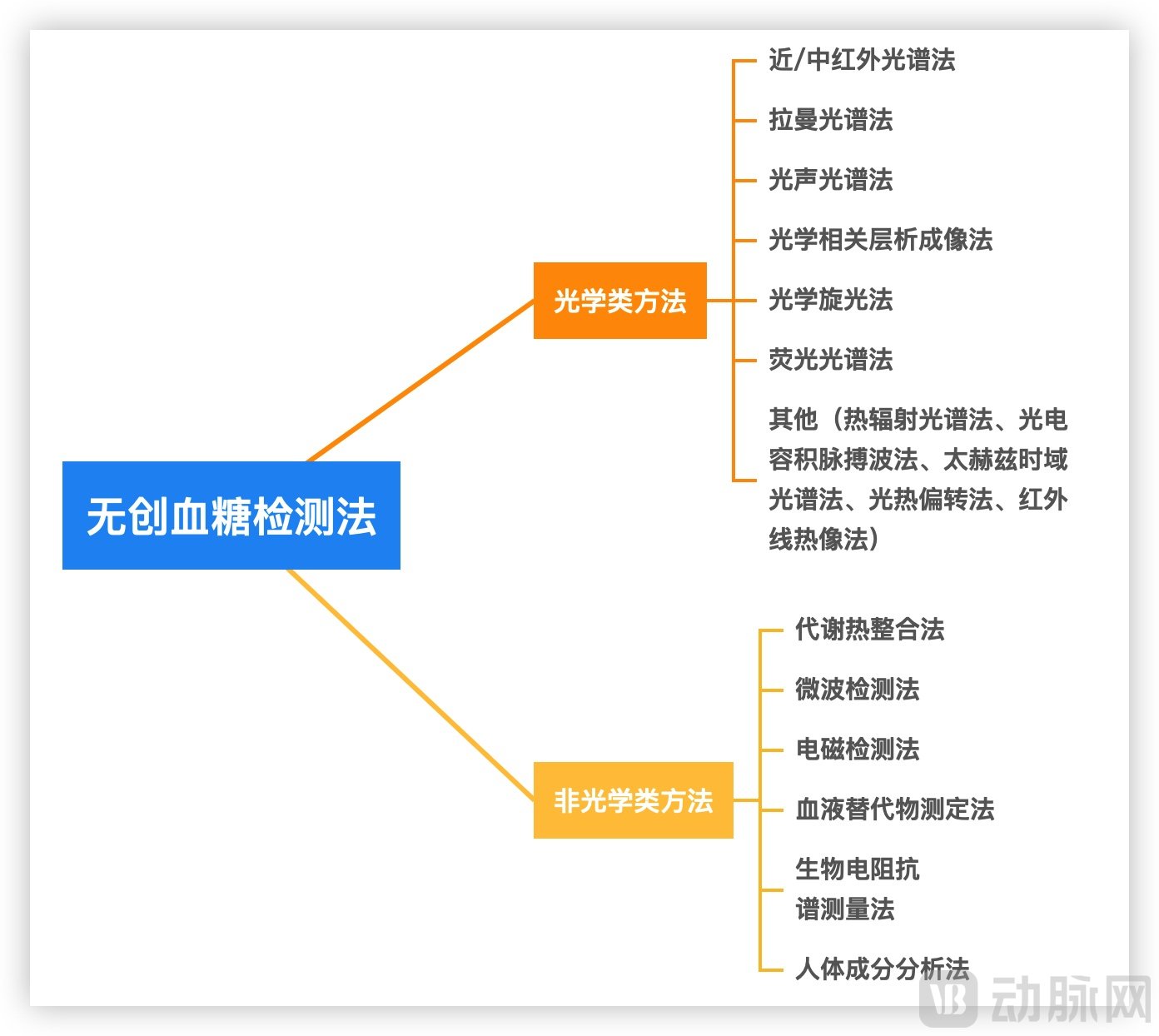
Main Technical Pathways for Non-Invasive Blood Glucose Monitoring
Optical detection methods use light as an information carrier by focusing a beam of light onto the human body. Leveraging the close correlation between blood glucose concentration and parameters such as transmitted light intensity, phase, polarization angle, frequency, and the scattering coefficient of target tissue, these methods indirectly calculate blood glucose levels by extracting changes in these optical signals.
Optical detection methods can be further categorized into various types based on differences in light wavelength and mechanism of action. For instance, near- and mid-infrared spectroscopy, which is similar to blood oxygen monitoring, represents a mature technology; however, the absorption peaks of glucose overlap with those of other constituents in the human body, such as water, proteins, and fats. Furthermore, variations in measurement conditions—including temperature and humidity at the measurement site, as well as the incident area and angle of the light—directly affect test results. Consequently, there has been no substantial breakthrough in this field for many years.
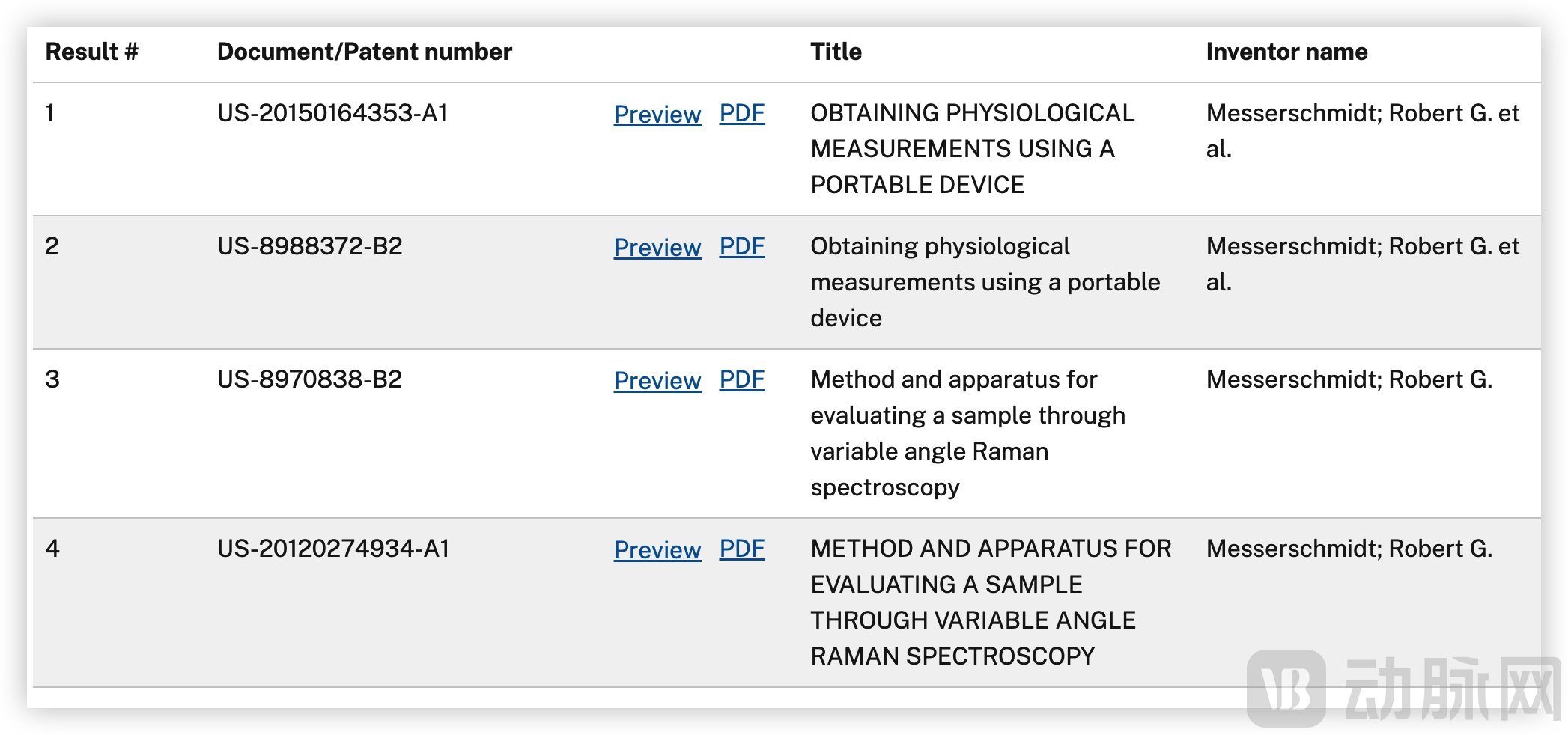
Avolonte Health’s Patents Related to Non-Invasive Blood Glucose Monitoring Technology, Data Sourced from the United States Patent and Trademark Office
Avolonte Health’s patents include numerous improved methods and devices for Raman spectroscopy systems, a technology regarded as an alternative to infrared spectroscopy.
Raman spectroscopy determines the molecular structure of substances based on the frequency difference between Raman scattering and Rayleigh scattering generated when a laser interacts with the sample, thereby identifying the composition of different materials. As such, it is regarded as the “fingerprint” spectrum for molecular identification. Compared with infrared spectroscopy, Raman spectra exhibit sharp and well-defined peaks, with peak intensities positively correlated to the concentration of active ingredients in the measured substance. This enables quantitative analysis of certain biological components, making Raman spectroscopy one of the most promising technologies for non-invasive blood glucose monitoring.
Although regarded as a beacon of hope, Raman spectroscopy still faces several unresolved challenges in recent years. First is the issue of device size; second is signal instability caused by external factors such as body movement, pressure, and angle during data acquisition; and third is the interference of individual differences with algorithms.
In recent years, Raman spectroscopy has achieved milestone progress. Scientists have directly observed the Raman peaks of glucose on the skin of live pigs, with signal intensity proportional to reference glucose concentrations, thereby dispelling long-standing doubts about whether transcutaneous glucose sensors can detect glucose Raman spectra in vivo. Avolonte Health’s patent includes improvements to Raman spectroscopy aimed at enhancing measurement accuracy and achieving stable signals.
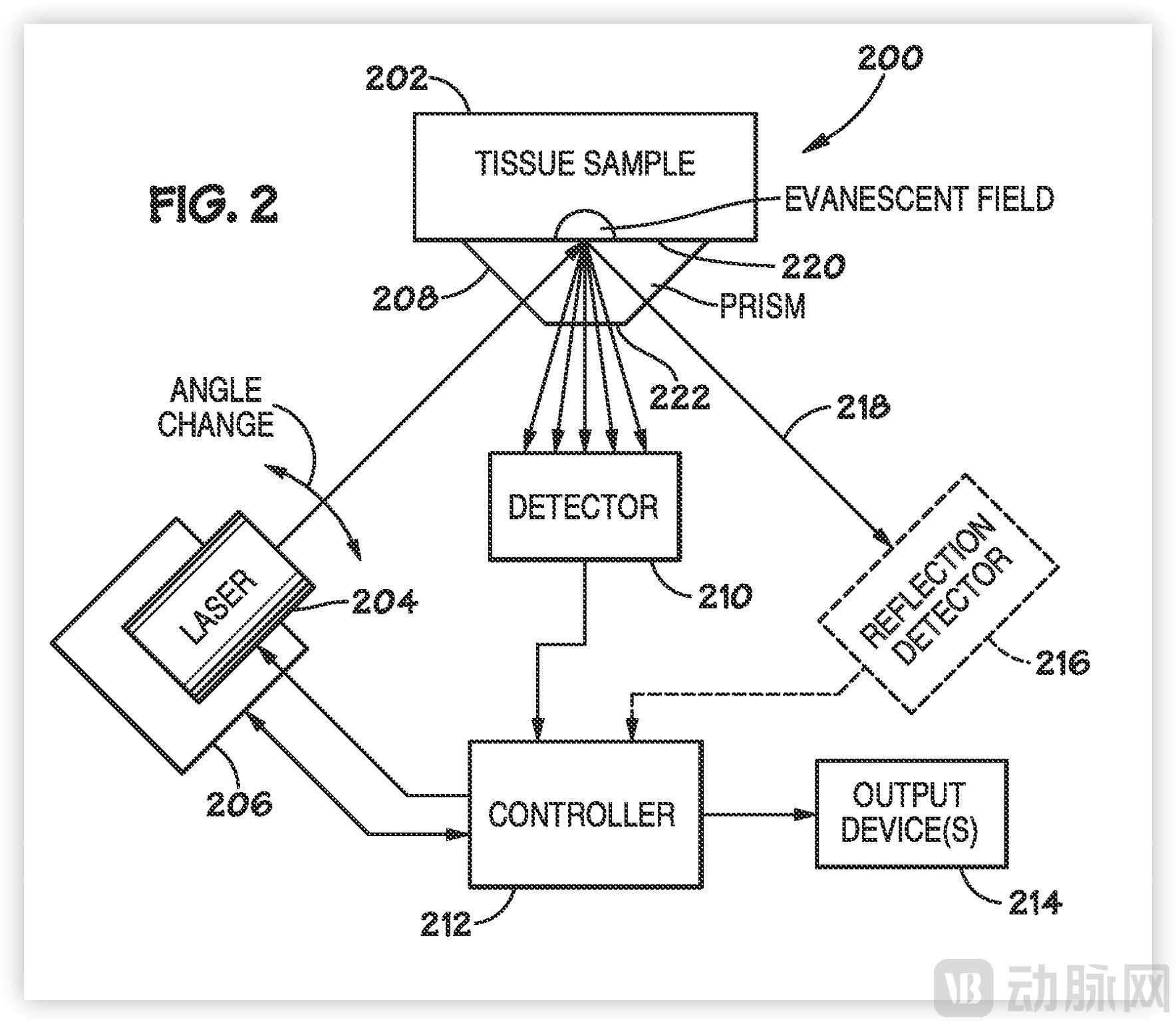
Avolonte Health Raman Spectroscopy Emission Device Patent Diagram, Source: United States Patent and Trademark Office
Apple previously collaborated with Rockley Photonics to develop silicon photonics technology, which uses lasers to emit light at specific wavelengths into the subcutaneous tissue and then analyzes the returned optical absorption spectra via algorithms to determine blood glucose levels. Although the two parties parted ways in 2021, Rockley mentioned during its 2023 investor presentation that its product would launch in 2025. Given Rockley’s current operational status (having filed for bankruptcy), Apple is undoubtedly further ahead in its progress.
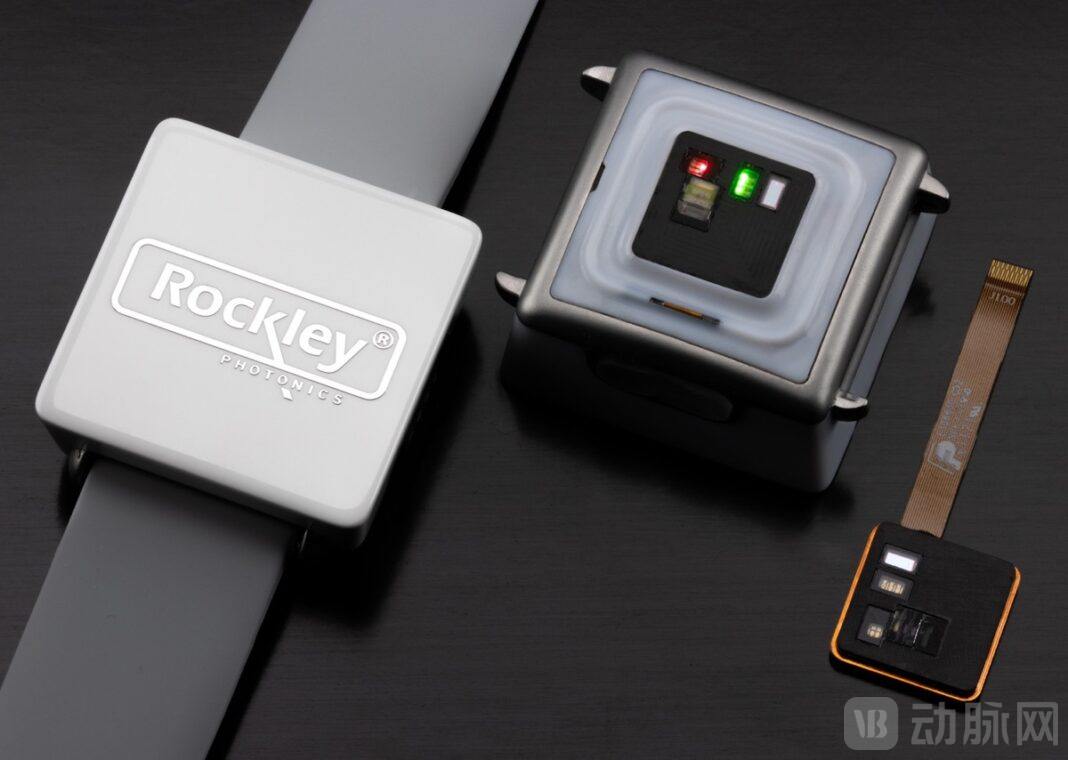
Rockley Photonics' Silicon Photonics Sensors
It is foreseeable that Apple will ultimately continue to independently develop and refine its silicon photonics technology, realizing an “on-chip spectrometer” model based on Raman spectroscopy. This will enable continuous, non-invasive monitoring of multimodal biomarkers—such as glucose, lactate, hydration levels, blood pressure, and core body temperature—thereby facilitating science-based interventions to improve consumers’ health outcomes.
According to news reports, TSMC will manufacture the silicon photonics chips, and the current prototype of Apple’s non-invasive blood glucose monitoring device is similar in size to an iPhone. Given Apple’s prowess in hardware-software integration, incorporating this technology into the Apple Watch within the next few years should not be difficult. Alternatively, its initial commercial deployment may first be integrated into the iPhone.
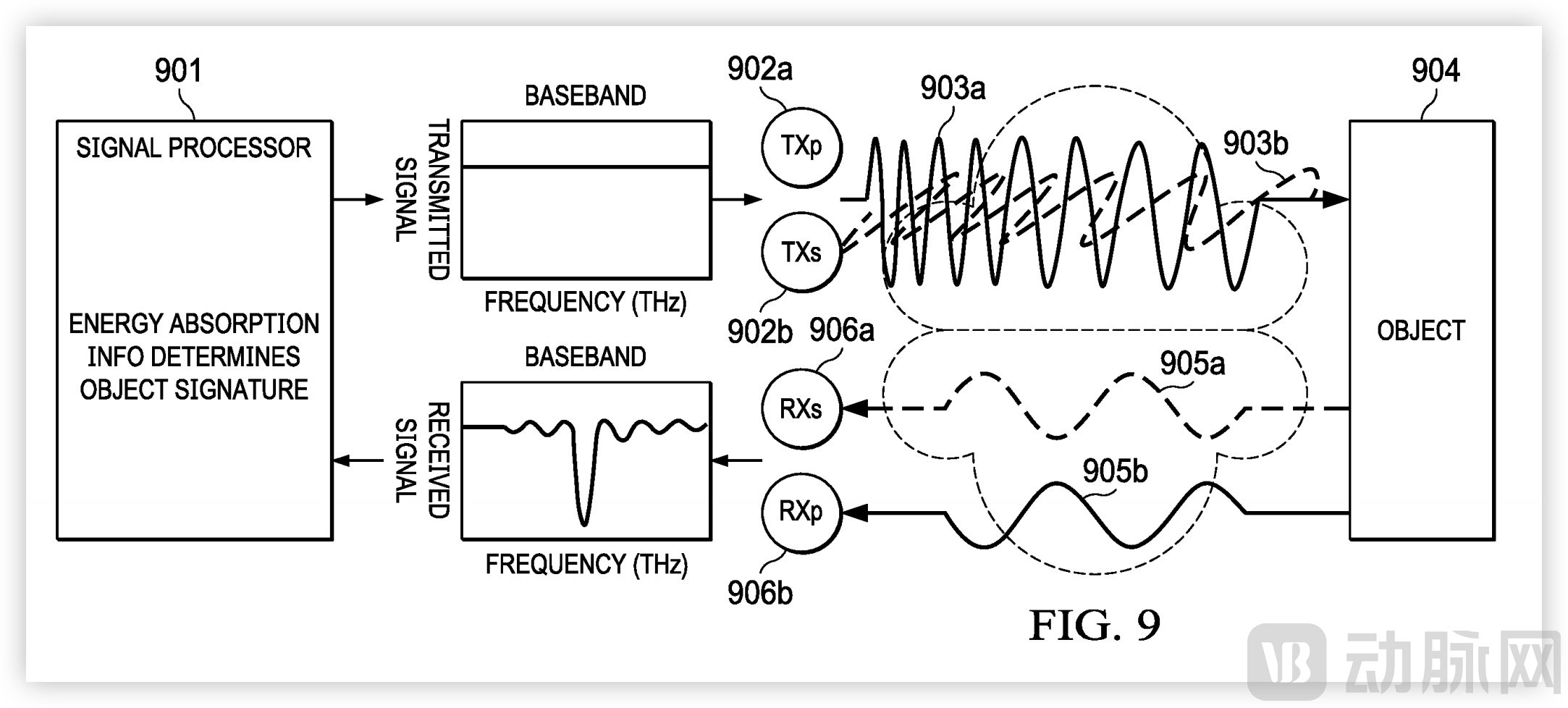
Terahertz Spectroscopy-Related Patent Map, Source: United States Patent and Trademark Office
Furthermore, in 2021, Apple filed multiple patents related to solutions for terahertz spectroscopic imaging performance. Although the patent documents did not mention blood glucose monitoring, numerous prior studies have found that terahertz waves in the 0.1–2.0 THz range can detect changes in blood glucose levels in humans and mice. Despite the current lack of technological maturity in terahertz technology, Apple has proactively made strategic investments in this area. It is evident that Apple is seriously committed to non-invasive blood glucose monitoring.
Apple is not the only company to adopt Raman spectroscopy. Previously, C8 MediSensors, a U.S.-based company, also utilized this method in its non-invasive glucose monitor. However, the device required a belt to secure it tightly against the skin at the waist. During operation, the instrument projected a beam of monochromatic light onto the skin and detected the returned spectrum. This design proved highly inconvenient for users, and signal acquisition from the waist area lacked stability during body movement, ultimately preventing the product from gaining market traction.
In addition to optical methods, there are non-optical methods, which primarily derive blood glucose concentration by measuring heat, glucose phase, or electrical properties within the human body, or indirectly estimate blood glucose levels by measuring glucose-related substances or physical characteristics in the body.
For instance, the metabolic heat integration method calculates blood glucose levels by analyzing the functional relationship between metabolically generated heat, blood glucose concentration, and oxygen supply. In 2019, the non-invasive glucose meter based on this method, jointly developed by Bobang Fangzhou Medical and Tsinghua University, received the first Class III medical device registration certificate issued by the National Medical Products Administration (NMPA).
Another tech giant, Google, also attempted to tackle non-invasive blood glucose monitoring using a blood substitute assay. Google aimed to detect glucose levels in tears via micro-sensors embedded in contact lenses, but after years of limited progress, the project was ultimately abandoned. Despite Google’s setback, other research teams continue to develop tear-based biomarker technologies, such as graphene–AgNW composite sensors and amperometric sensors that utilize glucose oxidase to detect glucose in tears. Consequently, tears remain a highly promising target for non-invasive blood glucose monitoring.
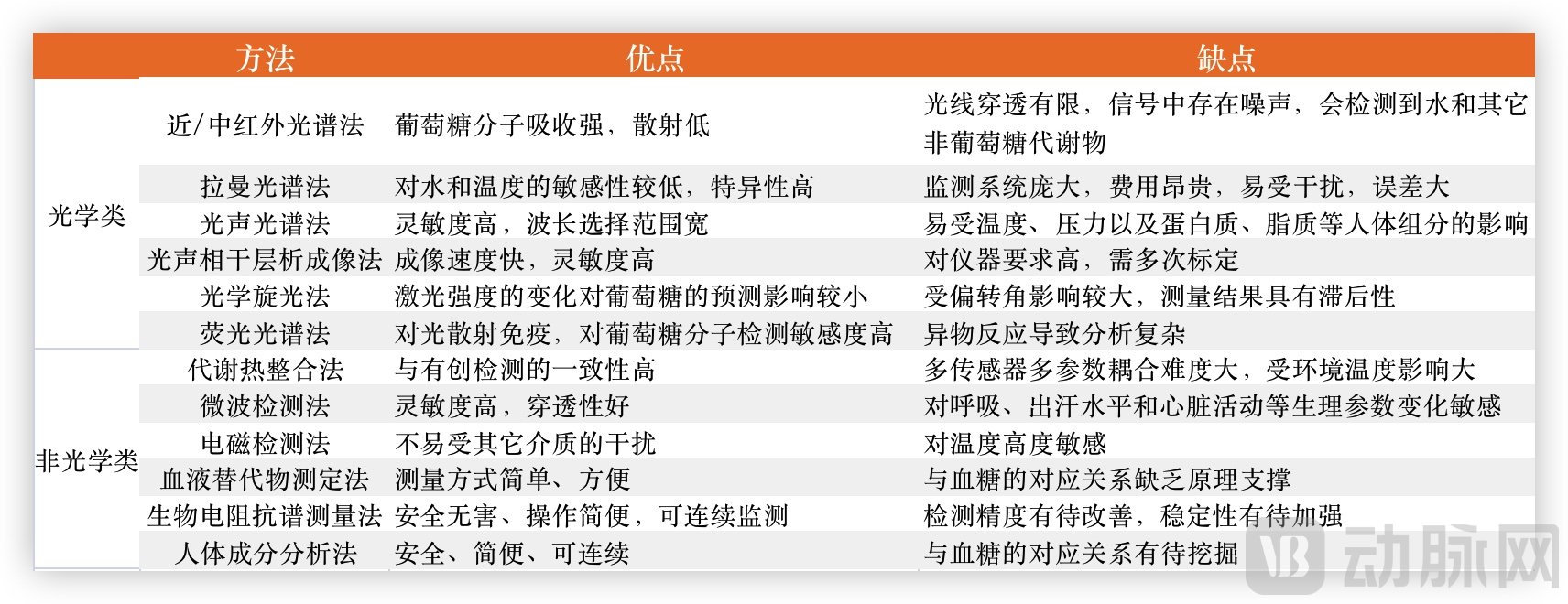
Mainstream Technical Pathways for Non-Invasive Blood Glucose Monitoring
Overall, although optical non-invasive blood glucose monitoring methods are convenient to use, they face several disadvantages, including the complex and variable absorption characteristics of blood glucose in spectra, high requirements for detection sensitivity, and susceptibility to environmental interference. Furthermore, the accuracy and stability of most technical approaches have not yet met the requirements for clinical application. Although Cnoga, an Israeli company, has commercialized a non-invasive blood glucose product, its need to collect 130 invasive blood glucose measurements and 65 non-invasive optical signal readings for learning and calibration hinders widespread adoption.
Among non-optical non-invasive blood glucose monitoring methods, other approaches—such as the measurement of blood surrogates (e.g., sweat, saliva, tears, and breath)—remain in the exploratory laboratory research stage, with their efficacy yet to be validated.
Frequent invasive blood glucose monitoring poses a significant burden for patients with diabetes, leading to the common scenario of insufficient daily testing and suboptimal disease management. Although dozens of non-invasive blood glucose products have been announced as under development, very few have actually received certification from the FDA or the NMPA. Even those certified products have failed to make a significant market impact due to various issues. Given Apple’s strong market influence and its long-standing commitment to user experience, the company may well create a different landscape in the coming years.
For years, Apple has aimed to create more than just a simple watch.
Although the Apple Watch initially pursued a fashion-oriented strategy, it embodies Apple’s vision for the next-generation smart terminal platform, with health features serving as a key component.
In 2014, the first-generation Apple Watch was released, integrating a heart rate sensor for fitness tracking. In 2018, the Apple Watch was equipped with ECG capabilities capable of obtaining electrocardiograms from the wrist. In 2021, the seventh-generation Apple Watch featured not only a larger display but, most importantly, a suite of features designed for individuals with disabilities. Additionally, during the pandemic, Apple introduced a feature for all-day blood oxygen saturation monitoring. The latest eighth-generation Apple Watch has made significant advancements in health and safety.
With the continuous upgrades and iterations of numerous health features, and as companies including Capital One, SAP, Salesforce, and IBM have developed Apple Watch applications to enable quick access to collaboration and information management tools for use in hospitals, law enforcement, and public safety agencies, the Apple Watch has gradually evolved from an iPhone accessory into a platform product capable of independent operation with its own ecosystem.
With breakthroughs in non-invasive blood glucose monitoring technology, combined with Apple’s ability to build an ecosystem through the integration of hardware and software, the sector that may face the brunt of Apple’s intense competitive pressure in the future might not be the CGM industry, which has seen a sharp decline in stock prices, but rather the smart wearables industry.
“The more you understand your own health, the better equipped you are to improve it.” This statement from the Apple Watch promotional page highlights the core essence of smart wearable devices: leveraging various sensors to help users gain deeper self-insights and enable science-based interventions.
In the past, data obtained from heart rate monitoring, blood oxygen detection, and temperature sensing were relatively superficial. In contrast, sensors used for non-invasive blood glucose monitoring can delve deeper into a wider range of physiological data. Beyond conventional metrics such as heart rate, blood oxygen saturation, and body temperature, these sensors enable more comprehensive assessment of physiological status by detecting blood pressure, blood glucose, alcohol, and lactate levels. Consequently, intervention recommendations based on this data are more scientific and rational.
As the industry leader with a market share exceeding 30%, Apple’s next evolution would deliver a dimensionality-reduction strike against its competitors.
Coincidentally, another tech giant, Huawei, has also made strategic moves in the field of non-invasive blood glucose monitoring. At the Huawei Developer Conference (HDC 2022), the company announced its latest advancements in several areas, including scientific sleep analysis, respiratory health research, blood glucose health research, and women’s health research. Leveraging these vital sign detection technologies, Huawei aims to develop more scientifically grounded and rational health intervention measures.
The intense rivalry between the two tech giants will undoubtedly send shockwaves through the smart wearables industry, and products lacking commensurate core competencies are highly likely to fall behind in future market competition.
Regarding medical-grade requirements, Apple’s first-generation product may not yet meet the necessary precision standards. However, one should not overlook the vast amount of data generated by Apple’s enormous user base, which holds immeasurable value for product iteration. It is reasonable to believe that, after several rounds of iteration, non-invasive glucose monitoring products will ultimately meet medical-grade standards.
While the accuracy of non-invasive blood glucose monitoring may not yet meet clinical requirements, this approach is inevitably the direction of the future.
An industry insider told VCBeat that mainstream glucose monitoring currently relies on electrochemical methods, which accurately measure blood glucose levels through blood sampling and meet the requirements for medical-grade testing. In contrast, non-invasive glucose monitoring is currently limited by insufficient accuracy and is only suitable for consumer-level self-testing, failing to meet patients’ needs for precise monitoring. Therefore, it is unlikely to replace existing methods in meeting medical demands in the short term.
That said, in the face of new technologies, we must remain both patient and confident.
Taking the currently highly acclaimed CGM as an example, first-generation CGM products had limited usage durations due to factors such as enzyme content and biocompatibility. The sensor lifespan of Dexcom’s first-generation product, G1, was only 3 days. With technological updates and iterations, this was gradually improved to 7 days in subsequent models (G2 to G5). Currently, the mainstream products on the market generally offer a usage period of 14 days.
From the perspective of target populations, the initial indications for continuous glucose monitoring (CGM) were relatively narrow, primarily applicable to patients with type 1 diabetes and those with type 2 diabetes requiring intensive insulin therapy. With in-depth clinical research and the accumulation of data, the clinical status of CGM has continued to rise. In the latest American Diabetes Association (ADA) 2023 "Standards of Care in Diabetes," not only is the role of CGM in diabetes treatment affirmed, but its user base, scope of application, and clinical scenarios are now poised to rival those of traditional capillary blood glucose testing.
From the perspective of market acceptance, with the entry of international brands such as Abbott and Medtronic, coupled with the successive launches of domestic brand products over the years, joint efforts to develop the market have significantly enhanced consumer awareness of continuous glucose monitoring (CGM). It has been 17 years since Dexcom’s first-generation product received FDA approval for market launch in 2006.
In other words, it took CGM 17 years to reach its current stage. With Apple’s entry into the non-invasive blood glucose monitoring sector, more companies are bound to join the race. Given the same amount of time to develop, the landscape could be entirely different.
For numerous blood glucose monitoring companies, Apple’s entry into the market has sounded the clarion call for them to strive toward higher goals. If they continue to evade this challenge by arguing that they are focused on chronic disease management while Apple is merely a consumer electronics company, they will undoubtedly miss out on future market opportunities. Countless business cases have shown that it is often not direct competitors but rather the times and transformative changes that disrupt industries; cross-industry competition from different sectors can be even more lethal than traditional rivals.
References:
https://www.bloomberg.com/news/articles/2023-02-22/apple-watch-blood-glucose-monitor-could-revolutionize-diabetes-care-aapl
https://www.idropnews.com/rumors/apples-most-secretive-project-is-non-invasive-blood-glucose-monitoring-and-its-almost-ready/191982/