

2022 Medical Engineering Research Project Launches to Drive High-Quality Development Through Scientific Innovation
As a large volume of advanced medical equipment and consumables enters hospitals, traditional management models are increasingly unable to meet the demands of hospital administration in the new era. Against the backdrop of high-quality hospital development and reforms in health insurance payment systems, clinical engineering management must also pursue a scientifically sound, modern model. This approach leverages informatization to ensure the efficient operation of medical equipment and the rational use of medical consumables.
To further advance the development of medical engineering disciplines and promote the establishment of medical engineering management systems and usage evaluation frameworks, the Hospital Management Institute of the National Health Commission officially launched the application process for the 2022 Medical Engineering Research Projects on June 30, 2022. The initiative received enthusiastic responses from hospitals across the country, with over one hundred institutions submitting applications. Following preliminary reviews and panel assessments conducted by experts from multiple medical engineering research bases, a final list of 32 project units was selected.
On February 25, the “2022 China Hospital Construction and Equipment Innovation Development Conference (HCDE),” themed “New Pattern, New Journey, New Vision—Focusing on High-Quality Hospital Construction and Development,” was grandly held in Shenzhen. During the “Launch and Academic Symposium of the ‘2022 Medical Engineering Research Project,’” the “2022 Medical Engineering Research Project,” initiated by the Hospital Management Institute of the National Health Commission and supported by two base units including Xushui Hulian, was officially launched. The project aims to promote the establishment of relevant standard systems and technical evaluations in the informatization construction of medical engineering management, address current practical issues in medical engineering management, and drive the innovative development of the medical engineering discipline by strengthening research on the informatization management of medical engineering.
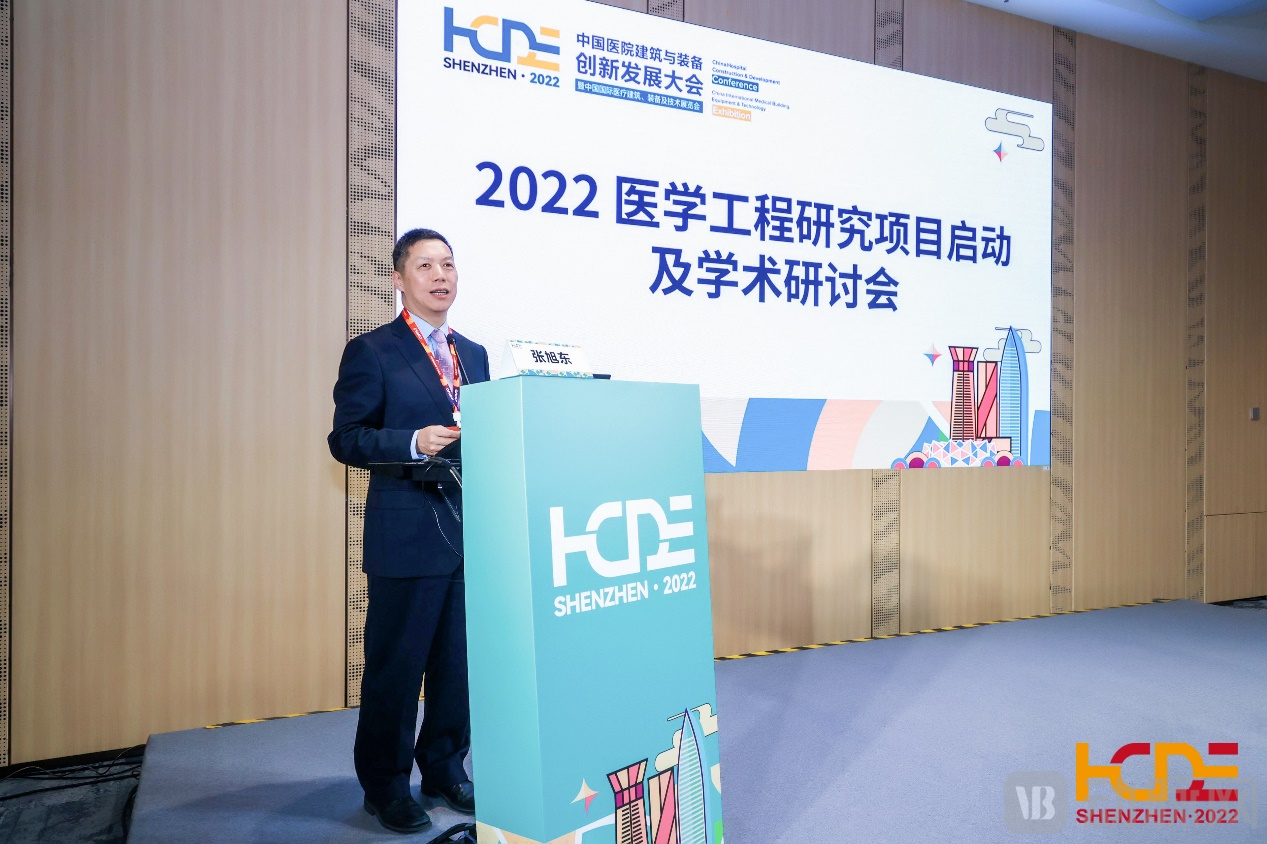
At the conference’s opening remarks session, Zhang Xudong, Deputy Director of the Hospital Management Institute under the National Health CommissionHe spoke first, outlining the background for the launch of the medical engineering research project. He stated that, driven by policies such as the new healthcare reform and the implementation of Diagnosis-Related Group (DRG) payment systems, enhancing service quality and operational efficiency through refined management has become an imperative for the reform and high-quality development of public hospitals. As an integral component of this process, medical engineering management must also assume responsibility for fostering high-quality development. Meanwhile, the rapid advancement of new technologies is propelling medical equipment into the era of intelligence. The challenge of maintaining increasingly complex medical equipment at lower costs imposes higher demands on the disciplinary development and managerial capabilities of medical engineering. Therefore, it is hoped that exploring more effective management systems through the model of medical engineering project research will address issues encountered in the management process and facilitate the rapid development of the medical engineering discipline.
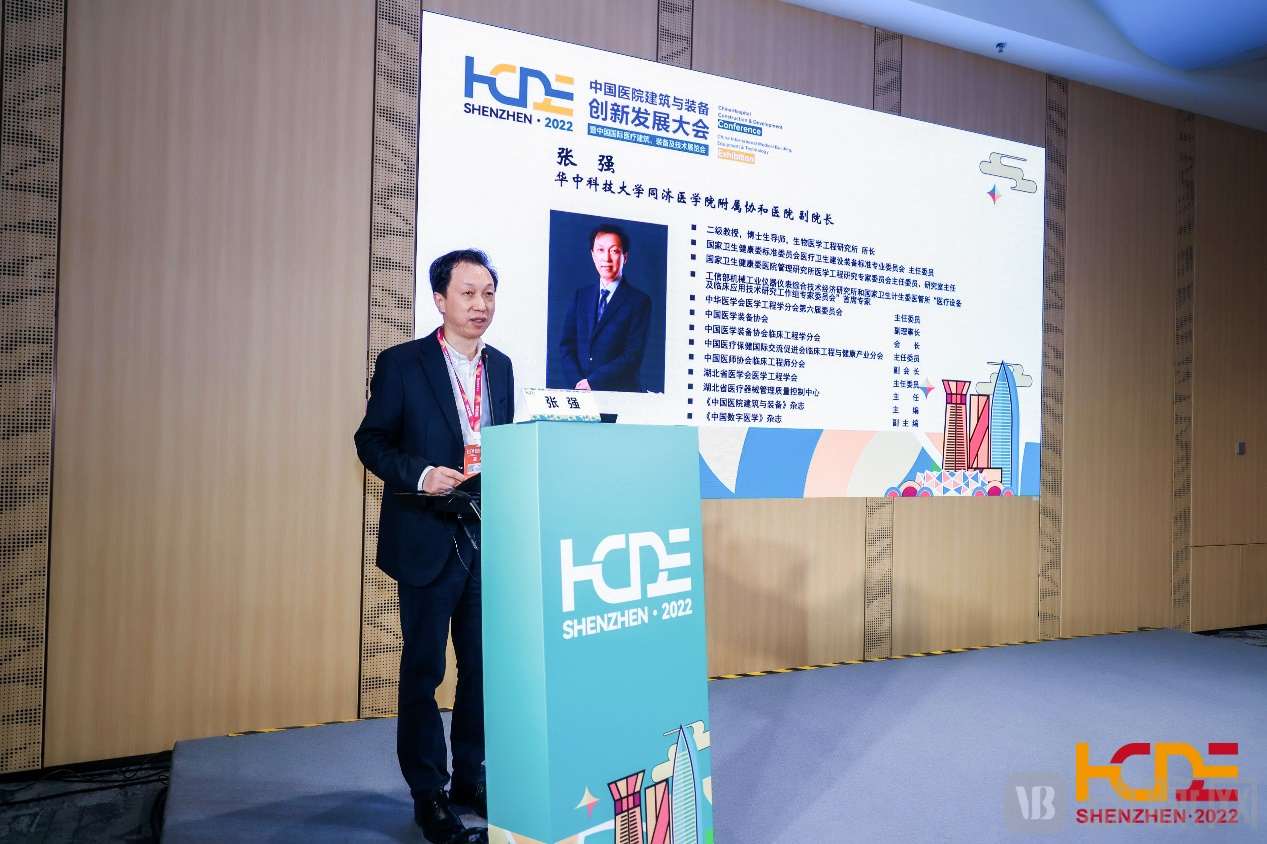
Zhang Qiang, Vice President of Union Hospital Affiliated to Tongji Medical College of Huazhong University of Science and TechnologyDelivered an address. Dean Zhang Qiang stated that to achieve innovative development in the discipline of medical engineering, it is first necessary to establish managerial consensus and standards to form industry norms; secondly, it is essential to leverage new technologies such as the Internet of Things (IoT), big data, and artificial intelligence (AI) to enhance the level of digital decision-making and management within medical engineering departments; thirdly, it is crucial to improve the re-development and utilization of medical engineering information for vast digital assets, implement smart hospital construction, and meet the requirements for high-quality development of public hospitals; finally, it is necessary to promote the transformation of innovative achievements in the field of medical engineering and drive industrial breakthroughs in niche sectors related to medical devices and consumables. In this process, healthcare institutions, as the leading parties, should mobilize resources from regulatory authorities, universities, enterprises, and other stakeholders to jointly accelerate the establishment of technical standards and application demonstrations for medical engineering information technology, seize development opportunities in the medical engineering industry, and support the long-term, healthy, and steady growth of the discipline.
After the address,Liu Shenglin, Deputy Director of the Institute of Biomedical Engineering, Union Hospital Affiliated to Tongji Medical College, Huazhong University of Science and TechnologyThe organizational implementation and overall requirements of the project were introduced. Subsequently, nine expert representatives from the institutions undertaking the project presented their respective research implementation plans in sequence, followed by point-by-point comments from the expert panel.
During the project implementation plan presentation session, Hao Yong, Director of the Computer Management Center at Union Hospital, Tongji Medical College, Huazhong University of Science and Technology, constructed an informatization maturity model and evaluation system tailored for medical equipment management within the research topic “Research on the Informatization Maturity Model and Application of Medical Equipment Management in Tertiary Hospitals,” thereby objectively assessing the level of informatization management of hospital medical equipment. In the report on the project “Research on Data Dictionaries for Medical Equipment Information Platforms,” led by Zhou Jun, Deputy Director of the Department of Medical Engineering at Peking Union Medical College Hospital, Chinese Academy of Medical Sciences, the focus was placed on imaging equipment, which accounts for the largest proportion of hospital assets. The project plans to develop a set of data dictionaries and technical specifications for medical equipment information platforms that comply with the medical engineering management standard system, aiming to achieve unified lifecycle management of imaging medical equipment and provide reference bases, technical validation, and feasibility exploration for refined medical equipment management. Li Kailiang, Deputy Chief of the Quality Control Section of the Department of Clinical Medical Engineering at Jiangsu Province People’s Hospital, addressed the topic “Research and Application of Data Acquisition Technologies for Medical Imaging Equipment Data Informatization Platforms.” He attempted to establish a general-purpose platform for medical imaging equipment data management to achieve unified management of imaging equipment and create an equipment rating system. Chen Hongwen, Director of the Department of Medical Engineering at Nanfang Hospital, Southern Medical University, conducted research on the topic “Research on Rational Allocation Decision-Making for Large-Scale Medical Equipment Based on Real-Time Dynamic Data.” Starting with CT and MR systems, he designed and constructed a procurement model based on knowledge graphs and data evaluation to assist hospitals in making optimal decisions during the procurement and allocation process.
Experts from the Steering Committee, regarding the project proposal presentation by the undertaking institutionHuang Jin, Executive Vice President of West China Hospital, Sichuan University; Feng Jingyi, Director of the Department of Medical Engineering at The First Affiliated Hospital, Zhejiang University School of Medicine; Xu Feng, Vice President of the Northern Campus of Peking University Third Hospital; Liu Gang, Director of the Tendering and Procurement Center at The Third Affiliated Hospital of Southern University of Science and TechnologyAll were affirmed in the reviews, and targeted guidance was provided for each research topic.
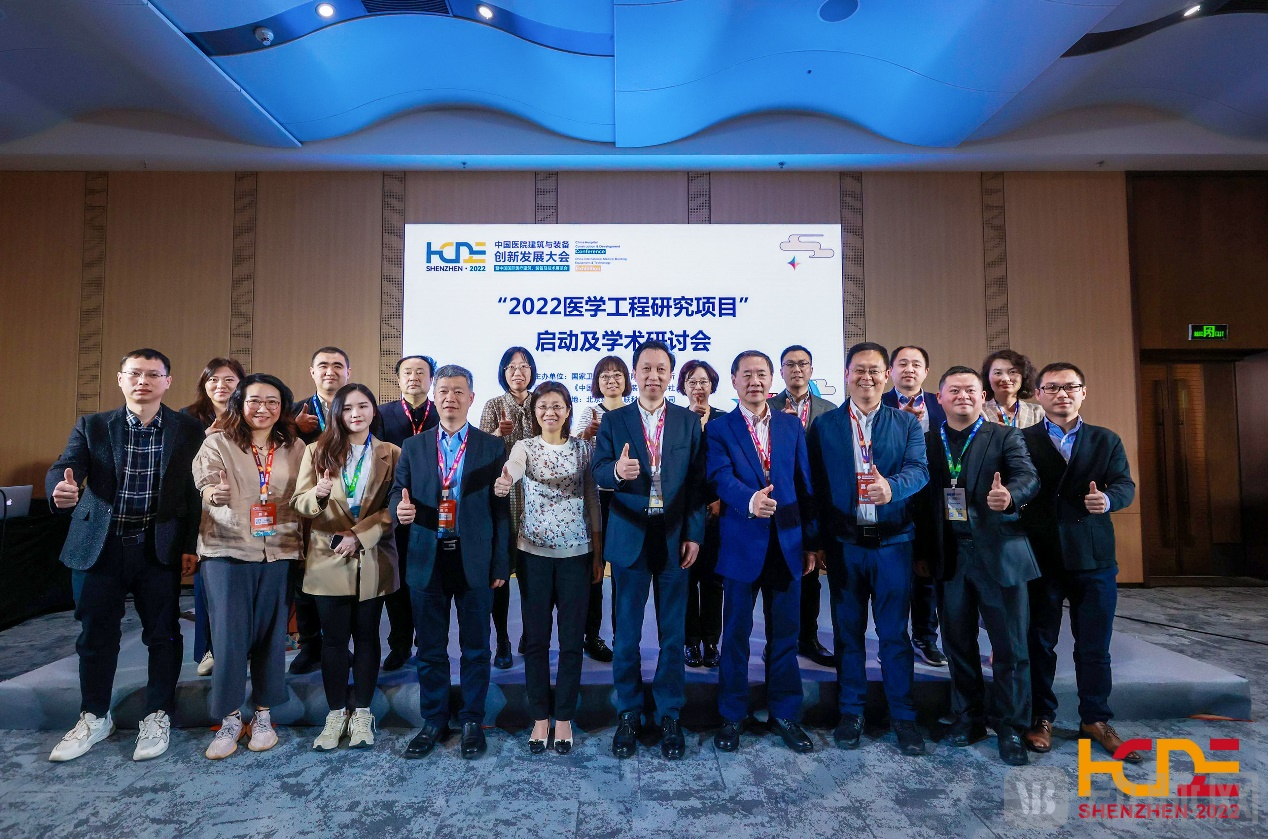
In the future, Xushui Interconnect will continue to collaborate with all project undertaking units and base members, deeply rooting itself in the field of digital management of medical equipment. It will consistently uphold its pioneering leadership role in the industry, actively respond to national policy guidelines, and cooperate with relevant regulatory authorities. By joining hands with industry experts and peers, it aims to support the innovative development of clinical engineering through technological empowerment, jointly establish systems and industry standards for clinical engineering, and contribute to the construction of smart hospitals and the high-quality development of healthcare institutions.