

Six Women CEOs in Biopharma: Celebrating Every Unique 'Her' on the Frontlines of Innovation
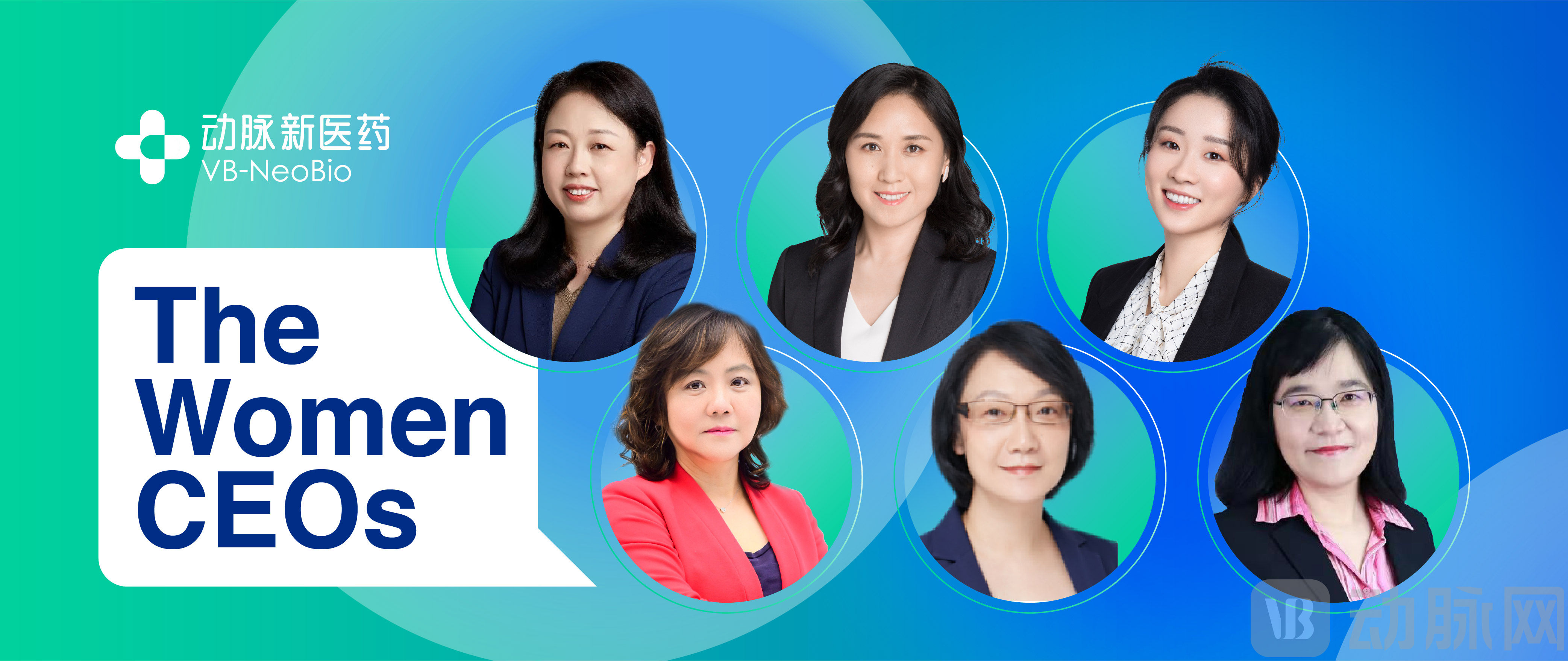
Today is March 8, International Women's Day.
Over the past year, VCBeat has been interviewing innovators and entrepreneurs in the healthcare industry. During these interviews, we did not approach them with a gender lens, nor did we consciously note that the interviewees were “female” founders or “female” executives. However, upon reflection, we were surprised to discover just how many female leaders we had interviewed:
Wang Fenghua, CEO of Langxin Biologics; Yu Junying, CEO of Zhongsheng Suyuan; Li Han, CEO of NovaRock; Wen Danyi, CEO of Lidi Biotechnology; Tang Yanmin, CEO of Xiantong; Wang Ximei, General Manager of Hexin; Cao Zhuoxiao, CEO of Xianbo Biologics; Wei Jun, CEO of Ruijian Pharmaceutical; Huang Min, CEO of Chuangxin International; Sun Minmin, CEO of Yimufeng; Zhu Fangfang, CEO of Xueji Biologics; Wang Xiao, CEO of Kaituo Biologics; Cui Hao, CEO of Enhe Biologics; Tang Nan, CEO of Pumu Biologics; Liu Hui, CEO of Yaopu Pharmaceutical; Zuo Lian, General Manager of Borui Medicine; Zou Lihui, CEO of Dage Biologics; Li Jingyu, CEO of Sailada Biologics; and Zang Xiaoyu, CEO of N1 Life.
Due to space constraints, not all names can be listed individually. Among these CEOs are individuals born in the 1960s, 1970s, 1980s, and even the 1990s. We are pleased to see them launching ventures in cutting-edge fields such as cell and gene therapies and protein degraders, while also making significant contributions in service sectors like CROs and CDMOs.
In our recent interview with Xianbo Bio, seven of the ten core team members—including CEO Cao Zhuoxiao—are female leaders holding key positions such as Executive Director, R&D Director, and Business Development (BD) Director.
We are pleased to find that the biopharmaceutical industry does not seem to lack women in key leadership roles. More than one interviewee told us that there are increasingly more female leaders around them, especially with a growing number of post-80s and post-90s female CEOs.
Of course, they are not just female leaders; they are also wives, mothers, and daughters. When they talk about their families with us, they reveal another side that is endearing and warm. Yet no single identity can define them; each one of them is unique.
On March 8, International Women’s Day, we pay tribute to the women in our industry who have earned their positions through knowledge, talent, and personal charisma, while also shaping the image of female leaders as focused, passionate, open, and empathetic. They are writing their own professional and life stories within this sector. We hope that more people will hear their personal career journeys, their perspectives on work, and their views on gender issues.
Not just on March 8.
N1 Life Zang Xiaoyu
In fact, I did not stand out from the crowd to ascend to the position of CEO; rather, I proactively chose a path that led me to become the CEO.
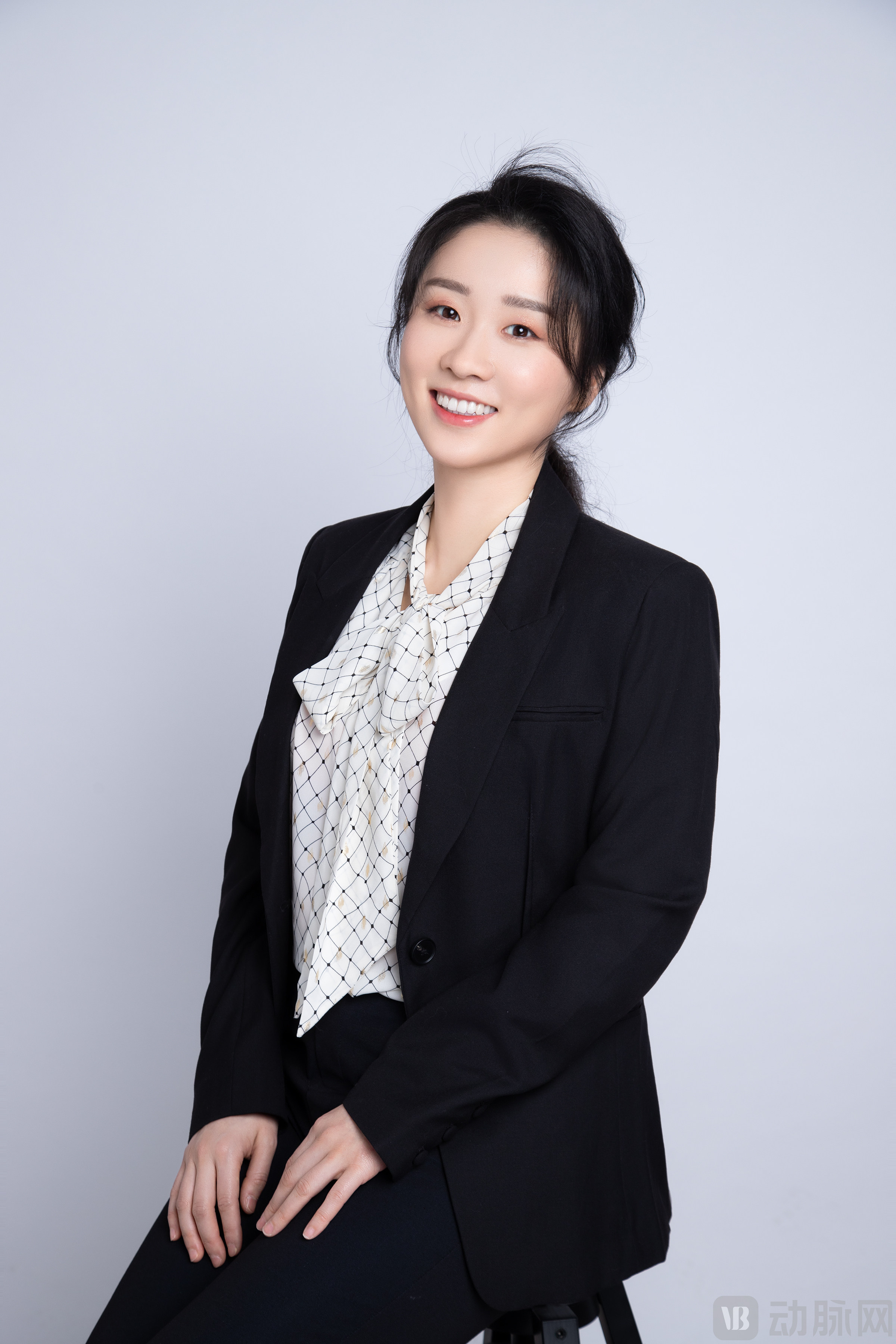
VCBeat: As a female CEO born in the 1990s, how did you ascend to the position of CEO?
N1 Life Zang Xiaoyu:In fact, I did not stand out from the crowd to ascend to the position of CEO; rather, I proactively chose a path that led me to become CEO.
After graduating from high school, I went to the United States for my undergraduate studies, majoring in chemistry. Coming from a family with a medical background, I was determined to develop a new drug. After completing my bachelor’s degree, I pursued a Ph.D. at Stanford University, which I found to be an ideal environment that allowed me to take on numerous challenges. At Stanford, I had ample opportunities to engage in scientific research and discovered significant possibilities in both science and technology. In particular, our collaboration with the Stanford School of Medicine provided objective evaluations of the translational potential of our technologies, given their close proximity to clinical practice. Based on their feedback, I became convinced that our technology held substantial application prospects. Furthermore, Stanford’s vibrant culture of innovation and entrepreneurship, characterized by frequent entrepreneurship courses and support groups, further solidified my decision to start a business.
We specialize in drug delivery technology. Although it is a relatively new field, it offers faster development cycles and lower R&D costs compared to developing entirely new drugs. Furthermore, leveraging our accumulated expertise, we have implemented numerous strategies to mitigate R&D risks. This project stems from my years of research and iterative development in the laboratory, giving me profound insight into its intricacies, complemented by the experience gained through close collaboration with our clinical team.So, it was as if I already knew the starting point and the destination; all I needed to do was forge the path in between. Thus, I decided to establish a company.
The title of CEO is not so much an honor or a prestigious designation as it is a representation of responsibility. Therefore, serving as the company’s CEO does not mean that I am superior to others; rather, it reflects my belief in my ability to fulfill the role and my willingness to assume the associated responsibilities.Establishing N1 Life had a deceptively simple beginning and end, but the journey in between has been arduous. I chose to become CEO largely to serve as the company’s chief facilitator, rallying all resources and top talent to ensure steady progress across R&D, operations, and every other facet of the business.
VBInsight: You are currently in the United States, balancing work responsibilities both domestically and internationally. Do you find it exhausting?
N1 Life Zang Xiaoyu:I have abundant energy. After finishing my workday in the U.S., I often continue working with colleagues in China during the evening. Sometimes, when my counterparts in China have already clocked off for the day, I am just ending my shift and wrapping up my day. However, I do not devote all my time to work; rather, I genuinely enjoy my work as an integral part of my life and leverage fragmented pockets of time to handle professional tasks.
In fact, my growth during this period was extremely rapid, even verging on wild, unbridled expansion.Although I am the CEO, you could say I’m the C-everything-O."I had to handle everything myself, including accounting, HR, and even instrument maintenance."
Nevertheless, I consider this an invaluable experience. As our company’s team continues to expand, specialized personnel will be assigned to oversee different business segments. However, as CEO, having personally handled these tasks enables me to accurately assess whether my team is operating efficiently in these areas. Moreover, since I established certain departments myself, I understand precisely how they should function to achieve optimal performance.
Through years of entrepreneurship, I have transitioned from a scientist to a drug developer, and from a student and PhD candidate to a manager. Although our company is not yet large in scale, it is growing rapidly across all aspects. This is precisely what brings me joy every day: the work I do contributes to the birth of new drugs and technologies, becoming an invaluable asset in my life.
VBInsight: It’s admirable that you maintain a happy and open mindset every day, but have you also encountered any unpleasant experiences or difficulties?
N1 Life Zang Xiaoyu:What remains in my memory are mostly positive experiences. If I had to pinpoint one challenge, it would undoubtedly be the difficulty of securing financing, particularly when facing skepticism. For me, youth was often a point of contention, and at times, the scrutiny was quite severe. Initially, this certainly affected my mindset, but over time, I have grown increasingly indifferent to such doubts.“Because everyone speaks for themselves, these are just minor episodes to me. It is through questioning that we identify areas for improvement.”
VBInsight: How Many Female CEOs Are Around You?
N1 Life: Zang Xiaoyu:I’ve come across quite a few, though men still predominate. That said, among my peers there are female CEOs with overseas study backgrounds who are around my age or slightly older. I don’t see that many female CEOs in their 40s and 50s; younger ones seem more common. This also varies by industry. In my field, which leans more toward technology and pharmaceuticals, they are relatively fewer.
It feels like the number of female CEOs is increasing, but they still represent a minority. Every year, I see new projects led by female CEOs, and I also notice many female CEOs participating in early-stage incubation programs.
VBInsight: How do you view gender differences? Have you ever experienced them?
N1 Life Zang Xiaoyu:Gender differences, I believe, are related to one’s mindset.For instance, when attending conferences in China, I often find myself in rooms dominated by men; the same is true in the United States. As a young woman, I naturally stand out in such settings. However, I do not perceive this as an issue, nor do I feel uncomfortable or unconfident. Every individual is unique, and gender differences constitute only a small fraction of that diversity. As the saying goes, “If you are not embarrassed, others will be.” Therefore, I do not believe these circumstances have any significant impact on me.
I represent my technology, my company, and my team. We focus solely on technology and capability.Moreover, the qualities required of leaders are consistent regardless of gender; there is no difference between the two sexes. I have much to learn from both male and female CEOs.
Sailada Li Jingyu
Apart from the limitations of one’s own mindset, nothing can stand in the way of realizing one’s dreams.
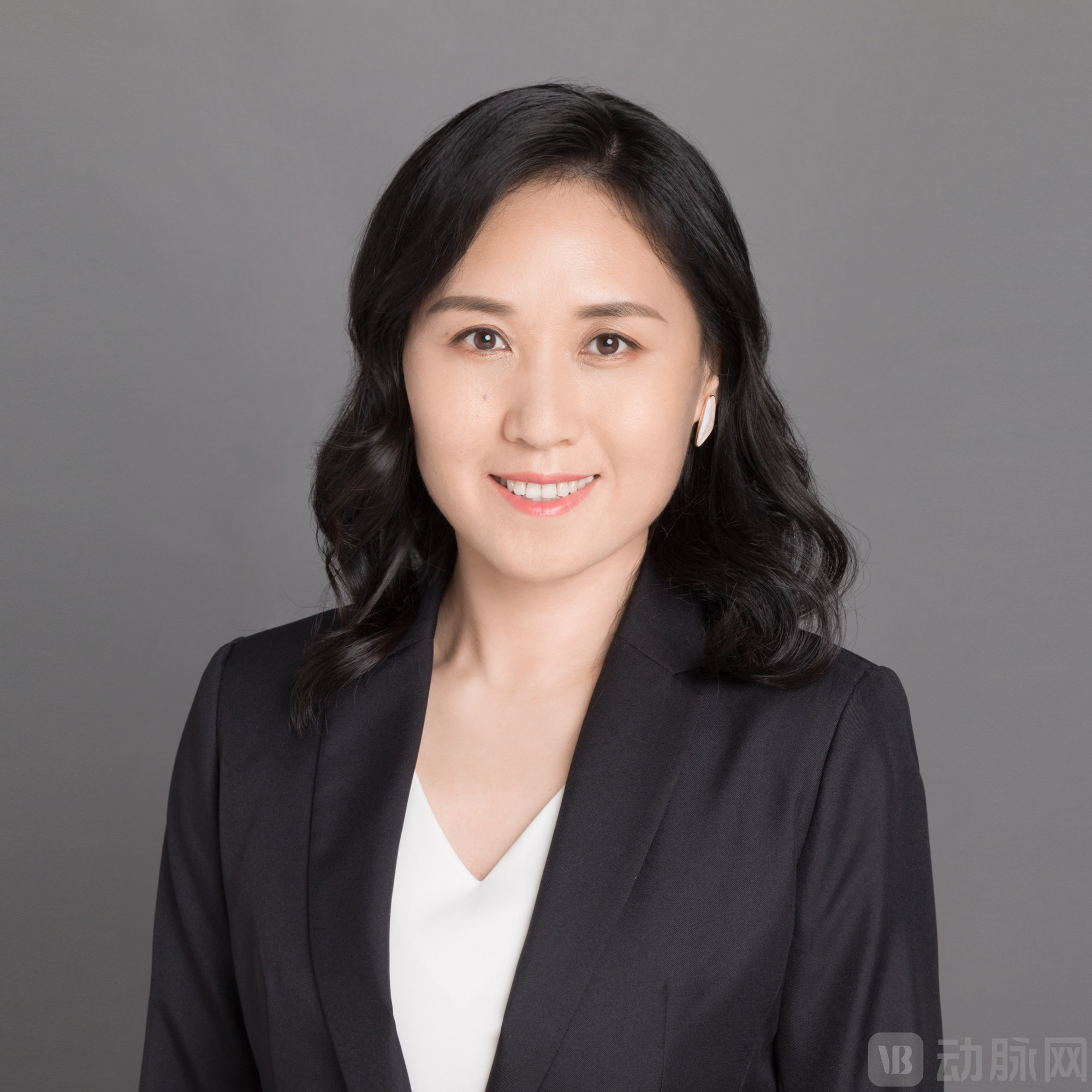
VCBeat: Is this your first time serving as CEO? Have you experienced any career transitions?
CelaDa Li Jingyu:I joined Selada last July, marking my first role as CEO."I didn’t aim for the CEO position; I just ended up here as things unfolded."Initially, I intended to remain in academia. At that time, regulations in China required professors to have overseas study experience, so I had no choice but to go abroad. However, my perspective shifted while I was overseas. I realized that technologies developed in the industry are more robust and rigorously validated, and that technological advancements play a crucial role in driving scientific progress. Many significant scientific breakthroughs have been made possible by technological innovations. Therefore, after completing my postdoctoral fellowship, I firmly chose to pursue a career in the industry.
Initially, my career plan was to become a technical manager, with the goal of attaining a position such as Chief Technology Officer (CTO). Therefore, my first job in the industry was as a bioinformatics scientist at a Fortune Global 500 company. After returning to China in 2016, I joined a next-generation sequencing (NGS) company, where I simultaneously oversaw two departments: Translational Medicine and Clinical Analysis. During this period, I experienced a significant turning point in my career—I began interacting directly and frequently with end customers for the first time. This experience had a profound impact on me, making me realize the importance of customer-centric thinking in product development. It also revealed my aptitude for customer communication, which naturally led to my transition into roles related to marketing and business development (BD). Later, I served as Vice President of Business at another startup, where I was responsible for product management, project management, marketing, and sales. During this time, I significantly enhanced my management skills and gained a deeper understanding of the various external and internal challenges faced by startups. I am deeply grateful to the several managers I worked with after returning to China, who placed considerable trust in me and provided me with valuable opportunities for professional growth.
VBInsight: How much technical knowledge do you think a biotech CEO needs to have?
Selada Li Jingyu:As the CEO of a tech startup like Cellada, it is essential to have a solid understanding of technology. Without technical expertise, many strategic plans you formulate are likely to be flawed, and communication with both your team and external stakeholders will face significant challenges. My research during graduate school and postdoctoral studies overlaps with Cellada’s current focus areas, enabling me to grasp the underlying technologies and maintain smooth communication with our R&D team and external experts. Of course, I also need to regularly review scientific literature to ensure my technical knowledge remains up to date.
VCBeat: How much did you know about the CEO role before?
Celadon Li Jingyu:In fact, during my years in the industry, I have had direct contact with the CEOs of virtually every company. For many years, I have closely observed the work of CEOs from an outsider’s perspective, gaining a certain level of understanding of their working conditions and scope of responsibilities. Of course, this differs from serving as a CEO oneself. Fortunately, my past work experience has provided me with in-depth insights into the responsibilities and operational characteristics of each department, which has been immensely helpful in enabling effective communication across various departments.Being a CEO requires strong stress tolerance, the endurance to persevere through difficult circumstances, and the agility to make rapid adjustments in emergencies.These capabilities are accumulated gradually over the course of one's growth.In this sense, I am deeply grateful for the experiences of setbacks, failures, and suffering that I have endured, as they have imperceptibly made me increasingly resilient.
Artery New Medicine: Do you think there are commonalities between managing a family and running a company?
Selada Li Jingyu:Managing a household is somewhat similar to running a company. For instance, in areas such as prioritization, division of labor, and achieving efficient communication and collaboration, the operational dynamics of families and corporate teams are interchangeable.In the process of growing alongside my child, I have gradually learned how to communicate with someone whose perspectives differ entirely from mine, how to recognize the unique strengths in an individual who is markedly different from myself, and how to articulate complex matters in simple language.In fact, explaining highly sophisticated technologies to clients or investors in the workplace requires the ability to present complex concepts in an accessible and straightforward manner. This significantly tests one’s communication skills. Additionally, identifying employees’ strengths is crucial in team management. Each individual possesses unique traits; through careful observation and patient communication, their advantages can be discovered, allowing them to be placed in roles where they can make a greater impact. Whether managing a family or running a company, the essence lies in managing relationships, fostering team cohesion, and aligning everyone toward a common goal.
Artery New Medicine: Have you perceived gender differences in the workplace? How can we ensure that gender does not become a limitation?
Serada Li Jingyu:"In my field, I have not perceived any significant gender disparities. Individuals are unique, making it difficult to generalize about women having inherent disadvantages or advantages."I would prefer to downplay the concept of gender in the workplace; as long as the task is accomplished with excellence, gender should not be a limitation, and women, in particular, need not constrain themselves.Women often find themselves at a disadvantage in the workplace because they struggle to express their needs directly, such as when negotiating salary, benefits, or job boundaries. In situations that are more confrontational and require negotiation, women tend to be more passive, which is one of the reasons why women’s salaries are often lower than men’s. However, I believe the overall environment in China is quite favorable. You should boldly envision what you want to do, imagine what you will look like in ten years, and then create a detailed plan to make it happen.Nothing can stand in the way of realizing your dreams, except for the limitations of your own mindset.
Dage Biotech, Zou Lihui
Sometimes, decisions are not absolutely right or wrong; choose a path and stick to it, with the team working together, success can be achieved.
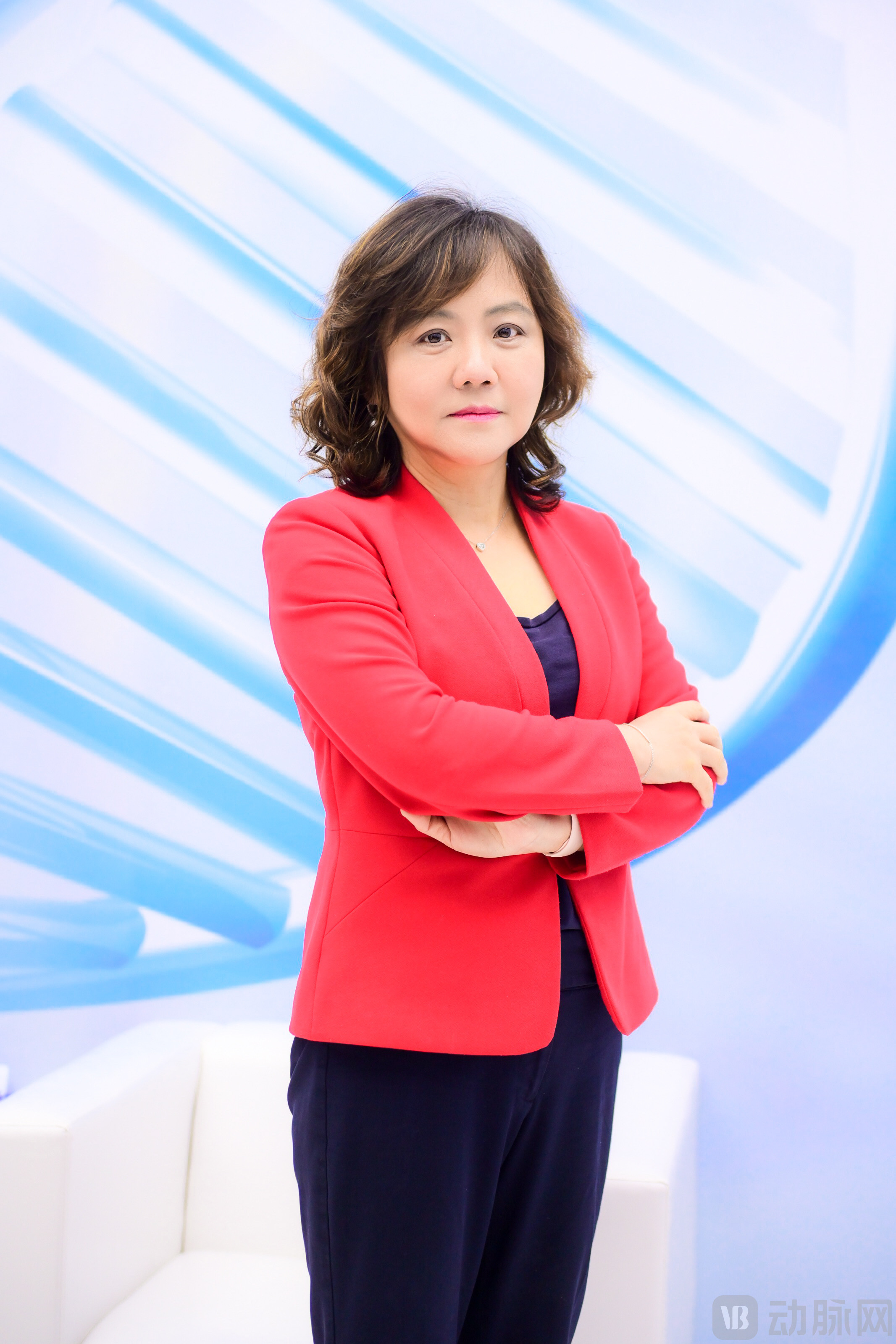
VCBeat: Have you experienced several career shifts? Why did you choose the path of entrepreneurship?
Dage Biotech, Zou Lihui:My career has undergone several transitions. I began by pursuing a Ph.D. in Biology at Cornell University, then moved into drug R&D within the biotech industry. During this period, I participated in various business development (BD) collaborations and gained exposure to the entire lifecycle of pharmaceuticals—from discovery and development to commercialization. Realizing my greater interest in the end-to-end operational landscape of bringing drugs from discovery to patient treatment, I pursued an MBA at MIT. This marked my first major career pivot.
After graduating from MIT, I joined Bain & Company, where I provided consulting services to numerous pharmaceutical companies of varying sizes. This experience gave me insight into their end-to-end operations, from R&D to commercialization, and a deep understanding of the diverse challenges they face. Given the fast-paced nature of consulting, with each project typically completed within three months, I had the opportunity to collaborate closely with senior executives to address critical issues, thereby gaining valuable expertise.
After leaving Bain, I worked across multiple large pharmaceutical companies and biotech firms, handling business development, R&D management, investment, marketing, and more.In comparison, I have always been drawn to the biotech environment, as it gives me a sense of co-creating something new with my team, rather than just being a cog in the machine.
My experience working at various pharmaceutical companies sparked my interest in entrepreneurship. Notably, while serving as the CEO of Fosun Pharma’s U.S. operations, I not only established Fosun Pharma’s U.S. subsidiary but also founded Fusum, Fosun’s innovation incubator based in Boston. There, I invested in biotech startups and served as Chairman and Chief Business Officer (CBO) of the first company incubated by Fusum. This provided me with valuable entrepreneurial experience, though I am still exploring the specific area of entrepreneurship that truly aligns with my interests.
It was not until I met Professor Cang Yong that I recognized the field of protein degrader molecular glues, to which Professor Cang is dedicated, as both highly intriguing and possessing significant therapeutic potential. Consequently, I joined Dage Biotech, where I have now been working for a year and a half.
VBInsight: As the CEO of Dage Biologics, what does your typical workday look like now? And how do you strike a balance between work and life?
Dage Bio, Zou Lihui: As our company is currently in the preclinical stage, scientific research and drug discovery remain our top priorities. Our entire team, including Professor Cang and Dr. Qian Xiaobing, Chief Development Officer, is deeply involved in these areas. While supporting their efforts, I am also responsible for overseeing and managing the company’s overall operations. My two most critical responsibilities are fundraising—securing sufficient capital to ensure the company’s long-term sustainability—and building a strong team by attracting more elite talent to Dage. Additionally, as the company currently lacks senior executives overseeing finance and business development (BD), I am taking on greater responsibility in these areas as well.
As for my daily routine, apart from sleeping and exercising, I devote the vast majority of my time to work. Outside of work, I enjoy physical activities such as running and hiking; maintaining good health and a positive mood are prerequisites for me to work with full energy. Additionally, I call my family at least once a week, and the rest of my time is essentially spent working.
VCBeat New Medicine: As a CEO, what is the most challenging part of your work right now?
Dage Biotech: Zou LihuiI believe the most challenging aspect is having to make major decisions with incomplete information. As a scientist by training, I prefer to conduct analysis only after obtaining all the data. However, as a CEO, particularly of a startup, you often cannot access all the necessary information, which means there are many uncertainties when making decisions.As a CEO, one of the most critical traits is the courage to make decisions and take responsibility. When the time comes to decide, you must make the best possible choice based on the information available at that moment and be accountable for it. Sometimes, there is no absolute right or wrong in decision-making; success can be achieved by committing to a chosen path and ensuring the team works together with unity and dedication.
VBInsight: In the biopharmaceutical industry, do you see many female CEOs?
Dage Bio, Zou Lihui:There are indeed some female CEOs, though I believe there should be more. Fosun Pharma, for instance, has nurtured several female entrepreneurs who are highly accomplished, with some being serial entrepreneurs. As a woman myself, I am always eager to befriend outstanding women I encounter. Over the years, I have been fortunate to connect with various female leaders, and I now regularly consult them whenever questions arise.
VCBeat: Do you think female CEOs need a good opportunity to start a business?
Dage Biotech, Zou Lihui:Entrepreneurship is a challenging endeavor that requires the right timing, favorable conditions, and strong teamwork. For female CEOs, it also demands understanding and support from their families. Personally, I place significant importance on family. When China’s biopharmaceutical industry was experiencing a boom, many companies approached me to join them. However, I did not venture out earlier to start my own company because my child was still young, and I was unwilling to sacrifice family life at that stage. The reason I co-founded Dage with Professor Cang was not only due to my strong personal interest but also because my younger son had decided to attend a boarding high school. With a better work-life balance achieved, I felt it was the right time and immediately decided to join Professor Cang’s team—a decision made within just one month.
Support from others is crucial during the entrepreneurial journey. In addition to colleagues and friends, my family—especially my husband and two sons—has been highly supportive of my venture.Before returning to China from the United States last month, I asked one of my sons, “Do you have any advice for me?” He replied, “Just keep going.” To me, this was a tremendous source of support.
Borui Medicine Zuo Lian
Whether returning to family life or focusing on one’s career, both choices, if pursued well, will bring positive impacts to society as a whole.
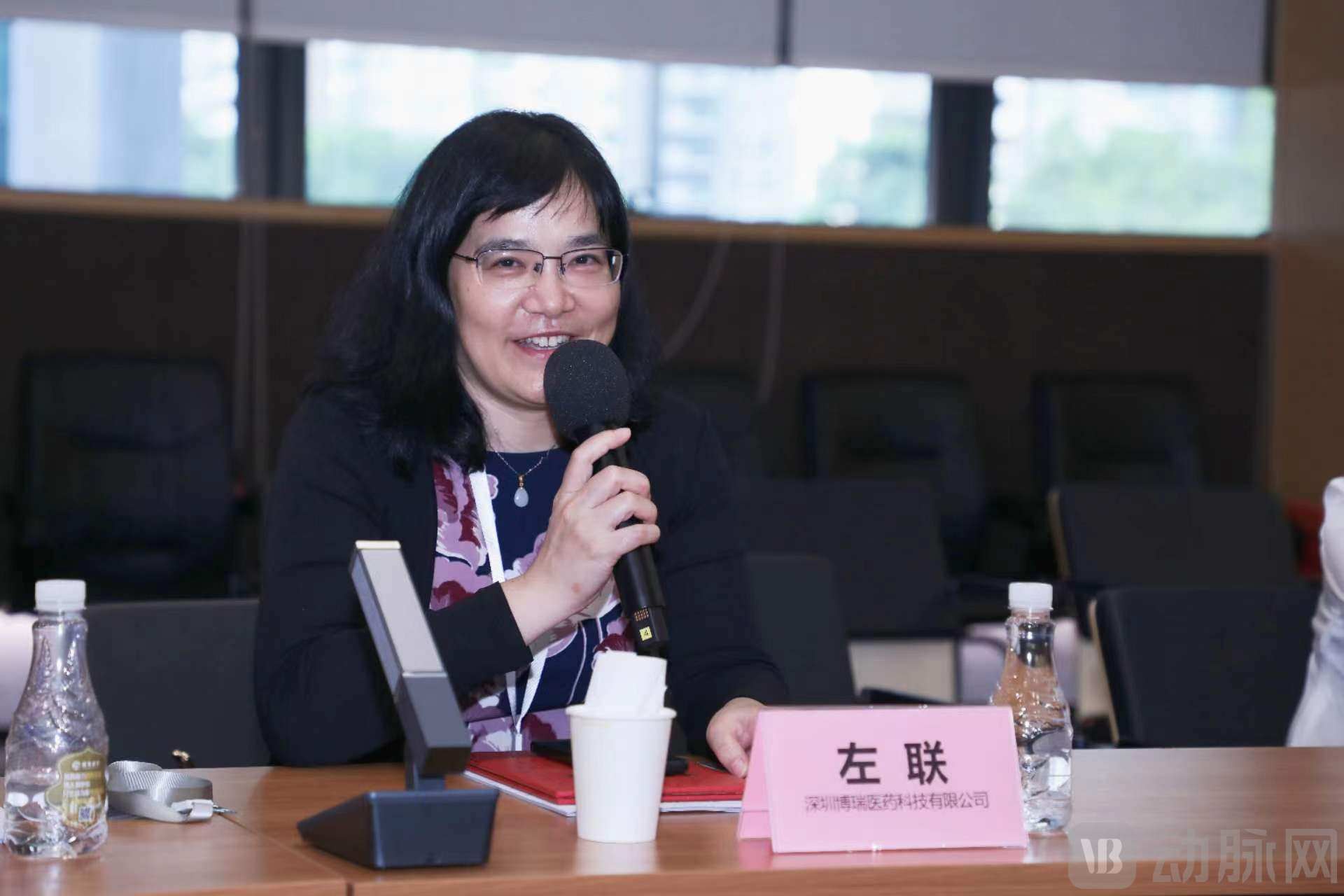
VBInsight: You have spent most of your career in management roles. Have there been any core principles you have consistently upheld throughout this period?
Borui Medicine Zuo Lian:My management career began at the Institute of Medicinal Biotechnology, Chinese Academy of Medical Sciences (CAMS). After completing my Ph.D. at Peking Union Medical College, I remained at CAMS to work. One day, the Director approached me and expressed his hope that I would take on a managerial role in the Scientific Research Department while continuing my own research projects. During my tenure in leadership, I adhered steadfastly to one principle: ensuring fairness, openness, and impartiality in all matters concerning research and researchers. At that time, there were quotas limiting applications for research projects. I made sure to disseminate relevant information to every researcher. As long as their ideas were innovative and their studies feasible, I supported them, fostering fair competition and encouraging the spirit of free exploration. This was the fundamental standard I set for myself.
This philosophy has endured to the present day. Even after I moved to the United States and worked in a laboratory with colleagues from various countries, I maintained harmonious relationships with everyone, which further honed and validated my management and communication skills. I believe that a good manager must first possess professional expertise and then demonstrate the ability to foster cohesion, thereby bringing people together and inspiring them to collaborate willingly. In the summer of 2010, I returned to China from the United States and joined a generic pharmaceutical company in Guangzhou as Chief Scientist. At that time, the R&D team was still small, comprising only a dozen or so members. By the time I left, it had grown to more than 130 employees, evolving into a fully structured R&D organization with complete functional frameworks. With the company’s support, we cultivated a cohort of talent in drug development; many of these individuals now serve as directors in various capacities at biotech companies in Guangzhou. I take great pride not only in their achievements but also in my own contribution. To this day, we maintain close contact and have become longstanding friends within the industry.
Scientific research adheres to rigorous standards, whereas management requires balance. Throughout my journey, I have firmly held two beliefs: first, maintain a “beginner’s mind,” and second, recognize the strengths of others to collaborate effectively with anyone.
VCBeat: What are your job responsibilities after joining Boji Medicine?
Borui Medicine Zuo Lian:I currently commute between Guangzhou and Shenzhen. In addition to overseeing the preclinical pharmaceutical CMC and testing divisions of the joint-stock company based in Guangzhou, I am also responsible for business development and operational management at Shenzhen Borui Pharmaceutical Technology Co., Ltd., a wholly-owned subsidiary of Boji Medicine. This entity is a CRO providing R&D services for innovative drugs and therapies. This year, my responsibilities have expanded to include the regulatory affairs division. With this broader scope of duties, my workload and associated pressure have naturally increased. Driven by technological advancements and the urgent need to address unmet clinical demands, an increasing number of innovative drugs and therapies are emerging. Taking regulatory submissions as an example, we must engage in continuous learning and stay abreast of the latest guidelines issued by the Center for Drug Evaluation (CDE). By staying ahead of our clients, we ensure successful approval for the new drugs they entrust us to develop.
VCBeat New Medicine: Since joining Boji Pharmaceutical, what challenges have you encountered in your work?
Borui Medicine Zuo Lian:From a business perspective, the most significant challenge is that CRO companies must continuously expand their service offerings, while tailoring their communication strategies to different clients. Although all clients are concerned about R&D timelines, generic drug manufacturers tend to prioritize cost, traditional Chinese medicine (TCM) enterprises focus primarily on regulatory approval prospects, and innovative pharmaceutical companies seek alignment points with CROs to establish effective collaborations. Furthermore, competition for talent is intense.
VCBeat: In the biopharmaceutical industry, do you observe any differences in the age distribution of female CEOs?
Borui Medicine Zuo Lian:From my personal perspective, there were relatively few female CEOs in previous years. Female CEOs born in the 1960s and 1970s were particularly scarce. However, among those born in the 1980s and 1990s, there is a noticeable increase in the number of female CEOs, many of whom are highly accomplished.
VCBeat: Do you think there is a difference in the number of female CEOs between overseas markets and China?
Borui Medicine Zuo Lian:There are differences. For instance, when I attend international industry conferences, I observe a higher proportion of Chinese female CEOs compared to their Western counterparts. This may be attributed to cultural differences; Western societies tend to place greater emphasis on family values, and many women, regardless of whether they hold bachelor’s, master’s, or doctoral degrees, typically withdraw from the workforce to focus on family life after marriage and having children.
For example, one of my mentors has a wife whose scientific achievements actually surpass his own. During a lab project meeting where we were discussing several pathways involved in protein-protein interactions, his wife was holding their child nearby and offered her perspective. She pointed out a pathway that none of us, including my mentor, had noticed. I was stunned, as I was unaware of her background at the time. Yet, by following her insight, we indeed uncovered some interesting findings. Later, my mentor introduced us to her background: she and he were doctoral classmates, and she has published more papers in Science, Nature, and Cell than he has. However, being deeply devoted to family life, she chose to step away from her research career after becoming pregnant. Today, several of their children serve as professors at prestigious universities in the United States. His wife once remarked that if she had achieved success, it would have been an individual accomplishment; but by raising successful children, her contribution to society is far greater.
Therefore, there are differences between Eastern and Western cultural concepts, butWhether returning to family life or focusing on one’s career, both choices, if pursued well, will bring positive impacts to society as a whole.
Yaopu, Liu Hui
If failure stems from cognitive limitations, it must be accepted. Of course, you should continue learning to expand the depth and breadth of your cognitive horizon, thereby minimizing future setbacks.
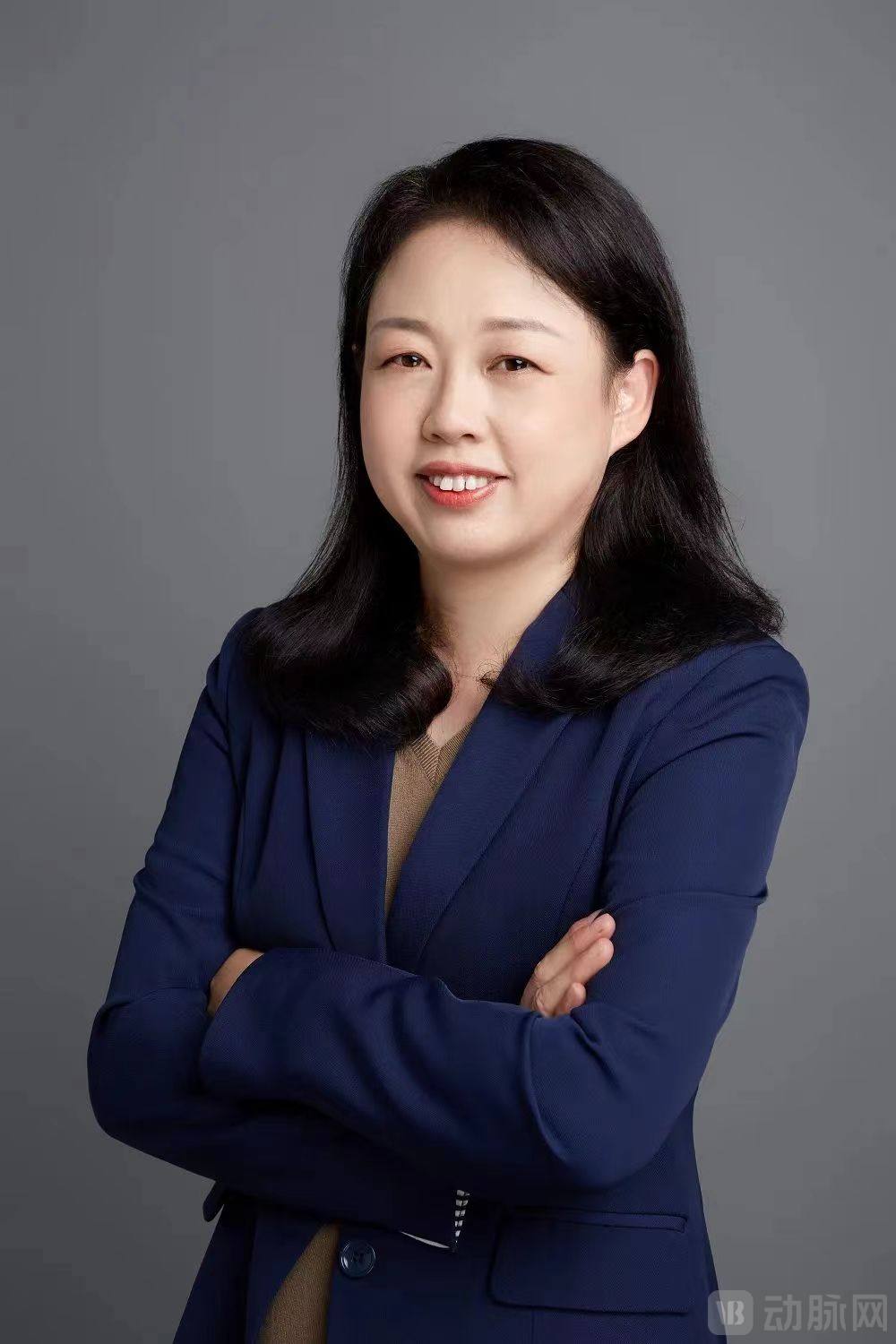
VCBeat New Medicine: How did you determine your career direction? How did you accumulate experience step by step and establish Yaopu?
Yaopu, Liu Hui:Just as a company needs a vision, so does an individual’s career. My professional journey has centered on pharmaceuticals and process development. Upon completing my Ph.D., I chose to enter the industry, although I had not yet clearly defined my specific path. My work at FMC marked the beginning of my focus on process chemistry. We worked to make certain reaction steps more scalable and safer, while also delivering greater social and economic value. This experience solidified my commitment to pursuing a career in process development.
Subsequently, I joined Basilea, a publicly listed Swiss pharmaceutical company, where I had the opportunity to travel abroad for study visits and even worked there for a period. This experience allowed me to observe and learn about European regulations, as well as the most advanced pharmaceutical management models and concepts of the time. Later, I joined a domestic CRO. Amidst the fierce competition in the generic drug sector, I gained a thorough understanding of the current state of China’s pharmaceutical industry, developed deeper insights into manufacturing processes and Chinese regulations, and had the opportunity to lead larger teams in executing various projects. My continuous in-depth learning and practice in process development, reinforced by innovative European pharmaceutical management philosophies, coupled with my engagement in the evolution of China’s generic and novel drug sectors and a comprehensive understanding of regulatory frameworks, gave me the confidence to establish Yaopu.
VCBeat: After becoming CEO, you developed a passion for reading history and biographies. How have these genres inspired you in your role as the company’s CEO?
Yaopu, Liu Hui:Since the founding of Yaopu, I have begun reading historical biographies, including works on world history, Chinese history, and texts such as Zizhi Tongjian.I believe that leaders can identify common patterns by examining history. This historical and holistic perspective is crucial for leading a company.When encountering problems or making decisions, the books I have read enable me to think from a broader perspective and across multiple dimensions. Similarly, studying the lives of influential figures serves as another valuable approach. I used to resist reading biographies, believing that others’ growth journeys had little relevance to my own. However, after embarking on my entrepreneurial journey, I began selectively reading biographies, such as those of Steve Jobs and Chiang Kai-shek. My primary aim is to identify similarities and differences between the authors’ viewpoints, the subjects’ personal development, global changes, and my own perspectives, while striving to uncover the underlying reasons and enhance my cognitive framework.
VCBeat: Has your life changed significantly since you became CEO? How do you make decisions?
Yao Pu, Liu Hui:The difference is substantial. Previously, as an employee, I simply focused on completing my daily tasks to earn my wage; once the work was done, the day was considered complete. However, as a company leader, my focus has shifted from individual concerns to the well-being of the entire team and the many families that depend on us. My perspective has become more long-term and profound, compelling me to identify and address the root causes of issues. On a personal level, before making any decision, I strive to think it through as clearly as possible, assessing whether I can accept the worst-case scenario and how the best-case outcome would benefit me.If failure stems from cognitive limitations, it must be accepted. Of course, you should continue to learn, expanding the depth and breadth of your cognitive horizons, so that the setbacks you encounter will become increasingly fewer.For significant matters, I tend to consult with key team members before making decisions. Since individuals have different perspectives, pooling our collective wisdom allows us to rapidly broaden our cognitive scope, consider issues more comprehensively, and reduce the likelihood of decision-making errors.
VCBeat: As CEO, how do you view the relationship between family and career?
Yaopu, Liu Hui:If you manage your children and family well, you will find that managing a team follows similar principles.Children teach you many things, and likewise, teams enable you to learn much that is new; the processes of mutual management, learning, and interaction are similar. Of course, starting a family represents a watershed moment for everyone, as one transitions from being an individual to becoming part of a couple, and then a trio, with responsibility and accountability gradually increasing along the way.
VBInsight: How many female CEOs have you observed in the biopharmaceutical industry? Have there been moments when you became aware of gender disparities? Does being a woman bring any differences to one’s career trajectory?
Yao Pu, Liu Hui:While female CEOs remain relatively scarce in the biopharmaceutical industry, women are well-represented in middle management. During my first attendance at a senior management meeting (middle management and above) at a CRO company, I was surprised to find that over 60% of the participants were women. In my view, most women demonstrate high levels of dedication, strong execution capabilities, and a meticulous approach to work, making them excellent candidates for middle-management roles from a leadership perspective."In most of my work, I haven’t been aware of gender differences, though they occasionally surface in social settings. I believe that in our industry, greater emphasis is placed on competence and expertise."“Although I have seen some reports suggesting that salaries may vary, at our company, we do not offer different compensation packages to employees based on gender.”
Pumu Bio, Tang Nan
The first question we need to consider is: How many elites are there in our biopharmaceutical industry? I believe that as the industry accumulates a sufficient pool of top talent, we will see more female leaders emerge.
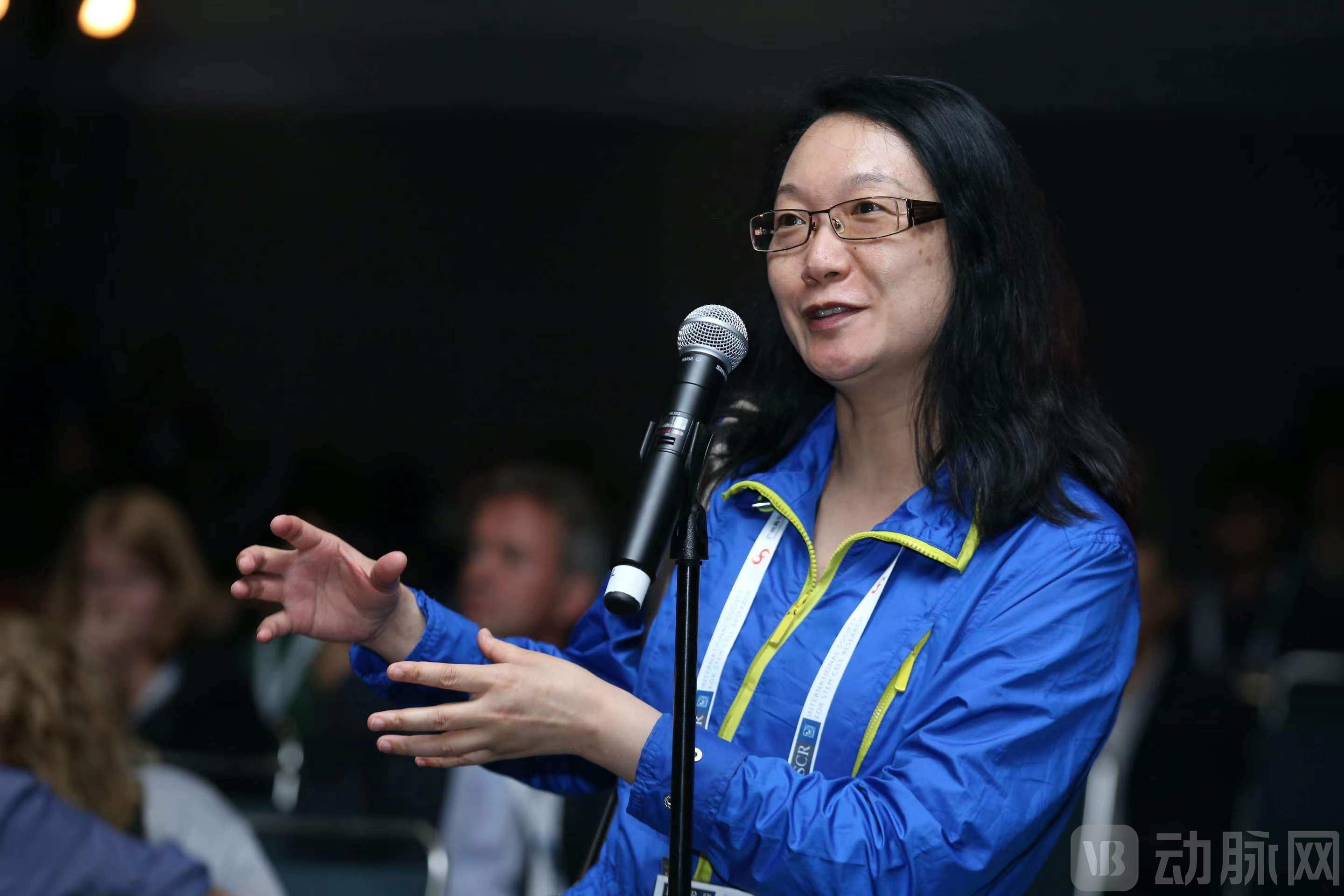
Artery New Medicine: How did you achieve a leap in your career?
Pumu Biotech, Tang Nan:In fact, I feel that I have reached where I am today through steady, incremental progress, rather than through any dramatic career leap. Some people have a clear sense of their goals from an early stage, but I initially did not know what I truly enjoyed. Later, I discovered my strong passion for science and laboratory work, which led me to pursue a PhD. Thus, I have always been exploring and making choices guided by my interests.
In the life sciences sector, pursuing a postdoctoral fellowship after earning a Ph.D. is a common pathway for those seeking academic positions. I followed this route, completing my postdoc before becoming a Principal Investigator (PI). After achieving certain research milestones, I chose to embark on an entrepreneurial journey. My progression to the current stage has been a natural evolution. Admittedly, transitioning from academia to industry represents a significant shift. During this transition, I received tremendous support and assistance from Dr. Xiaodong, Director of the Beijing Institute of Life Sciences, and the entire Pumu team. From the perspective of my own career development, I have advanced step by step, following a path that aligns with the conventional trajectory of professional growth.
VCBeat: From Researcher to CEO, How Did You Navigate This Role Transition?
Pumu Biotech: Tang NanBeing a CEO is quite different from being a professor. Academic research emphasizes depth; I need to figure out how to thoroughly investigate and resolve unsolved problems within the field, which requires an exploratory spirit. In this regard, I can explore together with students and postdoctoral fellows. As a CEO, however, the focus shifts to stability and breadth, requiring me to consider various situations more comprehensively. If I cannot understand what colleagues from different departments are telling me, I will be unable to take all factors into account, which is absolutely unacceptable for a CEO. Therefore, a CEO’s learning ability and logical judgment are critically important. Furthermore,A crucial aspect of being a CEO is making decisions that are both swift and sound, with the ability to discern whether a decision made at any given moment is good or bad, right or wrong.
VCBeat New Medicine: After becoming CEO, is there any difference in your work style compared to when you served as a Principal Investigator (PI) at the Beijing Institute of Life Sciences?
Pumu Bio: Tang NanMy role as CEO is much the same as my previous role as a Principal Investigator (PI), with work being the central focus. Before founding Pumu, I was also constantly working as a PI at the Beijing Institute of Life Sciences; however, I am now more efficient and better at time management.
When I served as a Principal Investigator (PI), I worked seven days a week, arriving at the office by 7:00 a.m. My responsibilities were diverse, ranging from communicating with students to conceptualizing ideas and writing manuscripts. After returning home in the evening, I would unwind slightly by chatting with my family. Beyond work, I arranged one or two family trips per year; otherwise, my time was predominantly dedicated to professional commitments. As a CEO, my work rhythm remains largely unchanged from my days as a PI, so my schedule continues to be highly demanding. Whether this lifestyle suits you is a matter of personal preference; those who do not enjoy it may find it exhausting, but I genuinely derive satisfaction from it.
VBInsight: Are you currently experiencing any moments of gender disparity?
Pumu Bio, Tang Nan:Yes. For instance, when Pumuxuan was selecting a CEO, I hesitated over whether to choose a male or female candidate. During fundraising, some investors interested in our company bluntly pointed out that we had too few male leaders—a challenge I must confront as CEO.
But even so, I would still prioritize capable high-performers. If our company’s candidates are women who are highly competent, solidly grounded, independent, and loyal, why not choose them?
Arterial New Medicine: Do you think there will be more female elites in China's biopharmaceutical industry in the future?
Pumu Bio: Tang NanThe number will undoubtedly continue to grow. Whether male or female, CEOs all reach their positions step by step, a process that naturally requires time and accumulation.The first question we need to consider is: How many elite professionals are there in the biopharmaceutical industry? I believe that as the industry accumulates a sufficient pool of top-tier talent, we will see more women emerge among its elite ranks.