

SpectrumVision Genetics and Innostellar Biotherapeutics Forge Strategic Partnership to Establish an Integrated Precision Diagnosis and Gene Therapy Ecosystem for Ophthalmic Diseases
On March 7, 2023, Puxi Gene and Langxin Biology held a signing ceremony to establish a deep strategic partnership. Both parties reached a strong consensus on achieving an integrated “diagnosis-and-treatment” model through ophthalmic genetic diagnostics and gene therapy technologies, thereby creating a closed-loop system for precision diagnosis and treatment in ophthalmology.
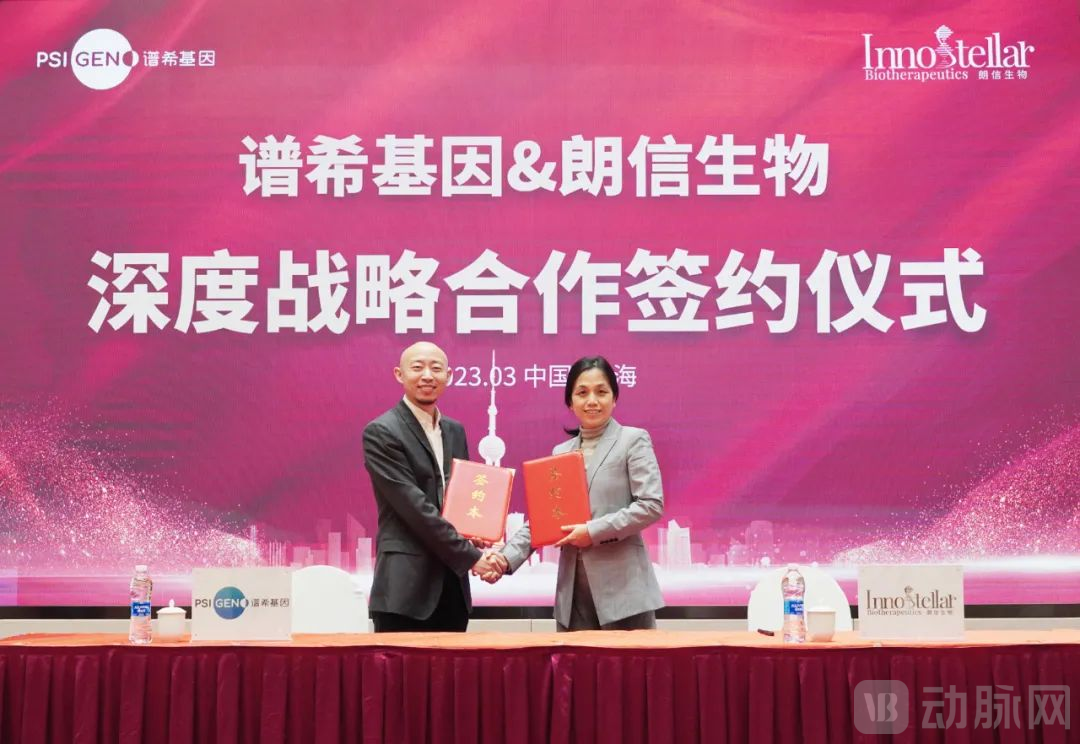
Left: Yu Xiaoguang, Founder of Puxi Genomics Right: Wang Fenghua, Founder of Langxin Biologics
Currently, there are over 2.2 billion people worldwide who are blind or visually impaired, at least 1 billion of whom suffer from conditions resulting from untreated or delayed treatment. According to the World Health Organization’s “Vision 2020: The Right to Sight” global action plan, visual impairment has become the third leading disease severely affecting human quality of life, following cardiovascular diseases and cancer. Data from a 2020 Lancet study shows that between 1990 and 2019, China experienced the fastest growth rate in the prevalence of moderate and severe visual impairment among G20 countries. China has now become the country with the largest number of eye disease patients globally. The number of individuals affected by non-blinding eye diseases (primarily refractive errors and dry eye syndrome) reaches 990 million, while those affected by blinding eye diseases (mainly cataracts, glaucoma, and age-related macular degeneration) total 251 million. Congenital hereditary eye diseases account for approximately 80% of cases involving blindness and severe visual impairment, with monogenic hereditary eye diseases affecting about 4% of the population. Currently, nearly 580 types of ophthalmic genetic disorders have been identified, involving close to 400 disease-causing genes. Common blinding conditions such as retinitis pigmentosa, cataracts, glaucoma, and high myopia all exhibit strong heritability.
Inherited Retinal Diseases (IRDs), including retinitis pigmentosa, choroideremia, Leber hereditary optic neuropathy (LHON), Leber congenital amaurosis (LCA), Stargardt disease, achromatopsia (ACHM), X-linked retinoschisis (XLRS), and age-related macular degeneration (AMD), significantly impair patients' quality of life. Driven by the global development and iteration of gene therapies, research into gene therapy for ocular diseases has remained at the forefront of the field, accounting for one-quarter of all adeno-associated virus (AAV) gene therapy clinical trials. The organic integration of ophthalmic genetic diagnostic technologies with gene therapies will enable the timely provision of cutting-edge treatment options to the vast population of patients with eye diseases, offering immense potential to transform currently incurable conditions into manageable or even curable disorders.
Langxin Biopharma’s ophthalmic gene therapy products have achieved remarkable success in the treatment of inherited eye diseases through continuous technological refinement and accumulation. In 2022, the Investigational New Drug (IND) application for LX101 injection, indicated for the treatment of inherited retinal degeneration (IRD) associated with biallelic RPE65 mutations, was approved by the Center for Drug Evaluation (CDE) of China’s National Medical Products Administration (NMPA). At the end of 2022, the IND application for Langxin Biopharma’s LX102 injection, indicated for the treatment of wet age-related macular degeneration (wAMD), was also approved by the CDE. The clinical study on gene therapy for AMD completed a 12-month follow-up, demonstrating sustained efficacy with a single dose over one year without the need for rescue therapy.
As a leading provider of ophthalmic genetic testing in China, Puxi Genetics has launched multiple products and technologies, delivering screening and diagnostic tools for the precision medicine ecosystem in ophthalmology. The company has established cohorts and databases specific to the Chinese population for various eye diseases, continuously empowering national eye health initiatives. In 2022, Puxi Genetics obtained CE certification for three ophthalmic diagnostic kits, and in 2023, completed medical device registration testing for two ophthalmic products. Puxi Genetics continues to invest in the development of new technologies for molecular diagnosis of hereditary and complex eye diseases, progressively securing core intellectual property rights in genetic testing and artificial intelligence to comprehensively support early diagnosis and screening of ophthalmic conditions.
The strategic synergy between Puxi Gene and Langxin Biology provides patients and clinical healthcare professionals with a comprehensive, closed-loop service spanning screening, diagnosis, and treatment. This collaboration transforms the traditional model of “disconnected diagnosis and treatment” for genetic disorders, fully realizing the clinical paradigm of “integrated testing and therapy.” Together, we are committed to overcoming the challenges of hereditary eye diseases, helping more patients regain their vision and see the world anew.
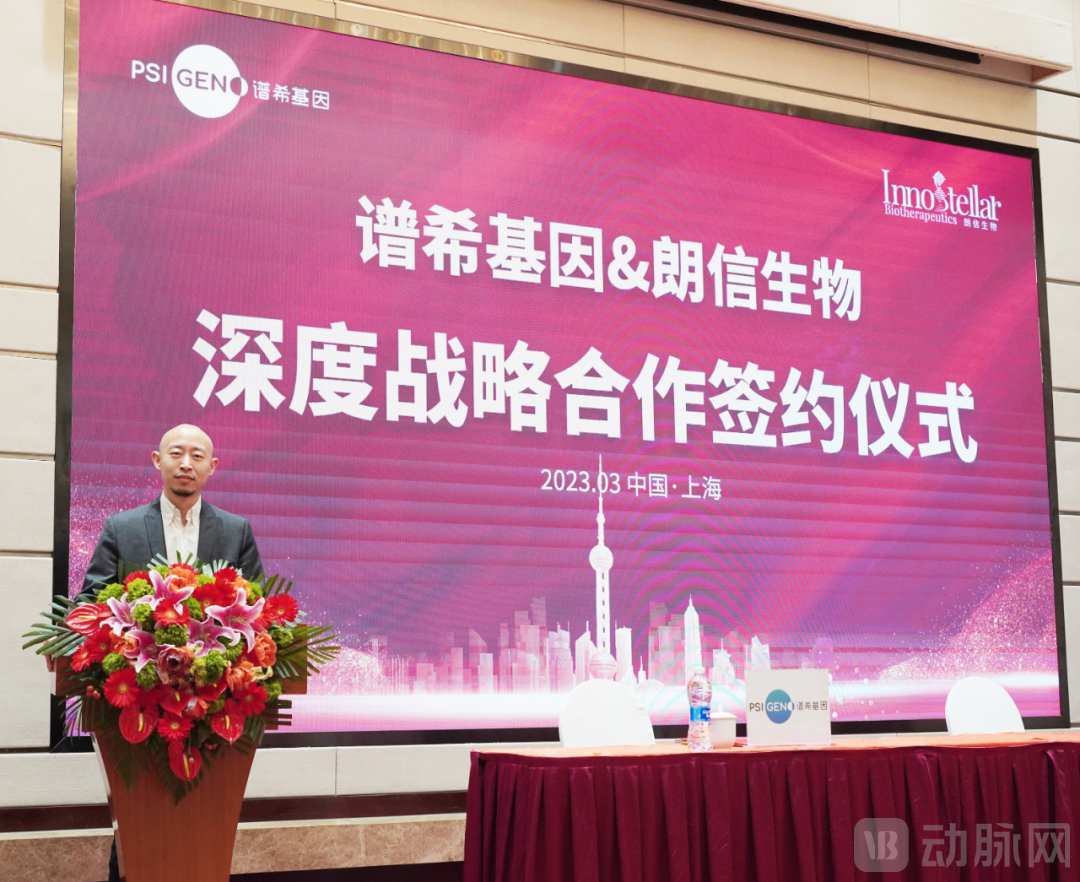 Yu Xiaoguang's Speech
Yu Xiaoguang, founder of PuXi Genetics, stated that the company was established to compose a brighter future for humanity. “Our mission is to provide every pair of eyes with its own ‘user manual.’ This genetic guide serves not only as a fundamental principle for eye care but also as a basis for disease prevention and treatment. Before the advent of gene therapies, providing patients with precise diagnoses was both gratifying and painful. It was gratifying because we finally helped clinicians and patients identify the root causes of diseases; yet it was painful because, despite knowing the underlying cause, we were often powerless to intervene. Our collaboration with Langxin not only dispels the darkness before patients’ eyes but also alleviates the sense of helplessness felt by healthcare professionals. Genetic disorders that once left us at a loss now have potential cures and therapeutic options. This represents the final mile in bringing light to countless patients. As the saying goes, ‘Virtue is never left to stand alone; it will always have neighbors.’ PuXi and Langxin are not only strategic partners but also comrades-in-arms striving together for human vision health. We hope our partnership will bring greater benefits to patients with eye diseases, composing a brighter future and offering hope to more people.”
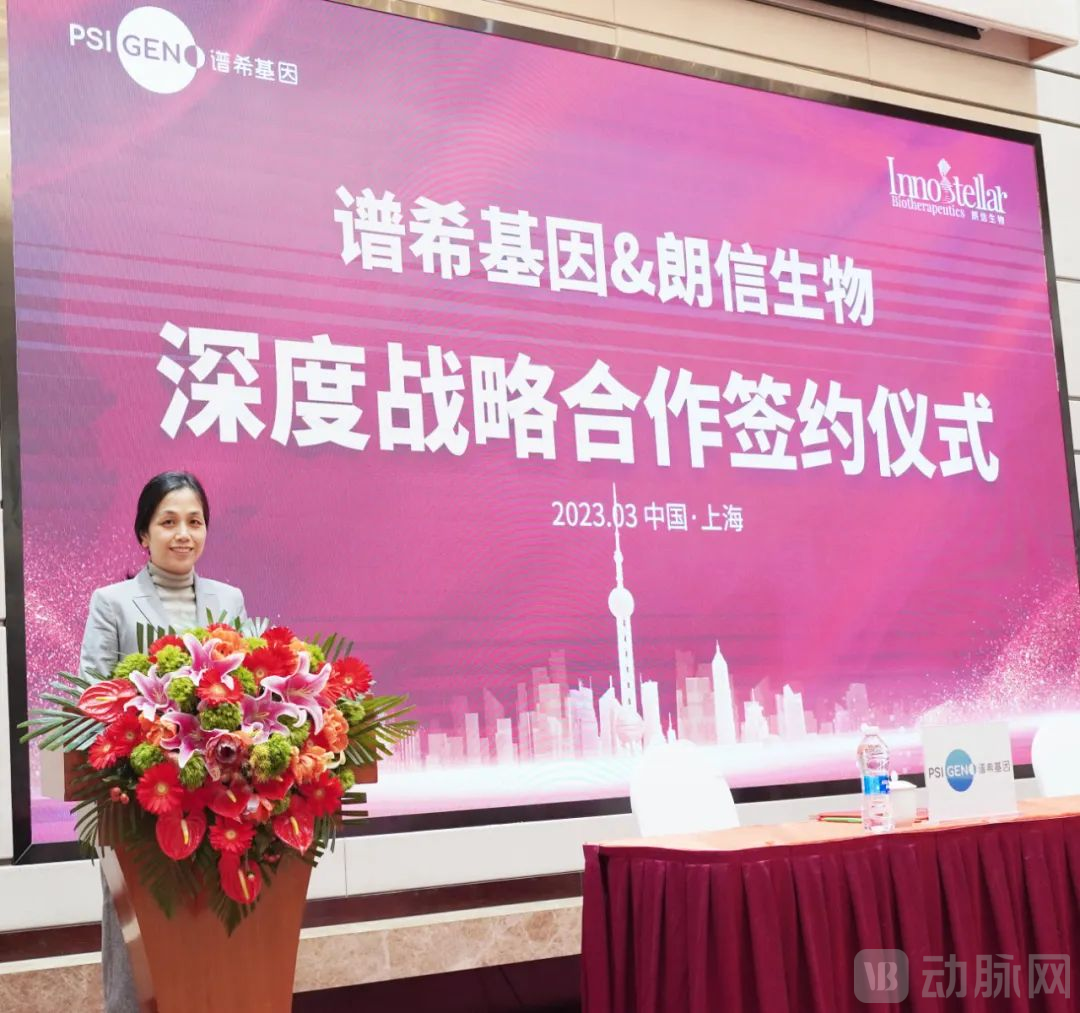 Remarks by Wang Fenghua
Wang Fenghua, founder of Langxin Bio, stated that in disease prevention and control, diagnosis must precede treatment. Only through precise diagnosis can we promptly deliver the “key to unlocking a second life” to every patient in need. The strategic partnership between Langxin and Puxi generates a synergistic effect where 1+1>2. Much like a proton colliding with an atomic nucleus at a specific velocity to produce matter far exceeding the sum of the original two units, the collaboration between Langxin and Puxi creates similar transformative impact. May we befriend time, integrate diagnosis with treatment, and jointly ensure that advances in genetic diagnosis and therapy benefit more patients.
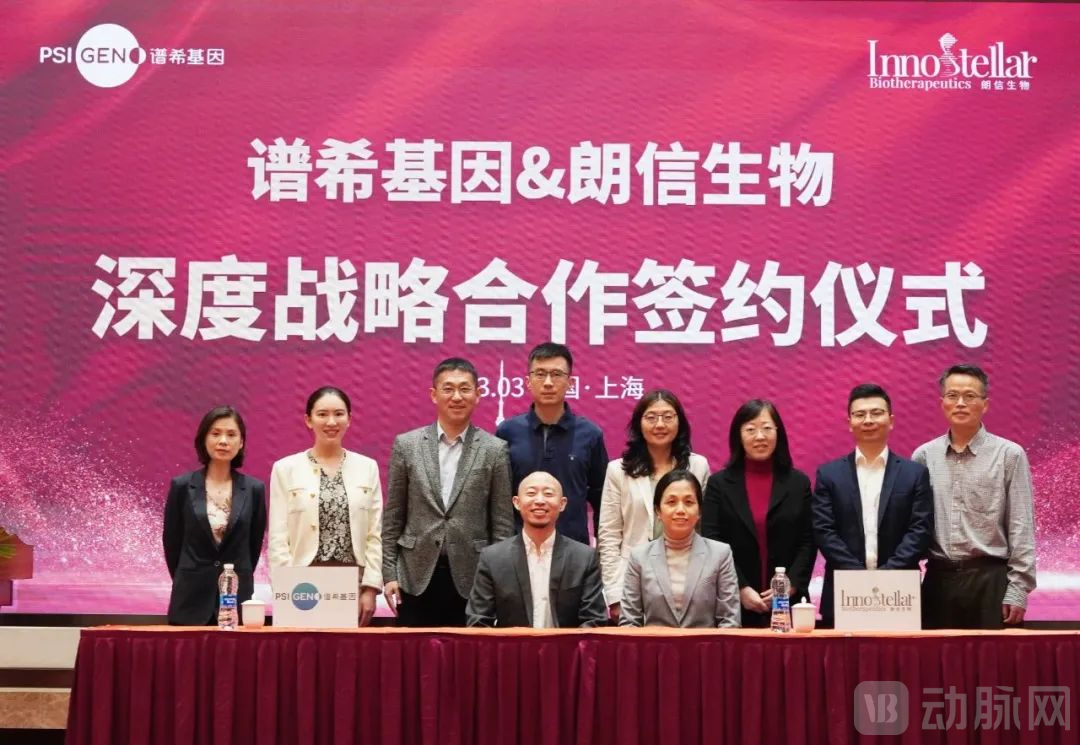 Group Photo of Attendees
Note:
1. Inherited retinal degenerations (IRD) caused by RPE65 gene mutations are a typical blinding rare disease. Onset occurs in infancy or early childhood, with patients typically experiencing severe, progressive retinal degeneration and deterioration of visual function; nearly all patients eventually progress to complete blindness. Previously, there were no effective treatments; however, gene therapy, as a breakthrough technology, offers the possibility of fundamentally supplementing or repairing defective genes and restoring the normal biological function of healthy genes. Based on existing observational data from related products abroad, gene therapy can help improve and sustain long-term visual function in patients with this type of IRD.
2. Macular degeneration is a disease closely associated with aging, primarily affecting the elderly. Age-related macular degeneration (AMD), also known as senile macular degeneration, is a degenerative condition affecting the macula that leads to loss of central vision. AMD is one of the most common causes of blindness among the elderly. Neovascular AMD, also referred to as wet age-related macular degeneration (wAMD), can cause severe acute visual impairment. Although it accounts for only 10%–20% of AMD cases, it is responsible for 90% of AMD-related blindness. The current standard therapy typically involves intravitreal injections of anti-VEGF drugs at intervals of one or two months, with patients requiring an average of 6–12 injections per year, and some needing lifelong treatment. Interruption of treatment and under-treatment lead to diminished long-term therapeutic efficacy and irreversible visual damage. As a technological breakthrough, gene therapy has the potential to significantly reduce the injection frequency required by wAMD patients and is expected to become a first-line maintenance therapy for wAMD in the future.