

Exclusive Interview with Prof. Ye Dingwei: Exploring the Multi-Omics, Multi-Dimensional utLIFE-UC Model—Novel Biomarkers Unlock Unlimited Potential of Urine-Based Detection
The incidence trends of urologic tumors are far from optimistic. According to data from the “2019 Annual Report of Cancer Registration in China” released by the National Cancer Center, the overall incidence rate of the “three major urologic cancers” in China has ranked sixth among all cancer types.
Urological tumors, including urothelial carcinoma, renal cell carcinoma, and prostate cancer, have shown a year-on-year increase in incidence and mortality rates in China. Among them,Urothelial Carcinoma (UC) is the most common urinary system tumor and has the highest incidence among urinary system tumors in China.. In China, there are 20–50 million patients with hematuria, and the number of patients with urothelial carcinoma is also on the rise.
For a long time, patients with urothelial carcinoma have been facingLate Diagnosis, High Recurrence Rate, and Limited Treatment Optionssuch dilemmas. First, urothelial carcinoma has a strong insidious onset, often presenting with painless hematuria as an initial symptom, making it difficult to effectively differentiate from conditions such as calculi and inflammation in the early stages. Although ureteral cancer and renal pelvis cancer account for a smaller proportion of urothelial carcinomas, their anatomical locations are concealed, and they exhibit greater invasiveness and more severe malignancy. Later-stage treatment may necessitate cystectomy, leading to a significant decline in quality of life. Therefore,Early diagnosis of urothelial carcinoma is of great significance.
Secondly, the postoperative recurrence rate of urothelial carcinoma is high. Among patients with non-muscle-invasive bladder cancer (NMIBC), approximately 50%–70% experience recurrence, and 10%–45% progress to muscle-invasive bladder cancer (MIBC), while more than 50% of patients with MIBC develop disease recurrence. ThereforeClose follow-up of bladder cancer patients after treatment is essential to monitor for disease recurrence and progression.
To address these clinical diagnostic and therapeutic pain points, on February 4, 2023, Professor He Zhisong’s team from Peking University First Hospital, Professor Ye Dingwei’s team from Fudan University Shanghai Cancer Center, and Professor Niu Yuanjie’s team from the Second Hospital of Tianjin Medical University, in collaboration with Jinxiang Medicine, published the world’s first research article on urine-based early screening and treatment efficacy monitoring for urothelial carcinoma in Molecular Cancer (IF = 41.444). The article’sThe utLIFE model, characterized by its convenience, non-invasiveness, high patient compliance, and superior sensitivity and specificity, meets the demand for a more accurate, convenient, and non-invasive approach in the diagnosis and treatment pathway of urothelial carcinoma.
VCBeat onProfessor Ye Dingwei, Vice President of Fudan University Shanghai Cancer Center and Director of the Shanghai Institute of Urologic OncologyConduct an exclusive interview to analyze the clinical pain points in the early diagnosis and prognostic monitoring of urothelial carcinoma, providing patients with a convenient, non-invasive, and effective full-process management solution.
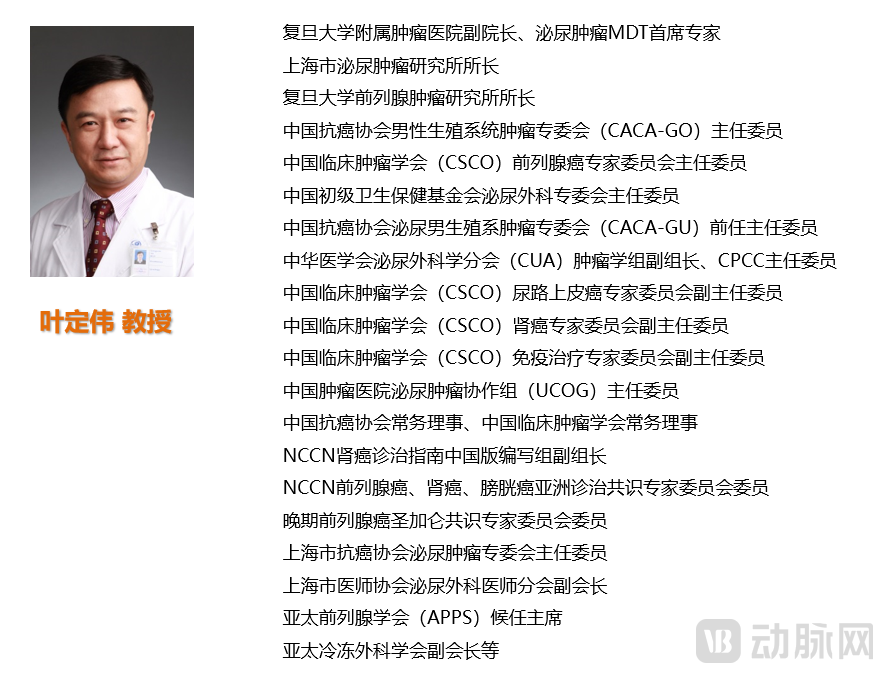
Clinical Diagnosis and Treatment Still Face Pain Points: Accuracy and Non-Invasiveness Are the Future Directions
Data show that in recent years, the overall 5-year cancer survival rate in China has increased by nearly 10 percentage points (from 30.9% to 40.5%). Early diagnosis and screening of urothelial carcinoma, as well as treatment and postoperative monitoring, have achieved certain effectiveness, but a series of issues remain to be addressed.
According to Professor Dingwei Ye, early definitive diagnosis and monitoring of disease recurrence and progression are crucial in urothelial carcinoma; however, there are still three major pain points in the current diagnostic and therapeutic process.
The first challenge is the difficulty of early diagnosis.Conventional tests, such as urinary cytology and tumor markers (e.g., NMP22), have low sensitivity. Fluorescence in situ hybridization (FISH), which is widely used in clinical practice, has a sensitivity of approximately 60% and is susceptible to interference from urinary tract infections, bladder inflammation, and calculi; it performs poorly in the diagnosis of early-stage, minute, residual, and recurrent disease. Currently, the gold standard for bladder cancer diagnosis is invasive cystoscopy with biopsy-based pathological examination. This approach has limited sensitivity for detecting early-stage cancer or carcinoma in situ and causes significant discomfort to patients.
Secondly, there are no effective means to evaluate the therapeutic efficacy of urothelial carcinoma.Whether it is neoadjuvant therapy, bladder-preserving treatment, second-look resection assessment, or immunotherapy/BCG instillation, there is currently no effective method for evaluating treatment efficacy.
Finally, postoperative monitoring of urothelial carcinoma is characterized by a high frequency of recurrence surveillance and relies on single, invasive methods.On one hand, the first two years after surgery are a high-risk period for urothelial carcinoma recurrence. According to treatment guidelines, patients need to undergo follow-up examinations every three months. If no recurrence occurs within two years, it is recommended that patients have follow-ups every six months. Even if there is no recurrence after five years, annual follow-ups are still advised. On the other hand, current methods for monitoring recurrence are relatively limited, relying solely on cystoscopy and CT scans. If more accurate, convenient, and non-invasive methods were available for monitoring recurrence, patients would find them easier to accept.
Full-Process Management Enables Precision Diagnosis and Treatment, Revealing the Potential of Urine as a Diagnostic Sample
Comprehensive management of urothelial carcinoma can effectively improve early diagnosis rates, assess treatment efficacy, and enable convenient, non-invasive monitoring of disease recurrence.So, how can we effectively implement end-to-end management?
Professor Ye believes that in the realm of early diagnosis and screening, early-stage tumors or carcinoma in situ are relatively small and thus not easily visualized on imaging. The accuracy of urinary exfoliative cytology and fluorescence in situ hybridization (FISH) monitoring is limited, and it is also difficult to detect tumors via cystoscopy or ureteroscopy. Regarding minimal residual disease (MRD) monitoring, there is currently a lack of effective techniques for assessing treatment efficacy in neoadjuvant therapy and bladder-preserving therapies with Chinese characteristics. For postoperative recurrence monitoring, current methods are singular and invasive, creating an urgent need for more accurate, convenient, and non-invasive monitoring approaches.
With the continuous advancement and refinement of genomic testing technologies, new biomarkers have been discovered, and more precise diagnostic tools have been clinically validated. Meanwhile, the emergence of immunotherapies, targeted therapies, and antibody-drug conjugates (ADCs) has reshaped the landscape of systemic treatment for urothelial carcinoma. The diagnosis, treatment, and recurrence monitoring of urothelial carcinoma have all entered a new era of precision medicine.
Currently, liquid biopsy methods have become a focal point in research on precision oncology diagnosis and treatment. They can significantly reduce costs and minimize patient trauma and risks, thereby enabling practical clinical implementation and application.
Among these,As one of the samples enabling non-invasive testing, urine has attracted attention from various sectors both domestically and internationally.In recent years, a growing body of literature has reported that genomic, transcriptomic, epigenomic, and metagenomic analyses using urine-derived samples can outperform blood-based tests, particularly for urological tumors.
utLIFE Model: Superior Sensitivity and Specificity, Truly Achieving Accurate, Convenient, and Non-Invasive Performance
According to Professor Ye Dingwei, the utLIFE-UC model is an innovative study that combines multi-omics, multi-dimensional urinary gene testing with AI machine learning methods for early diagnosis, treatment efficacy assessment, and recurrence monitoring.Sensitivity reached 94%, specificity reached 96%, and concordance with clinical outcomes was 93%.
Compared with urine cytology (sensitivity approximately 13%–75%), its clinical diagnostic performance is significantly improved. Compared with CT (accuracy 54.9%), utLIFE-UC demonstrates higher accuracy (93%). As cystoscopy currently serves as the gold standard for bladder cancer screening, performing utLIFE-UC testing prior to cystoscopy can help some patients avoid unnecessary procedures, facilitate better patient stratification, and hold substantial scientific research value throughout the entire diagnosis and treatment pathway of urothelial carcinoma.
VCBeat also learned that,In the development of the utLIFE-UC model, Golden橡 Medical’s R&D team integrated multi-dimensional urinary information with multi-omics detection of tumor variants, thereby enhancing the model’s sensitivity and specificity.Based on this model, Jinxiang Medicine pioneered the global launch of its “U-Ai” series in April 2022, a comprehensive management product for urothelial carcinoma based on urine testing.
The “U Ai” series of products (U Ai SEEK, MRD, HOPE) can achieveEarly Screening and Diagnosis, Medication Guidance, and Postoperative Recurrence Monitoring of Urothelial Carcinoma, with U-Ai SEEK achieving a detection accuracy of over 95% and U-Ai MRD demonstrating a negative predictive value approaching 100%.
At the end of the interview, Professor Ye stated that there is still a considerable way to go before the diagnosis and treatment of urothelial carcinoma become systematic and standardized. He expressed hope that enterprises will identify more biomarkers with superior technical performance, thereby providing practical solutions to clinical challenges.
“We hope that cancer will become a preventable, screenable, and treatable chronic disease in the future. With technological advancements and the concerted efforts of large-scale innovative R&D enterprises, China’s diagnostic and therapeutic standards will continue to improve, benefiting more patients,” said Professor Ye.