

Beyond Aesthetics, Dentistry, and Ophthalmology: Emerging Opportunities in China's New-Generation Consumer Healthcare
Over the three years of the pandemic, if one were to identify the healthcare subsector most significantly impacted, it would undoubtedly be consumer healthcare. This is because the market shifts resulting from pandemic control measures directly struck at its core vulnerability, namelyOffline service scenarios were physically disrupted, leading to a significant decline in users' willingness to pay.。
Especially in 2022, when the healthcare industry was in a comprehensive downturn, consumer healthcare was pushed to the brink. Leading enterprises incurred substantial losses, while small and medium-sized enterprises faced even greater hardships, with widespread closures becoming the norm. Taking the medical aesthetics market as an example, data from Qichacha shows that from January to October 2022,A total of 811 medical aesthetics companies and institutions in China have gone bankrupt or been deregistered.. It is no wonder that Jin Xing, Chairman and CEO of So-Young Group, remarked, “2022 marked a true winter for the medical aesthetics industry, as the market not only contracted partially but also experienced its first negative growth in 20 years.”。
However, with the official discontinuation of health codes at the end of 2022, the consumer healthcare industry seems to have found new hope, as market demand remains undeniably present. Yet demand is dynamic, signaling that the consumer healthcare sector is undergoing a new industrial transformation, entering a cycle where specialty hotspots shift every two years. Six years ago, capital flocked to medical aesthetics; four years ago, it concentrated on dentistry and ophthalmology; and in the past two years, investors have been rushing intoThe “New” Consumer Healthcare Track Centered on New TCM, New Psychology, New Rehabilitation, New Reproductive Health, and New Wellness. According to statistics from the VCBeat database, in the past two years,A total of 78 financing deals were completed in China’s “new” consumer healthcare sector, with the total funding amount approaching RMB 10 billion. Leading investors such as Sequoia Capital, Matrix Partners, Hillhouse Capital, and Shenzhen Capital Group have rapidly entered the market.
Market shifts always leave traces. So, how exactly is this new high-potential sector stirring? And where do the new industrial opportunities lie?
78 Financing Deals in 2 Years, Nearly RMB 10 Billion Invested: Is Consumer Healthcare Facing a New Shift?
Although consumer healthcare has been developing in China for nearly 20 years, there is still no precise definition of the industry to date; it is commonly and habitually associated directly with medical aesthetics, dentistry, and ophthalmology.
This is hardly surprising, as these three niche sectors have achieved rapid growth over the past few years, with continuously expanding market sizes and heightened enthusiasm in both primary and secondary markets. According to statistics from the VCBeat Orange Database, there are nearly 50 listed companies in China’s three major consumer healthcare fields—medical aesthetics, dentistry, and ophthalmology—with So-Young, Aier Eye Hospital, and Angelalign serving as typical representatives in their respective domains.
However, it is precisely due to the successive emergence of these listed companies, coupled with the gradual standardization of market regulation,Traditional consumer healthcare, dominated by the three major sectors of medical aesthetics, dentistry, and ophthalmology, has seen its era of extensive growth come to an end after three years of pandemic-induced fluctuations and phased adjustments. The industry is now entering a critical stage of business transformation and upgrading.。
Does this mean that the investment narrative in consumer healthcare has come to an end? Some remain unwilling to accept this outcome.
"A partner at an investment firm focused on the consumer healthcare sector told VCBeat,"Consumer Healthcare Will Always Have a Market, once this gateway is opened, demand will persist regardless of how many years pass into the future, although such demand will gradually evolve with technological iterations. Taking oral care as an example, the field initially focused primarily on tooth extraction for pain relief and restorative procedures or dental implants for missing teeth; nowadays, however, orthodontics and teeth whitening have also become core business segments within the oral care industry. Therefore, in the consumer healthcare sector,Market demand has always existed, but which type of demand will emerge first ultimately depends on the growth potential that companies and capital can envision., and be the first to develop which new technology or launch which new business model.”
In other words,In the consumer healthcare sector, technology and services are, to some extent, driving demand forward.. So, in the current consumer healthcare sector, where exactly is capital placing its growth expectations?
Data provides valuable insights. According to statistics from the Artery Orange database, in the past two years, China’s “new” consumer healthcare sector—primarily comprising new Traditional Chinese Medicine (TCM), new mental health, new rehabilitation, new reproductive health, and new wellness care—has seen 78 financing rounds, with the total amount approaching RMB 10 billion. Among these, the new mental health segment has attracted the most attention, recording 29 financing deals over the two-year period. Multiple companies, including Lingxin Intelligence, Jiandan Xinli, and Haoxinqing, have each completed at least two rounds of financing.
What Is the Logic Behind This?
From a macro perspective, it is evident that the traditional consumer healthcare sector—dominated by medical aesthetics, dentistry, and ophthalmology—has gradually reached market saturation amid the emergence of industry giants, resulting in a well-established competitive landscape. Given that it will be increasingly difficult for startups to break through in this space, entrepreneurs and investors are compelled to shift their focus toward emerging scenarios in consumer healthcare.
On the other hand, under the dual impact of the pandemic and market conditions, users’ health needs have continued to expand and become increasingly segmented, while their willingness to pay has grown stronger. The previous business models and market scale are clearly no longer sufficient to meet current demands. Taking depression in the mental health sector as an example, according to the “2022 Blue Book on Depression in China,” after the COVID-19 pandemic,China’s Depression Patient Population Surges by 53 Million, with a Growth Rate of 27.6%, and the trend toward younger patients is becoming increasingly pronounced, with individuals under 18 accounting for 30% of all depression cases, and 50% of depressed patients being students.
Accompanying the expansion in demand is a vast market opportunity. Taking antidepressant medications as an example, according to analysis by Research and Markets, the size of China’s antidepressant drug market was estimated at approximately RMB 17.2 billion in 2022 and is projected to reach RMB 23.8 billion by 2030, with a growth rate exceeding the global average.
The overall transformation of the industry and the iterative evolution of market demand have opened up significant potential for these “new” consumer healthcare sectors; however, the industry still needs to provide concrete solutions to realize this potential. In recent years, innovative technologies centered on AI, 5G, and the Internet of Things (IoT) have been increasingly integrated into specific consumer healthcare scenarios,Not only has it created a brand-new business model, significantly enhancing the original diagnostic and therapeutic outcomes, but it has also simultaneously optimized convenience and cost-effectiveness., which has led more people to become dependent on "new" consumer healthcare.
The founder of a TCM brand has indeed observed this shift. “In the past few years, many people, especially young individuals, held certain misconceptions about Traditional Chinese Medicine (TCM) and were often resistant to it, as they could not tangibly perceive the benefits TCM could offer. This was partly due to insufficient market education on TCM, as well as the negative impact caused by ‘TCM detractors.’ However, with the continuous integration of innovative technologies into TCM scenarios, not only have more patients come to understand and access TCM, but most importantly, TCM diagnosis and treatment have become more standardized, leading to a significant improvement in therapeutic outcomes.”
Therefore, in retrospect, the rise of the “new” consumer healthcare sector is an inevitable trend. On one hand, traditional consumer healthcare has entered a stage of stable growth after years of development, prompting industry players to seek new growth engines; on the other hand, with the continuous influx of innovative technologies, the “new” consumer healthcare industry is gradually being validated and recognized by the market.
New Demands, New Technologies, New Scenarios: Where Lie the “New” Opportunities in Consumer Healthcare?
As previously mentioned, the “new” consumer healthcare sector comprises five major segments: New Traditional Chinese Medicine (TCM), New Mental Health, New Rehabilitation, New Reproductive Health, and New Wellness & Elderly Care. What specific new changes are occurring within each of these areas? VCBeat will examine companies in these niche sectors that have secured financing over the past two years to unravel the “new” logic driving their industrial development.
Unlike common physiological diseases, mental health issues do not rely on instrumental examinations or biochemical tests; instead, they can be addressed through personalized treatment based on doctor-patient communication, or through self-management by patients via digital platforms. This characteristic gives digital therapeutics a unique advantage in the field of mental health.
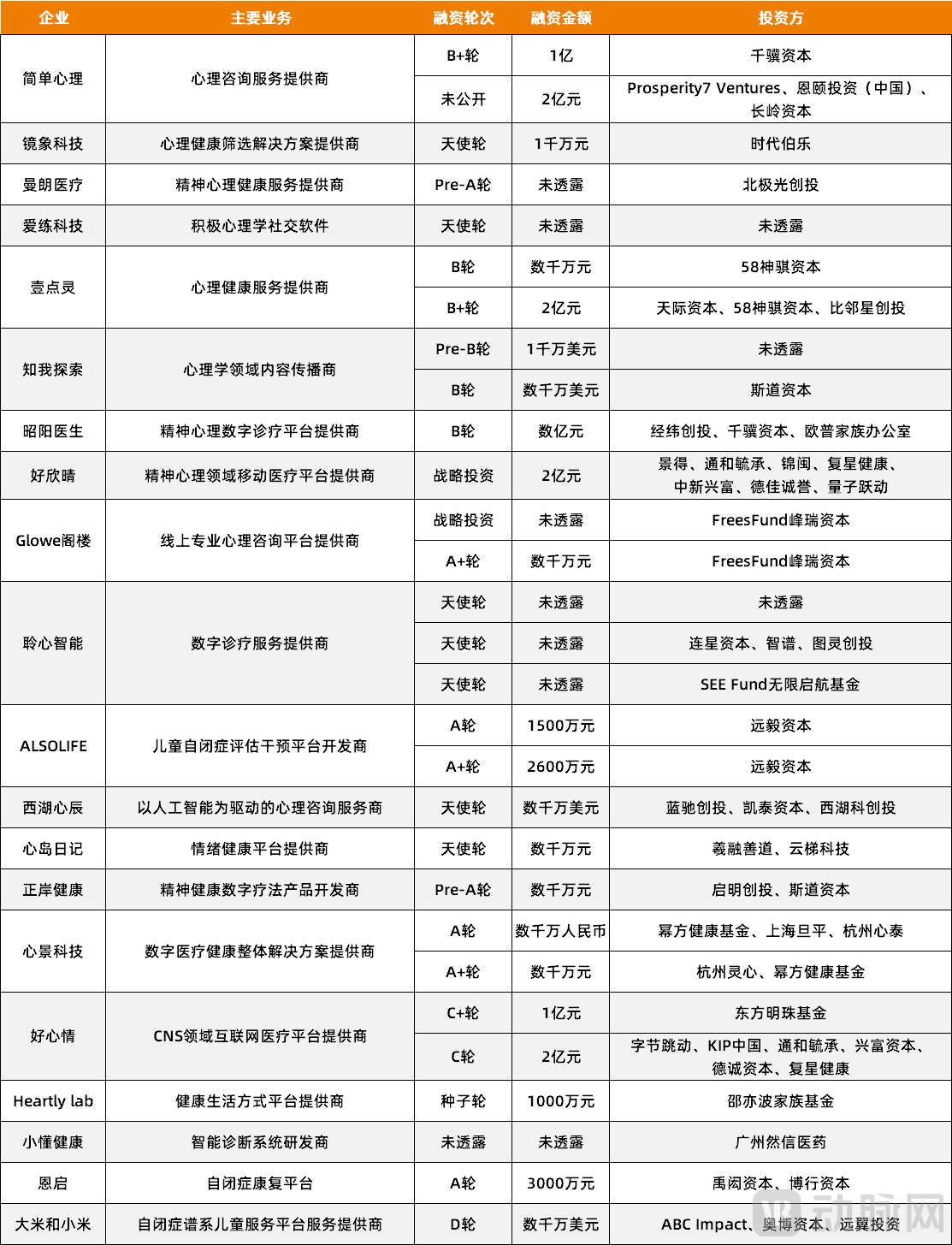 Figure 1. Financing Trends in the Emerging Mental Health Sector Over the Past Two Years (Data Source: VCBeat Orange Database)
According to statistics from the VCBeat database, in the past two years, a total of 20 companies in the new mental health sector have completed financing rounds, with more than half of them focusing onDiagnosing and Treating Mental Health Issues with Digital Tools. Further analysis reveals that its diagnosis and treatment are broadly categorized into two models: collaborative physician-led treatment and patient self-management.
Collaborative physician treatment primarily involves assisting doctors in providing continuous monitoring and services to patients through digital platforms, such asDr. Zhaoyang, Based on the platform, physicians can manage patients, conduct follow-ups, perform reconsultations, and issue online prescriptions. Patients can also link their treating physicians through the platform, enabling them to complete reconsultations and obtain online prescriptions from the comfort of their homes.
Patient self-care primarily aims to achieve therapeutic effects through “companionship,” but it comes in various forms, such as games, with the “digital wooden fish” being a typical example; additionally, it can be delivered through content-based mediums, such asKnow Me Explore, it leverages its WeChat official account, Know Yourself, to disseminate the most evidence-based, cutting-edge, and aesthetically and attitudinally distinctive articles and perspectives in the field of psychology; of course, this can also be achieved through music, yoga, meditation, and other methods, such asHeartly lab, targeting the high-stress pain points of modern people to create a meditation + mindfulness vertical platform.
In addition to treatment modalities, we are also witnessing shifts in disease-specific focus areas. Observations indicate that the current mental health industry is primarily concentrated on depression among adolescents and women, as well as autism spectrum disorder (ASD) in children. Among the 20 companies that secured financing in the new mental health sector over the past two years, 90% have centered their business operations on these two core segments, such as those focusing on childhood autism.Rice and Millet, now entering Series D financing; for example, incubated by Tsinghua UniversityLingxin Intelligence, it has established an advanced AI-based digital therapeutics system with a primary focus on the treatment of depression, and has rapidly completed three rounds of financing within a year and a half.
Unlike the traditional rehabilitation model, which primarily relies on rehabilitation equipment,“New Rehabilitation” industry primarily achieves certain therapeutic outcomes through scientifically designed training methods., its focus has also evolved from postoperative rehabilitation and rehabilitation for the elderly, weak, sick, and disabled to sports rehabilitation, orthopedic rehabilitation, pain management rehabilitation, postpartum rehabilitation, and pediatric rehabilitation.
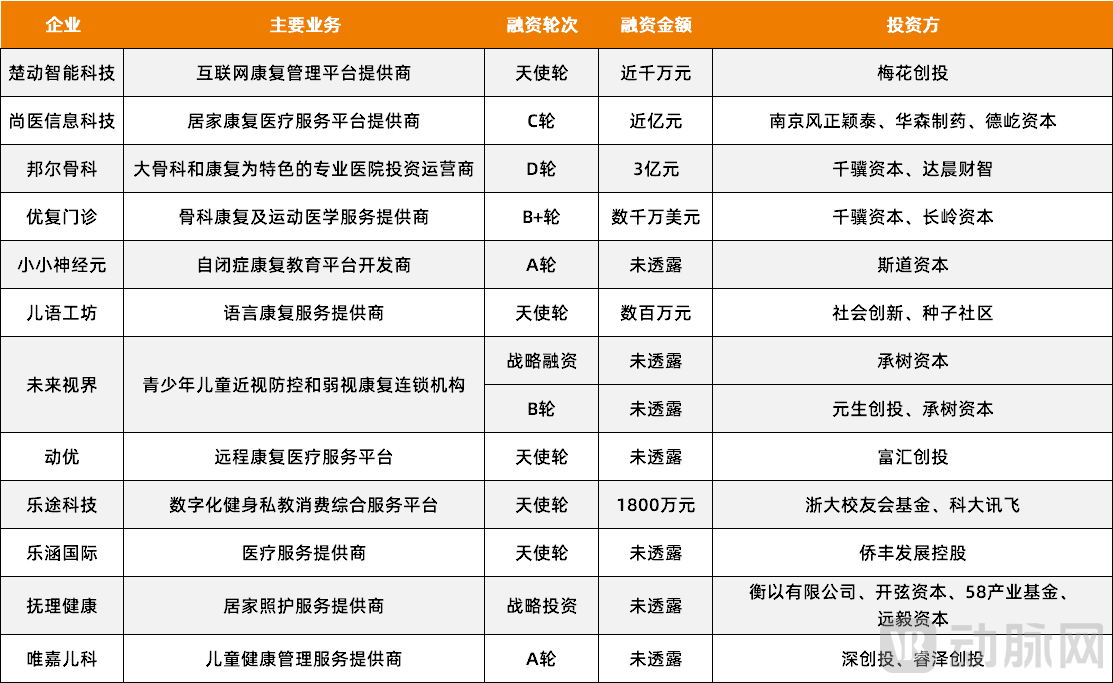 Figure 2. Financing Trends in the New Rehabilitation Sector Over the Past Two Years (Data Source: VCBeat Orange Database)
According to statistics from the VCBeat database, a total of 10 companies in the “New Rehabilitation” industry have completed financing rounds over the past two years. These companies primarily focus on specific patient populations, leverage digital technologies to integrate online and offline services into a closed loop, and make treatment methods more scientific and personalized.
WithLittle NeuronsFor example, it focuses on rehabilitation for children with autism, primarily by establishing offline autism research centers and an online education platform to organically integrate frontline scientific research with rehabilitative interventions. Another typical representative enterprise is Dongyou Technology, which leverages digital medical solutions for motor rehabilitation. Through a mobile app, it implements a three-tier networked rehabilitation medical service system comprising “tertiary hospitals + community health service stations + homes,” providing whole-course rehabilitation management services both “in-hospital and out-of-hospital” for patients with mobility impairments due to conditions such as stroke.
The introduction of the “Three-Child Policy” and shifts in the market environment have drawn significant attention to the reproductive health sector in recent years, primarily driven by substantial underlying market demand. According to data released by the National Bureau of Statistics, China recorded 9.56 million births in 2022. Meanwhile, Sullivan’s data indicates that the prevalence of infertility in China is projected to reach 18.2% by 2023, with this figure continuing to rise.
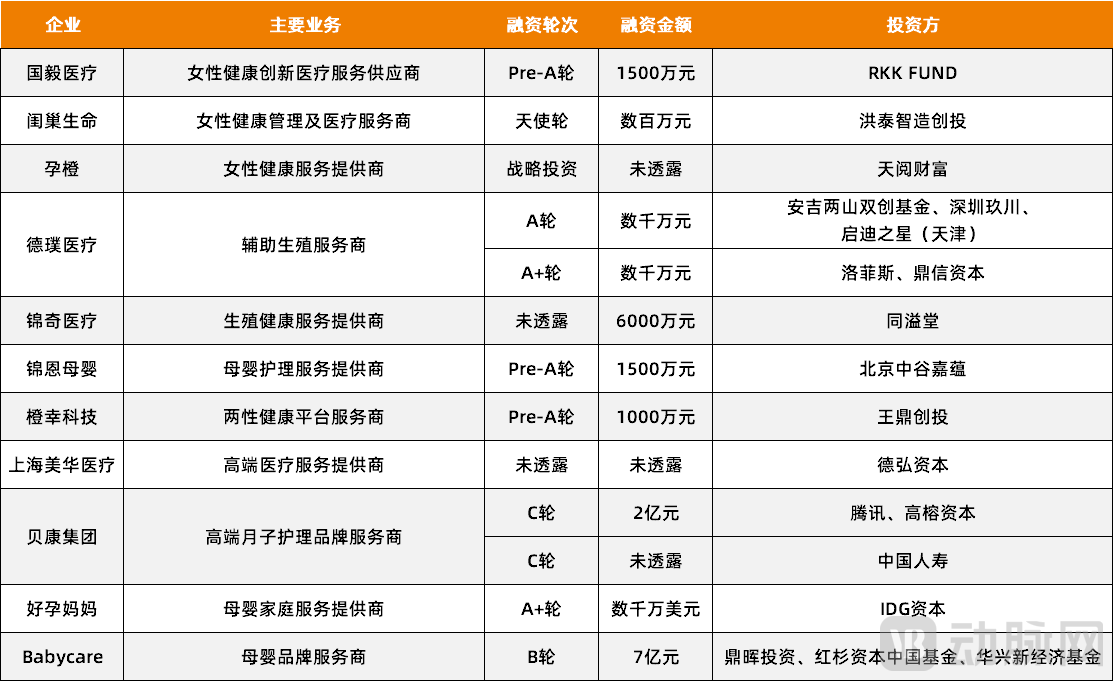 Figure 3. Financing Activities in the New Reproductive Health Sector Over the Past Two Years (Data Source: VCBeat Orange Database)
Driven by strong market demand, business models in the reproductive health sector are becoming increasingly diversified.At this stage, the focus is not merely on addressing female sexual dysfunction; equal attention is being paid to women’s health issues such as gynecological inflammation and menstrual irregularities., such asGuoyi MedicalLeveraging its mobile app, the platform serves a dual purpose: it helps women access health consultations and provides routine test kit screenings similar to medical check-ups. It also features an integrated hospital appointment module, enabling users to directly schedule visits with specialized hospitals and experts. Furthermore, test data are uploaded to the system platform to create personal health records, which generate health reports for future reference in disease management.
In the field of female assisted reproduction, its services are more scientific and human-centric. For example,DePu Medicalas an example, it focuses on the field of in vitro fertilization (IVF) and has established an integrated, closed-loop system for diagnosis, treatment, and follow-up, enabling comprehensive control over every detail of the service by leveraging its industrial chain advantages. Additionally, in the fertility services sector,Beikang InternationalFor example, it integrates domestic and international medical technologies and nursing concepts in maternal and infant care, focusing on a high-end artistic recuperation approach. Its services include 24-hour one-on-one nursing care, postpartum recovery, in-home nursing services, as well as training and placement of childcare specialists.
It is not difficult to see that,In the “new” reproductive health sector, services now span from preconception care and pregnancy to postpartum recovery, gradually forming a comprehensive industrial ecosystem., In addition, reproductive health is not solely focused on women; male-related issues are also gaining attention, and corresponding business models have been explored, which will gradually be validated in the market in the future.
On February 28, 2023, the General Office of the State Council issued the “Notice on the Implementation Plan for Major Projects to Promote the Revitalization and Development of Traditional Chinese Medicine” (hereinafter referred to as the “Plan”), which explicitly called for accelerating the development of the seed industry for Chinese medicinal materials, actively carrying out compliance construction of informatization infrastructure in TCM hospitals, and promoting the development and pilot application of general electronic information systems in TCM hospitals. One year prior to the release of this policy, ten departments, including the National Administration of Traditional Chinese Medicine, jointly formulated the “14th Five-Year Plan Action Plan for the Project to Enhance Primary-Level TCM Service Capacity,” which stated that by 2025, TCM clinics in community health service centers and township health centers would achieve full coverage.Encourage eligible regions to complete the enhancement of service connotations for 15% of traditional Chinese medicine (TCM) halls in community health service centers and township health centers.This means that digital and intelligent TCM will become an industry trend, and over the next three years, more than 10,000 TCM clinics will emerge in communities across China.
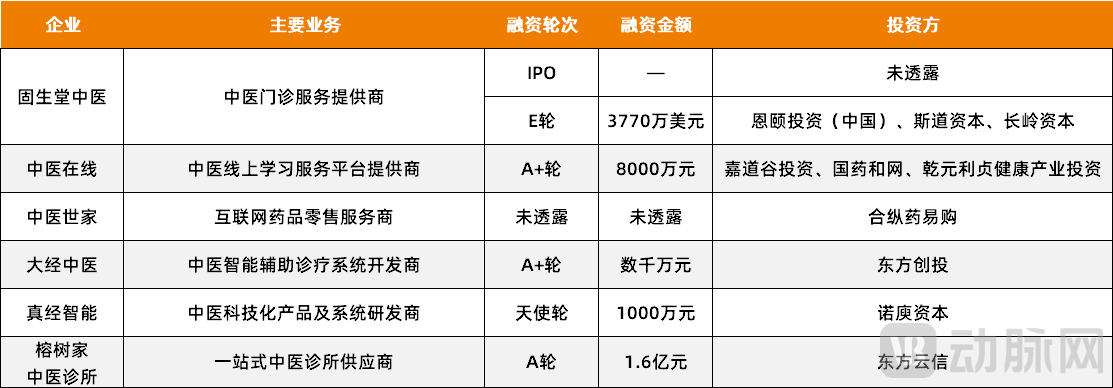
Figure 4. Financing Trends in the New TCM Sector Over the Past Two Years (Data Source: VCBeat Orange Database)
Following this market-oriented approach, we have observed changes in the “New TCM” market,On one hand, digital technologies are being increasingly applied to traditional Chinese medicine (TCM) service scenarios, gradually covering a full-cycle service network that spans prevention, diagnosis, treatment, medication procurement, and rehabilitation, thereby addressing the challenge of standardization. On the other hand, an integrated online-offline service ecosystem is taking shape, significantly enhancing the accessibility and convenience of TCM services.
successfully listed in 2022GushengtangTaking it as an example, with a focus on primary healthcare, it integrates New Traditional Chinese Medicine (New TCM) with modern medical approaches to create a technology-enabled OMO New TCM platform for clients. This platform combines offline operations with online presence, providing comprehensive health management across the entire lifecycle and all scenarios. Furthermore, the platform features a novel diagnosis and treatment model, pioneers the OMO business model, and is characterized by standardization, digitalization, and intelligence.
Additionally, there areRongshujiaAs a one-stop TCM clinic, it has built a complete service system for the development of traditional Chinese medicine, and with AI technology as the core, it has established an innovative business model that modernizes, brands, scales, and chains traditional Chinese medicine. As of the end of September 2022, Rongshujia had set up provincial operating subsidiaries in 18 provinces across China, laid out more than 700 TCM clinics nationwide, and was actively preparing for more stores.
Statistical data indicate that China’s elderly population is currently surging by tens of millions, signaling the imminent arrival of the market window for the silver economy. Astute capital has already taken notice of this blue-ocean market; in VCBeat’s previous research, a large number of institutions identified elderly health as a key investment focus for 2023.
Under this trend,Entertainment and social networking, along with health management services for active seniors, as well as essential care services for the very elderly, are entering a period of market dividends., the “new” health and wellness sector has emerged.
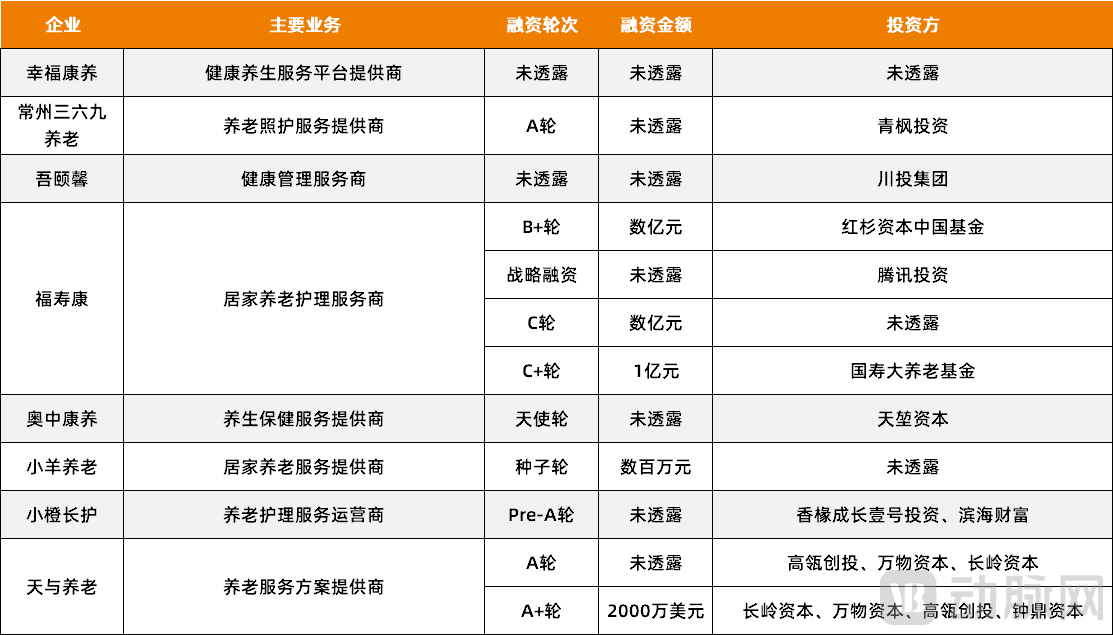 Figure 5. Financing Activities in the New Health and Wellness Sector Over the Past Two Years (Data Source: VCBeat Orange Database)
Among companies that have completed financing in the past two years, their healthcare service scenarios can include home-based medical services, such asXiaoyang Elderly Care, its core services are professional medical accompaniment and age-friendly home modifications. It operates an online internet platform while leveraging offline small-radius service circles to enhance service efficiency.
In addition, there are digital elderly care services, with typical representatives beingTianyu Elderly Care, it organically integrates information technologies such as big data, cloud computing, and the Internet of Things (IoT), along with artificial intelligence and internet-based thinking, into regional elderly care services. This creates an online-plus-offline elderly care service and management system that seamlessly aligns the care needs of seniors and their families, the delivery of social elderly care resources, and government oversight of elderly care services. By doing so, it enhances the efficiency and quality of regional elderly care resources, better meeting the elderly care needs of seniors in the region.
In addition, “new” health and elderly care services that emphasize companionship have also garnered attention. By establishing communication communities, these services help alleviate loneliness among the elderly. Hospice care services tailored to the elderly population are gradually entering a market-oriented phase and are being accepted by a growing number of seniors. Therefore, “new” health and elderly care not only addresses the basic health needs of the elderly but also genuinely attends to their emotional well-being. Furthermore, empowered by digital technologies, these services have significantly improved in convenience and accessibility, which is crucial for elderly individuals with limited mobility.
Overall, the "new" consumer healthcare sector is offering more diversified services under the continuous coverage of innovative technologies.Begin to cater to more minority groups, in addition, the convenience and accessibility of its diagnostic and treatment services have also been significantly improved, and they are more precise and scientific.The efficacy of diagnosis and treatment is gradually gaining market recognition.. Coupled with the widespread adoption and promotion of digital-intelligence platforms,Rapidly Growing Market Awareness, which is enabling the “new” consumer healthcare sector to unlock greater potential for growth and innovation.
Customer Acquisition Remains a Challenge: How Can “New” Consumer Healthcare Break Through in the Future?
Customer acquisition is an insurmountable challenge for consumer healthcare companies. The high costs and disproportionate returns impose a significant operational burden, indirectly causing the collapse of a large number of consumer healthcare enterprises.
Taking Yonghe Medical, the “first hair-transplant stock,” as an example, its prospectus shows that revenue grew rapidly from RMB 930 million in 2018 to RMB 1.64 billion in 2020, but its net profit margin did not show a significant upward trend, mainly due to Yonghe Medical’s substantial investments in advertising and marketing. It is reported that from 2018 to 2020, Yonghe Medical spent approximately RMB 1.9 billion on sales and marketing expenses. Based on the total number of patients treated over these three years—176,000—Yonghe Medical’s average customer acquisition cost per person is RMB 10,795.。
The same holds true in the medical aesthetics sector. Taking the publicly listed company Ruili Medical Aesthetics as an example, its financial disclosures show that from 2017 to 2020, the company’s annual revenue consistently exceeded RMB 100 million, with a gross profit margin generally maintained at around 50%. However, its net profit margin declined year by year, dropping from 15.4% in 2017 to 2.98% in 2020. This narrowing profit margin is primarily attributable to the rapid increase in customer acquisition costs.In its prospectus filed that year, Ruili Medical Aesthetics also acknowledged its heavy reliance on promotions, advertising, and online marketing campaigns to promote its brand and services.
The “new” consumer healthcare sector is naturally confronted with the same challenges, primarily becauseConsumer healthcare services are not medically necessary; they largely stem from consumers’ own health-related desires. Therefore, the consumer healthcare market requires sustained education and ongoing updates.. On the other hand, the consumer healthcare industry not only faces direct competition from public institutions but also suffers from severe homogenization and involution, making the development of distinctive brands particularly crucial. All these pressures will be alleviated through “marketing.”
Therefore, for “new” consumer healthcare enterprises, in addition to continuously improving the clinical efficacy of their services, it is essential to gradually integrate the entire industry chain, establishing a full-cycle service system that spans consultation, treatment, and rehabilitation. Furthermore, throughout this process, digital technologies should be leveraged to enhance the accessibility and convenience of medical care, while reducing per-unit drug costs through measures such as “in-house pharmacies” and “volume-based procurement.” Finally, companies should persistently explore new business models by combining more innovative technologies with unmet market demands, thereby maintaining their core competitiveness.
2023, in a sense, marked the inaugural year for the formal recognition of consumer healthcare. On one hand, traditional consumer healthcare sectors—primarily medical aesthetics, dentistry, and ophthalmology—are entering a phase of industrial upgrading against the backdrop of frequent emergence of industry giants. On the other hand, “new” consumer healthcare segments, centered around new Traditional Chinese Medicine (TCM), mental health, rehabilitation, reproductive health, and wellness care, are experiencing rapid development, with future industrial opportunities and market space gradually expanding.