

ZhiJian Life Sciences: A Young AI Pathology Innovator Bridging Critical Gaps in Diagnostic Medicine
Would you be willing to take on a noble yet relatively modestly compensated role? Would you choose to join a critical but comparatively marginalized department? Most medical students have answered “no” to the profession of pathology and the department of pathology.
However, there is a particularly well-known saying in the medical community: pathological diagnosis is the gold standard of medical diagnosis; pathologists are “doctors’ doctors,” and they have the final say in clinical diagnosis. Academician Zhong Nanshan once stated, “The level of clinical pathology is an important indicator for measuring the quality of a nation’s healthcare.” A robust pathology department serves as a critical foundation for building influential clinical specialties.
Yet such a department, which plays a vital role in diagnosis, has been largely shunned by most medical students. Cui Hongliang, who was conducting research and studying at the Department of Pathology of Peking University International Hospital at the time, even heard the rumor: “Many young doctors regard the pathology department as the last place they want to be assigned to during their hospital internships.”
Why has such a critical department fallen into such an awkward predicament? Cui Hongliang summarized the reasons in three words: understaffed, overburdened, and high expectations.
The aforementioned pain points in pathology departments present a vast arena for AI technology to demonstrate its capabilities. Consequently, this field has attracted a large number of companies entering the market one after another.
Beijing Zhijian Life Technology Co., Ltd. (hereinafter referred to as “Zhijian Life”) is one such example. The incorporation date disclosed in public records appears to be a smokescreen: this is a pathology AI startup that has been in existence for less than three years.
But in fact,Long before the official establishment of ZHIJIAN LIFE, CEO Cui Hongliang and his core team members had successively participated in multiple research projects on pathological AI at renowned Grade III Class A hospitals, including Peking University International Hospital, Peking Union Medical College Hospital, and Southwest Hospital. In 2019, its R&D team developed the “Pathological Image Classification Algorithm for Breast Tumors Based on Multimodal Deep Learning” and the “Tumor Mutational Burden (TMB) Prediction Algorithm Based on Pathological Images.”
Pathological diagnosis has fallen into an awkward predicament.
On the one hand, as the diagnostic method with the highest current accuracy, pathological diagnosis is often the definitive diagnostic approach for the vast majority of diseases, particularly tumors, and is considered the gold standard for disease diagnosis.
On the other hand, due to historical reasons, the attributes, positioning, organizational structure, and operational mechanisms of pathology departments in China have encountered certain awkward situations. This has, to some extent, hindered discipline development, particularly the effectiveness of talent teams, resulting in a severe shortage of pathologists and sluggish development of pathology departments in China.
According to the "2015 National Pathology Department Medical Quality Report" issued by Peking Union Medical College Hospital, in 2014, there were approximately 10,000 licensed pathologists and assistant pathologists in China, a figure far below that of developed countries such as the United States and European nations. The number of pathologists per million people in China was approximately 0.08, significantly lower than the 0.9 in the United States and 0.81 in Europe. Compared with developed countries, China faces an extreme shortage of pathology resources.
When combined with domestic clinical demand regulations, the scale of pathologists in China is far from sufficient to meet clinical needs.
According to the China Health and Health Statistical Yearbook (2018), there were a total of 7,940,252 hospital beds in medical institutions across China, with approximately 9,600 licensed and assistant licensed physicians specializing in pathology. Based on the staffing standard of one pathologist per 100 hospital beds, as stipulated in the Guidelines for the Construction and Management of Pathology Departments (Trial) issued by the Ministry of Health in 2009, at least 80,000 pathologists would theoretically be required. This indicates a current shortage of approximately 71,000 pathologists in China, representing a significant gap.
The significant shortage of pathologists has also indirectly triggered subsequent issues, one of which is the uneven distribution of the already limited pool of pathologists. According to the “2015 National Pathology Department Medical Quality Report” by Peking Union Medical College Hospital, approximately 62% of pathologists are employed in tertiary hospitals, about 37% in secondary hospitals, and only 1% in primary hospitals.
Meanwhile, compared with departments such as clinical laboratory and medical imaging, pathology involves excessive procedural steps, resulting in a low level of end-to-end automation. Each step directly or indirectly affects the final diagnostic outcome. Particularly as medicine enters the era of precision medicine, the role of pathological diagnosis is shifting from traditional tasks—such as determining the nature of lesions, identifying tissue origin, clarifying lesion classification and related histological subtypes, and establishing grading and staging—toward precise pathological diagnosis focused on predictive and therapeutic diagnostics. The development of pathology in China faces significant challenges.
In recent years, driven by multiple factors including national policy guidance, clinical demand orientation, and advancements in digital pathology technology, AI technology has seen increasingly widespread application in pathological diagnosis. Digitization, standardization, and intelligence have become the main trends in the development of the pathology field.
Pathological diagnosis involves the preparation of tissue sections from biopsies or exfoliated cells obtained from suspected lesions, followed by microscopic examination by pathologists who assess cellular morphology, tissue architecture, and staining characteristics. These observations are integrated with professional expertise and clinical experience to render a diagnostic judgment. In essence, pathological diagnosis is an image-based diagnostic modality, inherently suited for the application of artificial intelligence (AI). The continuous advancement of digital technologies and AI-driven image recognition algorithms has further accelerated their adoption in the field of pathological diagnosis.
Furthermore, a series of policies successively introduced by the state have promoted the development of the “AI + Healthcare” industry, while the free screening for cervical and breast cancer carried out at the primary care level has also generated substantial demand for pathological diagnosis.
However,Despite technological advancements and policy support, pathology AI still faces numerous challenges. For instance, there are many urgent technical difficulties to be resolved in its application across areas such as pathological sample collection, quality control, data processing, result interpretation, and pathology department management.
In response, many AI companies are gearing up to seek breakthroughs, and ZHIJIAN LIFE is no exception.
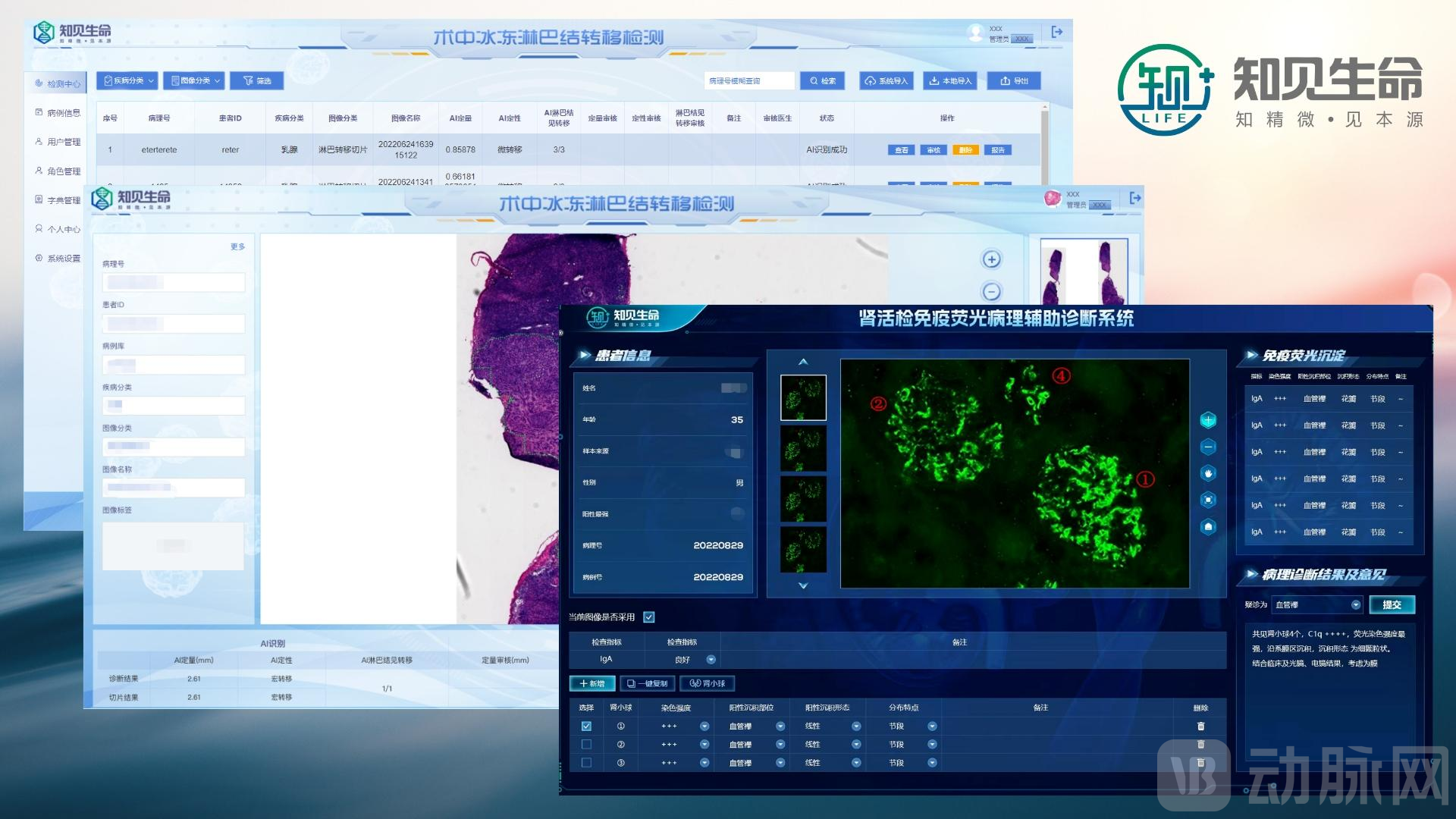
ZHIJIAN LIFE boasts a robust product pipeline, including the Renal Biopsy Immunofluorescence Pathology-Assisted Diagnostic System, the Intraoperative Frozen Lymph Node Detection System, the Imaging and Pathology-Based AI-Assisted Diagnostic System (iPAID), the Pathology Sample Photography and Transmission Processing System, and the Comprehensive Management Platform for Standardized Residency Training.
Among them,Intelligent auxiliary diagnostic solutions for COVID-19, breast tumors, and chronic kidney disease are currently ZHIJIAN LIFE’s flagship products.
In the interview, Cui Hongliang explained to VCBeat why ZHIJIAN LIFE chose to prioritize diagnostic systems and solutions for COVID-19, breast diseases, and kidney diseases, adhering to the principle of “prioritizing urgent, severe, and underserved conditions” in disease selection.
Among these, COVID-19 needs no elaboration. This novel, sudden-onset infectious disease has undoubtedly exerted a profound impact on the economy and on the life and health of the population. Research on COVID-19 has been conducted with urgency and high priority, breaking new ground in the process.
In 2020, under the guidance of several renowned academicians and experts in China, Cui Hongliang’s team initiated research on the integration of COVID-19 imaging and pathology. During the 2022 Shanghai lockdown, they worked around the clock to deploy and debug an AI-assisted diagnostic system based on imaging and pathology (iPAID) at makeshift hospitals.
By leveraging AI algorithms independently developed by ZHIJIAN LIFE, this system performs feature recognition and analysis on non-invasive CT images to intelligently predict pathological changes in patients with COVID-19. It enables rapid and efficient assessment and early warning of whether infected individuals will progress to mild/moderate or severe disease, all under a non-invasive premise. This provides crucial clinical diagnostic evidence for frontline medical staff to scientifically formulate treatment plans, improve bed turnover efficiency, and facilitate the "rapid admission, rapid treatment, rapid testing, and rapid discharge" of large patient cohorts.
Breast diseases rank among the highest in tumor incidence.Through collaborations with Peking University International Hospital, Peking Union Medical College Hospital, and other medical institutions, ZHIJIAN LIFE has completed full-chain research on auxiliary diagnostic technologies, ranging from the classification, grading, and staging of breast tumors to the quantitative analysis of over 10 immunohistochemical markers—including ER, PR, Ki-67, and Her-2—as well as post-treatment recurrence risk stratification.
Regarding research in renal pathology, in addition to the large patient population, another critical factor emerged from Cui Hongliang’s collaboration with the Department of Nephrology at Peking Union Medical College Hospital: renal pathology is closely intertwined with clinical nephrology, often requiring physicians proficient in both clinical practice and pathology to perform integrated “three-microscope” diagnostics. Unfortunately, against the backdrop of a scarcity of pathologists, specialists in renal pathology are exceedingly rare.
“Upon learning of this situation, we also hope to contribute what we can to help more patients with chronic kidney disease achieve early diagnosis and receive precise treatment plans, thereby preventing their condition from progressing to the point where dialysis becomes necessary,” Cui Hongliang told VCBeat.
After the idea took root, ZHIJIAN LIFE has also been striving to put it into practice.
According to Cui Hongliang, the renal biopsy immunofluorescence pathology-assisted diagnostic system, jointly developed by ZHIJIAN LIFE and the Department of Nephrology at Peking Union Medical College Hospital, stood out among more than 3,000 entries in the National Health Industry Youth Innovation Competition, advancing to the finals and winning the Silver Award. Additionally, its “Integrated Smart Digital Pathology-Assisted Diagnostic Solution” was honored with the 2021 “China’s Good Technology” title.
Furthermore, VCBeat has learned thatIn addition to AI-assisted diagnostic solutions for COVID-19, breast tumors, and chronic kidney disease, ZHIJIAN LIFE is also exploring the development of AI-assisted diagnostic solutions for several types of tumors that are either difficult to diagnose or in high demand, such as brain tumors and thyroid tumors.
For example, in 2022, the project “Research and Clinical Application of AI-Assisted Diagnostic Technologies for Difficult and Rare Diseases,” led by Peking Union Medical College Hospital of the Chinese Academy of Medical Sciences with ZHIJIAN LIFE as a participating unit, was successfully selected for the Ministry of Science and Technology’s “New Generation Artificial Intelligence (2030)” Major Project under the Science and Technology Innovation 2030 framework. Additionally, its participation in the “R&D of Digital Pathology and AI-Assisted Diagnostic Equipment” project secured approval as a 2022 Chongqing Municipal Major Special Project in Biopharmaceuticals. ZHIJIAN LIFE is fully prepared for R&D in pathological diagnosis for major diseases, including difficult and rare conditions and brain metastases.
However, as previously mentioned, the AI-assisted diagnostic solution is merely one of the many product pipelines of ZHIJIAN LIFE.“Our current R&D focus is primarily centered on technologies for key steps in pathological diagnosis and the development of intelligent systems built upon these technologies. Meanwhile, we will continue to improve the entire AI pathology ecosystem, along with the standardization and digitalization of its supporting infrastructure.”Cui Hongliang stated.
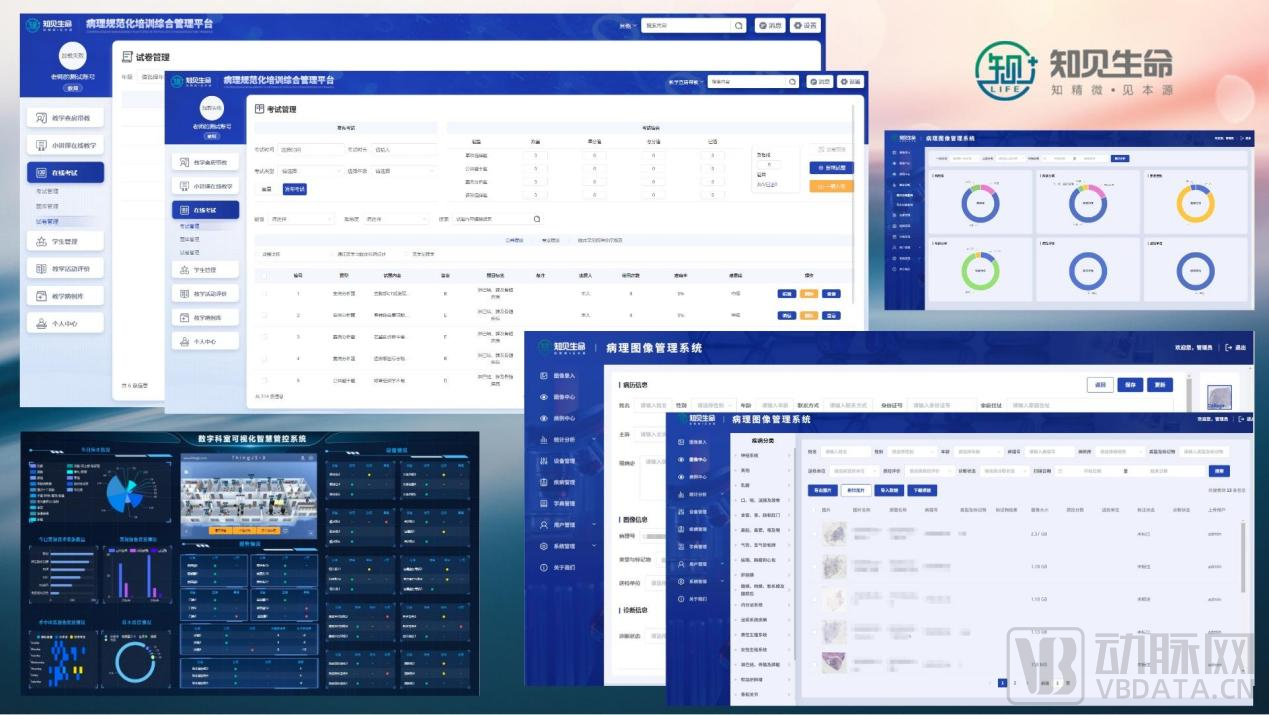
Given the specific storage and computational demands of pathological images, the deployment of related AI products must rely on an integrated solution encompassing “scanning (digital scanning), storage, management, intelligent auxiliary diagnosis, and commercialization.” In response, ZHIJIAN LIFE has adopted a strategy of collaborating with hardware manufacturers, such as those producing pathology slide scanners, to jointly develop integrated software-hardware appliances.
For example, ZHIJIAN LIFE’s Digital Pathology Image Communication and Archiving System (DPACS) is designed to address clinical needs by interfacing with various mainstream domestic and international brands of digital pathology slide scanners, providing cutting-edge professional technical support for key processes in the digitalization, standardization, and intelligent development of pathology.
The DPACS system supports the upload and viewing of digital pathology image files in various formats, including SVS, TIF, NDPI, MRXS, TIFF, BIF, KFB, and SDPC. It also employs intelligent recognition technologies such as QR codes, barcodes, and OCR to achieve standardized automatic naming of digital pathology images based on pathology slide labels.
Meanwhile, in the realm of pathology department management, ZHIJIAN LIFE has developed a Comprehensive Management Platform for Standardized Residency Training, tailored for the administration of resident physician training. This platform not only provides a robust online teaching environment for residency education but also addresses critical challenges in pathology technical laboratory resource management, such as cumbersome and complex workflows, difficulties in tracing special events, and the inability to rapidly, comprehensively, and accurately monitor equipment operation, maintenance, and environmental conditions. To this end, ZHIJIAN LIFE has created a Smart Management System for Digital Pathology Laboratories, enabling standardized and digitalized management of all resources in the pathology technical laboratory, including personnel, equipment, consumables, cold-chain devices, and environmental parameters.
Moreover, by bringing together researchers from diverse fields such as medical image processing, high-performance computing, computer architecture, chip design, and cybersecurity, ZHIJIAN LIFE has established a solid R&D foundation in hardware and chip design. Taking CEO Cui Hongliang as an example again, he not only participated in the industrialization of Loongson CPUs but also served as a key contributor to the construction of a firewall project, which was designated as a national key initiative for informatization.
Additionally, according to Cui Hongliang, the pathological sample photography and transmission processing system developed by ZHIJIAN LIFE, as well as the iPAID AI-assisted diagnostic system based on imaging and pathology, are currently applying for medical device registration certificates. Other related product solutions are also under orderly development.
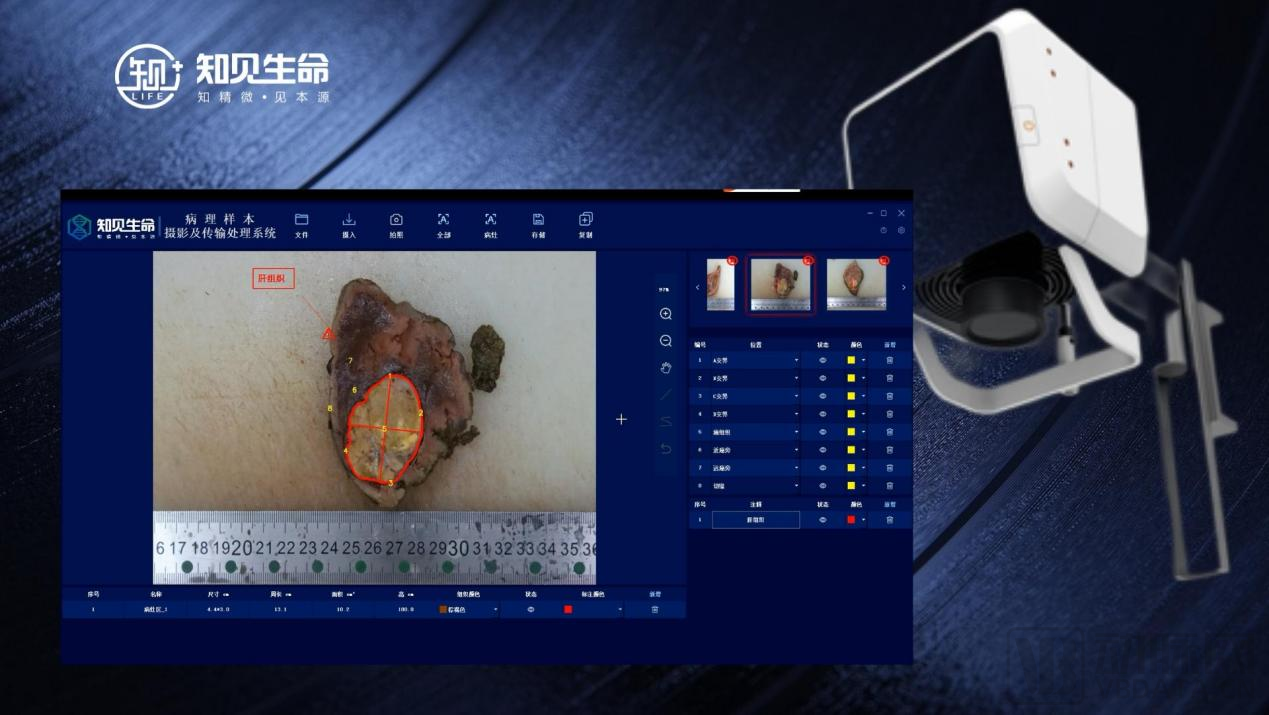
“Integrated hardware and software medical device R&D will be our future focus; we even aspire to develop a dedicated chip for medical image diagnosis in the future,” Cui Hongliang revealed in an interview.
ZHIJIAN LIFE has an extensive product pipeline; how effective are its applications?
Pilot applications of the “AI + Pathology” system for kidney diseases have demonstrated coverage of 70% of high-incidence chronic kidney disease (CKD) types, with algorithmic recognition accuracy exceeding 90%. The intraoperative frozen-section lymph node detection system achieves a pathology slide scanning and analysis speed of approximately 10 minutes per four slides, while the lymph node detection algorithms for breast and thyroid cancers attain a mean Intersection over Union (mIOU) as high as 93.6%.Integrated Management Platform for Standardized Residency Training integrates multiple functions, including ward round teaching, online examinations, student management, and teaching case sharing, thereby achieving online and systematic residency training.
Other products, such as the pathological sample photography and transmission processing system, pathological image quality control management system, digital pathology image archiving and communication system, and multi-disease intelligent auxiliary diagnosis system, have received consistently positive feedback from their applications in numerous Grade 3A hospitals.
The clinical application effectiveness of ZHIJIAN LIFE is underpinned by its R&D team, which features deep integration across medicine and engineering; the accumulation of abundant, high-quality, and diverse medical data; and a precise grasp of real-world clinical needs and application scenarios.
It is reported thatThe core team of ZHIJIAN LIFE comprises professionals from diverse fields, including medicine, artificial intelligence, and cybersecurity, hailing from prestigious institutions such as the Institute of Computing Technology of the Chinese Academy of Sciences, the University of California, Los Angeles (UCLA), and Harbin Institute of Technology. Its advisory board further brings together academicians from the Chinese Academy of Engineering and the Chinese Academy of Sciences specializing in computing and medicine, along with senior experts from several renowned Grade 3A hospitals.
Data accumulation is a critical foundation for the research and development of pathology AI products. The diversity and volume of data, as well as the accuracy of dataset annotation, significantly influence the accuracy and generalizability of AI diagnostic results.
Through multiple collaborative research initiatives with key departments at numerous Grade-A tertiary hospitals in Beijing, Shanghai, Chongqing, Guangdong, and other regions, ZHIJIAN LIFE has established a robust data foundation for conducting multi-disease, multimodal integrated diagnostic studies based on high-quality medical cohorts accumulated over many years.
Addressing one of the major challenges in pathological diagnosis data processing—data standardization—ZHIJIAN LIFE seeks to tackle this issue from a technical perspective, aiming to “leverage technology to integrate diverse data sources and then normalize the data through algorithms.” On this basis, the company is establishing and refining its research and development processes.
Cui Hongliang stated that data standardization is not something that can be achieved by a single enterprise alone. Therefore, ZHIJIAN LIFE will continue to actively participate in the development of industry standards and consensus in the future. “This is what many pathology experts in China are eager to accomplish, and it is also what ZHIJIAN LIFE aims to do.”
Additionally,From the perspectives of commercialization and R&D demand acquisition, ZHIJIAN LIFE has also chosen to establish its presence at the Chongqing Jinfeng Laboratory and the Chongqing Institute of Advanced Pathology.
Leveraging these two incubation platforms for new pathological theories and technologies, ZHIJIAN LIFE can not only replicate and promote its products and solutions, but also engage in extensive communication and collaboration with various industry stakeholders to address challenges such as data standardization, thereby developing more AI-assisted diagnostic products and pathology department management solutions grounded in clinical needs.
Meeting clinical needs is more than just a slogan. According to Cui Hongliang, ZHIJIAN LIFE not only deeply integrates its independently developed technologies with professional medical knowledge but has also embedded its R&D team within hospitals, stationing their offices directly in pathology departments. By working alongside pathologists daily to study pathological cases, the team gains an in-depth understanding of clinical pathology requirements, learns from pathological image features and physicians’ diagnostic experience, and identifies both pain points and breakthrough opportunities in pathology practice.
“At present, a significant barrier still separates AI from pathology. Pathologists, constrained by disciplinary differences and the demands of clinical diagnostics on their time and energy, often lack a clear understanding of AI’s capabilities and limitations. Conversely, computational technology developers are unclear about the actual problems physicians need to solve. Yet, interdisciplinary talents proficient in both medicine and algorithms remain exceedingly rare,” remarked Cui Hongliang. “Therefore, we must immerse ourselves in the clinical frontline, engage directly with departments and pathologists, learn from them, identify unmet needs, and reflect deeply. By continuously refining and promoting our products, we aim to foster a deeper integration between AI and pathology, thereby accelerating its contribution to healthcare.”