

Huikai Medical Files for IPO: Pioneering Outpatient Prostate Stent System UroStent® for Benign Prostatic Hyperplasia
Benign Prostatic Hyperplasia (BPH) is the most common benign condition causing voiding dysfunction in middle-aged and elderly men, and it is also one of the most frequently encountered conditions in clinical urological practice worldwide.
The primary manifestations in patients with benign prostatic hyperplasia (BPH) are lower urinary tract symptoms (LUTS), including storage symptoms, voiding symptoms, and post-micturition symptoms.
Storage PhaseSymptomsincluding urinary frequency, urgency, incontinence, and nocturia;
Micturition PhaseSymptomsincluding urinary hesitancy, dysuria, and intermittent urination;
Post-micturitionSymptomsIncluding symptoms such as a sensation of incomplete bladder emptying and post-void dribbling.
Additionally, 82% of male patients with lower urinary tract symptoms (LUTS) have erectile dysfunction, which is correlated with the severity of LUTS.
The incidence of BPH increases with age and generally occurs after the age of 40. The prevalence of BPH is greater than 50% among men aged 60, rising to as high as 83% by age 80. The incidence of LUTS alsowith advancing ageIncrease. According to relevant studies, there are currently over 120 million elderly men aged 60 and above in China, among whom more than 75 million suffer from benign prostatic hyperplasia (BPH). With the continuous intensification of population aging, the number of BPH patients is expected to increase year by year.
Currently, the primary treatment modalities for lower urinary tract symptoms (LUTS) caused by benign prostatic hyperplasia (BPH) arePharmacological Treatment, Surgical TreatmentandMinimally Invasive Treatmentetc. The goals of treatment are to alleviate symptoms, improve quality of life, delay disease progression, and prevent complications.
(1) Pharmacological Treatment
Pharmacological treatments for BPH mainly include alpha-blockers, 5-alpha-reductase inhibitors, muscarinic receptor antagonists, phosphodiesterase-5 inhibitors, beta-3 adrenergic receptor agonists, as well as certain traditional Chinese medicines and phytopharmaceuticals.
While medications alleviate urethral obstruction and lower urinary tract symptoms (LUTS) in patients, they also cause numerous side effects, such as dry mouth, constipation, dizziness, blurred vision, dyspepsia, orthostatic hypotension, gynecomastia, and erectile dysfunction.
(2) Surgical Treatment
For patients with moderate to severe benign prostatic hyperplasia (BPH) whose lower urinary tract symptoms (LUTS) significantly impair quality of life, particularly those who respond poorly to pharmacological therapy or have experienced at least one episode of urinary retention, surgical intervention may be considered. Common surgical procedures include transurethral resection of the prostate (TURP), transurethral laser ablation, transurethral vaporization of the prostate, and holmium laser enucleation of the prostate (HoLEP).
Currently, transurethral resection of the prostate (TURP) is the gold standard for surgical treatment of benign prostatic hyperplasia (BPH). However, it is associated with postoperative sexual dysfunction, poses high surgical risks, and is contraindicated in certain patients. Furthermore, various short-term and long-term complications may occur, including urinary incontinence (1–15%), hemorrhage (2–5%), transurethral resection syndrome (2%), bladder spasms (4%), retrograde ejaculation (65–70%), capsular perforation, urinary extravasation, and erectile dysfunction. Due to these numerous complications following TURP and the desire to preserve sexual function, many patients who meet the indications for surgery are reluctant to undergo TURP.
Transurethral laser resection/vaporization/enucleation of the prostate offers effective coagulative hemostasis and non-conductive properties; therefore, in recent years, transurethral laser surgery has become an important therapeutic option for benign prostatic hyperplasia (BPH). Lasers currently used to treat BPH primarily include holmium lasers, green light lasers, thulium lasers (2-μm lasers), and diode lasers. Although continuous advancements in laser technologies have increasingly improved their clinical safety profile, they still cannot avoid impacting patients’ sexual function. Meanwhile, patients at high surgical risk or those intolerant to anesthesia remain contraindicated for laser therapy.
Therefore, whether it is transurethral resection of the prostate (TURP) or laser surgery, both are invasive procedures requiring anesthesia and carry risks of short- and long-term surgical complications, which leads some elderly patients to decline treatment. With the accelerating aging of the population, the proportion of patients with benign prostatic hyperplasia (BPH) who have comorbidities such as heart failure and cerebral infarction, resulting in cardiopulmonary and cerebrovascular insufficiency and an inability to tolerate anesthesia, is increasing. Consequently, the number of high-risk surgical cases in the elderly continues to rise. Both TURP and laser enucleation or vaporization pose significant challenges to the physical health of such patients. Meanwhile, elderly patients have increasingly higher expectations for quality of life, and the preservation of sexual function is receiving growing attention.
(3) Minimally Invasive Treatment
Stent implantation is a nearly non-invasive procedure that does not affect sexual function. It is the optimal choice for patients who are unresponsive to medication, unwilling to undergo surgery, and wish to preserve sexual function, as well as for high-risk patients with recurrent urinary retention who are not candidates for surgical intervention.
Currently, all imported stents available on the market require patient anesthesia (spinal or general) during insertion, with stent positioning and deployment performed under direct cystoscopic visualization. Many elderly patients have contraindications to anesthesia, making this approach unsuitable for relieving their urinary obstruction. Furthermore, all currently marketed stents are imported products, priced at RMB 50,000–60,000 per unit. When surgical fees, hospitalization costs, and other expenses are included, the total cost per procedure amounts to approximately RMB 80,000, and these costs are not reimbursable by medical insurance. Due to these factors, the clinical application of prostatic stents remains limited, forcing patients who truly need stent implantation to either opt for suprapubic cystostomy or undergo risky surgical resection.
In addition, although marketed stents perform well in alleviating lower urinary tract symptoms (LUTS), they demonstrate suboptimal efficacy in patients with benign prostatic hyperplasia (BPH) complicated by bladder outlet obstruction (BOO). Furthermore, they may lead to complications such as migration, calcification, stent occlusion, infection, and chronic pain.
Self-developed Prostatic Stent System UroStent®,
Fast, Convenient, and Minimally Invasive Day Surgery
Addressing these clinical pain points, HUIKAI, which focuses on the development and application of next-generation prostate stents, has closely aligned with actual clinical needs and spent three years developing aProstatic Stent System (UroStent) Requiring Neither General Anesthesia Nor Cystoscopic Guidance for Positioning and Deployment®)。
UroStent®Easy to use, allowing the operator toInsertion completed within 5 minutes, significantly reducing preoperative preparation and operative time, thereby enabling day surgery or outpatient surgery.
With the advancement and improvement of tiered diagnosis and treatment systems and medical insurance policies, primary hospitals are in urgent need of cost-effective domestically produced stents with a relatively short learning curve for operation. The prostate stent developed by HUIKAI featuresFast, Convenient, and Minimally InvasiveIts advantages include alleviating patient suffering, improving physicians' work efficiency, and conserving medical resources. Meanwhile, its high cost-effectiveness can help reduce healthcare insurance expenditures.
HUIKAI's Self-Developed UroStent®Compared to other surgical treatment options for benign prostatic hyperplasia (BPH), it demonstrates absolute advantages across multiple dimensions. Currently, there are no comparable or similar products on the market, granting it first-mover advantage and technological leadership. Unaffected by centralized volume-based procurement, it holds immense future market potential.
HUIKAI’s keen grasp of clinical needs in urology and its bold innovation in technological products stem from its core team, which integrates medical expertise with engineering capabilities.
Cheng Guozheng, Founder and General Manager, has been deeply rooted in the medical device industry for over a decade. He has successively engaged in the development of tissue engineering materials and novel artificial heart valves, possessing extensive experience in medical device R&D, clinical applications, and regulatory registration.
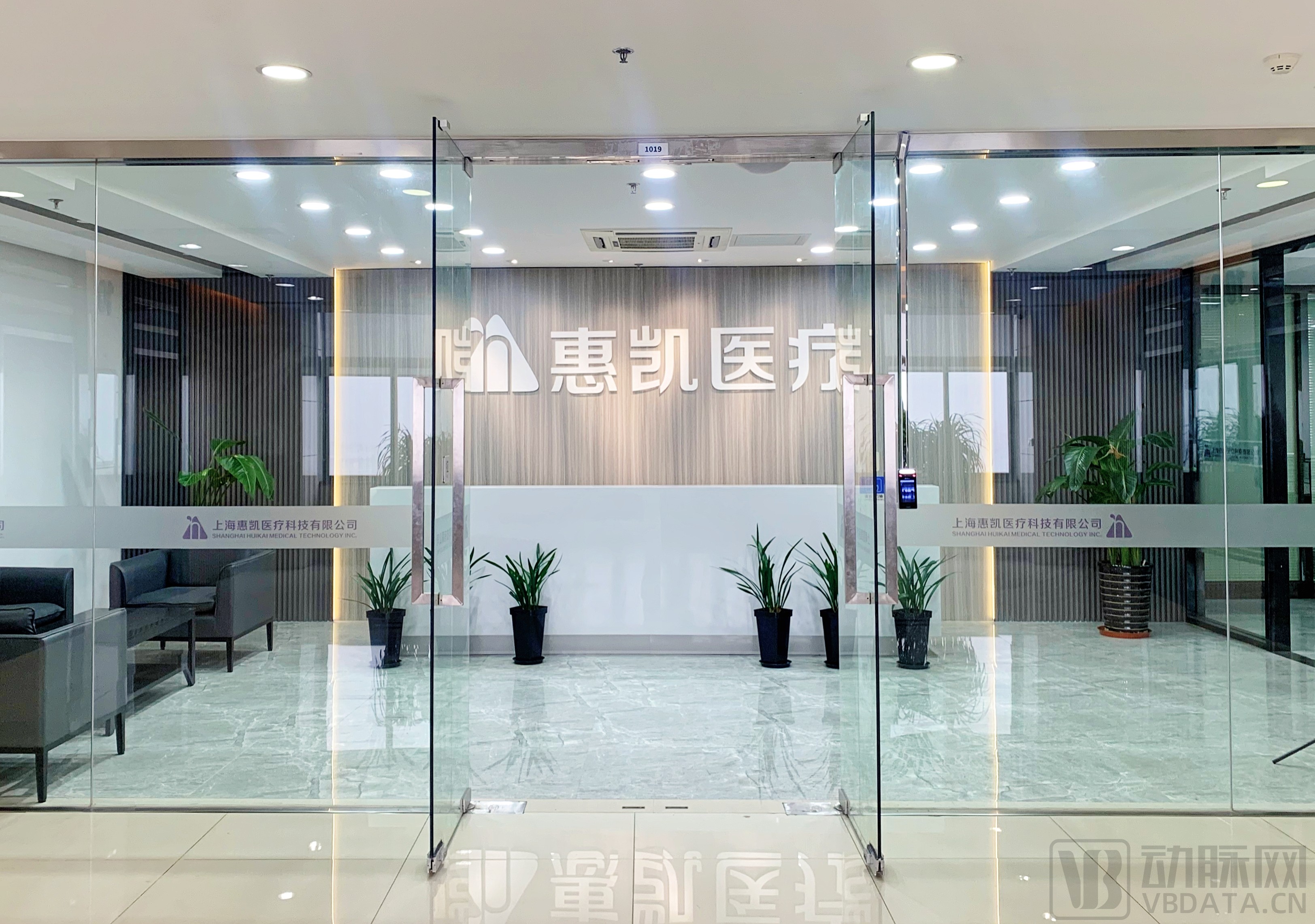
Over four years of relentless dedication, HUIKAI has established close collaborations with renowned urology experts in China, who are deeply involved in the company’s product development. All research directions are closely aligned with clinical practice, identifying issues and unmet real-world needs from the clinical setting. Through multidimensional research encompassing theory, technology, methodology, and practice, and leveraging engineering approaches, HUIKAI ultimately achieves a closed-loop cycle that returns innovations to clinical application.
Since its establishment, HUIKAI has been committed to becoming a provider of comprehensive solutions in urology, gradually forming six major product pipelines: BPH therapy, ureteral stricture management, stone management, adjunctive therapy for prostate cancer, pelvic floor reconstruction, and urinary incontinence.
At the company's inception, the founding team clearly outlined its strategic roadmap for the next decade. According to reports, HUIKAI’s future development will unfold in three phases.
Step 1: Focus on interventional and implantable products, leverage innovative, high-quality Class III medical devices as flagship offerings to enter the market, and fill the gap in high-end urology products in China;
Step 2: Prioritize the R&D of active medical devices, while supplementing the company’s business with cutting-edge energy platforms and material-based products.
Step 3: Focus on biomedical engineering materials, at which time HUIKAI will explore cutting-edge technologies such as novel implantable materials and artificial intelligence.
In terms of financing, the company completed a round in August 2021 led byFurong Investment led the investment,Participated in Huikai Medical’s tens-of-millions RMB Series A financing round. Huikai Medical is currently seeking a new round of financing.
References:
1. Huang Jian, Zhang Xu, et al. Guidelines for the Diagnosis and Treatment of Urological and Andrological Diseases in China (2022 Edition). Science Press. 2. Terai A, et al. Association of lower urinary tract symptoms with erectile dysfunction in Japanese men. Urology. 2004 Jul;64(1):132-6.
3.Ryan Dornbier,et al.The New American Urological Association Benign Prostatic Hyperplasia Clinical Guidelines: 2019 Update.Curr Urol Rep. 2020 Jul 1;21(9):32.
4.Giulia Rastrelli,et al.Testosterone and Benign Prostatic Hyperplasia.Sex Med Rev. 2019 Apr;7(2):259-271
5.Arkadiusz Miernik,et al.Current Treatment for Benign Prostatic Hyperplasia.Dtsch Arztebl Int. 2020 Dec 4;117(49):843-854
6.Katrine Skydsgaard Schou-Jensen, et al.Prostate stent is an option for selected patients who are unsuitable for transurethral resection of the prostate.Dan Med J. 2014 Oct;61(10):A4937.
7.Papatsoris AG, et al.New developments in the use of prostatic stents.Open Access J Urol. 2011. Review
8.J S Lam, et al.Use of Prostatic Stents for the Treatment of Benign Prostatic Hyperplasia in High-risk Patients.Curr Urol Rep. 2001 Aug;2(4):277-84.
9.Brian Hung Shin Ng, et al. A state-of-art review on the preservation of sexual function among various minimally invasive surgical treatments for benign prostatic hyperplasia: Impact on erectile and ejaculatory domains.Investig Clin Urol 2021;62:148-158.