

Rising Upgrade-Driven Demand Fuels the Takeoff of a Trillion-Yuan Sleep Health Market
If you were to ask a “996 worker” about their wish, “sleeping until naturally waking up” would undoubtedly rank among the top. Paradoxically, however, few workers can resist checking their phones before bed—engaging in other activities when it’s time to sleep or being distracted by other matters when trying to fall asleep are key reasons why many people in China struggle to develop healthy sleep habits.
This is not baseless. On the eve of World Sleep Day on March 21, Xilinmen Furniture Co., Ltd., in collaboration with the Chinese Academy of Social Sciences, released the China Sleep Research Report 2023 (hereinafter referred to as the “Report”). The Report shows that 61.4% of Chinese people frequently use their mobile phones before going to bed every day; consumption concepts affect sleep quality, and there is an urgent need to improve the sleep awareness of the Chinese population.
“China Sleep Research Report 2023” Released
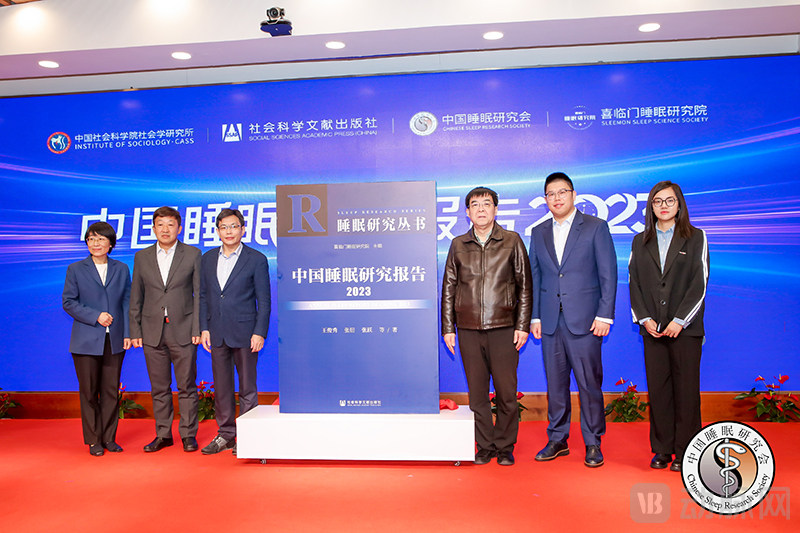
It is reported that since 2013, Xilinmen Furniture Co., Ltd. has consecutively released the China Sleep Index Report for 11 years. By focusing on the sleep conditions of the Chinese population, it has established a scientific, comprehensive, and authoritative professional indicator system. The report’s content has been widely recognized and cited by domestic and international institutions, media outlets, and authoritative experts across various fields.
Since 2022, Xilinmen Furniture Co., Ltd. has collaborated with authoritative institutions to upgrade the Sleep Index Survey and publish the “China Sleep Research Report,” which incorporates the Sleep Index Report. This is the first blue book in China’s sleep field and the first academic publication to comprehensively reflect the sleep status of the Chinese population. By focusing on the deep-seated factors influencing sleep issues from sociological and social psychological perspectives, it aims to enhance public awareness of sleep health and promote improvements in sleep conditions.
The 2023 Report adopted data from the Chinese Academy of Social Sciences’ Social Mentality Survey for the first time, fully reflecting the relationship between sleep and social mentality indicators such as the need for a better life, sense of gain, sense of happiness, and sense of fairness.
“The Report” shows that the comprehensive sleep index of Chinese people in 2022 was 67.8 points, slightly higher than the score of 64.78 in 2021, indicating a slight improvement in public sleep conditions. Nevertheless, on a scale of 100, the comprehensive sleep index of Chinese people has just passed the passing line, and the overall sleep situation is still not optimistic.
For example, data from the Report show that in 2022, Chinese people went to bed later, with late-night sleep becoming the norm. Bedtimes were concentrated between 11:00 p.m. and 1:00 a.m., and the average sleep duration was 7.37 hours. Compared with 2021, bedtime was delayed by one hour, while the average sleep duration increased by 0.31 hours.
However, the increase in average sleep duration has not led to an improvement in sleep quality; instead, it has declined. 16.2% of respondents felt that they did not achieve adequate rest after sleeping, and 2.5% believed that sleep had no effect at all. In 2021, these figures were 14.1% and 2.2%, respectively. Since the sense of restfulness from sleep is related to the depth of light and deep sleep, this suggests that shallow sleep is more prevalent among the Chinese population.
Furthermore, the total score for sleep beliefs among respondents in 2022 was 38.17, lower than the 40.72 recorded in 2021, indicating an increase in irrational beliefs about sleep among residents. Notably, the Report shows that residents are more likely than before to agree that medication can be used to alleviate insomnia and are more inclined to consider taking sleeping pills when experiencing insomnia.
Compared with other types of treatment, the side effects of drug therapy for sleep disorders are more obvious, and only a few severe sleep disorders are recommended. Because of this,Since 2007, no new insomnia medications have been launched in China for 16 years. According to the statistics in the Report, the extent of unreasonable public beliefs about sleep is evident.
Modern medical research has revealed a close relationship between sleep health and both physical and mental well-being. The International Classification of Sleep Disorders, Third Edition (ICSD-3), published in 2014, lists more than 90 types of sleep disorders. Among these, the most common conditions, such as insomnia and obstructive sleep apnea-hypopnea syndrome, exhibit high prevalence rates in the Chinese population. Furthermore, chronic sleep problems can have adverse effects on human immune function.
Early this year, a paper authored by Jia Jianping’s team at Xuanwu Hospital of Capital Medical University shocked the world. According to the paper, a 19-year-old boy was clinically diagnosed with Alzheimer’s disease, setting the record for the youngest confirmed case of Alzheimer’s disease. Meanwhile, the paper stated that neither a family history nor any genetic mutations detectable by current methods were identified in the patient, making this an extremely rare case.
Over the past decade, groundbreaking studies have revealed a strong association between sleep deprivation, sleep disorders, and the brain’s glymphatic system. Neurodegenerative diseases, such as Alzheimer’s disease and Parkinson’s disease, are linked to sleep and circadian rhythm disturbances caused by sleep problems. More importantly, growing evidence supports the existence of a bidirectional relationship: neurodegenerative diseases not only affect sleep, but sleep–wake and circadian rhythm disruptions also exacerbate neurodegenerative pathology.
Beyond individual health, social development issues stemming from health concerns are becoming increasingly severe. Sleep disorders increase the risk of developing a range of conditions, including heart disease, respiratory problems, hypertension, obesity, and chronic pain, thereby leading to unnecessary health insurance payouts and socioeconomic losses. Research from the United States, Canada, the United Kingdom, Germany, and Japan indicates that sleep problems cause annual economic losses amounting to $680 billion, imposing a substantial economic burden on society due to insufficient sleep.
It is precisely for this reason that China has attached great importance to sleep health in recent years. The Healthy China Action (2019–2030) includes a section on sleep health, aiming to maintain an average daily sleep duration of 7 to 8 hours for adults from 2022 to 2030, and ensuring no less than 10, 9, and 8 hours of sleep per day for primary, junior secondary, and senior secondary school students, respectively. Meanwhile, the plan also encourages medical institutions to provide sleep-related diagnosis and treatment services and offer scientific sleep guidance to reduce the incidence of sleep problems among adults.
High-quality sleep plays a crucial role in cognitive function and work efficiency. Therefore, improving sleep quality is a significant livelihood initiative pertinent to individual health, national progress, and the advancement of civilization. It has become a societal consensus that sleep promotes national social development and drives civilizational progress.
As early as the 1980s, sleep research began to emerge. In 1987, the World Federation of Sleep Research and Sleep Medicine Societies was established. After more than 40 years of development, sleep medicine has gradually taken shape internationally and evolved into an independent discipline.
Sleep research in China also began in the 1980s, but to date, sleep medicine has not yet become an independent discipline domestically. General hospitals lack independently staffed professional physicians and technical personnel, while community hospitals and clinics offering sleep management and services are few and far between, mostly concentrated in major cities, making it difficult to benefit a broader population.
As public awareness of sleep health continues to rise, substantial demand is driving the rapid growth of China’s sleep economy. According to data from iiMedia Research, the market size of China’s sleep economy grew from RMB 261.63 billion in 2016 to RMB 377.86 billion in 2020, representing a 44.42% increase. The market size is projected to surpass RMB 1 trillion by 2030.
Such a vast potential market size has attracted numerous companies to enter the field. According to data from Tianyancha, as of early 2022, there were approximately 2,700 sleep economy-related enterprises in China. Over the past five years, the annual number of newly registered sleep economy-related enterprises has shown an overall upward trend, with more than 400 companies being established and registered each year.
It is worth noting that data show approximately 18% of sleep-related companies were founded within the past year, and 52% were established between one and five years ago. This indicates that China’s sleep health sector is still in its early stages.
Currently, China's sleep health sector has gradually formed two core segments: the foundational sleep health segment, primarily focused on bedding, and the auxiliary sleep health segment, which encompasses various supportive interventions.
The foundational sleep health sector was the earliest to emerge within the sleep industry. This domain primarily comprises companies specializing in bedding products such as mattresses and pillows, bringing together numerous brands including Xilinmen. Most of these enterprises originated from the traditional home furnishings industry and have continuously expanded into the sleep health sector amid intense market competition. Leveraging technological advancements, they have developed functional bedding products, targeting the mid-to-high-end market.
In recent years, advancements in material science, ergonomics, and smart technologies have significantly enhanced the technological sophistication of basic sleep products, making them vastly superior to the public’s traditional perceptions and greatly improving user experience.
Taking mattresses as an example, they have undergone material evolution, with significant advancements in key performance indicators such as support, conformity, breathability, environmental friendliness, durability, motion isolation, noise reduction, and cost-effectiveness. Furthermore, by leveraging the integration of technologies like the Internet of Things (IoT) and artificial intelligence (AI), smart mattresses can offer a range of intelligent features, including adaptive adjustment, sleep metric monitoring and intervention, and health management. Therefore, it is well justified to regard mattresses as health-oriented products.
Assisted sleep health is a rapidly advancing field, encompassing not only medications and supplements for sleep support but also various sleep monitoring devices and software.
Beyond in-hospital professional polysomnography (PSG) devices, out-of-hospital sleep monitoring represents the area with the greatest growth potential, encompassing wearable monitoring devices. These devices primarily include smartwatches, fitness trackers, sleep belts, and patches. Major players in this field include Apple, Huawei, Huami, and OPPO.
Furthermore, the rapidly emerging digital therapeutics companies are making significant inroads into the field of sleep health, leveraging their advantages in software-hardware integration. These interventions can be broadly categorized into several types, including Cognitive Behavioral Therapy for Insomnia (CBT-I), slow-wave sleep enhancement, and audio-visual stimulation. Currently, a large number of digital therapeutics companies have begun to enter this space and apply their solutions in clinical practice.
Especially CBT-I, which improves insomnia by modifying various factors such as maladaptive lifestyle behaviors and sleep habits. Compared with pharmacological treatment, it is a safer, healthier, and more universally applicable therapy for insomnia, and stands as one of the most effective non-pharmacological interventions for this condition.
As its name implies, sleep health assistance always serves as a supplementary measure and cannot guarantee optimal outcomes. Wearable sleep monitoring devices can only track sleep patterns and are unable to help patients resolve their sleep issues. While digital therapeutics can indeed deliver therapeutic effects, they require a longer time commitment and place high demands on patient adherence.
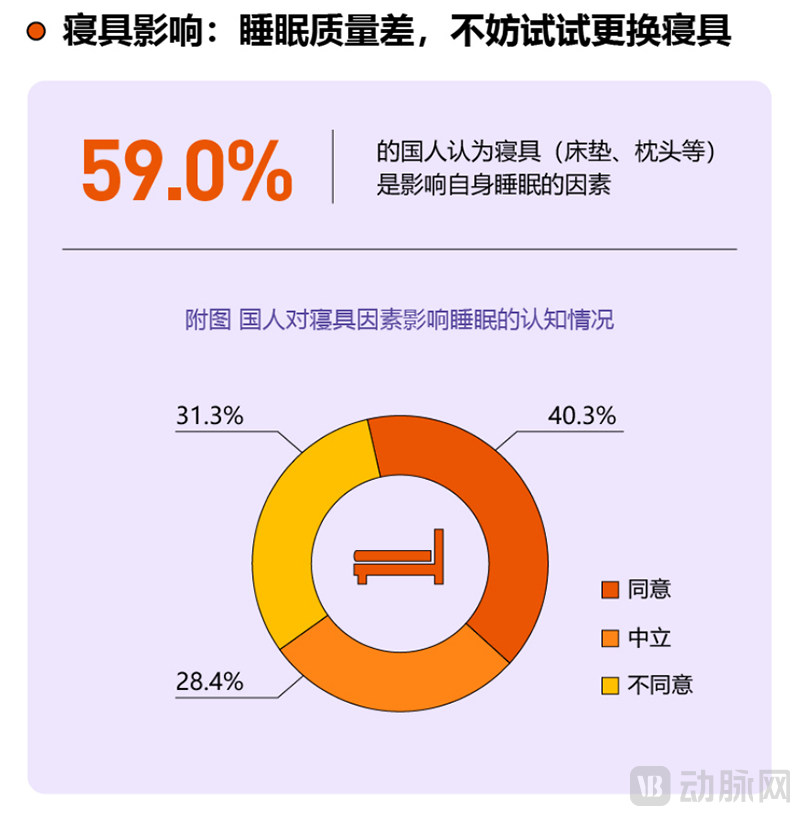
It is for this reason that some perspectives suggest addressing sleep disorders should begin with foundational sleep health products, before considering the introduction of auxiliary interventions. According to the survey results in the Report, 59.0% of respondents believe that bedding factors, such as mattresses and pillows, affect sleep quality. Therefore, this viewpoint is not without merit.
Nearly 60% of Respondents Believe Basic Sleep Products Affect Sleep Quality
From this perspective, there is indeed room for improvement in the sleep health of the general public in China.
Due to limitations in material durability, basic sleep products such as mattresses have an optimal service life. As usage time increases, the resilience, support, and comfort of a mattress gradually decline. From the perspective of sleep quality and human health, replacing a mattress every five years is generally considered a preferable option.
However, in reality, only 16.5% of Chinese people basically achieve this frequency. In contrast, 50% of American households report replacing their mattresses approximately every three years, and about 30% of users believe that the service life of a mattress should not exceed three years.
Based on these facts, the industry has been striving to shift consumer perceptions. In 2021, Xilinmen Furniture Co., Ltd. took the lead in highlighting the importance of regular mattress replacement within the industry and proposed a replacement standard that “an individual needs eight mattresses over their lifetime,” based on survey findings, to create a high-quality sleep environment.
The good news is that, as public awareness of sleep health increases, the number of people willing to replace their mattresses on a regular basis is gradually rising. More than 70% of respondents indicated their willingness to increase the frequency of mattress replacement, adopting a five-year cycle to enhance sleep quality.
Whether or not you have a sleep disorder, if it has been a long time since you last replaced your mattress, you should consider adding its replacement to your schedule. With the aid of technology, updates to basic sleep products in recent years have been nothing short of rapid, long shedding the traditional user perception of being “low-tech.”
Advances in ergonomics and materials science have had the most significant impact on mattresses. Today, apart from cost-driven entry-level products, most mid-to-high-end mattresses incorporate ergonomic designs and feature carefully selected materials, offering a more comfortable sleep experience.
High-end products further incorporate intelligent design, utilizing distributed multi-dimensional sensors to collect user data. After cloud-based analysis, these systems provide support solutions tailored to the body’s contours. The mattress adjusts accordingly, offering various customizable personalized modes. By adjusting the angles of different mattress zones, it meets the needs of diverse scenarios such as reading, watching movies, sleeping, and massage. A few newly launched high-end products can even help users quickly enter deep sleep by regulating mattress temperature.
Through nearly 40 years of industry experience, Xilinmen has recognized the urgent need to enhance public awareness of sleep health in China and conducted early research into the sleep patterns of the Chinese population. Since 2013, Xilinmen has consecutively released the "China Sleep Index Report" for 11 years, and the Xilinmen Sleep Research Institute is widely recognized as one of the most advanced sleep research institutions in China.
These data have established a scientific, comprehensive, and authoritative professional indicator system for sleep health research, offering significant benefits to the industry. Furthermore, through this targeted data, Xilinmen has gained deep insights into the sleep-related pain points of Chinese consumers, providing substantial evidence to support product development.
As a national high-tech enterprise, Xilinmen has been driving industry-wide intensifying competition through technological innovation. Its R&D expense ratio has consistently ranked among the industry leaders for many years, and it relies on a professional R&D team and technical exchanges to promptly commercialize the latest scientific research achievements. As of December 2022, the company had obtained 962 authorized patents, including 941 domestic patents and 21 international patents.
Deep sleep technology is the core sector that Xilinmen has been deeply cultivating in recent years. In 2020, Xilinmen’s Smart Spine-Care Deep Sleep System was able to extend deep sleep duration by 17 minutes. After three years of iterative upgrades, the new technology will be the first in the industry to achieve a 37-minute extension of deep sleep.
Xilinmen Smart Spine-Protection Deep Sleep System
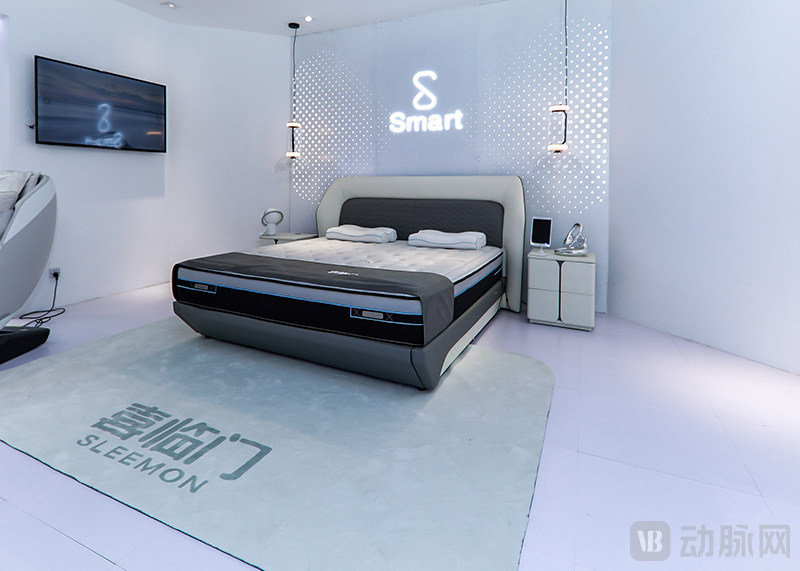
Air springs are the core of Xilinmen’s deep-sleep technology. Nearly a thousand gas springs with adjustable firmness can better adapt to the user’s spinal curvature, helping consumers customize their exclusive mattresses through precise matching capabilities. Xilinmen also won the Second Prize for Technological Invention at the ministerial level for its “Research and Application of Gas Springs in Mattresses.”
Intelligent Sleep Posture Adaptation is another core technology of Deep Sleep Technology. Leveraging patented dual-sensor technology for “sleep posture + sleep,” it accurately identifies the user’s sleeping position, performs timely micro-adjustments to support, and distributes pressure reasonably. For instance, when a user switches from supine to side sleeping, the Intelligent Sleep Posture Adaptation system automatically adjusts to alleviate shoulder compression associated with side sleeping, thereby improving blood circulation.
The Big Sleep Database serves as the underlying support for Deep Sleep Technology, empowering it with deep learning capabilities. Xilinmen captures medical-grade AI-driven sleep data through sensors and has established a comprehensive database of physiological signs from 26,000 individuals. This enables Deep Sleep Technology to achieve a positive cycle of “sensing–adjusting–feedback–correction,” matching data against the big database to rapidly adjust the firmness of different zones, thereby functioning as an intelligent “thinking” sleep data analyst.
Smart sensing technology can also continuously record various data 24/7, including heart rate, respiration, light and deep sleep stages, body movements, and sleep duration, to generate professional multi-dimensional sleep reports, enable sleep health management, and provide personalized sleep recommendations.
At present, Xilinmen is continuously developing and upgrading its self-adjusting firmness and intelligent dual-zone features, enabling independent adjustment of firmness on the left and right sides and generating two separate sleep reports. This creates a unified mattress with dual sleeping experiences, addressing the long-standing differences in firmness preferences between couples or parents and children.
As a leading enterprise in the sleep industry, Xilinmen has been deeply engaged in this field for 39 years. It has always actively responded to national calls, resonating with the country’s development priorities by focusing on sleep technology and deep-sleep products. The launch of its deep-sleep technology has gained widespread user recognition and become the foundation for Xilinmen’s leadership in the sector.
According to Xilinmen’s financial report for the first three quarters of 2022, the company’s self-owned brand retail revenue reached RMB 3.851 billion, representing a year-on-year increase of 18%. Notably, mattress revenue grew by 31% year on year, achieving outperformance despite the pandemic. During the 2022 “618” shopping festival, its revenue surged by 72% year on year, marking its eighth consecutive year ranking first in the mattress category.
Against the strategic backdrop of Healthy China 2030, as demand for sleep health services continues to expand, the sleep industry is entering a period of rapid development. Sleep health is also transitioning from an era reliant on empirical experience to one characterized by comprehensive digitalization, precision, and personalization.
Sleep health pioneers like Xilinmen are embracing digital transformation through technology empowerment, driving a leap forward in public sleep awareness and sleep quality across China. For Xilinmen, as the leader in this sector, this undoubtedly presents greater opportunities, as well as greater responsibilities.
Let us look forward to the advent of the “Deep Sleep Era,” enabling hundreds of millions of people who struggle with poor sleep to finally enjoy a good night’s rest.