

Digital Nutrition Wave Sweeps Across the U.S.: Four Key Trends to Watch

Foodsmart
Personalized Digital Nutrition Platform
In Q1 2023, although the U.S. venture capital sector was enduring a challenging period, the overseas nutrition track appeared to be ushering in a spring breeze of digitalization.
Google was the first to make its move. It partnered with digital health company NourishedRx to launch a new food management platform on Google Cloud, providing personalized nutrition support to NourishedRx members. NourishedRx is a vendor that delivers personalized food solutions to the most vulnerable members of health plans and providers, such as those with chronic health conditions involving dietary sensitivities and individuals at frequent risk of food insecurity. By leveraging Google Cloud Healthcare API, NourishedRx can exchange data and information with its food partners, health plan clients, and members.
Next, the healthy meal planning service platform ModifyHealth announced that it had secured $10 million in Series B financing. This round was led by Rc Capital, with participation from existing investor Nashville Capital Network. The partnership with Rc Capital will support ModifyHealth in continuing to grow its category-leading food-as-medicine solutions and further expand its nationwide operations across China.
Last but not least is the digital nutrition platform Foodsmart. The company completed a round of financing invested by Memorial Hermann Health System. Foodsmart (formerly Zipongo) is a leading provider of remote nutrition and digital food care services, boasting the largest network of registered dietitians in the United States.
This voice is still faint, yet compared to the grimness and clamor brought by the biotech bubble and the Silicon Valley crisis, the whispers in the nutrition sector, though quiet, are full of vitality.
Before delving into the topic of digital innovation in the nutrition industry, let us first gain an understanding of market demand within this sector. Current innovation efforts are ultimately aimed at meeting these demands and addressing various pain points.
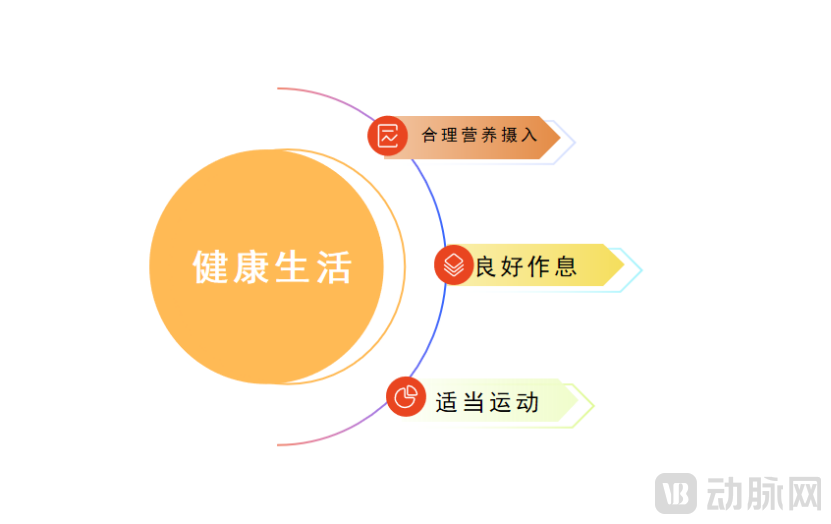
Nutritional intake helps address a variety of health needs. The pursuit of a healthy lifestyle has led to growing demand for improved nutritional intake. A healthy life relies on three key pillars: balanced nutritional intake, regular and appropriate exercise, and adequate rest and sleep. As contemporary individuals become increasingly health-conscious, there is a heightened emphasis on achieving healthy and nutritious eating habits.
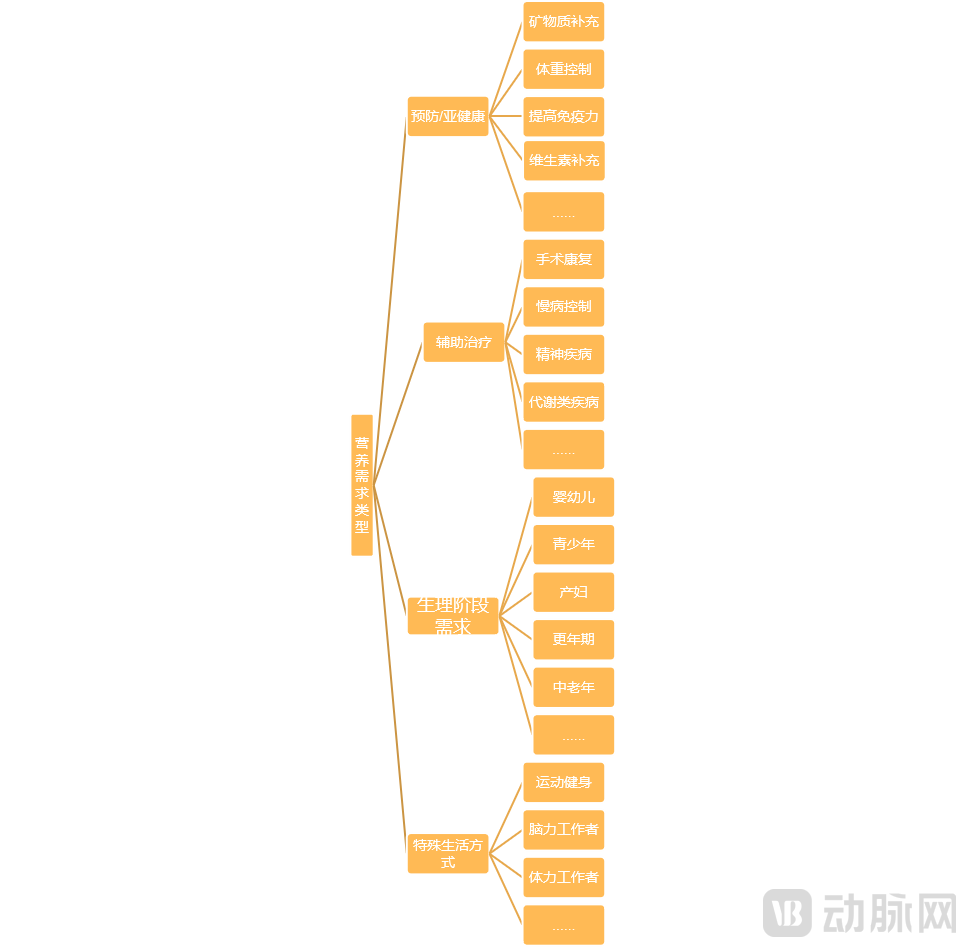
Nutritional intake plans can help address various health issues to a certain extent. Several categories are outlined below, as illustrated:- Enhancing bodily functions and reducing disease risk (micronutrient balance, weight management, immune system enhancement);- Supporting the treatment and management of chronic diseases (diabetes, cardiovascular diseases, mental disorders, chronic inflammation, osteoporosis, and other metabolic conditions);- Meeting the health needs of individuals at different physiological stages (infants and young children, adolescents, pregnant and postpartum women, menopausal women, and middle-aged and elderly adults);- Addressing the specific health requirements of particular occupational groups (athletes, knowledge workers, business professionals, workers in hazardous occupations, smokers, and individuals with irregular sleep patterns).
In daily dietary habits, achieving healthy eating primarily involves optimizing the combination of food components and controlling portion sizes to make meals more conducive to health; additionally, individuals may choose to take nutritional supplements and other health products to compensate for nutrients that are relatively lacking in their regular diet.
Pain points persist throughout the entire cycle of nutritional consumption. A core characteristic of nutritional intake needs is that, due to individual differences, there are significant variations in the specific nutrients and dosages required by each person. Starting with an understanding of individual nutritional needs, the process for consumers to obtain healthy nutritional products can be simply understood as follows:
1. Determine individual needs;
2. Ensure proper intake;
3. Evaluate outcomes and implement cyclical management.
Given the current situation in China, there is a significant gap in nutritional health knowledge, and the penetration rate of professional dietitian services remains very low. There is a lack of transparency regarding food composition; consumers distrust nutritional products and their sales channels; there is a shortage of nutritional products tailored to individual needs; long-term adherence to healthy, nutritious meals is difficult; and there are no effective means to evaluate the efficacy of nutritional supplements. These represent the key pain points in the current consumer market for the nutrition industry and constitute the prerequisites for the growth of digital nutrition.
As early as a financing review conducted at the beginning of 2023, we observed that the digital transformation wave in the overseas nutrition sector had been brewing for several years. Leveraging internet platforms and artificial intelligence technologies, some companies are now making professional nutrition services accessible to a larger and broader population.
One aspect is the digitalization of product sales. This category primarily includes nutritional supplements and health products positioned as adjunctive therapies for diseases. The other aspect is the digitalization of nutrition monitoring and health services. Through mobile apps and wearable devices, nutrition monitoring platforms record users’ health habits, such as water intake, physical activity levels, and dietary patterns, and provide theoretically based health recommendations via big data platforms. For instance, Simple.life, which completed its Series A financing in 2020, offers recommendations by tracking users’ physiological metrics (e.g., step count, body weight, and water intake) to help them cultivate healthy habits. Its revenue model mainly relies on providing more personalized recommendations or precise tracking services, as well as sales of wearable devices to users.
The target audience for health services includes not only individuals requiring nutritional support but also nutrition professionals. A health service platform can offer not only nutritional assessment services but also professional services for dietitians. Dietitians can register on the platform, and when individuals seeking nutritional guidance require one-on-one consultations, the platform can recommend registered dietitians to facilitate matchmaking between both parties. This model not only meets the health needs of the general population but also provides employment opportunities for dietitians, while ensuring the professionalism and personalization of the services. Its revenue model can include charging users for services, similar to a nutritional assessment platform, as well as collecting registration fees from dietitians.
Of course, the two major sub-sectors within the nutrition industry are not entirely siloed. In recent years, we have observed increasing collaboration among enterprises, whereby information service providers enable users to purchase corresponding nutritional supplements directly on their platforms after receiving personalized recommendations.
By integrating the fundamental demands of the nutrition industry market with diverse business models in the overseas nutrition sector, Orange Bureau has identified four major trends in nutrition digitalization:
Consumers expect nutritional management to play a more significant role. As a result, food is often no longer just food. According to Nielsen’s survey, nearly 80% of global consumers state that they choose appropriate foods to prevent diseases or address specific health issues, such as common conditions including obesity, diabetes, hypertension, and hyperlipidemia.
Medical Nutrition Therapy is no longer confined to inpatient hospital settings. Medical nutrition is an integral component of comprehensive patient care. Dietary therapy holds equal importance to pharmacotherapy, surgery, physical therapy, and other specialized treatments. A rational diet not only improves patients’ general condition and promotes disease resolution and health recovery but can also serve as an active therapeutic intervention in its own right. In chronic disease management, medical nutrition plays a significant role by controlling disease progression through customized dietary plans. These treatment plans are typically developed by registered dietitians based on the patient’s medical history, clinical examinations, functional assessments, and prior dietary patterns. Conditions managed include diabetes, cardiovascular diseases, osteoporosis, immune disorders, as well as mental health conditions and oncology care.
We can categorize medical nutrition into short-term therapeutic interventions within hospitals and longer-term rehabilitation and chronic disease management outside of hospital settings.
As patient self-management and home-based care behaviors increase, and with advancements in fields such as rehabilitation management, medical nutrition therapy (MNT) is gaining recognition among general consumer patients. Consequently, relatively specialized nutritional regimens are extending from within hospitals to out-of-hospital settings. Nutrition products centered on specific diseases are emerging as a new category of nutritional foods.
ModifyHealth, mentioned earlier, was founded in 2018 and is headquartered in Atlanta, Georgia. It is a food company that offers medically tailored meals designed to support gut health. The company’s products are gluten-free, organic, non-GMO, and Low-FODMAP. FODMAPs refer to fermentable oligosaccharides, disaccharides, monosaccharides, and polyols.
Millions of patients suffer daily from the symptoms of irritable bowel syndrome (IBS), making it imperative to address this health issue. The Low-FODMAP program, developed by researchers at Monash University, posits that this type of diet can alleviate conditions such as bloating and abdominal pain caused by indigestion.
To enhance consumer convenience, the company also offers free home delivery. Customers simply need to order their preferred meals on the official website. Additionally, ModifyHealth has a dedicated team of dietitians who provide digital health solutions to help consumers manage gastrointestinal conditions such as irritable bowel syndrome (IBS), inflammatory bowel disease (IBD), small intestinal bacterial overgrowth (SIBO), and celiac disease.
Users can also book consultation services through the official website. Upon successful booking, they can engage in phone or video consultations with nutrition experts. Based on the user’s questions and needs, the nutritionist will provide tailored advice and support.
Kate Farms was co-founded by Richard Laver and Michelle Laver, who initially developed this specialized liquid meal formula for their daughter, Kate. Born with cerebral palsy, Kate was unable to consume solid foods or absorb commercially available liquid nutritional formulas.
Richard Laver discovered that many nutritional formula products on the market are unhealthy, with water, sugar, corn syrup, and maltodextrin being the top four ingredients. Among these, maltodextrin is a highly processed carbohydrate that can cause blood sugar spikes, inhibit the growth of probiotics, and negatively impact gut health—for instance, by potentially causing inflammation and impairing digestion and nutrient absorption.
Kate Farms primarily serves patients who are unable to consume solid foods. Unlike other liquid meal replacements, all Kate Farms products are organic, non-GMO, plant-based formulations derived from pea protein, designed to meet the health needs of individuals with food allergies, eating difficulties, malnutrition, and other dietary challenges.
Kate Farms’ plant-based medical nutrition products have undergone clinical validation. Meanwhile, Kate Farms has developed new healthcare consumption scenarios, with its products used as nutritional supplements in hospitals and medical institutions across the United States to provide nutrition for patients unable to digest solid foods. Currently, Kate Farms’ products are available in more than 95% of U.S. hospitals.
With its new plant-based formula and novel medical consumption scenarios, Kate Farms stands out in the liquid meal sector.
For a long time, general consumers have been in a state of confusion regarding healthier dietary management and nutritional conditioning. There is a significant information gap between professionals, product and service providers, distributors, and consumers. Contemporary consumers have a stronger desire for self-control in various aspects; they are more eager to bridge this information gap and achieve a clearer understanding of their food choices to some extent. In fact, most pain points in market demand can be attributed to this severe information asymmetry.
Ordinary consumers first lack a comprehensive understanding of their own health status, and second, they do not possess sufficient nutritional knowledge to guide the selection of appropriate foods and dietary supplements, as well as to determine proper dosage and methods of intake. Furthermore, their awareness of product manufacturers, distributors, and service providers is limited. Ultimately, information gaps across various dimensions and stages prevent them from achieving self-management.
Nowadays, the situation continues to grow more complex. As people strive for better health, the factors they consider when purchasing related products have become increasingly complicated. Many consumers struggle to understand the instructions accompanying health products; although product labels and informational materials are provided, this information is often overly technical and difficult to comprehend clearly, thereby hindering consumers from making appropriate purchasing decisions. This has created a strong demand for greater transparency in food-related products.
Clear Lab aims to build a food information analysis platform. This platform consists of three layers: the foundational Clear Lab parameter database at the bottom; the testing layer in the middle, which employs next-generation gene sequencing technology; and the data analytics layer at the top, which encompasses consumers and various stakeholders within the food industry ecosystem. Clear Lab seeks to become a new-generation setter of food standards.
Clear Labs was founded in 2014 and raised $6.5 million in Series A financing in September 2015, with investors including Plug and Play, Khosla Ventures, Felicis Ventures, Passport Capital, and HBR Genomics. Its core product, Clear View™, primarily provides analytical systems, early warning systems, and data visualization capabilities.
In 2018, the Israeli company Consumer Physics developed a bioscanner called SCiO, which can detect the chemical composition of most substances people come into contact with by scanning them. This was the world's first handheld food molecular sensor.
SCIO houses a miniature spectrometer capable of scanning physical objects. Although it measures only one centimeter in size, it integrates an ON Semiconductor 1.2-megapixel monochrome CMOS image sensor, an OSRAM white LED, and a custom filter/lens array. The LED is coupled with a reflector in the illumination module to direct light onto the substance under analysis. The light received by the molecular sensor is filtered and dispersed into different wavelengths by the filter/lens array, and the CMOS image sensor finally provides an immediate response for substance analysis.
The SCiO sensor connects to an iPhone via Bluetooth, allowing the app to read nutritional content and display its compositional information, including calories, fat, protein, and carbohydrates. The SCiO can also scan medications, plants, and other items to ensure human safety.
In the realm of food freshness detection, sensor-based technologies have emerged as convenient methods for assessing freshness. These solutions are often characterized by their miniaturization and low cost, with some adopting patch-style designs or even utilizing edible sensors.
In late 2014, the Massachusetts Institute of Technology (MIT) in the United States also developed a low-cost patch-style sensor. It determines freshness by detecting the gaseous components produced during food spoilage. The sensor utilizes NFC technology.
In 2015, researchers at Tufts University in the United States developed a silk-based edible sensor material to test food freshness. This sensor can be directly applied to the surface of food to detect physical and chemical changes associated with spoilage. The sensor also connects to a smartphone app; by simply holding your phone near the food with the attached patch and giving it a shake, you can determine its freshness. In other words, this technology eliminates the need for expiration date labels.
Accurate assessment of caloric intake is crucial for weight management. However, the variety of foods consumed in daily life is vast, and not all food items have clear calorie labeling. Therefore, there is a need for better methods to help individuals calculate their caloric intake anytime and anywhere. Developers have begun to employ artificial intelligence and machine learning technologies to identify food from images, combined with
Big data is used to verify calorie content.
In June 2015, Google filed a technology patent for Im2Calories. Im2Calories can use algorithms to identify food in images,
and analyzes food types to calculate calories. The deep learning algorithm combines visual analysis and image recognition, relying on a massive database to determine the caloric content of foods. Im2Calories’ technology originates from DeepMind, the tech company acquired by Google in 2014, which is also the team behind AlphaGo.
Initially, Im2Calories’ calculations were not accurate, but by leveraging machine learning techniques and continuously collecting data, it will become increasingly accurate.
Driven by multiple factors, including policy and economic influences, consumer awareness of health and nutrition continues to rise. A prerequisite for adequate and rational nutritional supplementation is that consumers clearly understand their own nutritional and health status. However, the reality is that consumers remain passive in terms of awareness and methods for nutritional assessment. Traditional nutritional diagnosis and treatment fail to adequately meet personalized needs, leading consumers to often follow trends blindly when selecting nutritional products or services. Limitations in recognizing and differentiating among various products make it difficult for consumers to properly manage their nutrient intake and assess their nutritional status.
Traditional methods of nutritional diagnosis rely primarily on retrospective physical examinations, lacking the capacity to control and predict potential nutritional and health risks. Compared with these traditional approaches, there is limited understanding of the interactions between dietary and genetic factors and their impact on overall health. Nutritional genomics focuses on studying the interplay between dietary nutrition and genes at both molecular and population levels, as well as its effects on human health. It aims to establish dietary intervention strategies and nutritional healthcare measures based on individual genomic profiles, propose more personalized nutritional policies, and thereby enable more effective application of nutritional research findings in disease prevention, ultimately promoting human health.
InsideTracker is a company specializing in personalized nutrition and health analysis. Leveraging proprietary big data algorithms, databases, and the latest scientific research findings, it provides personalized anti-aging guidance based on users’ blood biomarkers, DNA, and daily lifestyle habits. Its second-generation flagship product, InnerAge 2.0, reveals users’ biological age by measuring blood biomarkers such as glucose and liver enzymes (18 markers for men and 14 for women), and offers a range of personalized improvement plans.
The company’s founder, Professor David Sinclair, is a geneticist at Harvard Medical School and co-director of the Paul F. Glenn Center for Biology of Aging. He single-handedly brought into the spotlight two star anti-aging compounds—NMN and resveratrol—and has been dubbed the “Godfather of Anti-Aging” by the public. An avid experimenter with novel anti-aging interventions, Sinclair undergoes blood tests every quarter to monitor his biomarkers in real time and determine whether these strategies are effective or require adjustment. With each test, he promotes InsideTracker on social media platforms.
The company completed a $15 million Series B financing round in 2022, led by PeakBridge, with participation from Cornucopian Capital, OurCrowd, BASF Venture Capital GmbH, and existing investors.
Nowadays, the concept of personalized nutrition has permeated nearly all diet-related scenarios, ranging from grocery shopping and dining out to home cooking. Dietary recommendations derived from biomarker analysis are a hallmark of personalized nutrition, helping individuals optimize their dietary choices to achieve goals such as weight loss or chronic disease management.
The first wave of personalized nutrition was driven by the widespread adoption of wearable devices. These devices track individual metrics such as body weight, physical activity levels, and body temperature to provide tailored dietary recommendations. The rapid advancements in sequencing technology have ushered in the second wave. In addition to testing the human genome, assessments of individual gut microbiota and genomic information have also emerged.
GenoPalate was founded in 2016 by Dr. Yi Sherry Zhang, a Ph.D. in genetics and former professor at the Medical College of Wisconsin. The company has since grown steadily into a leading provider of nutrigenomic testing and analysis services, catering to consumers seeking healthier diets and lifestyles.
The company has launched a home-based nutrigenetic testing kit that analyzes over 100 genetic markers from saliva samples. The test provides two key insights: first, it identifies individualized dietary requirements for 24 essential nutrients, such as carbohydrates, vitamin D, and calcium; second, it assesses individual tolerance to certain food components, including lactose, gluten, caffeine, and alcohol.
GenoPalate leverages proprietary algorithms to interpret customers’ DNA, develop personalized nutrition analyses, and recommend over 100 health-promoting foods. Additionally, GenoPalate collaborates with registered dietitians to provide personalized nutritional supplementation and one-on-one online nutrition planning. GenoPalate’s personalized nutrition programs offer guidance to consumers in selecting food ingredients.
Nutritional management is highly individualized, influenced by a variety of personalized factors such as age, gender, internal physiological status, medical history, lifestyle habits, and environmental conditions. For the same health issue, different individuals require distinct nutritional and dietary management plans; a one-size-fits-all approach often yields unsatisfactory results. While personalized nutritional needs fundamentally align more closely with the principles of nutrition science, the traditional market has failed to provide consumers with personalized nutritional products. Emerging technologies such as the internet, big data, and artificial intelligence are advocating for and facilitating personalized models across many sectors, and the nutrition industry is no exception.
In line with the trend of consumption upgrading, in the field of nutrition, some consumers are willing to pay more for personalized products or services that are more targeted and effective.
Personalized Needs Drive Demand for More Widespread Dietitian Services. In the past, personalized nutritional management and guidance services provided by professional dietitians outside of hospital settings were accessible only to a select few, such as athletes and other special populations whose employers covered the costs, or were limited to the high-end medical and health services sector. Due to the scarcity of qualified dietitians, the fact that nutritional management is not always perceived as an essential need, and issues related to social insurance coverage, accessing personalized nutritional guidance through traditional channels has been considered a luxury.
However, the demand for dietitian services has become increasingly significant, as the more targeted nutritional management plans provided by dietitians are a prerequisite for personalized nutrition management. How to leverage innovative technologies and models to make dietitian services less of a luxury and accessible to more consumers is precisely what some startups are currently striving to address.
Digital nutrition startup Culina Health completed a $4.75 million seed funding round in 2022, led by Healthworx and Brooklyn Bridge Ventures.
Culina offers virtual consultations with registered dietitians, who can help develop personalized nutrition plans based on user needs, including management of diabetes and eating disorders. Patients also have access to an app where they can view their goals, session notes, and handouts.
For individuals with chronic conditions, particularly gastrointestinal and autoimmune diseases, care management is essential. However, seeking consultation through traditional nutrition clinics is often fraught with cumbersome procedures and inconvenience. Culina’s digital registered dietitian service promises to improve this landscape by addressing nutritional needs in a personalized and scalable manner, while ensuring that the entire journey—from diagnosis to treatment and ongoing management—is as seamless, efficient, and effective as possible.
Foodsmart (formerly Zipongo) is a leading provider of remote nutrition and digital food care services. By combining the largest national network of registered dietitians, personalized meal plans, and the most extensive grocery marketplace, Foodsmart empowers individuals to make sustainable changes to their dietary behaviors and health outcomes every day. Through its dietary assessment (Nutriquiz), nutrition counseling, personalized meal plans, and tailored recommendations, Foodsmart makes healthy eating simple and affordable.
Foodsmart NutriQuiz helps monitor progress toward health goals and facilitates the personalization of meal plans and grocery lists based on dietary habits, food preferences, allergies, and nutritional needs. Members can then leverage Foodsmart’s integrations with platforms such as Instacart, Amazon Fresh, and Walmart to quickly and easily order groceries from their preferred stores, and even browse current healthy food specials at local retailers.
Foodsmart’s convenient CookItNow feature provides quick recipe recommendations based on ingredients members may already have on hand.
Foodsmart also integrates users’ electronic medical records and health data to enable more personalized recipe customization and provide tailored healthcare plans. Once users input their data and retrieve their personal health profiles, the application can create distinct, targeted dietary plans for each individual. At its core is a powerful database that synchronizes thousands of recipes and intelligent recommendation software across the platform’s mobile app, PC interface, and nutrition database. This allows for highly personalized dietary guidance for every participant. Foodsmart partners with corporate employers and health management companies to reduce chronic diseases and improve the health of employees and members of health management programs.
In the United States, Foodsmart has over 150 partner clients. A simple statistic vividly illustrates Foodsmart’s impact on cost control: “For every $1 invested in healthy food benefits, companies can achieve $6 in cost savings.”
Furthermore, Foodsmart collaborates with third-party providers offering biometric services, such as 23andMe, to assess users’ physiological indicators—including blood pressure, cholesterol levels, and body composition—and leverages this valid data to customize meal plans and provide nutritional recommendations.
The rise of the nutrition sector is, in essence, a reflection of the heightened health awareness and awakening among the public. This trend is not limited to overseas markets; Chinese consumers are also demonstrating increasingly robust demand for other healthy food products. Beyond dietary supplements, there is rapid growth in the demand for green and healthy foods in China. Products centered on the concepts of healthy eating and balanced nutrition—such as organic foods, low-fat and low-sodium options, and whole-grain foods—are gaining favor among Chinese consumers at an accelerating pace. As the wave of digitalization sweeps through the pharmaceutical and medical device sectors, digital nutrition, as the next frontier in healthcare, is poised to gain significant traction in the domestic market.