

Airigin: Tackling Fetal Birth Defects with AI-Powered Ultrasound, Boosting Diagnostic Efficiency by 110x
“Great” companies are always born with a story. The birth of AIRIGIN is no exception.
In early 2017, Dr. Wang Nan, founder of Ai Yun Ji (Pregnancy Love Diary), received an unexpected phone call. During the call, a pregnant woman, placing considerable trust in him, consulted Dr. Wang about nuchal cord entanglement. While addressing her concerns, his curiosity led him to inquire about her identity, only to discover that she was a patient he had treated five years earlier.
At that time, the fetus of the pregnant woman was found to have an intracranial cyst, and a primary care hospital in Guangdong recommended induced labor. However, as a first-time mother, she was reluctant to proceed and sought consultation at the First Affiliated Hospital of Sun Yat-sen University (hereinafter referred to as “Zhongshan First Hospital”). The ultrasound diagnosis confirmed the presence of an intracranial cyst in the fetus. Nevertheless, professors at Zhongshan First Hospital offered a different assessment: the cyst in this location had a favorable prognosis and would not affect the baby’s normal development. In 2017, when the mother, then pregnant with her second child, made a phone call, that baby had grown into a healthy five-year-old boy.
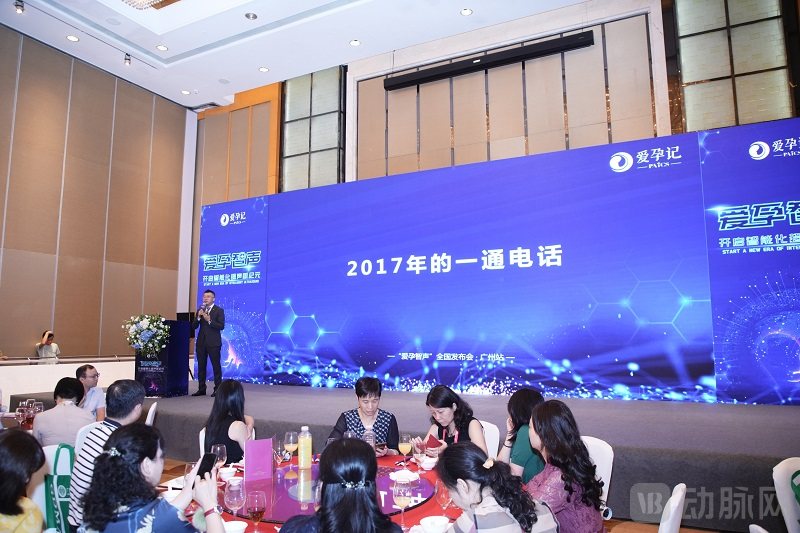
July 2022 “Ai Yun Zhi Sheng” Product Launch Event in Guangzhou: Founder Wang Nan Shares the Original Vision Behind Ai Yun Ji
At this time, Wang Nan, who had resigned from the First Affiliated Hospital of Sun Yat-sen University, was exploring directions for his own entrepreneurial venture. The phone call from the pregnant woman solidified his conviction: in China, the proficiency of physicians varies significantly across different regions, particularly in the field of prenatal ultrasound, where misdiagnosis and missed diagnosis rates are relatively high, necessitating substantial time and effort for doctors to acquire expertise. As a diagnostic modality, however, ultrasound is irreplaceable. Wang Nan aims to address the industry’s pain points in prenatal ultrasound diagnosis by introducing intelligent and standardized products.
Also in 2017, Guangzhou Aiyunji Information Technology Co., Ltd. identified its strategic focus by targeting AI-enabled prenatal ultrasound diagnosis, giving rise to the “Aiyun Zhisheng” product series.
AI Successfully Diagnoses Fetal Agenesis of the Corpus Callosum via Ultrasound, Highlighting the Value of Intelligent Products
The decision to launch a startup in the field of AI-enabled prenatal ultrasound is also linked to Wang Nan’s own background in medical education.
From 2002 to 2013, over the course of 11 years, Wang Nan progressed from a bachelor’s degree in Medical Imaging, through a master’s degree in Interventional Radiology, to a doctoral degree in Ultrasound Medicine (with a focus on Obstetrics and Gynecology). In his own words, this journey meant that he had “virtually no blind spots in the field of medical imaging.”
Wang Nan underwent three years of obstetric and gynecologic ultrasound training at the First Affiliated Hospital of Sun Yat-sen University during his doctoral studies, where he first encountered the pregnant patient mentioned at the beginning of this article. After completing his Ph.D., Wang Nan worked formally in the Department of Obstetric and Gynecologic Ultrasound at the same hospital for three years.
That was 2016, a year when mobile healthcare was booming. Wang Nan, aspiring to join the entrepreneurial wave and transform the current state of medical care, chose to resign and start his own company. At that time, Wang Nan was researching potential directions for his startup. However, a phone call from a pregnant woman in early 2017 solidified his focus—dedicating himself to AI-assisted diagnosis in prenatal ultrasound.
At that time, AI had already seen initial applications both in China and abroad in areas such as pulmonary nodule screening and diabetic retinopathy screening. Recognizing that artificial intelligence would play an increasingly important role in the healthcare sector, Wang Nan sought to apply AI to the field of prenatal ultrasound, aiming to “transform China’s top-tier medical diagnostic capabilities into standardized, intelligent products to benefit hospitals, physicians, and patients in grassroots and remote regions.”
Another interesting detail is perhaps the name “Ai Yun Ji,” which is actually a literal translation of the English word “Airigin,” a portmanteau of “AI” and “Origin” (Artificial Intelligence + Origin). This seems to subtly align with the mission of Ai Yun Ji—safeguarding the origin of life with artificial intelligence.
In 2018, Ai Yun Ji launched its first product, Ai Yun Zhi Sheng, and conducted related academic research in collaboration with The First Affiliated Hospital of Sun Yat-sen University. At that time, a patient referred for consultation at the hospital had a fetus suspected of having agenesis of the corpus callosum (a cranial malformation that can significantly impact brain development). However, MRI results from a tertiary Grade A hospital in another province indicated no abnormalities in the corpus callosum. Concerned about fetal health, the patient sought care at The First Affiliated Hospital of Sun Yat-sen University due to its reputation. During Professor Xie Hongning’s ultrasonic imaging diagnosis, the Ai Yun Zhi Sheng system simultaneously provided auxiliary diagnostic information suggesting “agenesis of the corpus callosum.” This finding was ultimately confirmed by expert diagnostic opinion, validating the accuracy of the AI-assisted diagnosis. This incident further highlighted the value of intelligent products to Wang Nan and strengthened his resolve: “I knew this endeavor would succeed.”
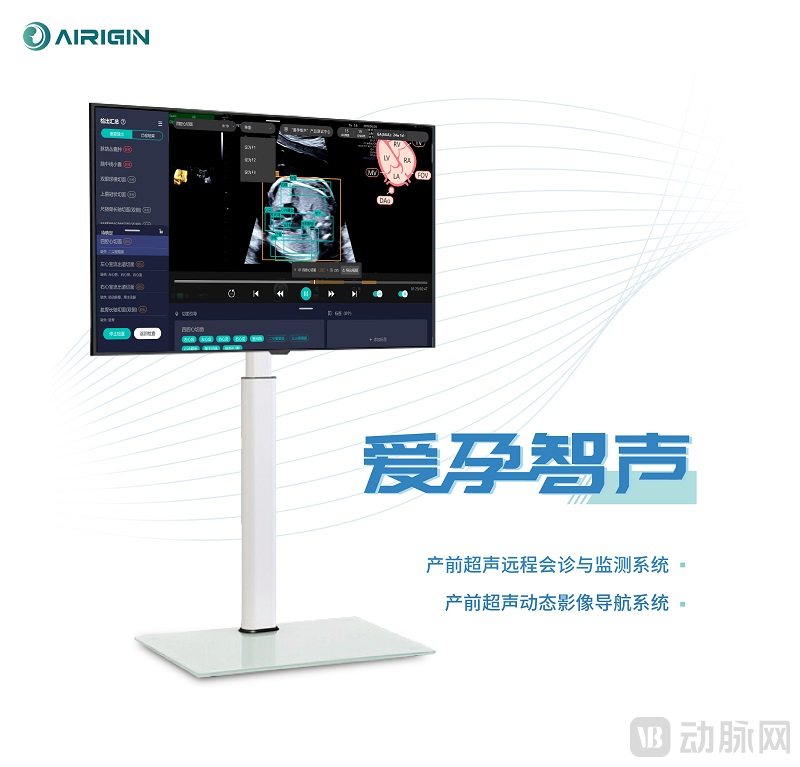
Shortly after launching the first-generation AiYun ZhiSheng (Static AI) product in 2018, AiYun Ji introduced the second-generation AiYun ZhiSheng (Dynamic AI) product in the same year and officially obtained the Medical Device Registration Certificate in 2021. Currently, AiYun Ji has two products with Medical Device Registration Certificates.
It is worth noting that research papers related to AI-Prenatal Intelligent Sonography (PAICS) have also gained international recognition. In 2019, a paper by Professor Xie Hongning’s research team from the First Affiliated Hospital of Sun Yat-sen University, based on their static AI product, was published in Ultrasound in Obstetrics & Gynecology (UOG), the journal with the highest impact factor in the field of obstetric and gynecologic ultrasound (IF=7.299). In March 2022, the team’s paper on their dynamic AI product, which achieved the world’s first detection and lesion localization of various common fetal cranial abnormalities in video footage, was once again featured as a top article in UOG. This paper was selected as the editorial highlight of the issue, receiving high praise from the entire UOG editorial board. According to Wang Nan, the editorial board commented: “A review published in the journal in 2020 suggested that ultrasound artificial intelligence was still merely at the conceptual stage at that time; however, in less than two years, the ‘AI-Prenatal Intelligent Sonography (PAICS)’ product has turned this concept into reality.” Since 2020, Professor Xie Hongning from the First Affiliated Hospital of Sun Yat-sen University has been invited every year to deliver speeches at the ISUOG Annual Meeting global live broadcast, sharing the latest research advances in AI for obstetric and gynecologic ultrasound. She is the only expert from the Asia-Pacific region to have received this invitation. This fact further underscores the prominent position of AI-Prenatal Intelligent Sonography within the industry both domestically and internationally.
Perhaps this is also why AiYunJi has grown from a one-person operation in its early days to a professional team of dozens today. Moreover, AiYunJi focuses exclusively on the AI track for obstetric ultrasound, “concentrating its strength like a clenched fist to deliver maximum impact.”
Continuous updates and iterations of AI product features provide full-process support to departmental staff in enhancing quality and efficiency.
Since targeting the AI-empowered prenatal ultrasound sector in 2017, Ai Yun Ji has never ceased its reflection on and iteration of AI products. To better achieve more precise diagnostics through AI, develop intelligent and standardized products, and address the challenges faced by sonographers in their clinical practice, Ai Yun Ji’s strategic focus and efforts have been directed toward—
Upgrading from static AI products to dynamic AI products.“Unlike pathology or other static imaging diagnoses, ultrasound diagnosis can never rely on a single static image for disease differentiation; it must be achieved through dynamic imaging.” Wang Nan’s professional judgment enabled Ai Yun Ji to launch its dynamic AI product in 2018, shortly after the release of its static AI product, thereby meeting actual clinical needs.
Full-process multi-task navigation assistance has been implemented.In accordance with the standardized requirements for standard prenatal ultrasound planes outlined in domestic and international guidelines, prenatal sonographers are required to scan and archive images of several standard planes during prenatal screening. However, traditional scanning has relied heavily on the sonographer’s experience, which may lead to omissions. The AiYun ZhiSheng Prenatal Ultrasound Dynamic Imaging Navigation System can precisely monitor in real time whether 55 structures in the first trimester and 101 structures in the second and third trimesters have been detected and whether the imaging planes meet standard criteria. It provides real-time intelligent guidance to help operators acquire more standardized planes, thereby ensuring 100% prevention of missed screenings and undetected abnormalities.
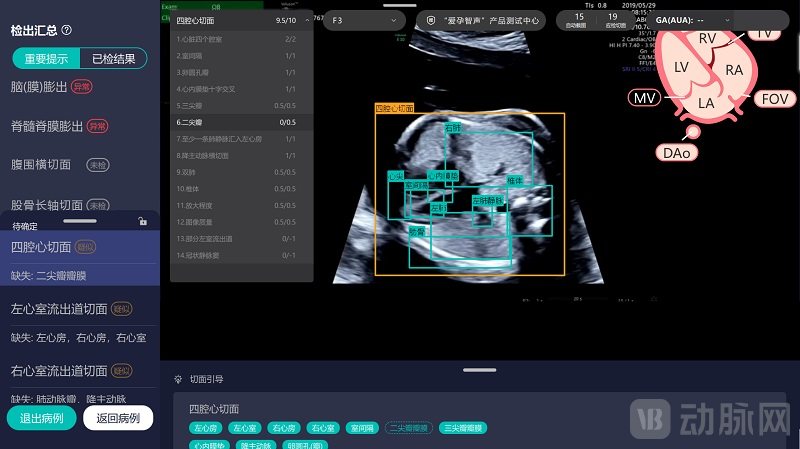
Addressing the issue of operational convenience.In traditional prenatal ultrasound diagnosis, sonographers are often required to frequently and manually operate the machine’s buttons. The Ai Yun Zhi Sheng product incorporates multiple fully automated features, further liberating ultrasound physicians. Specifically, with its automatic measurement function alone, the product streamlines the physician’s workflow by reducing what previously required over a dozen or even twenty button presses to zero manual operations, significantly enhancing convenience.
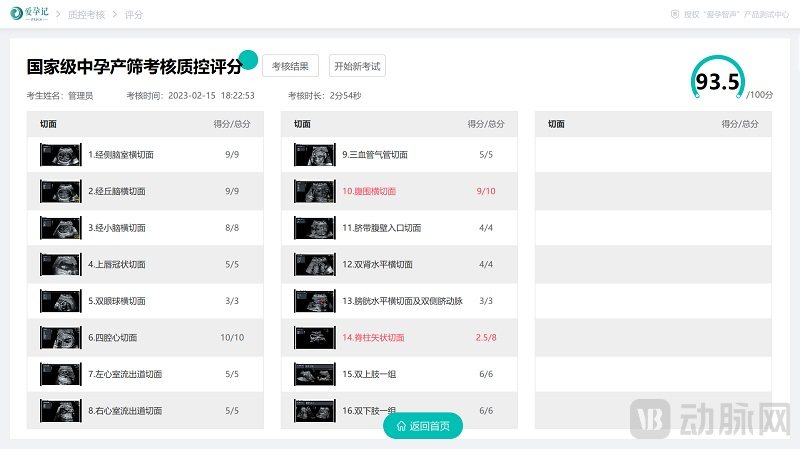
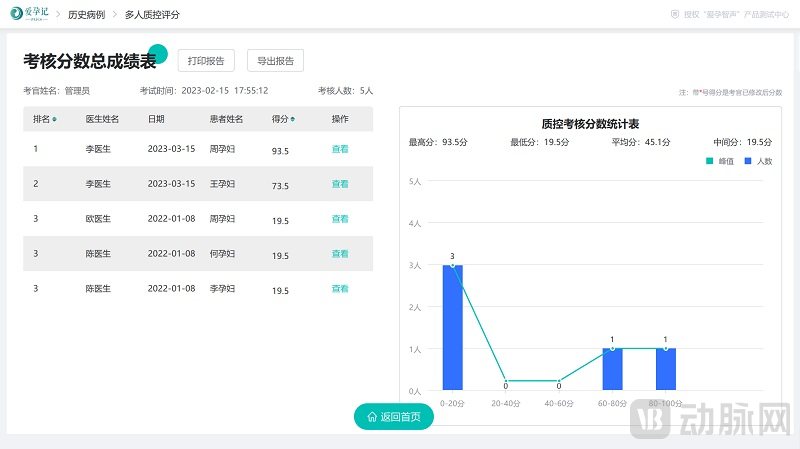
Achieve improvements in quality control and standardized residency training efficiency.The traditional quality control (QC) model involves senior physicians conducting retrospective spot checks on a set of standard view images retained by junior physicians, or higher-level hospitals performing regular “inspections” and sampling for QC, with the aim of achieving continuous improvement and reducing rates of missed and misdiagnoses. This manual approach to QC is often time-consuming and labor-intensive. In contrast, AiYun ZhiSheng’s comprehensive QC features and scenario designs enable on-site QC assessments, remote QC assessments, and bulk multi-user QC assessments. By leveraging AI to instantly provide QC results and reports, it increases QC efficiency by 110-fold, further saving time for both senior and junior physicians, while also enhancing the efficiency of standardized residency training for sonographers.
Pioneering Malformation Diagnosis.Unlike pathological diagnosis, which determines the benign or malignant nature of tumors, prenatal ultrasound diagnosis places greater emphasis on fetal malformations that concern expectant parents. Currently, the AiYun ZhiSheng product can intelligently identify in real time and accurately flag the nine major malformations required by clinical guidelines, as well as 25 types of fetal central nervous system abnormalities, with both sensitivity and specificity exceeding 95%. A study conducted at Guangdong Women and Children Hospital, involving 36 physicians from 34 hospitals, demonstrated through a rigorous randomized crossover trial design that the AiYun ZhiSheng product can improve physicians’ sensitivity in identifying sonographic images of fetal cranial abnormalities by 6–10 percentage points (i.e., reducing the missed diagnosis rate by 6–10 percentage points).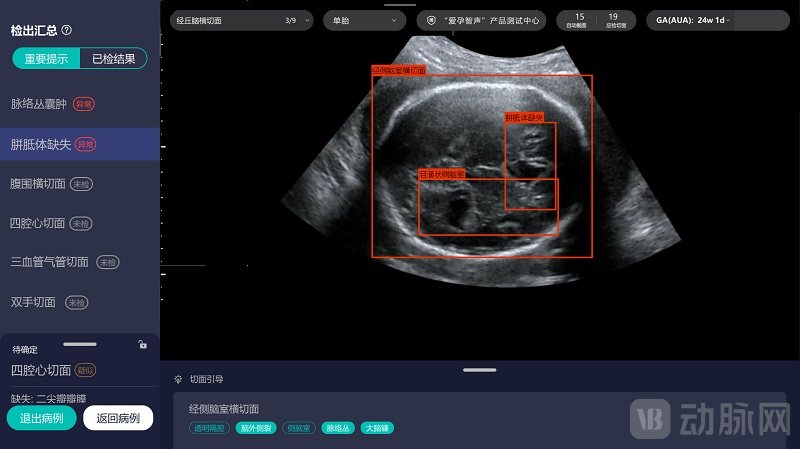
Knowledge Graph Guidance.In actual clinical practice, physicians need to infer the chromosomal or genetic disorders that a fetus may suffer from based on the multiple malformations observed. However, different diseases can lead to various similar symptoms. To better assist sonographers in making diagnoses, AiYun ZhiSheng has constructed a knowledge graph that provides illustrated textbooks on multiple fetal malformations caused by 115 types of fetal genetic syndromes, 6 types of intrauterine infections, and 54 teratogenic drugs, along with diagnostic reasoning guidance and prenatal counseling recommendations.
In fact, Ai Yun Zhi Sheng is also demonstrating the value of its products through various competitions and clinical applications. In the human-machine competition held in collaboration with The First Affiliated Hospital of Sun Yat-sen University since 2019, real-world data have shown that Ai Yun Zhi Sheng’s products achieve diagnostic accuracy comparable to that of senior physicians. Physicians using these products have improved their diagnostic capabilities and reduced misdiagnosis rates by 30%–50%. Furthermore, from August to October 2022, Ai Yun Ji, in partnership with Hunan Provincial Maternal and Child Health Hospital and three county-level maternal and child health hospitals, conducted a prospective controlled study on the ability of Ai Yun Zhi Sheng to enhance screening proficiency among primary-care physicians and improve quality-control efficiency. The results indicatedWithin just three months, the overall proficiency of primary-care physicians in prenatal ultrasound diagnosis improved significantly, with a 159% increase in screening capabilities for high-difficulty and high-risk fetuses, substantially reducing medical risks. The accuracy of AI-based quality control reached the level of senior physicians, standardizing quality control criteria to eliminate inter-operator variability, while improving efficiency by 110-fold, thereby markedly reducing reliance on manpower and lowering costs.The introduction of remote quality control further enables high-quality quality control management across the province to be conducted at low cost and on a routine basis.
Wang Nan pointed out that the application of AI in the field of obstetrics and gynecology ultrasound will become a trend. The subsequent implementation of the "Guidelines for Prenatal Ultrasound Screening" and the "Chinese Expert Consensus on Standardized Training and Assessment Standards for Obstetric Ultrasound (2022 Edition)," issued by the National Health Commission in 2022, will drive a shift in ultrasound diagnosis from previous "qualitative assessment" to "quantitative assessment." This transition implies a greater demand for human resources, necessitating the introduction of AI to further enhance quality and efficiency, thereby facilitating better implementation of the "Guidelines" and "Consensus."
For Ai Yun Ji, product updates and iterations will not cease. Currently, Ai Yun Ji is collaborating with 19 top-tier Grade A tertiary hospitals across 16 provinces in China. The collaboration primarily aims to achieve two objectives: the development of algorithms for new disease indications and the multi-center validation of product functional value. With the iteration of Ai Yun Zhi Sheng, it will undoubtedly further enhance the quality and efficiency of prenatal ultrasound departments as a whole.
Covering over 800 hospitals across 22 provinces, market expansion continues to accelerate
Since obtaining the medical device registration certificate in 2021, Ai Yun Ji has accelerated its market expansion. By the end of 2022, Ai Yun Zhi Sheng had covered more than 800 hospitals across 22 provinces in China. Wang Nan pointed out that, given the current favorable macroeconomic environment, subsequent market expansion will further accelerate.
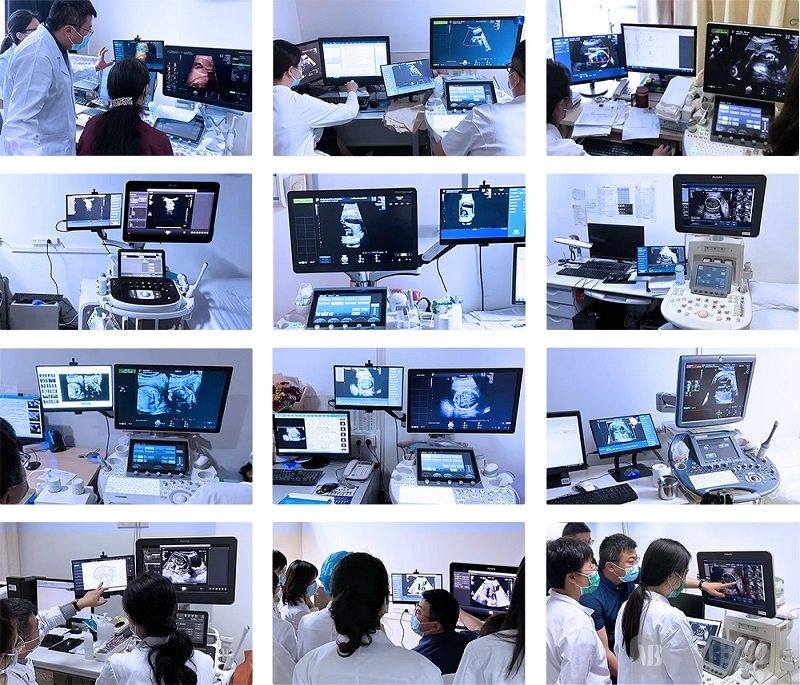
“We currently have no competitors in the market. Our product boasts exceptional strength, enabling us to achieve rapid, comprehensive coverage as always and drive conversion from trial to regular use,” mentioned Wang Nan.
To mitigate the impact of varying image styles across different devices on algorithm performance, AiYun ZhiSheng has conducted image adaptation for nearly all mainstream obstetric and gynecological ultrasound models released over the past 15 years, enabling seamless connectivity with all ultrasound diagnostic systems.
The founder’s professional expertise, rigorous quality control, accurate understanding of user needs, high-quality after-sales service, and the original commitment to helping users resolve issues comprehensively are all driving Ai Yunji’s successful market expansion.
Currently, Ai Yun Ji has completed its Pre-A round of financing. Subsequent funding will be primarily allocated to accelerating R&D and expanding market presence. Wang Nan further pointed out that the company’s short-term development plan focuses on achieving comprehensive coverage of all prenatal ultrasound indications, while its long-term strategy aims to further broaden the application scenarios of its products.
“We have already secured relevant patent protections in overseas markets, and international cooperation is gradually underway. For Aiyunji, we will always remain rooted in China while keeping a global perspective,” said Wang Nan.