

Beyond Hematologic Disorders: Expanding Frontiers in Hematology Research — Vaccines, Gene Editing, AI-Driven Drug Discovery, and Medical Engineering Integration
We all deeply understand the importance of blood vessels and blood. The extensive network of blood vessels is akin to rivers; driven by the heartbeat, blood flows ceaselessly, permeating every part of the body.
Undoubtedly, vascular biology and hematology also play a crucial role in biomedical research. In addition to hematologic disorders such as hemophilia and leukemia,Vaccines, Targeted Therapy, Gene Editing, Innovative Drug R&D...are all areas of focus in vascular medicine and hematology.
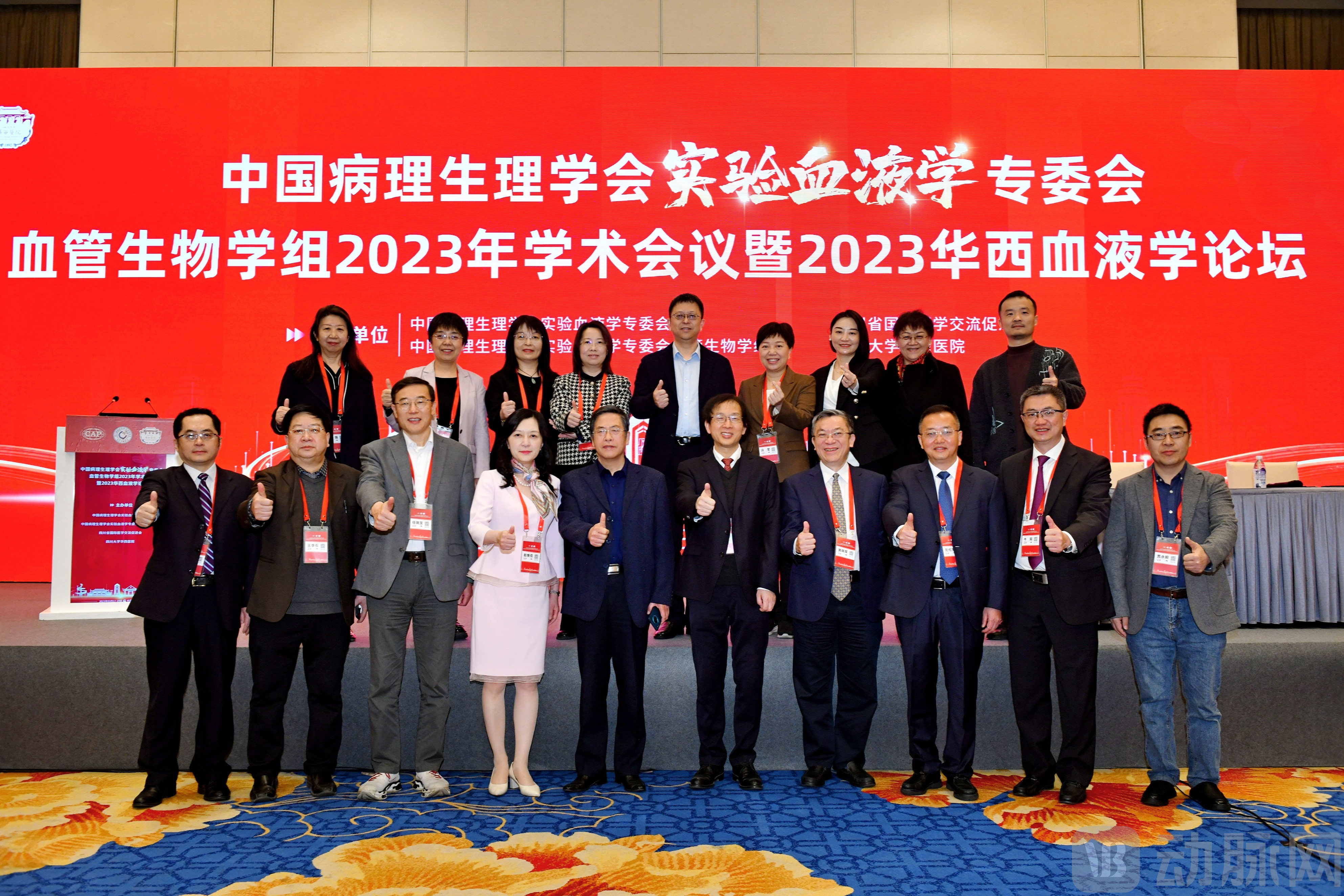
Recently,2023 Academic Conference of the Vascular Biology Group, Experimental Hematology Committee, Chinese Society of Pathophysiology & 2023 West China Hematology Forum(hereinafter referred to as the “Hematology Forum”) was successfully held in Chengdu. At the conference,Academician Wei Yuquan, Professor Zhao Weili, and Professor Niu TingExperts and scholars introduced and discussed the latest advances in vascular biology and hematology, and jointly forecasted future directions for innovation.
From Hematology, Seeing More Possibilities
In the 1980s, leukemia in Japanese and South Korean television dramas almost became a standard element of tragic storylines, and the influence of film and television gradually helped the public begin to understand blood disorders. During that era, leukemia was virtually equated with death.
With the advancement of hematological research, the cure rate for acute lymphoblastic leukemia in some developed countries is now approximately80% ~90%, leukemia is no longer an "incurable disease." Not only for leukemia, but the treatment outcomes for other hematologic disorders such as hemophilia, anemia, and Henoch-Schönlein purpura are also gradually improving, all thanks to advances and innovations in vascular research.
As public awareness of health continues to rise and clinical demand surges, researchers are no longer confined to narrow areas of focus; treating blood disorders is no longer the sole direction for hematology researchers. Currently,Precision Diagnosis, Cell Therapy, New Drug DevelopmentThese topics have become the focus of researchers in hematology and vascular science. After all, as blood circulates throughout the body, the etiology of any disease or its therapeutic approaches cannot be entirely separated from blood-related factors. Therefore, starting from hematology may uncover more avenues for treatment and diagnosis.
New Trends in Vascular Medicine and Hematology: Artificial Intelligence, Medical-Engineering Integration, and Drug Development
This was not the first “Hematology Forum”; as early as 2022, the online “Hematology Forum” had already generated considerable buzz in the academic community. So, what are the key highlights worth watching at the 2023 forum?
In 2022, the "Hematology Forum" primarily focused on topics such as foundational frontiers, precision diagnostics, standardized guidelines, journal forums, and science popularization forums, with numerous new directions added in 2023.
Prior to the conference, Professor Hu Yu from Union Hospital, Tongji Medical College, Huazhong University of Science and Technology / Institute of Hematology stated: “This conference addresses specialized fields such as vaccine development, therapeutic strategies for hematologic diseases, and leukemia, while also covering”Artificial Intelligence, Medical-Engineering Integration, Drug R&Dinterdisciplinary topics across disciplines.”
AI-assisted medicine has become commonplace, with AI already demonstrating remarkable capabilities in medical imaging, target screening, and assisted diagnosis. At the hematology forum, many researchers shared their novel findings achieved through the application of AI technologies in their scientific research.
However, Professor Yang Shengyong from the State Key Laboratory of Biotherapy at Sichuan University believes that traditional AI is not well-suited for new drug development: “I think current traditional artificial intelligence algorithms are not quite suitable for drug design.”
From Professor Yang’s perspective, there are still unresolved challenges for AI in the field of drug design. For instance, drug design often involves small-sample datasets, yet many AI development companies have failed to address the small-sample problem. Furthermore, AI cannot fully capture certain subtle features; however, drug R&D is an extremely meticulous process, where even a minor difference at an oxygen atom interface can alter the overall properties of a drug.
However, Professor Yang did not completely deny the role of AI. For him, AI is merely a tool that can only realize its full potential when utilized effectively by researchers. Therefore, to address the limitations of AI, Professor Yang designed aNovel cRNN Molecular Generation Model——This model integrates strategies such as transfer learning, regularization enhancement, and sampling enhancement. Leveraging these approaches, Professor Yang successfully discovered a RIPK1 kinase inhibitor, with the findings published in a Nature subsidiary journal.
Medicine is a discipline without clear boundaries; in addition to researchers specializing in hematology, scientists from other departments also engage in blood-related research. Meanwhile, the integration of multiple disciplines naturally relies on the synergy between medicine and engineering.
Professor Hu Bing from the Department of Gastroenterology at West China Hospital, Sichuan University, collaborated with Professor Zhang Yi from the Intelligent Medicine Center of Sichuan University to constructAI-Based Quality Control System for Colonoscopy。
With the cross-disciplinary integration of digestive endoscopy and artificial intelligence, deep convolutional neural networks can extract key image features through different network layers and possess significant advantages such as the ability to process large volumes of endoscopic images simultaneously. Professor Hu Bing stated: “This successful and representative example of medical-engineering collaboration aims to enhance the standardization of colonoscopy screening, reduce blind spots in the visual field, and improve the detection rate of lesions such as polyps.”
In addition to Professor Hu Bing, the integration of medicine and engineering is evident in the projects of many researchers. Indeed, as technology advances, the clinical value of interdisciplinary collaboration between medicine and engineering is becoming increasingly prominent, paving the way for a surge of innovative achievements in the future.
At the hematology forum, many researchers presented their breakthroughs and practical advances in new drug development, among which the achievements of Academician Wei Yuquan drew particular attention.
In 2022,Academician Wei Yuquan developed China’s first recombinant protein COVID-19 vaccine produced using insect cells.. The study is based on precision design guided by structural biology, targeting the binding site between the novel coronavirus and human cells. It leverages the large-scale propagation of insect cells in culture medium to introduce the SARS-CoV-2 genes into these cells, thereby producing high-quality recombinant vaccine proteins.
It should be noted that the development of new drugs using insect cell technology is a challenging endeavor globally, which has also opened up new research directions for scientists.
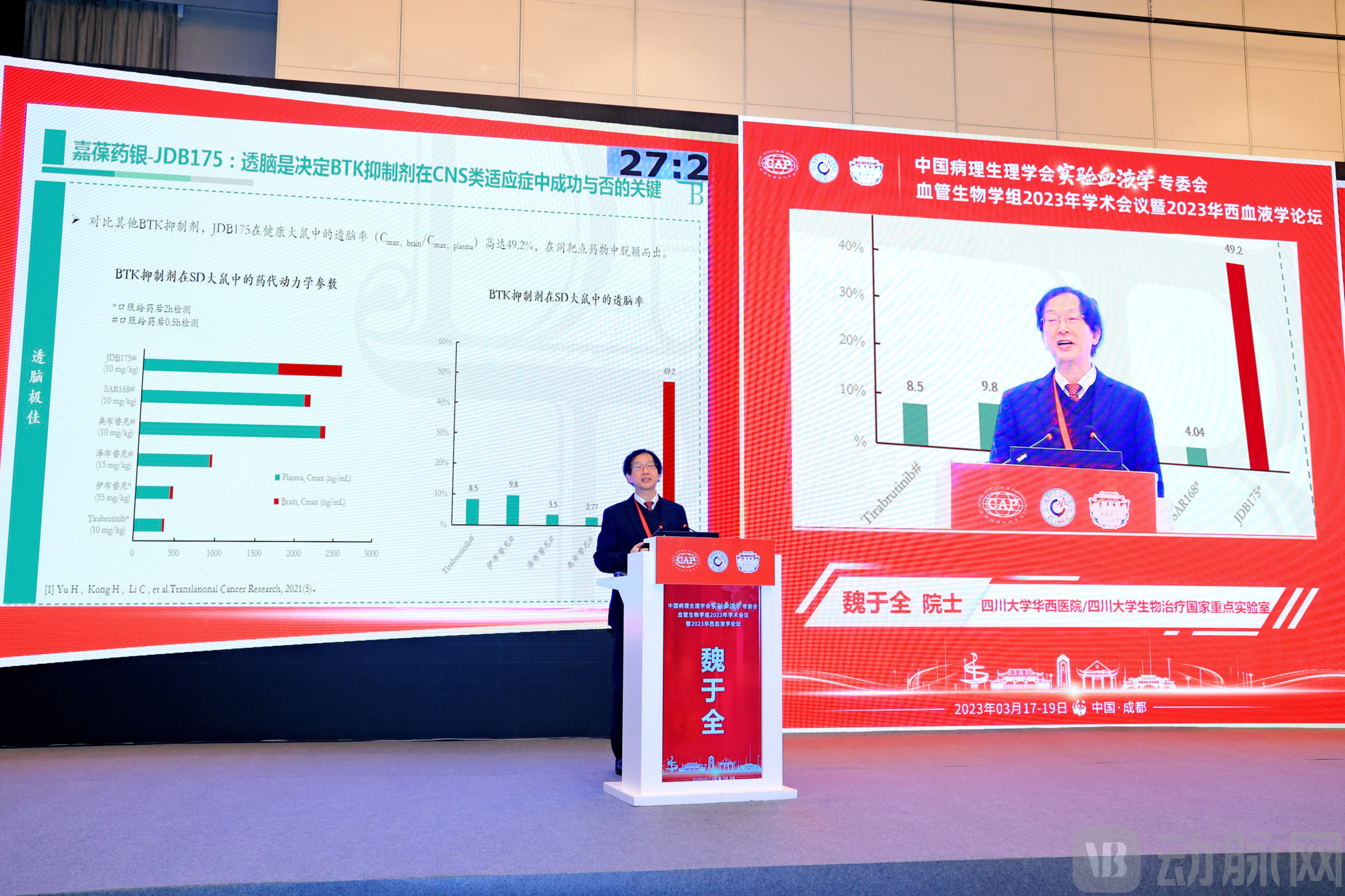
In addition to vaccines, Academician Wei Yuquan also sharedSmall-Molecule Innovative Drugslatest achievements. AsJiabao Medicine & SilverCo-founder, Academician Wei, shared a drug developed by the company with exceptional blood-brain barrier penetration.BTK Inhibitor JDB175Currently, there are no available therapeutic options for patients with relapsed or refractory central nervous system lymphoma in China. The clinical application of existing BTK inhibitors is severely limited due to their generally poor blood-brain barrier penetration. In contrast, JDB175 demonstrates a significant advantage in brain penetration, along with high potency and a favorable safety profile, thereby providing a robust scientific rationale for its clinical development.Promising to Break Through the Treatment Dilemma of Central Nervous System Lymphoma.
Conclusion
“Hematology Forum” has showcased the latest batch of outstanding domestic scientific achievements in this field, along with emerging research directions and trends. Meanwhile, we have observed a growing number of researchers striving to translate their findings into practical applications. Notable examples include Academician Wei, who founded Jiabao Yaoyin to develop innovative drugs, and Professor Zhao Weili, who joined Fosun Kite to launch Axicabtagene Ciloleucel, China’s first CAR-T cell therapy product. Such translation of scientific achievements has become an indispensable and critical step in the research process.
As Zhang Mengfan, Secretary-General of the Sichuan International Medical Exchange Promotion Association, stated: “We should focus on the translation of scientific research achievements,”Only by effectively translating research findings into practical applications can more outstanding scientific achievements truly enter clinical practice.”