

Smith & Nephew Partners with MedMotion to Advance Remote Rehabilitation for Hundreds of Millions of Patients in Orthopaedics and Sports Medicine
On the morning of March 21, 2023,Smith & Nephew Medical Products International Trading (Shanghai) Co., Ltd.(hereinafter referred to as Smith & Nephew) Mr. Hu Hai, Managing Director of Greater China, andShanghai Fudong Medical Management Co., Ltd.Ms. Zhao Qingyi, Founder of Fudong Medical (hereinafter referred to as “Fudong Medical”)Co-signing of Strategic Cooperation AgreementLiu Chongsheng, Secretary-General of the Digital Therapeutics Committee of the China Association for Medical Devices Industry, and Deng Mengjiao, Deputy Director of the Shanghai Artificial Intelligence Industry Association, attended the ceremony.
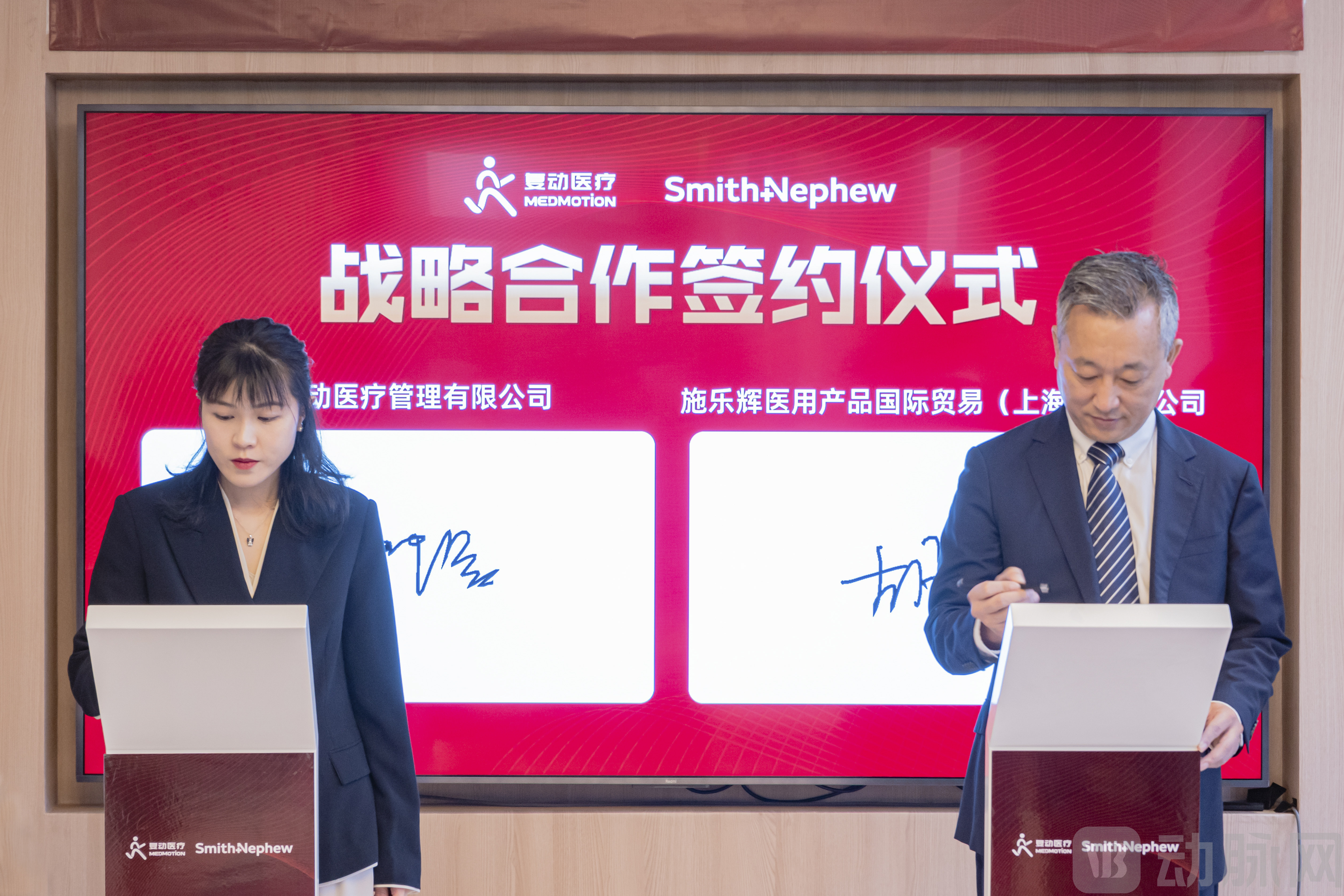
Signing Ceremony
This isSmith & Nephew Enters Strategic Partnership with Chinese Digital Therapeutics Company for the First Time,Both parties will leverage the promotion of Fudong Medical’s digital therapeutics products as an opportunity to accelerate digital innovation and conduct comprehensive exploration within the framework of their collaboration."Preoperative-Intraoperative-Postoperative" Perioperative Management Comprehensive Solution. Both parties aim to build on this collaboration as a cornerstone to advance the “function-first” therapeutic philosophy in sports medicine, facilitate the transition of postoperative rehabilitation standards from experience-based and generalized approaches to digital, precise, and personalized models, promote the establishment of quantitative industry standards, and drive the gradual adoption of AI-enabled remote rehabilitation in sports medicine, thereby better aligning with Smith & Nephew’s strategic direction in digital healthcare innovation.
Riding the wave of digital healthcare innovation and staying true to its original mission of “making life infinitely possible,” Smith & Nephew will join forces with Fudong Medical to provide robust support for the development of integrated treatment solutions spanning “from surgery to rehabilitation.” This collaboration aims to contribute to the Healthy China initiative, enhance the nation’s health standards, and benefit more patients.
Strategic Partnership to Promote the Adoption of Integrated “Surgery-to-Recovery” Care
For many years, the development of orthopedic surgery and orthopedic rehabilitation in China has been highly unbalanced. Orthopedic techniques, particularly surgical advancements, have evolved rapidly and now lead the world; however, there remains a significant gap between China and foreign countries in terms of postoperative functional recovery for patients.
The reasons behind this are as follows:Orthopedic surgery and postoperative rehabilitation are complementary; however, in most hospitals in China, the orthopedics and rehabilitation departments have not yet established a systematic integration.In the postoperative rehabilitation phase, a series of challenges persist, long troubling both clinicians and patients.
From the patient’s perspective, comprehensive treatment encompasses both surgery and postoperative rehabilitation, with neither being dispensable. However, in the current healthcare system, patients often struggle to receive adequate, personalized, and professional rehabilitation guidance due to factors such as staffing shortages.
From the perspective of clinicians, market education on postoperative rehabilitation has long been suboptimal. Many patients fail to receive timely or professional postoperative rehabilitation after surgery, which often results in poor functional recovery.
These pain points also represent the strategic alignment between Smith & Nephew and Fudong Medical, as both parties have recognized the challenges faced by physicians and the needs of patients within the industry.
In recent years, alongside continuous advancements in orthopedic surgery and technology, the industry has increasingly recognized the importance of perioperative rehabilitation. Orthopedic rehabilitation encompasses far more than just postoperative training; preoperative rehabilitation intervention and postoperative functional recovery are equally significant.
It is precisely on this basis that the partnership between Smith & Nephew and Fudong Medical links Smith & Nephew’s strengths in surgical solutions with Fudong Medical’s value in the field of rehabilitation, representing a complementary alliance of two industry leaders.
Mr. Hu Hai, Managing Director of Smith & Nephew Greater China“Surveying the global industrial landscape, the wave of digital innovation is unstoppable, continuously reshaping and driving the development of the healthcare sector. Fudong Medical’s introduction of innovative digital therapeutics represents a rising star in the field of postoperative rehabilitation, aligning seamlessly with Smith & Nephew’s strategic direction for digitalization. Through this forward-looking collaboration that integrates digital healthcare with new artificial intelligence technologies, we aim to better implement Smith & Nephew China’s strategy and direction for digital innovation, thereby further advancing medical innovation in China.”
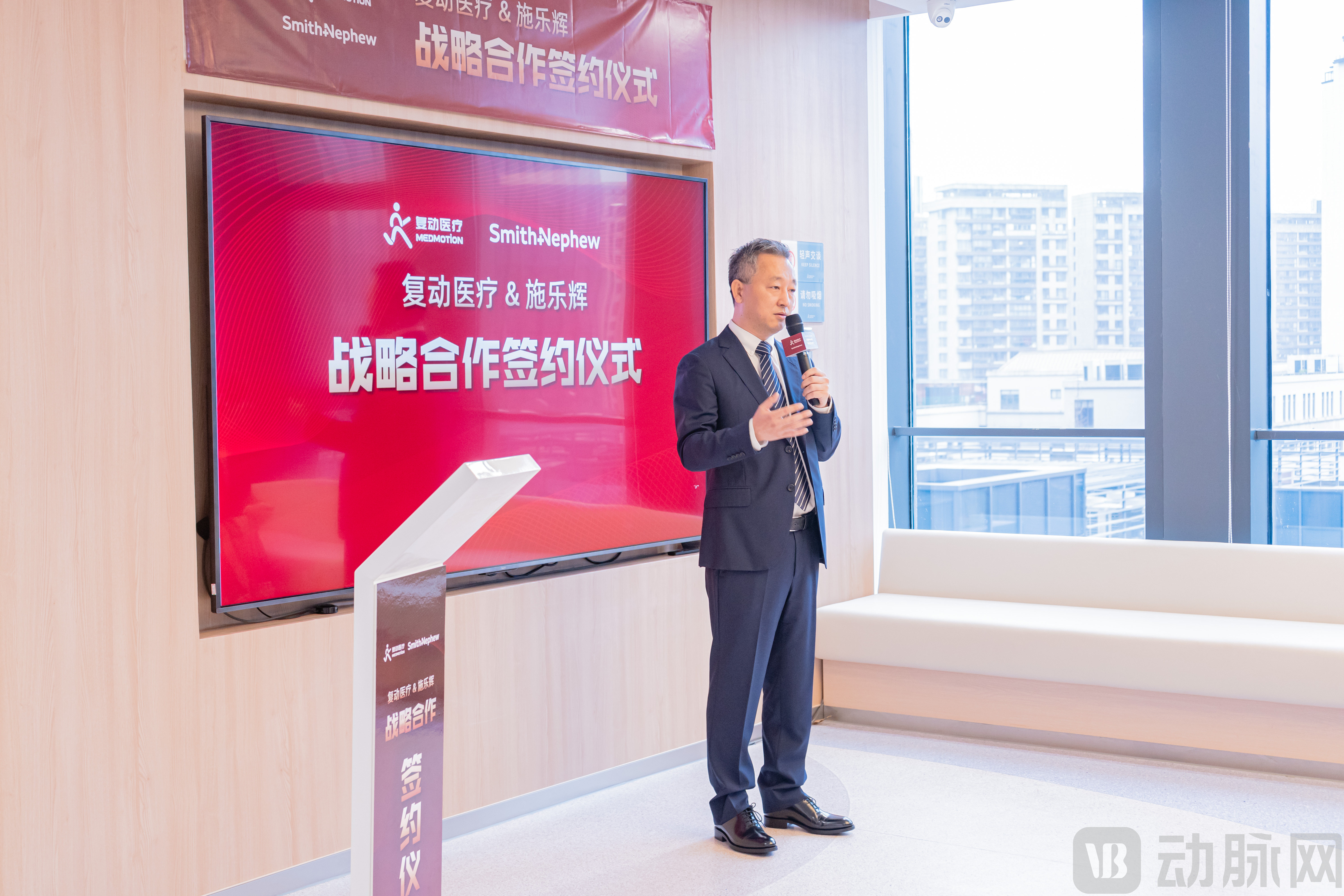
Hu Hai, Managing Director of Smith & Nephew Greater China
Zhao Qingyi, CEO of Fudong MedicalIt was stated that Smith & Nephew is the world’s largest sports medicine device manufacturer, holding a significant market share in the field of sports medicine and possessing a profound understanding of the surgical needs of both physicians and patients. Fudong Medical has long been dedicated to the field of bone and sports medicine rehabilitation, becoming the first company in China to focus on digital therapeutics for musculoskeletal conditions. In terms of complementarity, the collaboration between the two parties integrates specialized surgical and rehabilitation protocols into a comprehensive, integrated sports medicine solution, thereby better serving the broader patient population.
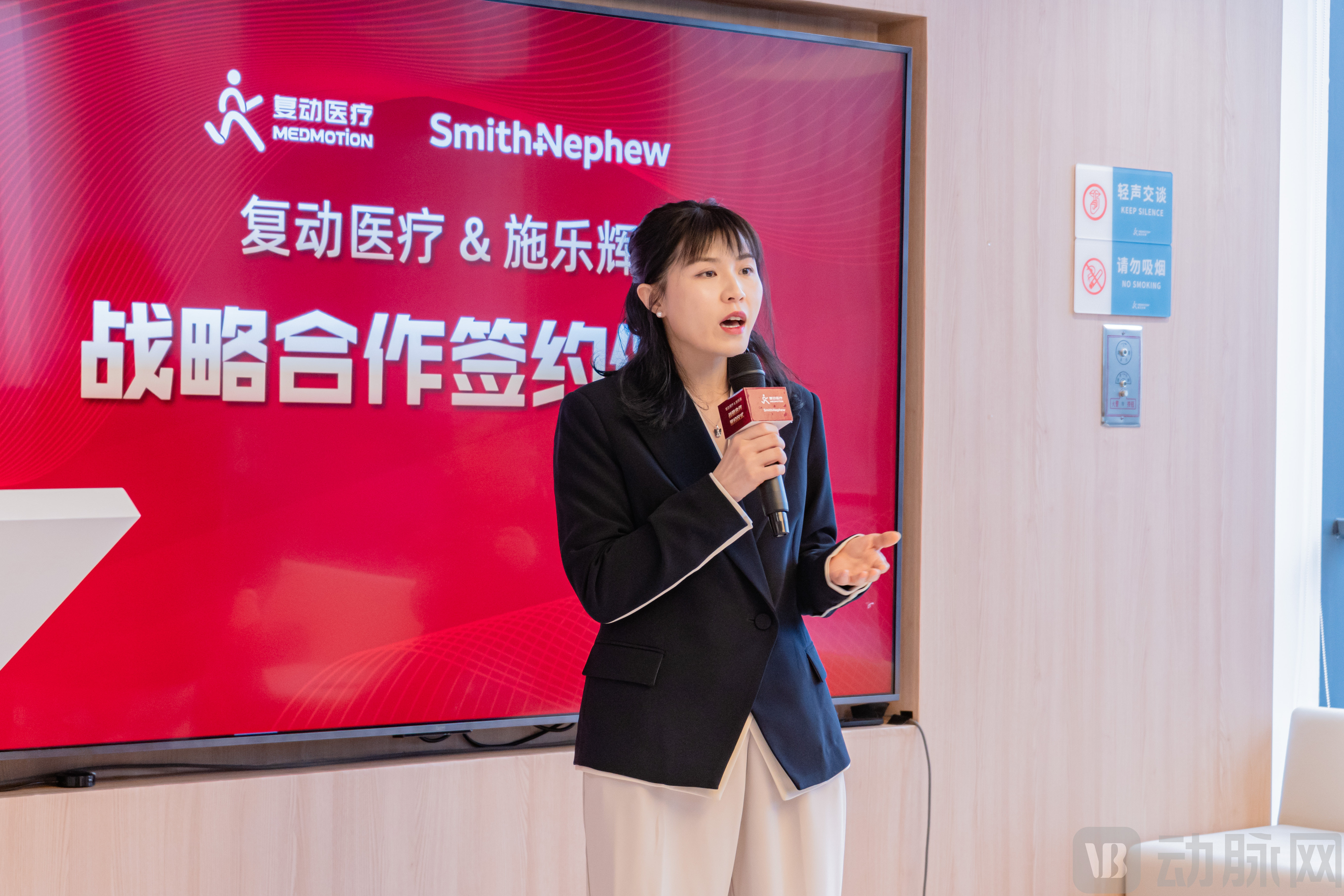
Fudong Medical CEO Zhao Qingyi
Meanwhile, both parties will jointly promote the implementation and clinical application of integrated, digital “surgery-to-rehabilitation” treatments in sports medicine, which will inevitably drive the formulation and promotion of quantitative standards across the entire industry.
Establishing Quantitative Industry Standards to Accelerate the Clinical Implementation of Remote Rehabilitation
Traditional rehabilitation processes rely heavily on the clinical judgment of healthcare professionals, lacking data-driven and quantifiable systemic standards. Consequently, rehabilitation outcomes are highly dependent on the individual expertise of therapists, often resulting in inconsistent quality. The scarcity and uneven distribution of specialized rehabilitation professionals further compromise the standardization and accessibility of rehabilitative care.
VBInsight's "Yue Xing Dong"®Digital therapeutics is a remote rehabilitation solution based on intelligent wearable rehabilitation devices, integrating IMU sensor technology and artificial intelligence algorithms such as MMGT (Multi-Modal Generative Transformer), to provide patients with customized, digital-intelligent postoperative rehabilitation plans. In essence, it transforms the experience-based rehabilitation treatment approaches of medical professionals in traditional settings into clinically applicable standardized metrics, which are then used to design personalized rehabilitation protocols.Transform empirical and generalized postoperative rehabilitation standards into digital, precise, and personalized protocols, and promote the establishment of quantitative industry standards.
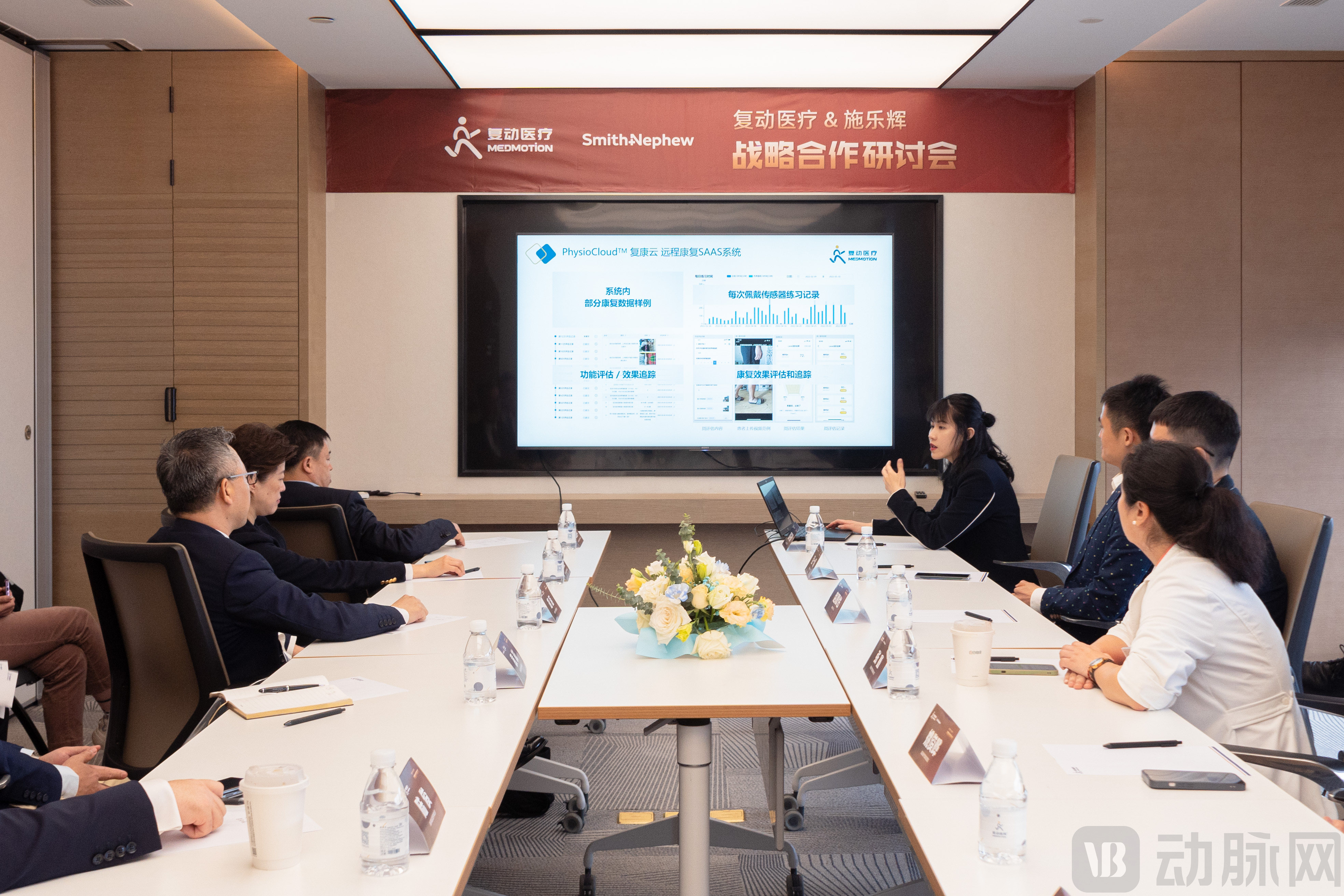
On-site Explanation of Yue Action®Core Functions of Digital Therapeutics
Zhao Qingyi stated that the "Yue Xingdong"®Digital therapeutics, on the one hand, facilitate physicians in tracking postoperative rehabilitation data and integrating big data; on the other hand, they provide patients with customized remote rehabilitation services that are not constrained by geographic location, thereby better improving patient accessibility.This product leverages AI algorithms such as MMGT to intelligently generate customized rehabilitation plans, significantly enhancing therapists’ productivity and addressing the industry-wide challenges of therapist shortages and inconsistent service quality.
For medical professionals such as physicians and rehabilitation therapists, data-driven and standardized rehabilitation services will overcome the limitations of traditional rehabilitation models, including shortages of qualified personnel and restricted service coverage. Remote real-time tracking and recording of patients’ disease progression and rehabilitation data ensure the integrity and continuity of critical information, thereby assisting physicians in delivering more effective clinical care and conducting data-driven research.
For patients, an integrated treatment approach can reduce rehabilitation costs, minimize time commitments, and enhance spatial convenience. It also ensures surgical outcomes, significantly reducing the risk of poor results due to untimely rehabilitation and the need for revision surgeries.
Meanwhile, this marks the first collaboration between Fudong and an international manufacturer in the field of sports medicine, which holds significant importance for Fudong Medical. On one hand,Both parties can achieve resource sharing in areas such as clinical diagnosis and treatment, and academic promotion., enabling Fudong Medical to continuously optimize clinical rehabilitation protocols in response to different surgical procedures and clinical needs, thereby supporting its clinical research and product development. From an industry perspective, this collaboration not only serves as a cornerstone for jointly establishing industry standards and shaping the direction of the sector, but also represents a critical step in accelerating the clinical adoption and implementation of remote rehabilitation products.
Surging Demand for Sports Rehabilitation: A New Growth Engine in the Consumer Healthcare Market
In recent years, against the backdrop of the widespread promotion of national fitness, demand for sports medicine and rehabilitation has continued to rise. According to projections by the General Administration of Sport of China, the number of people regularly engaging in physical exercise is expected to exceed 630 million by 2035. Currently, the incidence rate of sports injuries in China ranges from 10% to 20%. Based on this estimate, approximately 100 million people will require rehabilitation treatment for sports injuries and related conditions in the future.
China’s aging trend has also led to a year-on-year increase in societal demand for exercise rehabilitation services. According to projections by the China Population and Development Research Center, the number of people aged 60 and above in China will reach 321 million by 2025 and may exceed 400 million by 2032. As a primary intervention for limited limb mobility in middle-aged and elderly individuals and for postoperative rehabilitation, exercise rehabilitation is experiencing growing market demand.
Amidst the boundless market potential, the growing contradiction between substantial patient demand and insufficient high-quality medical resources has made it an inevitable trend for digital technologies to empower orthopedics and sports medicine.
In this context, Yue Action®As a new consumer healthcare product, it demonstrates the potential for inclusivity and personalization.
Yue Xingdong, leveraging its self-developed inertial navigation sensors, user-side mobile app, and physician-side SaaS management platform, augmented by artificial intelligence algorithms,®It addresses key challenges in rehabilitation diagnosis and treatment, such as connecting patient-provider data, enabling remote diagnosis and monitoring, providing real-time training feedback, facilitating intelligent assessment and personalized plan formulation, and maintaining comprehensive data records throughout the entire rehabilitation cycle.
This not only connects various stakeholders, including patients, rehabilitation therapists, and physicians, ensuring the flow and feedback of data among different roles, thereby enhancing the accessibility and convenience of medical resources. Meanwhile, leveraging artificial intelligence to empower remote rehabilitation can effectively improve the overall efficiency of rehabilitation therapy and reduce healthcare costs.
More importantly, developing personalized plans centered on the “patient,” providing evidence-based support through massive data and key phase indicators, and enabling timely adjustments via real-time feedback can deliver more personalized and precise rehabilitation treatment solutions for users.
The Digital Wave in Sports Medicine Has Arrived: Win-Win Cooperation Is the General Trend
As the demand for rehabilitation in the bone and sports medicine market continues to grow, new explorations and practices of artificial intelligence and digital technologies in orthopedics are constantly emerging, driving clinical practice gradually toward integration, intelligence, and standardization.
From the perspective of the competitive landscape, international orthopedic giants are also accelerating their digitalization strategies.
In January 2022, Stryker acquired the digital care platform Vocera Communications, making a significant bet on digital healthcare. In August of the same year, Johnson & Johnson MedTech deepened its strategic partnership with Chinese enterprise Changmugu for the third time, accelerating the digital upgrade of orthopedic surgeries. The strategic collaboration between Smith & Nephew and Fudong Medical also marks a key step in Smith & Nephew’s establishment of a localized digital innovation ecosystem in China.
The Digital Wave in Orthopedics and Sports Medicine Is Surging Forward,Win-win collaboration between leading multinational corporations and local innovative digital therapeutics companies has become a major trend in the industry.
On one hand, multinational corporations can fully leverage their professional expertise, resource advantages, and extensive commercialization channels. On the other hand, innovative enterprises are accelerating the research and development of digital diagnostic and therapeutic innovations by continuously updating digital technologies such as big data, artificial intelligence, and machine learning. In providing digital solutions, they are constantly expanding the boundaries of healthcare services.
Building on this collaboration, Smith & Nephew and Fudong Medical will jointly explore opportunities in clinical diagnosis and treatment, academic promotion, and the establishment of industry standards to address challenges facing the sector. By leveraging the technological expertise of an international industry leader and the innovative vitality of a digital health enterprise, we aim to deliver smarter, more personalized, integrated digital diagnostic and therapeutic solutions for the industry, healthcare professionals, and patients.
About Smith & Nephew
Smith & Nephew is a diversified medical technology company focused on the repair, regeneration, and replacement of soft tissue and bone. By leveraging advanced technologies to restore patients’ bodies and confidence, we help remove limitations in their daily lives. Our mission is to unlock life’s limitless potential. Every day, our more than 19,000 employees fulfill this mission by delivering an exceptional portfolio of products and pioneering new technologies across our three global business units—Orthopaedics, Advanced Wound Management, and Sports Medicine & ENT—thereby transforming patients’ lives.
Smith & Nephew was founded in 1856 in Hull, UK, and its business spans more than 100 countries worldwide, with annual sales reaching $5.2 billion in 2022. Smith & Nephew is a constituent of the FTSE 100 (London Stock Exchange: SN; New York Stock Exchange: SNN). Unless the context otherwise requires, “Group” and “Smith & Nephew” refer to Smith & Nephew plc and its consolidated subsidiaries.
For more information about Smith & Nephew, please visit www.smith-nephew.com and follow us on WeChat Official Account, Twitter, LinkedIn, Instagram, or Facebook.
About Fudong Medical
Shanghai Fudong Medical Management Co., Ltd., established in 2018, is a healthcare innovation enterprise specializing in musculoskeletal rehabilitation and orthopedics and sports medicine. Fudong Medical is recognized as a National High-Tech Enterprise, serves as an Executive Committee Member of the Sports Medicine Branch of the Non-Public Medical Association, and holds the position of Vice Chairman of the Digital Therapeutics Branch of the Medical Device Industry Association. The company is committed to integrating home and clinical settings through artificial intelligence and digital-intelligent technologies, providing online-to-offline integrated non-surgical treatments for orthopedic and sports medicine conditions to patients with musculoskeletal disorders. It has secured nearly RMB 100 million in equity investment from Taifu Capital and Qiming Venture Partners.
The First Yue Xingdong®The remote rehabilitation product obtained a Class II medical device certificate in June 2022. Leveraging the Multi-Modal Generative Transformer (MMGT) artificial intelligence algorithm, this product provides accessible and personalized treatment options for musculoskeletal patients across China. Yue Xingdong®Have served hundreds of clinical patients at Peking Union Medical College Hospital, Huashan Hospital Affiliated to Fudan University, the Sixth People’s Hospital Affiliated to Shanghai Jiao Tong University School of Medicine, and Hainan Hospital Affiliated to Hainan Medical University; multiple subsequent product pipelines are currently in clinical testing phases.
Meanwhile, Fudong has established the Shanghai Fuyue Rehabilitation Medicine Clinic and the Shanghai Fuyu Rehabilitation Medical Center, implementing multi-scenario integrated medical services based on tele-rehabilitation, which have served nearly 70,000 patient visits. The medical centers in Beijing and Haikou are scheduled to commence operations within 2023.
For more information about MedMotion, please visit www.medmotion.cn or follow the WeChat Official Accounts “MedMotion Musculoskeletal” and “Joyful Action: Bone & Sports Medicine Rehabilitation.”