

Langye Medical Leverages AI-Powered Respiratory Disease Prevention-Treatment-Management-Research Data Engine to Tap into a Billion-Dollar Market
Chronic respiratory diseases, cardiovascular and cerebrovascular diseases, diabetes, and malignant tumors are collectively recognized as the four major chronic diseases globally. However, public awareness and the status of prevention and treatment for chronic respiratory diseases lag significantly behind the other three. Accelerated by the pandemic, the prevention and control of respiratory diseases have entered a period of rapid development. Nevertheless, given the scarcity of medical resources in China, traditional medical approaches cannot fully meet clinical demands, making AI an emerging “breakthrough solution.”
As a new company established in 2021,Langye Medical has targeted the vertical field of respiratory diseases. Leveraging a data engine for “prevention, diagnosis, management, and research” in clinical respiratory specialties, it provides services—including clinical research, data governance, and patient follow-up—to clinical specialties, research institutions, and pharmaceutical and medical device companies. In the process, Langye continuously identifies unmet needs in the “prevention, diagnosis, management, and research” of respiratory diseases, developing a product pipeline that encompasses digital platforms for clinical research, patient follow-up platforms, digital therapeutics, and computer-aided disease diagnosis.
To use a common analogy, in the field of respiratory diseases, Langye Medical has planted a large tree first. The data engine for the "prevention, treatment, management, and research" of chronic respiratory conditions serves as the roots of this tree. These roots continuously absorb nutrients from data, thereby nurturing and incubating Langye Medical’s subsequent product pipeline.
The “Prevention, Treatment, Management, and Research” Data Engine for Chronic Respiratory Diseases integrates multiple specialized clinical systems, including Clinical Pathway Management, Patient Home Care Management, Structured Case Analysis, Digital Research Project Tracking, Electronic Data Capture (EDC) Systems, and Intelligent electronic Case Report Form (eCRF) Systems. By leveraging algorithms to capture and analyze data touchpoints and build predictive models, the engine supports various types of clinical studies, such as Randomized Controlled Trials (RCTs), Real-World Studies (RWS), and new drug development. The company’s systems are fully compatible with external interfaces, enabling secure connectivity and data sharing across multi-source data systems (HIS, LIS, PACS, EMRs) and multiple data centers.
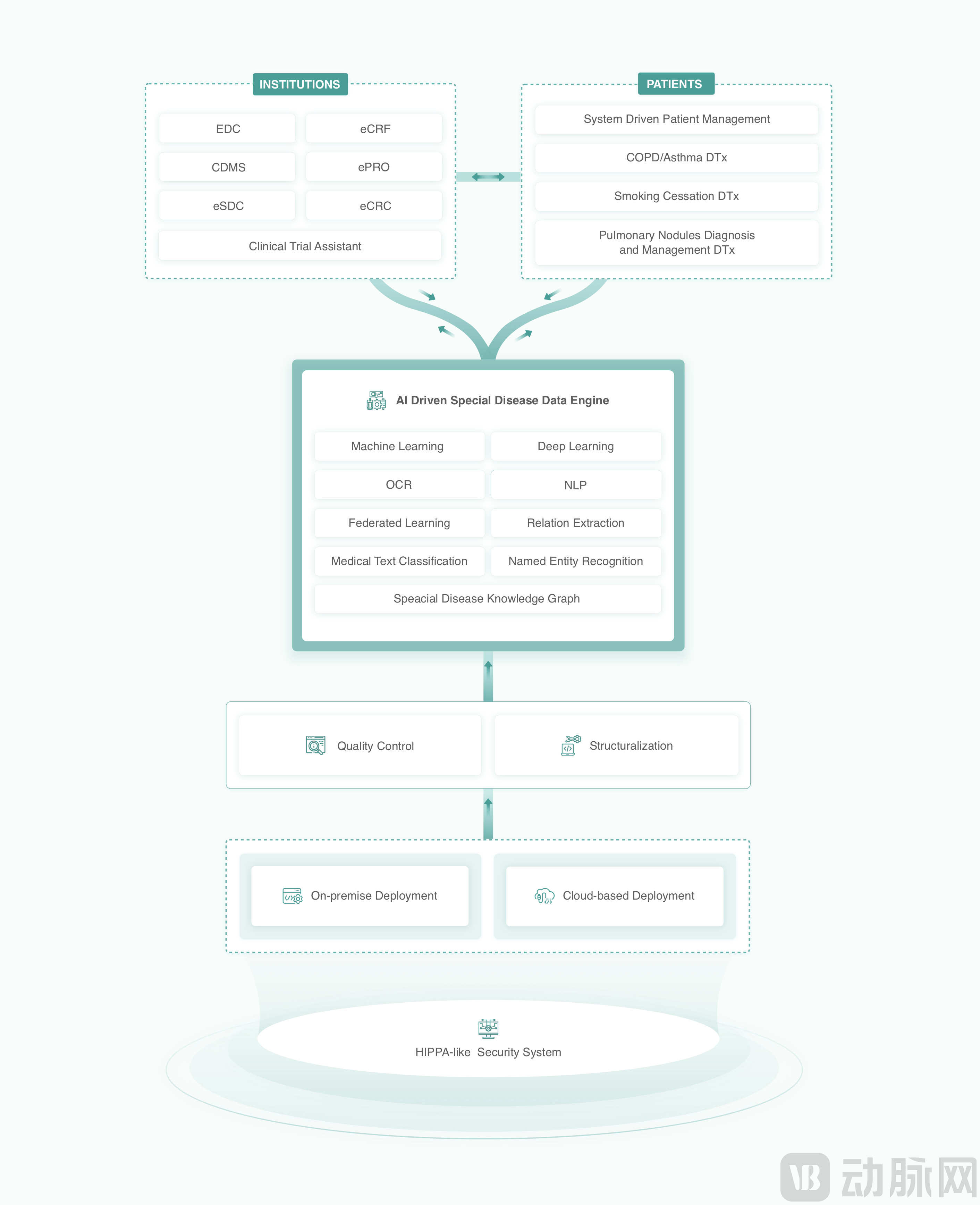 Prevention, Treatment, Management, and Research Data Engine
This engine not only provides clinicians, research experts, and pharmaceutical companies with comprehensive services such as follow-up tracking, intelligent interventions, rehabilitation management, and vital signs monitoring, but also enables more refined patient management and fully unlocks the value of clinical data. Furthermore, it offers patients an integrated, full-course chronic disease management system centered on a closed loop of “disease prevention, treatment, and out-of-hospital management,” thereby enhancing the effectiveness of disease control and management.
It is no easy task to build such a data engine,Requires the support of technologies such as machine learning, deep learning, and natural language processing to establish extensive, specialized vertical databases and evidence-based medicine knowledge bases.In respiratory specialty departments, clinical data are often dispersed across various centers. Given that medical data are encrypted and de-identified, data platforms must be leveraged to process massive volumes of isolated, clinical-grade data to establish specialty-specific databases.
Langye Medical also employs large language models (LLMs) based on the Transformer architecture. However, their application in the vertical medical sector must account for prohibitive computational costs—full training requires 1,024 A100 GPUs running for 33 days, while a single query relies on the support of five A100 GPUs. Therefore, from a cost-efficiency perspective, it is essential to distill and simplify core data models. By maintaining precision while sacrificing certain non-essential user experience features, truly inclusive healthcare can be achieved.
Longye Medical’s data engine itself holds B2B commercial value and has been deployed in the respiratory departments of over 150 public Grade-A tertiary hospitals, providing functionalities for chronic disease management and clinical trials. Meanwhile, Longye Medical has established commercial collaborations with several renowned pharmaceutical companies both domestically and internationally. Furthermore, the company is jointly building R&D centers or co-developing products with institutions such as the Zhejiang University Center for Medical Artificial Intelligence, the Laboratory for Single-Cell and Single-Molecule Protein Dynamics Research, and the Institute of Respiratory Diseases.
The prevention, management, treatment, and research of chronic respiratory diseases primarily focus on major conditions such as chronic obstructive pulmonary disease (COPD), asthma, and pulmonary nodules. The key priorities and challenges lie in early screening and long-term disease management, with data being the critical factor. Leveraging its data engine, Longye Medical possesses inherent advantages, aiming to promote early screening and long-term management of respiratory diseases through digital technologies. Currently, the two core products under focused development by Longye Medical areHigh-Precision Risk Warning and Diagnosis-Treatment Decision System for Pulmonary Nodules Based on Multi-Omics and Artificial IntelligenceandDigital Therapeutics System for Smoking Cessation。
High-Precision Risk Warning and Diagnosis-Treatment Decision System for Pulmonary Nodules Based on Multi-Omics and Artificial Intelligence
Early-stage lung cancer often presents as small pulmonary nodules, yet not all such nodules are malignant. Currently, there is a lack of accurate methods for differentiating between benign and malignant small pulmonary nodules, frequently leading to missed diagnoses or overtreatment in clinical practice. Patients require close monitoring and long-term follow-up, imposing a substantial burden on both their psychological well-being and healthcare resources.
Reducing the false-positive rate in pulmonary nodule screening, improving the accuracy of malignant nodule identification, and optimizing the timing of intervention for malignant pulmonary nodules are key to enhancing lung cancer treatment outcomes and avoiding overtreatment. Langye Medical has partnered with Zhejiang University School of Medicine to jointly develop a risk warning and diagnostic-therapeutic decision-making system for pulmonary nodules based on multi-omics and artificial intelligence.
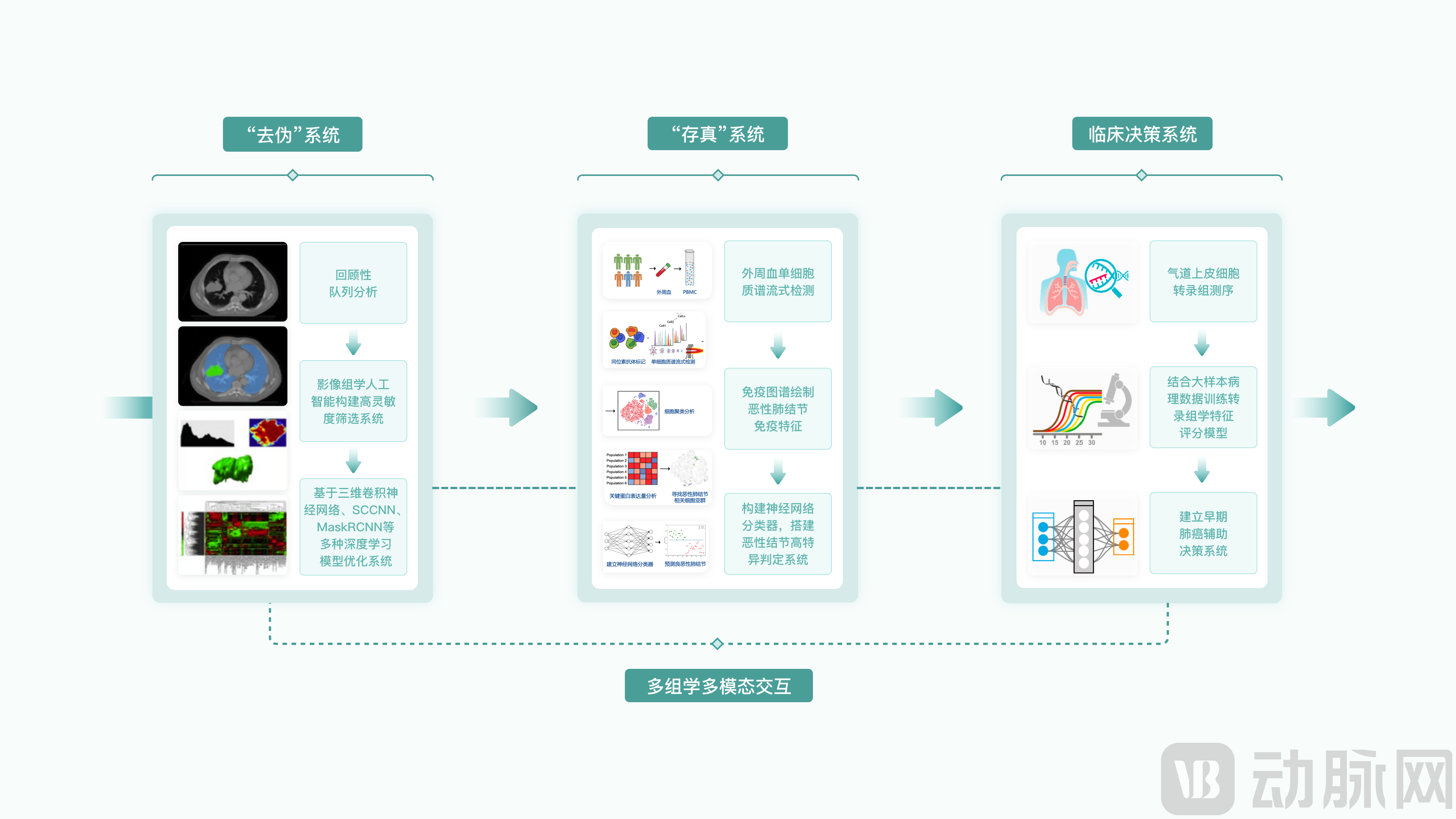
High-Precision Risk Warning and Diagnostic-Treatment Decision System for Pulmonary Nodules Based on Multi-Omics and Artificial Intelligence
The platform is subdivided into three systems. The "False Positive Reduction" system leverages radiomics-based AI screening to lower the false-positive rate of pulmonary nodules. The "True Positive Enhancement" system improves the detection rate of malignant nodules. The "Clinical Decision Support" system performs gene sequencing on patients' airway epithelial cells; samples can be obtained via a gentle brush biopsy of the airway epithelium during fiberoptic bronchoscopy, yielding diagnostic results for early-stage lung cancer. This testing method is independent of the size, number, or type of pulmonary nodules and offers the advantages of being minimally invasive and highly stable.
Jack, founder of Langye Medical, stated: “Our platform provides clear-cut decision support: either patients can rest assured without any intervention for a year, or immediate intervention is required to manage the progression of pulmonary nodules, thereby offering greater peace of mind to both physicians and patients.”In over 300 clinical trial cases, a sensitivity of 96% and a specificity of 81% were achieved.“The project has received tens of millions in research funding support from the provincial government.”
QuitIt Digital Therapeutics for Smoking Cessation
Smoking is a causative factor for multiple respiratory diseases. Respiratory specialists frequently issue medical advice to quit or control smoking; however, patients often fail to adhere to these recommendations in out-of-hospital settings. From the perspective of long-term disease management, Langye Medical, in collaboration with the Chinese Society of Tobacco Medicine, has jointly developed the digital therapeutic solution “QuitIt.” The comprehensive system integrates rigorous clinical pathways—including exhaled breath analysis, assessment of nicotine biological dependence, biomarker testing, medication guidance for alleviating withdrawal symptoms, and expert clinical intervention for adverse reactions associated with comorbidities—alongside a psychological intervention framework.
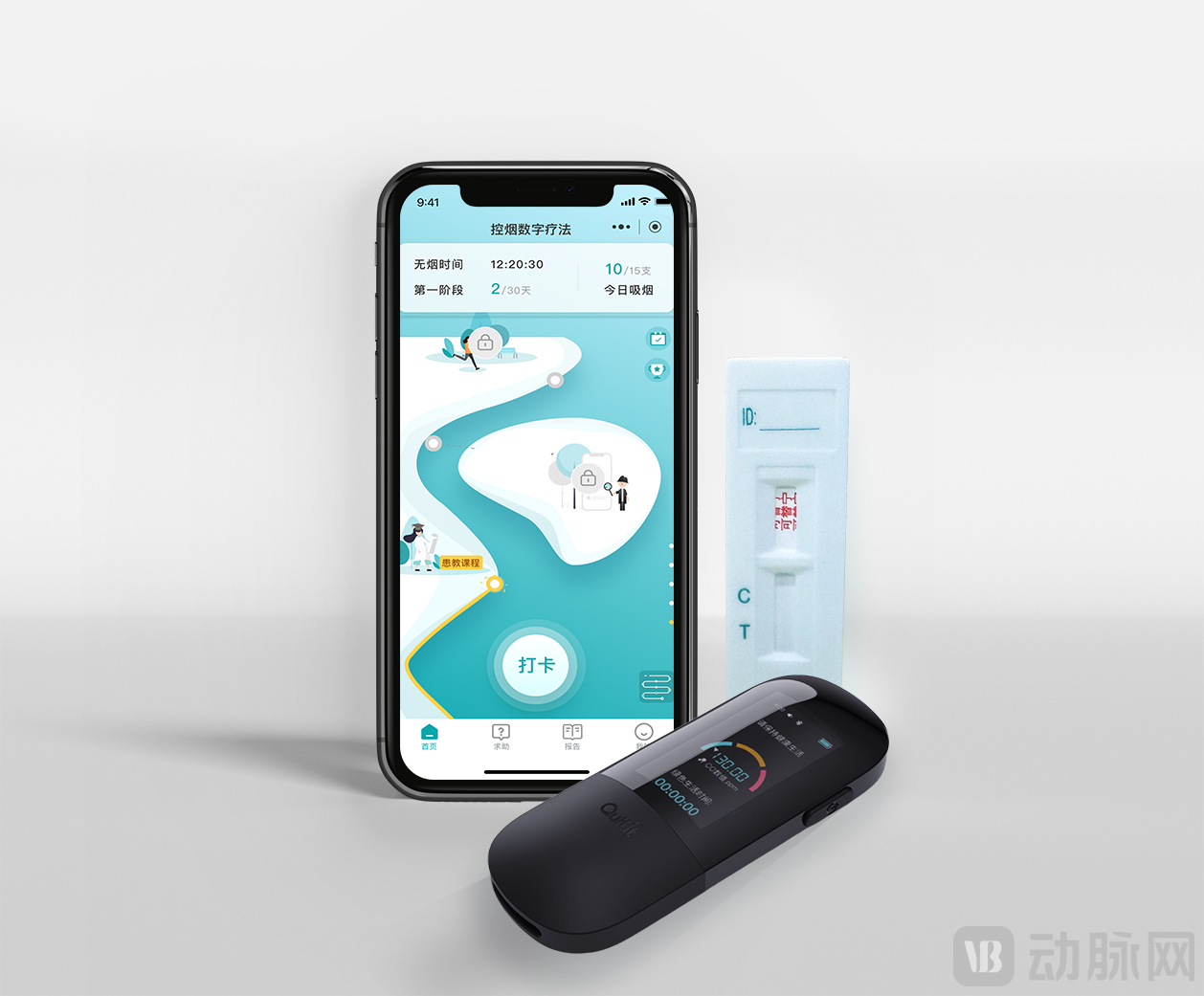 QuitIt: A Digital Therapeutic for Smoking Cessation
QuitIt targets individuals with underlying medical conditions who have received clinical advice from physicians to quit or control smoking. Unlike smoking cessation driven by personal willingness, smoking control in this population is deemed medically necessary.The system takes disease as its starting point and ultimately aims at disease control and management.
Beyond the Pulmonary Nodule Risk Warning and Diagnosis & Treatment Decision Support System and QuitIt, Longye Medical’s respiratory pipeline includes multiple products under development. Built upon its data engine, the company’s product portfolio demonstrates strong scalability and specialized depth in niche areas.
Digital healthcare in the field of respiratory diseases is a profound and specialized endeavor. During the interview, Jack mentioned that establishing a specialized, personalized infrastructure hinges on a robust knowledge system, a comprehensive disease map, and sufficient vertical expertise. So why is Langye Medical, a startup, capable of undertaking this task, and what kind of team stands behind the company?
Langye Medical’s R&D team brings together talent with diverse, interdisciplinary backgrounds from both China and abroad, spanning expertise in clinical medicine, artificial intelligence, and biomedicine. Team members hail from prestigious institutions and companies such as NVIDIA, Johns Hopkins University, Pfizer, and Stanford University. Moreover, most team members have many years of in-depth experience in the clinical research and product commercialization of respiratory diseases, possessing profound disease insights and industrialization expertise.
Company founder Jack has also been continuously accumulating expertise through cross-disciplinary endeavors. He conducted research in machine learning and quantitative modeling at the University of California, Berkeley, and the Massachusetts Institute of Technology. After several years on Wall Street, he co-founded an oncology NGS company in Boston in 2014, where he oversaw clinical trial operations. Upon returning to China, he spent many years immersed in private equity (PE) and venture capital (VC) investments in healthcare technology, and has published papers in renowned international medical journals. In essence, he embodies a unique blend of Boston’s biotechnology prowess, Silicon Valley’s technological innovation, and China’s localized sensibilities.
Meanwhile, in its integrated industry-academia-research collaborations, Langye Medical has joined forces with leading clinicians and research experts in respiratory diseases from both China and abroad, as well as algorithm engineers and bioinformaticians, to jointly promote the convergence of software/hardware engineering with biomedicine. The data platform has also become the “anchor” of this collaborative ecosystem, truly connecting all stakeholders.
In the future, Langye Medical will sequentially initiate clinical validation for its multiple existing pipelines while continuously developing new products based on its data engine. Leveraging its data samples and research expertise, the company can conduct in-depth studies on specific stages of disease progression, as well as transcend traditional research boundaries to develop products and drive industrialization, simultaneously expanding into both B2B and B2C markets.