

West China Medical Robotics Institute: Accelerating Innovation through Industry-Education Integration and Clinically Driven R&D
In the medical field, characterized by substantial clinical and industrial demands, a new wave of innovation is unfolding.
Within the industry, practitioners are continuously strengthening their ties and collaboration with research institutes and medical institutions, striving to explore greater possibilities for medical innovation. Moreover, a growing number of scientists, professors, and physicians are moving into the industrial sector to facilitate the commercialization of innovative technologies, thereby bridging the gap between cutting-edge theories and clinical needs.
Nevertheless, challenges persist. Throughout the innovation process—from strategic direction and technological validation to market commercialization—each stage presents a formidable test for market entrants. As numerous scientific and technological innovation projects move beyond the laboratory phase and begin to take root in cities with concentrated industrial clusters, how to effectively bridge the academic innovation chain with the industrial innovation chain, rapidly secure talent, markets, and resources, while simultaneously mitigating the substantial risks inherent in innovation, remains an unavoidable issue.
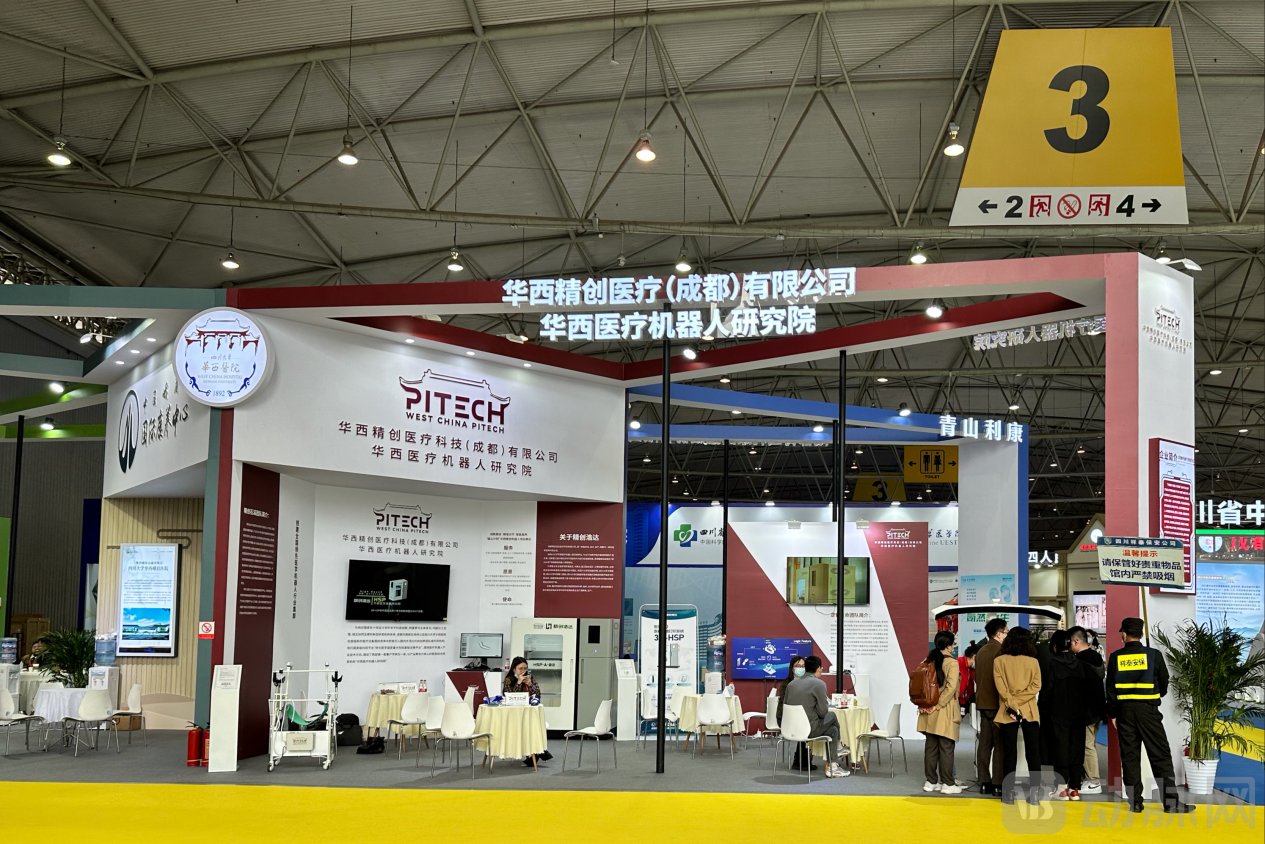
On March 16, the “10th Sichuan International Health Industry Expo” brought together numerous public medical institutions in Sichuan, selected key private healthcare platforms, and health management platforms to showcase their innovative services and technologies. Among them was Huaxi Jingchuang Medical Technology (Chengdu) Co., Ltd.—the West China Medical Robot Research Institute (hereinafter referred to as the “Research Institute”).As one of the first new-type comprehensive R&D institutions in Western China to integrate industry and education, with industrial incubation at its core, and as the industrial representative of West China Hospital, Sichuan UniversityParticularly impressive.
Upon entering its booth, one can see the achievements made by the research institute relying on the development model of “integration of medicine and engineering” and “integration of industry and education,” includingSmart 3D Medical High-Speed Printing System (3D-HSP), Neuro-Visualization Spinal Minimally Invasive Surgical Robot Navigation System, Intelligent TCM Tongue Diagnosis Device, Helium M1 Cloud (Cloud-IoT Hand Rehabilitation Robot), and Rehabilitation Robotsamong other substantial achievements.
It is worth mentioning that,Huaxi Medical Robot Institute achieved the above results in almost just one year., the project has progressed rapidly.
Currently, China’s supply side still faces the reality that 90% of clinical practice guidelines and high-end medical equipment, as well as over 90% of original drugs and pharmaceutical standards, originate from abroad, with innovations truly meeting China’s public health needs being extremely scarce.
The healthcare industry is particularly in need of establishing a framework that takes meeting the public's health needs as both its starting point and ultimate goal,Covering the full-chain innovation encompassing basic scientific research, technological breakthroughs, translation of research findings, project cultivation, enterprise incubation, promotion and application, industry development, and economic services,to ultimately achieve full-lifecycle health protection, spanning prevention, treatment, and health management.
“Integration of industry and education,” along with industrial incubation, undoubtedly serve as “excellent vehicles” for achieving this outcome. By infusing scientific research capabilities and innovative vitality, combined with in-depth observation of clinical needs, it is possible to further expand the application scope of partner enterprises’ products and enhance their product innovativeness. This also empowers companies with core technological competitiveness, thereby ensuring their sustained and stable development.
With the introduction of national policies and strategies such as the Innovation-Driven Development Strategy and the Healthy China Initiative, and with the accelerating pace of integration between industry and education, two years agoChengdu High-Tech Zone Releases the "Minshan Action" Plan, by actively introducing top domestic and international sci-tech innovation teams or research institutions, to build a new-type R&D institution system featuring diverse participants, rational internal division of labor, and mutual synergy and support, thereby exploring new pathways for the transformation of scientific and technological achievements.“West China Medical Robot Research Institute”isOne of the first new-type R&D institutions established by the Chengdu High-Tech Zone Government and West China Hospital of Sichuan University, focusing on "integration of industry and education" and industrial incubation.
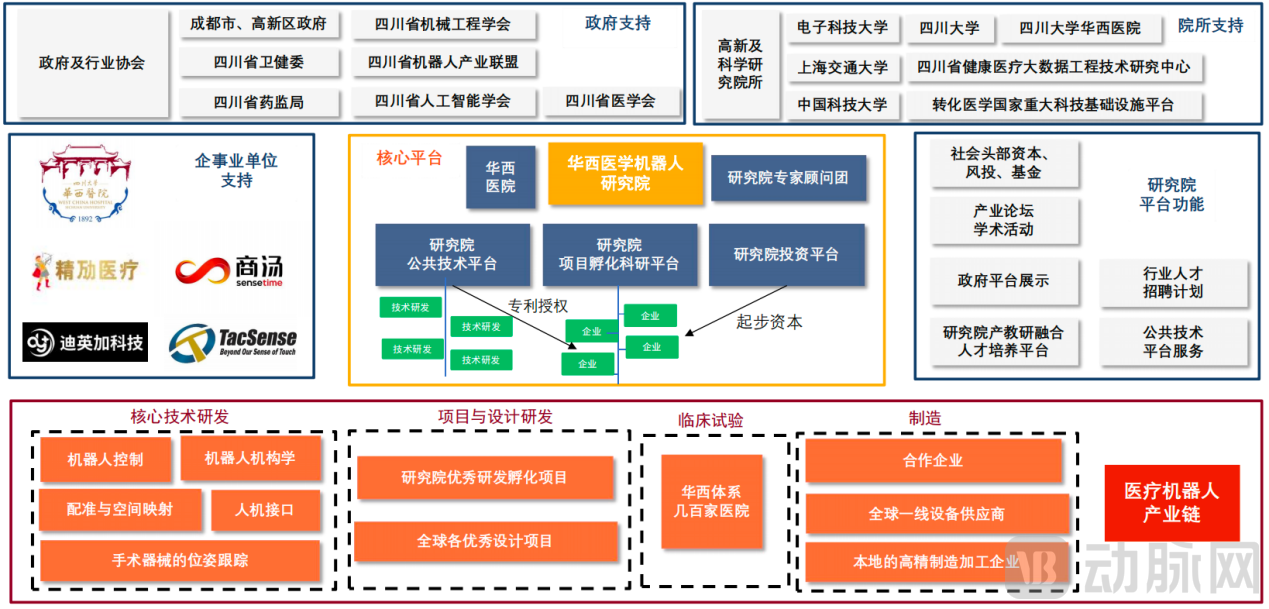
The Institute’s core platforms include West China Hospital, the Institute’s Expert Advisory Board, the Institute’s Public Technology Platform, the Institute’s Project Incubation and Research Platform, and the Institute’s Investment Platform. Radiating outward from these core platforms, the Institute is able to fully connect with resources from government bodies and industry associations, universities and research institutes, as well as enterprises and public institutions, engaging in deep collaboration with them to cultivate interdisciplinary talent across multiple fields.Forming resource and competency complementarity underpinned by “medical-engineering integration” and “industry-education integration”。
Building on this foundation, the Research Institute canRapidly respond to the full-chain innovation needs of innovative projects, from core technology R&D, project and design R&D, and clinical trials to manufacturing.It also possesses greater fault tolerance and risk resistance.
Furthermore, the Institute has drawn extensively on the successful experience of industry-education integration in the United States, and, by aligning domestic institutions’ talent development models with the practical needs of enterprises, has jointly established aAn innovative talent development system integrating industry and education, establishing a multidisciplinary and cross-sectoral mechanism for talent cultivation. To build a national high-end talent training base for the medical robotics industry and an internationally renowned, domestically leading platform integrating core production, education, and research in medical robotics, thereby addressing the current insufficiency in medical innovation and translation capabilities within Chinese universities.
Adopting this interdisciplinary, inter-institutional operational model and talent development mechanism undoubtedly reflects the recognition of the inseparable relationship among three organizational units—education and teaching, technological innovation, and technology transfer—in the successful translation of scientific research achievements. On one hand, education and teaching can provide support for technology transfer. On the other hand, successful technology transfer projects can be incorporated into educational and teaching activities, thereby further enhancing institutional innovation capacity and conversion rates.
It is understood that the research institute has currently gathered talents such as Li Kang, Gu Lixu, Pan Tingrui, and Sun Miao. With the support of its core team, the institute plansEstablish a Complete Medical Robotics Industrial Ecosystem and Supply Chain in Western China, through hospital-local government and hospital-enterprise collaborations, integration of industry, education, medicine, and engineering, and rapid technology transfer, we have incubated a portfolio of companies to lead innovative research, technological translation, and industrial development in medical robotics in China. This initiative aims to meet the strategic needs of China’s diagnostic, therapeutic, and rehabilitative technologies and the medical device equipment industry, while simultaneously catching up with and surpassing advanced international standards in medical robotics.
Li Kang, Chairman of the West China Medical Robotics InstituteResearcher at West China Hospital, Sichuan University; Deputy Dean of Research at the University of Pittsburgh Institute, Sichuan University; Director of the Joint Laboratory of West China Hospital and SenseTime; and Academic and Technical Leader of the Sichuan Provincial Health Commission.At the inception of the institute, Li Kang precisely identified medical robotics as its core technological focus.
Li Kang believes that medical innovations centered on technologies such as AI, big data, and robotics are accelerating their penetration into numerous high-value scenarios within the healthcare and wellness sector. In the future, medical robots will be deployed in a broader range of clinical settings, becoming a new driving force reshaping healthcare business models.
Based on this assessment, the Research Institute has focused on the technological direction of the surgical robot industry and actively integrated the entire upstream and downstream industrial chain to establishSix Major Public Technology Platforms: Machine Perception and Medical Wearables, Finite Element Analysis, Human-Computer Interaction, Surgical Navigation and Medical AI, Industrial Design, and Robotic Mechatronic Systems.
Among them,Machine Perception and Medical Wearable PlatformApplicable in scenarios such as wearable machine perception for neural monitoring, wearable machine perception for intensive care, haptic machine perception for minimally invasive surgery, and wearable machine perception for rehabilitative prosthetics;Finite Element Analysis PlatformIt can be applied in neurosurgery, dentistry, orthopedic biomechanics, and medical assistive devices, among other areas. By digitally simulating various surgical procedures across medical specialties, it provides a reference basis for the design of medical instruments.Human-Machine Interaction PlatformIt can enhance human-robot collaboration and improve user experience;Surgical Navigation and Medical AI Public Technology PlatformThis enables the automatic reconstruction of 3D models of medical organs from medical imaging data such as CT and MRI, and facilitates surgical path planning based on the constructed models;
Additionally,Industrial Design PlatformFor the most common products among medical devices used in surgery, rehabilitation, and nursing, industrial design can balance functional and human-centered requirements to develop user-friendly solutions.Robotic Mechatronic System PlatformOptimize the overall performance of surgical robots based on the kinematics of their characteristic skeletons and actuators.
The platform established by the research institute covers nearly the entire lifecycle of medical robot development, manufacturing, and commercial deployment, spanning multiple specialties including neurosurgery, dentistry, orthopedics, and rehabilitation., better meeting the incubation needs of scientific research and innovation projects.
Relying on the platform, the research institute's project teamOvercame technical bottlenecks in medical robots, including registration and spatial mapping technologies, image processing technologies, and human-computer interaction technologies., to establish a collaborative innovation system that is interdisciplinary, cross-institutional, and transnational.
Currently,Core Business of the InstituteMainly including puncture surgical robots, intelligent Traditional Chinese Medicine (TCM) diagnosis and treatment systems, neuronavigation systems for minimally invasive spinal surgery, medical-grade high-speed 3D printing systems, medical-grade haptic sensing and smart devices, fitness/elderly-assistive robots, rehabilitation assistance robots, orthopedic surgical robots, and multimodal intelligent neuromusculoskeletal rehabilitation assistance systems. These innovations effectively fill the domestic gaps in robotic applications for thoracentesis, joint surgery, spinal surgery, rehabilitation medicine, and radiology.
At this exhibition, the Research Institute showcased five project achievements: the Intelligent 3D High-Speed Medical Printing System (3D-HSP), the Intelligent Traditional Chinese Medicine Tongue Diagnosis Device, the Helium M1 Cloud (Cloud-IoT Hand Rehabilitation Robot), the Neuro-Visualization Minimally Invasive Spinal Surgery Robot Navigation System, and the Sit-to-Stand/Walking Rehabilitation Robot.
TacPrint Plantar Pressure Gait Assessment SystemIt is an assessment and rehabilitation training system for motor and balance dysfunction, developed by the TacMed team under the research institute. This product is suitable for the assessment and rehabilitation training of patients with stroke, traumatic brain injury, and pediatric cerebral palsy who suffer from motor and balance dysfunction. By leveraging self-developed large-area tactile sensor arrays, rapid calibration technology, and high-speed processing chips to collect plantar pressure distribution data, the system employs intelligent algorithm software to accurately and rapidly assess foot function, posture, and balance status, thereby providing targeted scenario-based interactive training programs.
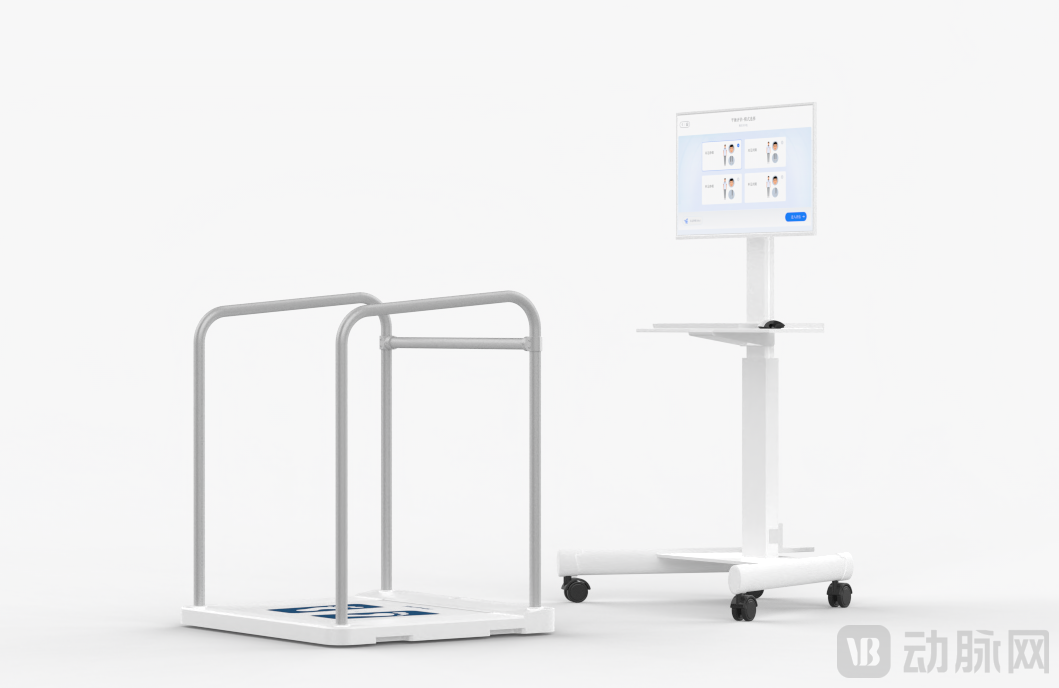
The team leader stated, “TacMed is dedicated to providing globally leading solutions and services for novel digital medical devices and precision disease management. By integrating cutting-edge scientific disciplines such as tactile sensing, flexible electronics, precision measurement, and artificial intelligence, and through continuous core technology R&D, TacMed has developed a new generation of miniaturized, intelligent, and automated portable and wearable medical devices. These innovations offer comprehensive and efficient integrated diagnostic and therapeutic solutions for major chronic diseases. TacMed holds core patents in next-generation flexible tactile sensing technology, digital microfluidics and chip technology, as well as wearable health and personalized medicine, which are widely applicable to key clinical areas including medical rehabilitation, orthopedics, neurology, cardiology, and intensive care.”
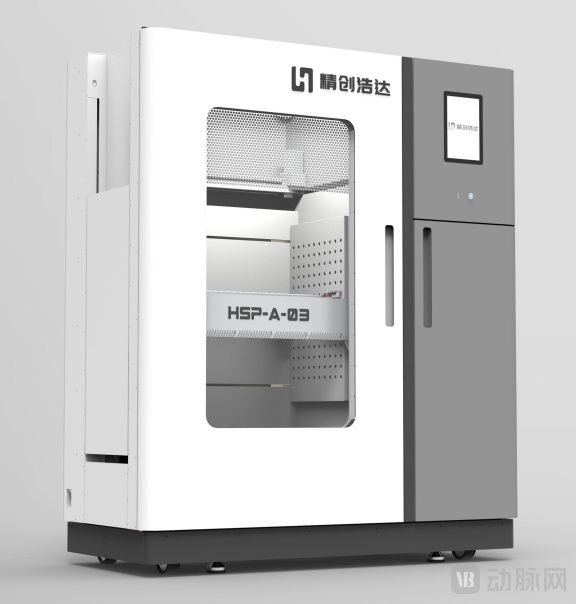
3D-HSP Intelligent High-Speed 3D Medical Printing SystemThis is a medical-grade, high-precision 3D printing system independently developed by the Jingchuang Haoda team under the Research Institute. The system comprises an industrial-grade, high-precision, high-speed 3D scanner; an intelligent, fully automated cloud-based image processing system and data cloud platform; a high-speed 3D printer dedicated to medical applications; and patented bio-polymer printing materials. It enables high-speed, support-free printing via cold curing, patient-specific personalized customization, eco-friendly and quiet operation, and cloud technology support.
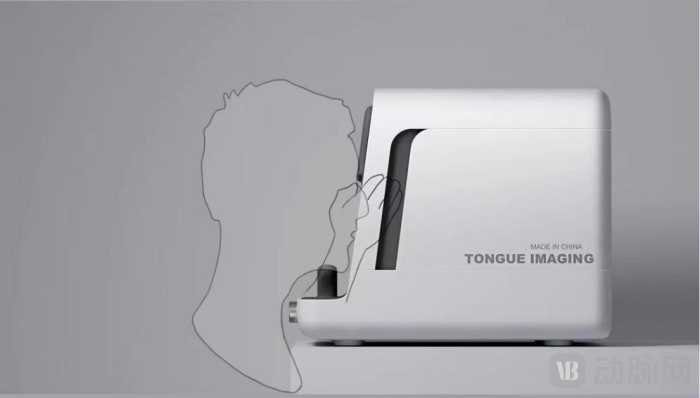
TCM Intelligent Tongue Diagnosis DeviceDeveloped by the Jingchuang High-Latitude Team under the Research Institute (with Sichuan Boruike Information Technology Co., Ltd., a standing vice-president unit of the Federation, as its core entity), this intelligent product integrates software and hardware. It is also an integral component of the team’s “AI + TCM Intelligent Auxiliary Diagnosis” product suite. The product has secured multiple software copyrights and patents and was successfully selected for the Ministry of Industry and Information Technology’s “Jiebang Guashuai” (Open Competition Mechanism) projects. Featuring technologies and functionalities such as high-precision image localization guidance and recognition, high-fidelity image restoration, and automated classification and sorting via image analysis algorithms, it is widely applicable in fields including advanced image processing and image recognition. Furthermore, the device integrates diagnosis, monitoring, and intervention into a single compact and portable unit, offering broader application scenarios.
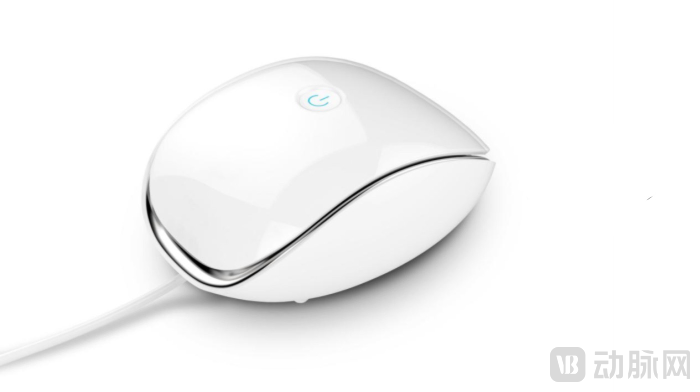
Helium M1 Cloud (Cloud-Material Joint Hand Rehabilitation Robot)This is a new generation of intelligent wearable hand rehabilitation robots developed by the Logic Lab team under the Research Institute. The product provides precise, digital rehabilitation services for patients with hand impairments due to stroke, trauma, and other conditions. Notably, Helium M1 Cloud not only delivers powerful and safe hand rehabilitation assistance but also achieves precision and digitization in rehabilitation services. Through a cloud-based MQTT server, Helium M1 Cloud integrates data from the device, mobile app, and backend management system, enabling real-time monitoring of patients’ rehabilitation progress. By connecting to the Logic Link smart cloud IoT system, hospitals can achieve intelligent and efficient rehabilitation management. When combined with IoT, big data, and other rehabilitation robots featuring Logic Feature technology, it forms a more comprehensive rehabilitation ecosystem.
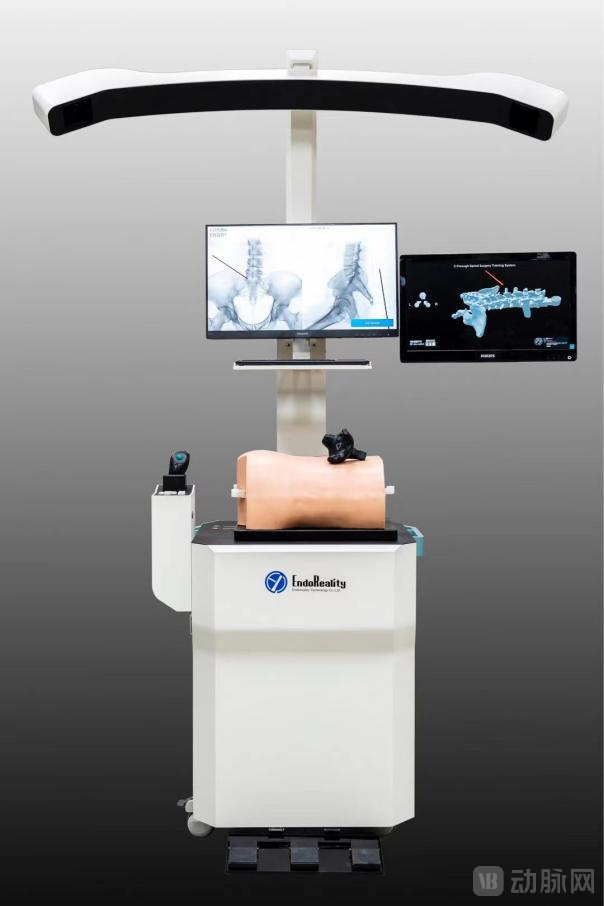
Neuro-Visualized Minimally Invasive Spinal Surgery Robot Navigation SystemDeveloped by the Jingchuang Yingrui team under the research institute, the product employs advanced surgical instrument positioning technology, combined with cutting-edge medical imaging techniques and artificial intelligence algorithms, to provide safe and precise intraoperative navigation. Its neural visualization technology renders nerves clearly visible, while the positioning system achieves an accuracy of 1 mm. The proprietary high-fidelity image reconstruction technology reduces radiation exposure by 80%, enabling real-time restoration of the intraoperative scenario under “zero-radiation” conditions. This system addresses the mismatch between the limited availability of spine minimally invasive surgery specialists and the large patient population. Moving forward, the team will continue to build an integrated ecosystem in the field of minimally invasive spine surgery, encompassing a “training system–navigation system–ambulatory surgery center” value chain.
Sit-to-Stand/Walking Rehabilitation RobotThis is a rehabilitation robot developed by the Jingchuang Shixi team under VCBeat Institute. It integrates sit-to-stand transfer training, gait training, limb coordination training, posture control training, and assistive functions for daily sitting, standing, and walking. The device is widely applicable for rehabilitation training of patients with central nervous system injuries, individuals with neurodegenerative conditions, those with lower limb dysfunction caused by musculoskeletal disorders or sports injuries, as well as for providing mobility assistance to the elderly. It effectively restores lower limb function and improves lower limb muscle strength and balance. The product’s technical highlights include muscle function analysis during rehabilitation through multimodal information coupling, continuous monitoring throughout the entire rehabilitation process based on flexible sensing, continuous assessment of the rehabilitation process leveraging medical big data, and a sub-nanometer semiconductor flexible circuit technology system. Leveraging these technologies, the product can real-time perceive the user’s movement intentions, dynamically monitor muscle status, and further quantify and assess rehabilitation outcomes.
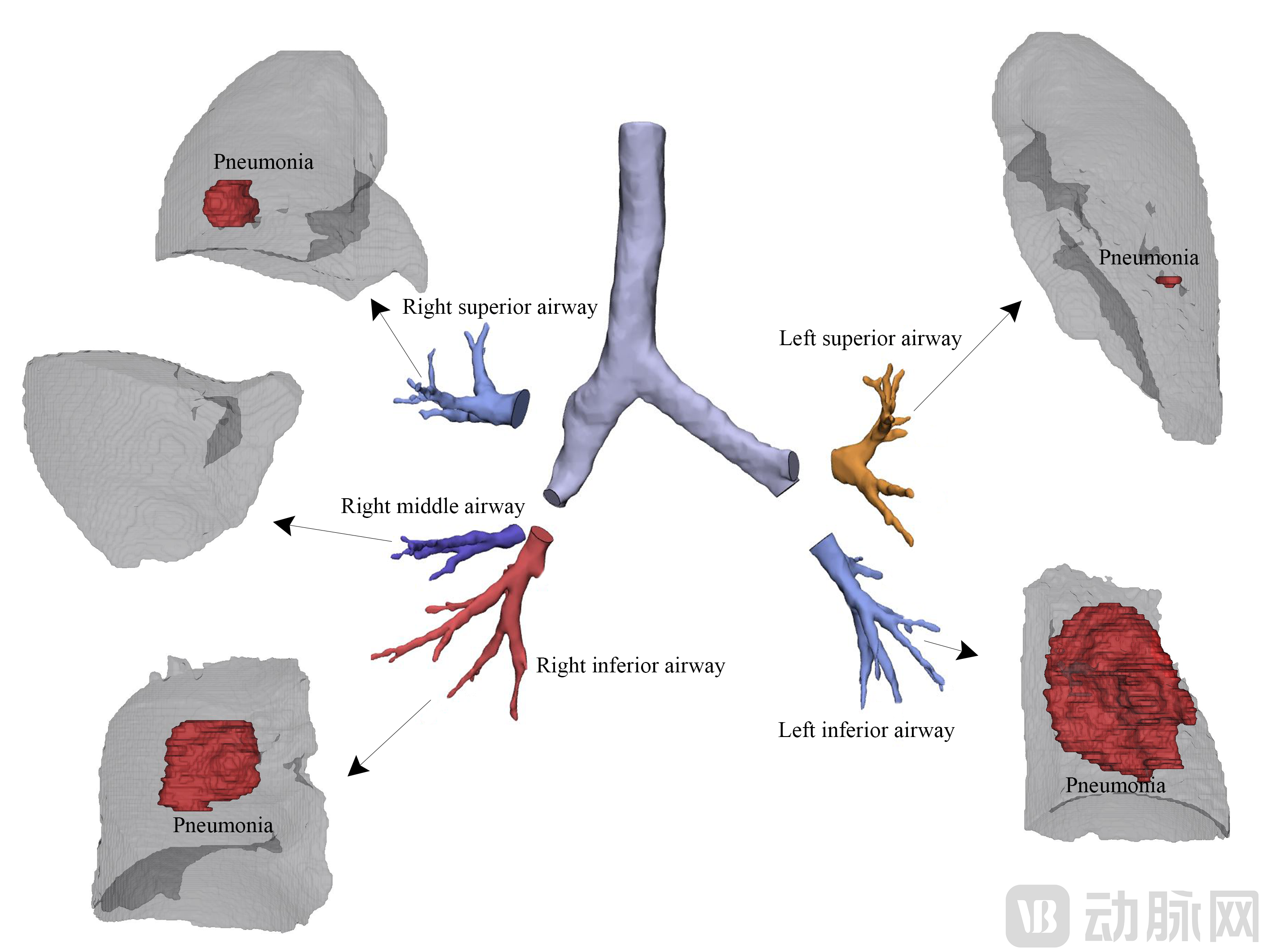
Medical Finite Element Technology PlatformDeveloped by the Medical Finite Element Team under the Research Institute, this platform focuses on interdisciplinary fields such as orthopedic biomechanics, hemodynamics, and respiratory dynamics, providing efficient and accurate simulation technologies for clinical medical practice. Leveraging years of research experience and technical accumulation in abdominal aortic aneurysms, respiratory dynamics, and non-invasive detection of hepatic portal vein pressure, the technology platform offers precise prediction and optimization solutions for medical research and clinical treatment, thereby eliminating the need for complex and resource-intensive physical experiments. Originating from clinical practice and empowering it, we utilize sophisticated technology to effectively address critical pain points in clinical settings.
Medical innovation, as a key factor in improving healthcare quality, has long been regarded as a highly valuable component in the current development of the healthcare industry.
According to incomplete statistics from VCBeat’s Orange Fruit Bureau, by the third quarter of 2022, China had issued a total of 51 policies supporting the translation of scientific research achievements into practical applications, including 12 national-level policies and 39 local policies. In the first half of 2022, there were 121 early-stage investment and financing transactions in China’s healthcare sector, significantly surpassing the 59 recorded during the same period last year. Both national policy frameworks and the early-stage market have demonstrated considerable “favor” toward this area.
However, domestic scientific research and innovation in China are still in their infancy, and critical issues such as how to effectively integrate the academic innovation chain with the industrial innovation chain warrant further in-depth consideration.
Looking back at cases such as Boston’s transformation from a place “unfavorable for innovation” to surpassing Silicon Valley, and Harvard University’s evolution from a “follower” to a “leader,” it is evident that these achievements were largely driven by the full exertion of the research institutes’ own initiative. To provide a synergistic and symbiotic ecosystem for the translation of innovative projects, research institutes must integrate resources from the government, scientific research institutions, venture capital firms, and innovative companies to establish a unique closed-loop innovation system.
The West China Medical Robotics Institute was able to incubate nine projects within one year while simultaneously building up multiple technological reserves. This success stems, on the one hand, from its focus on “integration of industry and education,” “collaboration between medicine and engineering,” and industrial incubation; and on the other hand, from its establishment of a core platform that integrates resources from government bodies and industry associations, universities and research institutes, as well as enterprises and public institutions.
It is precisely on the basis of this platform that the West China Medical Robot Research Institute can continuously link external resources, introduce interdisciplinary scientists in medicine and engineering as well as clinical experts into incubated and self-developed projects, thereby achieving resource complementarity. Meanwhile, it cultivates talents with interdisciplinary and multi-field integration capabilities, further supporting the institute’s talent development and technology transfer. Furthermore, the establishment of the institute’s own public technical platform can further empower incubated projects, self-developed robotic projects, and public technical service projects, serving the entire industrial chain of medical devices.
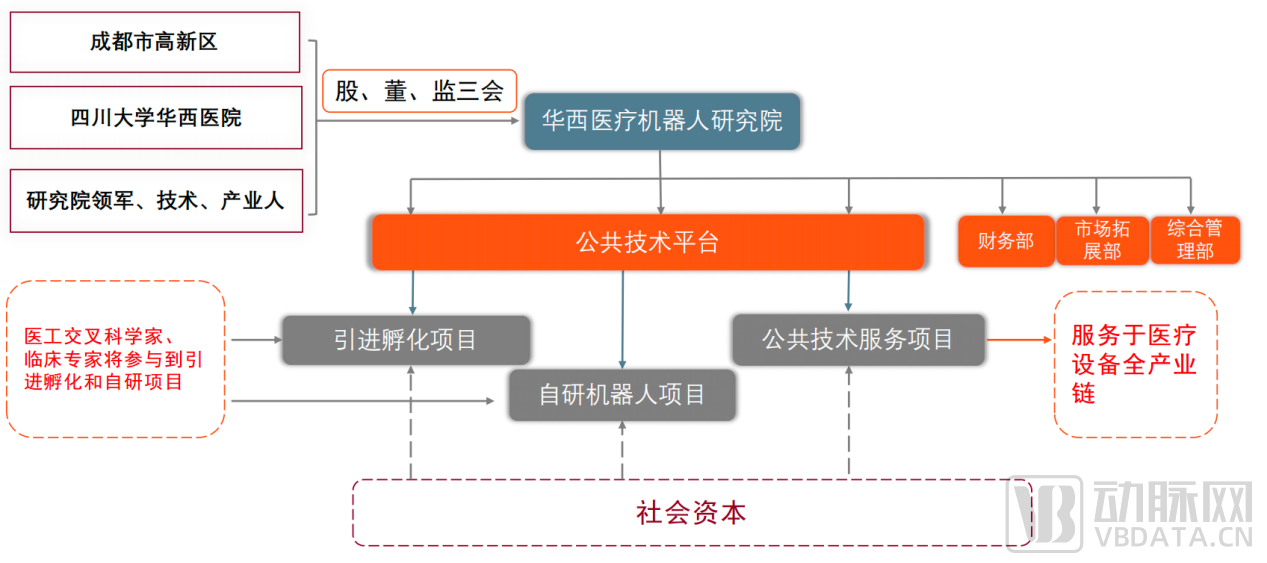
Through the case of the West China Medical Robot Research Institute, one can even see echoes similar to Harvard University’s translational innovation. It is important to recognize that scientific research innovation is neither a blind pursuit nor an unfettered fantasy. Only through interdisciplinary integration, the convergence of medicine and engineering, and the collaborative development of industry and education can medicine remain vibrant, the healthcare sector sustain its momentum, and continuous progress be driven by innovative technologies.