Advancing Medical Institution Specialty Development: Spotlight on New Technologies and Achievements in Diabetes Treatment
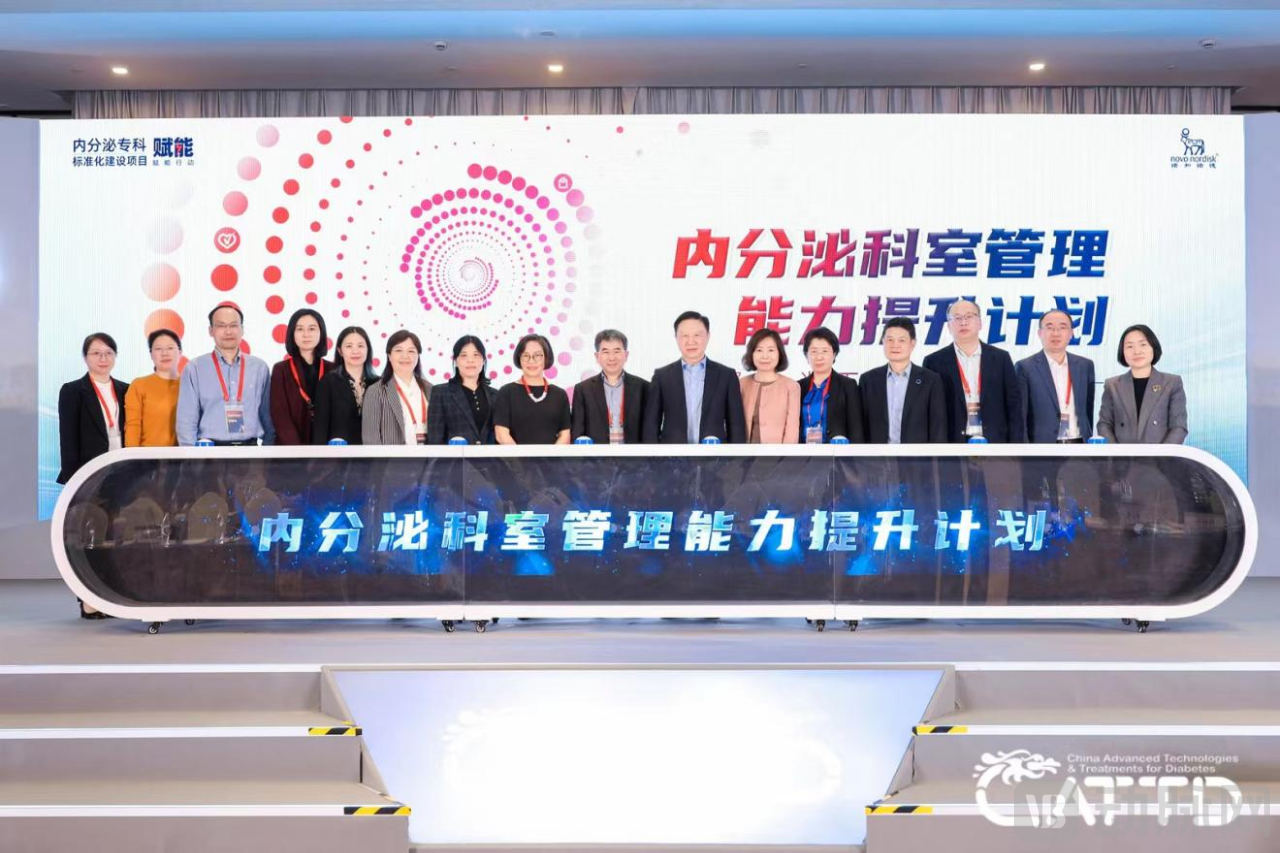
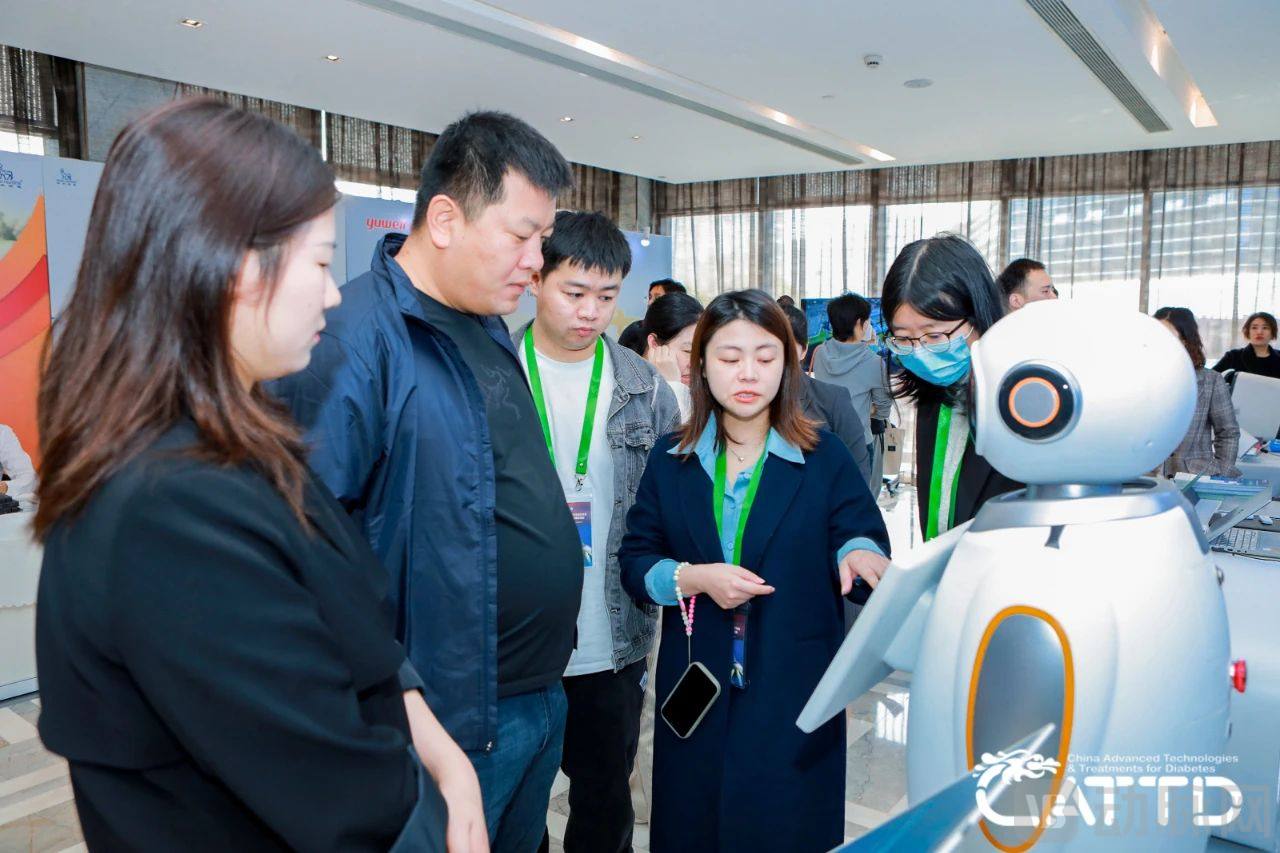
Recently, the 2023 China’s First Conference on Advanced Diabetes Technologies and Therapies, along with the Symposium on New Advances in Diabetes Treatment Technologies, was held in Shanghai. The event was co-hosted by Health News and the Expert Committee of the Endocrinology Specialty Empowerment Initiative. Professor Li Xiaoying from Zhongshan Hospital, Fudan University, who serves as the Chairman of the Expert Committee for the Standardization Construction Project of Endocrinology Specialties under the Empowerment Initiative, joined numerous experts and administrators from major hospitals across China to discuss new technologies and outcomes in diabetes treatment.
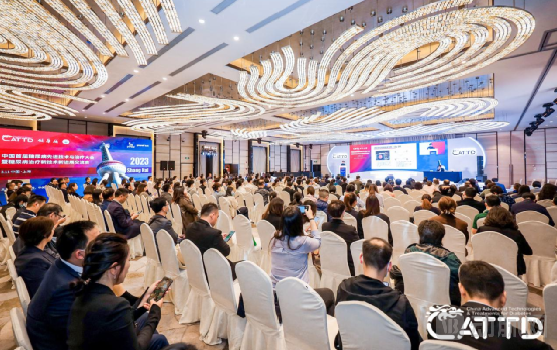
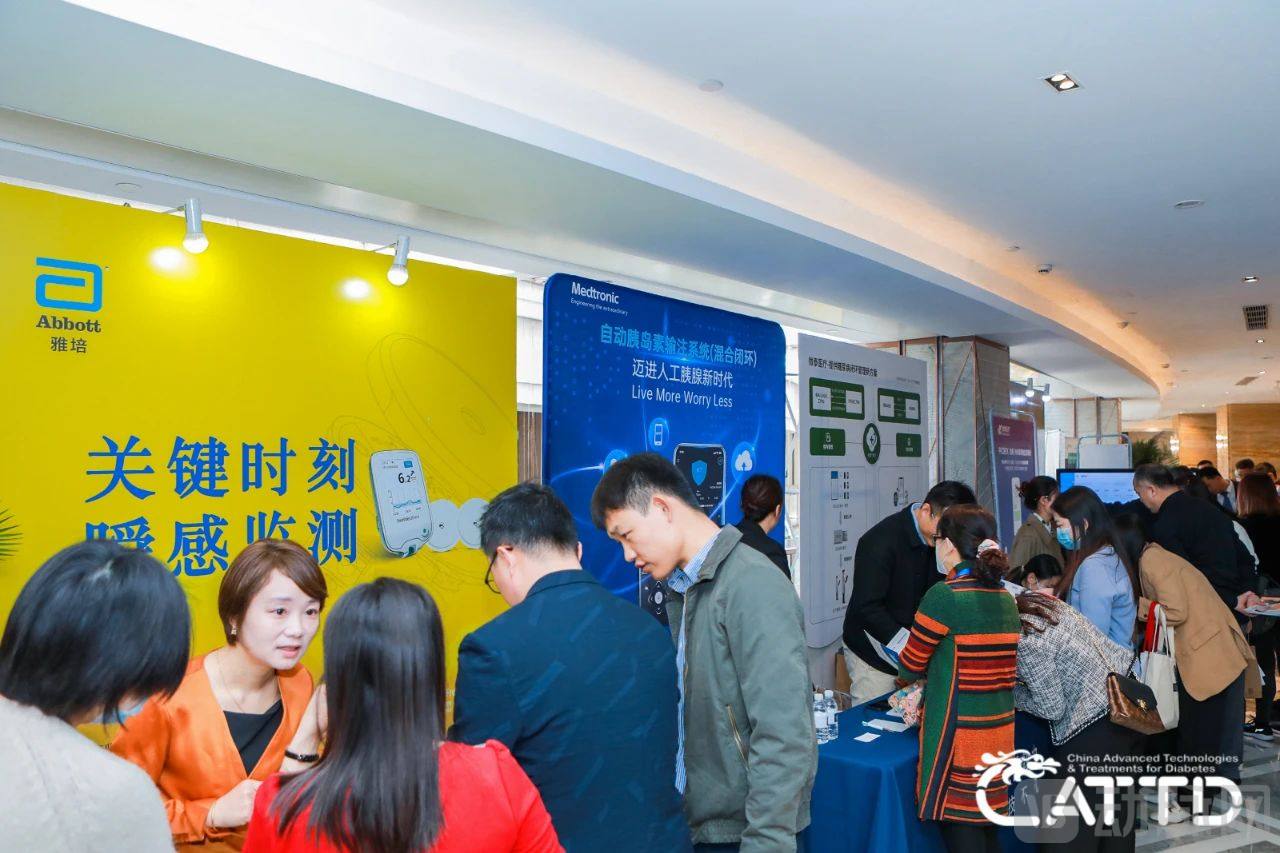
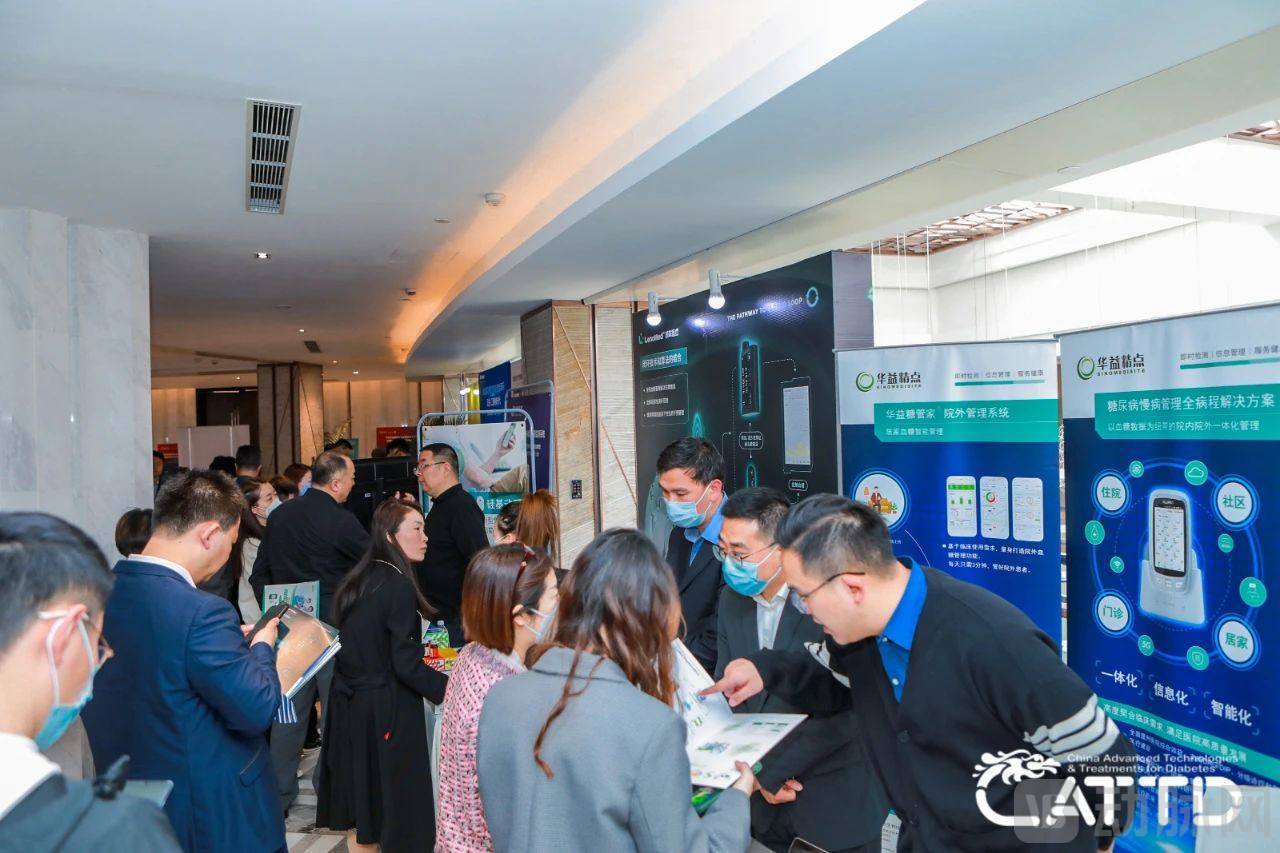
This conference not only showcases innovative technologies in diabetes management but also brings together diabetes specialists, educators and care providers, developers of new technologies, investors, representatives from insurance and regulatory agencies, and corporate representatives to engage in comprehensive exchanges and discussions on relevant topics. The conference aims to align with contemporary trends, seize development opportunities, lead China into a new era of diabetes patient management, and strive to build a platform for exchanging new technologies in diabetes prevention and treatment.
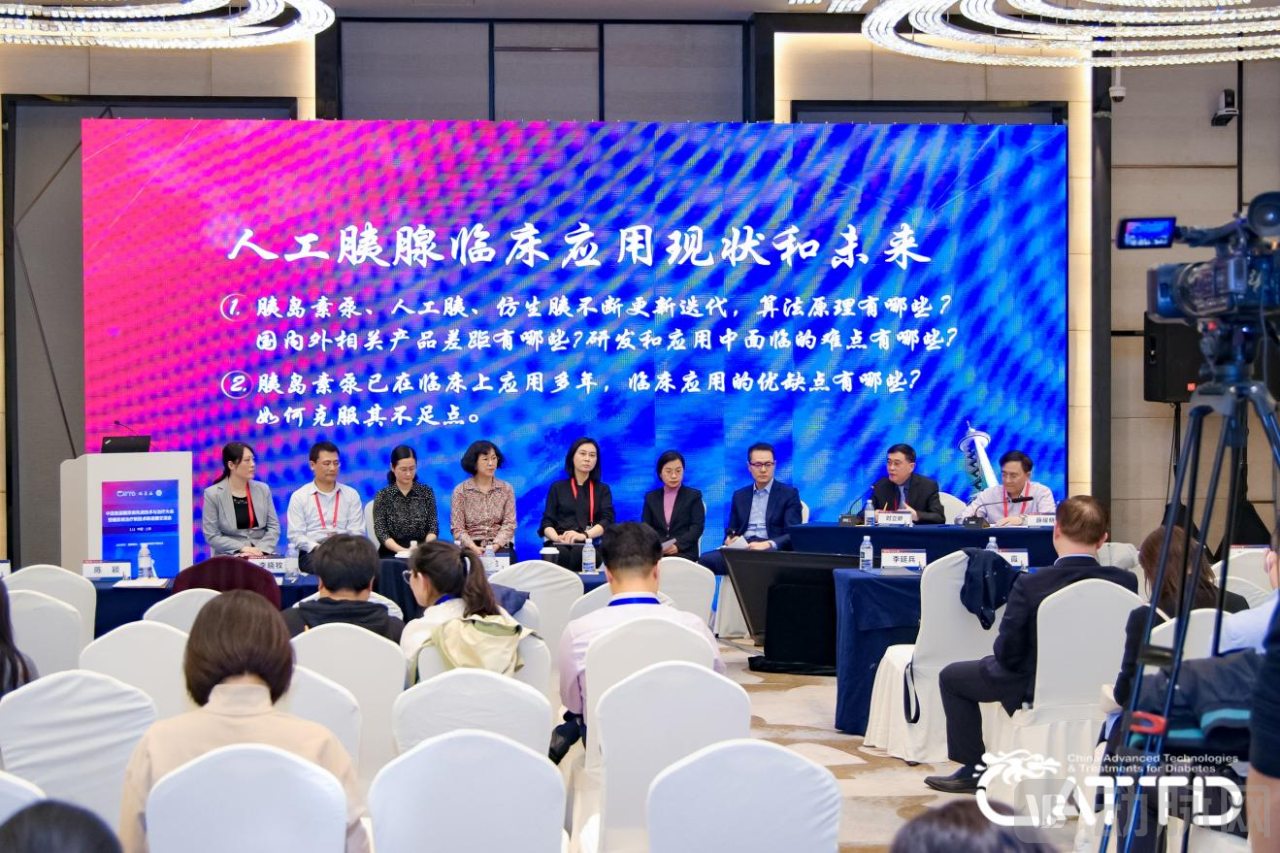
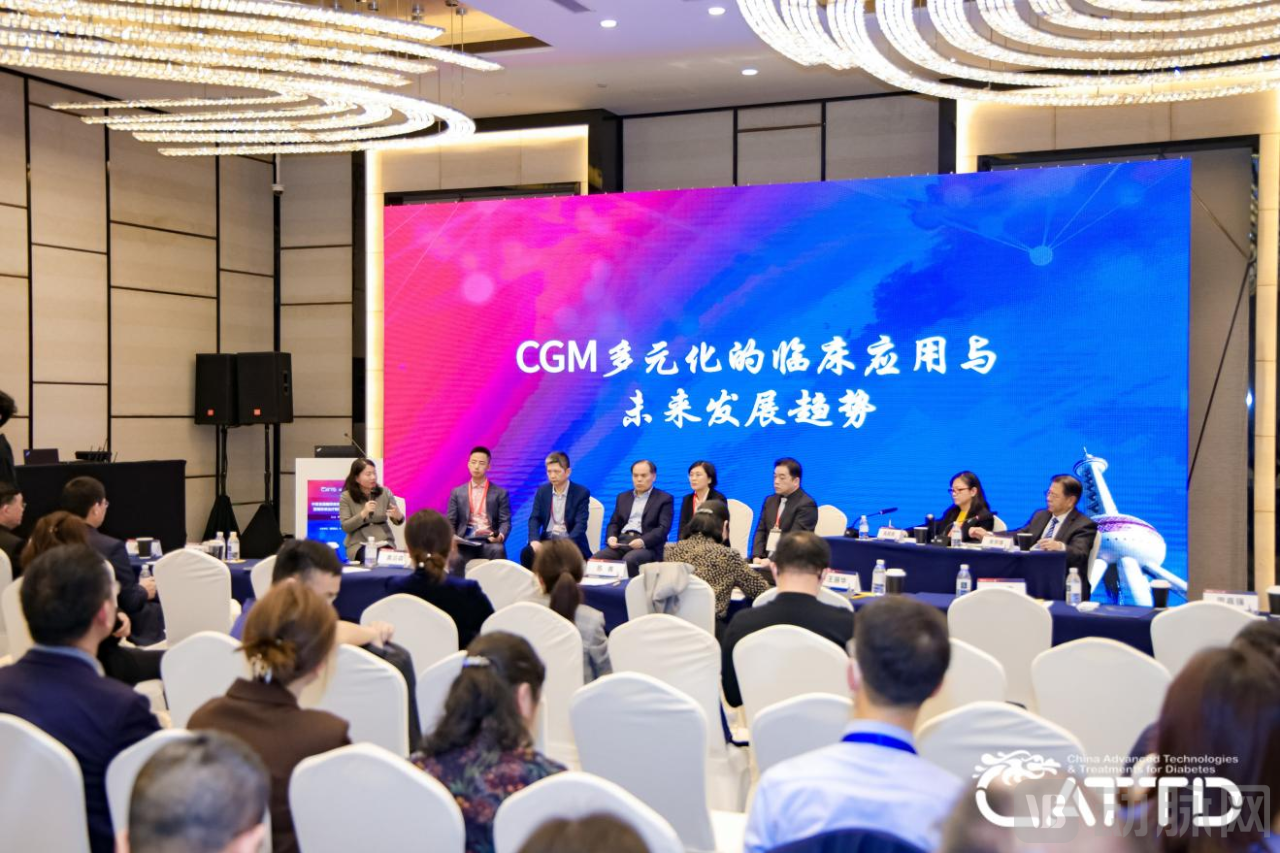
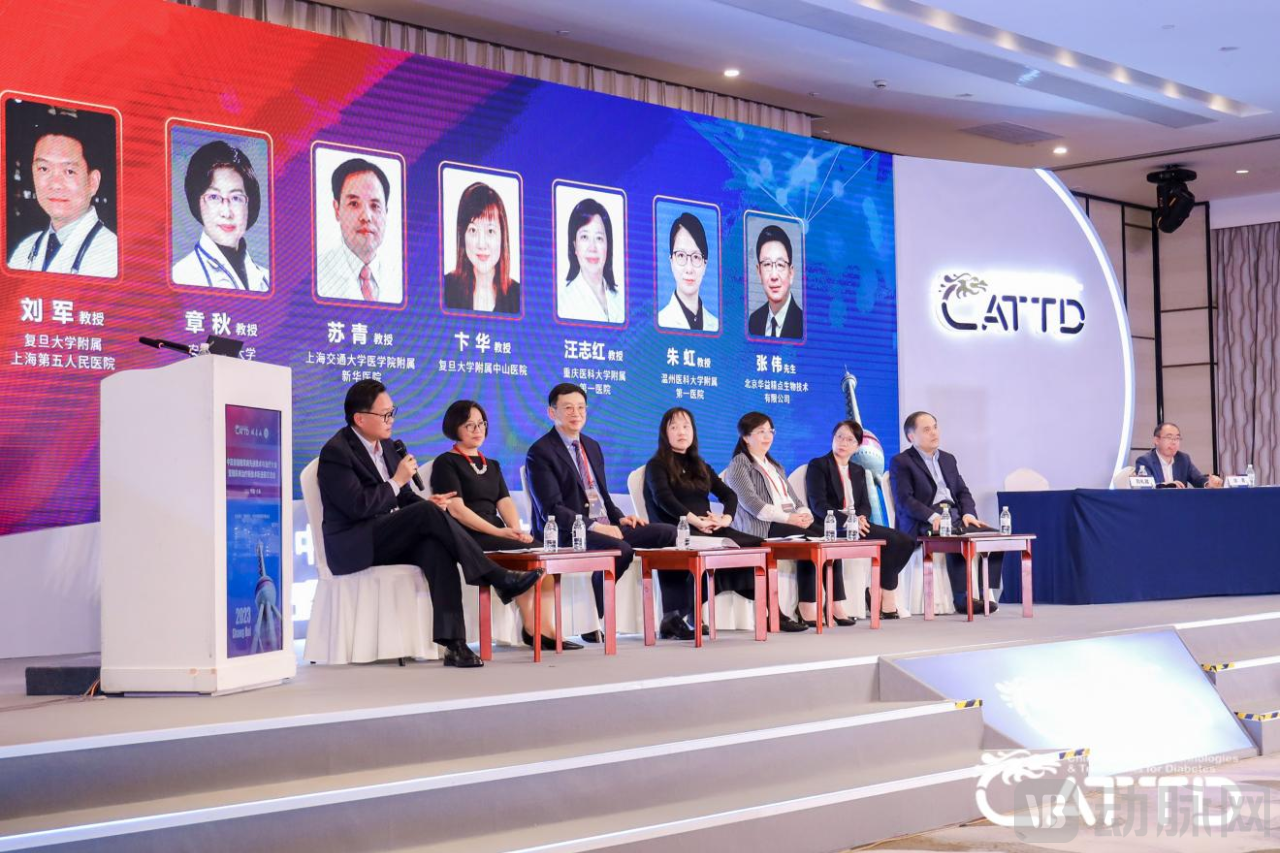
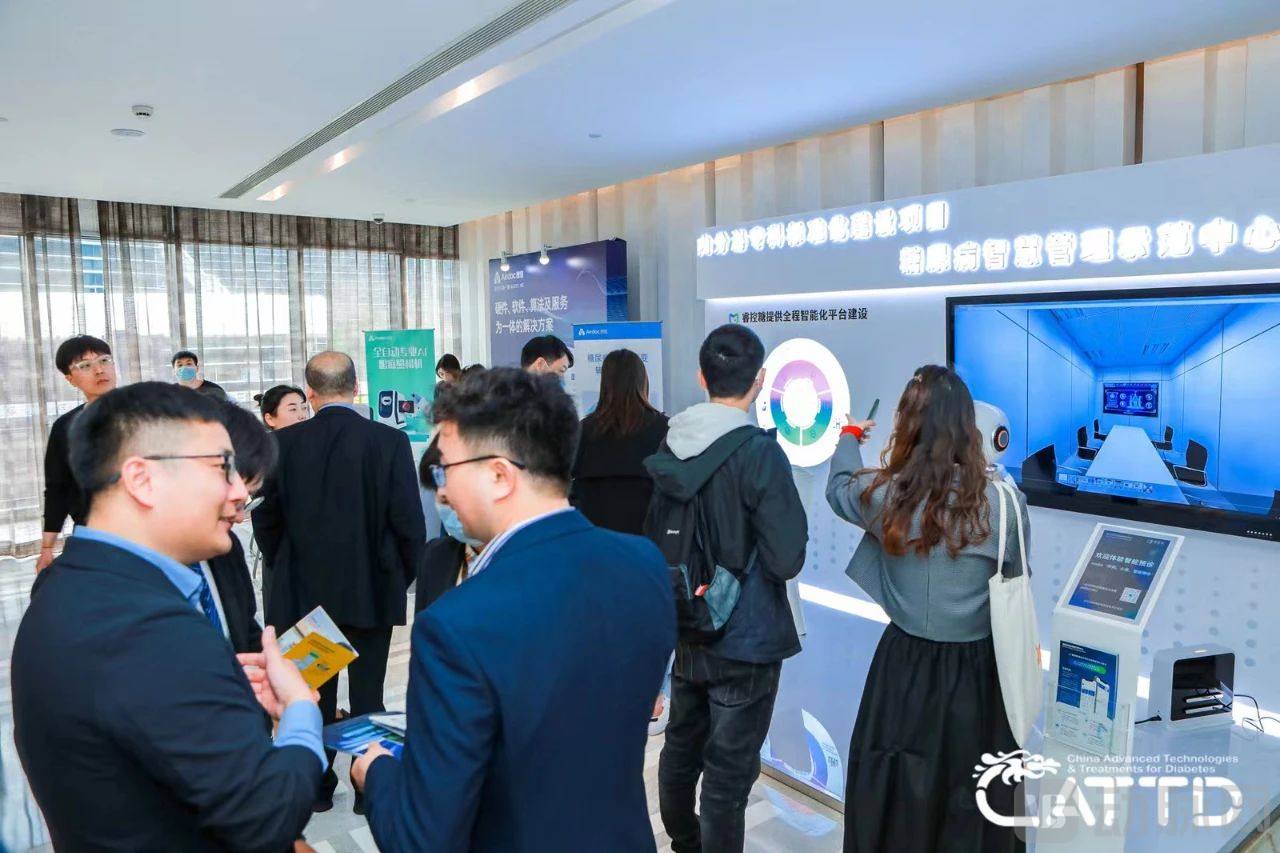
The conference features a main forum and multiple sub-forums, facilitating in-depth exchanges on cutting-edge topics such as decision support systems, closed-loop systems, and algorithms based on big data and artificial intelligence; insulin pumps; glucose sensors; novel insulin and other drug delivery systems; and in-hospital and remote management of patients with diabetes.
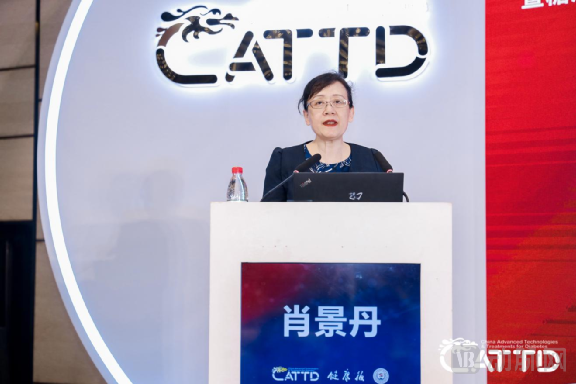
Xiao Jingdan, Vice President of Health News Agency, stated at the conference that strengthening clinical specialty capacity building is of great significance for enhancing the connotative development of hospitals in China, guiding their developmental direction, facilitating the realization of the “Three Transformations” and “Three Improvements,” and promoting the high-quality development of public hospitals. It is hoped that by establishing this platform, the standardization, homogenization, and normalization of specialty construction in medical institutions will be further improved, thereby empowering the high-quality development of public hospitals through specialty development.
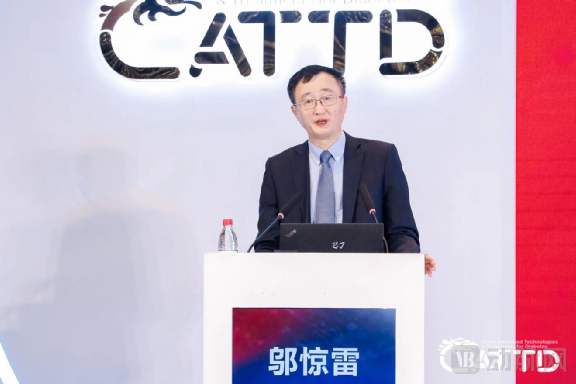
Wu Jinglei, President of the Shanghai Medical Association, believes that given the large number of diabetes patients in China, the long disease course, and the high demands for management, there is a significant need for standardization and homogenization in diagnosis and treatment. Therefore, it is essential to explore new technologies and advances in diabetes treatment, which can also promote the standardization, homogenization, and widespread adoption of clinical practices in medical institutions. This will lead to more standardized and orderly diabetes management, significantly improving patients’ quality of life and contributing substantially to the Healthy China initiative.
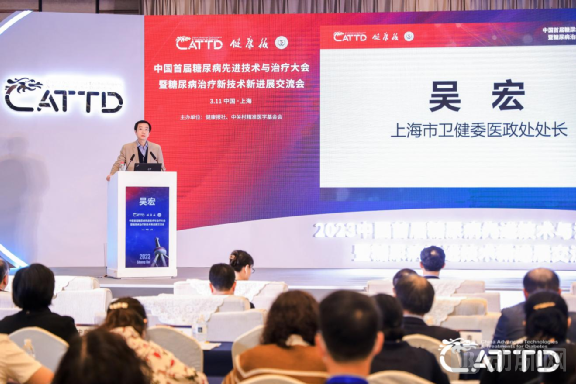
Mr. Wu Hong, Director of the Medical Administration Division of the Shanghai Municipal Health Commission, stated that diabetes management is a critical public health issue in China. The Shanghai municipal health administrative authorities attach great importance to diabetes management and the development of clinical specialty capabilities, particularly those related to endocrinology and diabetology. Shanghai established the Clinical Research Center for Endocrine and Metabolic Diseases at an early stage, thereby promoting the development of key clinical specialties in endocrinology and diabetes.

Professor Jia Weiping, an academician of the Chinese Academy of Engineering and Director of the Shanghai Diabetes Institute, believes that only by shifting the service model from disease-centered to health-centered can long-term, sustainable medical services be provided, with information technology playing an indispensable role. Full lifecycle and end-to-end management of chronic diseases—covering prevention, screening, diagnosis, treatment, and rehabilitation—is essential to promote homogenization, standardization, and normalization of disease management, thereby enabling a range of initiatives including digital health interventions, remote medical consultations, health early-warning systems for high-risk populations, and the development of electronic medical records.
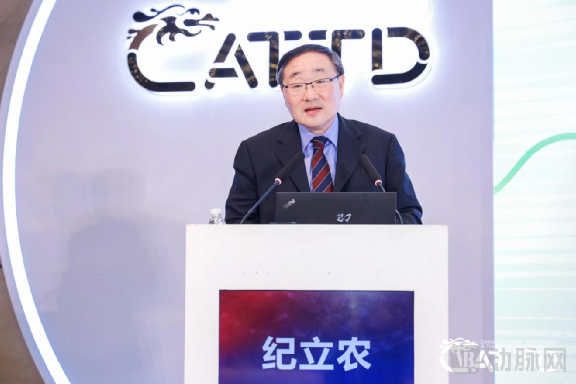
Professor Ji Linong, Director of the Department of Endocrinology at Peking University People’s Hospital, emphasized the need to address unmet clinical needs in diabetes prevention and control, asserting that prevention is the most effective approach to combating diabetes. By improving the public health environment and promoting healthier lifestyles, it is possible to reduce population-level obesity rates, thereby decreasing the number of individuals with diabetes, particularly among adolescents.
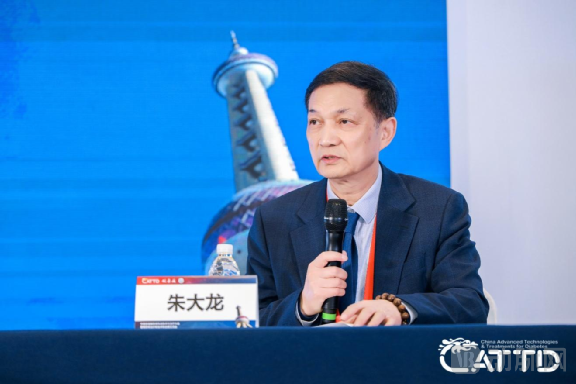
Professor Zhu Dalong of Nanjing Drum Tower Hospital stated, “We must take swift action to integrate high-quality resources from all sectors, particularly by mobilizing the enthusiasm of experts, to promote the development of a technological innovation system with deep integration of industry, academia, and research, and to explore the establishment of a diabetes prevention and control system aligned with the grand objectives of Chinese-style modernization.”
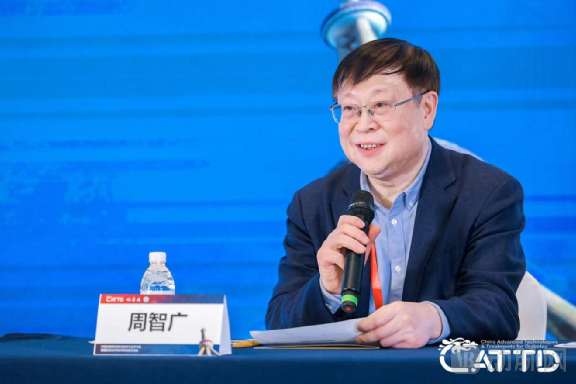
Professor Zhou Zhiguang of the Second Xiangya Hospital of Central South University believes that Healthy China can only be realized by promoting health concepts to the general public and truly reaching the entire population. This endeavor cannot be accomplished by physicians alone; it requires a concerted societal effort to prevent and control diabetes.
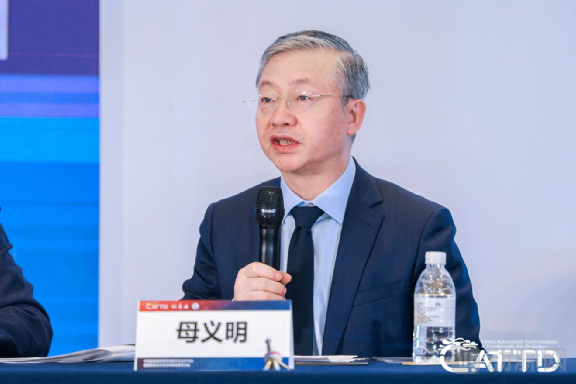
Professor Mu Yiming from the First Medical Center of the Chinese People's Liberation Army General Hospital believes that chronic disease management should be conducted from a holistic and comprehensive perspective. Moreover, diabetes is a classic case requiring multidisciplinary and multi-faceted management. In addition to diabetes, increasing attention should also be paid to the management of other chronic diseases.

Professor Li Xiaoying from Zhongshan Hospital, Fudan University, shared insights into explorations of smart diabetes management models in the new era. This approach involves establishing a platform to screen for diabetes among high-risk individuals aged 65 and older, utilizing smart wearable devices for real-time monitoring of patients’ physiological status, and promoting the use of insulin dosage adjustment systems in hospitals. These measures aim to partially replace the diagnosis and treatment of diabetic patients outside endocrinology departments at tertiary hospitals.
Currently, the development of specialized capabilities has become the vehicle and cornerstone for the high-quality development of hospitals. By focusing on major chronic diseases such as diabetes and leveraging advanced scientific and technological means to empower diagnosis, treatment, and management, we can promote China’s diabetes care and management capabilities to new heights. This requires the integration of high-quality resources from all sectors and the utilization of advantages in innovative diabetes technologies, ultimately achieving the goals of personalized and precise disease diagnosis and treatment. In this way, the vast number of patients with diabetes will experience a greater sense of well-being, gain, and security through innovative medical services.