

Two Decades of Brilliance: A CAS and USTC Team Led by Dual Academician Tian Zhigang Advances NK Cell Immunotherapy
Although in October 2020, this company, led by China’s pioneer in the field of NK cells,Tian Zhigang, a dual academician of the Chinese Academy of Engineering and Academia EuropaeaCo-founded Biopharmaceutical Innovation Enterprises——Hefei Tiangang Immuno-Pharmaceutical Co., Ltd.(hereinafter referred to as “Tiangang Yinuo”) was officially established, but the story of its founding team dates back even further.
Looking back, as one of the founding members of Tiangang Yinuo—University of Science and Technology of China(hereinafter referred to as “USTC”) Professor at the School of Life SciencesXiao WeihuaThere are countless stories to tell about the translation of scientific research achievements into practical applications. The moment I clarified the purpose of this interview, he immediately responded, “Having navigated the complex landscape of technology transfer for many years, I have experienced various stages of its development.” He also had many insights he was eager to share with us.
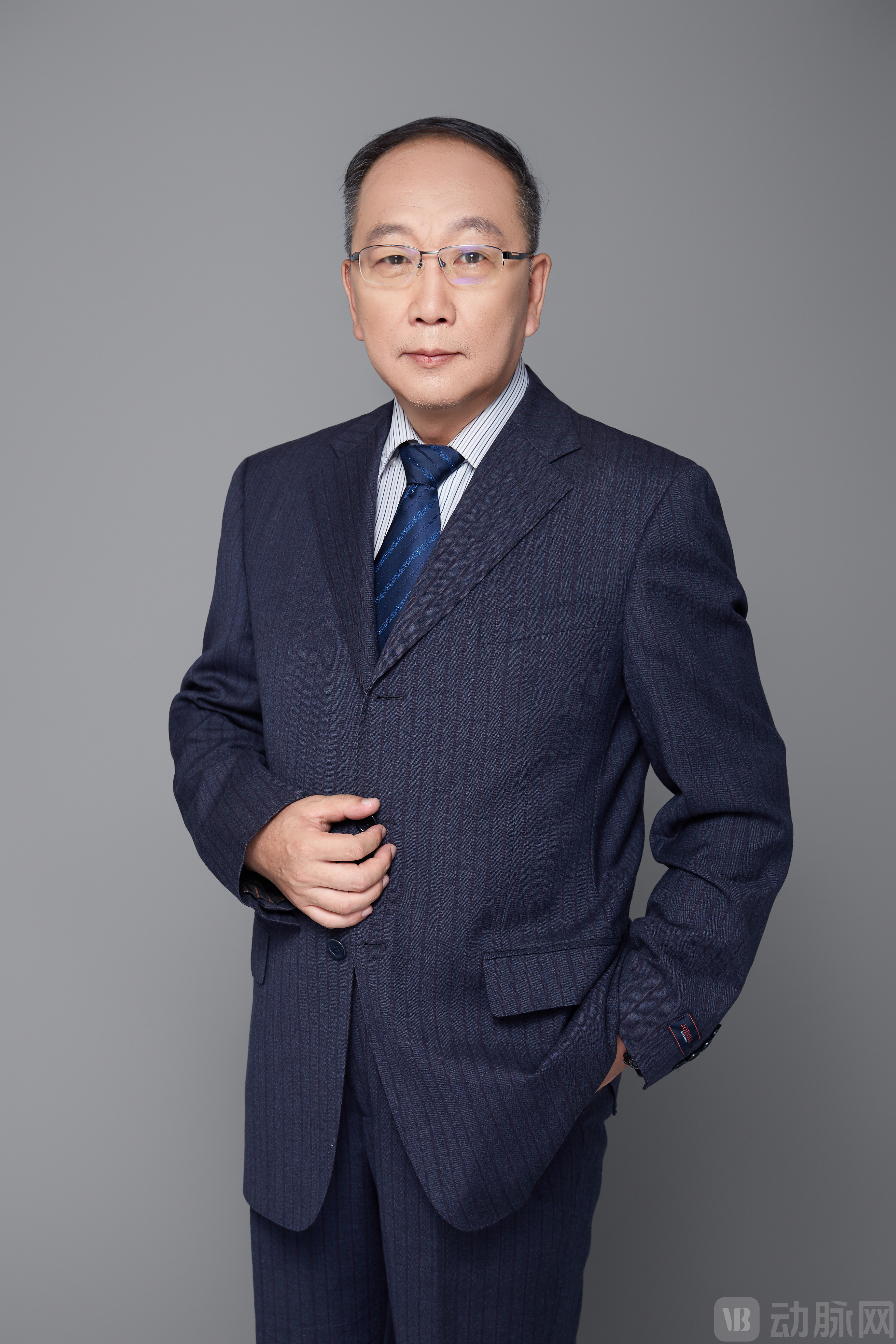
▲ The photo shows Professor Xiao Weihua, Co-founder and CEO of Tiangang Medino. Photo provided by the interviewee.
During the subsequent interview, Xiao Weihua discussed his journey since joining the University of Science and Technology of China (USTC) as a faculty member, the RMB 102 million technology transfer agreement signed by the founding team, and the founding story of Tiangang Medino.
Witnessing a Period of Change
Over the past decade, Xiao Weihua has witnessed a transformation in the commercialization of scientific and technological achievements, from being difficult to becoming easier.
In February 2005, Xiao Weihua still clearly remembers that it was two days before the start of the academic term. Having packed his luggage, he formally bid farewell to the United States and returned to the University of Science and Technology of China (USTC) to join the Institute of Immunology established by Academician Tian Zhigang. He served as the Executive Deputy Director of the Department of Pharmaceutical Biotechnology and was also responsible for the newly established Biopharmaceutical Engineering Center, where a purification laboratory spanning over 1,000 square meters was dedicated to product development. “I hope to leverage the knowledge I have accumulatedConduct original product development and commercialization.“Xiao Weihua said.”
But when it comes to translation, Xiao Weihua's consistent feeling isDomestic universities and scientific researchers show limited enthusiasm.. This is primarily due to restrictions imposed by policies and regulations within the state system. The commercialization of scientific and technological achievements is a process characterized by coexisting benefits and risks, while universities, as public institutions, are required to preserve and increase the value of their intellectual property outputs. To prevent the loss of state-owned assets, the initial approval procedures for the commercialization of such achievements are highly complex.
Xiao Weihua cited an example: “At that time, if the valuation of intellectual property contributed as equity at the University of Science and Technology of China exceeded several million yuan, it required deliberation by the university’s Party Committee, followed by approval from the Chinese Academy of Sciences, and subsequent submission to the Ministry of Finance for final approval.”
Therefore,, for Xiao Weihua, the commercialization of scientific and technological achievements was a path he hardly dared to imagine.It was not until 2015 that this burden was finally shed.
In 2015, China implemented scientific and technological achievement"Three-Rights Reform", the rights to dispose of, benefit from, and use scientific and technological achievements were delegated to universities and research institutes. The University of Science and Technology of China seized the opportunity presented by the first batch of pilot programs for the national “Three Rights Reform” of scientific and technological achievements, initiating the establishment of a system to promote the transformation of such achievements.
“After several years of practice and refinement, we have made further progress. The university now grants researchers the right to use intellectual property (IP) under a ‘use first, pay later’ model: if commercialization is successful, the proceeds are shared according to an agreed-upon ratio; otherwise, the university claims no share of the IP commercialization revenue. This approach not only mitigates the risks associated with translating innovative technologies into practical applications but also prevents the loss of state-owned assets. Meanwhile, 70% of the revenue generated from IP commercialization is awarded to the project development team members,” said Xiao Weihua with satisfaction.
“Opportunity knocks but once,” the founding team of Tiangang Medino became the “first to dare” in the post-reform era at the University of Science and Technology of China.In early 2017, they transferred three projects—protein and peptide drugs, immunological drugs, and NK cell drugs—to three enterprises in Anhui Province, respectively, with a total contract transfer fee of RMB 102 million.“The 102 million yuan technology transfer contract we signed that year broke the historical record for intellectual property transfer amounts at the University of Science and Technology of China.” Recalling this experience, Xiao Weihua remains immensely proud.
But more important than the attempt itself is: which achievements should be selected for translation?
First,Solid theoretical foundation, the value of the results needs to be corroborated by multiple laboratories and numerous authoritative articles, which forms the foundation for translation; secondly,Research and Development of the Product, laboratory findings must be pursued in accordance with the principles and practices of drug development; only when theory and practice are more closely aligned can the success rate of translation be higher; finally,Meets Clinical Needs, if in the early stages of laboratory research, there is no in-depth investigation and analysis of the relationship between research outcomes and diseases, as well as market demands, it may often lead to the plight of being too advanced to find an audience.
“What’s past is prologue.” The commercialization of scientific and technological achievements has shifted from a neglected endeavor to a highly sought-after pursuit. Although they have not yet founded a company, this team from the University of Science and Technology of China (USTC) is laying the groundwork for their next chapter. After extensive work in technology transfer, they are now accelerating down this track, much like athletes picking up speed.
Just Do It: Build a Company
In addition to previous technology transfers, aligning with national policy directives on technological innovation and addressing critical bottlenecks, they also led their team to establish an innovative drug R&D company.
October 2020,Academician Tian Zhigang, together with Xiao Weihua and Sun Rui, a professor at the School of Life Sciences of the University of Science and Technology of China, jointly established Tiangang Yinuo.and is committed to the development of original innovative immunotherapies.
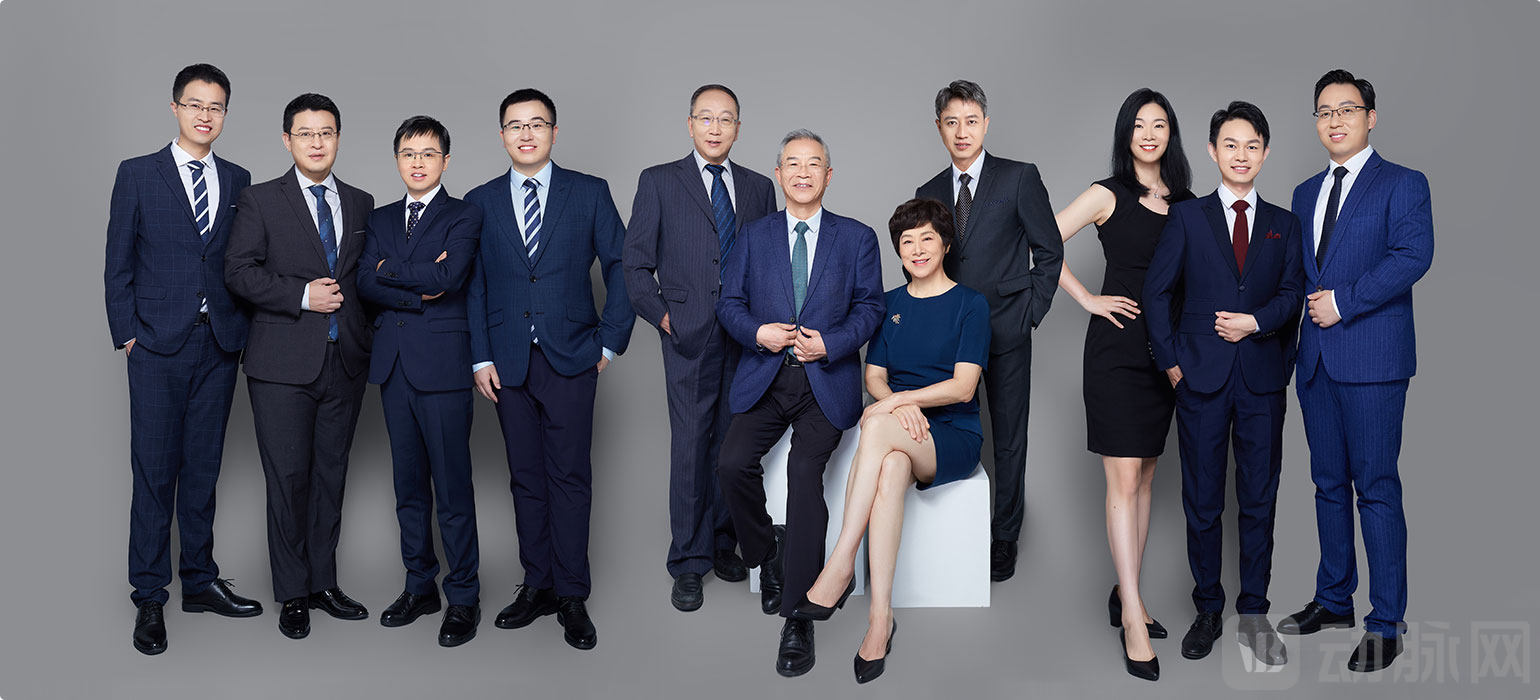
▲ Photo of the founding team of Tiangang Yinuo, provided by the interviewee
“Everything is hard at the beginning, but when it comes to entrepreneurship, Xiao Weihua said, ‘It’s a matter of going with the flow.’”
On one hand, the streamlining of state-owned intellectual property transfers and the allowance for professors to start businesses after 2015,The Entrepreneurial Wave Is Poised to Surge, although previous experience in technology transfer has given the founding team of Tiangang Medical Innovation the confidence to start their business, they still need to proactively avoid potential pitfalls in entrepreneurship.
Prior to the formal establishment of Tiangang Yinnuo, Xiao Weihua and Academician Tian Zhigang frequently traveled to visit founders of biopharmaceutical companies. Their journeys took them from Shenzhen and Shanghai to Jiangsu and Zhejiang provinces; despite the arduous travel, their enthusiasm remained undiminished. TheyDiscussing with founders how to start a business, pitfalls in entrepreneurship, and key stages of startup development...They often chatted through the night. After more than half a year of research and having gathered sufficient “true insights,” they formally launched their initiatives.
On the other hand, it isAlign with market demand by deploying cost-effective products at the right time in appropriate markets.
“We are not merely focused on publishing papers. Academician Tian Zhigang established the ‘Shandong Cancer Biotherapy Research Center’ in the 1980s. After graduating from university in 1985, I also joined the Changchun Institute of Biological Products, where I worked for ten years. It is fair to say that we have been keeping pace with the forefront of new drug development and market demands,” said Xiao Weihua.
The launch of T cell–targeted immune checkpoint inhibitors in 2013, which demonstrated significant antitumor efficacy, ushered in a new era of immunotherapy. However, their real-world effectiveness in large populations has reached only 30%. In addition to T cells, the human body’s primary antitumor cytotoxic cells include natural killer (NK) cells, which have been overlooked by many researchers.
As a subset of innate lymphocytes capable of non-specifically killing tumor cells without prior antigen sensitization, NK cells not only exhibit cytotoxic activity but also secrete various cytokines, chemokines, and growth factors that modulate the activity of other immune cells. By initiating multiple immune responses to exert antitumor effects, NK cells hold significant potential for therapeutic development.
According to research by Market Research Guru, the global market size for NK cell therapy reached $340 million in 2021 and is projected to grow to $1.009 billion by 2028, with a compound annual growth rate (CAGR) of 16.8%.
Tiangan Yinuo seized the market window by entering the field early, when immune drug research targeting NK cells in China was still in its nascent stage, leveraging the founding team’s over 30 years of research accumulation in the NK cell domain.Established the ABC-NKer® technology platform by integrating ligand-targeting molecules for NK cell receptors, enhance their functional activity and druggability, thereby increasing the success rate of candidate drugs.
If the preceding reflections were more rational, then the following story about site selection resembles a romantic encounter, which Xiao Weihua jokingly referred to as “a perfect match.”
On one side was a founding team scouring the country for a place to establish their headquarters, actively seeking out their ideal prime location for biopharmaceutical development; on the other was the Hefei Economic and Technological Development Area, eager to seize opportunities in the growth of its bioindustry. Yet who could have imagined that their partnership would be forged in the course of a casual conversation?
Xiao Weihua recalled that during a conversation between Academician Tian Zhigang and Director Qin of the Hefei Economic and Technological Development Zone Administrative Committee, Academician Tian casually mentioned that his team was seeking a location to establish their base. Upon hearing this, Director Qin immediately extended an invitation to Academician Tian and pledged to make every effort to provide the necessary conditions for Tiangang Medino’s establishment in the zone.
Thus, with the speed of wind and thunder, it was not long before the spring of 2020 that Tiangang MedinoOfficially Settled in the Smart Technology Park, Hefei Economic and Technological Development Zone, during the same period, a professional R&D base of nearly 8,000 square meters was also constructed, including SPF-grade animal laboratories, GMP-standard recombinant protein preparation laboratories, BSL-2 biosafety laboratories, and an NK cell detection and analysis platform.
Driven to Liangshan
In 2022, Tiangang Yinuo, which was less than two years old, announced the completion ofPre-A Financing Round Exceeding RMB 100 Million, with investors including CAS Star, Chuanggu Capital, Hefei Industry Investment Group, Yifeng Capital, Tiantu Investment, Guoyuan Innovation Investment, and other well-known investment firms.
“Everyone sees the glory, but I know the hardship.” Xiao Weihua described this round of financing as “being driven to Liangshan.”
Frankly speaking, Tiangang Yino’s first pot of gold actually came fromHefei Economic and Technological Development Zone Governmentsupport. However, as an R&D-focused startup, the company faced substantial expenses in both product development and operations. The initial funding, primarily consisting of policy-based incentives for settling in the Hefei Economic and Technological Development Zone, was quickly depleted. Consequently, the founding team of Tiangang had to embark on another round of fundraising efforts, engaging extensively with potential investors.
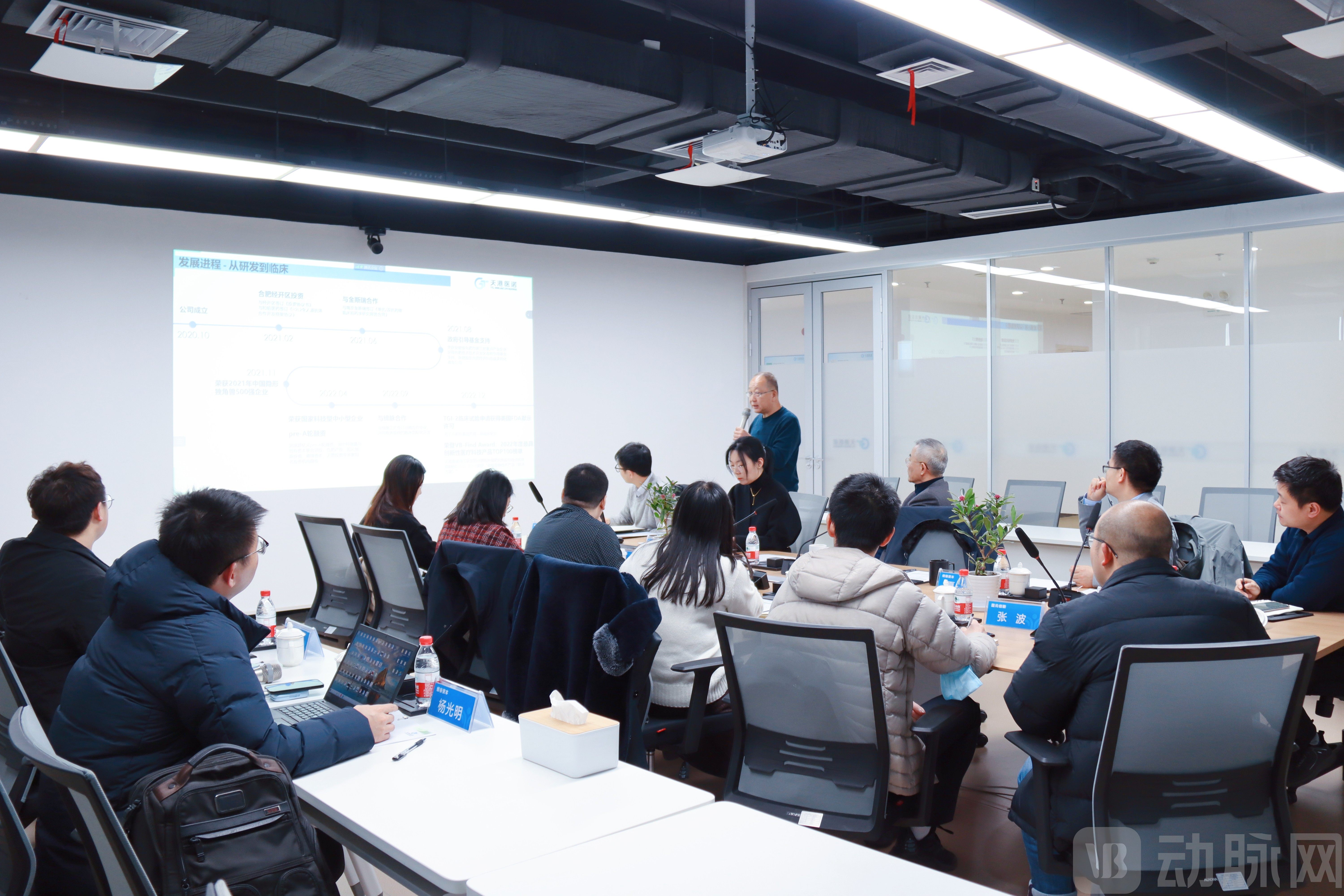
▲ Photo: Professor Xiao Weihua communicating with shareholders. (Photo provided by the interviewee)
Fundraising is a process of mutual selection. After engaging with numerous investors, Xiao Weihua established two criteria in his mind:
The first criterion isTrust, investors should trust the team’s capabilities and allow them full autonomy in technical matters; the second criterion isEmpowerment, industrial support is equally as important as financial backing. Xiao Weihua also favors investors who provide support across multiple dimensions, such as product pipelines and talent acquisition. This lays the foundation for Tiangang Yinuo’s next-step strategic layout for License-out deals.
It seems that no external factors can defeat this group of heroes. As a scientific team led by Academician Tian Zhigang, professors and students have embarked on an entrepreneurial journey together—a process that is fortunate, arduous, and highly anticipated.
At the end of the interview, Xiao Weihua shared his reflections from over the years: “Whenever I encounter a specific challenge, I engage in introspection, embracing it with an open mind geared toward learning and relaxation.”Seek out the key factor that truly sustains our journey forward.”