

Salary Survey: How Is the U.S. Life Sciences Industry Faring Amid Layoff Waves?
In 2022, alarm bells rang across the U.S. life sciences industry, as industry leaders such as Novartis, GSK, and AbbVie successively scaled back projects and underwent layoffs and restructuring.
BioSpace’s newly released “2023 U.S. Life Sciences Industry Salary Report” (hereinafter referred to as the “2023 Salary Report”) presents a dedicated salary survey of life sciences professionals. Based on 1,500 responses received between January 1 and February 6, 2023, BioSpace analyzed data on respondents’ job titles, annual salaries, bonuses, and other metrics.
This report provides detailed data and information, including trends in salary increases and decreases and regional average salaries, offering a glimpse into the current state of the industry.However, merely reading the data is likely to lead us into blind optimism or pessimism. We need to ask necessary questions of the data to uncover the subtle trends and underlying truths amidst the chill.。
VBInsight has compiled BioSpace’s report, aiming to explore the answers together with our readers.
To gain insights into the compensation and salary trends for life sciences professionals, BioSpace collected its salary survey data through online surveys, with the majority of respondents residing in the United States. BioSpace excluded salary data below $10,000 and above $1 million to eliminate misleading or irrelevant responses.
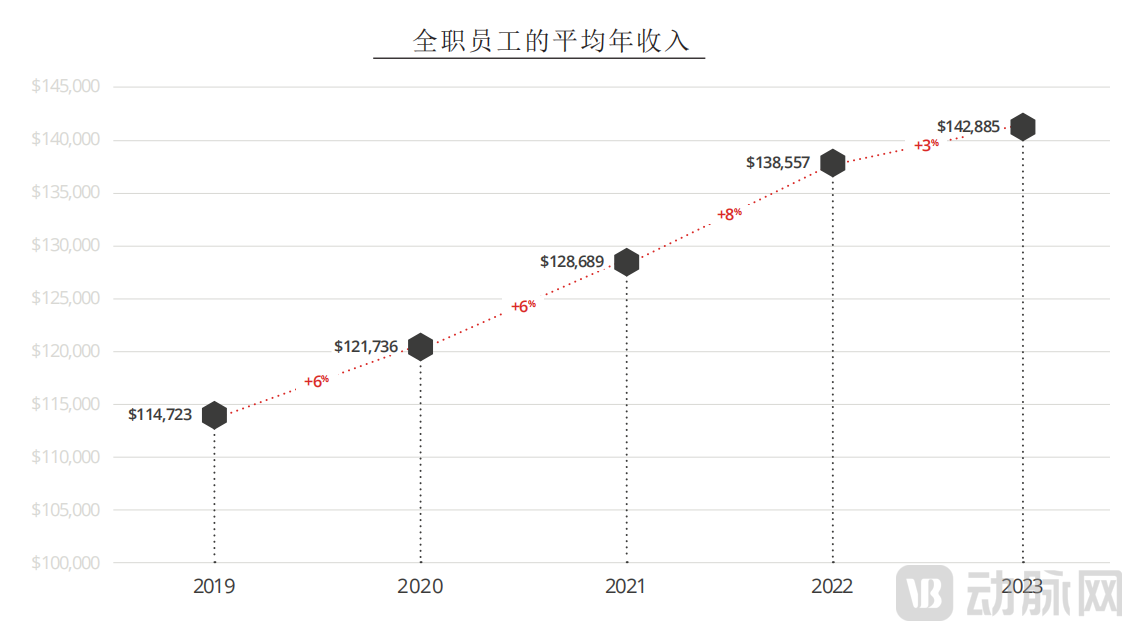
1Average annual income of $143,000, with average wage growth of 3%
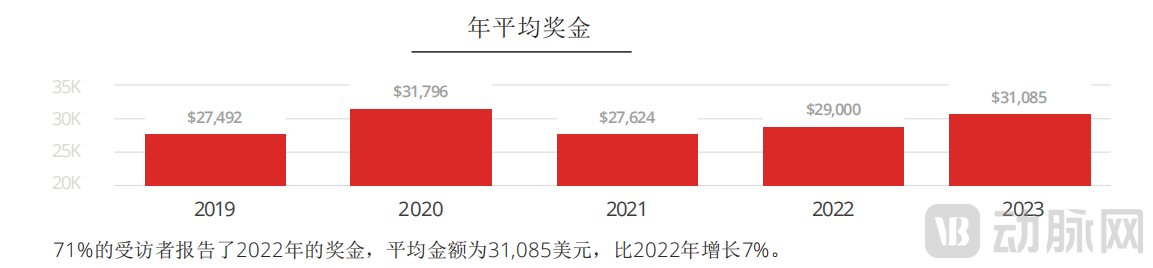
The report points out that from 2022 to 2023,The average annual income of full-time employees was $143,000, with average wages rising by 3%, a significant slowdown in growth compared to the year-on-year changes over the previous four years.Specifically, the wage growth rate reached 6% from 2020 to 2021, and 8% from 2021 to 2022.71% of respondents reported receiving year-end bonuses in 2022, with an average amount of $31,000, representing a 7% increase compared to 2022.
Data Source: BioSpace
Source: BioSpace
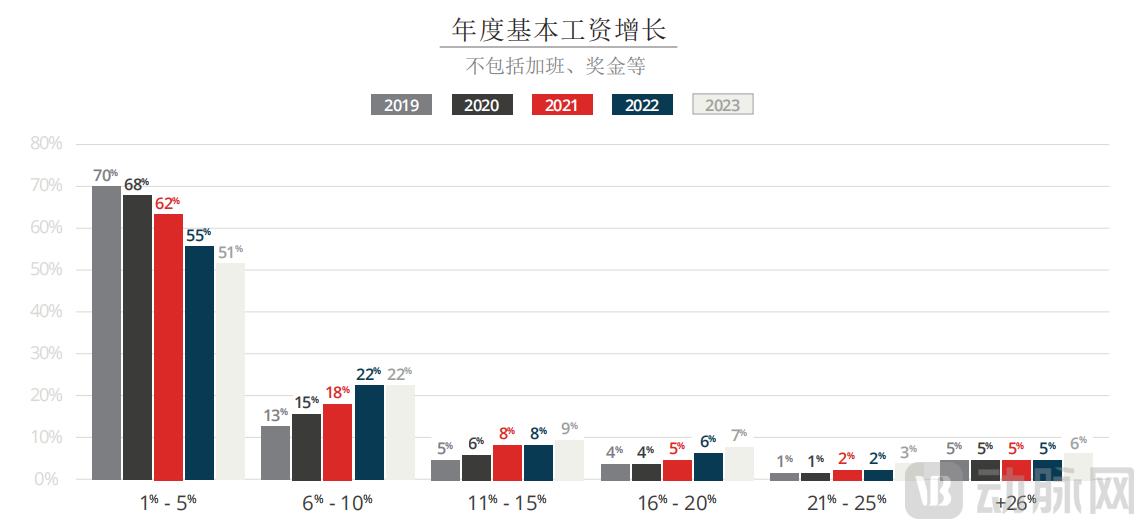
Among respondents who received salary increases, 51% reported a raise of 1%-5%, 22% reported a raise of 6%-10%, and the remaining respondents reported raises ranging from 3% to 9%.
Data Source: BioSpace
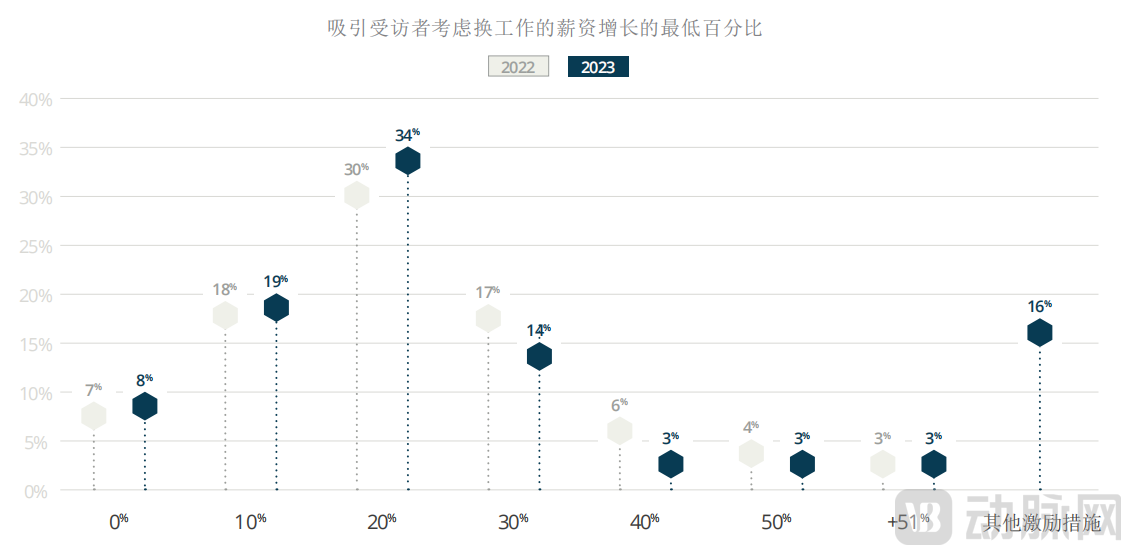
Among respondents who changed employers, 99% reported receiving a salary increase, with 27% stating that the raise exceeded 25%. Compared to last year, more individuals are seeking smaller salary increases when considering job changes; 8% of respondents did not request a raise, while 34% hoped for a 20% increase.
Data source: BioSpace
2Layoffs and Inflation Coincide, Making High-Level Growth Difficult to Achieve
After more than 100 companies implemented layoffs in 2022, why did average salaries continue to rise in 2023? Why are some companies still granting pay increases? Because even during periods of workforce reduction, companies still have job vacancies and need to offer competitive compensation to retain key employees.
In fact, according to WTW’s “December Salary Budget Planning Report,” most organizations planned to increase their salary expenditures more in 2022 than in 2021. The report projected that spending in 2023 would be even higher than in 2022, in response to a highly competitive labor market and employee salary expectations driven by inflation.
Data source: BioSpace
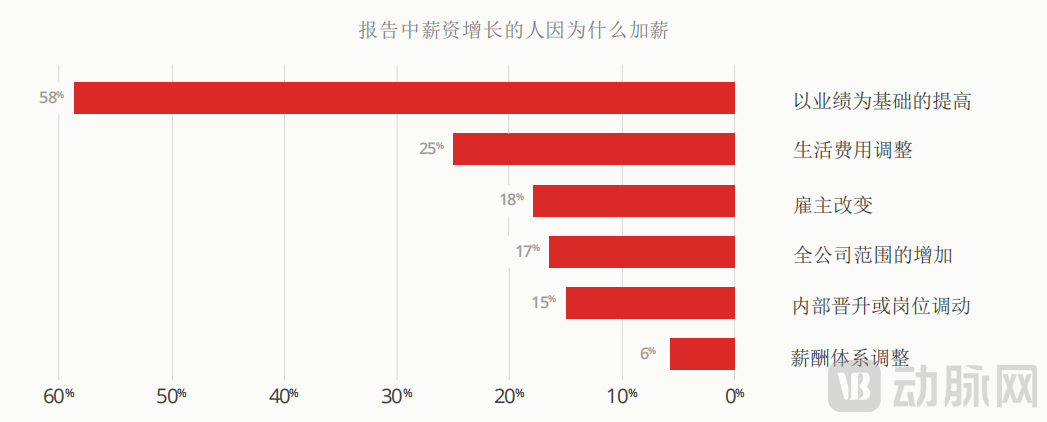
In the “2023 Salary Report,” 58% of employees who received salary increases did so due to improved performance, 25% due to cost-of-living adjustments, and 18% due to changing employers. These data to some extent indicate that the salary growth rates reported were influenced by inflation and economic downturn.
Data released by the U.S. Department of Labor on March 14 showed that the annual inflation rate in the United States was 6% in the 12 months ending February 2023. A cost-of-living wage adjustment refers to an increase in income based on estimates of the funds required to maintain a given standard of living. In the United States, this type of compensation adjustment is provided to offset inflation. Therefore, when the cost of living rises, companies typically increase employees’ cost-of-living adjustments (COLAs) to compensate for the change.
According to the WTW Salary Budget Planning Report, the average salary increase in the United States in 2022 (including performance-based increases, promotional increases, collective bargaining increases, etc.) was 4.2%, higher than the 3.0% recorded in 2021. Furthermore, the overall average increase for 2023 is projected to be even higher, at 4.6%.In fact, the 3% salary growth in the life sciences industry has not yet reached the projected overall average salary increase in the United States for 2023.
It is worth noting that while the increase in salary budgets is a significant issue, more critical is the actual monetary amount behind these higher salary increases. Although individual employee salary hikes have been modest, the elevated budget may translate into hundreds of millions of dollars in additional costs for employers. The implications of this rise in salary budgets should not be underestimated. Furthermore, given that inflation has exerted pressure on both investment and hiring, coupled with widespread layoffs across multiple industries, substantial wage growth this year may be unrealistic.
In February 2023, the annual inflation rate in the United States dropped to 6%, the lowest level since September 2021, in line with market forecasts, while the inflation rate in January was 6.4%. The decline in the inflation rate sent a positive signal.
At the Morgan Stanley Healthcare Conference held earlier this year, several developments emerged. Large pharmaceutical companies are sitting on substantial cash reserves on their balance sheets, reflecting a buyer’s market.As the patent protection periods for blockbuster drugs at many large pharmaceutical companies near expiration, these firms are seeking supplemental revenue streams, sparking intense competition for new drugs and a wave of transactions, particularly with biotech companies.
M&A deals involving biotech companies have provided the conference with an opportunity to highlight that merger and acquisition activity, which began picking up in the second half of last year, is likely to continue increasing.Mike Gaito, Global Head of Healthcare Investment Banking at JPMorgan Chase, stated, “The M&A environment should truly become vibrant in 2023.”
In the “2023 Salary Report,” BioSpace also compiled average salaries for different departments and corresponding positions within the life sciences industry, as well as salary disparities across various regions in the United States.
1What are the salary levels for each department and position?
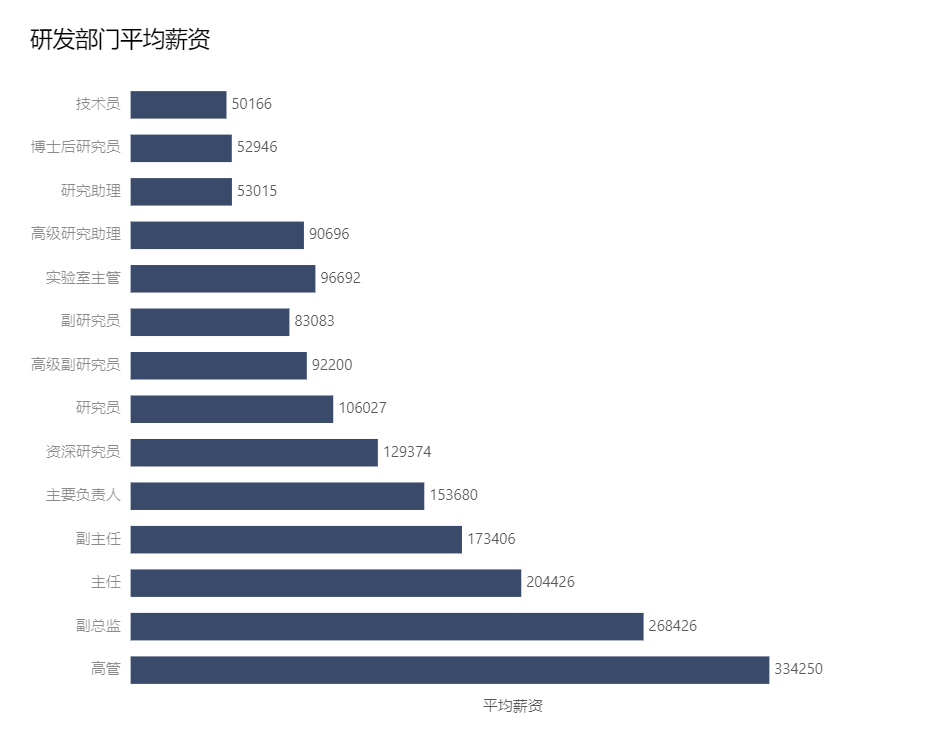
By department, Human Resources and Finance reported the highest average annual salaries. The average annual salary for a general HR Manager was $128,000, while that for a Financial Analyst was $76,000. Among all positions surveyed, executives in the Finance department had the highest average annual salary at $383,000, whereas technicians in the R&D department had the lowest at $50,000.
Among the statistics, the top three positions in terms of average annual salary are held by executives in the finance department, executives in the clinical department, and executives in the manufacturing department; at the bottom are technicians and postdoctoral researchers in the R&D department, as well as quality coordinators in the quality assurance department.
Data Source: BioSpace
2Average Annual Income of 200,000: These Three Life Science Clusters Boast the Highest Per Capita Earnings
The primary talent pools for U.S. life sciences researchers are located in the Greater Boston area on the East Coast and the San Francisco Bay Area-centered region on the West Coast. The availability and density of talent have attracted corporate clustering.
BioSpace compiled the average annual salaries of life sciences professionals across nine U.S. regions. The results showed that practitioners in the three major U.S. life sciences clusters had the highest average annual salaries.
No.1 Biotech Bay
Biotech Bay encompasses the San Francisco Bay Area, Menlo Park, and Palo Alto, serving as a leading hub for the life sciences sector with global organizations and startups.
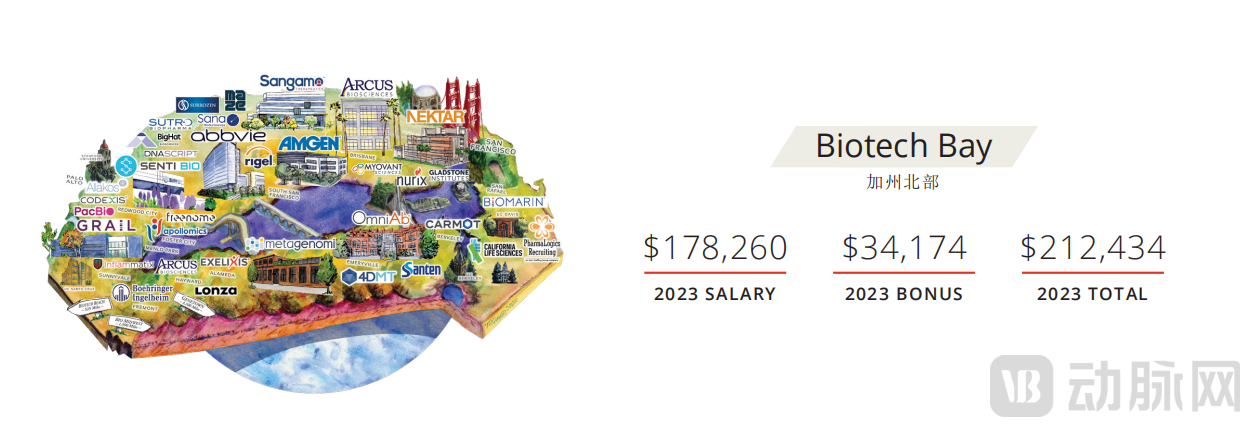
The "2023 Salary Report" shows that the average annual income for life sciences professionals in Biotech Bay is $212,000, ranking first on the regional average annual income leaderboard.
Data Source: BioSpace
Since 2021, the cluster has leased over 1.9 million square feet of space, with a laboratory vacancy rate below 5%. This statistic alone underscores the substantial demand for laboratory space in San Francisco among life sciences companies. Life sciences companies headquartered in the San Francisco Bay Area include Nektar Therapeutics, Exelixis, and FibroGen.
No.2 Biotech Beach
Biotech Beach Guide: San Diego, California. Renowned for its expansive beaches and ideal weather, the region is also home to some of the top bioscience organizations and serves as a hotbed for biotech enterprises. Prominent life sciences companies such as Amgen and AbbVie have established a strong presence here.
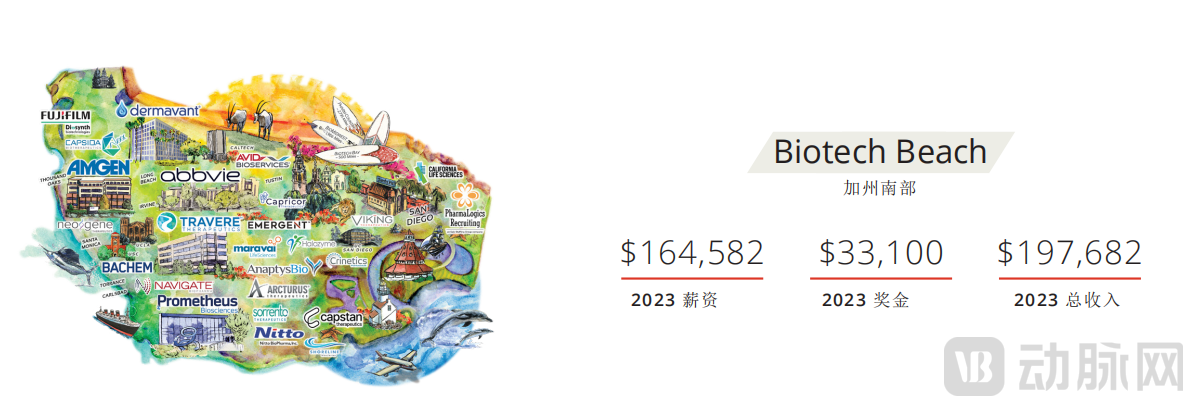
Data shows that the average annual income of life sciences professionals in Biotech Beach is $197,000, ranking second on the regional average annual income list.
Data source: BioSpace
No.3 Genetown
Genetown refers to the Greater Boston area. It boasts the most concentrated pool of life sciences talent, with Harvard University and the Massachusetts Institute of Technology (MIT) continuously supplying skilled professionals to the region. Benefiting from this vast talent reservoir, major life sciences companies such as Biogen, Thermo Fisher Scientific, and Alnylam Pharmaceuticals have established their presence here.
In the “2023 Salary Report,” the average annual income of Genetown’s life sciences professionals was $193,000, ranking third in the regional average annual income leaderboard.
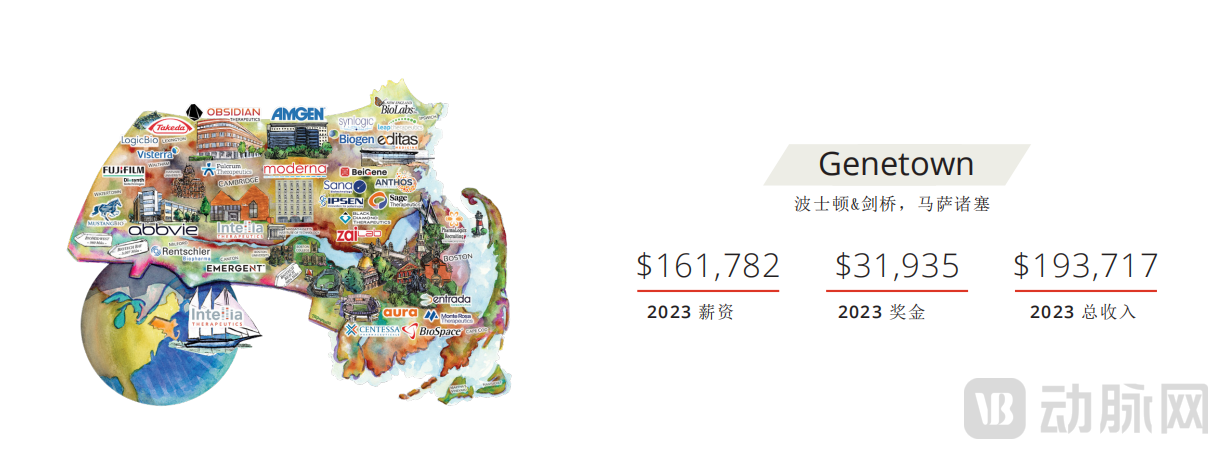
Data Source: BioSpace
This region is also hailed as a powerhouse for life sciences companies and for cell and gene therapies. Take Intellia Therapeutics, which has established operations there, as an example: the company is dedicated to developing novel, potentially curative therapies using CRISPR-based technologies. Its proprietary delivery platform enables highly precise editing of disease-causing genes directly within specific target tissues.
In 2023, life sciences companies faced considerable uncertainty. Among these challenges, the more pressing issue was how to attract and retain talent in 2023 and beyond. In light of this reality, the “2023 Salary Report” provides companies with reference guidance for implementing adjustments.
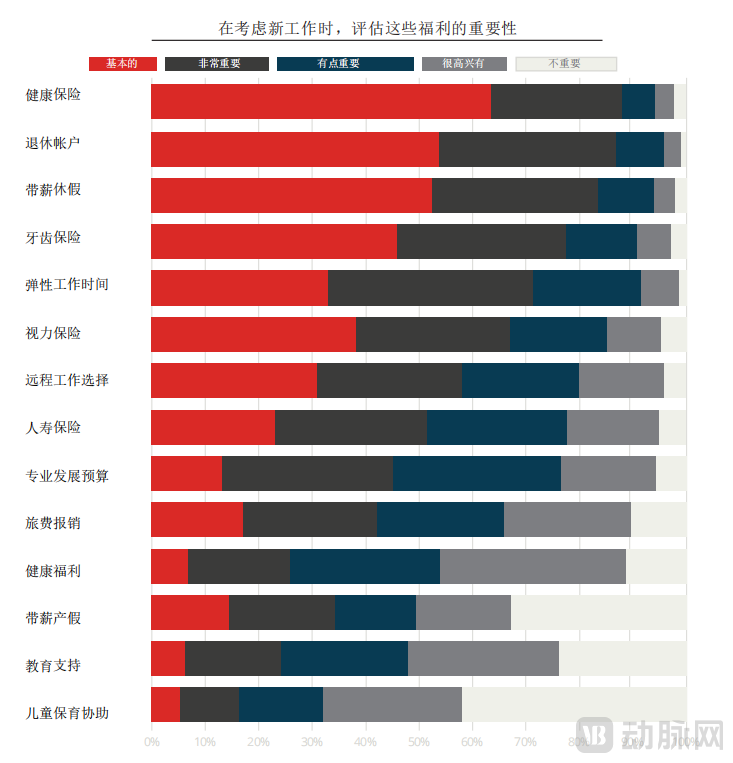
Among the data collected, life sciences professionals place a high value on comprehensive benefits packages. The majority consider health insurance, retirement pension contributions, and paid leave to be essential prerequisites for accepting a new job.
Flexible working hours are also a significant factor, with one-third of respondents considering them a prerequisite for accepting a new job and another 39% deeming them very important.
There is substantial scientific evidence indicating that flexible work schedules contribute to improvements in employee productivity and well-being. For instance, a recent study by Qualtrics found that as many as 93% of employees believe their way of working has changed “fundamentally and permanently” since the onset of the pandemic, with flexible schedules being the most beneficial change. According to the same study, 43% of employees reported an improvement in their work-life balance over the past two years, along with enhanced overall well-being and job satisfaction.
Source: BioSpace
Surprisingly, nearly one-third of people consider remote work essential, while another 28% regard it as very important.
Buffer’s 2023 State of Remote Work report found that 91% of respondents prefer remote work, with flexibility cited as the greatest benefit. Remote work is also an extension of flexible working hour systems.
The above data indicates that, in addition to providing performance-based salary increases, ensuring other reward elements—such as short-term and long-term incentives, recognition programs, and benefits packages—is key for enterprises to win the future war for talent.
*References:
1、BioSpace. 2023 US Life Sciences Salary Report.
2、Lori Wisper. Recession, layoffs, inflation, worker shortages. What it all means for 2023 pay increases. WTW.
3、Hatti Johansson. 2023 employee pay trends. WTW.
4、Carolina Aragao. Gender pay gap in U.S. hasn’t changed much in two decades. Pew Research Center.