

How Feishu Sparked a Digital Transformation in China's Healthcare Sector: Empowering 200 Companies in Two Years
Cao Yi, Founding Partner of Source Code Capital, once stated thatWhen investing in a company, one of the evaluation criteria is to examine the tools it employs., and the underlying logic is actually to assess a company’s organizational capabilities and strategic management capabilities.
In fact, this hidden capability is crucial for startups, but it is often habitually overlooked because it is intangible. However, in the current healthcare landscape, where the focus is on original innovation and the translation of scientific achievements into practical applications,Startups compete not only on the advancement of their technology, but also on R&D efficiency and the speed and value at which that technology is commercialized in the market., all of which require strong team execution capabilities for support. Therefore, in the current “selection criteria” applied by many frontline investors to projects, “team execution capability” is being given increasingly greater importance.
In fact, it is not only startups; leading enterprises in the healthcare sector are also demonstrating a strong interest in “team execution.” This trend is driven, on one hand, by industry shifts—the three-year pandemic ordeal coupled with the currently accelerating competitive market environment.Enterprises understand the value of “cost reduction and efficiency enhancement” better than ever before.; on the other hand, it stems from the company itself. As the company continues to expand and gradually reaches a new critical point in its lifecycle, upgrading organizational capabilities will be an inevitable choice that determines whether it can take the next step forward.
Therefore, in the current healthcare sector, we are witnessing a growing number of enterprises focusing on and building organizational management capabilities. We also observe that various digital office tools are increasingly appearing in the daily work scenarios of medical professionals with diverse roles. Among these, Lark, launched by ByteDance, has gained significant popularity among healthcare practitioners.
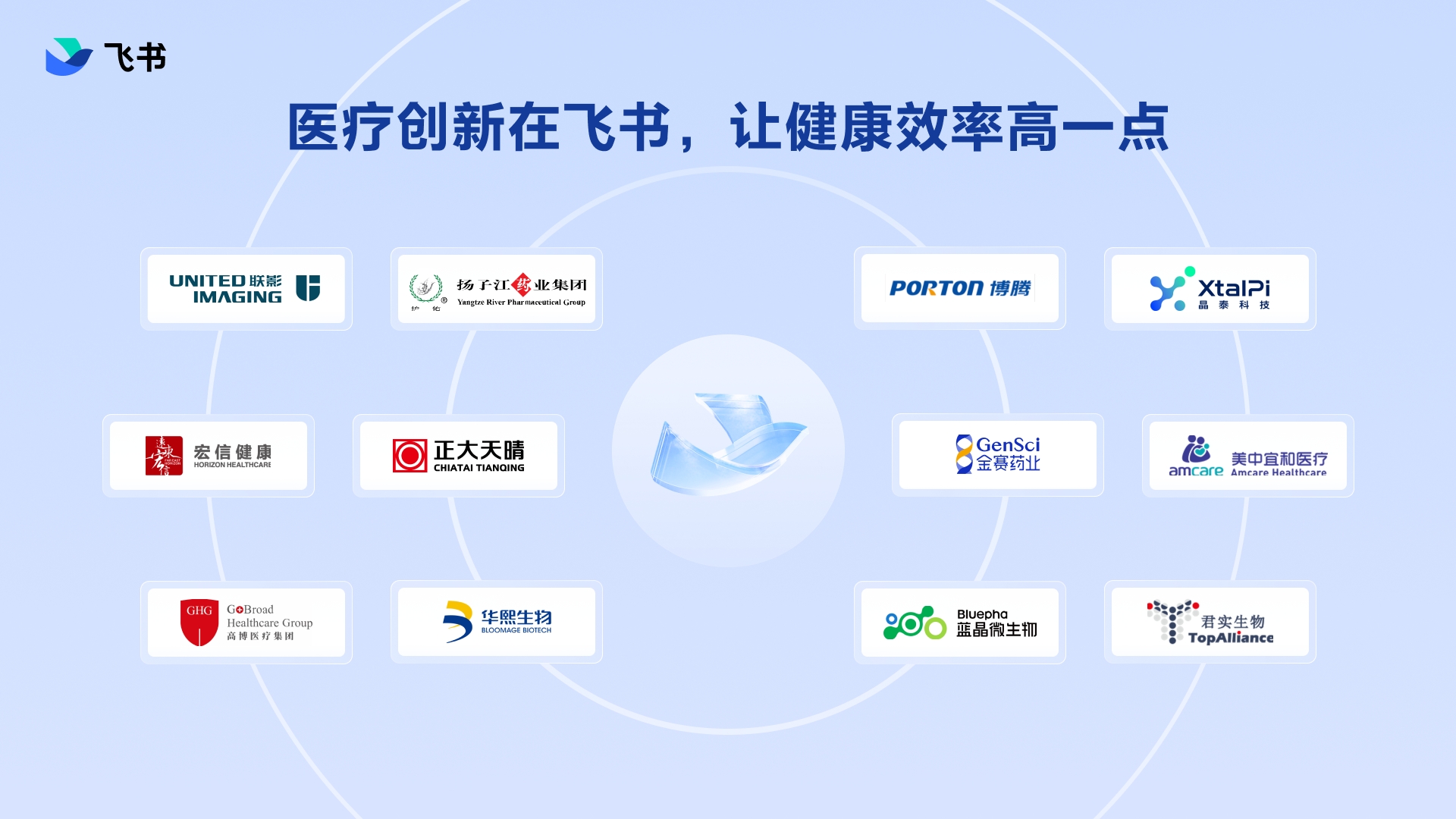
Figure 1. Selected healthcare enterprises currently partnered with Feishu
It is reported that,Currently, nearly 200 companies in the healthcare sector are using Feishu., among which there are bothUnited Imaging Healthcare, Chia Tai Tianqing Pharmaceutical Group, Yangtze River Pharmaceutical Group, XtalPi, Junshi Biosciences, Bluephaleading companies, as well as those withAmcare, Hongxin Healthhealthcare service providers represented by such institutions, as well as certain investors with long-term, specialized focus in the healthcare sector.
All market changes follow discernible patterns. So, why has organizational management begun to garner widespread attention in the healthcare sector? And why has Feishu earned the trust of numerous healthcare enterprises? What is the underlying logic behind these trends? With these questions in mind,VCBeat was deeply involved in Feishu’s Spring 2023 Launch Event, where it engaged in discussions with multiple healthcare enterprises partnering with Feishu, aiming to provide a compelling answer.
Why Is Feishu Urgently Needed in the Healthcare Market as a Benchmark for Portfolio Companies?
The three years of the pandemic have also witnessed rapid development in the healthcare sector. According to incomplete statistics from the VCBeat Orange Database, more than 2,000 healthcare companies secured financing in the primary market, while the secondary market remained equally vibrant, with nearly 300 healthcare companies successfully completing initial public offerings (IPOs) over the three-year period.
On the other hand, the challenges brought about by the pandemic are also real. The most intuitive manifestation is that continuous “lockdowns” forced many healthcare companies to operate from home for extended periods. Therefore, over the past three years, digital collaborative work tools represented by Feishu have increasingly appeared on the smartphones and computers of healthcare professionals, with a significant rise in their usage frequency.
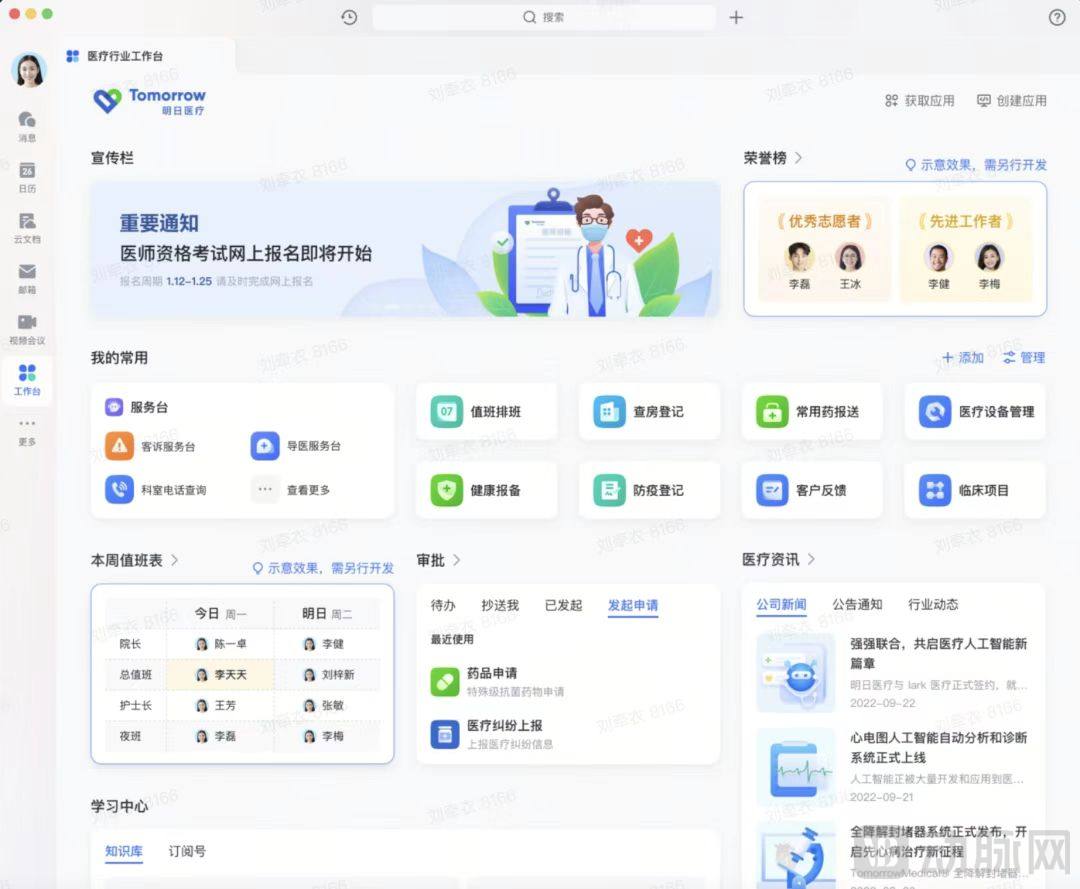
Figure 2. Schematic Diagram of the Feishu Workbench for Healthcare Enterprises
However, this trend has not come to an abrupt end with the conclusion of the pandemic; instead, it is intensifying in the current landscape. At the Feishu Spring Launch Event, which concluded on March 22, medical enterprises represented by United Imaging Healthcare announced that they would accelerate their exploration of additional possibilities offered by Feishu to support their future business development.
So, what exactly prompted companies to make this decision?
Let us begin by examining the industry-specific characteristics.The healthcare sector is a typical knowledge- and technology-intensive industry,High talent costs, with most professionals coming from diverse fields, leading to frequent interdisciplinary communication scenarios.. Taking United Imaging Healthcare as an example, as the leading domestic manufacturer of medical imaging equipment, its R&D team comprises experts in medical imaging, electronic information technology, and physical materials. Each group employs its own specialized terminology, making it crucial to facilitate aligned and effective communication among them.
And this is precisely where the value of Feishu lies. According to Gao Jing, President of the Components Business Unit at United Imaging Healthcare, Feishu and United Imaging Healthcare have jointly created a “living” dictionary. In daily work scenarios—whether viewing documents, attending meetings, or chatting—whenever a technical term appears, its corresponding definition automatically pops up. Furthermore, the dictionary is updated in real time, allowing every team member to continuously add new entries. This has effectively broken down the professional barriers that previously existed within the R&D team, making research and development more efficient.
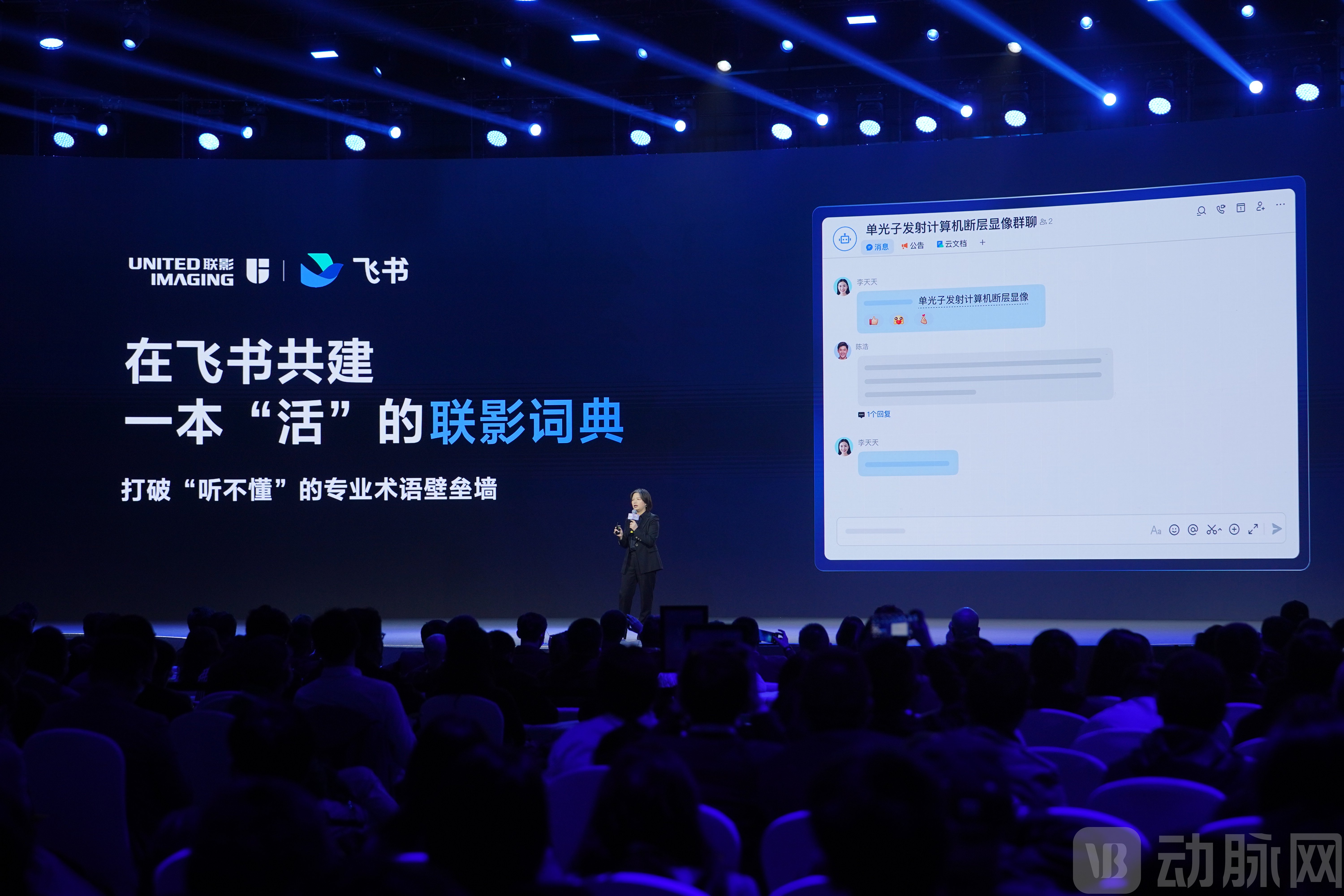
Figure 3. Gao Jing, President of the Components Business Unit at United Imaging Healthcare, Shares the Collaboration Process with Feishu
Moving beyond industry-specific characteristics, we turn our attention to the new demands placed on enterprises by current market shifts in the healthcare sector. Early this year, VCBeat conducted a survey among 13 leading investment firms in the healthcare field, with respondents widely indicating thatAlthough the current healthcare market is gradually recovering, it will not rebound overnight; difficult times still lie ahead.
Therefore, they unanimously advise entrepreneurs to maintain a “small steps, fast pace” rhythm for now, namelyOn one hand, companies must enhance their core competitiveness through innovation and market expansion; on the other, they need to effectively manage R&D spending to ensure adequate cash flow, thereby securing their immediate survival. Meanwhile, enterprises should appropriately explore overseas markets, striving to develop domestic and international operations in parallel.
Taking “global expansion” as an example, Xie Xin, CEO of Feishu, stated that Feishu primarily addresses language barriers for healthcare enterprises expanding overseas. Reportedly, Feishu provides real-time translation across document viewing, daily communication, and even video conferencing, ensuring that enterprises can accurately grasp information in a timely manner.
XtalPi, which has been using Feishu for two years, has deeply experienced this internationalization feature. In an interview, Li Danhui, Vice President of Human Resources and Administration at XtalPi, stated, “As an AI-driven pharmaceutical company with a global vision, XtalPi established an office in Boston, USA, early on, and our team includes many foreign colleagues. How to ensure synchronized communication among everyone became an urgent issue to address.” Feishu has not only helped XtalPi’s global team overcome language and time zone barriers but also simplified many processes, significantly improving internal communication efficiency.
In terms of R&D and market expansion, healthcare companies are indeed facing certain challenges, andTo Run Faster Under Load, the Only Variable You Can Change Is Human Efficiency, which has therefore become the reason why many healthcare companies use Feishu.
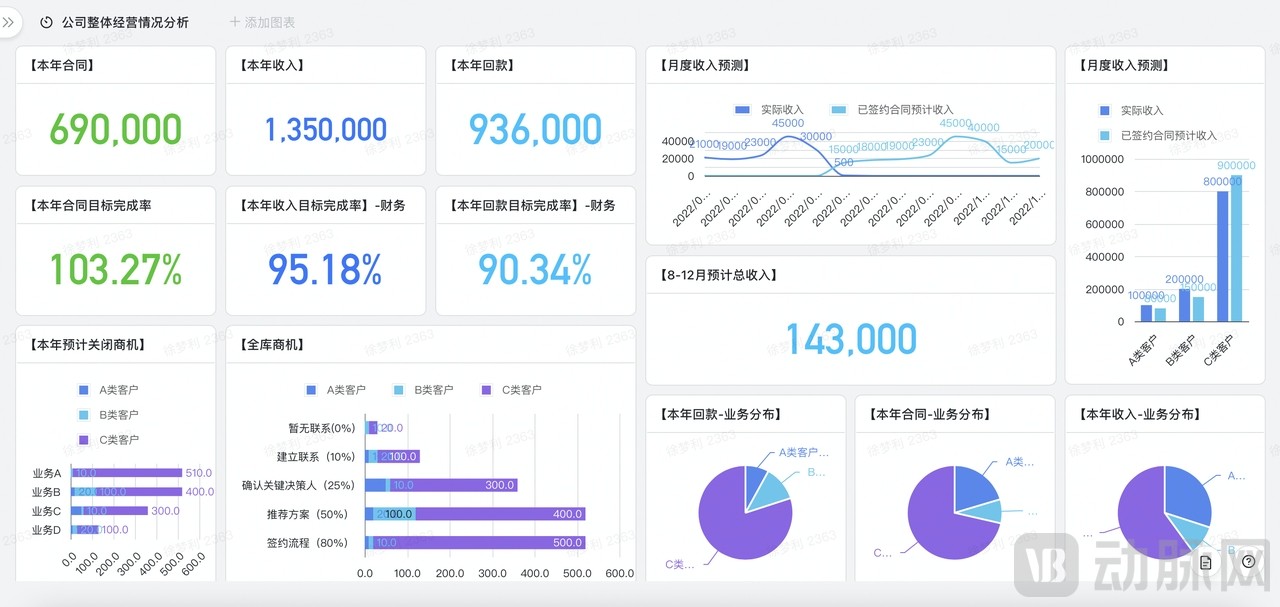
Figure 4. Feishu Multidimensional Table Demo
At the spring launch event, Feishu CEO Xie Xin stated,Feishu is currently entering a new phase, with its positioning gradually evolving from an initial office communication tool into a co-creative platform that drives the development of core enterprise businesses., which usesFeishu’s business “trinity” of Base, App Engine, and Integration Platform, plus Feishu Office, what Feishu can currently achieve is not limited to"Help enterprises improve internal efficiency while also driving external growth."This aligns perfectly with the core theme of “cost reduction and efficiency enhancement” currently pursued by healthcare enterprises.
Therefore, in a sense,Healthcare enterprises that currently choose Feishu are undoubtedly industry game-changers., as they leverage Feishu to find solutions and seize new development opportunities, they are also building a robust digital office collaboration ecosystem for the entire healthcare industry.
How Did Feishu Rapidly Win Trust in the Healthcare Market by Onboarding Nearly 200 Enterprises in Two Years?
In fact, Feishu was officially launched to the market in 2020 and gradually entered the healthcare sector in 2021. However, within less than two years, Feishu has already partnered with nearly 200 enterprises in the healthcare industry.United Imaging Healthcare, Chia Tai Tianqing Pharmaceutical, Yangtze River Pharmaceutical Group, XtalPi, Junshi Biosciences, BluephaLeading healthcare enterprises are all included in its service portfolio. So, as a “newcomer” in the market, how has Feishu managed to surpass established players? And why has it been able to accelerate its business growth in the highly regulated healthcare sector?
It is understood that as ByteDance’s first B2B business, Lark initially broke through in the internet sector, its most familiar domain. It later gradually expanded into industries such as new energy vehicles and consumer retail. After accumulating substantial industry experience, Lark only began to focus on the healthcare sector in the past one to two years.
Additionally, to gain a genuine understanding of the core demands of the industry, Feishu proposed"Enterprise Efficiency Consultant"This new concept is designed to identify human resources, project management, and knowledge accumulation challenges that arise during a company’s business development, and to co-create with the enterprise to deliver a comprehensive solution.
It is reported that, during the collaboration between Feishu and Porton Pharma Solutions,“Corporate Efficiency Consultants” stayed at Porton for a full month, delving deep into every link of the company’s production chain., with the aim of identifying the enterprise’s true needs. However, accurately pinpointing these needs and proposing solutions constitutes only the first step,How to enable healthcare enterprises to better utilize Feishu is a critical issue.
At this spring launch event, Feishu CEO Xie Xin shared a real-life story from his own experience. During a previous entrepreneurial venture, he spent over a million yuan purchasing a CRM (Customer Relationship Management) system. One day, when he wanted to review sales performance, he could not recall the account credentials. He therefore approached the Sales Director, who bypassed the system and contacted the System Administrator. The System Administrator ultimately retrieved the data and provided it to the Sales Director in Excel format. The Sales Director then made modifications before finally delivering the information to Xie Xin.
In this process, it is not difficult to find that,The high-cost system failed to deliver its expected value and, furthermore, caused unnecessary waste of human resources within the enterprise due to its presence.However, this is certainly not an isolated case; rather, it is a microcosm of the many healthcare enterprises currently advancing toward digital management. In retrospect, while digitalization may propel enterprises forward, it also risks trapping them in a digital quagmire. Therefore, it is particularly important for enterprises to gain a genuine understanding of digital office tools and leverage them effectively.
Feishu recognized this early on and established a dedicatedFeishu Customer Success TeamAccording to the person in charge, this team primarily has three core responsibilities: first, to guide customers and enable them to achieve synergy with Feishu’s business operations as quickly as possible; second, to explore business opportunities alongside customers and integrate the service chain in response to evolving needs; and third, to serve as a trusted advisor to customers and collaborate with them to build a robust ecosystem across the entire sector.
In addition, to make it easier for customers to get started, Feishu has systematically built an integration platform designed to connect various enterprise service ports, enabling businesses to address multiple needs using just the Feishu app. According to reports, Feishu currently offers over 100 connectors and 70 integration solutions, covering the major office tools used across industries.
The initial pilot customers of Feishu reported an exceptional user experience, and these founders were willing to recommend the platform to their peers. As a result, many of Feishu’s subsequent healthcare clients were acquired through word-of-mouth referrals.
XtalPi has also frequently recommended Lark to other companies in the industry. The key reason for endorsing it to peers is that XtalPi has genuinely experienced the value of Lark. During the Shanghai lockdown in 2022, XtalPi was at a critical stage in the development of novel small-molecule anti-tumor drugs. However, due to temporary control measures, Dr. Wen Tao, the head of drug R&D, and his research team faced significant challenges. Halting experiments would have exposed both the project and the team to substantial risks and losses.
Benefiting from the tacit understanding and efficiency in cross-departmental and cross-regional collaboration established through Feishu, XtalPi’s R&D team has broken geographical barriers, reconnecting team members. Additionally, leveraging Feishu’s online collaboration system, the R&D team can monitor and analyze experimental data in real time, providing immediate feedback and adjustments to ensure a consistent understanding of projects across the team.With the collaborative support of Feishu, XtalPi advanced its R&D experiments as planned, reaching a key milestone in just half the originally scheduled time.
It is not only XtalPi that is impressed by Feishu; United Imaging Healthcare shares the same sentiment. According to Gao Jing, President of the Components Business Unit at United Imaging Healthcare, the company signed an agreement with Feishu in late September 2022. Within just two months, Feishu had been deeply integrated into various business processes at United Imaging Healthcare, yielding more than ten successful case studies.
Undeniably, in the current medical market environment, advanced production tools can indeed serve as a source of cutting-edge productivity for enterprises. However, to maximize this productivity, these tools must be used with ease and satisfaction. This aligns with Feishu’s latest philosophy: that user delight is itself a form of corporate productivity.
How Much Room for Growth Does Feishu Still Have by “Deepening” Its Services While Maintaining Clear Boundaries?
Lin Chan, Chief Business Officer of Feishu, crunched the numbers at this spring’s product launch, stating that in the realm of digital management, many enterprises spend 100% of their budget yet only realize 20% of the value, whileFeishu’s partner enterprises have spent 100% of the cost yet enjoyed 200% of the value., this not only significantly improved operational efficiency and achieved the expected goals, but also greatly reduced costs.
The reason why Feishu has such a fulfillment rate lies in its core, which isFeishu has broken away from the traditional model of marginalized business applications and truly penetrated into the core business operations of healthcare enterprises.. Taking the integration of data silos in enterprise laboratories as an example, with the development of enterprises and the continuous deepening of research and development, the number of laboratory “silos” will continue to increase, and they are all in a fragmented state. At this stage,Feishu is not designed to replace, but to connect—tightly linking various “silos” through a complete, end-to-end narrative., enabling the interoperability of information and data, thereby driving more efficient R&D.
Although Feishu has built a relatively “heavy” business model, it still operates within certain boundaries.Still taking the laboratory scenario as an example, Feishu has indeed delivered substantial value in the enterprise R&D process. However, it cannot participate in the innovation process directly like R&D personnel; instead, it primarily focuses on serving R&D teams. This is specifically reflected in facilitating synchronized cross-regional and cross-disciplinary communication among researchers, maintaining detailed experimental records, and providing real-time feedback to ensure they stay promptly informed of R&D progress.
Currently, Feishu has been continuously demonstrating the value of digital collaborative office tools to the healthcare industry, but frankly speaking,The digital transformation of healthcare enterprises is still in its early stages; continuous market guidance and education will be required, making this inevitably a protracted process.。Furthermore, the optimization of relevant digital technologies is also critical, as some data silos remain unconnected at this stage, and those that have been integrated require deeper-level connectivity.
Beyond these unresolved market pain points, the rapidly growing market demand in the healthcare sector also leaves immense room for Feishu’s expansion. Coupled with its multiple successful case studies in the healthcare industry and a client base that has gradually expanded from leading enterprises to startups, this means thatFeishu’s core business in the healthcare sector is poised for exponential expansion in the coming years.
At Feishu’s spring launch event, Zhou Haoyun, Chief Technology Officer of Haidilao, described the new definition Feishu has brought to Haidilao as follows: “Feishu serves Haidilao well, so that Haidilao can serve its customers well.” In fact, Feishu’s value in the healthcare sector is similar. Although Feishu directly serves healthcare enterprises, it ultimately addresses the broad population with urgent health needs. These individuals continuously raise new demands on healthcare companies, which in turn continually redefines Feishu’s value in the healthcare field.