

Demeter Instruments: Redefining Clinical Mass Spectrometry with Automation, Standardization, and Innovation
The emergence of new theories and technologies in in vitro diagnostics (IVD) has driven the rapid development of clinical laboratory testing. Against the backdrop of the growing trend toward precision medicine, clinical mass spectrometry, with its advantages of high throughput, high sensitivity, high specificity, high accuracy, high efficiency, and multi-analyte simultaneous detection, has become one of the most dynamic new technologies in the IVD field compared to traditional testing methods.
As public health awareness continues to rise, hospital patient volumes have increased significantly, making the detection of small-molecule substances an essential clinical requirement and creating industrialization opportunities for a large number of advanced instruments such as mass spectrometers. In recent years, the domestic mass spectrometry sector has become highly competitive, with numerous players vying for market share.
From a product perspective, domestic mass spectrometry companies primarily adopt two business models for various mass spectrometry products, particularly triple quadrupole mass spectrometers, which are most commonly used in clinical mass spectrometry: one is the “OEM partnership” model, which involves importing foreign mass spectrometry equipment, rebranding it, and obtaining regulatory certification for sale; the other is the third-party testing service model, which establishes hospital-based sampling points to “capture market share” and generates revenue through regional sample collection. There is a clear prevalence of “low innovation and hype-driven concepts” as well as homogenization, with even multiple OEMs offering identical products. Competition is becoming increasingly intense due to the homogenization of test menus and technologies.
As the clinical mass spectrometry market in China sees rising industrial activity, imported companies often invest less manpower and financial resources, remaining in a wait-and-see stance. Currently, a significant proportion of mass spectrometry instruments installed in hospitals, particularly in clinical laboratories, are idle. Therefore, we must raise the following question:Are chromatography-mass spectrometry instruments truly mature testing platforms? What are the core clinical applications and technical pain points of clinical mass spectrometry? What technology is driving the development of clinical mass spectrometry and enabling fundamental transformation?
Three Pain Points in Clinical Mass Spectrometry: Automation, Standardization, and Normalization
Many laboratory physicians have pointed out that the greatest drawback of clinical mass spectrometry is its severe lack of automation. Automation is defined as a process in which machines and equipment, with little or no human involvement, can achieve desired objectives through automatic detection, information processing, analysis and judgment, and operational control according to human requirements. However, automation in the clinical mass spectrometry industry has not been properly defined; compared with existing clinical laboratory instruments, the current overall workflow of clinical mass spectrometry still involves considerable manual intervention and adjustment.
Wang Feng, Founder and Chairman of Demeter, pointed out: Similar to the concept of autonomous driving, where the definition of automation was initially ambiguous but has since evolved into four distinct levels, the automation of clinical mass spectrometry should likewise be categorized into at least three tiers: “hands-free,” “brain-free,” and “human-free.” “Hands-free” automation refers to processes that do not require laboratory personnel to frequently participate in operations and adjustments; “brain-free” automation indicates that personnel are not needed to engage in information judgment, error identification, or result interpretation throughout the analytical workflow; “human-free” automation means that the entire process requires no on-site human management, i.e., “The machine can operate without human presence.”. Currently, most biochemistry and chemiluminescence instruments in clinical laboratory departments have achieved a level of automation that eliminates manual intervention (“brain-free”), while total laboratory automation (TLA) systems can further achieve a level that minimizes human involvement (“hands-free”). The analytical process of clinical mass spectrometry involves at least the following steps: sample preparation; mobile phase preparation, replacement, and equilibration; column installation, cleaning, and equilibration; calibration curve generation; chromatographic peak data analysis; parameter adjustment; report verification; reprocessing after errors; and frequent maintenance of the ion source. Clearly, there is still a long way to go for clinical mass spectrometry to meet the automation requirements of routine clinical laboratory testing.
“Sample processing accounts for only 20% of automation efforts and is not the true bottleneck in mass spectrometry automation; 80% of the challenges lie in the aforementioned downstream processes,” said Wang Feng. “True clinical mass spectrometry automation should integrate all steps to achieve end-to-end automation from sample pre-processing to report generation, thereby addressing the pain points in the clinical application of mass spectrometry. However, achieving this requires fundamental breakthroughs through research, development, and manufacturing starting from core technologies.”
Furthermore, more important than automation is ensuring the stability and accuracy of clinical mass spectrometry results. In other words, there are two critical prerequisites to implementing automation in clinical mass spectrometry: standardization and normalization. Given the large volume of routine test samples, heavy workloads, and shortage of highly skilled personnel in domestic hospitals and third-party testing institutions, achieving standardization and normalization is essential to guarantee the stability and accuracy of clinical mass spectrometry; otherwise, automation would be meaningless.
Standardization of clinical mass spectrometry primarily encompasses two aspects: first, the regulatory compliance of materials involved in assay technologies; and second, the compliance of performance metrics. Wang Feng noted that in clinical mass spectrometry analysis systems, factors such as instruments, mobile phases, chromatographic columns, calibration, and quality control have a significant impact on results and should fall under the Category II medical device licensing scope of the National Medical Products Administration (NMPA). However, current clinical mass spectrometry kits often lack complete key components; for instance, chromatographic columns may lack registration certificates, mobile phases may not be commercially available products, and there are discrepancies between registered materials and actual materials used. Furthermore, Wang Feng pointed out that performance verification is a critical component of standardization. Many companies exaggerate or overstate the range of analytes in their promotional materials, yet fail to conduct the performance verifications required by guidelines for bioanalytical method validation. They are also unable to perform series of validations, such as spike recovery and Incurred Sample Reanalysis (ISR), in accordance with the CLSI C62 professional framework for clinical mass spectrometry. "Most deliberately sever the integrity between assay types and performance verification," Wang Feng added. "Some companies use calibration curves for quantification that fail to meet basic linearity requirements, even substituting the standard curve of five or more concentration levels with only two or three data points."
Standardization is the true hallmark of the successful implementation of clinical mass spectrometry. Currently, most methods and materials used in clinical mass spectrometry cannot be commercialized or standardized; mobile phases often require fresh preparation or immediate dilution prior to use, while calibrators lack stability, commutability, and standardization. Whether using commercially available mass spectrometry kits or laboratory-developed tests (LDTs), the vast majority lack metrological traceability, thereby failing to ensure accurate and comparable results.
For clinical mass spectrometry, miniaturization and point-of-care deployment are also essential. Currently, most companies’ mass spectrometers are bulky, making it difficult to meet the needs for point-of-care testing in clinical settings. Meanwhile, clinical mass spectrometry systems should ensure guaranteed turnaround time (TAT), an appropriate cost-effectiveness ratio, and sufficient analytical capacity to comply with the requirements of clinical laboratory testing.
A Decade of Refinement: Demeter Ascends to the Pinnacle of Clinical Mass Spectrometry
Hunan Demeter Instruments Co., Ltd. was established in 2014. Its R&D team, boasting extensive clinical experience, possesses a profound understanding of the challenges and technical bottlenecks encountered in mass spectrometry. Over the past decade, the team has focused on foundational technologies such as matrix effects in clinical chromatography-mass spectrometry, column equilibration and regeneration, and standardization of in vitro diagnostics (IVD). Through a series of innovations, it has overcome key barriers in the automation and stabilization of clinical mass spectrometry, successfully developing multiple high-end mass spectrometry systems. These achievements have not only yielded top-tier products in the industry but also positioned the company as a representative enterprise with strong core technological capabilities.
Leveraging Demeter’s globally recognized core technologies, its innovative products—the DMT 7500 Bedside Mass Spectrometry System, the DMT 9600 High-Sensitivity Two-Dimensional Mass Spectrometry System, and the DMT 9500 Direct Blood Sample Mass Spectrometry System—have obtained or are in the process of obtaining Class II medical device certifications. Demeter is currently the only enterprise capable of standardized, large-scale production of chromatography columns, quality control materials, and mobile phases. Its product portfolio covers most drugs, vitamins, bile acids, steroid hormones, and other substances, basically meeting the application scenarios of clinical mass spectrometry.
Hunan Demeter Instruments Co., Ltd. deeply recognizes the importance of quality and traceability systems in clinical mass spectrometry. Through independent research and development as well as strategic collaborations with international enterprises, the company has been providing proficiency testing (PT) services to domestic mass spectrometry and chromatography companies for several consecutive years. Its clients include leading companies in the mass spectrometry sector such as Hangzhou Baichen, Nanjing Pingsheng, and Beijing Hehe, as well as major hospitals including Beijing Hospital, Beijing Anding Hospital, and Guangzhou Brain Hospital. These laboratory comparison programs have significantly enhanced the accuracy of small-molecule measurements by mass spectrometry in China and promoted the standardization and consistency of mass spectrometry and chromatography technologies. Hunan Demeter is a true pioneer in clinical mass spectrometry with a complete quality control and traceability system.
Automation, standardization, and normalization represent the new heights that Demeter has brought to clinical mass spectrometry. The DMT 7500, DMT 9500, and DMT 9600 systems have overcome critical challenges such as the need for manual preparation or dilution of mobile phases, frequent maintenance issues with ion sources, and retention time drift. Most notably, the DMT 9500 direct blood sample mass spectrometry system, equipped with patented mobile phase technology, has transformed the decades-long practice of preparing mobile phases immediately before use. It enables a streamlined workflow from blood sample input to analytical result output, further enhancing its "de-specialization" capability. The requirements for operators now closely align with those of routine laboratory medicine, significantly boosting productivity and R&D capabilities in both laboratory and clinical settings.
Demeter is the first enterprise in China to register chromatography columns, the first manufacturer of ready-to-use mobile phase products, and currently the only company capable of achieving standardized and normalized production. In terms of performance validation, Demeter conducts systematic assessments of linearity, accuracy, and precision, with a particular focus on spiked recovery rates in human blood from different donors and sample retesting validation systems, in accordance with the Chinese Pharmacopoeia’s guidelines for bioanalytical method validation. This approach genuinely empowers the clinical implementation of mass spectrometry at the user end. Furthermore, Demeter has achieved miniaturization and point-of-care deployment of its mass spectrometry systems; the DMT 7500 system is currently the world’s most compact mass spectrometry system, offering rapid mobility and on-site reproducibility.
Furthermore, with forward-looking vision, Demeter has built a clinical mass spectrometry ecosystem. It has established strategic partnerships with LGC (an international clinical mass spectrometry PT provider), Beijing Manhaige (a CRM reference material enterprise), Dongxi Electronics (a Chinese scientific instrument manufacturer), and Tianlong Technology (a leading gene testing company). These collaborations enable Demeter to provide a comprehensive product and service portfolio for China’s clinical mass spectrometry industry, covering proficiency testing (PT), calibration traceability, nucleic acid mass spectrometry, microbial mass spectrometry, gas chromatography-mass spectrometry, and gene testing, thereby promoting the development of precision medicine and clinical mass spectrometry IVDs.
Demeter to Showcase Two Mass Spectrometry Systems at 2023 NCLM!
The 17th National Conference of Laboratory Medicine (2023 NCLM) of the Chinese Medical Association will be held at the Changsha International Convention and Exhibition Center from March 30 to April 1, 2023. The conference is hosted by the Chinese Medical Association and its Branch of Laboratory Medicine, and organized by the Hunan Medical Association. It is reported that this conference will cover the latest research findings and development trends in various fields of clinical laboratory testing and laboratory management, and facilitate extensive and in-depth discussions on the new situations and challenges facing laboratory medicine. Numerous leading domestic experts will attend the conference and deliver special reports. Demeter will also exhibit two clinical mass spectrometry systems at a custom-designed booth during this event.
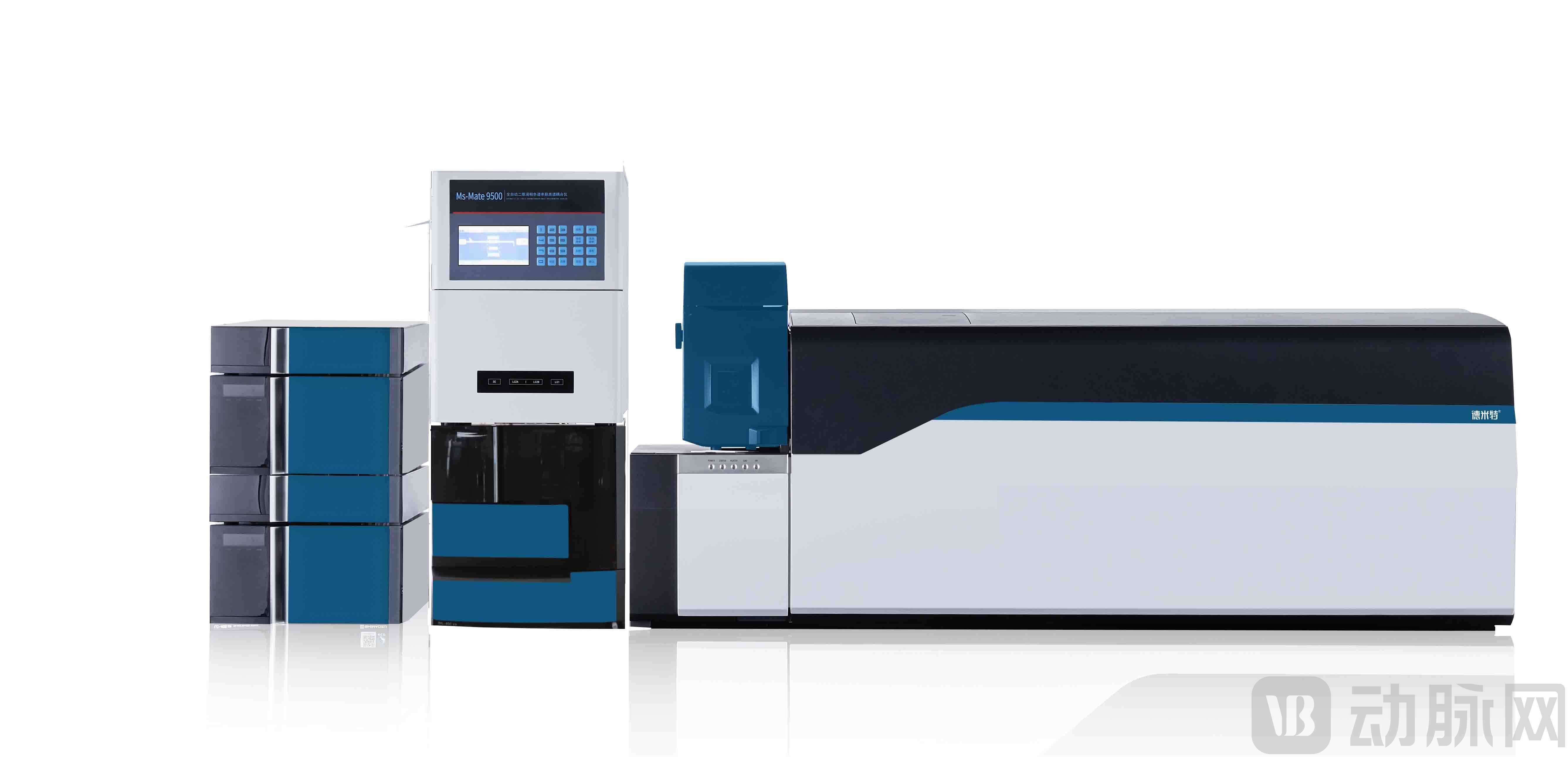
DMT 9500 Direct Blood Sample Mass Spectrometry System
DMT 9500 Direct Blood Sample Mass Spectrometry System
No need for automated pre-processing systems! No need for manual sample handling! No need to prepare mobile phases! No need for concurrent calibration curves!... The DMT 9500 boasts a series of dazzling core high-tech innovations: fast-slow mass transfer control technology significantly reduces mass spectrometry instability; seamless synchronous column regeneration achieves dynamic matrix effect control; patented mobile phase technology overturns the half-century-old practice of preparing mobile phases fresh for immediate use; and columns, mobile phases, instruments, and calibration quality controls are fully IVD-compliant. This comprehensively resolves the automation challenges associated with supporting hardware, hardware stability, chromatography columns, and overall reagent compatibility. The DMT 9500 system integrates assay menu and performance validation, covering 280–350 tests for drug concentrations, vitamins, and metabolic markers, thereby truly achieving “automation, standardization, and normalization” in the clinical hospital setting. According to Wang Feng, evaluated from the perspective of “human-free” automation, this system is undoubtedly the “pyramid-top” product in the field of clinical mass spectrometry.
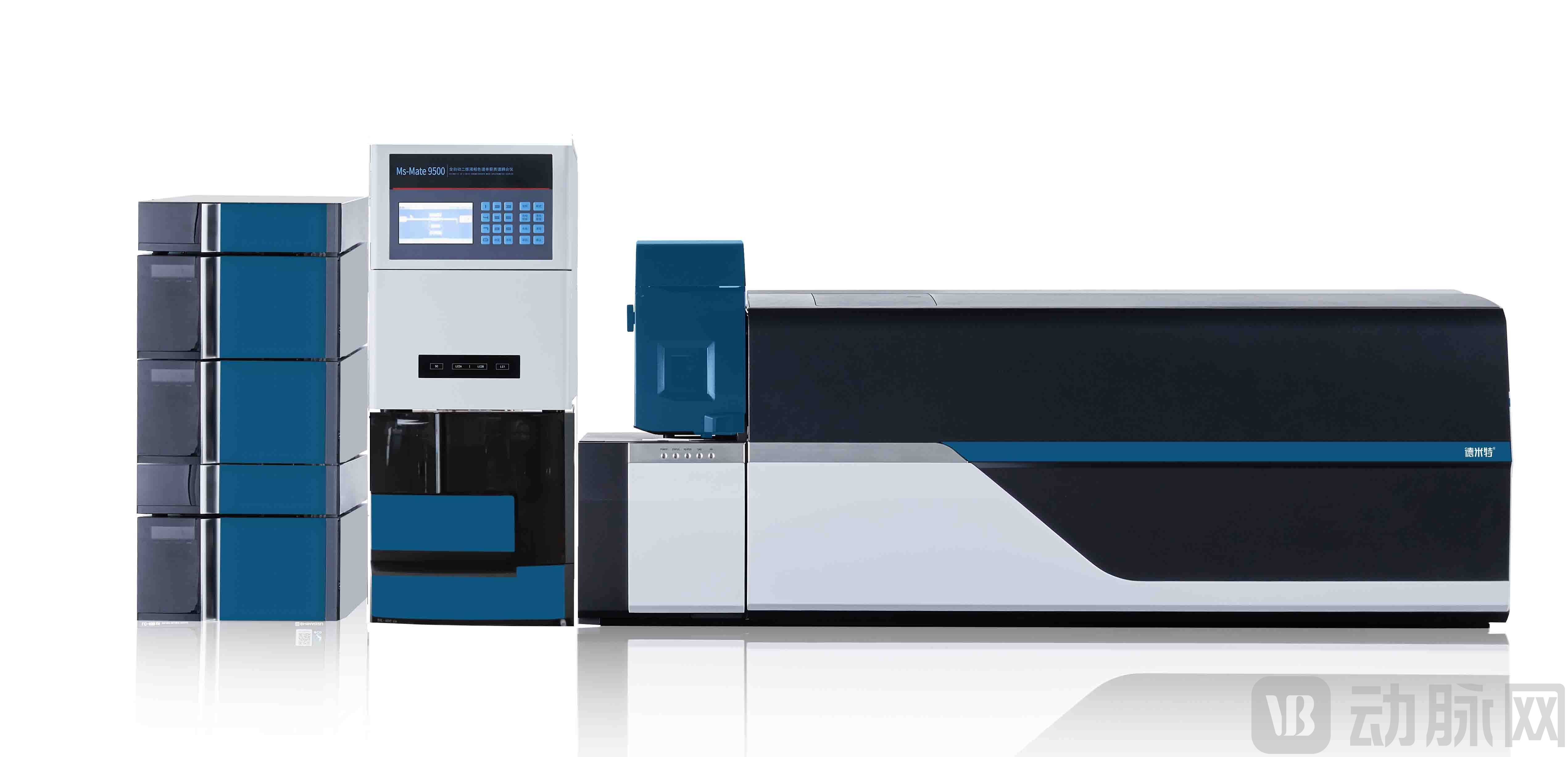
DMT 9600 High-Sensitivity 2D Mass Spectrometry System
DMT 9600 High-Sensitivity Two-Dimensional Mass Spectrometry System
A World First! The First 2D Liquid Chromatography-Tandem Mass Spectrometry System in China to Receive Class II Clinical Approval! With ultra-high sensitivity, it effortlessly handles trace-level analysis. Even with a "half-drop" of blood (25 µL), it can complete the full determination of vitamins A, D, and E for pediatric and maternal/child health applications. Compared to currently registered clinical mass spectrometry systems, the DMT 9600 boasts a sensitivity of up to 1,600,000:1, which is at least 200% higher than that of similar clinical MS instruments. Furthermore, the DMT 9600 is equipped with Demeter’s core coupling technology, enabling highly automated online extraction. In terms of efficiency, automation, and reliability, it significantly outperforms techniques such as "magnetic bead extraction" and "solid-phase extraction." Additionally, the DMT 9600 features two-dimensional separation capabilities, allowing direct injection of samples even after treatment with strong acids or bases (e.g., perchloric acid, zinc sulfate). Paired with its proprietary isotope-free technology, it substantially accelerates method development. Evaluated by its "core technology" and "sensitivity," the DMT 9600 represents the pinnacle of clinical mass spectrometry, fundamentally transforming LDT method development efficiency and clinical MS performance.
Demeter looks forward to joining you in Changsha to witness cutting-edge clinical mass spectrometry technology and discuss the new future of laboratory medicine!