

2024 APbrain Symposium on Anesthesia and Perioperative Brain Science Kicks Off in Shanghai!
“The 2024 Symposium on Anesthesiology and Perioperative Brain Science (APbrain) & Workshop on Basic Research Strategies and Technical Methods in Anesthesiology and Perioperative Medicine & Workshop on Construction of Standardized Perioperative Databases” was grandly held at the Radisson Blu Hotel Shanghai National Exhibition and Convention Center from November 15 to 16. Top scholars from across China gathered in Shanghai for this prestigious event, with more than 500 experts, clinicians, researchers, and students in the fields of anesthesiology, neuroscience, and basic medical research from all over the country actively participating to jointly discuss the latest research findings, future trends, and practical applications in anesthesiology and perioperative brain science.

This grand event was hosted by the Shanghai Society for Neuroscience and co-organized by Shanghai Fourth People’s Hospital Affiliated to Tongji University, the Shanghai Key Laboratory of Anesthesia and Brain Function Modulation, and Health Circle. The conference focused on nine hot topics: applications for the National Natural Science Foundation of China, clinical study design and manuscript writing, establishment of standardized perioperative databases, anesthesia and organ protection, frontiers in anesthesia and brain science, advances in critical care medicine research, anesthesia and artificial intelligence, translation of medical innovations, and progress in anesthesiology therapeutics. Through various formats including keynote speeches, thematic seminars, roundtable discussions, and workshops, the conference achieved a multi-dimensional presentation ranging from theoretical exploration and practical guidance to the showcase of achievements.
[Opening Ceremony and Main Forum] Address

(Professor Tian Li and Professor Li Cheng, Shanghai Fourth People’s Hospital Affiliated to Tongji University)
The opening ceremony was hosted byProfessor Tian Li, Shanghai Fourth People's Hospital Affiliated to Tongji UniversityandProfessor Li ChengCo-chaired by Professor Hu Ji of the Shanghai Society for Neuroscience, Professor Zhang Xiaoqing of Tongji University School of Medicine, and Professor Xiong Lize of Shanghai Fourth People’s Hospital Affiliated to Tongji University, who each delivered opening remarks.

(Professor Hu Ji, Shanghai Society for Neuroscience)

(Professor Zhang Xiaoqing, School of Medicine, Tongji University)

(Professor Xiong Lize, Shanghai Fourth People's Hospital Affiliated to Tongji University)
Prof. Hu JiEmphasizing the core value of this conference in promoting academic exchange, we look forward to attendees jointly exploring unknown frontiers and contributing to the advancement of neuroscience.Professor Zhang XiaoqingIt was pointed out that the conference is a feast for top scholars and an opportunity to push anesthesia and perioperative brain science to new heights.Prof. Xiong LizeIt was stated that the conference brought together leading domestic experts to share the latest findings and discuss future trends, making it a highly influential academic event. It is believed that this conference will become an important milestone in promoting the continuous development of anesthesiology and perioperative brain science.
[Opening Ceremony Main Forum] Keynote Address
The main forum of this conference is hosted byProfessor Zhang Xiaoqing from the School of Medicine at Tongji University, Professor Liu Zhiqiang from the Obstetrics and Gynecology Hospital of Fudan University, Professor Jiang Lai from Xinhua Hospital Affiliated to Shanghai Jiao Tong University School of Medicine, Professor Gu Weidong from Huadong Hospital Affiliated to Fudan University, and Professor Fang Hao from the Minhang Meilong Campus of Zhongshan Hospital Affiliated to Fudan UniversityCo-Chair.

(Professor Xiaoqing Zhang, Tongji University School of Medicine; Professor Zhiqiang Liu, Obstetrics and Gynecology Hospital of Fudan University)

(Professor Jiang Lai, Xinhua Hospital Affiliated to Shanghai Jiao Tong University School of Medicine; Professor Gu Weidong, Huadong Hospital Affiliated to Fudan University; Professor Fang Hao, Minhang Meilong Campus of Zhongshan Hospital Affiliated to Fudan University)
During the Main Forum session,Professor Fang Xiangming, Zhejiang University School of Medicine; Professor Li Chunying, Xijing Hospital, Air Force Medical University; Professor Shu Yilai, Eye & ENT Institute, Fudan University Shanghai Eye & ENT Hospital; and Professor Cheng Yu, Tongji University School of MedicineandProfessor Xiong Lize, Shanghai Fourth People's Hospital Affiliated to Tongji UniversityDelivered a keynote address.

(Professor Fang Xiangming, Zhejiang University School of Medicine)
Prof. Fang XiangmingThis study systematically elucidates the role and underlying mechanisms of central nuclei in regulating the prognosis of septic mice across different sexes, addressing multiple aspects including the research background, key scientific questions, and specific research content. She discovered that central estrogen exerts a significant “rein” effect on the hypothalamic–pituitary–adrenal (HPA) axis, which may be a key factor contributing to sex-based differences in prognosis. The study further reveals the association between neuronal activity in the anterior bed nucleus of the stria terminalis (BNST) and estrogen receptor expression, and demonstrates that BNST-ER neurons influence the prognosis of septic mice by directly regulating corticotropin-releasing hormone (CRH) neurons in the paraventricular nucleus (PVN) of the hypothalamus.
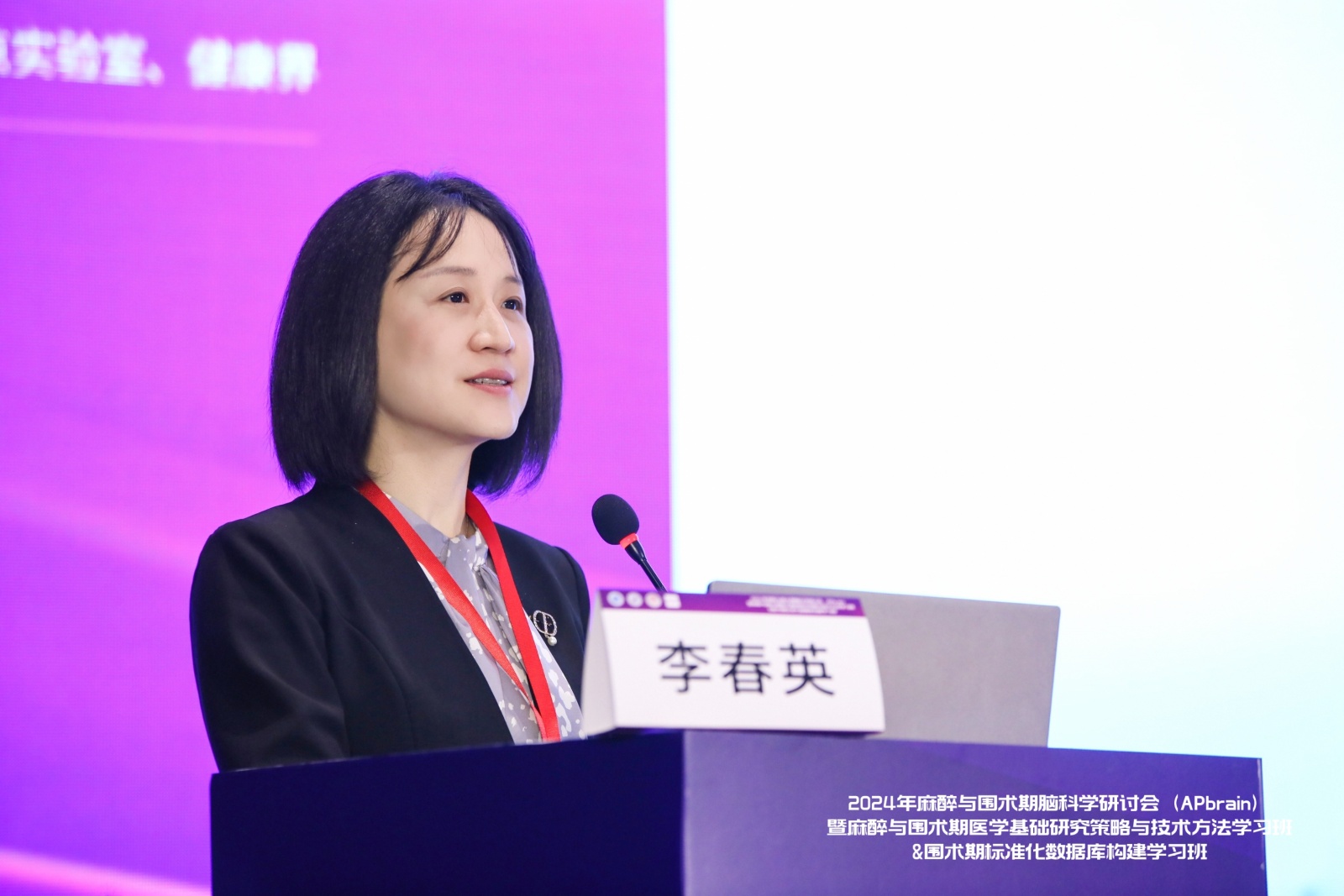
(Professor Li Chunying, Xijing Hospital of Air Force Medical University)
Prof. Li ChunyingDrawing from her practical work experience, she delivered a presentation titled “From Clinic to Bench: My Journey in Black-and-White Scientific Research” to the live audience. She pointed out that the imbalance of melanocyte homeostasis is a crucial factor contributing to the pathogenesis of vitiligo and melanoma. Addressing these clinical challenges requires starting with basic research to elucidate what determines the divergent fates of melanocytes. Among these factors, defects in UV-induced DNA damage repair constitute a key initiating step in melanoma pathogenesis. Meanwhile, as an international medical challenge, the core issues in vitiligo treatment lie in the complexity of its pathogenesis and how to effectively promote melanocyte regeneration.

(Professor Shu Yilai, Institute of Otorhinolaryngology, Department of Otolaryngology, Eye & ENT Hospital of Fudan University)
Professor Shu YilaiDrawing on his clinical experience, Professor Shu Yilai delivered a keynote address titled “Gene Therapy for Deafness” to the live audience, covering the research background, clinical studies, and clinical trials. He pointed out that individuals with hearing loss account for 24% of China’s disabled population, yet the market for drugs preventing and treating deafness severely fails to meet this substantial demand. In response to this challenge, Professor Shu and his team are dedicated to developing a minimally invasive and safe drug delivery system for inner ear gene therapy, aiming to enhance treatment precision and patient comfort. Meanwhile, they are actively exploring novel therapeutic strategies, including cutting-edge technologies such as gene editing and gene replacement, with the goal of providing patients with more effective and personalized treatment options.

(Professor Cheng Yu, Tongji University School of Medicine)
Prof. Cheng YuShared innovations in micro-magnetic modulation for acupoint-based treatment of neuropathic pain. She pointed out that although acupuncture techniques and acupoint analgesia have a long history and are effective, manual acupuncture and electroacupuncture have certain limitations. Therefore, there is a new demand for quantitative mechanical stimulation, intelligent manipulation control, and stabilized therapeutic effects. As a high-precision spatiotemporal mechanical modulation technique, micro-magnetic modulation can meet these needs by achieving precise quantification of mechanical stimulation and intelligent control of manipulation methods. It covers the operational space from cells to large animals, paving a new path for the application of acupuncture therapy in the treatment of neuropathic pain.

(Professor Xiong Lize, Shanghai Fourth People's Hospital Affiliated to Tongji University)
Prof. Xiong LizeAddressing the critical challenges in anesthesiology and perioperative medicine, he proposed starting from clinical needs, strengthening innovative basic research, and fostering interdisciplinary teamwork to achieve medical innovation and the translation of scientific achievements into practical applications. He shared innovative breakthroughs such as the development of long-acting local anesthetics, new technologies for regulating stem cells via micro-magnetic forces, and novel drug products using dissolving microneedles. He also highlighted other medical innovations, including training programs on Traditional Chinese Medicine (TCM) culture and techniques, multifunctional analgesia devices, and intelligent prone position ventilation systems. Furthermore, he advocated that research-oriented hospitals should establish interdisciplinary teams to tackle scientific challenges and promote the healthy and rapid development of the healthcare sector.
[Sub-forum 1] Special Session on National Natural Science Foundation of China Grant Applications
This forum provided comprehensive guidance and support to researchers through a combination of expert lectures and mentoring sessions.Professor Lü Xin, Shanghai Pulmonary Hospital Affiliated to Tongji University; Professor Liu Anding, Tongji Hospital Affiliated to Tongji Medical College of Huazhong University of Science and Technology; Professor Liu Xiaoli, Zhejiang Hospital Affiliated to Zhejiang University School of Medicine; Professor Yan Lan, Shanghai Mental Health Center Affiliated to Shanghai Jiao Tong UniversityPresiding over this session.


Professor Zheng Ping, Institute of Brain Science, Fudan UniversityEmphasize that applicants should review their proposals from the perspective of review experts, focusing on logic and scientific rigor, while striving for conciseness, clarity, and prominent highlights.

Professor Hu Ji, School of Life Science and Technology, ShanghaiTech UniversityFrom the reviewer’s perspective, it is recommended that applicants enhance the competitiveness of their proposals by focusing on the depth and breadth of the scientific questions addressed, as well as the feasibility and innovation of the research methodologies.

Professor Luo Yixiao, School of Medicine, Hunan Normal UniversityStarting from the disciplinary distribution characteristics of the fund, and drawing on our team’s extensive experience in successful applications, we highlight that applications for the National Natural Science Foundation of China should embody three key elements: foresight, innovation, and scientific rigor.

Professor Peng Bo, Institute of Translational Brain Science, Fudan UniversityProvided meticulous guidance to young researchers applying for the National Natural Science Foundation of China for the first time, covering topic selection and planning, team building, and project budget design.

In addition to the insightful presentations, the conference featured a dedicated workshop on applying for grants from the National Natural Science Foundation of China, further enhancing guidance and support for attendees. The workshop invited several senior experts to serve as mentors, includingProfessor Zhu Xiaona from the School of Life Science and Technology at ShanghaiTech University, Professor Chen Ming from the Institute of Brain Science at Fudan University, Professor Ding Jun from Shanghai Sixth People's Hospital, Professor Kang Kaijiang from Beijing Tiantan Hospital affiliated with Capital Medical University, Professor Hu Xiao from Tongji Hospital affiliated with Tongji University, and Professor Luo Mengqiang from Huashan Hospital affiliated with Fudan UniversityThey provided one-on-one coaching to meticulously review the applications of over 120 researchers, offering practical revision suggestions to help them further optimize their grant proposals.

[Subforum 2] Clinical Study Design and Manuscript Writing
Clinical study design and manuscript writing are the key forum highlights of this conference.Professor Yu Xiya, Director of the Academic Affairs Department, Shanghai Fourth People's HospitalOpening remarks: Introduction to the forum’s background and significance.

Subsequently,Professor Ni Xinli from the General Hospital of Ningxia Medical University, Professor Xu Jiqian from Union Hospital Affiliated to Tongji Medical College of Huazhong University of Science and Technology, Professor Yang Lifang from the Children’s Hospital Affiliated to Xi’an Jiaotong University, and Professor Wei Changwei from Beijing Chaoyang Hospital Affiliated to Capital Medical UniversityCo-chaired the forum.


Professor Wang Dongxin, Peking University First Hospital, drawing on insights from a series of studies on dexmedetomidine for ICU sedation, it focused on sharing how to identify research questions from clinical studies.

Professor Lei Chong, Xijing Hospital, Air Force Medical UniversityShared the key points and challenges of clinical study design under the estimands framework, with a detailed interpretation of factors affecting the interpretation of study results, design steps, implementation strategies, and handling of intercurrent events.

Prof. Chen Yu, Southern Branch of Fujian Provincial HospitalDrawing on personal research experience, it emphasizes how to implement study design and statistical analysis in a scientific, rational, and rigorous manner.

Professor Wu Jingxiang, Shanghai Chest Hospital, Shanghai Jiao Tong University School of MedicineIt provides an in-depth analysis of the comparison between traditional methods and machine learning approaches in constructing perioperative risk prediction models, as well as specific case studies and model interpretability.

Editor Ge Shenghui, Editorial Office of the Chinese Journal of AnesthesiologyThis section provides a detailed introduction to the standardized expressions for writing the abstract and main text of medical papers, followed byEditors Han Mingming and Chen ChangandProfessor Yang Qianzi, Ruijin Hospital, Shanghai Jiao Tong University School of MedicineConducted in-depth analyses and discussions on research design and writing logic through face-to-face interactions with 40 participants, focusing on their case study articles, and formulated guidance of significant reference and practical value.

[Sub-forum 3] Establishment of a Standardized Perioperative Database
This conference is hosted byProfessor Miao Changhong from Zhongshan Hospital, Fudan University; Professor Li Jinbao from the First People’s Hospital, Shanghai Jiao Tong University School of Medicine; Professor Luo Yan from Ruijin Hospital, Shanghai Jiao Tong University School of Medicine; and Professor Xi Yaxi from Shanghai Fourth People’s Hospital, Tongji University.Co-Chair.


Professor Wang Tianlong, Xuanwu Hospital of Capital Medical University, providing a detailed explanation of how to enhance perioperative anesthesia quality control by establishing a paperless standard database.

Professor Mi Weidong, Chinese PLA General Hospital, sharing some of the experiences and achievements of his team in conducting research on the Ministry of Science and Technology’s key R&D project, “Building a Comprehensive Clinical Big Data Platform for Perioperative Care of Elderly Patients in China.”

Professor Ouyang Wen, The Third Xiangya Hospital of Central South University, drawing on his research in perioperative data standardization and the construction of clinical workflow databases, he provided an in-depth explanation of how to achieve efficient data integration through business process optimization.

Zhao Bing, Nanfang Hospital, Southern Medical UniversityProf. ChengDrawing on his research in perioperative data standardization and the construction of clinical workflow databases, he provided an in-depth explanation of how to achieve efficient data integration through business process optimization.

[Sub-forum 3 (Part II)] Anesthesia and Organ Protection
This forum is hosted byProfessor Liqun Yang, Renji Hospital Affiliated to Shanghai Jiao Tong University; Professor Tao Xu, the Sixth People's Hospital Affiliated to Shanghai Jiao Tong University; Professor Wankun Chen, Zhongshan Hospital Affiliated to Fudan UniversityCo-Chair.

Professor Wang E of Xiangya Hospital, Central South UniversityThis article provides a detailed introduction to the critical role of the brain-heart axis in regulating cardiovascular function and responding to myocardial injury, and elaborates on the associated neuromodulatory pathways and signal transduction mechanisms.

Professor Peng Ke, The First Affiliated Hospital of Soochow UniversityThis article analyzes the major risk factors for perioperative kidney injury and introduces effective prevention and intervention strategies, including optimized fluid management, the use of renoprotective medications, and methods for monitoring biomarkers.

Professor Wang Zhongxing, The First Affiliated Hospital of Sun Yat-sen University, providing a detailed analysis of how the interaction between glial cells and blood vessels regulates neuroinflammatory responses and plays a crucial role in preventing brain injury.

[Subforum 4] Frontiers in Anesthesiology and Brain Science
This forum is hosted byProfessor Peng Bo, Fudan University Institute for Translational Brain Science; Professor Zhang Zhe, Center for Excellence in Brain Science and Intelligence Technology/Institute of Neuroscience, Chinese Academy of Sciences; Professor Zhu Xiaona, School of Life Science and Technology, ShanghaiTech University; Professor Han Yuan, Eye & ENT Hospital, Fudan UniversityCo-Chair.


Professor Du Jiulin, Center for Excellence in Brain Science and Intelligence Technology (Chinese Academy of Sciences)/Institute of Neuroscience, introduced research findings on decoding the brains of small vertebrates through advanced neuroscience technologies during the sharing session.

Professor Yu Jintai, Huashan Hospital Affiliated to Fudan University, elaborating on the strategy for establishing an Alzheimer's disease cohort through multicenter collaboration, long-term follow-up, and data collection.

Professor Cheng Cen, Institute of Neuroscience, Peking University, with a focus on elucidating the mechanisms by which chronic pain leads to cognitive impairment and emotional dysregulation, particularly anxiety and depression, through long-term neuroadaptive changes.

Professor Zhan Cheng, School of Life Sciences, University of Science and Technology of China, providing a detailed explanation of the neuroimmune mechanisms underlying hunger perception and regulation, as well as the neural circuits in the brain involved in appetite control, with particular emphasis on the central role of the hypothalamus in hunger perception.

[Sub-forum 4, Part 2] Frontiers in Anesthesiology and Brain Science
This forum is hosted byProfessor Tian Li, Shanghai Fourth People's Hospital Affiliated to Tongji University; Professor Cen Cheng, Peking University Institute for Neuroscience; Professor Yao Junyan, Oriental Hospital Affiliated to Tongji UniversityCo-Chair.

Professor Peng Bo, Institute of Translational Brain Science, Fudan University, provides a detailed analysis of the functions of microglia in brain homeostasis, particularly their critical roles in maintaining neuronal health and synaptic pruning.

Professor Yuan Zengqiang, Center for Brain Science, Academy of Military Medical Sciences, Academy of Military Sciences, introducing the functional alterations of microglia and astrocytes in dementia, how they affect neuronal survival and synaptic plasticity by releasing inflammatory factors, thereby impairing cognitive function.

Professor Fengfei Ding, School of Basic Medical Sciences, Fudan University, with a focus on analyzing how anesthetic agents affect cellular function and local blood flow by regulating ion concentrations, pH, and hydration in the interstitial space.

[Subforum 5] Advances in Critical Care Medicine Research
This forum is hosted byProfessor Wang Meitang from Changhai Hospital Affiliated to Naval Medical University, Professor Fang Zongping from Shanghai Fourth People’s Hospital Affiliated to Tongji University, and Professor Chen Chan from West China Hospital of Sichuan UniversityCo-Chair.

Professor Ma Shaolin, Shanghai East Hospital, Tongji University, providing an in-depth analysis of “Goal-Directed Fluid Management in Patients with Severe Neurological Disorders” from the perspectives of basic principles and methodologies.

Professor Wang Ruilan, Shanghai General Hospital, starting from complex cases, this article provides a comprehensive overview of advances in the diagnosis and treatment of sepsis across multiple domains, including its pathophysiology, early warning systems, diagnosis, and optimized therapeutic strategies.

Professor Dai Qingqing, Obstetrics and Gynecology Hospital of Fudan University“Early Recognition and Differential Diagnosis of Common Obstetric Shock” was discussed, covering the common etiologies of obstetric shock, the current status of diagnosis and treatment of maternal sepsis, and the early identification and specialized monitoring of shock.

Professor Luo Zhe, Zhongshan Hospital Affiliated to Fudan UniversityUsing acute kidney injury as an example, this article recounts the team’s journey in clinical research exploration, offering insights for clinicians pursuing scientific investigation.

[Sub-forum 5 Part 2] Anesthesia and Artificial Intelligence
This forum is hosted byProfessor Yan Wenjun from Gansu Provincial Hospital, Professor Tian Li from Shanghai Fourth People's Hospital Affiliated to Tongji University, and Professor Chen Chaojin from the Third Affiliated Hospital of Sun Yat-sen UniversityCo-Chair.

Professor Zhang Jiayi, Institute of Brain Science, Fudan UniversityShared the latest applications and breakthroughs of AI in vision research, exploring how artificial intelligence is facilitating frontier exploration in the field of visual science.

Prof. Liu Xiuyun, School of Pharmaceutical Science and Technology, Tianjin University, shared new advances in diagnostic and therapeutic techniques for neurocritical brain diseases, elaborating in detail on the latest achievements of new technologies and methods in improving diagnostic accuracy and treatment efficacy.

Professor Qian Kun, Zhongshan Hospital Affiliated to Fudan UniversityFocusing on how digital intelligence platforms empower clinical research and standardize diagnosis and treatment, he demonstrated, through real-world cases, the significant potential of these platforms in enhancing the efficiency of clinical decision-making, optimizing research management processes, and promoting standardized diagnostic and therapeutic practices.

Professor Cheng Guohua, Hangzhou Beijian Technology Co., Ltd.It introduces the intelligent applications of medical agents throughout the entire clinical workflow, exploring how intelligent technologies are deeply integrated into clinical practice across all stages—from patient admission, diagnosis, and treatment to rehabilitation—thereby achieving greater efficiency, precision, and personalization in healthcare services.

[Sub-forum 6] Medical Innovation Translation
This forum is organized byZhang Ning, Executive Secretary-General of the China Medical Innovation Alliance / Hainan Boao Medical Innovation Research InstituteHost.

Professor Pei Zhiqiang, School of Innovation in Pan-vascular Devices, University of Shanghai for Science and Technology / Department of Cardiology, Zhongshan Hospital Affiliated to Fudan University, systematically elucidates the significance and importance of medical innovation, inspires innovative thinking and methodological strategies, clarifies the direction for system development, and facilitates clinical medical innovation.

Prof. Wang Yanyan of West China Hospital, Sichuan UniversityShared West China Hospital’s experience in terms of clinical needs, integration of medicine and engineering, deep industry-academia-research collaboration, and multi-dimensional support from the hospital.

Professor Xia Min, The First Affiliated Hospital of University of Science and Technology of ChinaEmphasizing the necessity of building a team, he shared his personal experience in translating clinical medical innovations into practice, covering aspects such as team collaboration and communication, cultural development, and the formulation of goals and plans.

Professor Peng Changgeng, Shanghai Fourth People's Hospital Affiliated to Tongji UniversityThe mechanisms and pharmacological research of diseases such as neuropathic pain and inflammatory bowel disease were shared, highlighting that microRNAs (miRNAs) represent a breakthrough in studying complex diseases involving multiple genes. Key miRNAs and their downstream target genes are potential therapeutic targets for the treatment of these complex conditions.

Xiong Shuirou, Partner at Yueyin Healthcare Fund, provided a detailed explanation of current capital market analysis, the status of medical innovation translation, and recommendations for innovation and outcome conversion; citing practical cases, it highlighted the importance of professional investment institutions in facilitating the translation of medical innovations into tangible outcomes.

[Subforum 6 (Part 2)] Advances in Anesthesiology Therapeutics
This conference is hosted byProfessor Xu Hua, Yueyang Hospital of Integrated Traditional Chinese and Western Medicine, Shanghai University of Traditional Chinese Medicine,Professor Wang Aizhong, Shanghai Sixth People's Hospital Affiliated to Shanghai Jiao Tong UniversityCo-Chair.

Professor Chen Hui, Shanghai Fourth People's Hospital Affiliated to Tongji University, this paper provides a detailed introduction to the full-process management of home-based analgesia for patients using analgesic pumps within the framework of “virtual wards + internet platforms,” showcasing the innovative home-based analgesia care model pioneered by the Department of Pain Medicine at Shanghai Fourth People’s Hospital.

Professor Li Qifang, Shanghai Fourth People's Hospital Affiliated to Tongji University, introduces the conceptual origins of this approach to treating psoriasis and provides an in-depth yet accessible discussion of specific treatment methods.

Roundtable Discussion Session,Professor Qi Feng from Qilu Hospital of Shandong University, Professor Chen Guozhong from Shanghai Fourth People's Hospital Affiliated to Tongji University, Professor Wang Aizhong from the Sixth People's Hospital Affiliated to Shanghai Jiao Tong University, Professor Xu Hua from Yueyang Hospital of Integrated Traditional Chinese and Western Medicine Affiliated to Shanghai University of Traditional Chinese Medicine, and Professor Li Yafeng from Nanchang Hongdu Hospital of Traditional Chinese MedicineFive experts in anesthesiology therapeutics were interviewed on the diverse career paths available to anesthesiologists, sharing insights into the current state of anesthesiology and perioperative medicine, pain management, and anesthesiaSleepCurrent Development Status of Anesthesiology Therapeutics and Related Disciplines, and Prospects for the Future Development of Anesthesiology Therapeutics.

With this, the two-day “2024 Symposium on Anesthesiology and Perioperative Brain Science (APbrain) & Workshop on Basic Research Strategies and Technical Methods in Anesthesiology and Perioperative Medicine & Workshop on Construction of Standardized Perioperative Databases” came to a successful conclusion. Structured around nine core modules, this prestigious event comprehensively unveiled the latest developments, cutting-edge knowledge, and advanced technologies in anesthesiology and perioperative brain science, achieving deep integration of theory and practice, as well as close linkage among academic exploration, scientific innovation, and talent development. It served not only as a brilliant platform for professional exchange but also as a grand journey, guided by academia and grounded in technology, leading anesthesiology and brain science toward innovation and upgraded development.


