TCM Health Innovation and Development Forum: Advancing the Modernization of Traditional Chinese Medicine through Inheritance and Innovation
In March 2022, the General Office of the State Council issued the “14th Five-Year Plan for the Development of Traditional Chinese Medicine (TCM),” marking the formal introduction of policy documents supporting TCM development, the establishment of a sound top-level design, and the successive rollout of supporting policies. In April, the WHO Expert Evaluation Meeting on TCM for the Treatment of COVID-19 propelled TCM onto the global stage, significantly enhancing its international influence. The 20th National Congress of the Communist Party of China further reaffirmed the goal to “promote the inheritance and development of TCM,” with specific mentions of advancing and popularizing Chinese herbal medicine. This dense cluster of favorable policies has reinforced the strategic importance of the Chinese herbal medicine sector. In December, the National Administration of Traditional Chinese Medicine released the “Guidelines for Home-Based TCM Interventions for Individuals Infected with COVID-19,” indicating that TCM will play a significant role in home care for COVID-19 patients over an extended period in the future.
It is projected that the penetration rate of Traditional Chinese Medicine (TCM) diagnosis and treatment will rise from 13.3% in 2019 to 16.6% in 2025, reflecting a steady increase in the status of TCM within China’s healthcare industry. Capabilities for the inheritance and development of TCM have been continuously strengthened, with positive progress made in clinical research on the prevention and control of major chronic diseases, such as cardiovascular and cerebrovascular diseases and diabetes, as well as major infectious diseases. The open development of TCM has achieved positive results; it has spread to 196 countries and regions, and the total import and export volume of TCM-related products has grown significantly. However, imbalanced and inadequate development of TCM remains a prominent issue. There is an overall shortage of high-quality medical service resources, weak TCM service capacity at the primary care level, insufficient synergy between traditional Chinese and Western medicine, and a need for sustained enhancement of inheritance and innovation capabilities. Additionally, the quality of Chinese herbal materials varies considerably, there is a shortage of talent, and the policy framework aligned with the characteristics of TCM requires further improvement.
In this context, the 7th Future Healthcare Top 100 Conference has specially establishedForum on Innovative Development of TCM Health, guided by the principles of upholding integrity while fostering innovation and driving digital transformation, we will explore the opportunities and challenges facing the traditional Chinese medicine (TCM) industry in the new era through multidimensional perspectives from academia, industry, and investment.
I.Forum Highlights
(1)Upholding Integrity and Fostering Innovation:Strive to Accelerate the Modernization of the Traditional Chinese Medicine Industry
The inheritance, innovation, and development of Traditional Chinese Medicine (TCM) must adhere to the principle of upholding fundamental traditions while fostering innovation, thereby pursuing a path of high-quality development. Upholding fundamental traditions serves as the cornerstone for the inheritance, innovation, and development of TCM; it requires adhering to the basic theories embedded in TCM classics, promoting the culture of health preservation and wellness, maintaining the characteristic advantages of being simple, convenient, effective, and affordable, and passing on the TCM mindset characterized by original scientific spirit. Innovation represents the pathway for TCM to embrace the future; it necessitates establishing an effective bridge between TCM and modern science, employing evolving modern scientific methods to elucidate the mechanisms of TCM, and forming an innovative mechanism for the development of TCM.
Specifically, technological innovation in Traditional Chinese Medicine (TCM) emphasizes leveraging the original thinking of TCM, strengthening scientific and technological breakthroughs targeting major and intractable diseases, and striving to resolve critical bottlenecks hindering TCM development. Service innovation in TCM focuses on comprehensively enhancing health service capabilities, strengthening TCM’s characteristic services for the elderly and children, and significantly improving TCM’s capacity to treat major, refractory, and rare diseases, as well as emerging and sudden infectious diseases. Industrial innovation in TCM aims to build a robust industrial foundation by adopting market-oriented and modernized standards, innovating industrial development models, and fully establishing and perfecting a modern industrial system encompassing TCM resource management, research and development, production, and application, thereby enhancing the competitiveness of the TCM industry.
(II)Transformation and Development : New-generation information technology comprehensively empowers Traditional Chinese Medicine
The National Administration of Traditional Chinese Medicine recently issued the “14th Five-Year Plan for the Informatization Development of Traditional Chinese Medicine” (hereinafter referred to as the “Plan”), proposing to deepen digital services that benefit and facilitate access for the public, strengthen the smart development of traditional Chinese medicine hospitals, and promote the deep integration of traditional Chinese medicine health services with the internet.
Internet-based TCM Hospitals, Cloud-based TCM Consultation Rooms, Smart TCM Pharmacies... In recent years, by adhering to the development philosophy of "integration, consolidation, and leapfrogging," information technology has supported Traditional Chinese Medicine (TCM) in providing convenient medical services to the public. Information technology has become a leading force driving the inheritance, innovation, and development of TCM. Currently, an information technology wave characterized by digitalization, networking, and intelligence is surging. The rapid development and application of new-generation information technologies—such as cloud computing, big data, the Internet of Things (IoT), and artificial intelligence—have generated strong momentum and created vast space for the high-quality development of TCM informatization. These advancements also impose higher requirements on the integrated development of "Internet + TCM" while offering greater possibilities.
To this end, promoting the comprehensive integration of Traditional Chinese Medicine (TCM) with information technology, exploring the construction of diverse scenarios for the fusion of TCM and digitalization, and coordinating the governance, sharing, and innovative application of TCM data resources will enable the integrated development of traditional TCM and modern technologies, complementing modern life.
II.ForumIntroduction
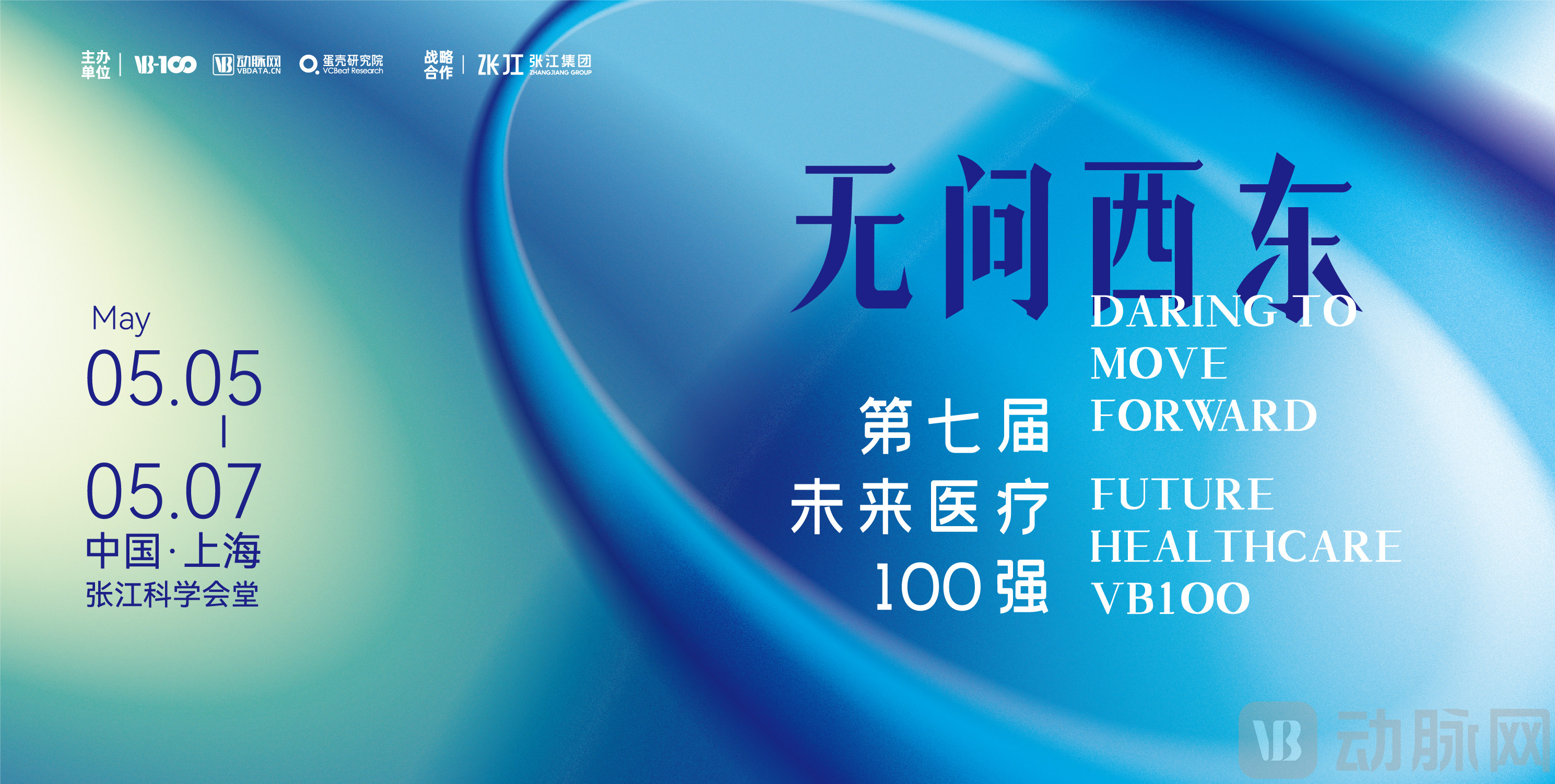
ForumTime:May 5–7, 2023
ForumLocation:Shanghai · Zhangjiang Science Hall
Forum Name:Forum on Innovative Development of TCM Health
Attending Companies:Zhenjing Intelligence
※ Listed in alphabetical order by company name; no ranking is implied. More companies are being confirmed.
ForumTopicPlanning:
Reflections on the High-Quality Development of Traditional Chinese Medicine in the New Era
Opportunities for Traditional Chinese Medicine Following the Adjustment of Epidemic Prevention and Control Measures / Accelerated Review and Approval Processes Inject New Momentum into the Development of Traditional Chinese Medicine
Dual-Directory Driven by Centralized Procurement: TCM Brand OTC Amidst Consumption Recovery
Innovation and Standardization Boost the Internationalization of Traditional Chinese Medicine / The Internet Accelerates the Integration of the TCM Industry into the Global Pharmaceutical System
Igniting New Vitality in Traditional Chinese Medicine Services with Digitalization / Establishing New Consumption Standards to Reshape the Value of the TCM Industry
Deepening the “Internet + Traditional Chinese Medicine” Layout to Empower the Digital and Intelligent Development of the Traditional Pharmaceutical Industry
Covering the Full Lifecycle of Young TCM Practitioners’ Growth to Form a Closed-Loop Talent Advancement System
How New-Generation Information Technology Comprehensively Empowers Traditional Chinese Medicine
※ The preliminary agenda is for reference only; the final agenda shall be subject to on-site confirmation.