Home Orchestra BioMed Secures Second FDA Breakthrough Device Designation for AVIM Therapy in Resistant Hypertension

Orchestra BioMed Secures Second FDA Breakthrough Device Designation for AVIM Therapy in Resistant Hypertension

May 03, 2026 14:01 CST Updated 14:01
Medtronic

Medical Device Manufacturer

Orchestra BioMed

Cardiovascular Disease Drug Developer

Image

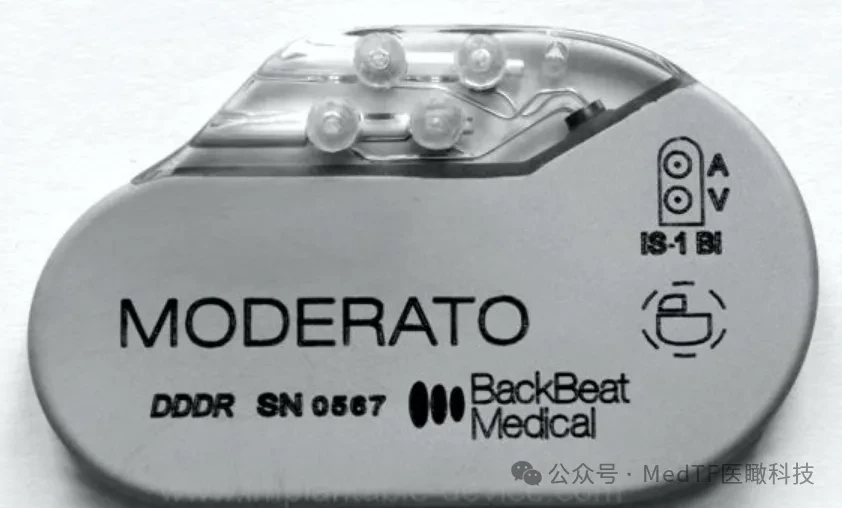
On April 30, 2026, Orchestra BioMed (Nasdaq: OBIO), a medical device company invested in by Medtronic, announced that the FDA had granted its Atrioventricular Interval Modulation (AVIM) therapy a second Breakthrough Device Designation ("FDA BDD"). This therapy involves the implantation of a pacemaker-like modulator for the treatment of refractory hypertension.

Interestingly, this innovative technology and RDN are both led by Medtronic.
Image

01


AVIM Therapy Working Principle

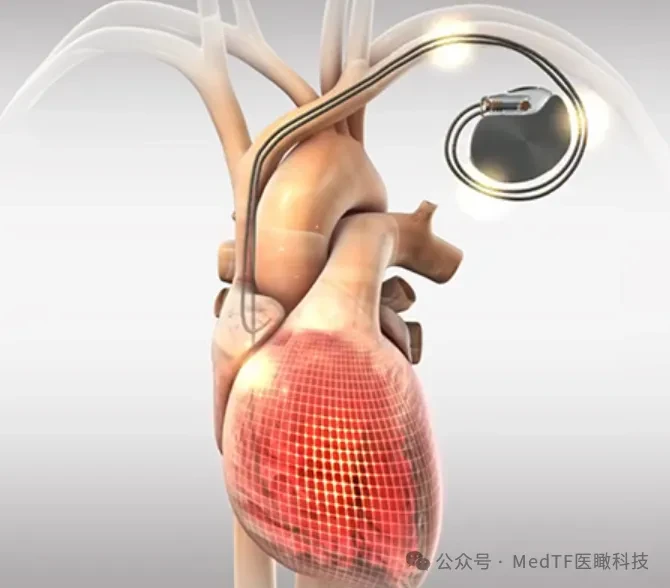
AVIM is essentially a Cardiac Neuromodulation Therapy (CNT). Its working principle is as follows:

Algorithm control.Implanting a special algorithm in standard dual-chamber pacemakers to alternately send shorter and longer atrioventricular delay sequences, periodically fine-tuning cardiac filling time and ventricular contraction patterns.

Change preload.By shortening the atrioventricular pacing interval, changing the ventricular filling time (i.e., cardiac preload), and causing periodic and coordinated changes in systolic blood pressure.

Inhibit the sympathetic nerve.This intermittent blood pressure variation can suppress the sympathetic nerve activation that usually accompanies a drop in blood pressure, thereby achieving a sustained and stable antihypertensive effect.

Unlike renal artery sympathetic denervation (RDN), AVIM therapy is fully reversible and programmable, allowing doctors to activate or deactivate the treatment at the touch of a button in the clinic. The implantation procedure is identical to that of a traditional dual-chamber pacemaker, requiring no additional incisions, tools, or surgical time.

Image

02


Clinical Evidence Base

The clinical evidence system for AVIM therapy consists of two studies: MODERATO I and MODERATO II, which have completed Phase I proof-of-concept and Phase II randomized double-blind validation, respectively. The ongoing BACKBEAT trial will further provide confirmatory evidence.


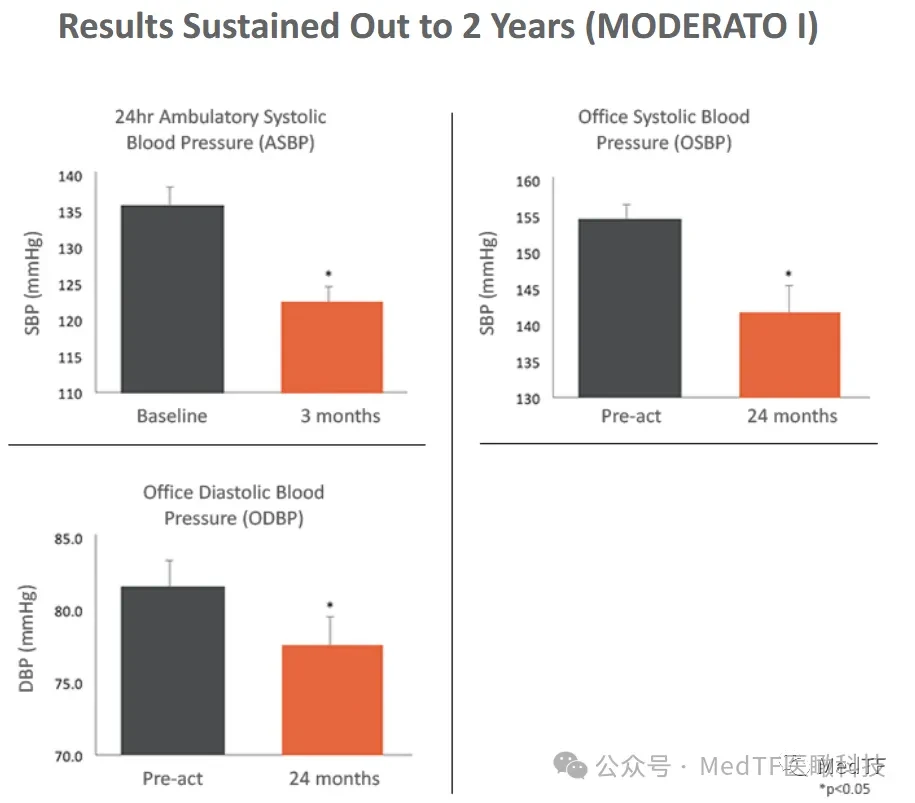
Phase I MODERATO I: Concept Validation and Long-Term Durability

  • Study Design:Single-arm, open-label, enrolling 27 patients requiring dual-chamber pacemaker implantation and with uncontrolled hypertension

  • Short-term efficacy:The 24-hour dynamic systolic blood pressure (aSBP) decreased by an average of 11.6 mmHg one day after the activation of treatment and remained reduced by 10.1 mmHg at three months.

  • Long-term efficacy:Office systolic blood pressure (oSBP) decreased by an average of 13.1 mmHg at the 24-month follow-up, with the antihypertensive effect lasting up to 2 years.

  • Safety:No device-related serious adverse events were reported during the study period, laying the foundation for subsequent confirmatory studies.

Image

Phase II MODERATO II: Randomized Double-Blind Validation and Cardiac Function Benefits

  • Study Design:Randomized, Double-Blind, Controlled Study in Patients Requiring Dual-Chamber Pacemaker Implantation and Suffering from Persistent Hypertension

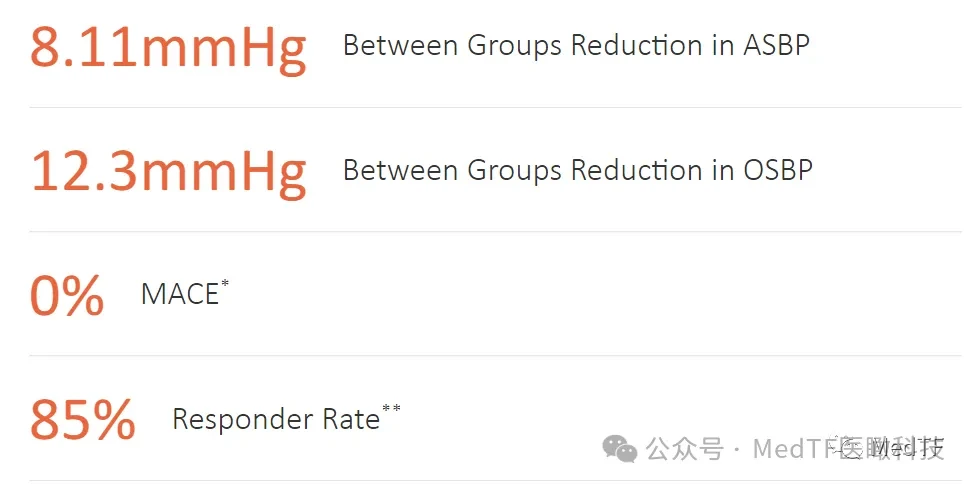
  • 6-Month Efficacy (24-Hour Ambulatory Systolic Blood Pressure):The AVIM group showed a net reduction of 8.1 mmHg compared to the control group (P=0.01).

  • 6-Month Efficacy (Office Systolic Blood Pressure):AVIM group showed a net reduction of 12.3 mmHg compared to the control group.

  • Hypertension Subtypes:88.5% of the enrolled patients had isolated systolic hypertension (ISH), the most common and difficult-to-treat subtype of hypertension in the elderly population.

  • Improvement in Cardiac Function:Subgroup analysis of echocardiography showed that the E/e' ratio decreased by an average of 4.1 (P<0.001) after AVIM treatment, and the left atrial volume index was significantly reduced, indicating the reversal of left ventricular diastolic function.

  • Long-term Persistence:During the longest follow-up of 3.6 years, the blood pressure-lowering effect remained consistently stable, with no occurrence of tolerance.

  • Reversibility Verification:Cross-over studies confirmed that after patients in the original control group switched to AVIM treatment, their average 24-hour ambulatory systolic blood pressure decreased by 10.3 mmHg. After a washout period, blood pressure rebounded upon discontinuation of the treatment, and the antihypertensive effect reappeared upon reactivation, demonstrating that the efficacy is entirely driven by the AVIM algorithm. Unlike drugs, the antihypertensive effect can be instantly "turned on or off."

Image

03


The Significance of AVIM Therapy's Two FDA Breakthrough Device Designations

First Recognition (April 2025)

  • Coverage:For the treatment of patients with resistant hypertension whose blood pressure remains uncontrolled despite the use of antihypertensive drugs and who require implantation of a cardiac pacemaker.

  • Population Characteristics:These patients require treatment for hypertension and must have a pacemaker implanted or have already had one implanted due to arrhythmia or other reasons. AVIM therapy can be seamlessly integrated into their pacemakers to collaboratively treat hypertension by adjusting the atrioventricular interval (AV Delay), without the need for additional surgery.

The Second Certification (to be obtained in April 2026)

  • Coverage:Specifically targeting a broader population of hypertensive patients whose blood pressure remains uncontrolled despite the use of antihypertensive drugs and who are at increased cardiovascular risk【1†L14-L17】【6†L39-L42】.

  • Population Characteristics:These patients do not require pacemaker implantation, but they have poor blood pressure control and face a high risk of cardiovascular events (such as myocardial infarction and stroke).

04


Medtronic Pioneers Two Invasive Therapies for Hypertension

In the field of hypertension device treatment, there are currently two main technical routes: Renal Denervation (RDN) and AVIM Atrioventricular Interval Modulation Therapy. These two technical paths differ, with target patient groups showing both overlap and distinction, presenting a pattern of "parallel development and differentiated competition."

Interestingly, these two tracks were both pioneered by Medtronic.


RDN: A Mature Track with Multiple Product Competition

Technical Principle:Ablate sympathetic nerve fibers around the renal arteries using radiofrequency or ultrasound energy to reduce systemic sympathetic activity.

Commercialization Milestone:

  • In November 2023, Medtronic's Symplicity Spyral (radiofrequency) and ReCor Medical's Paradise (ultrasound) received FDA approval.

  • In 2024, Medtronic's Symplicity Spyral entered China.

Market and Evidence:

  • More than 10 RDN systems worldwide have been approved, accounting for approximately 70% of the market share in device-based treatment for refractory hypertension.

  • Published over 1,100 peer-reviewed papers.

  • Clinical Reductions: SPYRAL HTN-ON MED showed a 7.4 mmHg reduction in office systolic blood pressure (4.3 mmHg for ambulatory); RADIANCE-HTN TRIO showed an 8.5 mmHg reduction in office; China-produced Iberis-HTN Study showed a 21.7 mmHg reduction in office (differences influenced by trial design and baseline).


AVIM Therapy: A Programmable, Reversible New Pathway

  • Technical Principle:By periodically changing the atrioventricular delay through a special algorithm in the implantable pacemaker, the body's own baroreflex is activated, physiologically inhibiting the sympathetic nerve. It is fully reversible, adjustable, and can be turned off at any time, representing a functional intervention rather than a destructive ablation.

  • Target Population:Two FDA Breakthrough Designations Cover "Hypertensive Patients with Preserved Left Ventricular Systolic Function at High Cardiovascular Risk" and "Patients with Resistant Hypertension Requiring Pacemaker Implantation." Globally, approximately 750,000 pacemakers are implanted annually, with hypertension being the most common comorbidity.

  • Commercialization Advantages:Leveraging Medtronic's global pacemaker installed base, it can be quickly deployed through software upgrades after approval, without the need for additional hardware.


Market Comparison and Relationship Positioning

  • RDN Market:Global valuation estimated at approximately $740 million in 2025, expected to increase to $980 million in 2026 (CAGR 32.5%), and projected to reach around $17 billion by 2035.

  • AVIM Market:Still in the late clinical stage, but with a unique commercialization path (reuse of existing pacemaker "assets").

  • Competitive Relationship:The two are not in direct competition but are complementary — RDN is the "main force" in device-based hypertension treatment, covering a wide range of patients with refractory hypertension; AVIM, on the other hand, paves a new path for precise treatment for patients with "specific pacemaker indications."


05


Orchestra BioMed Collaborates with Medtronic on Commercialization Pathway

Phase I: Patients with Pacemaker Indications

  • Basis for Cooperation:Orchestra BioMed and Medtronic have reached a strategic partnership to jointly develop and commercialize AVIM therapy for the treatment of patients with refractory hypertension who meet the indications for pacemaker implantation.

  • Core of Commercialization:According to the existing agreement, Medtronic has obtained the global exclusive commercialization rights and revenue sharing for this segment of the target population.

Phase Two: Broader Range of Patients with Drug-Resistant Hypertension

  • Core Clause (Right of First Negotiation):The agreement includes a key clause granting Medtronic the right of first negotiation to expand the scope of its licensing agreement with Orchestra BioMed.

  • Potential Commercial Rights:If Medtronic exercises this right, it will obtain the global commercialization rights for AVIM therapy, intended to treat patients with refractory hypertension who do not meet the indications for pacemaker implantation. This population is precisely the broader group covered by the second BDD.

Conclusion: Risks and Challenges

Although AVIM therapy has demonstrated clear efficacy in short-term blood pressure reduction, it still needs to prove through the BACKBEAT Global Pivotal Trial that the sustained lowering of blood pressure can translate into a genuine reduction in major adverse cardiovascular events.

  • At the evidence-based level,The trial is proceeding actively and has expanded the eligibility criteria for patient enrollment, with completion of enrollment expected by mid-2026. Additionally, pricing strategies and medical insurance reimbursement policies remain key variables in the commercialization process.

  • At the technical level,The introduction of atrioventricular interval modulation therapy has also brought new challenges to the battery life management of pacemakers. How to ensure the device's service life while effectively reducing blood pressure is a clinical engineering issue that requires ongoing attention and validation.

Image

?Click to view more exciting content

Philips Bridge Plus Occlusion Balloon Launch: Increases Pacemaker Lead Extraction Success Rate to 88.2% Without Vessel Tear

Yingtai Medical Acquires Dejin Medical, a Company Worth 10 Billion, for 1.5 Billion at a “Discount,” Bringing the Third Denovo Entity Under Its Belt

HRS 2026|First 1-Year Clinical Follow-Up of Nanosecond PFA Released: Atrial Fibrillation Recurrence Rate at 10.3%

Copyright and Disclaimer: MedTF aims to build an academic communication and media platform. The copyright of the information in the article belongs to the holder, and we only provide the service of transmitting information. If there is any infringement, please contact us for deletion.