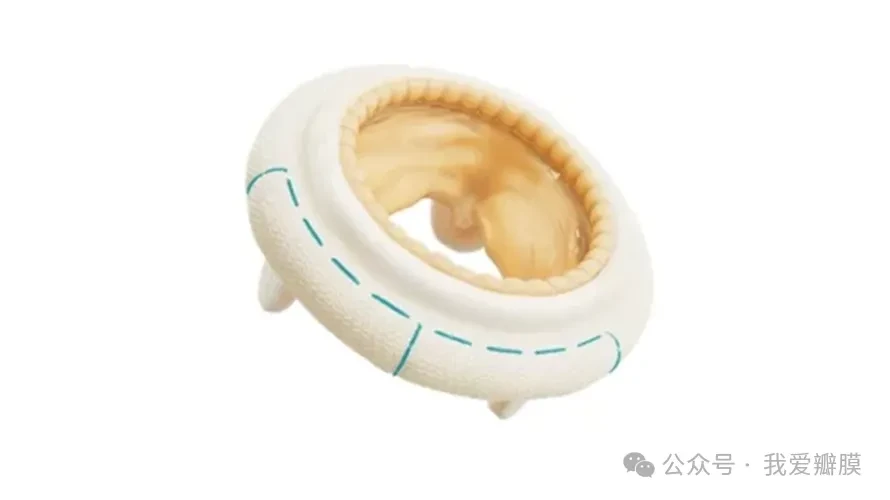
The Heart: As the "pump of life" in the human body, every heartbeat relies on the precise "opening and closing" of valves—among them, the mitral valve is the most crucial "one-way valve" in this pump. Once it becomes diseased, it can lead to blood regurgitation and a dramatic increase in the heart's workload, which may even endanger life in severe cases.Recently, a significant piece of good news has emerged in the cardiovascular field: The U.S. Food and Drug Administration (FDA) officially approved Medtronic's new-generation mitral bioprosthetic valve — Mosaic Neo. This innovative device, which incorporates years of clinical feedback from experienced surgeons, will completely transform the clinical landscape of mitral valve replacement surgery, bringing new hope and vitality to patients worldwide!? Core Highlights at a Glance: This is a "fully scenario-adaptive" next-generation mitral bioprosthetic valve that can be implanted via traditional sternotomy, minimally invasive cardiac surgery (MICS), or robotic-assisted surgery, breaking the limitations of traditional valve implantation methods and meeting the needs of more patients' conditions.To understand, traditional mitral valve replacement surgery often faces many pain points: large incisions, blurred vision, and high implantation difficulty. Especially for patients with complex anatomical structures, both surgical risks and postoperative recovery difficulties can increase significantly. The birth of Mosaic Neo is precisely aimed at accurately solving these clinical "tough problems."Three Core Upgrades Redefine Mitral Valve Replacement SurgeryUnlike Medtronic's previous valve products, Mosaic Neo is an "upgraded version" developed through years of clinical feedback-driven iterations. Every design aspect directly addresses the operational pain points of surgeons and aligns with patients' recovery needs:
Low-Profile Valve Stent + Mini Incision Sizer: Compared to traditional valves, this new product features a lighter and thinner stent. Paired with its dedicated mini sizer, it significantly reduces the surgical incision size, minimizes surgical trauma, allowing patients to recover faster post-operation with less pain. It is especially suitable for minimally invasive and robotic surgery scenarios.
Upgraded Visibility Under Fluoroscopy: During surgery, doctors can more clearly visualize the valve position through fluoroscopic technology, easily achieving a clear left ventricular outflow tract. This avoids implantation deviations caused by blurred vision, significantly enhancing the precision and safety of the procedure.
Design More Aligned with Clinical Needs: The optimized stent suspension system, suture cuffs, and other components are compatible with a wider range of complex cardiac anatomical structures. Even previously challenging issues such as annular and left ventricular outflow tract anatomies can now be addressed with better solutions, reducing surgical difficulty.
A History of Iteration Over Many Years, with Clinical Needs at the Core of DevelopmentThe birth of Mosaic Neo was not an overnight achievement but rather the result of Medtronic’s meticulous development based on the existing Mosaic valve platform, combined with decades of clinical experience and technical accumulation. Its R&D process has always focused on "addressing clinical pain points and improving patient outcomes," and can be divided into four key stages in chronological order:
Before 2014: Strengthening the Foundation and Reviewing Issues. The Mosaic Porcine Bioprosthesis System previously launched by Medtronic had been applied clinically. However, during its use, issues such as oversized valve sizing potentially leading to elevated transvalvular pressure gradients emerged. In response, Medtronic voluntarily recalled the product in 2014. This recall became a pivotal turning point for subsequent R&D upgrades — the research team began systematically collecting clinical feedback from surgeons worldwide and comprehensively identifying core pain points during surgeries.
2015-2020: Demand Analysis and Technical Breakthroughs. In 2015, Medtronic acquired Covidien, further expanding its presence in the cardiovascular field. Subsequently, more R&D resources were allocated to focus on the upgrade and development of mitral valve technology. The R&D team conducted in-depth interviews with senior cardiac surgeons worldwide, primarily gathering operational challenges in minimally invasive and robotic surgery scenarios. This led to the establishment of core R&D priorities: "low profile, high visibility, strong adaptability." Concurrently, technical breakthroughs were initiated for key components such as the valve stent, measuring devices, and suture cuffs.
2021-2025: Prototype Testing and Clinical Validation. After years of technical accumulation, the Mosaic Neo prototype was successfully developed and entered the multi-center clinical testing phase. During this period, the R&D team continuously optimized the stent suspension system, reduced the size of the valve stent, and improved visibility under fluoroscopy based on early clinical feedback. This gradually addressed pain points such as traditional valve implantation deviations and insufficient adaptability. Meanwhile, pilot implants were conducted in collaboration with top international cardiac surgery experts, laying a solid clinical foundation for the subsequent official approval of the product.
April 29, 2026: Finally received FDA approval, officially entering a new stage of clinical application. After more than a decade of technical accumulation, multiple rounds of clinical validation, and iterative optimization, Mosaic Neo successfully passed FDA approval, becoming Medtronic's new-generation core product in the mitral valve replacement field, marking a milestone achievement in its development process.
Highly Recommended by Authoritative Doctors, Clinical Experience Gains High RecognitionThe clinical performance of this brand-new valve has already been authoritatively verified by world-leading cardiac surgeons, and the two experts who initially conducted the implant surgeries have given it high praise: Dr. David H. Adams, Chairman of the Cardiovascular Surgery System at Icahn School of Medicine at Mount Sinai Hospital in the United States, and the world's first doctor to implant the Mosaic Neo, stated: "The Mosaic Neo is a complete upgrade based on the original Mosaic platform. The new measurer, stent suspension system, valve stent, and suture cuff—every improvement is highly practical and can significantly enhance surgical efficiency." "As an early user, Dr. Douglas R. Johnston, Director of Cardiac Surgery at the Bluhm Cardiovascular Institute of Northwestern University Medical Center, also expressed: 'I am very satisfied with the implantation results of Mosaic Neo. The reduced stent post protrusion, widened front stent post spacing, and highly conformable sewing cuffs make it an ideal choice for patients with complex anatomical structures. Backed by the proven durability of the Mosaic platform, this new product provides a much-needed option for mitral valve replacement surgery.'" In addition, Dr. Vinay Badhwar, Executive Chair of the West Virginia University Heart and Vascular Institute, successfully performed the world's first robotic implantation of this valve, further demonstrating its excellent compatibility in the field of minimally invasive surgery.Official Launch Imminent, Patients Worldwide to Welcome New HopeAccording to an official announcement from Medtronic, the Mosaic Neo Mitral Bioprosthesis will make its global debut at the American Association for Thoracic Surgery Annual Meeting, held in Chicago from May 2nd to May 5th. This means that this innovative valve, which combines cutting-edge technology and clinical expertise, will soon be available for clinical use, benefiting more patients with mitral valve disease.For patients requiring mitral valve replacement, the approval of Mosaic Neo is undoubtedly a "life-saving福音" — it not only expands the options for surgical methods but also reduces surgical risks and accelerates postoperative recovery through design upgrades, making "minimally invasive valve replacement" more widespread and safer, providing patients with a better treatment experience.In recent years, innovations in the field of heart valves have continued to evolve, from traditional open-chest surgeries to minimally invasive and robotic surgeries, from single adaptation to full-scenario coverage. Each technological breakthrough has been striving to offer patients more hope for life. With the widespread implementation of Mosaic Neo, it is believed that more patients with mitral valve disease will be freed from their ailments and regain a healthy and strong heartbeat!? Forward Reminder: Let more people in need see this hope. May every heartbeat be full of strength!