Forum on Intelligent and Age-Friendly Home-Based Healthcare: New Requirements and Developments
SelfSince 2016, China has continuously introduced policies targeting sectors such as “Internet Plus,” next-generation information technology, the health industry, and healthcare reform. The internet and next-generation information technology have continually broken through bottlenecks and achieved rapid development, working in tandem with the health industry and healthcare reforms to drive the growth of the smart health sector. Moreover, as public health awareness continues to rise and health services become increasingly accessible, the smart health industry is poised for sustained expansion.For most people, especially the elderly, a significant portion of time is spent at home. Whether home-based equipment can meet the needs of individuals across all age groups directly impacts their quality of life. Providing health management services throughout the entire lifecycle is also a crucial component of the smart home health industry.
Special Feature at the 7th Future Healthcare Top 100 ConferenceSmart Home Health Development Forum, this forum will invite industry experts, leading enterprises, and investment institutions to comprehensively discuss the current status and development trends of the smart home health industry from their perspectives, enabling the public to gain a clearer understanding of the current challenges facing the industry.
I.Forum Highlights:
(I)Industry Focus: How to Effectively Implement Home-Based Health Management
Monitoring and detecting patients’ vital signs in home settings to facilitate disease diagnosis has long been a key focus of digital health initiatives. On one hand, this approach spares patients the need to visit hospitals for simple routine checks, offering greater convenience; on the other hand, it helps conserve medical resources. Particularly in the post-pandemic era, home-based health monitoring holds significant value for both patients and healthcare providers. Furthermore, home-based testing and diagnosis serve as an effective means to address imbalances in medical resource distribution. High-precision home health devices can help extend coverage to broader populations and underserved regions, thereby promoting a degree of healthcare equity. Currently, the core challenges lie in ensuring how telemedicine can safeguard home-based health and how to implement detailed home health management services. This forum will center its discussions around these pertinent issues.
(II)Sector Temperature: Smart Elderly Care Platform Development and Home-Based Product Innovation
By leveraging next-generation information and communication technologies, such as the Internet, the Internet of Things (IoT), and big data, smart health can provide the public with more intelligent health services. These services include medical care, health management and promotion, health insurance, as well as supportive services for pharmaceuticals and medical devices. The service system is characterized by ubiquity, intelligence, and personalization. Currently, the smart health industry primarily targets patients with severe or chronic diseases and women with gynecological conditions; notably, health management for the elderly is included within the cohort of those with severe and chronic diseases. In recent years, population aging has become an increasingly serious issue in China. To adequately address the living conditions and humanistic care needs of the large elderly population, the state has elevated smart health and elderly care to a national strategic level. This signals that the smart elderly care sector will become one of the key development trends within the market structure of the smart health industry. This forum will invite smart elderly care platforms to share insights on the evolution of their operational models, as well as innovations in products such as hearing aids and patient monitors.
(III)Practical Applications: Marketing of Home Health Devices and the Growth of New Consumer Services
Recently, multiple institutions jointly released the "Report on the Resident Health Consumption Index (Q4 2022)." At the report launch event, several experts stated that proactive health consumption is becoming a new growth driver for resident spending. With the optimization of market supply and the continuous improvement of consumption conditions, consumer demand in upgraded sectors such as health, smart technologies, and fitness will be further unleashed, thereby driving overall consumption. As China gradually enters an aging society, the home-based medical care market boasts broad prospects and numerous opportunities. In addition to government-led comprehensive planning, hospitals and social organizations must take proactive initiatives and collaborate closely, guided by the principle of effectively alleviating the burden on patients and their families, to explore diverse possibilities for the market-oriented development of home hospital beds. Patients and their families should provide timely communication and feedback, which will help refine and enhance the efficiency of services, promote the healthy development of the industry, and steadily advance the implementation of home-based medical services.

II.Forum Introduction
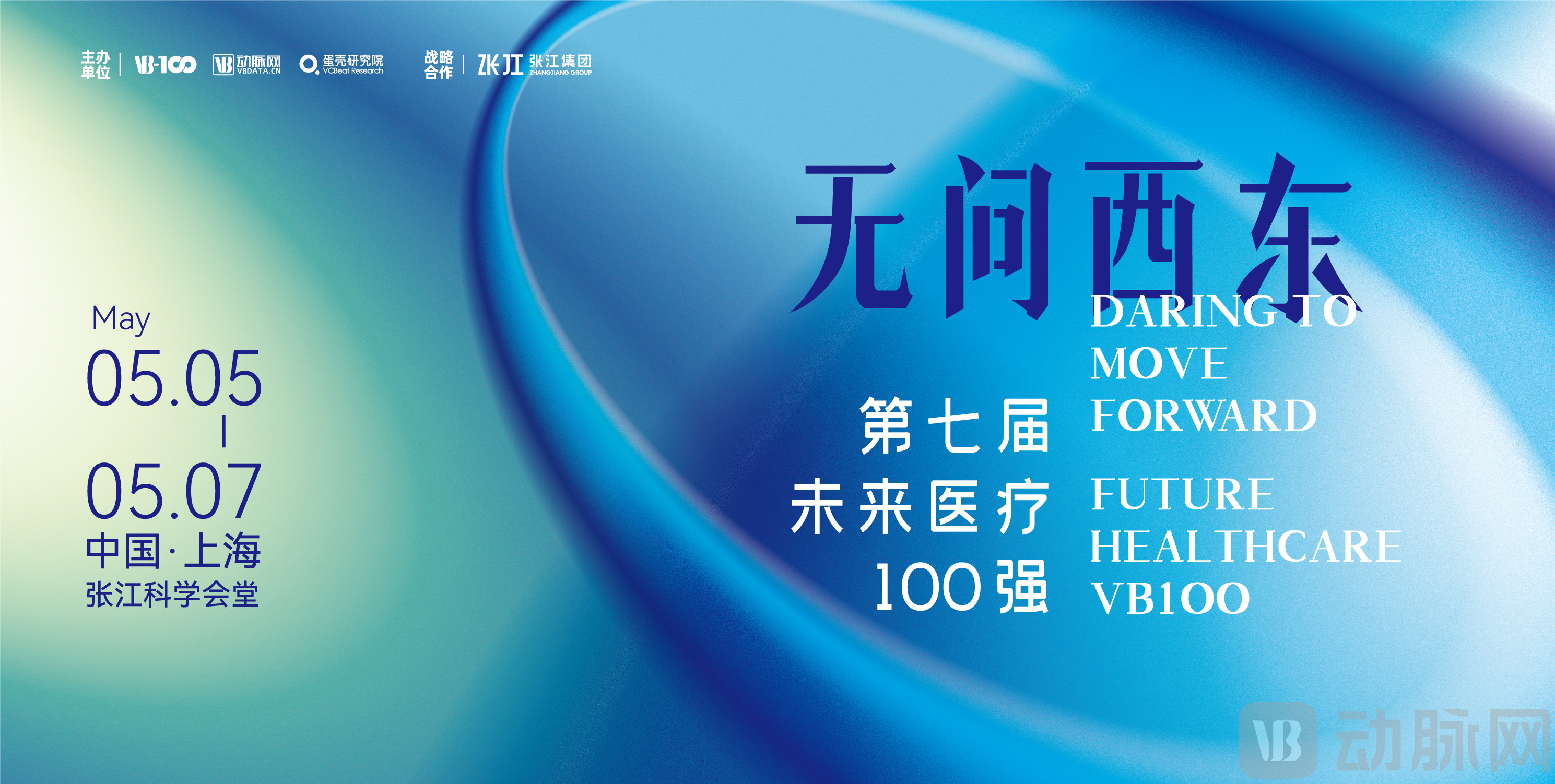
Forum Schedule:May 5–7, 2023
Forum Venue:Shanghai · Zhangjiang Science Hall
Forum Name:Smart Home Health Development Forum
Forum Organizer:VB100, VCBeat, VCBeat
Corporate Representatives in Attendance: Boyin Hearing
Forum Agenda Planning:
Where Is the Entry Point for New Consumption in Healthcare?
How Telemedicine Safeguards Home Health
How to Truly Implement Chronic Disease Management
Current Market Status of Portable Health Monitoring Devices
Challenges of Remote Hearing Aid Service Models (Draft)
Practical Application Scenarios of Smart Elderly Care Monitoring Devices
Innovative Operational Models for Smart Elderly Care Platforms
All Roads Lead to Success: Innovative Marketing Strategies for Home Health Devices
※ Preliminary agenda is for reference only; the final agenda is subject to on-site confirmation.