

Turning 'Stinky' Fecal Microbiota Transplantation into a Therapeutic Treasure: An Interview with Dr. He Qing of the Sixth Affiliated Hospital of Sun Yat-sen University
During the interview, Director He Qing had just stepped down as head of the Department of Clinical Nutrition, bringing an end to his period of concurrent appointments.
In the past14 yearsInside, Director He has always served asDirector of Gastroenterology and Head of the Department of Nutrition. Such “part-time” roles are also the norm for directors of nutrition departments at major hospitals.
Since the establishment of the Department of Clinical Nutrition,What Kind of Talent Is NeededIt has always been a hotly debated pain point. While proficiency in both clinical medicine and nutrition is a basic requirement for physicians in this department, achieving this dual competency is no easy feat.
Clinical physicians have limited opportunities to engage with nutritional knowledge during their foundational coursework and clinical practice; meanwhile, nutrition professionals graduating from programs in Nutrition and Food Hygiene at schools of public health are ineligible to obtain clinical physician licensure, thus the Department of Clinical Nutrition’sThere is an inherent contradiction in talent positioning.. This has resulted in many hospital nutrition departments being staffed by physicians from other specialties who have acquired nutritional knowledge on a part-time basis, or by doctors nearing retirement who are reassigned to these roles as a form of “semi-retirement.” Truly few medical students specialize in and practice clinical nutrition.
In recent years, as the state has placed greater emphasis on clinical nutrition departments, the development of these departments appears to have gotten on track, with attention being paid to talent staffing, recruitment, and scientific research progress. However, in Director He’s view, apart from talent,Nutrition development still needs to address some fundamental issues, such as the scope of diagnosis and treatment, fee items, etc.
“Odorous” Fecal Microbiota Transplantation Emerges as a Rising Star in Nutritional Therapy
For medical research,Research Output and Clinical Validationis a crucial component. In Director He’s view, the generation of valuable scientific research outcomes constitutes the foundation for the development and construction of the Department of Clinical Nutrition. To this end, during her tenure as the director of the department, she led her team in conductingExtensive Research on Enteral Nutrition, and enteral nutrition is a key factor influencing changes in the gut microbiota; thereforeResearch on Enteral Nutrition in Disease Intervention and Treatment and Gut MicrobiotaIt has always been a key focus of research.
Inflammatory Bowel Disease(Inflammatory Bowel Disease, IBD) is the most common immune-mediated disorder of the gastrointestinal tract. Its specific etiology and precise pathogenesis remain unclear, and there are currently no curative drugs or therapies. In recent years, the incidence of IBD in China has risen rapidly. Studies suggest that this may be attributed to Westernized diets—high in fat, protein, and sugar—triggering the disease in susceptible individuals. Correspondingly, enteral nutrition can improve malnutrition and nutritional impairments in IBD patients. Furthermore, exclusive enteral nutrition can induce disease remission and promote healing of intestinal lesions, serving as a first-line treatment in pediatric populations.
Director He Qing's Team atEarly Promotion of Enteral Nutrition Therapy for IBD in China, and also published related research findings, which indicate that oral exclusive enteral nutrition can induce79%mucosal healing of intestinal ulcers in IBD patients, improving complications. Therefore, nutrition can also be considered a therapeutic modality.
Research on the gut microbiota is currently flourishing, with an increasing number of human diseases being recognized as having intricate connections to alterations in one's own gut microbiome. The human gut is a diverse and dynamic microecosystem, harboring nearly 100 trillion bacteria comprising 100 to 1,500 species—ten times the number of human cells."The Human Body's Second Genome"...as it is known. Existing studies have demonstrated associations between the gut microbiota and cardiovascular and cerebrovascular diseases, obesity, diabetes, malignant tumors, immune system disorders, and psychiatric conditions.
andFecal Microbiota Transplantationis an effective approach to modulating the gut microbiota. Fecal microbiota transplantation (FMT) is defined asTransplanting functional gut microbiota from the feces of healthy donors into the gastrointestinal tract of patients to reconstitute a new intestinal microbiome, thereby achieving treatment for intestinal and extra-intestinal diseases.Director He introduced, “The history of fecal microbiota transplantation is very long; in China, it can be traced back to the Eastern Jin Dynasty. After hundreds of years, we should make innovations.”
Additionally,"Gut-Brain Axis"This is also a key area of focus for Director He. In the scientific community, the “gut-brain axis” is not a novel concept. As early as 1880, American psychologist William James and Danish physiologist Carl Lange proposed a precursor to the “gut-brain axis” theory: that communication between the gut and the brain is bidirectional, with physiological stimuli playing a primary role, and that emotions are triggered when the brain responds to information received from within the body.
Currently, Director He is employing “fecal microbiota transplantation” to treat constipation, diarrhea, inflammatory bowel disease, and gastrointestinal discomfort accompanied by psychiatric and psychological disorders such as depression and anxiety, achieving promising results.
“Balancing the gut microbiota can effectively maintain the activity of the digestive system’s immune response, thereby reducing inflammation and promoting intestinal repair.” Director He is highly optimistic about fecal microbiota transplantation (FMT) technology. She has successfully isolated several bacterial strains and believes that these strains will provide more patients with opportunities for improved health in the future.
Only Research That Can Be Translated into Clinical Practice Is Valuable
Director He remains deeply concerned about the development direction of the Department of Clinical Nutrition. From the policy trends in recent years, she has recognized the state’s growing emphasis on nutrition departments.
From the “Guidelines” to the recently released “Demonstration List,” the number of policies and trends related to nutrition departments issued in the past two years has reached as high as4 items...unprecedented in the history of clinical nutrition development. Moreover, in speeches delivered at many significant occasions,"Big Health"have also emerged frequently, becoming a key focus for future development. Additionally, at the public level, nutrition has seemingly become a hot topic. According to Baidu Index statistics, in 2022 alone, the search interest in topics related to nutrition and immunity increased year-on-year by516%. This serves as further proof that China’s emphasis on nutritional and health development is steadily deepening.
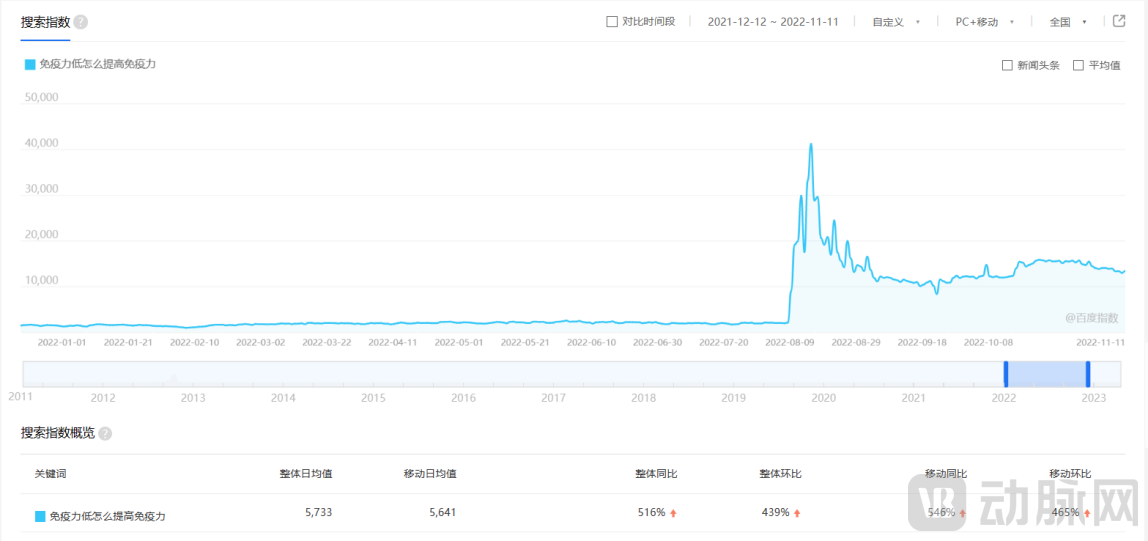
As the popularity of the Department of Nutrition continues to rise day by day, Director He has grown concerned about a new issue:“In the past, we often said that clinical nutrition lacked publicity. Now that it’s gaining traction, it’s up to us to seize the opportunity.”At this stage, beyond publicity, there is a more critical area requiring development—namely, core scientific research capabilities. Only by demonstrating therapeutic efficacy and allowing patients to recognize the importance of nutrition through tangible outcomes can we achieve impact far surpassing that of any amount of promotional efforts.
From Director He’s perspective, there are numerous avenues for advancement in nutritional research. Researchers can leverage their specialized expertise when selecting a research direction. For instance, given Director He’s extensive knowledge of gastroenterology, she consciously integrates the clinical challenges of both departments during her research endeavors, seeking areas where they can complement each other.
“While there are many directions in the field of nutrition research, researchers must not be dazzled by the myriad options. Research should address clinical pain points; only studies that can ultimately be translated into clinical practice are truly valuable.” This seemingly simple principle has been put into practice by Director He for over a decade.
Standardized Management, Research Capacity, and Constraints on Departmental Development
Since the 1980s and 1990s, China has been strategically developing clinical nutrition. However, due to limited public awareness of nutrition, clinical nutrition departments have received less attention compared to other medical specialties, resulting in a lackluster development trajectory. It was not until March 2022, when the National Health Commission issued the “Guidelines for the Construction and Management of Clinical Nutrition Departments” (hereinafter referred to as the “Guidelines”), that the scope of practice and operational standards for clinical nutrition departments were formally defined for the first time.But for a department that has been in existence for 30 years, it comes somewhat too late.
“The Guidelines” mark the beginning of development for clinical nutrition departments, but clear next steps are still lacking. Director He believes that the most urgent priority is to establish standardized fee structures for nutritional services: “If the professional value of clinical nutritionists is not properly recognized and compensated, the development of this field will inevitably be constrained.”
Indeed, although hospitals possess strong public-welfare attributes, they are essentiallySelf-financingIf a department fails to generate substantial revenue, it will face considerable challenges in both talent acquisition and scientific research progress. Taking the Sixth Affiliated Hospital of Sun Yat-sen University, where Director He is based, as an example, the revenue generated from the entire process of disease diagnosis, nutritional screening, assessment, and intervention amounts to merely over one hundred yuan, which is incomparable to the income of other departments.
Furthermore, from the public’s perspective, nutritional issues appear less urgent compared to conditions treated in other medical specialties. Consequently, patients often fail to pursue further intervention after receiving medical advice, resulting in no follow-up after the initial consultation. Some patients even believe that it is unreasonable for nutritionists to charge fees for merely offering recommendations on “lifestyle habits,” going so far as to label such practices as “fraud.”
And the reasons behind this are related to nutrition in ChinaStandardized Management, Research LevelThese issues are closely interrelated. On one hand, standardized procedures and a closed-loop system for operations and billing have not been established in clinical diagnosis and treatment. Due to the slow onset of therapeutic effects from nutritional therapy and the predominantly routine nature of interventions, patients often fail to recognize the value of clinical nutritionists’ work. This lack of recognition undermines their professional motivation and dampens enthusiasm for nutritional research. On the other hand, there is a significant gap in public awareness regarding nutritional structure and balanced diets. This not only reflects the current insufficiency in China’s level of nutritional research—preventing patients from tangibly experiencing the benefits of nutritional therapy—but also adversely impacts the research sector itself. The absence of a viable market leads to a certain degree of brain drain among researchers in the field of nutrition.
Furthermore, from a physician’s perspective, assessing a patient’s nutritional issues requires not only a thorough understanding of their medical history but also careful consideration of lifestyle factors. This demands that clinicians possess not only a solid foundation in nutritional science but also strong comprehensive competencies. Cultivating a qualified clinical nutritionist takes at least ten years. Currently, however, due to the slow development of the department and the lack of visible clinical outcomes, many medical students categorize Clinical Nutrition as a marginal specialty and are reluctant to engage in it, let alone pursue research in this field.
Overall, scientific research development cannot be separated from clinical practice as its foundation; "highly skilled doctors who are incapable of diagnosing and treating patients" will not gain recognition from patients.Therefore, “departmental development” and “scientific research advancement” must progress in tandem to complement each other and unlock greater healthcare benefits.