Report on Energy-Based Surgical Devices Released: In a $10B+ Market Dominated by Imports, Who Will Lead the Domestic Breakthrough?

Jeswis
Plasma Surgical Product Manufacturer

ESM
Developer of High-End Medical Devices for Minimally Invasive Oncology Surgery
Over the past century of surgical development, the evolution of energy-based surgical devices has transformed tissue dissection and hemostasis in operative procedures. This milestone technology, known as energy surgery, has given rise to a substantial market for energy-based surgical devices. Characterized by high growth, high entry barriers, and high value, this market is currently dominated by three key product categories: electrosurgical units (ESUs), ultrasonic scalpels, and plasma scalpels. The domestic market is projected to achieve a compound annual growth rate (CAGR) of over 20% in the next five years.
From the perspective of market structure, the domestic market for energy-based surgical devices has long been dominated by multinational corporations such as Johnson & Johnson and Medtronic, making it difficult for Chinese manufacturers to challenge the prevailing dominance of imported brands.
Amid the deepening of health insurance cost containment measures and the full implementation of centralized procurement, domestically produced energy-based surgical devices are ushering in unprecedented development opportunities. Several Chinese manufacturers of energy-based surgical devices have secured financing, with multiple companies listing on secondary markets. For instance, Kangji Medical became the first publicly traded company specializing in minimally invasive surgery; Jeswis Technology, a platform enterprise focusing on plasma scalpels as its flagship product within the energy-based surgical device sector, successfully listed on the National Equities Exchange and Quotations (NEEQ). Domestic medical device companies such as Mindray Medical, Blue Sail Medical, and Lepu Medical have also actively entered the market for energy-based surgical devices.
Currently, the domestic market for energy-based surgical devices is undergoing industrial transformation. What are the future development trends for energy-based surgical devices in China? VCBeat has surveyed numerous surgical experts and leading industry enterprises in China. It provides a detailed and in-depth analysis of the classification, market landscape, market size, development trends, and key players in the energy-based surgical device industry.
Key Insights:
The rising volume of surgeries driven by an aging population and the increasing penetration rate of minimally invasive surgery have become the primary drivers of growth in the energy-based surgical device market.As population aging intensifies, the demand for corrective and therapeutic interventions for non-communicable diseases will continue to rise. The increasing incidence of age-related conditions prevalent among men—such as benign prostatic hyperplasia, orthopedic disorders, and malignant tumors—will drive a sustained increase in the volume of surgical procedures, thereby boosting clinical demand for surgical instruments. In 2020, the penetration rates of minimally invasive surgery (excluding arthroscopic procedures) were 50.7% in the United States and 12.8% in China. The volume of minimally invasive surgeries is projected to grow further in the future, which will in turn promote increased utilization of energy-based surgical devices.
Volume-based procurement policies are driving an increase in the market share of domestic brands and accelerating the consolidation of China's medical device industry.The energy-based surgical device market was previously dominated by imported brands. These foreign enterprises entered the Chinese market earlier, leveraging advantages in distribution channels and technology. Prior to volume-based procurement (VBP), imported brands held over 70% of the ultrasonic scalpel market and more than 30% of the high-frequency electrosurgical unit and plasma knife markets. However, with the implementation of policies such as VBP, government procurement favoring domestic products, and Diagnosis-Related Groups (DRG)-based payment, the market share of domestic manufacturers is expected to rise rapidly. VBP will also drive increased market concentration in China, further consolidating the market among companies with stronger R&D capabilities and superior cost control.
Platform enterprises with capabilities in developing a variety of energy-based surgical devices hold a competitive advantage.Drawing on the development trajectories of overseas industry giants, as competition intensifies, many companies are expanding their product portfolios to cover a wide range of energy-based surgical devices. Domestic manufacturers with the capability to develop various energy-based surgical instruments—including electrosurgical units, ultrasonic scalpels, and plasma scalpels—hold a competitive advantage in the market. Currently, only a few companies in China possess such capabilities, making technological platform reserves a core competitive strength.
Intelligence has become a key direction in the development of energy-based surgical devices.Surgical instruments have evolved from the era of "cold steel" to that of "energy-based devices," with intelligence representing the next frontier. Energy surgical devices are advancing toward intelligent control in areas such as tissue recognition, regulation of cutting and sealing speeds, temperature management, and user interface design.
Energy-based surgical instruments originated in the 1920s and have experienced robust development over the subsequent century. After the 1920s, physicians widely adopted electric current for tissue cutting and hemostasis; electrosurgical units became commercially available and rapidly emerged as the most extensively applied and valuable devices in surgical practice. Consequently, energy-based surgical instruments have continued to evolve.
Energy-based surgical instruments refer to devices that utilize electrical or mechanical energy to perform procedures such as tissue cutting, sealing, and hemostasis during surgery.As modern surgery evolves toward minimally invasive techniques with reduced tissue trauma and accelerated recovery, a wider array of energy modalities—including radiofrequency, ultrasound, plasma, and laser—are being extensively utilized in surgical procedures. This advancement has rendered complex surgeries simpler, more efficient, safer, and more reliable.
Currently, the energy forms of commonly used energy-based surgical devices in clinical practice are primarily electrical or mechanical energy. Based on energy type, energy-based surgical instruments can be classified into four categories: electrosurgical devices, ultrasonic energy devices, integrated devices, and other energy devices. Among these, electrosurgical devices are further divided into monopolar and bipolar electrosurgical devices.
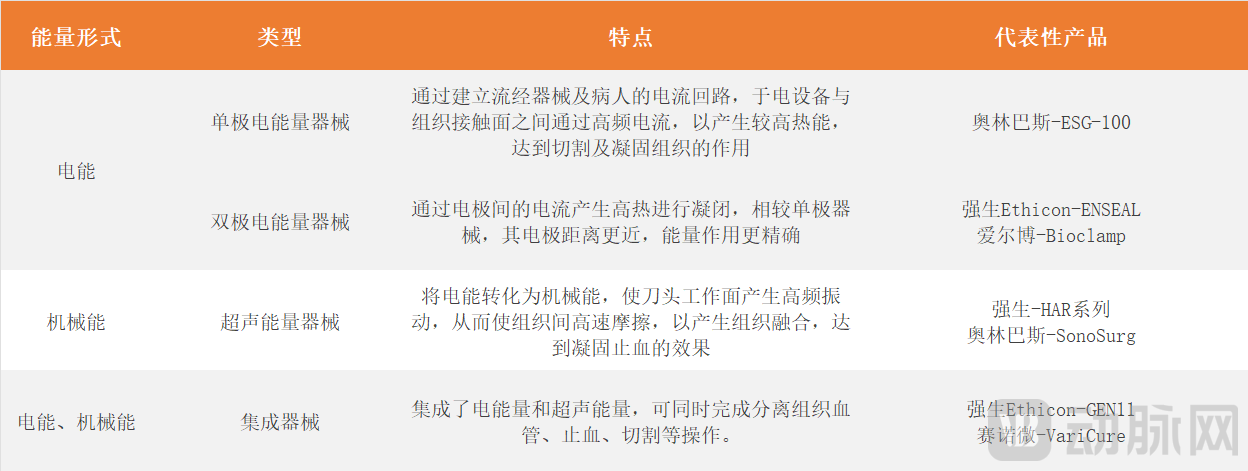
Based on product type, energy-based surgical instruments can be categorized into high-frequency electrosurgical units, radiofrequency knives, plasma knives, ultrasonic scalpels, and ultrasonic bone scalpels.
High-Frequency Electrosurgical UnitAs the energy-based surgical instrument with the longest history of clinical application, it typically operates at output frequencies ranging from 200 kHz to 3.3 MHz. It is widely used in abdominal, gastrointestinal, and head and neck surgeries, providing rapid cutting and small-vessel coagulation. The 4 MHz radiofrequency scalpel, serving as a complement to high-frequency electrosurgical units in the megahertz range, has unique applications in head and neck surgery as well as aesthetic dermatology.
Plasma KnifeIts output frequency is lower than that of high-frequency electrosurgical units, typically around 100 kHz, enabling precise cutting and tissue ablation while protecting surrounding tissues. It serves as a complement to high-frequency electrosurgery and is primarily used in otolaryngology, sports medicine, spinal surgery, and urology.
Ultrasonic ScalpelAs another form of energy, compared to the aforementioned electrosurgical devices, it enables efficient and precise cutting while sealing larger blood vessels, and is commonly used in thoracic and abdominal surgeries. The ultrasonic bone scalpel applies the fundamental principles of the ultrasonic scalpel to hard tissue cutting, achieving precise and safe osteotomy in spinal and oral surgeries.
In summary, energy-based surgical devices with different output frequencies and energy types possess distinctly different and mutually irreplaceable product characteristics and clinical outcomes, allowing surgeons to select and combine them according to specific surgical scenarios.
Amid China’s aging population and rapid economic growth, the medical device market is expanding rapidly with promising prospects. The market size grew from RMB 370 billion in 2016 to RMB 723.2 billion in 2020, and is projected to reach RMB 1.39 trillion by 2025.
Energy-based surgical devices are diverse in type and excellent in performance, with a promising market outlook. Through interviews with multiple industry experts, we estimate that the combined market size of three major segments in China’s energy-based surgical device market—electrosurgical units (ESUs), ultrasonic scalpels, and plasma scalpels—grew from RMB 19.006 billion in 2018 to RMB 30.706 billion in 2021, representing a compound annual growth rate (CAGR) of 17.34%. The total market size is projected to reach RMB 67.217 billion by 2025. These three segments account for over 80% of the energy-based surgical device market.
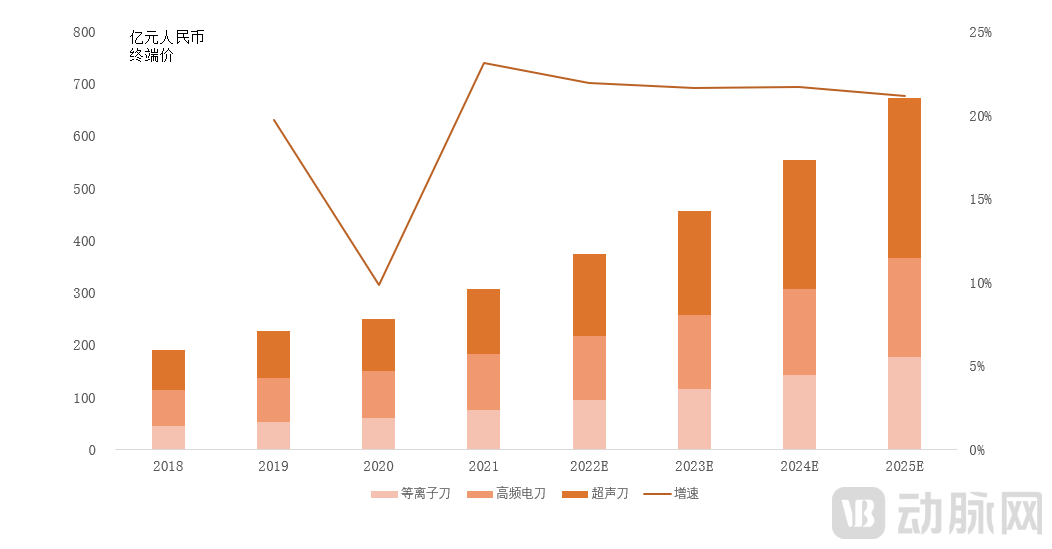
Market Size and Growth Rate of the Three Major Segments of China's Energy-Based Surgical Device Market, 2018-2025E
Plasma scalpels represent the fastest-growing segment among the three major submarkets,The market size reached RMB 7.65 billion in 2021, with a compound annual growth rate (CAGR) of 19.92% from 2018 to 2021. The domestic plasma scalpel market is projected to reach RMB 17.717 billion by 2025, representing a CAGR of 23.36% from 2021 to 2025.
The ultrasonic scalpel market is the niche segment with the greatest potential for domestic substitution.2The market size exceeded RMB 12.5 billion in 2021, with a compound annual growth rate (CAGR) of 18.65% from 2018 to 2021. The domestic market for ultrasonic scalpels is projected to reach RMB 30.55 billion by 2025, representing a CAGR of 24.88% from 2021 to 2025.
High-frequency electrosurgical units represent the most mature market segment,The market size grew from RMB 7.05 billion in 2018 to RMB 10.55 billion in 2021, representing a compound annual growth rate (CAGR) of 14.38% from 2018 to 2021. It is projected to reach RMB 18.95 billion by 2025, with a CAGR of 15.77% from 2021 to 2025.
The accelerating aging of the population, heightened patient willingness to undergo treatment, improved diagnostic and therapeutic efficiency, and the implementation of industrial policies will drive the sustained and rapid development of the energy-based surgical device market.
Plasma scalpels evolved from high-frequency electrosurgical units. In China, their clinical application began in 2000, marking a gradual shift in soft tissue cutting from high-temperature radiofrequency ablation to safer, low-temperature techniques. An excellent plasma scalpel should feature rapid plasma generation, strong adaptability, and high reliability.
Plasma ScalpelThe plasma scalpel utilizes pulsed radiofrequency technology. When the electrode tip contacts human tissue, the radiofrequency electric field vaporizes and decomposes the electrolyte fluid within the tissue, generating a plasma vapor layer at the tip of the electrode that contains free electrons, ions, neutral chemical radicals, and other neutral substances. As the charged particles in the plasma are accelerated by the electric field, they cause the breaking of molecular bonds in tissue cells, leading to cellular disintegration and achieving cutting and ablation effects.

Working Principle of the Plasma Scalpel
Source: Public Information
Plasma scalpels cause minimal thermal damage to tissues; they enable precise energy control, achieving low-temperature tissue ablation.Compared with conventional radiofrequency devices, plasma scalpels can perform tissue cutting and ablation at a lower radiofrequency (100 kHz) and lower temperatures (40–70°C), thereby minimizing thermal injury. In contrast, other energy-based surgical instruments operate at temperatures ranging from 350°C to 700°C.
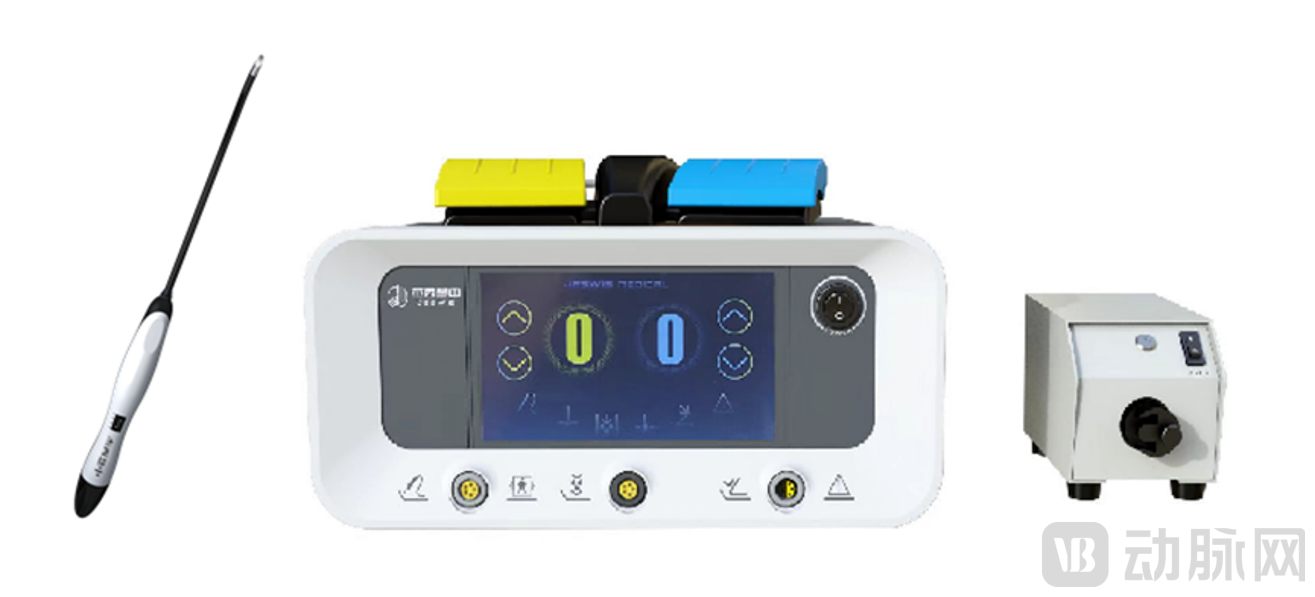
Schematic Diagram of Plasma Surgical Equipment
Source: Official Website of BEIJING JESWIS TECHNOLOGY LTD.
Currently, plasma scalpels are primarily used in otolaryngology, sports medicine, spinal surgery, and urology.
Otolaryngology is one of the departments with the most mature application of plasma scalpels., as the number of patients continues to rise and the indications for plasma scalpels expand further, this device still holds significant growth potential in this specialty. Specifically, plasma scalpels are widely used in laryngology; for instance, pediatric tonsillectomy and adenoidectomy represent the most common ENT procedures utilizing plasma technology, with an annual surgical volume exceeding one million cases in China. This corresponds to a penetration rate of over 20% among hospitals capable of providing such medical services. In rhinology, although the penetration rate of plasma scalpels is currently lower, they can be extensively employed in procedures such as vocal cord polyp resection, removal of nasal soft tissue during endoscopic pituitary tumor resection, and establishment of nasal passages. In otology, plasma scalpels are currently limited to open ear surgeries, but there is substantial room for future growth in their application to endoscopic ear surgery.
The Application of Plasma Knives in Sports Medicine Is Gradually Expanding.Sports medicine is primarily indicated for the treatment and rehabilitation of injuries related to joints and soft tissues, such as trauma to the Achilles tendon, ligaments, meniscus, tendons, and cartilage; meniscal and cruciate ligament injuries; tendinopathy; skeletal muscle injuries; cartilage and osteochondral injuries; joint instability; and glenoid labrum injuries. Sports medicine surgeries are typically performed arthroscopically. During arthroscopic procedures, surgeons use plasma knives for anatomical resection, ablation, and hemostasis. Plasma knives and shavers are commonly used surgical instruments in arthroscopic surgery.
The Application of Plasma Knife in Spinal Surgery Is Increasing.In spinal surgery, plasma knives are primarily used to treat intervertebral disc disorders. Surgical applications include minimally invasive procedures such as cervical and lumbar disc nucleus pulposus ablation and decompression, annuloplasty, and targeted ablation performed under foraminoscopy or arthroscopy. According to physician interviews, radiofrequency ablation electrodes or low-temperature plasma knife tips are utilized in every foraminoscopic procedure. Meanwhile, percutaneous nucleoplasty is widely performed in pain management departments, representing another surgical approach with high penetration rates for plasma knife tips.
In urological surgery, plasma knives are primarily used for the treatment of conditions such as benign prostatic hyperplasia, bladder tumors, prostate cancer, and urethral stricture.There are 125 million men aged 60 and above in China, of whom 60% suffer from benign prostatic hyperplasia (BPH), amounting to 75 million patients. Among BPH patients, 40% require pharmacological treatment, totaling 30 million individuals, while 10% require surgical intervention, reaching up to 7.5 million people. Data from 2019 indicate that approximately 1.5 million BPH surgeries were performed in China, with transurethral resection accounting for nearly 50%. Studies have demonstrated that transurethral plasma kinetic vaporization of the prostate (TUPKVP) offers significant advantages over transurethral vaporization of the prostate (TUVP) and transurethral resection of the prostate (TURP), thereby driving a rapid increase in the adoption of plasma scalpels in urological surgery.
Overall, plasma scalpels are now maturely applied across multiple departments. With the development of minimally invasive surgical techniques, they are poised to become an indispensable instrument in surgical procedures.
According to research and estimates by VCBeat, based on end-user prices, the combined market size of plasma scalpels in China for otolaryngology, sports medicine, spinal surgery, and urology exceeded RMB 7.65 billion in 2021.Among these, the market size of otolaryngology reached RMB 2.5 billion in 2021, with an average annual growth rate of 25% over the past three years. Although the market growth slowed in 2020 due to the impact of the pandemic, it rebounded rapidly in 2021. The market size of the sports medicine segment reached approximately RMB 2 billion, making it the fastest-growing market for plasma scalpels, with an average growth rate exceeding 30%. The market size of plasma scalpels in spinal surgery was approximately RMB 1.6 billion, while that in urology was around RMB 1.5 billion.
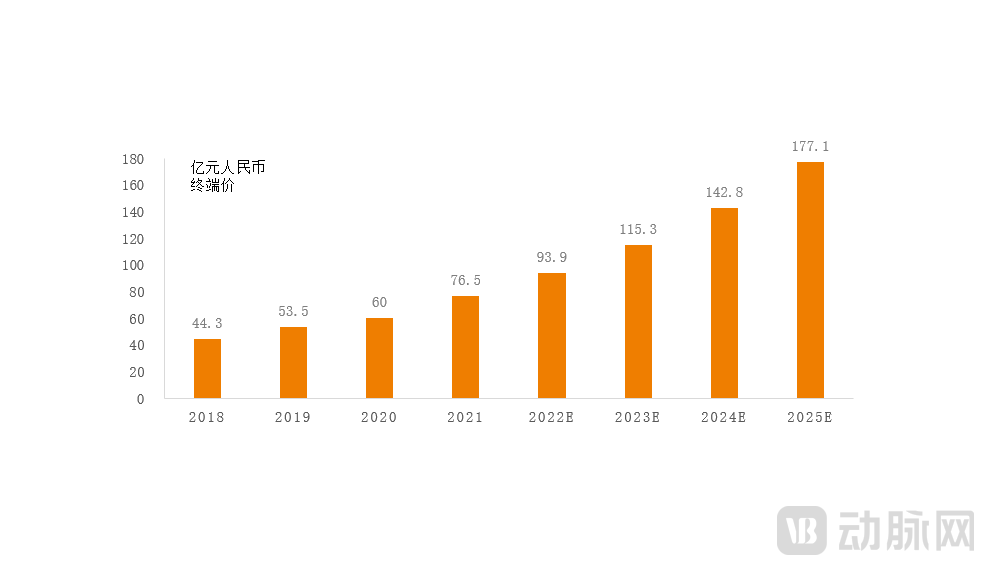
China Plasma Scalpel Market Size, 2018-2025
Source: Expert Interviews
From the perspective of market structure, the major players in China's plasma knife market include Smith & Nephew, BEIJING JESWIS TECHNOLOGY LTD., Forerunner Medical, and Laino Medical.
Among them, Beijing Jeswis Technology Co., Ltd., established in July 2011, focuses on minimally invasive energy-based surgical products. It is a medical device manufacturer primarily engaged in the development and production of Class III radiofrequency plasma surgical systems and Class III and Class II disposable radiofrequency plasma surgical electrodes. In terms of its development history, Jeswis Technology is one of the earliest companies in China to venture into low-temperature plasma technology. In 2010, the company established its own plasma R&D team. In 2012, leveraging clinical experience from over 1,000 hospitals and 100,000 surgeries annually, Jeswis Technology’s low-temperature plasma products were launched and began clinical trials. The company’s first product was marketed in 2013. In 2014, the company was acquired by Natong Group. In 2022, Jeswis Technology was successfully listed on the New Third Board.
JESWIS Technology adopts an integrated medical-engineering approach, offering a wide range of plasma knife models primarily used in otolaryngology, sports medicine, and spinal surgeries. The company’s plasma knife tips integrate cutting, ablation, hemostasis, suction, and irrigation functions, enabling rapid tissue resection in narrow cavities while eliminating the need for frequent instrument changes, thereby enhancing surgical efficiency and precision.
Currently, Jeswis Technology is continuously refining its portfolio of energy-based surgical devices. In addition to plasma scalpels, the company’s existing and pipeline products include high-frequency electrosurgical units, radiofrequency scalpels, ultrasonic scalpels, and ultrasonic bone scalpels. Jeswis Technology is a platform-oriented enterprise in China that has taken the lead in establishing a diversified layout in the field of energy-based surgical instruments.
High-frequency electrosurgical units are energy-based surgical instruments that have replaced traditional mechanical scalpels for tissue cutting and have been used in surgical procedures for over eighty years. By delivering high-frequency, high-voltage current to the target site via an electrode, these devices cauterize and incise tissue, enabling either resection of pathological areas or hemostasis through coagulation, thereby achieving cutting (separation of bodily tissues) or coagulation (of blood or tissue fluids).
Based on diverse clinical needs, various types of high-frequency electrosurgical units with specialized functions have emerged in clinical practice, including argon plasma coagulation (APC) systems, Loop Electrosurgical Excision Procedure (LEEP) devices, and vessel sealing systems.
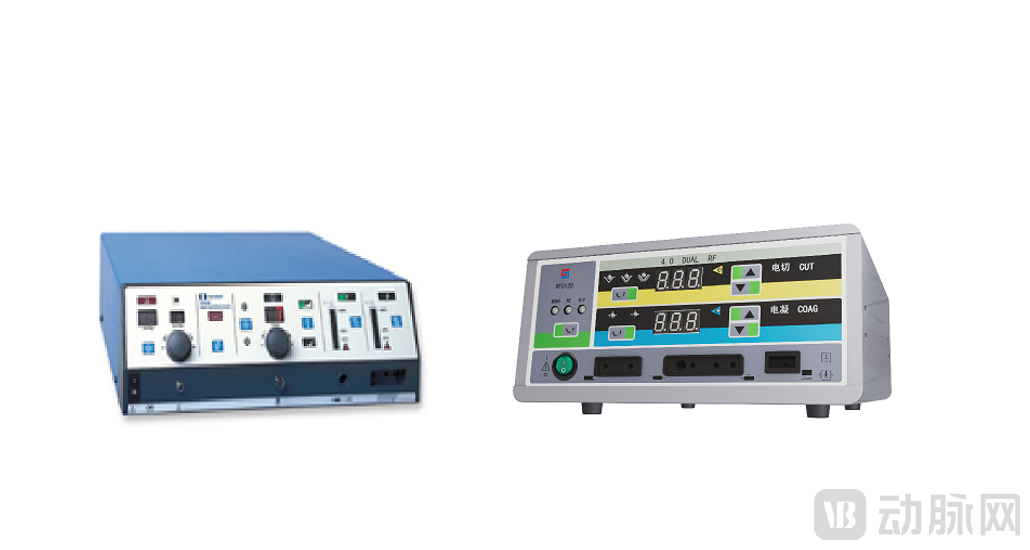
Schematic Diagram of High-Frequency Electrosurgical Unit
Source: Medtronic Official Website (left), JESWIS Technology Official Website (right)
In 2021, the market size of high-frequency electrosurgical units reached RMB 10.55 billion. High-frequency electrosurgical units are widely used in clinical surgical procedures across multiple departments, including urology, gynecology, thoracic surgery, and respiratory medicine. The steady annual increase in the volume of surgical procedures in China will drive rapid growth in the high-frequency electrosurgical unit market. It is projected that by 2025, the market size of high-frequency electrosurgical units in China will exceed RMB 18 billion.
The domestic market for high-frequency electrosurgical units is growing at approximately 20%, significantly outpacing the global growth rate of 5%. The global development of high-frequency electrosurgical units has been relatively stable, with a compound annual growth rate (CAGR) of around 5.43% in sales volume from 2014 to 2019; global sales reached 240,000 units in 2018. The growth rate of the domestic high-frequency electrosurgical unit market far exceeds that of the global market. With the development of China’s healthcare industry, improved service levels in medical institutions, and the gradual enhancement of related medical equipment infrastructure, market demand for medical high-frequency electrosurgical units in China is increasing. It is projected that the Chinese market for high-frequency electrosurgical units will maintain a growth rate of over 20%.
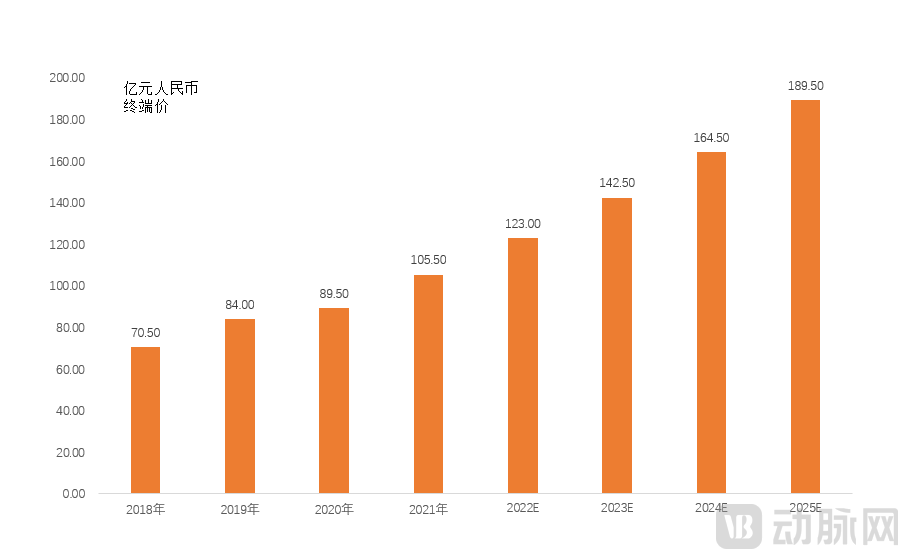
Source: China Research & Intelligence’s research report “Forecast and In-Depth Analysis of the Development of China’s Medical High-Frequency Electrosurgical Units Industry, 2021–2025,” expert interviews
Foreign companies hold over 60% of the domestic high-frequency electrosurgical unit market, with Medtronic and ERBE as the major players. High-frequency electrosurgical units have been developed in China for more than two decades and are now highly mature in clinical application. Globally renowned manufacturers include Medtronic Covidien, ConMed, Johnson & Johnson, as well as ERBE, Martin, and Olympus. Currently, mid-to-high-end high-frequency electrosurgical products in the domestic market are still dominated by imports, with Medtronic Covidien and Germany’s ERBE leading the market; Medtronic Covidien holds a market share exceeding 50%. In the niche segments of digestive endoscopy and respiratory interventional therapy, ERBE’s market share exceeds 95%.
Ultrasonic Scalpel: A Sharp Blade in Minimally Invasive and Precise Surgery
According to the "Medical Device Classification Catalog," both ultrasonic scalpels and ultrasonic bone scalpels fall under the category of ultrasonic surgical devices. Ultrasonic scalpels are used for cutting soft tissues and sealing blood vessels in the human body, while ultrasonic bone scalpels are employed for precise cutting of bone tissue. Both are indispensable products in the field of surgery.
Ultrasonic scalpels emerged in the 1950s and began to be used clinically in the 1980s. An ultrasonic scalpel system consists of a generator, a transducer handpiece, an ultrasonic blade, and a foot pedal. Its primary mechanism of action involves the generator outputting electrical signals, which are transmitted through the transducer handpiece. Utilizing the piezoelectric or magnetostrictive effect, the handpiece converts electrical energy into mechanical energy, generating high-frequency vibrations. When the blade contacts tissue proteins under high-frequency vibration, it induces cavitation, rapidly vaporizing intracellular water and breaking protein hydrogen bonds. This causes protein denaturation into a viscous coagulum, thereby achieving tissue cutting, sealing, and hemostasis.
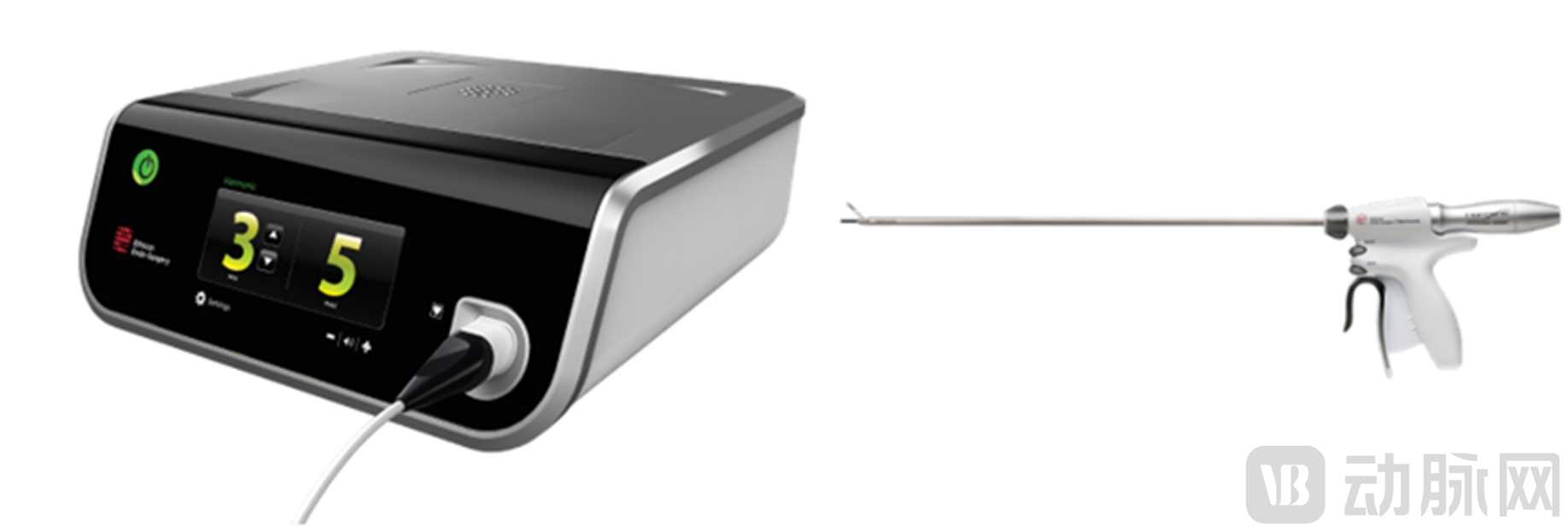
Schematic Diagram of Ultrasonic Soft Tissue Cutting and Hemostatic Device
Source: Johnson & Johnson Official Website
In China's energy-based device market, ultrasonic scalpels account for a significant share. Ultrasonic scalpels are primarily used in minimally invasive surgical procedures, with limited application in open surgeries. According to statistical analysis by Frost & Sullivan, the market size of ultrasonic scalpels in China accounted for approximately 10.4% of the Chinese market for minimally invasive surgical instruments and accessories in 2020.
China’s ultrasonic scalpel market is growing at a rate far exceeding that of the global market, with its market size surpassing RMB 12.5 billion in 2021. The global ultrasonic scalpel market is expected to maintain steady growth at approximately 10%. In contrast, China’s ultrasonic scalpel market is expanding much more rapidly, registering a compound annual growth rate (CAGR) of 24.9% from 2020 to 2025. Although the growth rate of China’s ultrasonic scalpel market slowed in 2020 due to the impact of the COVID-19 pandemic, it rebounded sharply in 2021. According to industry estimates, the domestic ultrasonic scalpel market size in 2021 exceeded RMB 12.5 billion based on end-user prices.
Market Size of Ultrasonic Surgical Devices in China, 2016–2025
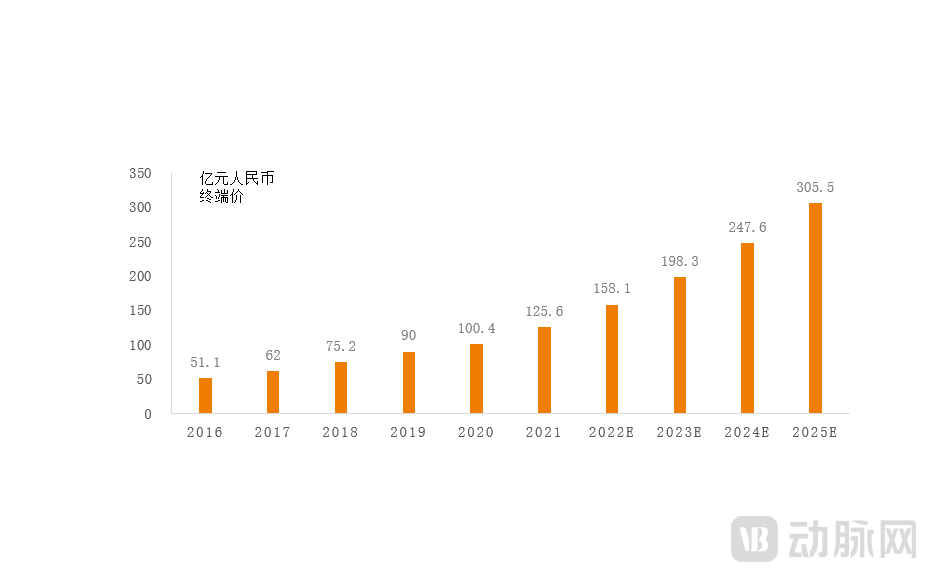
Source: Partel’s prospectus, expert interviews
China’s energy-based surgical device market has over two decades of development history. Domestic companies have largely mastered the key technologies in this field and are capable of competing with imported products. In recent years, the market share of domestically produced plasma scalpels, ultrasonic scalpels, and high-frequency electrosurgical units—offering price advantages—has been steadily increasing. In the future, leading Chinese enterprises specializing in energy-based surgical platforms will inevitably emerge.
The above is an excerpt from the report. The complete framework of the report is as follows:
I. Industry Overview: Transitioning Surgery from the Era of Cold Steel to That of Advanced Technology
1. Surgical Energy Devices: A Century of Birth and Flourishing Growth
2. Multiple Technological Barriers Have Prevented the Emergence of an Industry Leader in China
3. The market size of energy-based surgical devices is expanding rapidly, exceeding RMB 30 billion in 2021
II. Plasma Scalpel: A Transformative Technology in Energy-Based Surgical Instruments, from Thermal Energy to Kinetic Energy
1. The safety of plasma scalpels stands out as their greatest highlight
2. Plasma scalpels have been widely used in multiple departments
3. Multi-departmental applications drive rapid expansion of the plasma scalpel market
4. Major Players in the Plasma Knife Market
3. Electrosurgical Unit: The Most Commonly Used Scalpel by Physicians
1. High-Frequency Electrosurgical Unit—The Surgeon’s Essential “Weapon”
2. High-Frequency Electrosurgical Unit—High Temperature, Prone to Causing Tissue Damage
3. Current Status of the Electrosurgical Unit Market: Rapid Market Growth, with Domestic and Imported Products Advancing Side by Side
4. Electrosurgical Units: Products and Future Market Trends
5. Introduction to Key Players in the Electrosurgical Generator Market
IV. Ultrasonic Scalpel: A Sharp Instrument in Minimally Invasive and Precise Surgery
1. Bloodless Scalpel—Ultrasonic Scalpel
2. Development Trends of Ultrasonic Scalpel Products
3. The ultrasonic scalpel market is experiencing rapid growth, with a market size exceeding RMB 12.5 billion
4. Growth Drivers of the Ultrasonic Scalpel Market
5. Market Landscape of Ultrasonic Scalpels: Imports Account for Over 80%
6. Ultrasonic Bone Scalpel—Cuts Hard Tissue, Not Soft
6. Ultrasonic Bone Scalpel Market: Orthopedics Emerges as a New Growth Driver
7. Major Players in the Ultrasonic Surgical Instrument Market
V. Policy Trend Analysis: Seizing Industrial Opportunities Amidst Policy Changes
1. Encouraging Innovation: A More Innovation-Friendly Environment
2. Industry Standards: Regulatory Frameworks Further Refined
3. Medical Cost Control: New Payment Standards Drive Domestic Substitution
VI. Trend Summary
1. Market Trends: The Energy-Based Surgical Instruments Sector—A Long-Term, High-Growth Track Where Domestic Substitution Is Gaining Momentum
2. Product Trends: Minimally Invasive and Intelligent Technologies Lead Industry Development
3. Industry Consolidation: Independent R&D Plus External M&A Is the Inevitable Path for Chinese Enterprises
Please scan the QR code to add our assistant and obtain the full report. If you have already added the assistant, please initiate a conversation to request it.