

Egling Medicine Files IPO Prospectus Highlighting AI-Driven Clinical Trial Optimization to Accelerate Drug Development
“Currently, five of Eaglet Pharma’s ten R&D pipelines have entered the clinical stage. The company’s high efficiency is primarily attributed to two factors: first, selecting indications with the most urgent clinical needs; and second, leveraging AI technology to optimize clinical trial design, thereby enhancing the efficiency of new drug development,” stated Du Tao, Vice Chairman of the International Innovative Drug Regulatory Professional Committee under the China Pharmaceutical Innovation Promotion Association and Chairman of Shenzhen Eaglet Pharma Co., Ltd., at the “7th China Pharmaceutical Innovation and Investment Conference.”
“AI technology empowers drug development, which can be broadly divided into three stages: the molecular/target stage, the pharmaceutical biology stage, and the clinical stage. Based on Eglin’s technical background and R&D practices, we have chosen to focus our AI applications on the downstream end of the R&D process—namely, the clinical stage. This approach not only avoids redundant competition with other companies in the upstream molecular/target stage but also substantially improves R&D efficiency during the most time-consuming and costly phase of the pharmaceutical industry: clinical trials. We believe this strategy yields greater economic benefits.”
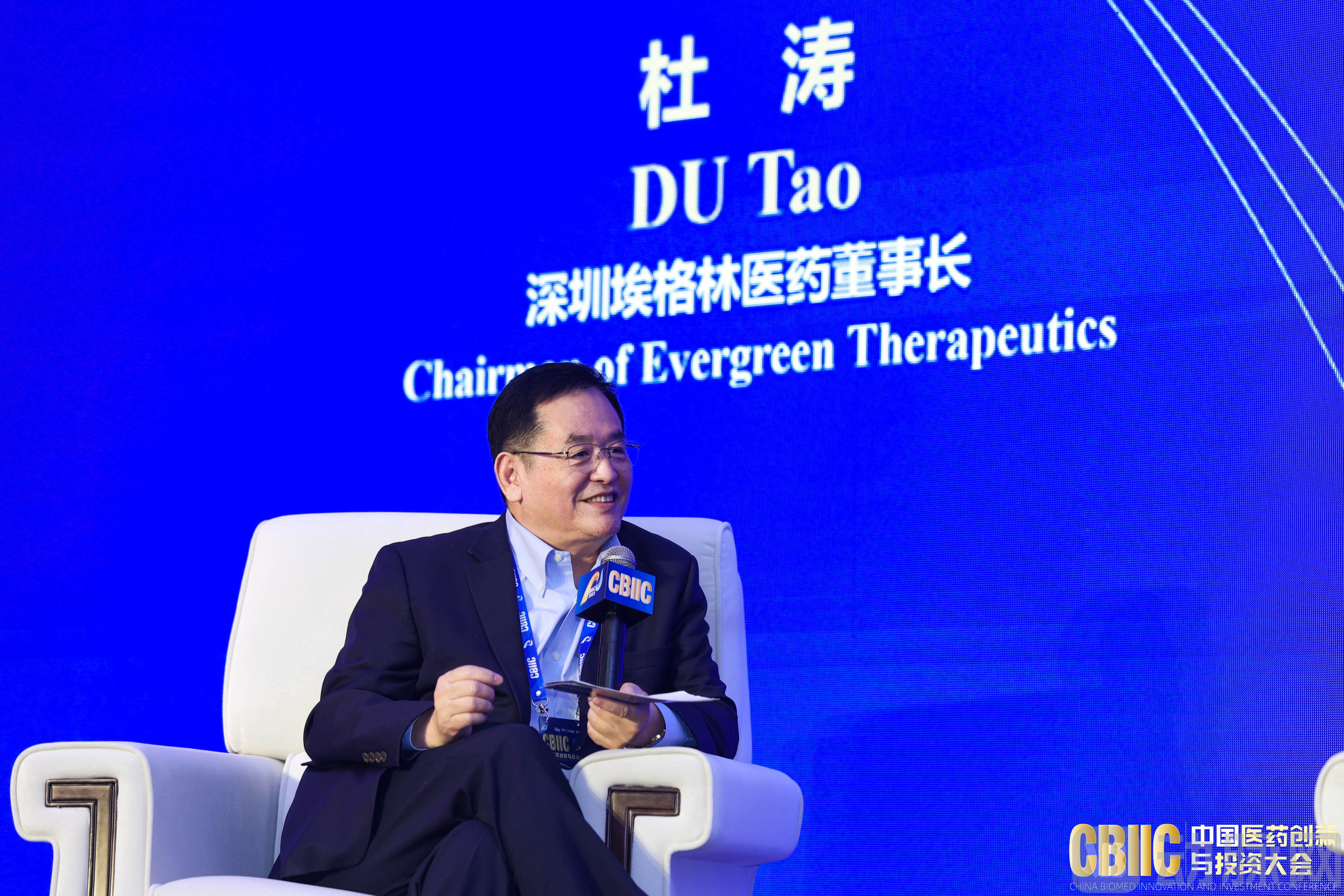
Du Tao, Vice Chairman of the International Innovative Drug Regulation Professional Committee of the China Medical Promotion Association and Chairman of Shenzhen Aigelin Pharma
Du Tao stated that the application of AI technology in the pharmaceutical industry must first be scientifically characterized. AI cannot directly manufacture drugs; rather, it supports and empowers drug research and development. This empowerment occurs in three stages: first, the chemistry stage, involving chemistry and targets; second, the biology stage, concerning the relationship between targets and diseases; and third, the clinical stage, addressing the relationship between diseases and indications.
Chinese companies have relatively few applications in AI-driven biology and the clinical stage of drug development. It is evident that AI-powered pharmaceutical companies in Europe and the United States are outpacing their Chinese counterparts in these two areas. As an AI-enabled drug discovery company, Eglin has strategically focused its efforts on the later stages, specifically applying AI technologies to the clinical phase. This strategic choice is driven by two primary considerations: first, to avoid redundant competition; and second, because the clinical stage represents the most cost-intensive part of the pharmaceutical industry. By leveraging AI to shorten clinical trial cycles, accelerate progress, and improve success rates, the resulting economic benefits are substantially greater.