Event Recap: BioBAY, Chinese Academy of Medical Sciences Cancer Hospital, and Legend Capital Co-host 'Insights into Clinical Value in Oncology' Symposium
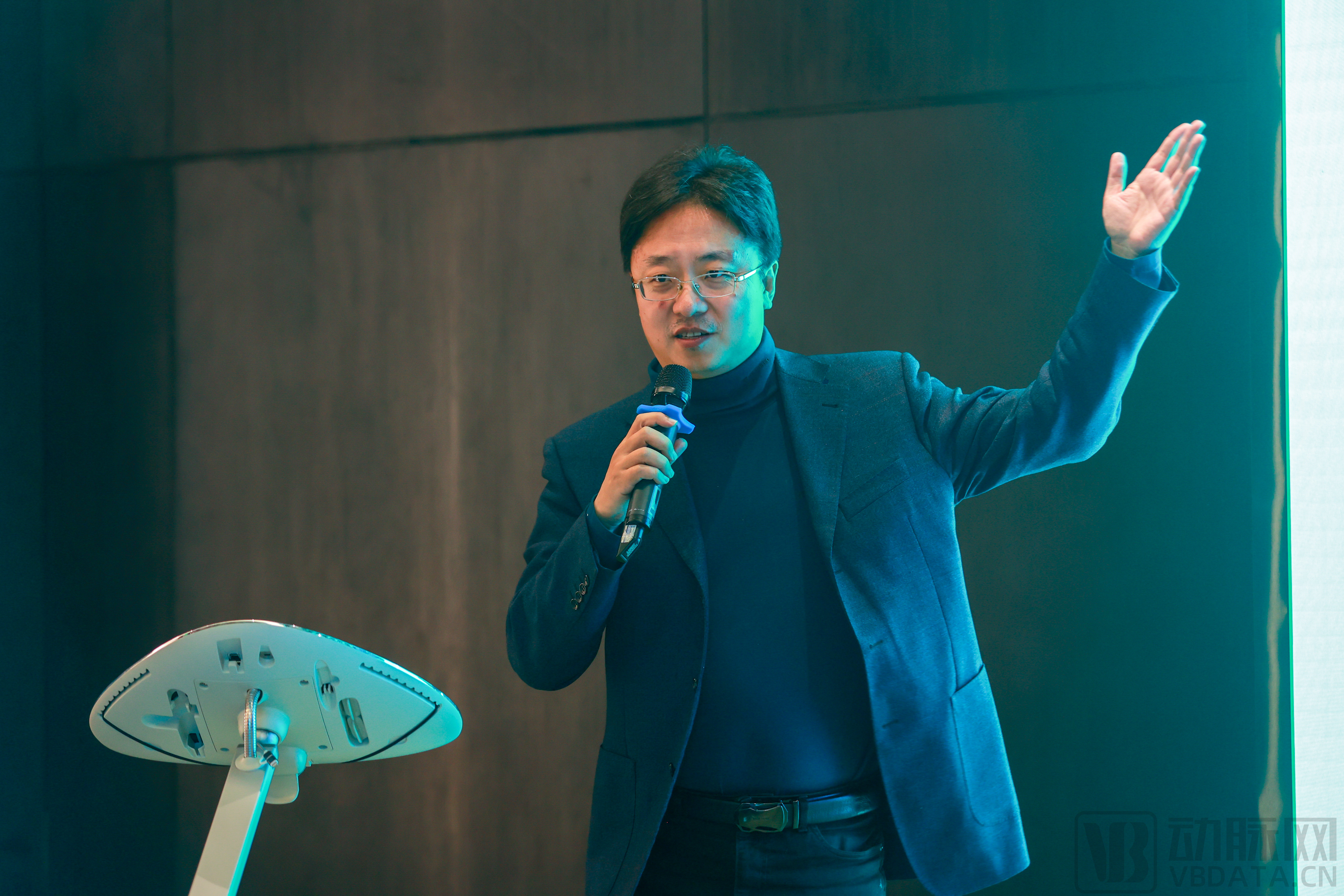
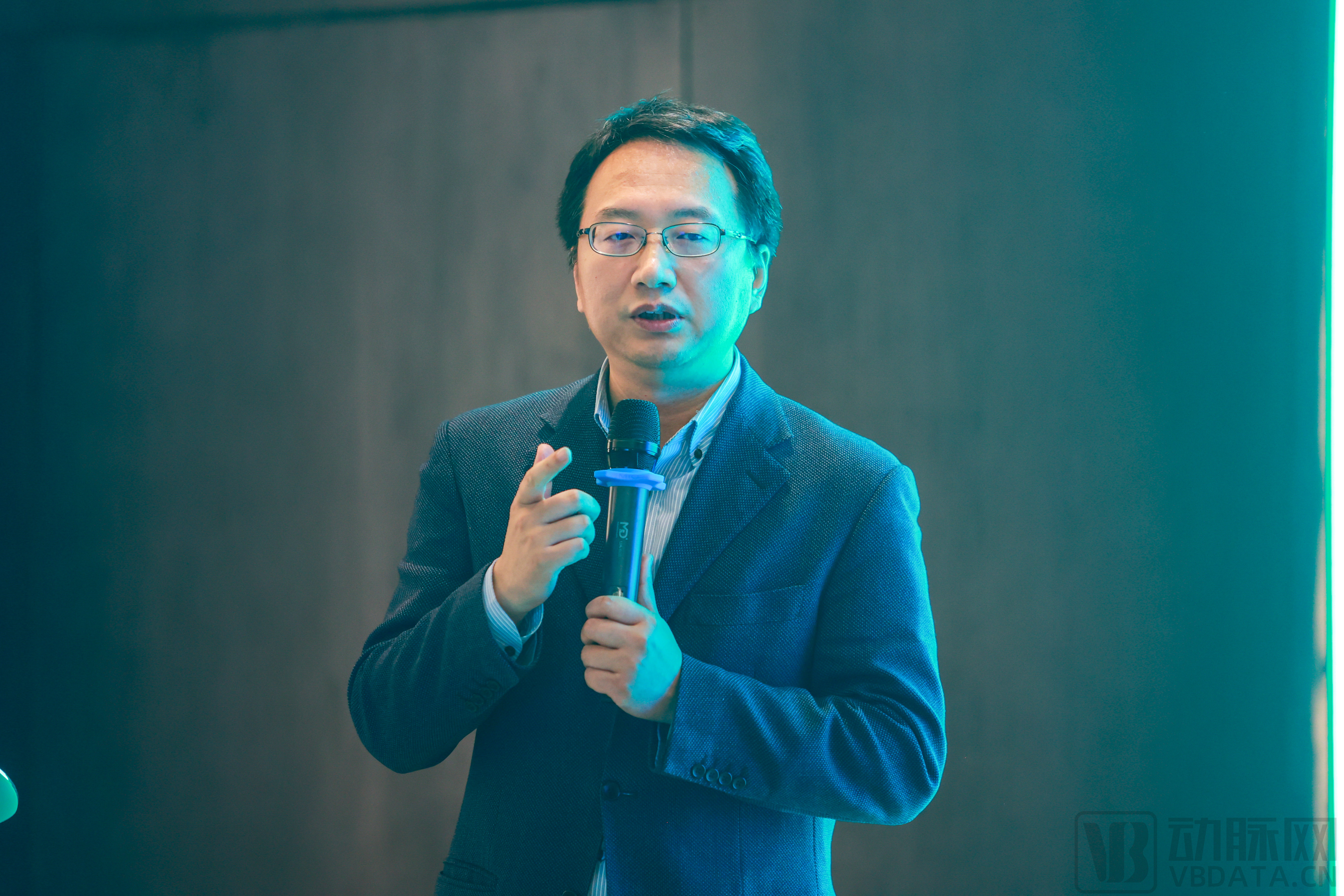
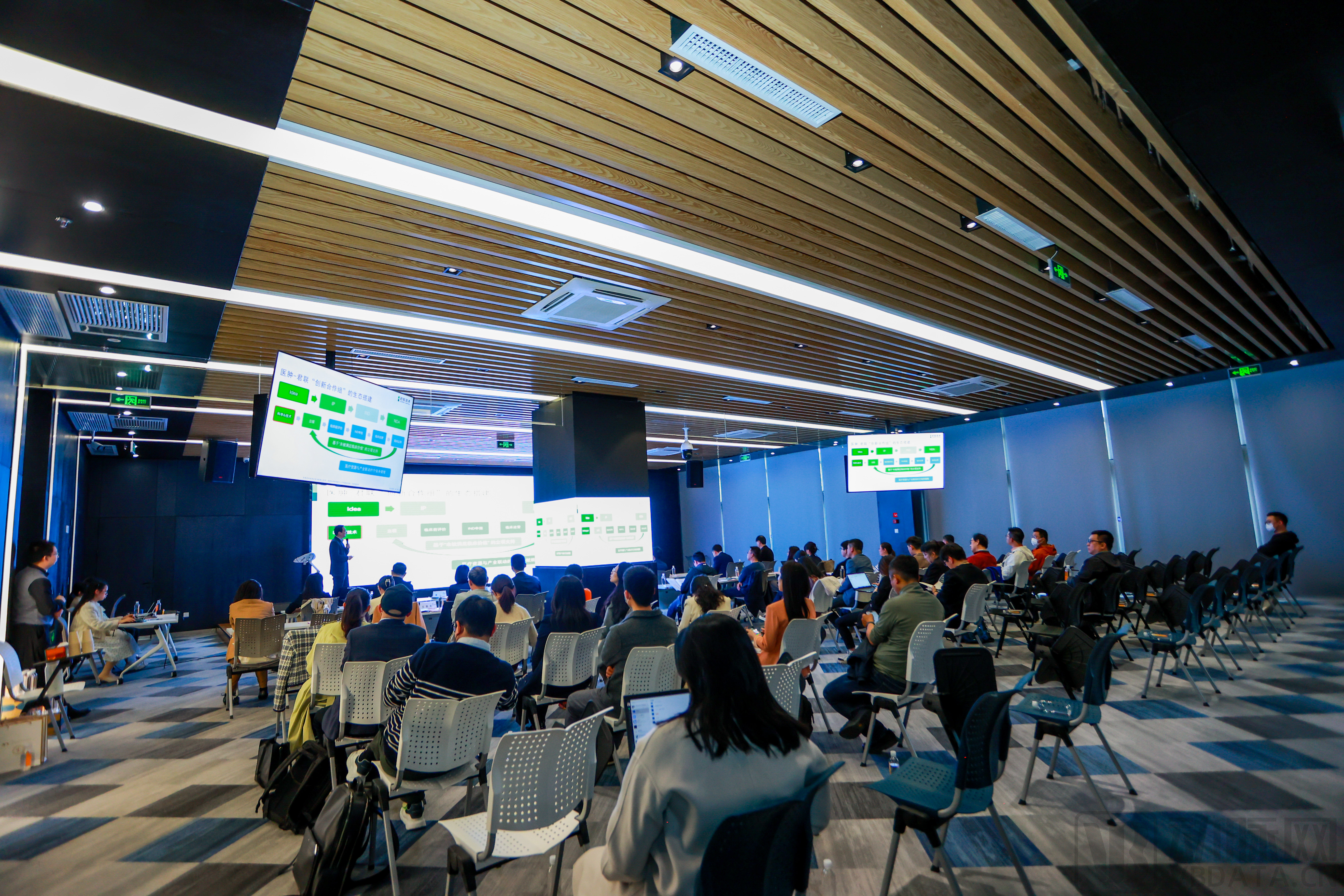
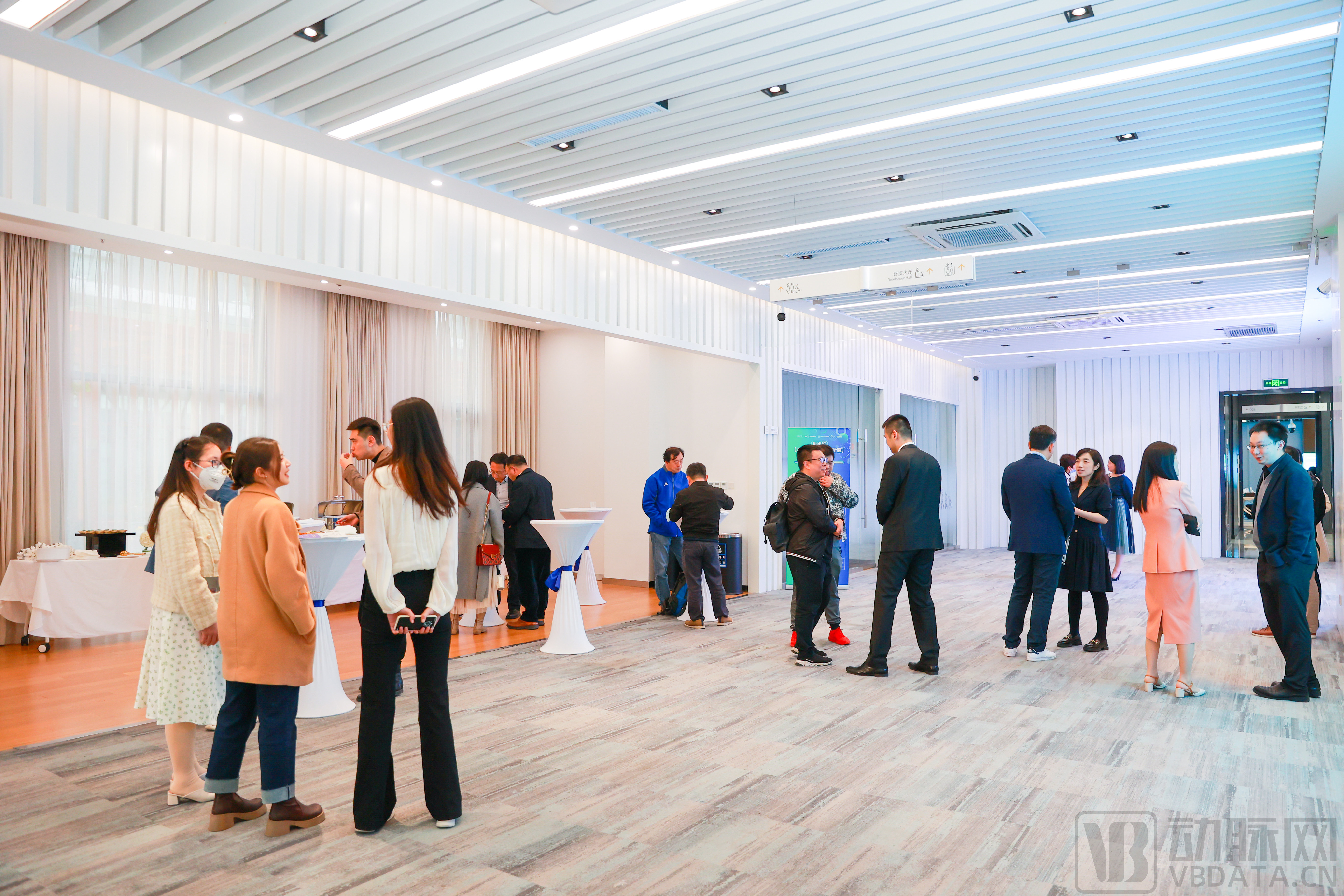
On the afternoon of April 1, 2023, guided by the National Center for Technological Innovation in Biopharmaceuticals, the “BioBAY ‘Insights into Clinical Value in Oncology’ Symposium,” co-hosted by the Cancer Hospital of the Chinese Academy of Medical Sciences, BioBAY, and Legend Capital, and organized by VCBeat New Medicine, was successfully held at the Suzhou BioBAY Industrial Park. Clinical research experts from the Cancer Hospital of the Chinese Academy of Medical Sciences, representatives from biotech companies, and guests from leading Chinese investment institutions gathered in this biopharmaceutical hub to engage in a tripartite dialogue among medical institutions, innovative enterprises, and investors. The discussions focused on challenges and solutions in oncology clinical research, aiming to promote the development of more valuable oncology drugs.
In his address, Yin Jianguo, President of BioBAY, reviewed the park’s development journey. As an industrial park consistently focused on frontier innovation, BioBAY has attracted more than 600 companies, forming a robust R&D cluster for innovative drugs, including small molecules, antibodies, and nucleic acid-based therapeutics. Today, BioBAY brings together experts from leading medical institutions, top-tier investment firms, and entrepreneurs. Through in-depth, face-to-face exchanges, we aim to spark new opportunities for collaboration and jointly drive the industry toward higher-quality development.
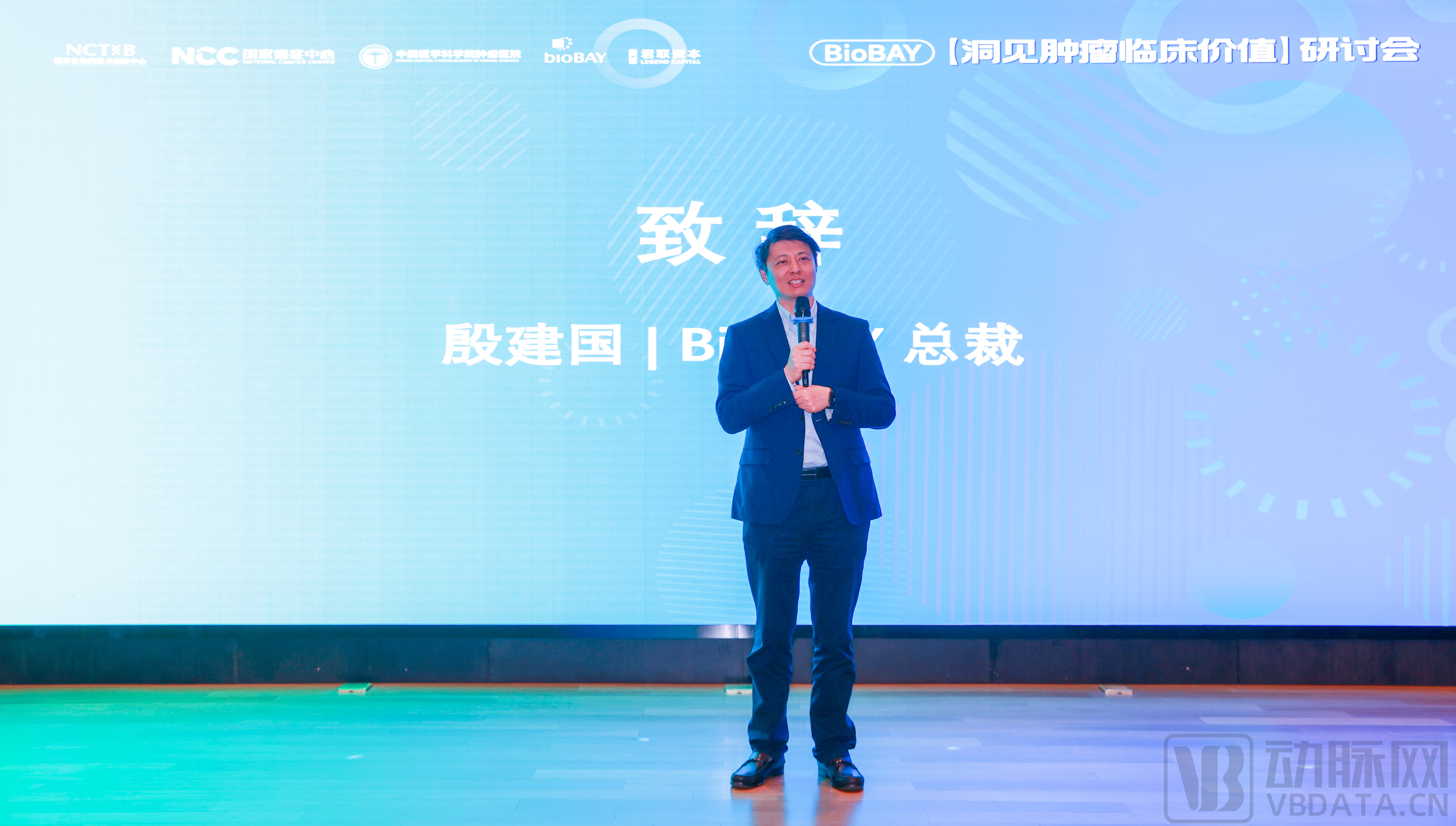
BioBAY President Yin Jianguo
In his keynote address at the Oncology Collaborative Innovation System event, Li Ning, Vice President of the Cancer Hospital of the Chinese Academy of Medical Sciences, started from the perspective of clinical value in China’s oncology field. He pointed out that the vigorous development of basic research has driven independent innovation, and that translating promising innovative concepts into solutions that truly meet clinical needs relies on a robust scientific evaluation system, outstanding talent, and high-quality clinical research platforms. He emphasized the importance of multi-stakeholder collaboration within the industry and expressed his hope for joint efforts in innovation and translation through mutual understanding, trust, and inclusiveness among all parties.
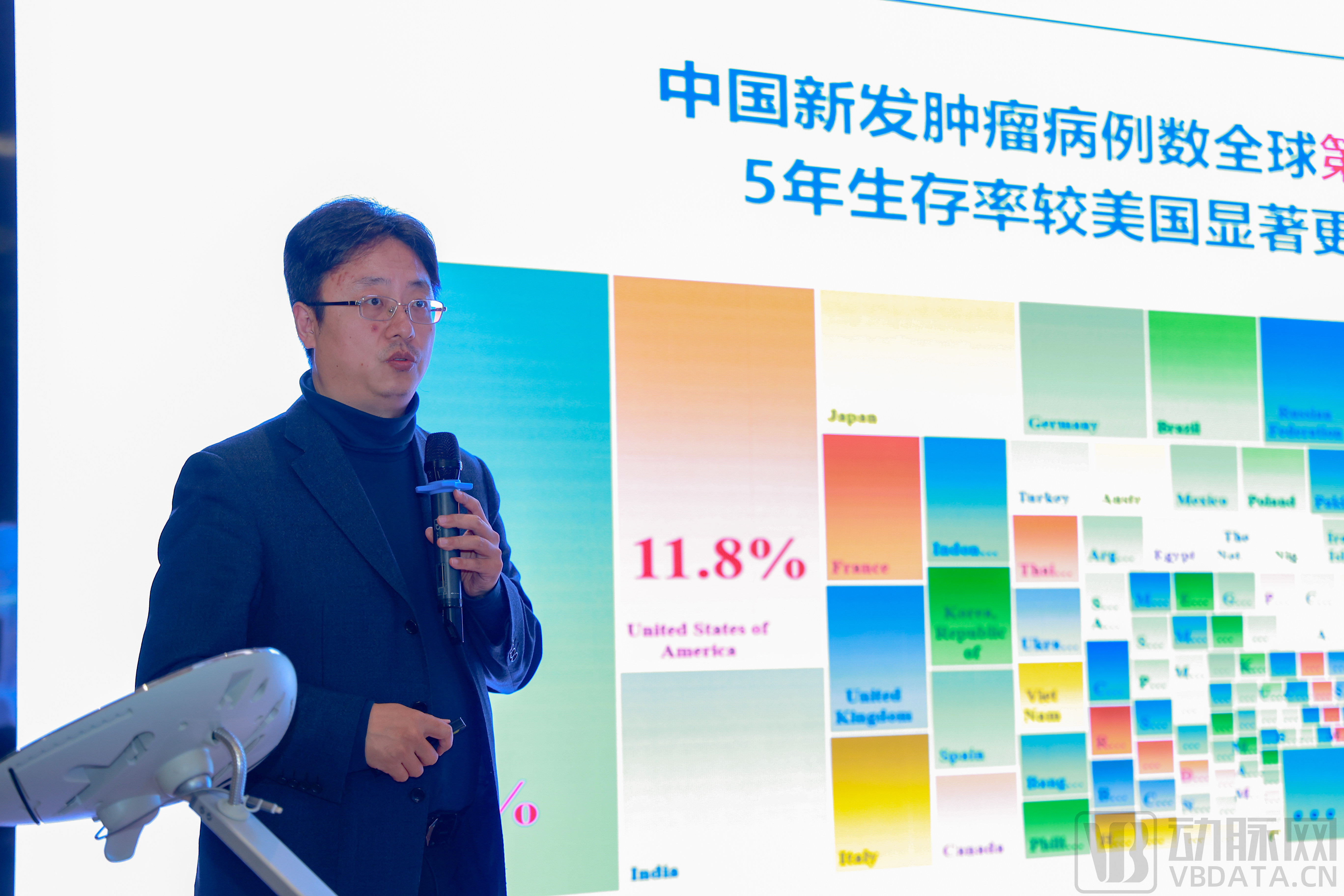
National Cancer Center/Cancer Hospital, Chinese Academy of Medical Sciences Vice President Li Ning
Hong Tan, Managing Director at Legend Capital, analyzed from the perspective of a professional investor how pharmaceutical investment logic has shifted from prioritizing companies’ fundraising histories to emphasizing product differentiation and robust clinical data. He also clarified the original intent of this oncology clinical seminar: building on the establishment of the “Innovative R&D Collaboration Group” jointly created by the Cancer Hospital of the Chinese Academy of Medical Sciences and Legend Capital, and in close partnership with BioBAY, the three parties aim to use this conference as a starting point to integrate upstream and downstream segments of the industry chain, build a one-stop, full-process translational platform, foster an oncology treatment ecosystem, enhance clinical value, and deliver greater value to the industry.
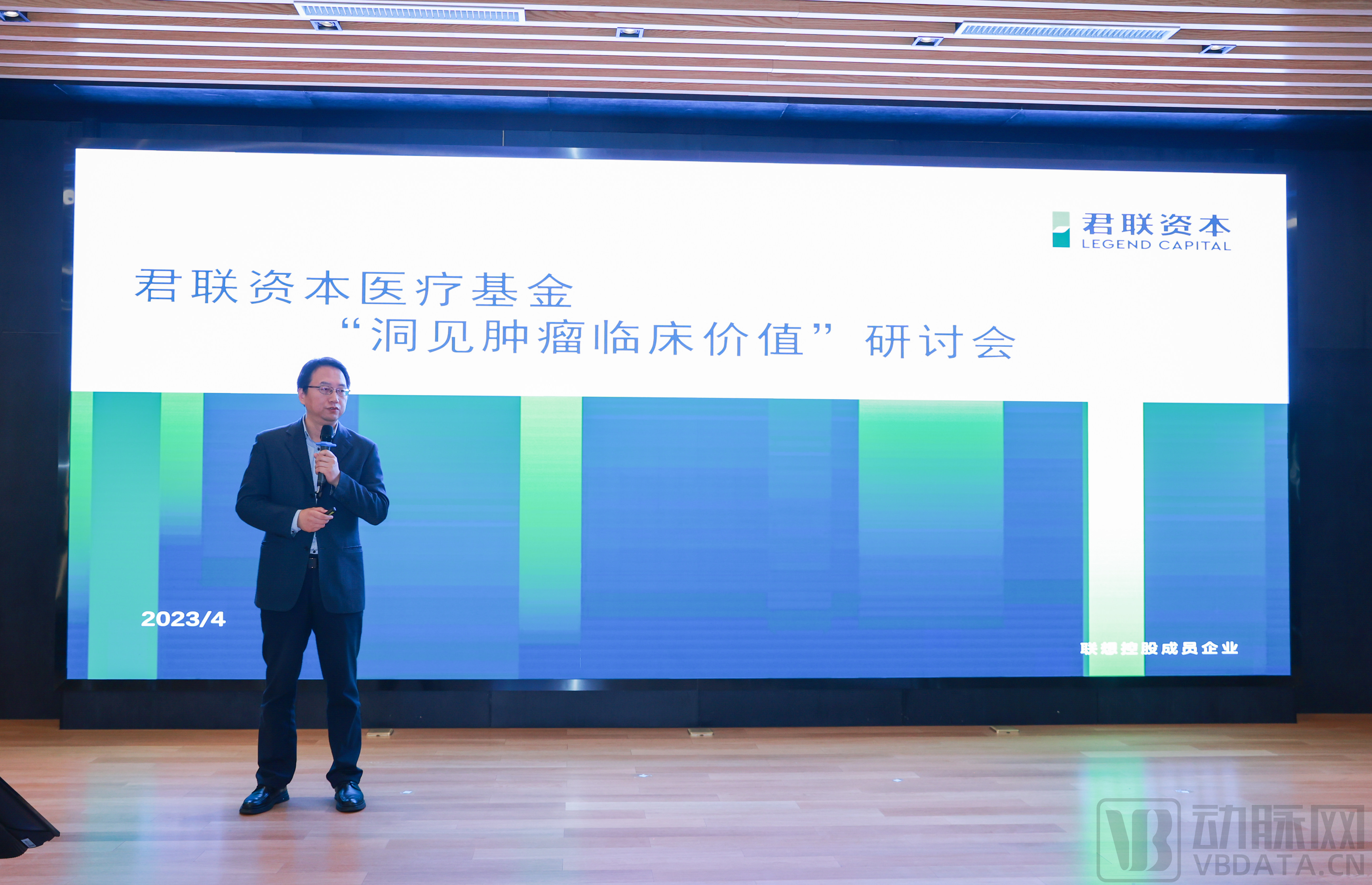
Hong Tan, Managing Director, Legend Capital
Multiple Perspectives, Jointly Discussing Clinical Value
Tang Yu, Head of the GCP Center Office at the Cancer Hospital of the Chinese Academy of Medical Sciences, delivered a keynote address on “The Current Status of Clinical Needs in Oncology in China and New Drug Development Guided by Clinical Value.” In his speech, he analyzed three critical issues regarding clinical value in oncology: 1. Why has oncology become the most active field for R&D? 2. Amid intense competition, what unmet needs remain in the oncology field? 3. How should we understand drug development guided by clinical value? His insights provided valuable inspiration to the attendees.
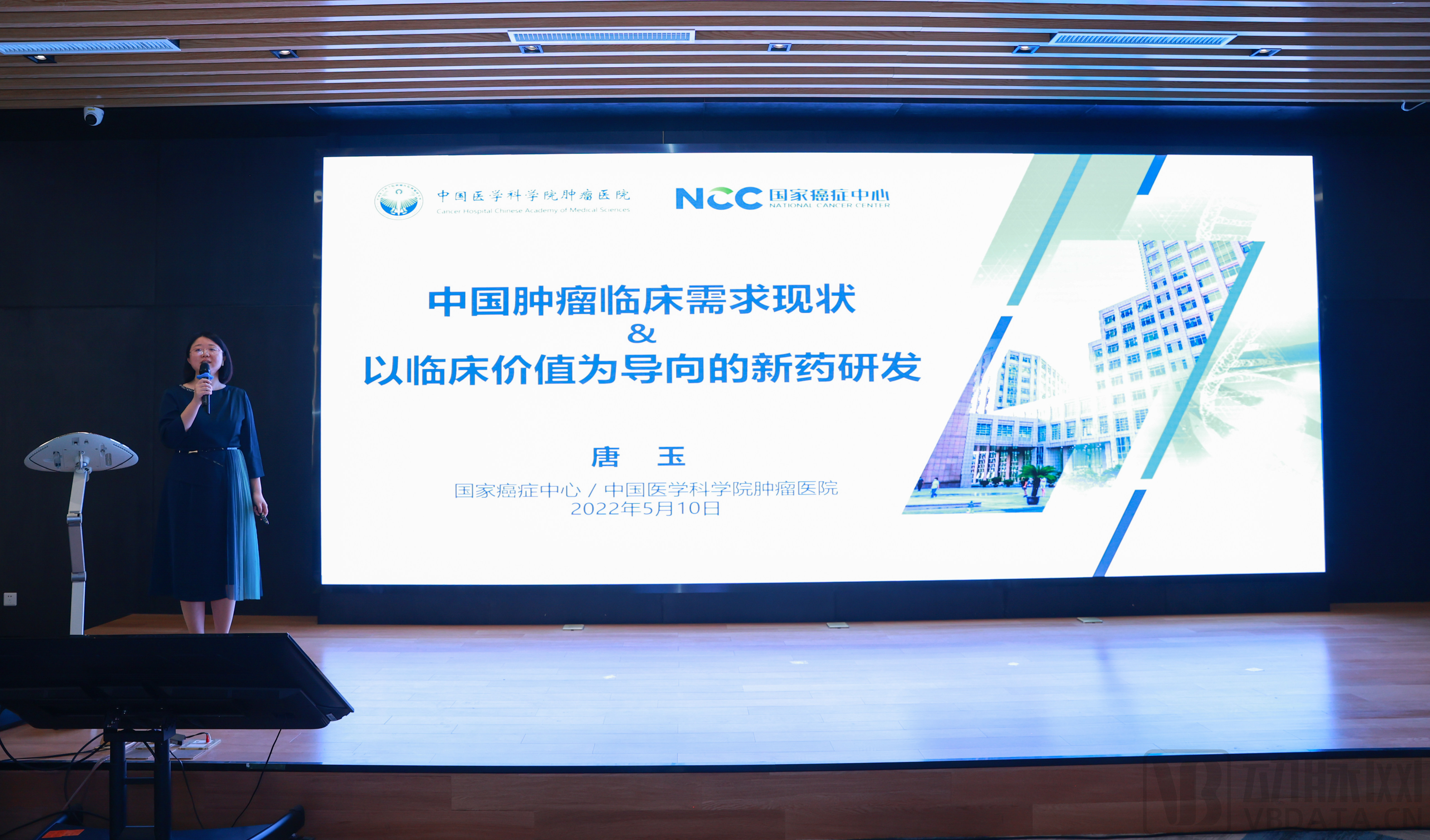
Tang Yu, Head of the GCP Center Office, National Cancer Center/Cancer Hospital, Chinese Academy of Medical Sciences
Wu Dawei, Ethics Director and Investigational Physician at the GCP Center of the National Cancer Center/Cancer Hospital, Chinese Academy of Medical Sciences, moderated the roundtable forum titled “From Concept to Practice: Clinical Value from Multiple Perspectives.” Three guest speakers—Dr. Tang Yu, Hong Tan, and Zhao Jiahong, Chief Medical Officer of Shengshi Taike—discussed the major obstacles currently facing oncology drug development in China from the dimensions of R&D, collaboration, and commercialization. They explored collaborative models guided by clinical needs for drug development, strategies to maximize clinical value during the drug development process, and how to balance the urgency of unmet clinical needs with market limitations.
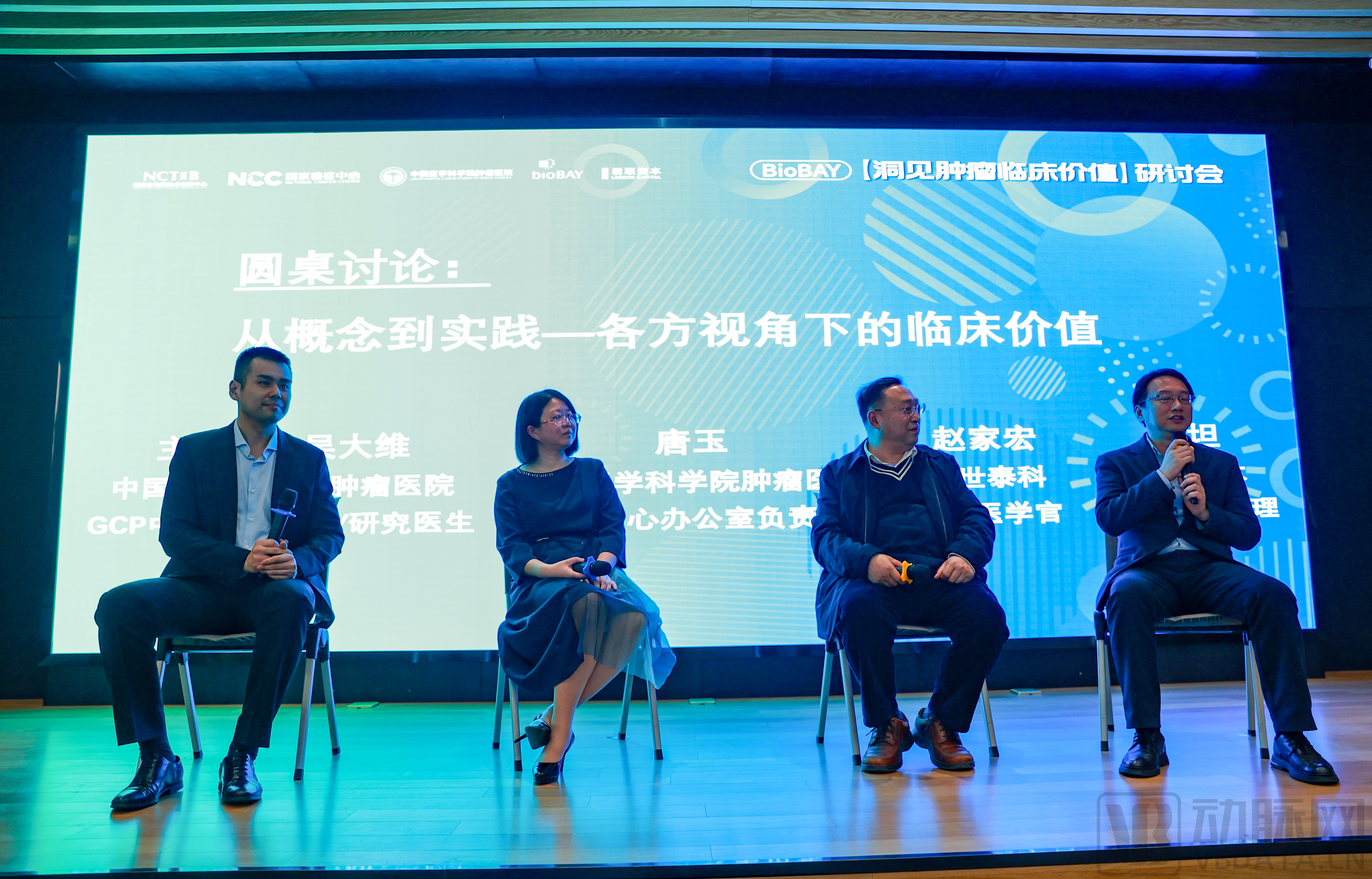
“From Concept to Practice: Clinical Value from Multiple Perspectives” Roundtable Forum
Seize the Timing of Clinical Translation, Explore Pathways for Clinical Translation
“Advancing Frontier Biotechnologies into Clinical Research: When and How?” Dr. Dawei Wu shared insights on this topic, clarifying the regulatory and registration pathways for innovative oncology drugs from non-clinical stages to First-in-Human (FIH) trials. From the perspective of medical institutions, he outlined the approval processes for conducting early exploratory studies of innovative drugs and elaborated on the scientific and ethical considerations involved.
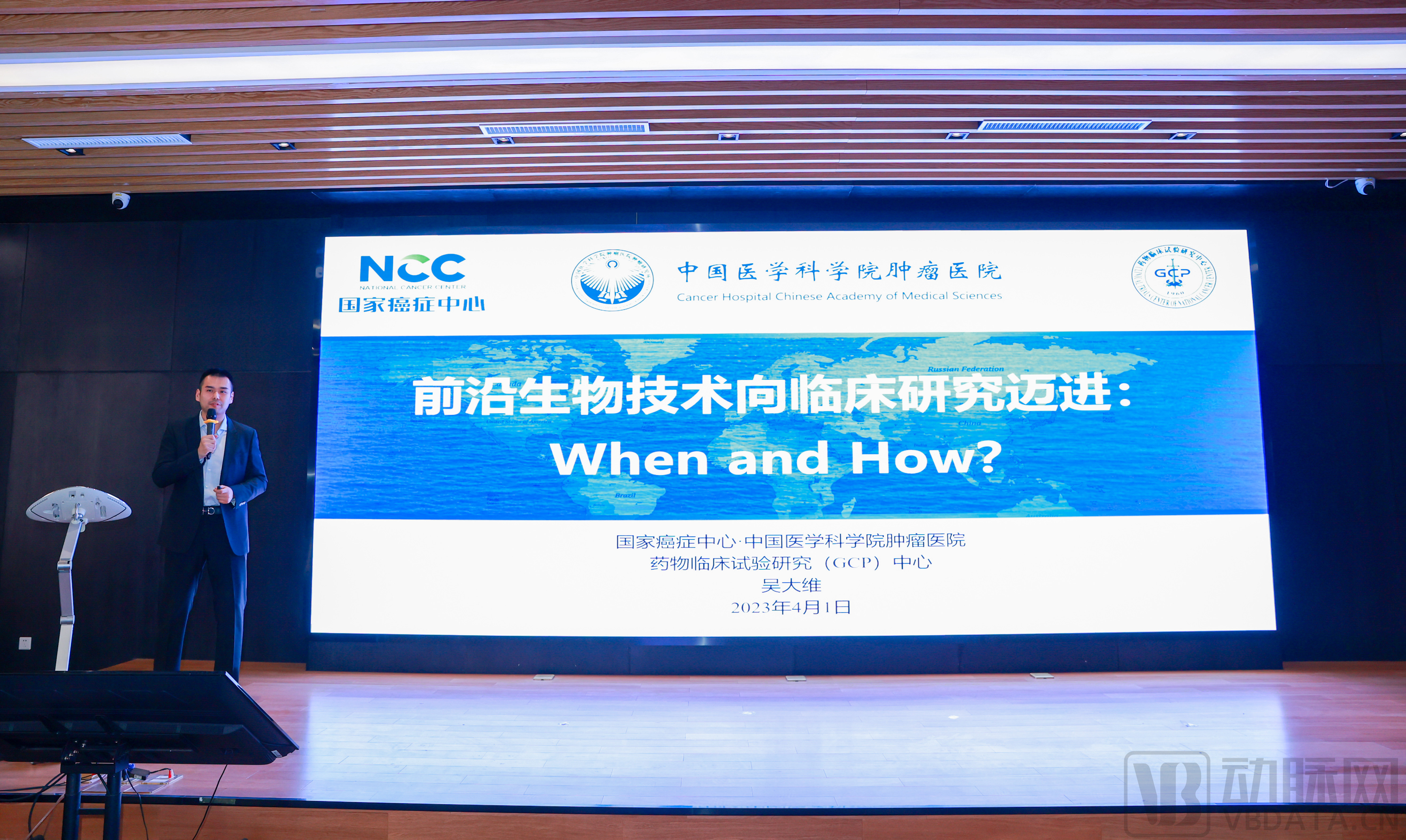
Wu Dawei, Ethics Director/Research Physician, GCP Center, Cancer Hospital, Chinese Academy of Medical Sciences
Moderated by Dr. Wang Xin, a research physician at the GCP Center of the Cancer Hospital, Chinese Academy of Medical Sciences, three industry leaders—He Zhiyong, Co-founder and CEO of Aikeliyuan; Zhu Yongliang, Founder and General Manager of Purisen Biologics; and Cheng Peng, Founder and Chairman of Caike Biotechnology—engaged in a discussion on the theme “From Non-Clinical to Clinical: How to Address Clinical Needs and Initiate Clinical Studies Early.” From the founders’ perspectives and through the lenses of innovative drug development and translational medicine, they shared insights based on their respective companies’ strategic layouts on how to effectively manage the timing, efficiency, and risks of clinical trials.
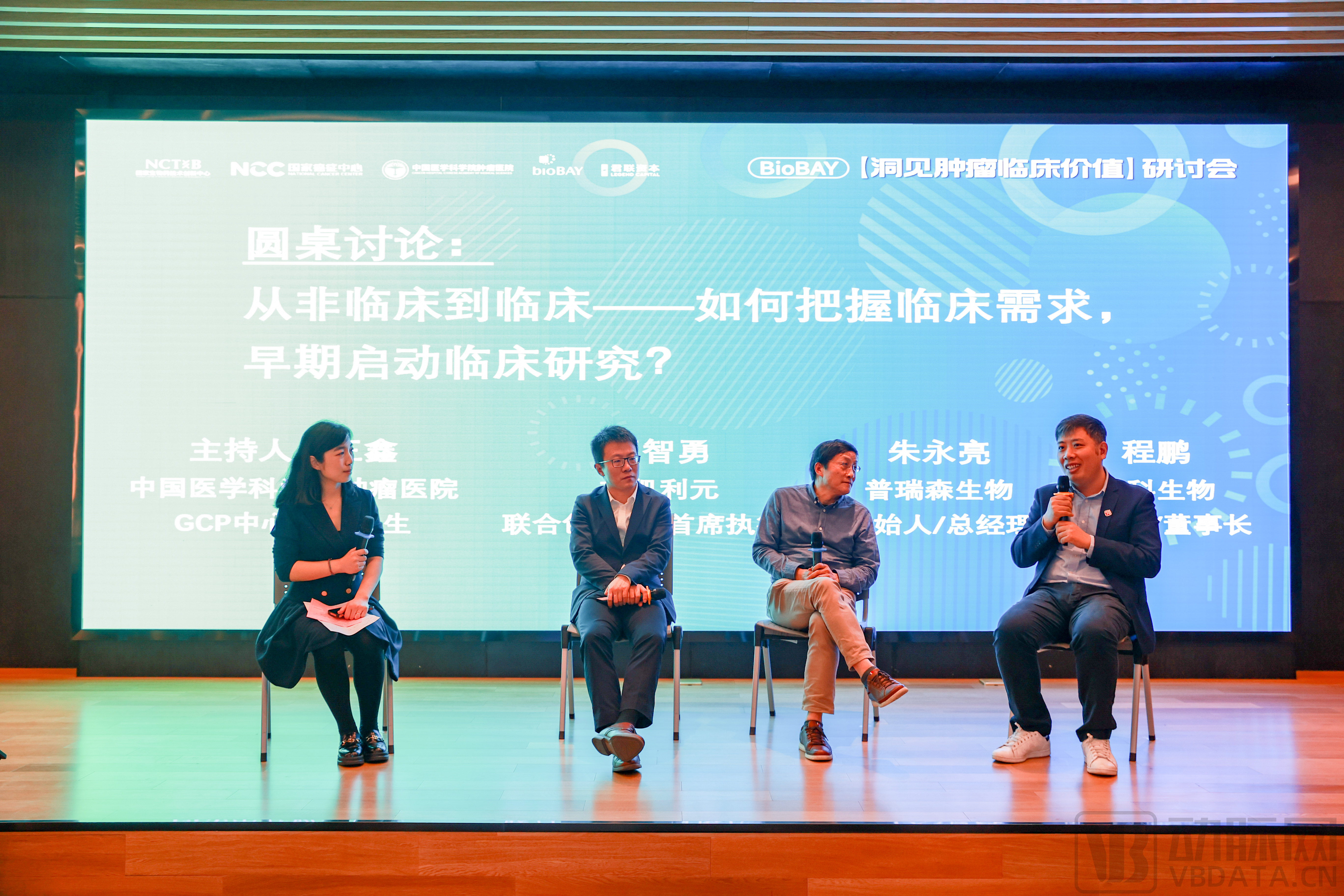
“From Non-Clinical to Clinical: How to Grasp Clinical Needs and Initiate Clinical Studies Early” Roundtable Forum
Targeting Clinical Needs, Strategizing Clinical Research
At the Cancer Hospital, Chinese Academy of Medical Sciences, Dr. Fang Yuan, a research physician at the GCP Center, delivered a keynote address titled “Fostering Positive Interaction Between Innovative Enterprises and Healthcare Institutions to Accelerate Clinical Development.” Through compelling case studies, he analyzed the comprehensive involvement of clinical institutions in all phases of clinical trials and examined external factors influencing trial outcomes, elucidating how clinical institutions can facilitate the acceleration of anticancer drug clinical trials.
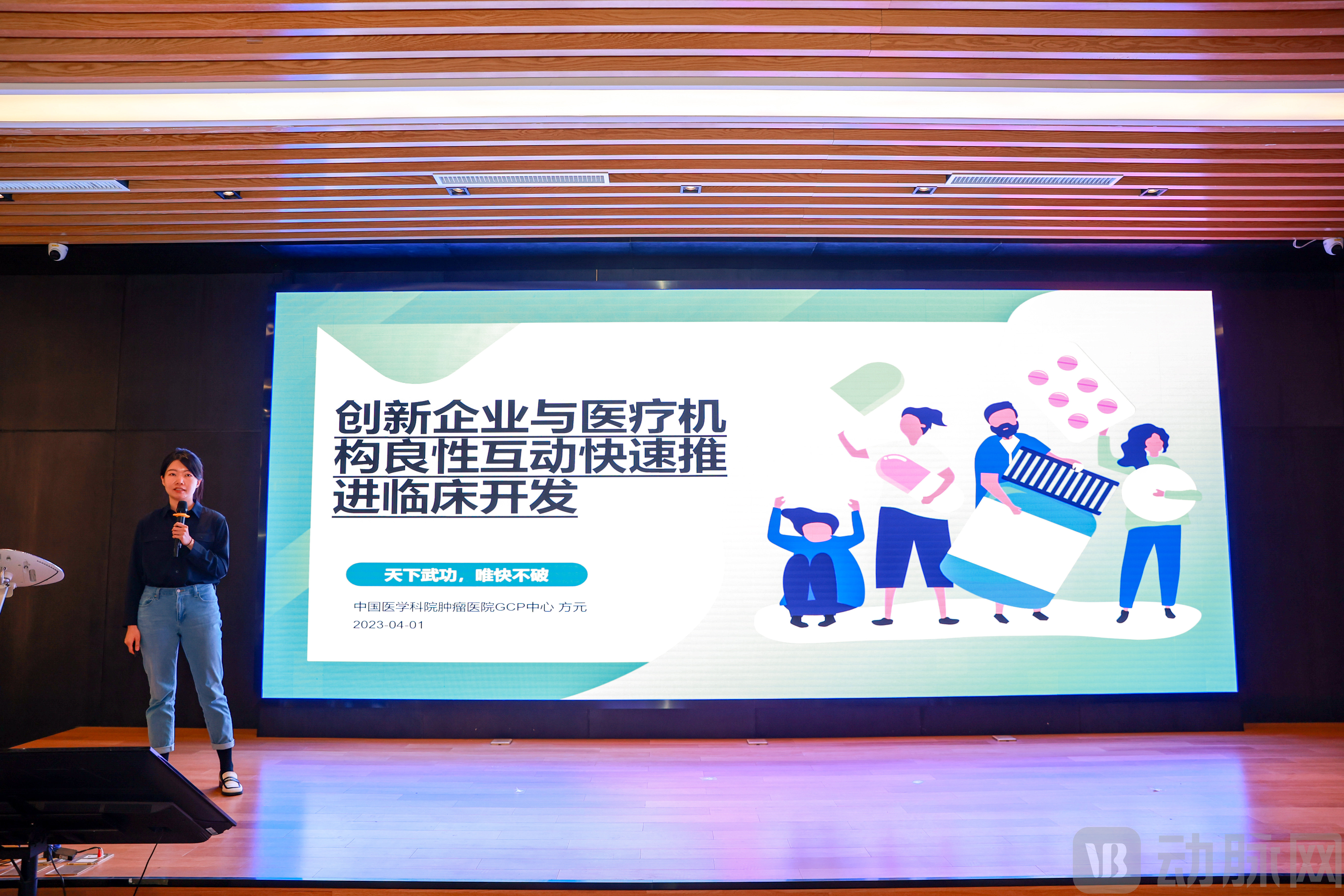 Cancer Hospital, Chinese Academy of Medical Sciences: Fang Yuan, Investigator, GCP Center
Wang Haotian, Vice President of Investment at Legend Capital, moderated the roundtable discussion titled “From Clinic to Market: How to Strategically Plan Clinical Studies to Rapidly Meet Clinical Needs.” The panelists—Zhang Dawei, Founder and General Manager of Taolue Biopharma; Sun Li, Director of Clinical Operations at Shijie Biotech; and Dr. Fang Yuan—jointly explored the key information most desired by both medical professionals and enterprises during communication, how to mitigate significant barriers impeding effective dialogue, and how to achieve an ideal model of medical-industry interaction.
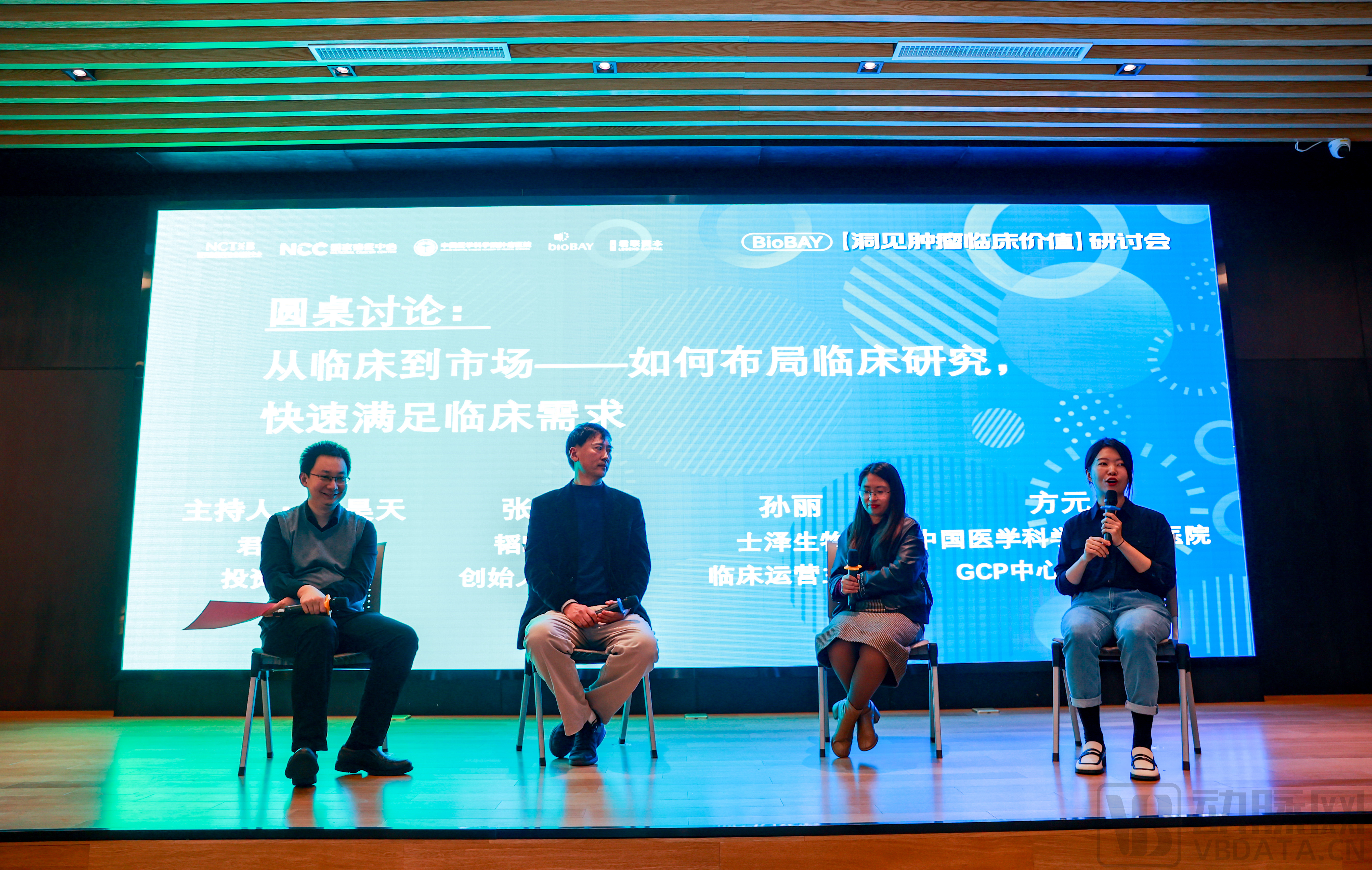
“From Clinic to Market: How to Strategize Clinical Research to Rapidly Meet Clinical Needs” Roundtable Forum
At the conclusion of the conference, Professor Li Ning and Hong Tan sincerely thanked all the guests for their insightful contributions. They expressed their anticipation for in-depth exchanges among medical professionals, enterprises, investors, and platforms in the future. Through ecosystem collaboration, they aim to enhance understanding of the clinical value in oncology, facilitate the efficient translation of pharmaceutical technologies into clinical practice within the oncology industry, and ultimately benefit patients.